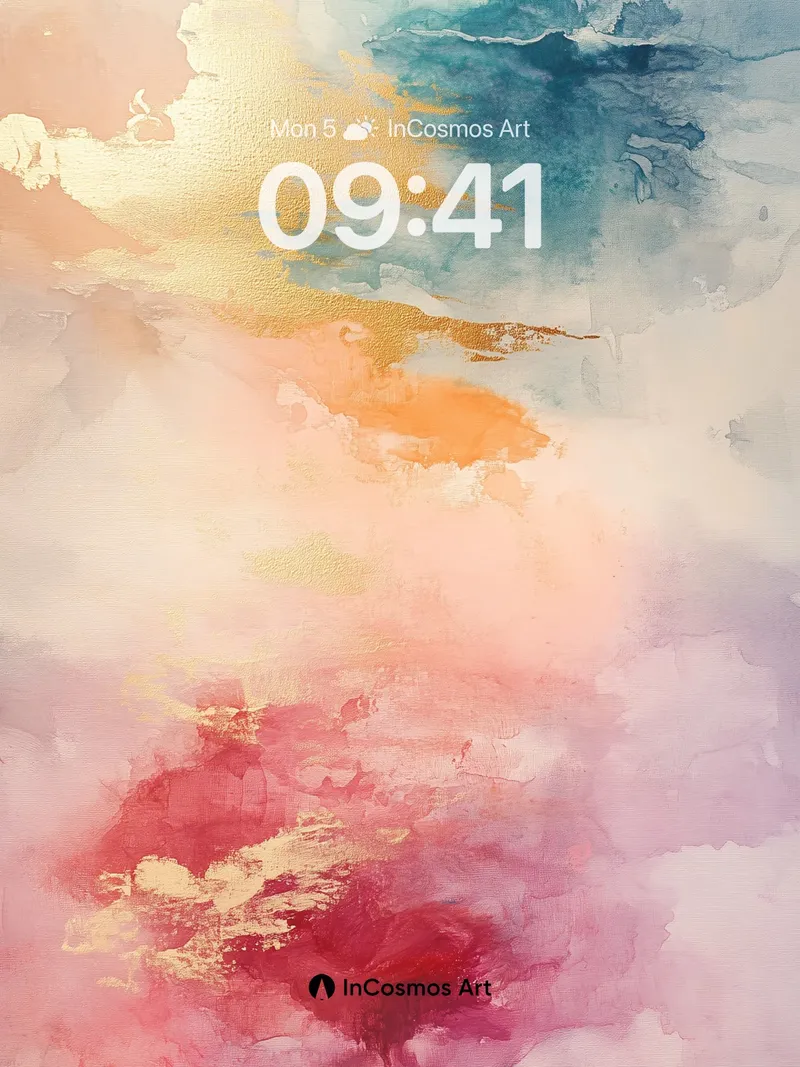
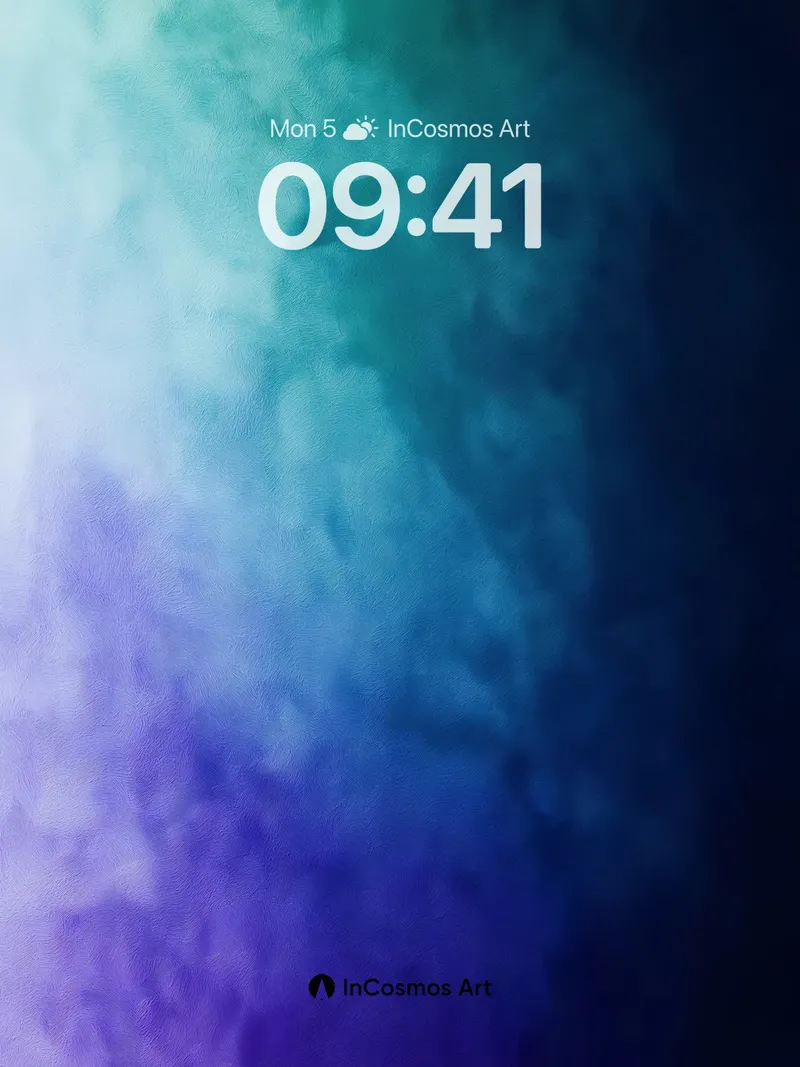
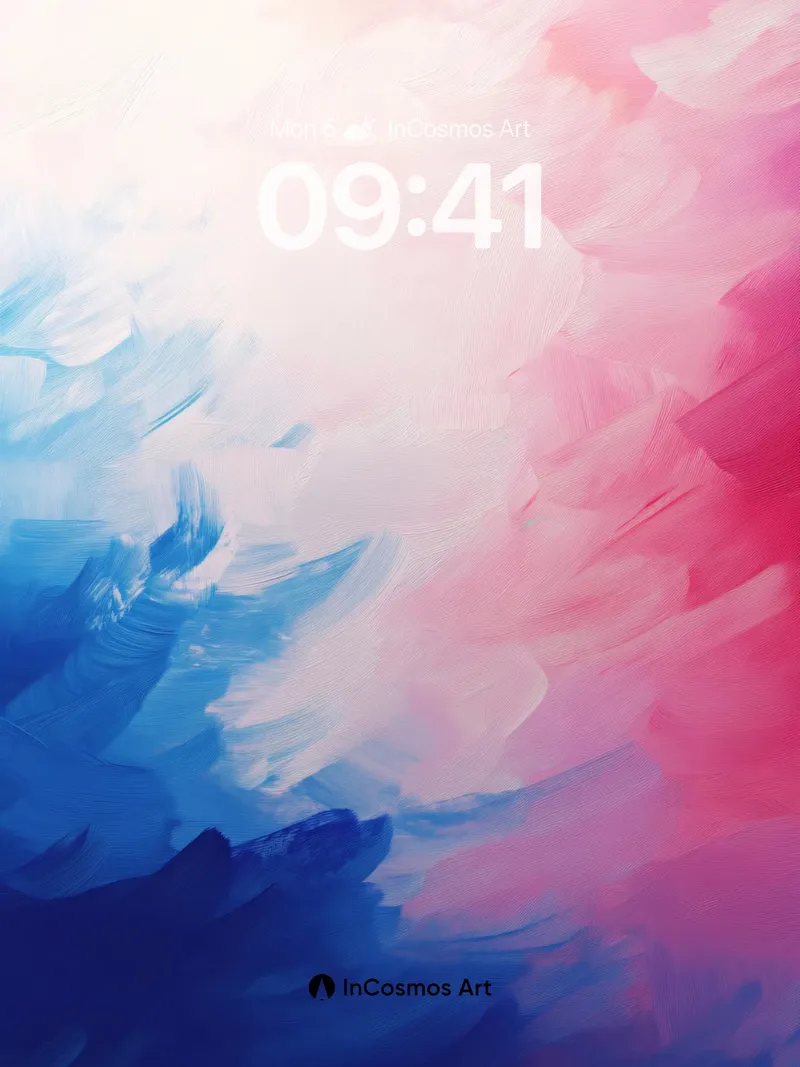
Color moves through space without anchoring to form, yet it carries emotional weight. It seeps into consciousness unseen, becoming the background of memory and reflecting how individuals perceive the world. These flowing hues are not random but visual traces of an ongoing dialogue between inner order and external chaos. Each gradient is a breath, every blend a silent monologue. Here, color transcends decoration—it becomes a language, a system of expression beyond symbols.
The Spectrum of Emotion
The arrangement of colors forms a non-linear narrative structure. From warm yellow to deep violet, from pink to indigo, transitions mimic emotional rhythms rather than follow mechanics. High saturation zones represent intense emotional shifts, while low luminance areas suggest introspection and stillness. This layering mirrors the complexity of modern psychological states—joyful surfaces often masking unspoken fatigue and longing.
Abstraction in Everyday Life
When abstraction moves beyond galleries and into digital life, it completes its shift from elite aesthetics to mass cognition. Dynamic phone backgrounds, social media filters—all reveal how abstract forms are recoded as vessels for daily emotions. By selecting certain color combinations, people indirectly construct self-identity. This is not merely aesthetic choice but psychological projection.
Cultural Metaphors of Color
In different cultures, colors carry distinct social meanings. Red in Eastern traditions links to celebration and authority, while in Western contexts it may signify danger or passion. Blue commonly symbolizes calm and trust across cultures, though in some religious systems it denotes divinity. These variations make color a bridge in cross-cultural communication, revealing both shared subconscious patterns and divergences.
The Limits of Perception
Visual experience remains bounded by sensory thresholds. Human eyes can distinguish only a limited number of colors, yet the brain expands this range through association and memory. Thus, the true power of color lies not in its physical properties but in the cognitive networks it activates. A simple gradient can evoke childhood memories, seasonal changes, or fragments of historical events.