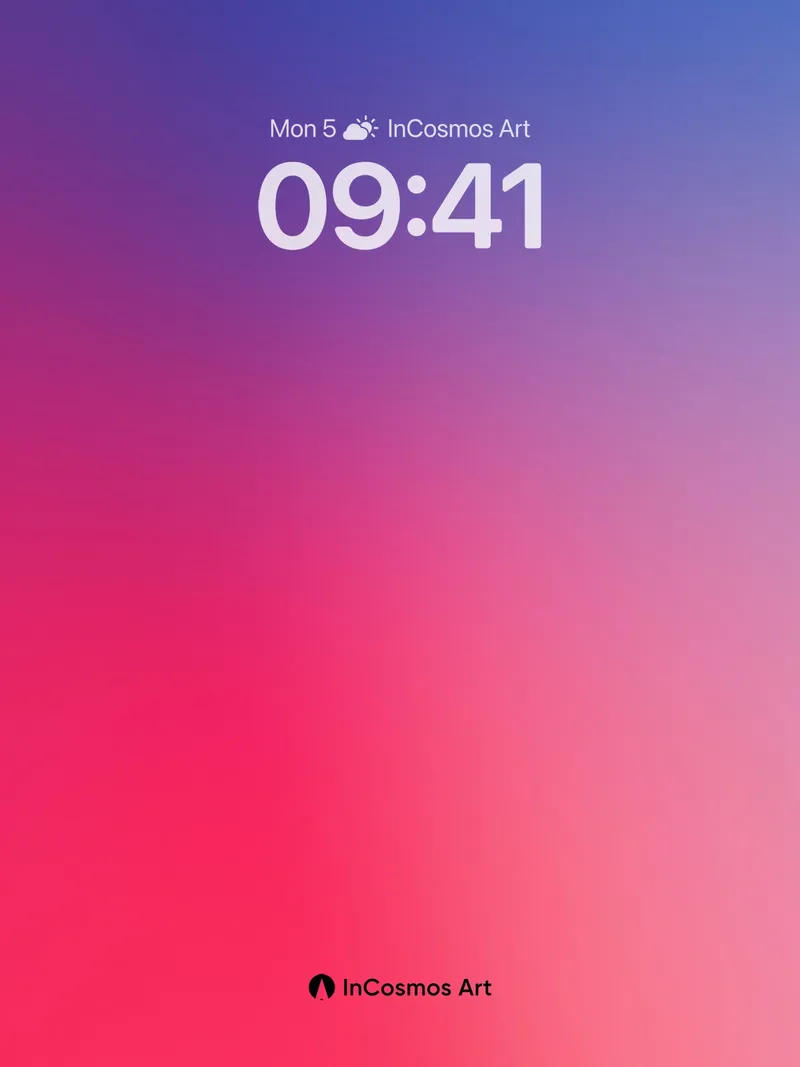
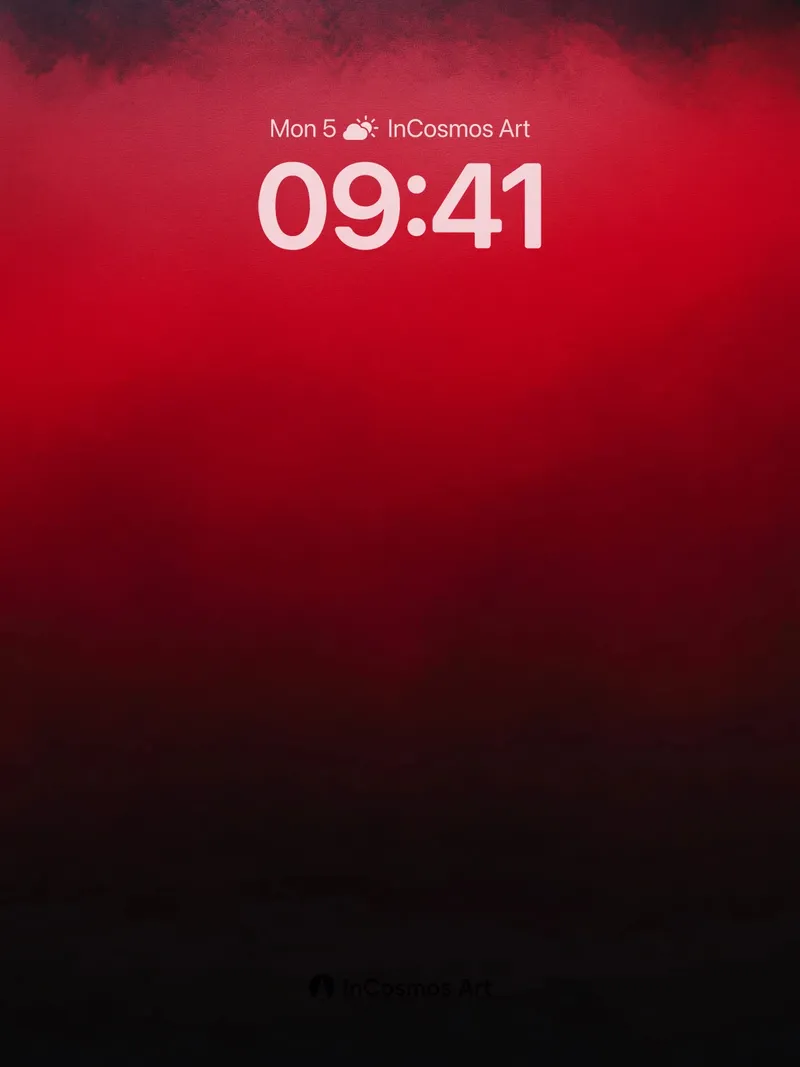
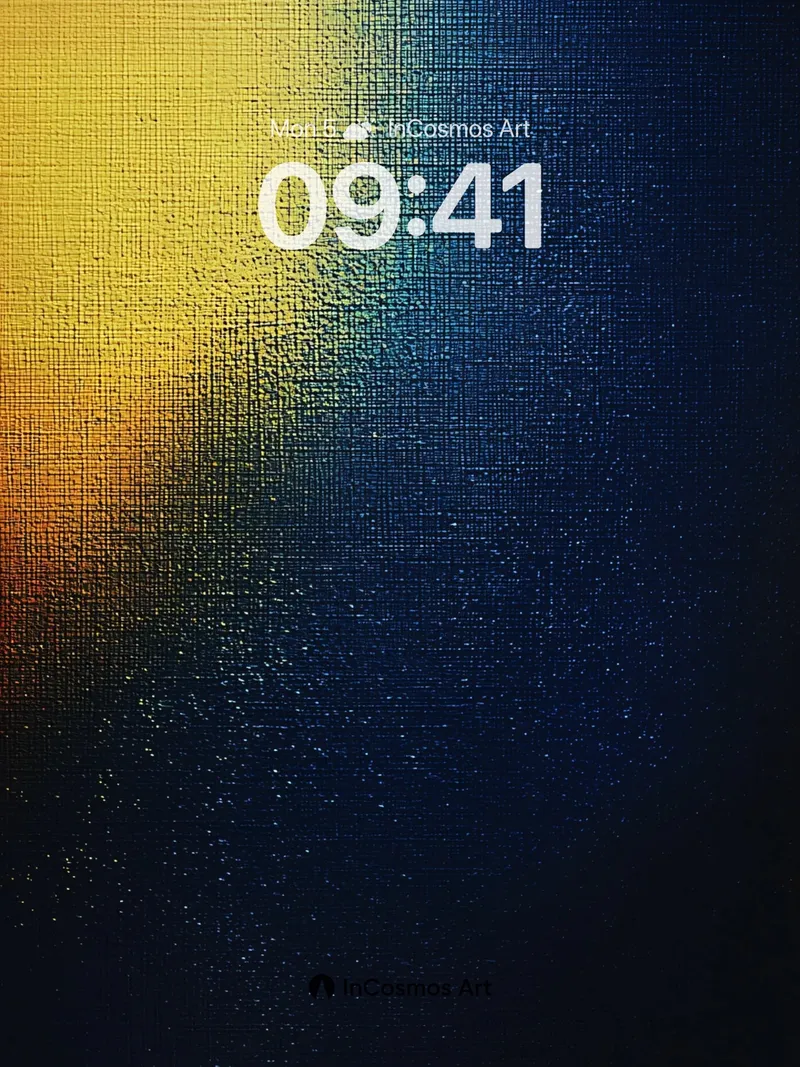
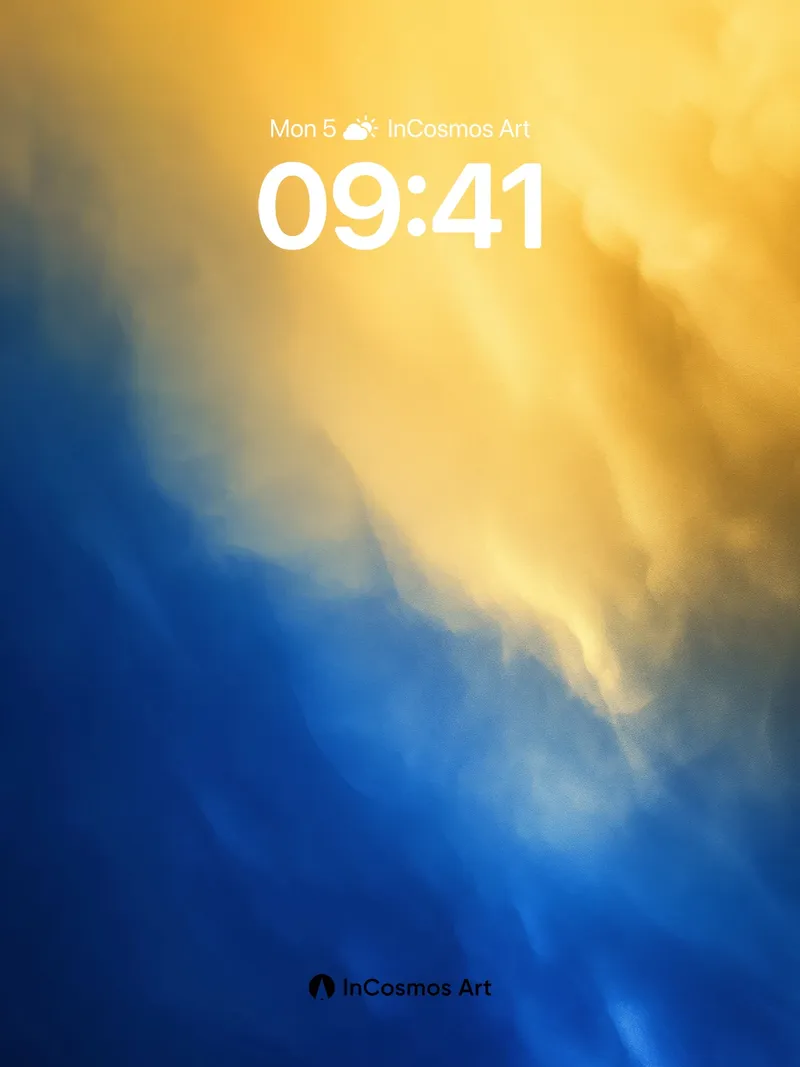
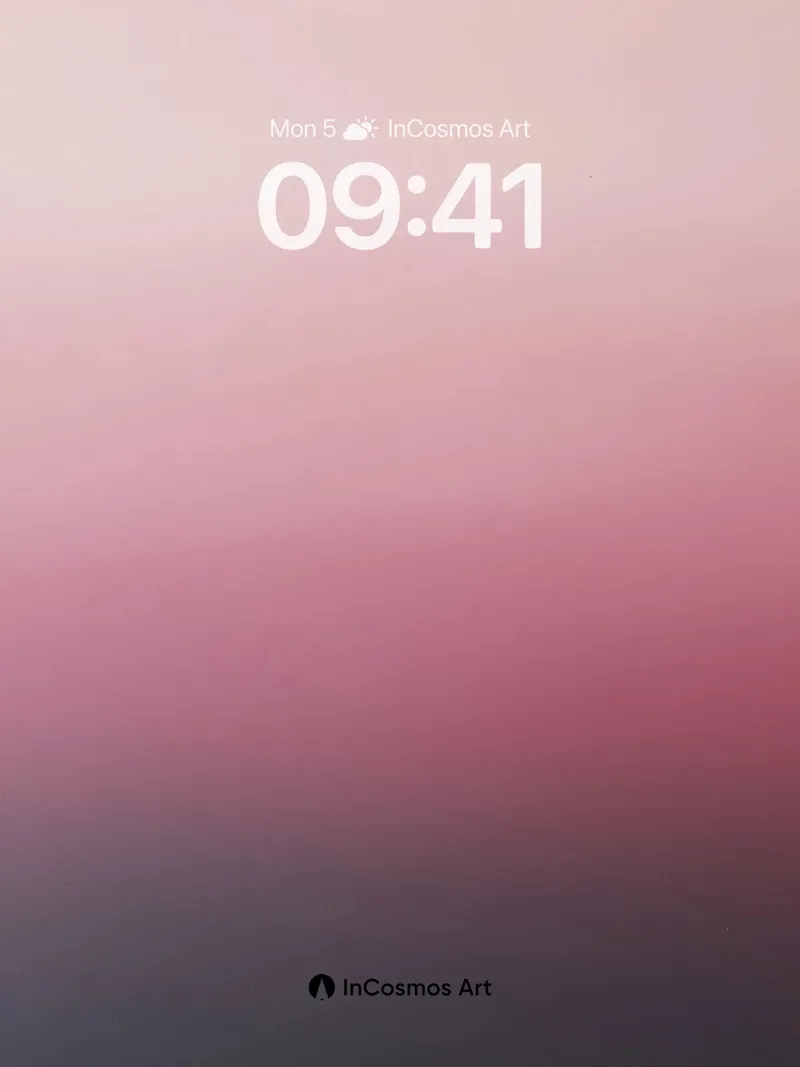
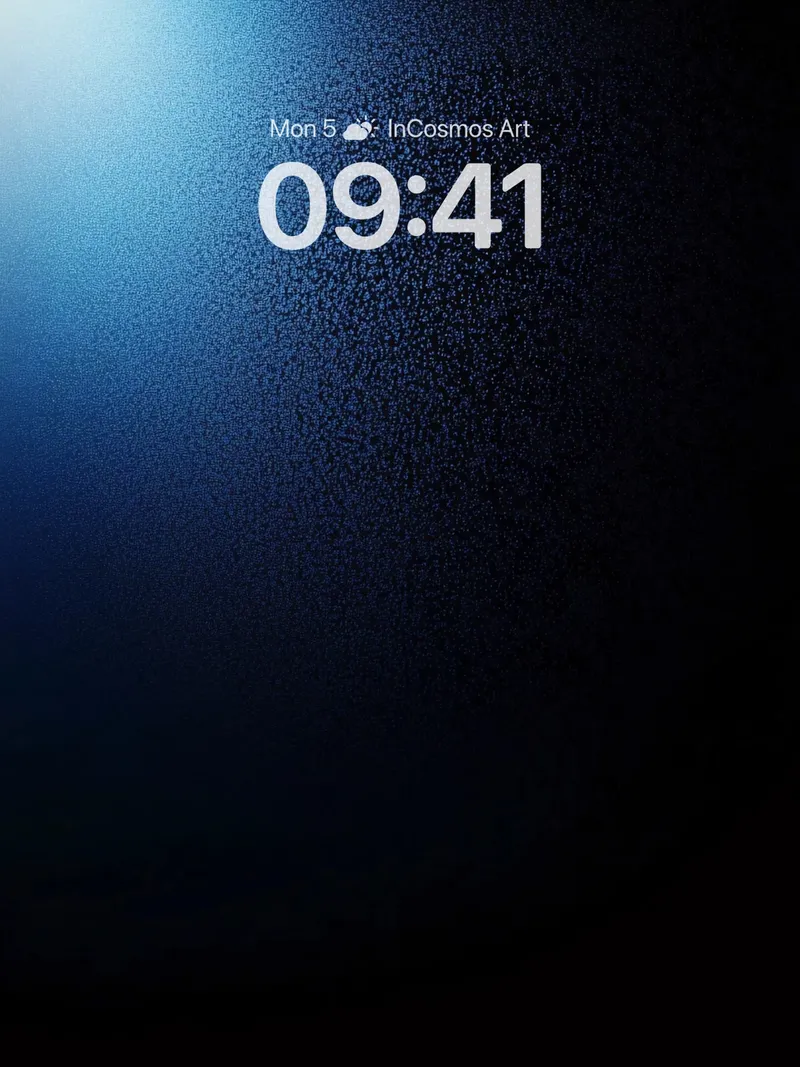
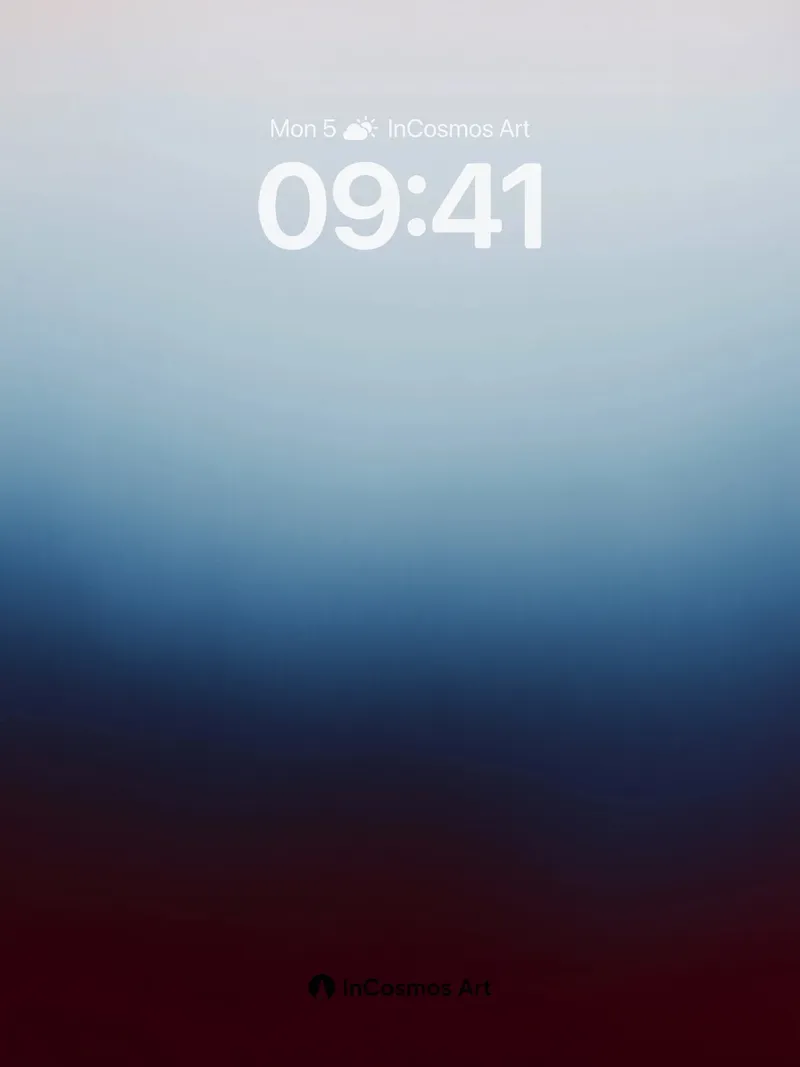
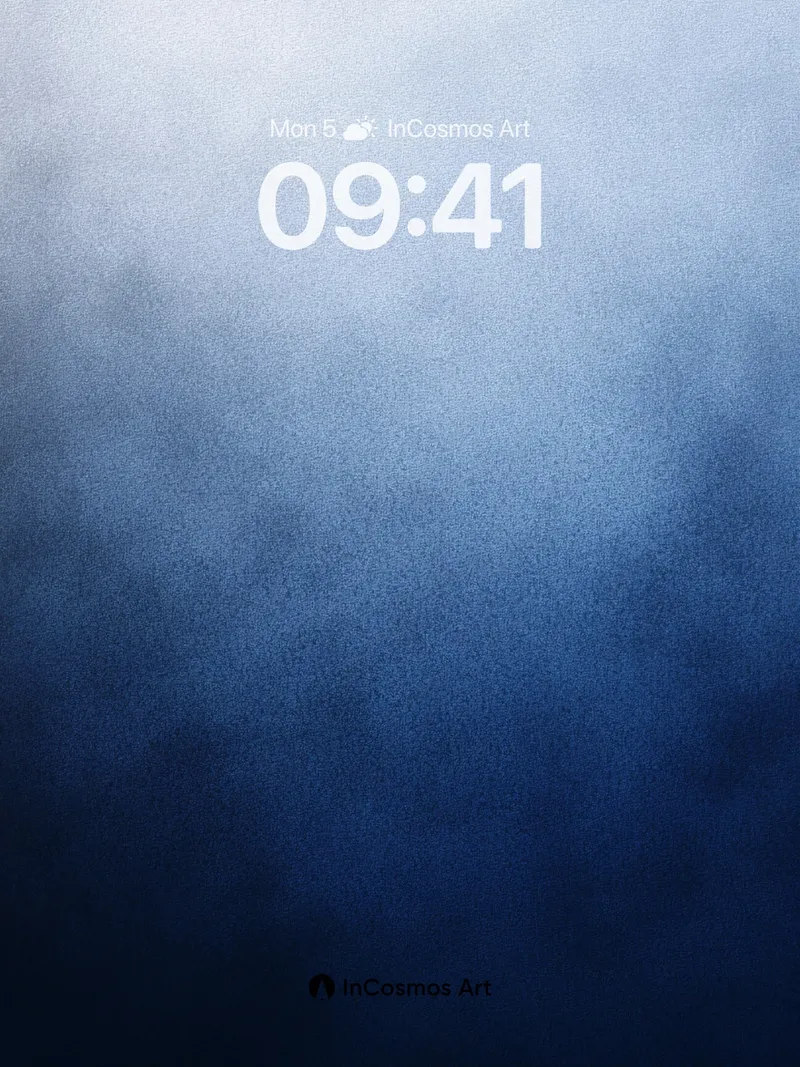
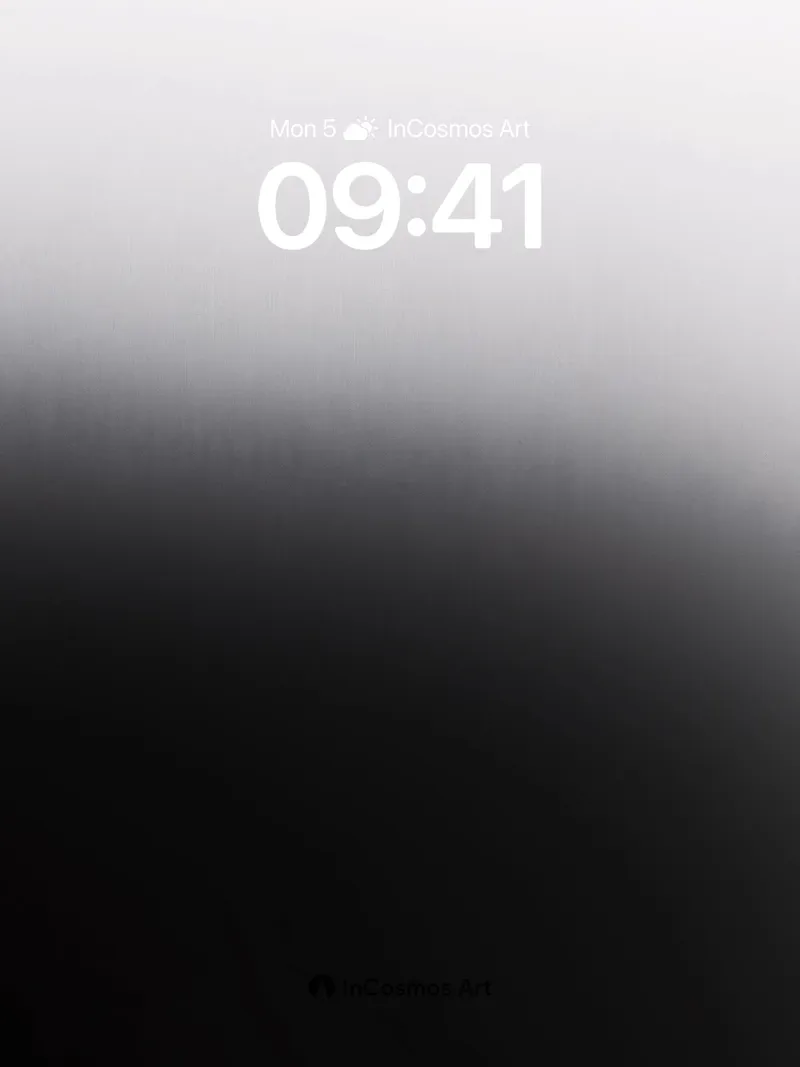
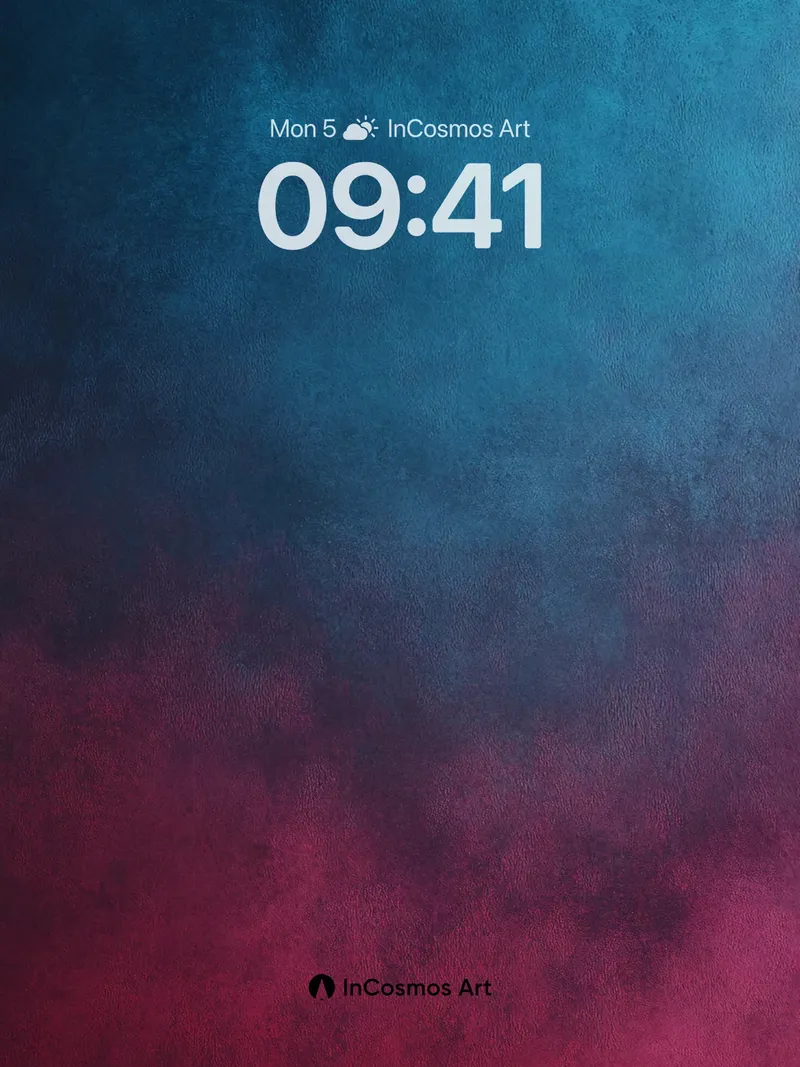
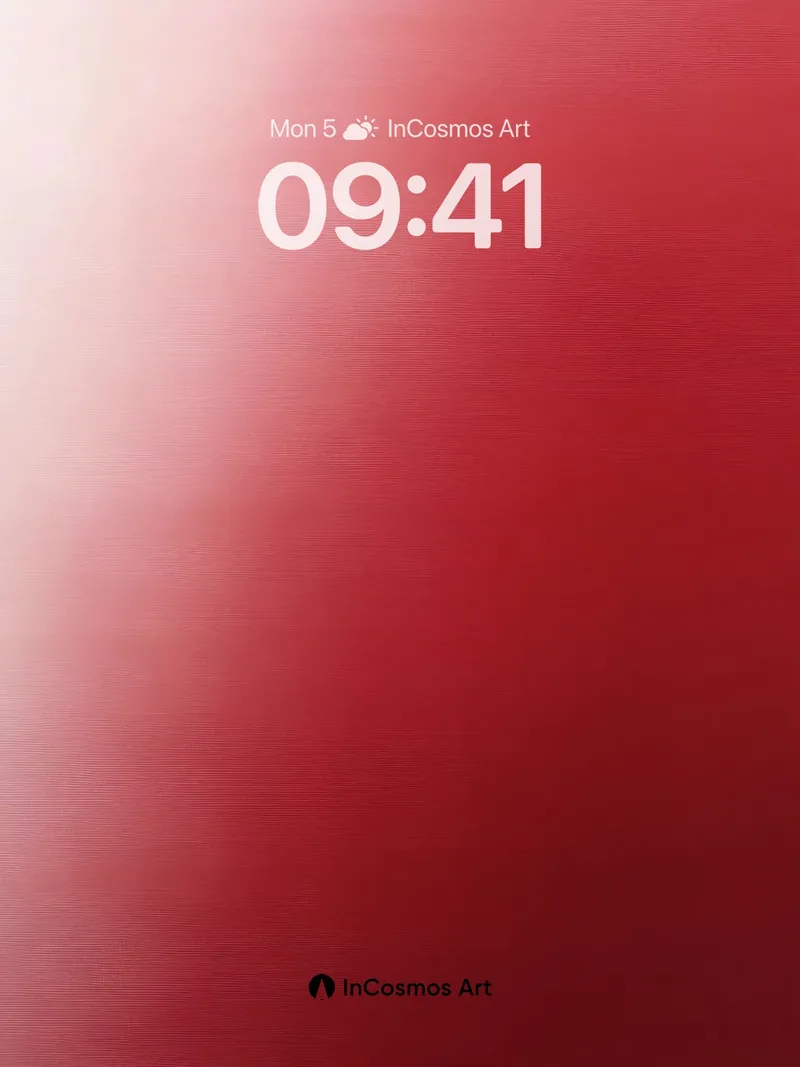
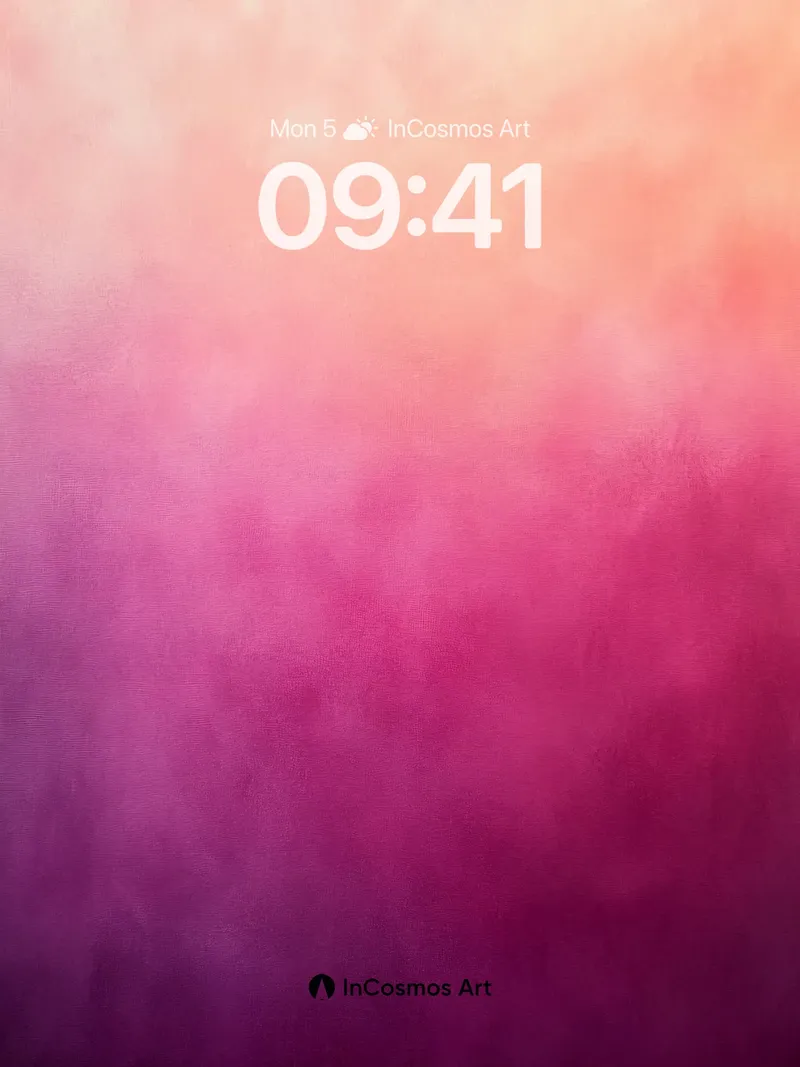
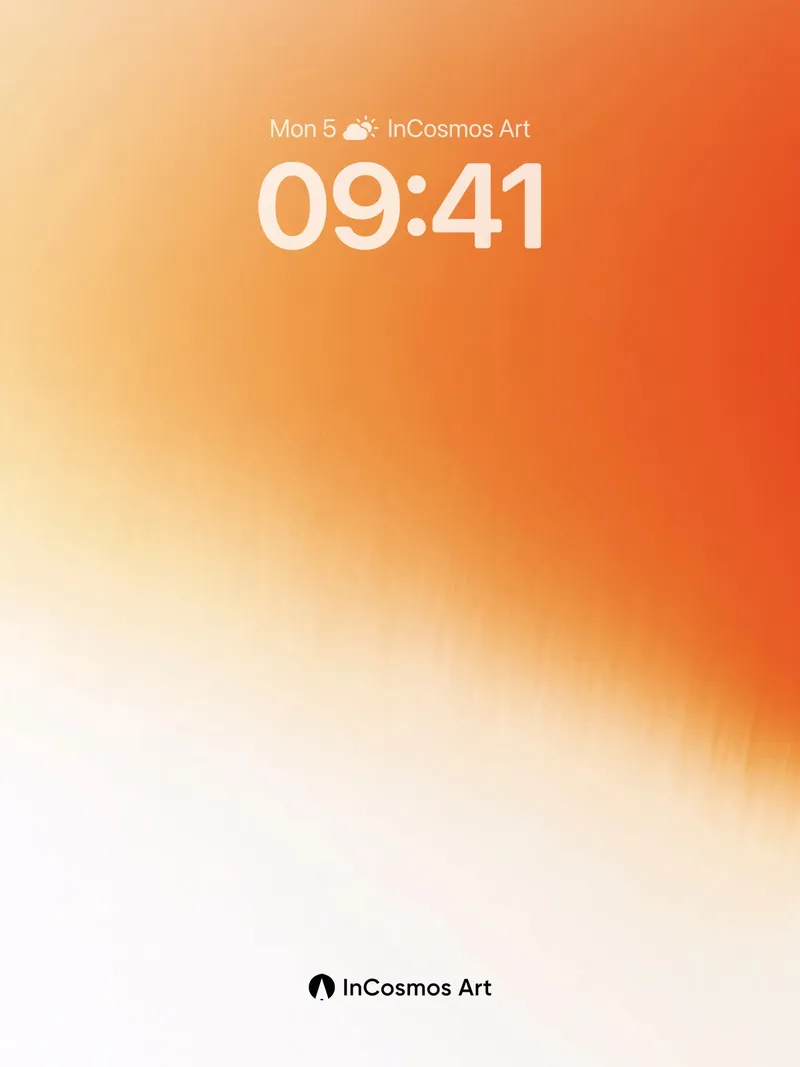
Color spreads invisibly, like traces of memory unfolding deep within consciousness. The boundary between light and dark is not broken but permeated, merged into a silent language. This language does not rely on form, yet conveys psychological rhythm through layers of perception. From warm yellow to deep blue, from pink to violet-black, each transition marks an internal emotional shift. These color juxtapositions are not mere decoration but modes of being—they simulate the ineffable nature of human emotion, rendering abstract mental states into tangible fields.
Topology of Emotion
The gradient forms a topological logic. It does not depend on geometric order but unfolds according to perceptual density. The yellow region signifies energy release, resembling the moment dawn breaks; blue descends into silence, akin to contemplation after nightfall. There is no conflict between them, only coexistence and transformation. This structure mirrors individual psychological fluctuations in daily life: excitement alternating with calm, passion running parallel to detachment. Within such a space, one need not name emotions—only feel their flow.
Abstraction as Medium of Expression
When imagery strips away representational elements, it becomes a vessel for pure sensation. Subtle texture variations suggest the passage of time, while graininess evokes reflection on digital reality. These surfaces are not perfectly smooth but carry a raw quality, resembling the threshold between natural and artificial. In this ambiguity, viewers are invited into a non-rational experience—not seeking meaning, but immersing in atmosphere. This mode of expression rejects explanation yet offers deeper pathways to understanding.
Dialogue in Silence
Colors do not converse, yet respond to one another in quiet harmony. The fusion of pink and purple resembles a city skyline at dusk—gentle yet complex. Black’s presence introduces weight, but not oppression; instead, it sharpens other hues. This relationship reveals a social metaphor: how individuals maintain identity within groups and find resonance amid differences. Each gradient is a micro-negotiation about existence, distance, and connection.
Fluidity of Space
These colors are not fixed on a plane but possess dynamic vitality. They reconfigure with shifting viewing angles, breathing and undulating. This fluidity challenges traditional notions of space—not static frames, but continuously generated domains. In such environments, the relationship between body and environment is redefined: humans cease to be mere observers and become variables within the field.