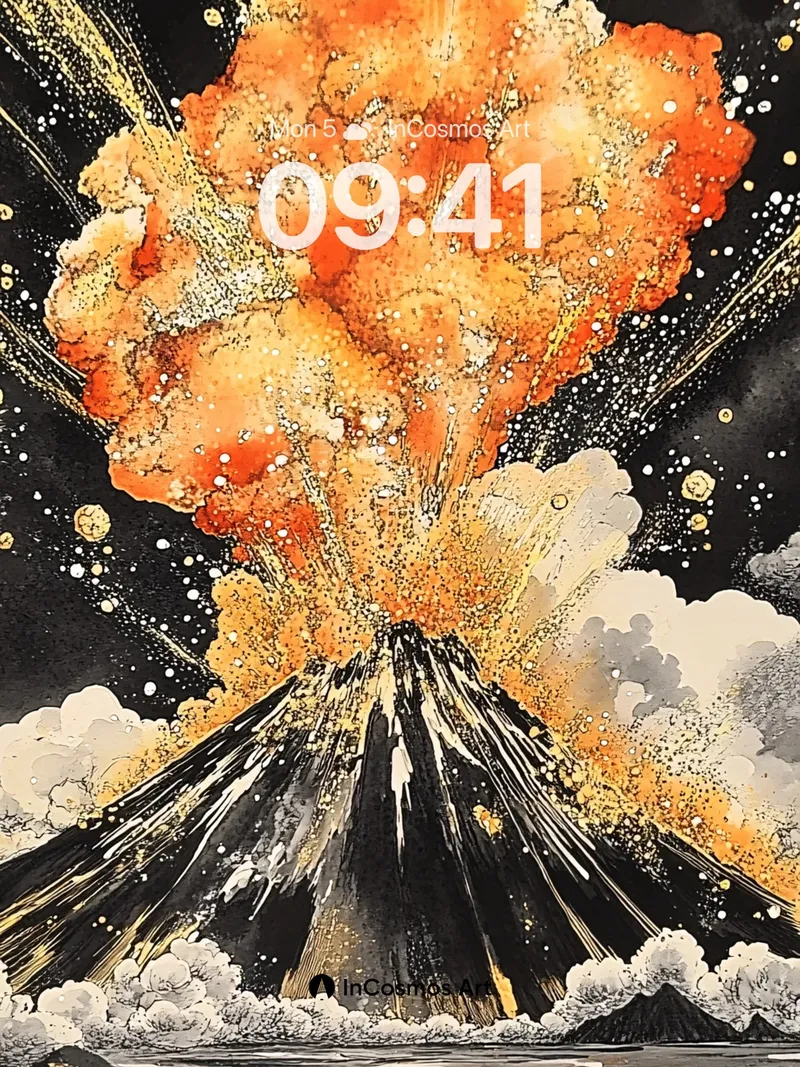
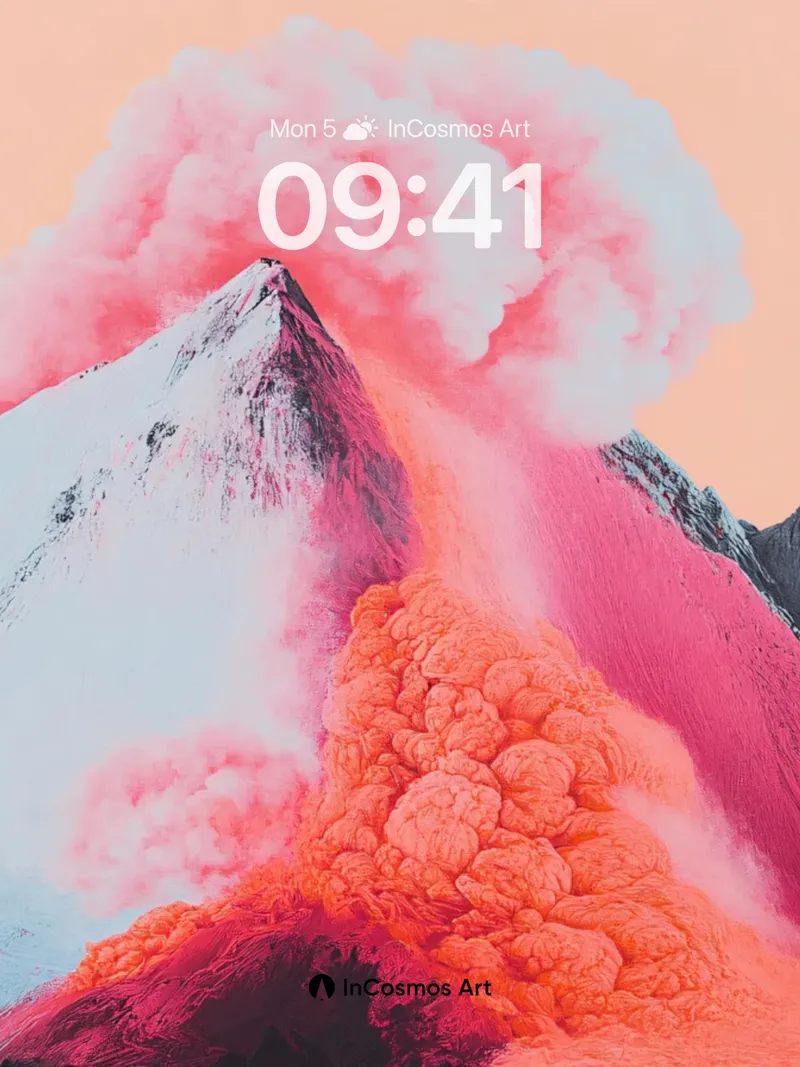
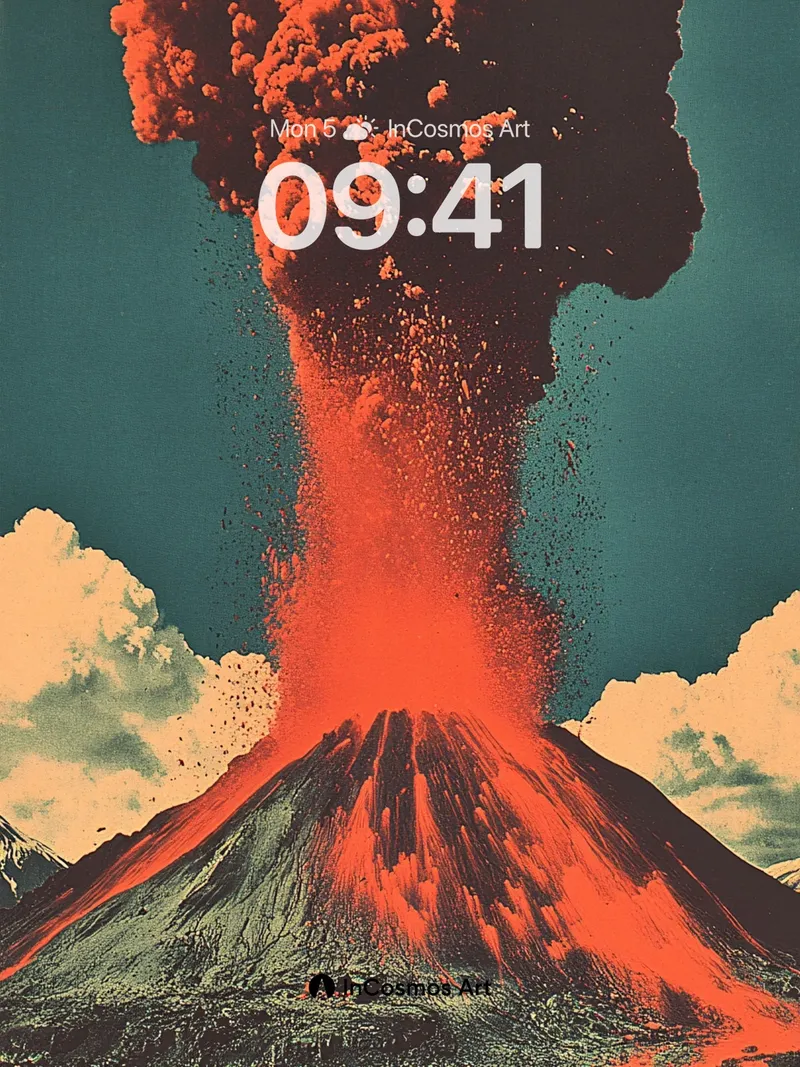
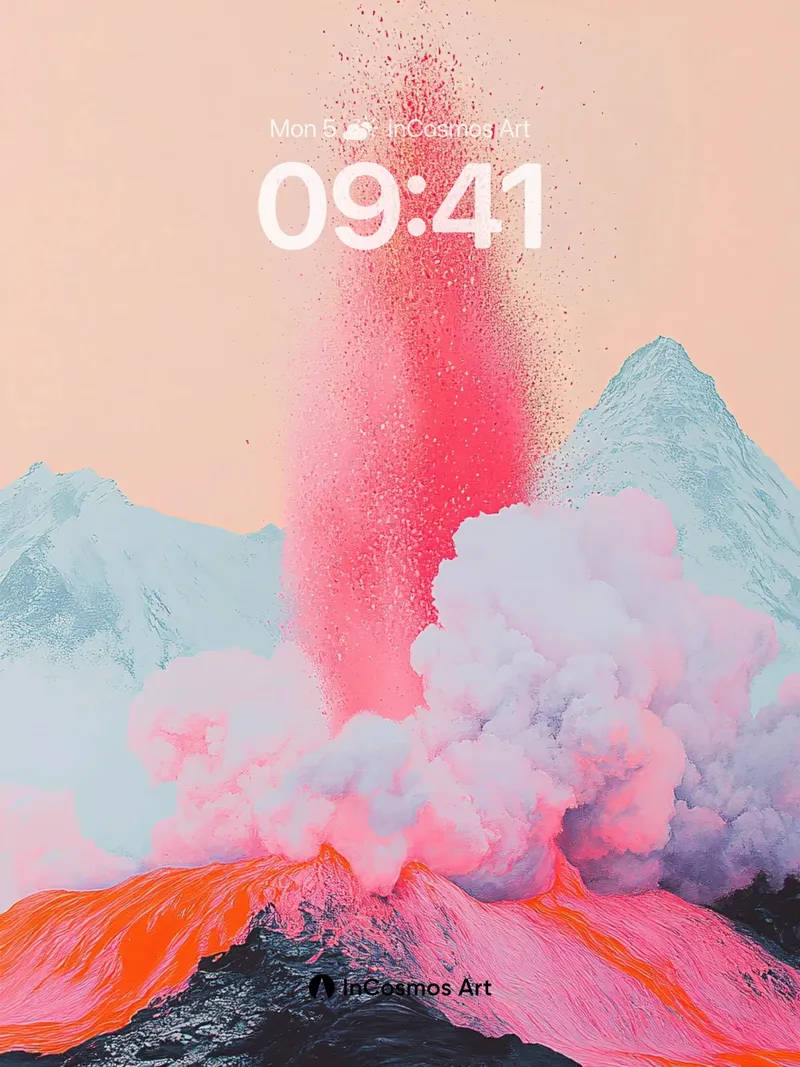
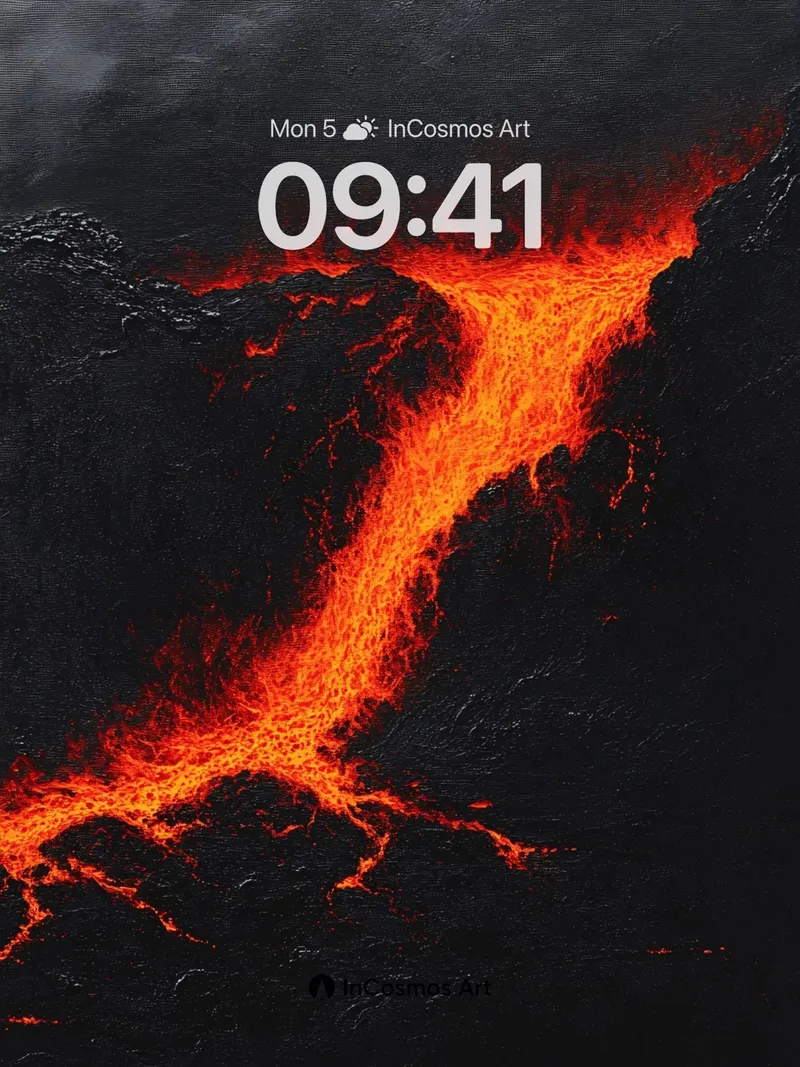
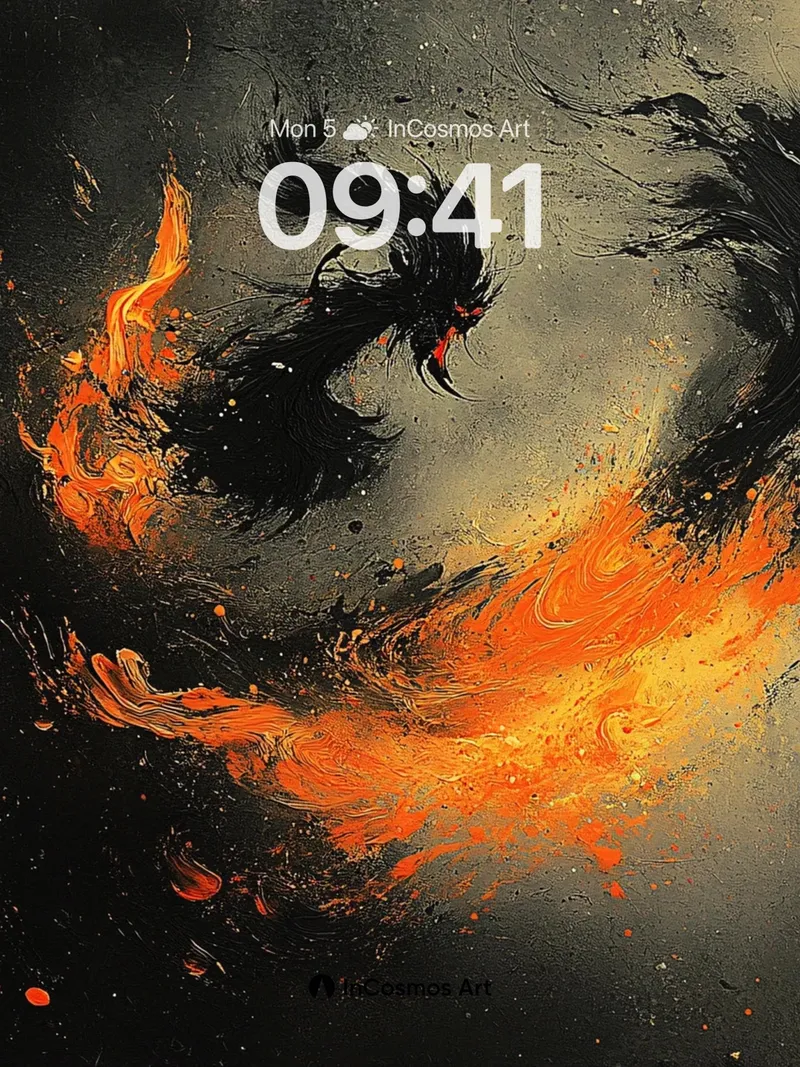
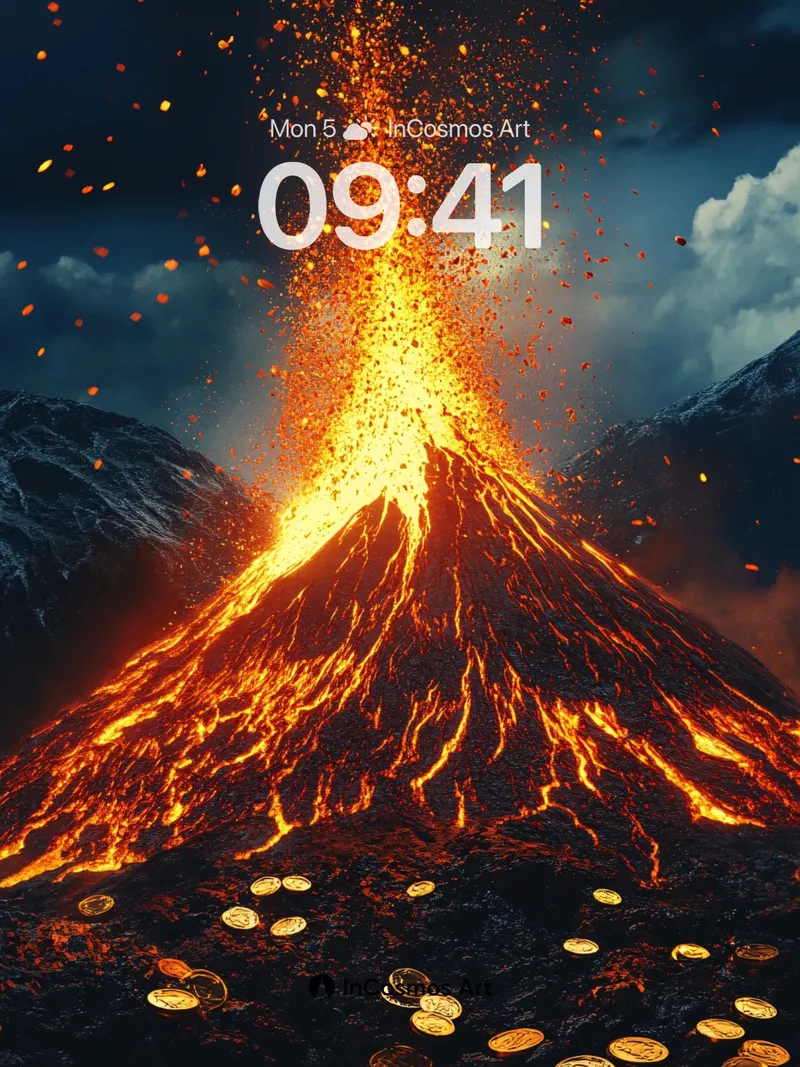
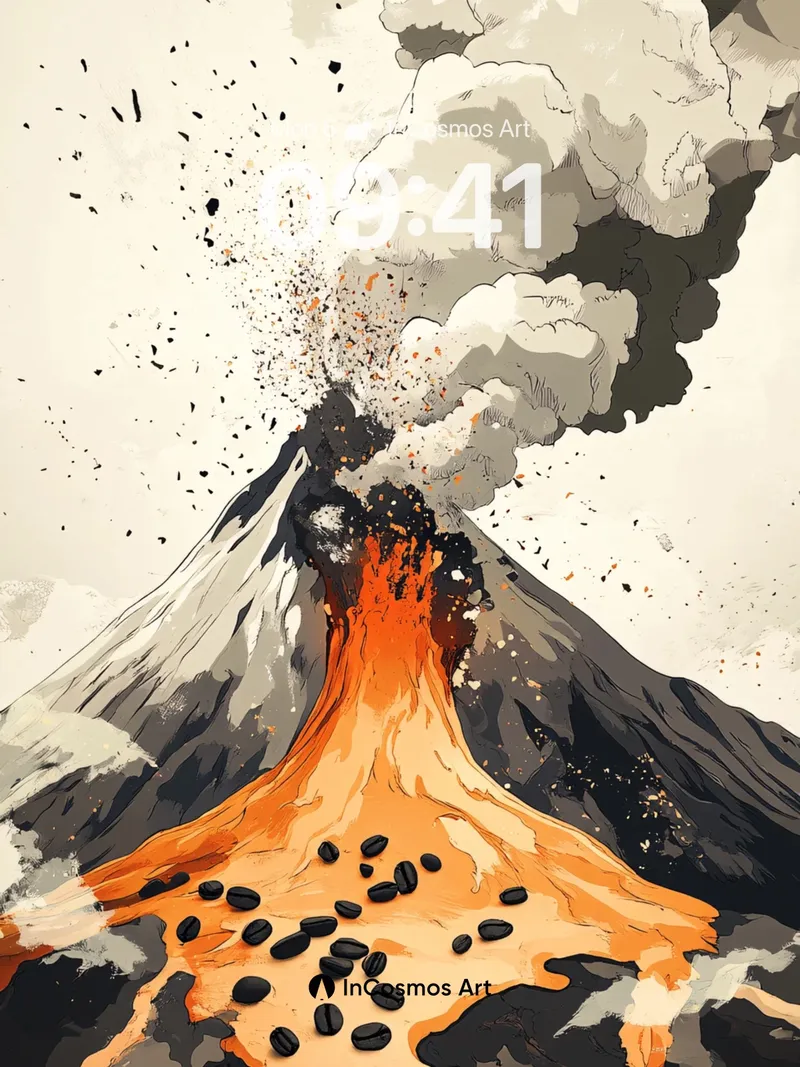
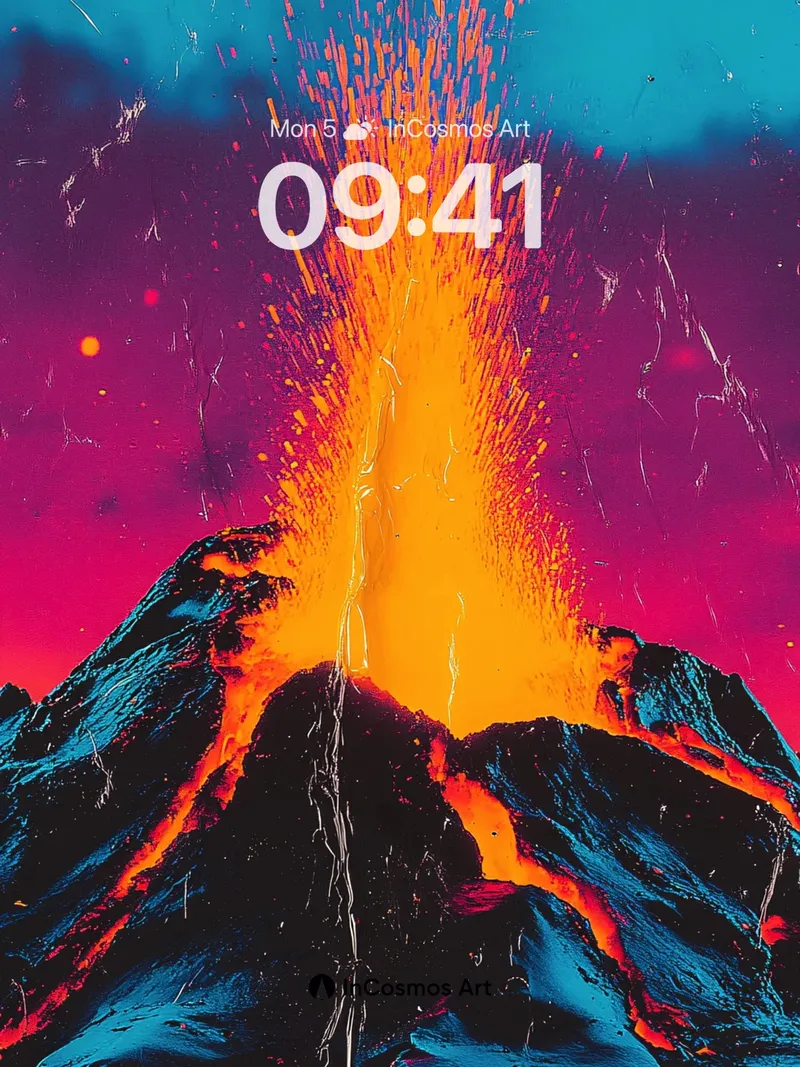
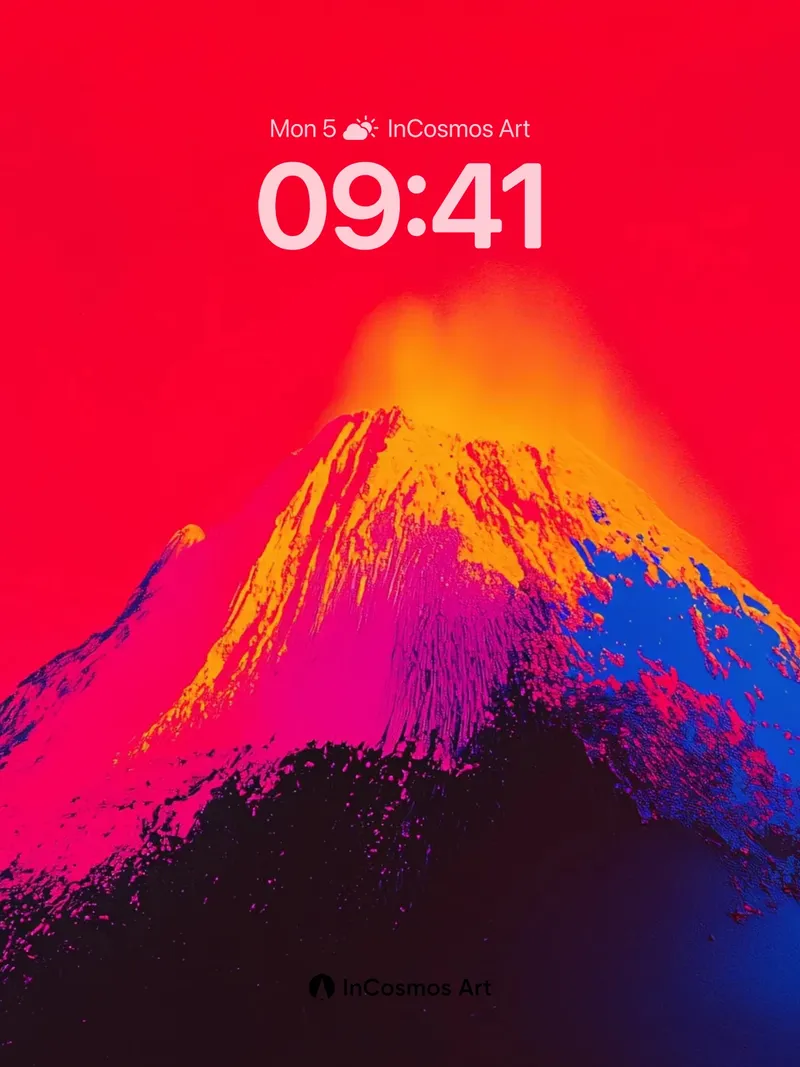
Magma accumulates beneath the crust, eventually tearing through mountainous forms to unleash heat and chaos across sky and earth. This is not merely a geological event but an expression of natural will in extreme form. Each eruption functions as a ritual—an original, uncontrollable release of energy symbolizing cycles of destruction and rebirth. The volcanic silhouette undergoes reinterpretation across media, from traditional ukiyo-e to digital art, continuously gaining new cultural meanings. Color becomes a vessel for emotion—scarlet signifies anger, deep purple implies suppression, golden hues reflect hope. These tones are not only visual shocks but psychological projections, mirroring human reverence and fear toward the unknown. Volcanic eruptions also metaphorize societal collapse and reconstruction, akin to collective consciousness reaching critical pressure before sudden release. As lava flows over plains, it alters landscapes and subtly reshapes cognitive boundaries. This materialization of natural force transcends geography, becoming a metaphor for the human psyche.
Volcano as Cultural Symbol
The image of volcanoes permeates mythologies across cultures, often depicted as divine dwellings or world axes. In Japan, Mount Fuji stands not just as a natural wonder but as a dual emblem of religion and aesthetics. Its symmetrical conical shape is revered as sacred geometry, while eruptions symbolize cosmic disorder. In the West, Vesuvius’s destructive memory is embedded in historical narratives, serving as a warning of civilizational fragility. Contemporary art deconstructs volcanoes into abstract energy totems, with dynamic lines and explosive forms inspiring creativity and bridging nature with technology.
Color and Emotional Coding
Dominant red palettes amplify the volcano’s aggressiveness and danger; orange-yellow conveys high temperature and vitality. Deep blue and purple tones contrast to emphasize catastrophe’s coldness and mystery. These combinations are not mere aesthetic choices but emotional coding mechanisms. Viewers subconsciously associate them with anxiety, excitement, or awe. Artists use color ratios and distribution to guide audiences into specific emotional fields, achieving resonance between vision and mind.
Modern Translation of Natural Force
Digital technology liberates volcanic imagery from physical reality, transforming it into surreal visual installations. Fractured textures, liquid light effects, and particle explosions elevate natural phenomena into digital poetry. This translation preserves primal tension while injecting futuristic imagination. On social platforms, such imagery often functions as symbolic emotion expression, representing inner conflict and breakthrough. The volcano ceases to be geographical—it becomes consumable, shareable, reproducible cultural capital.