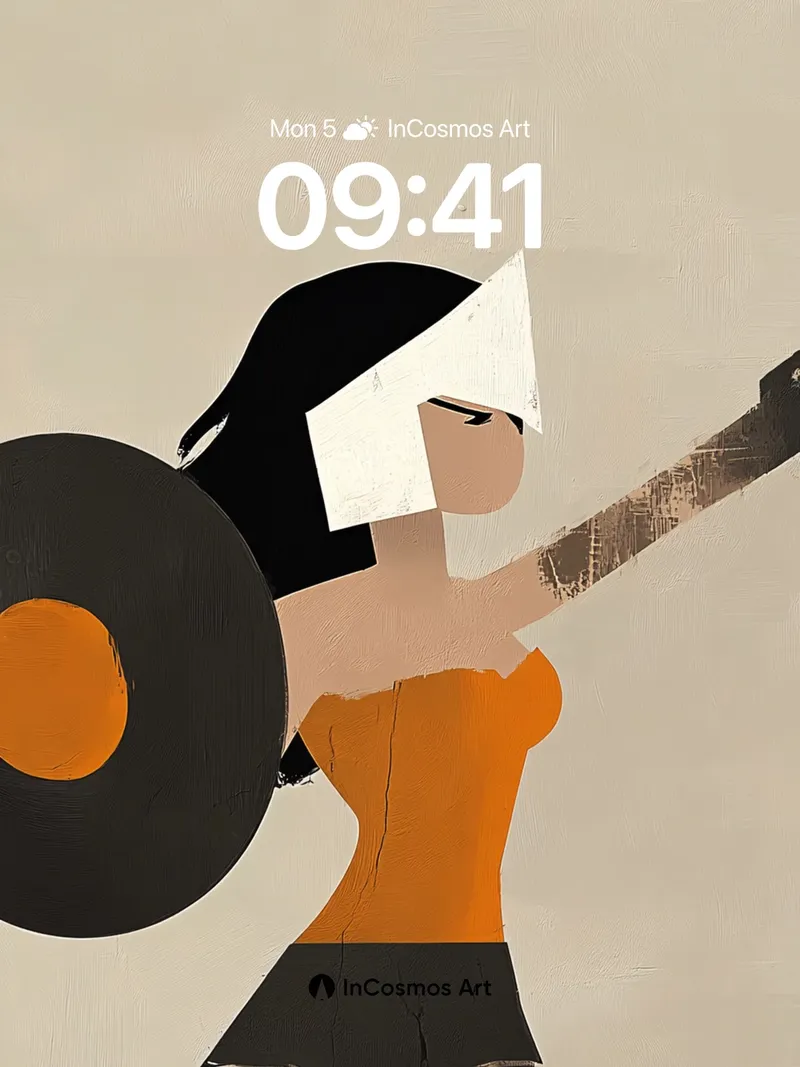
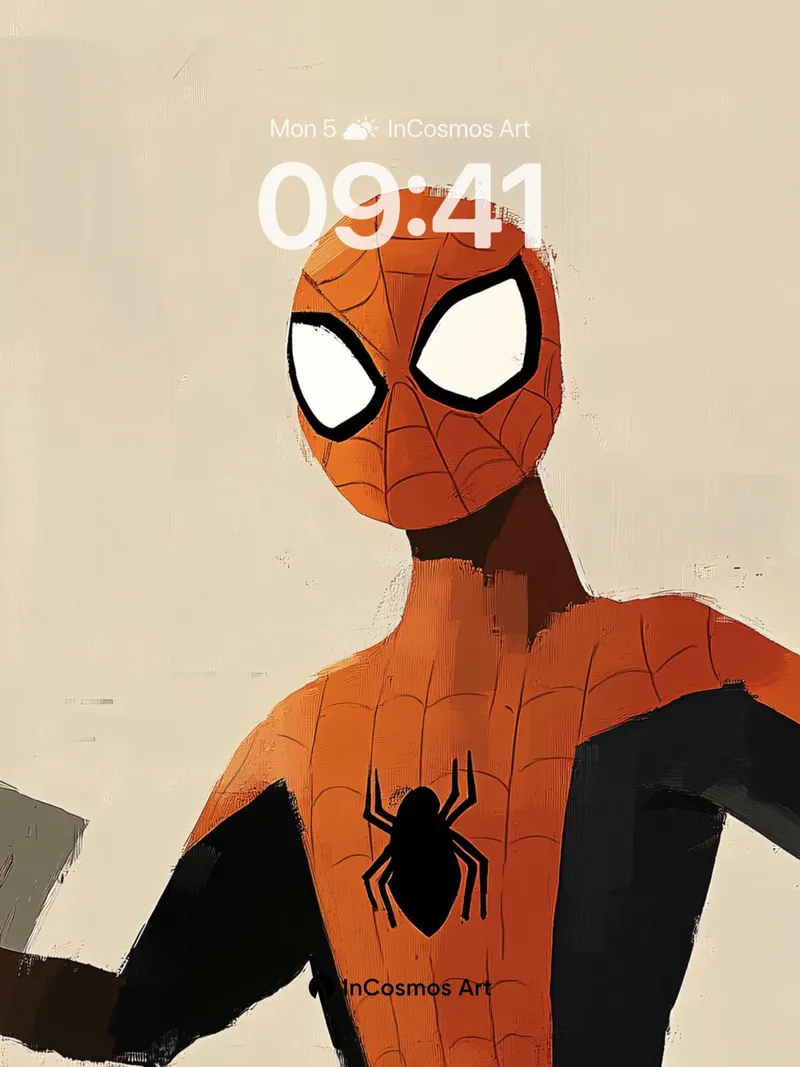
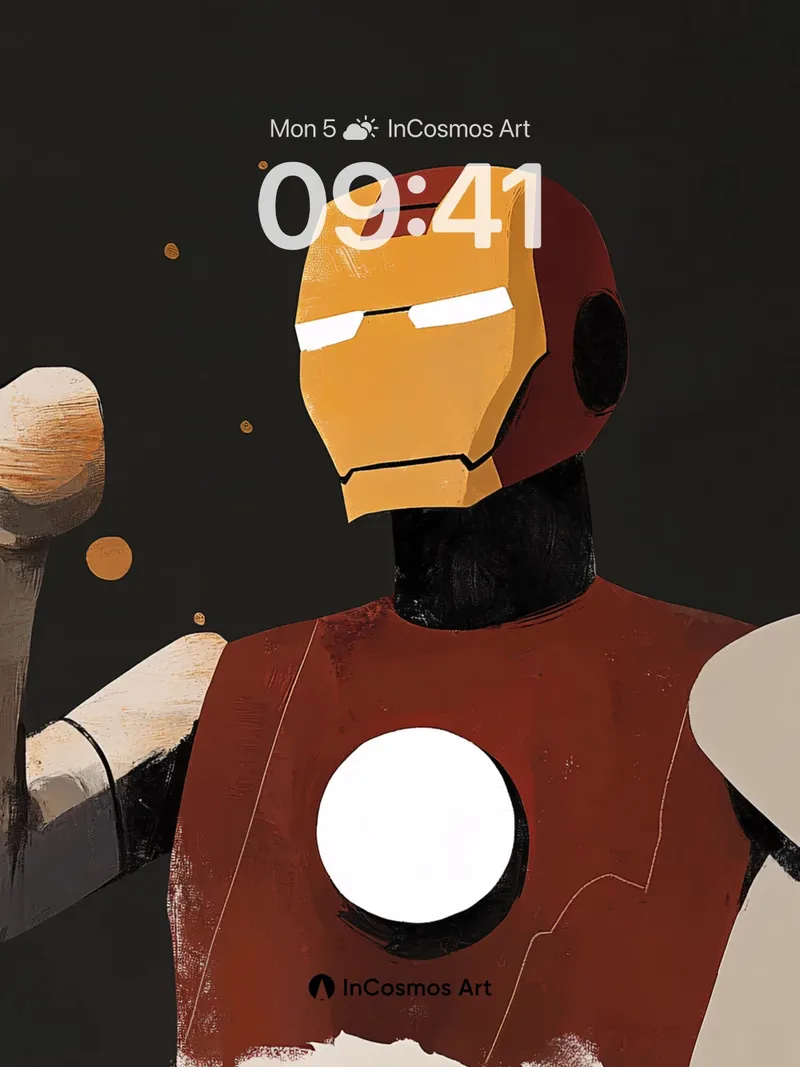
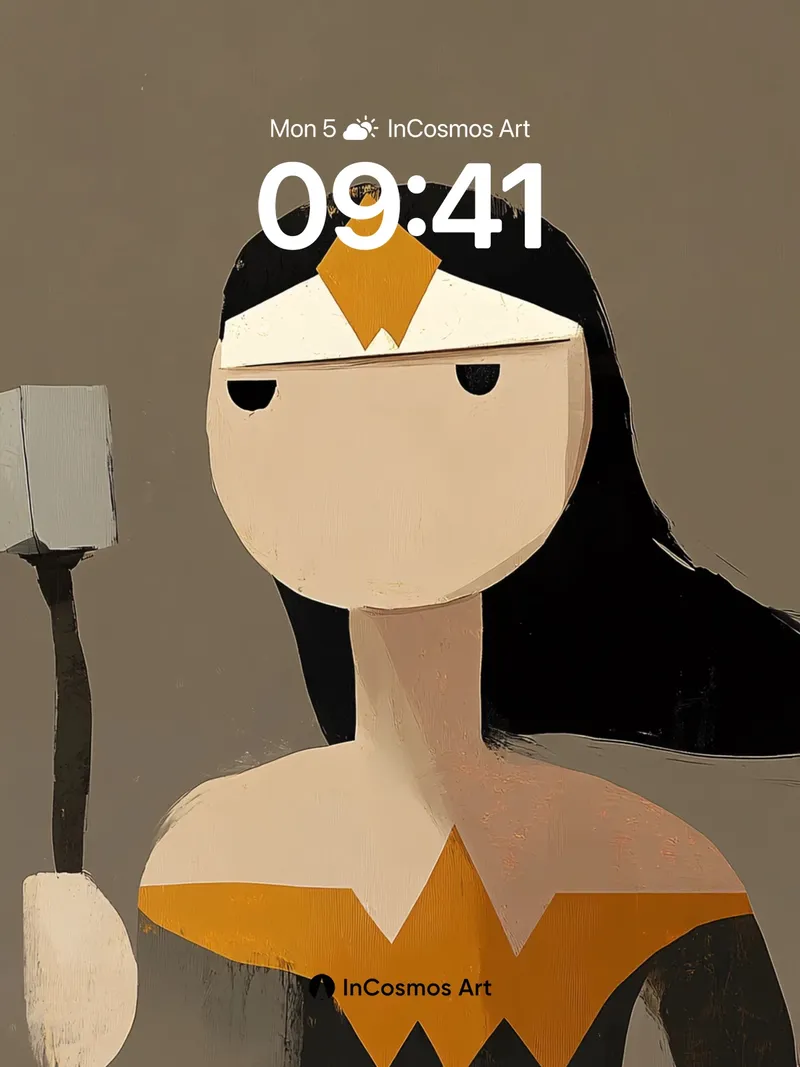
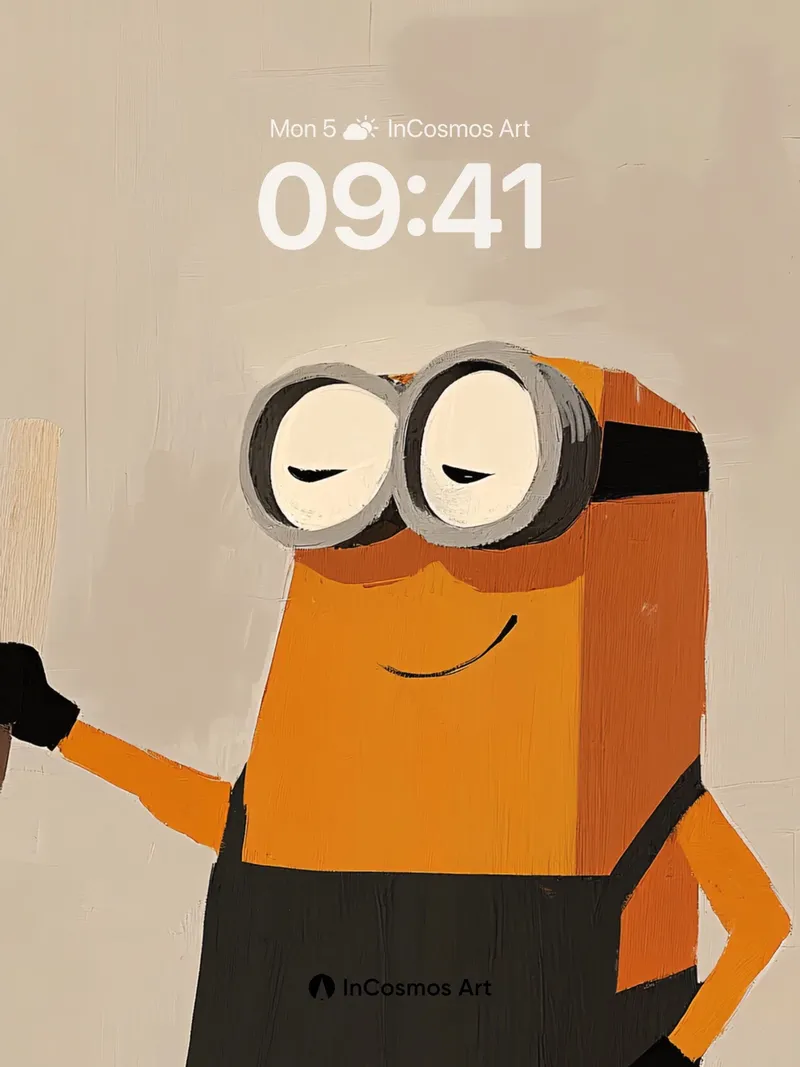
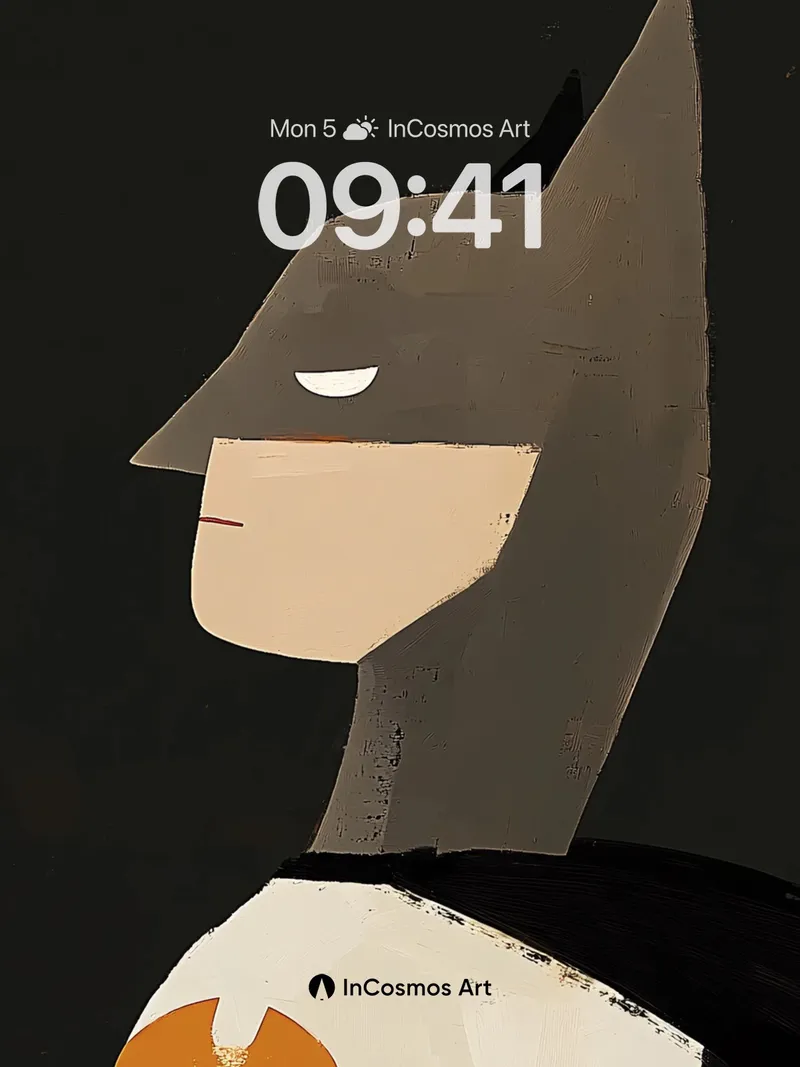
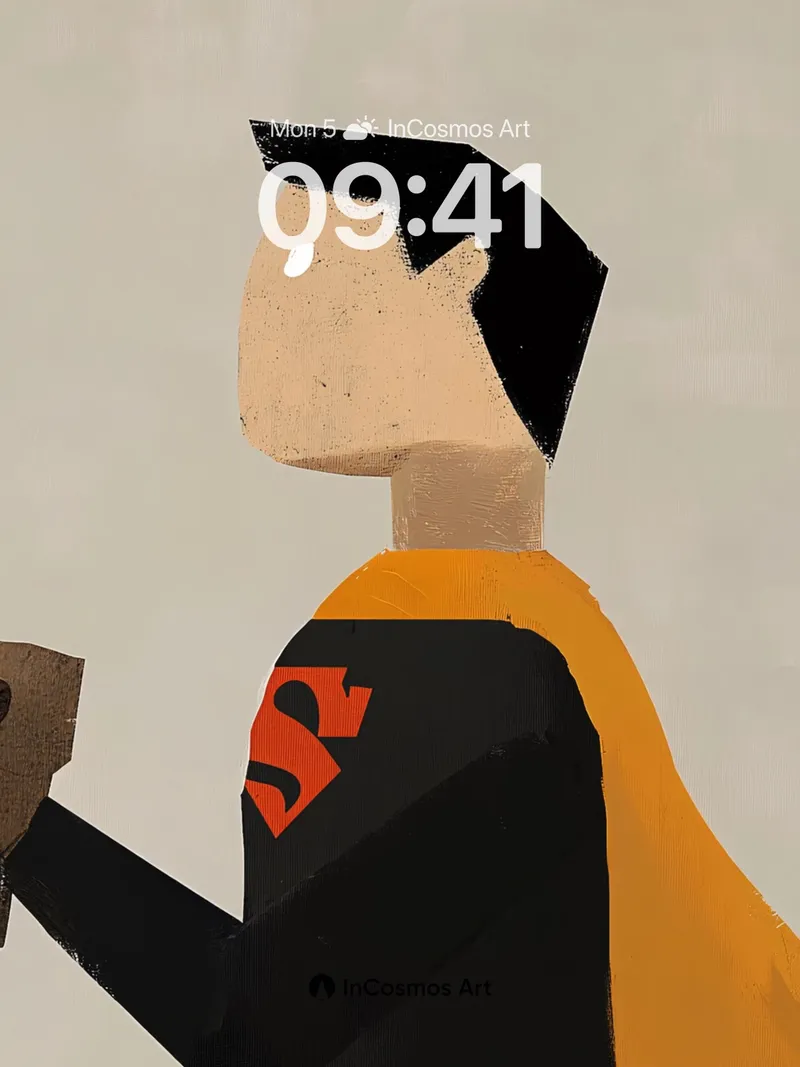
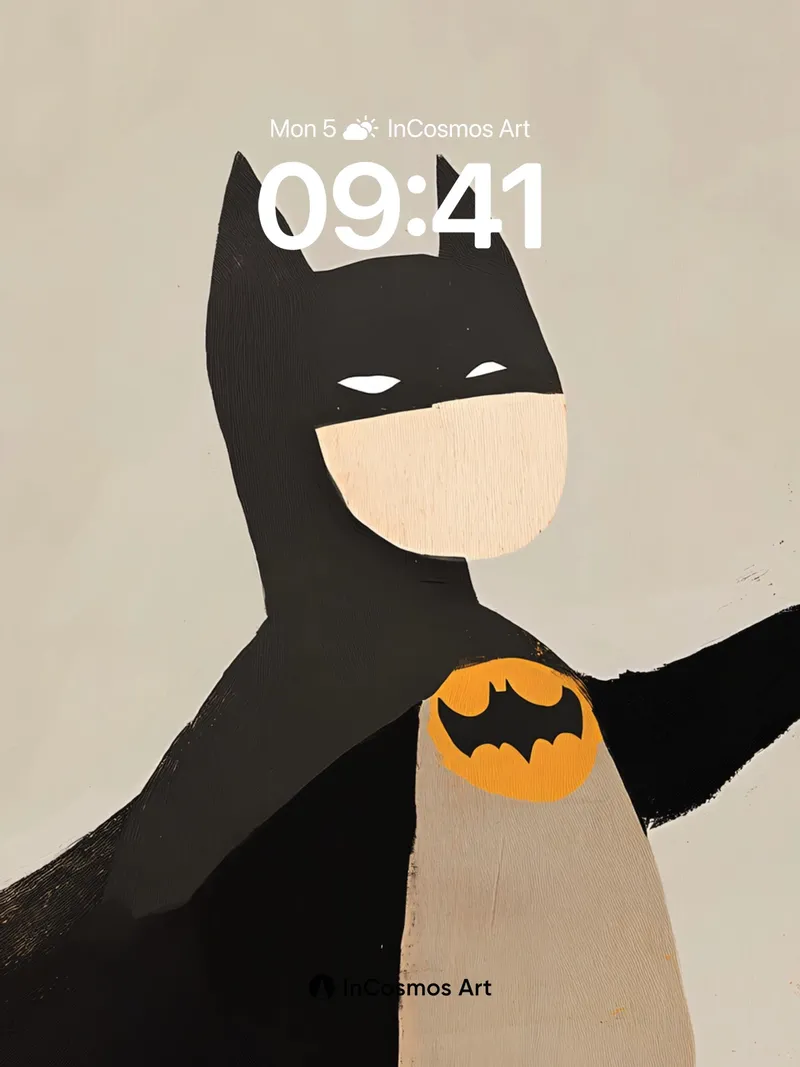
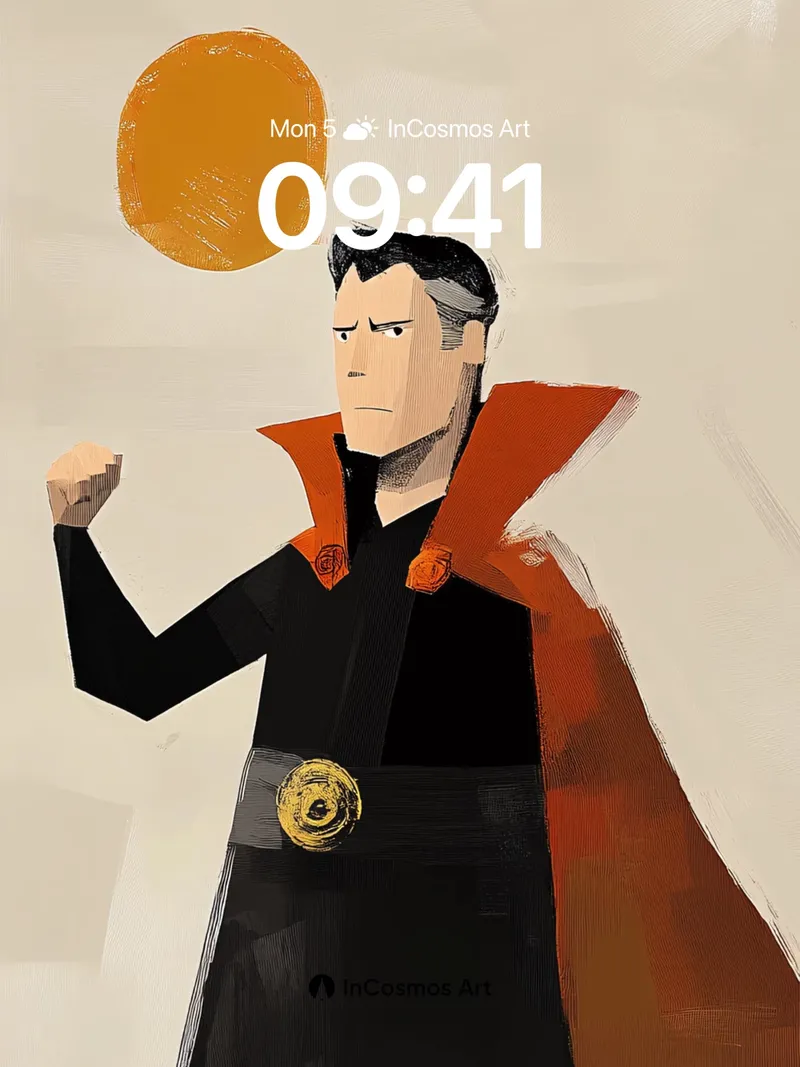
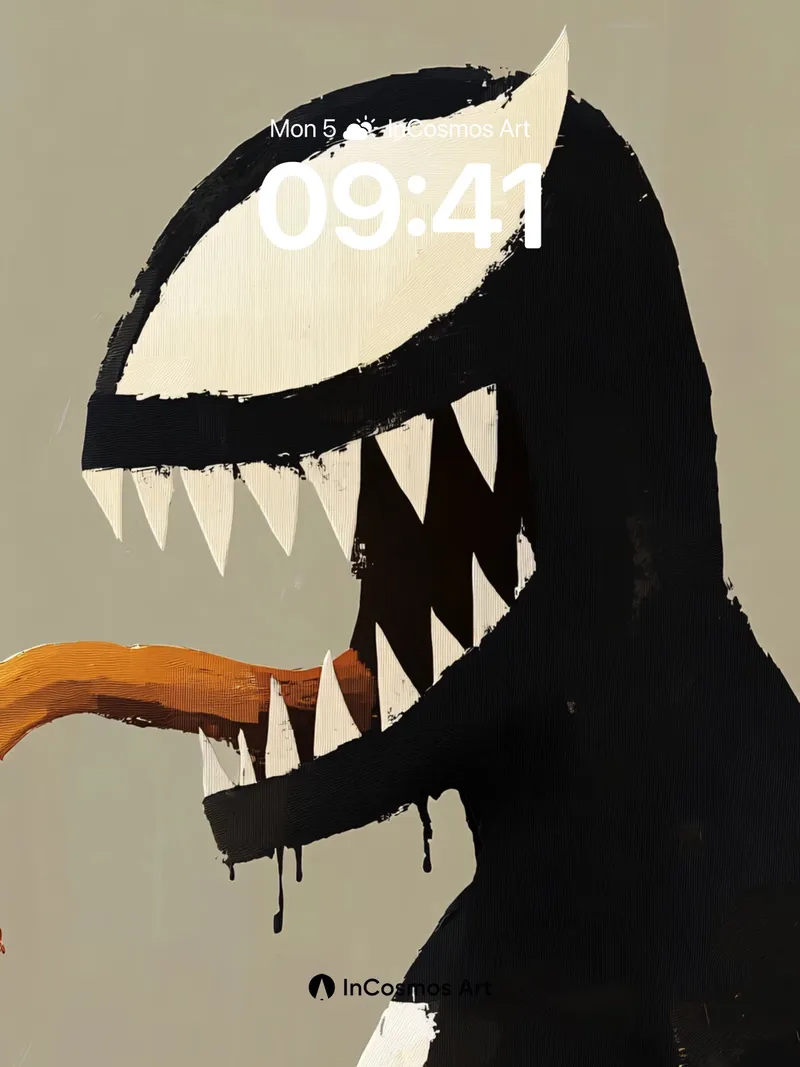
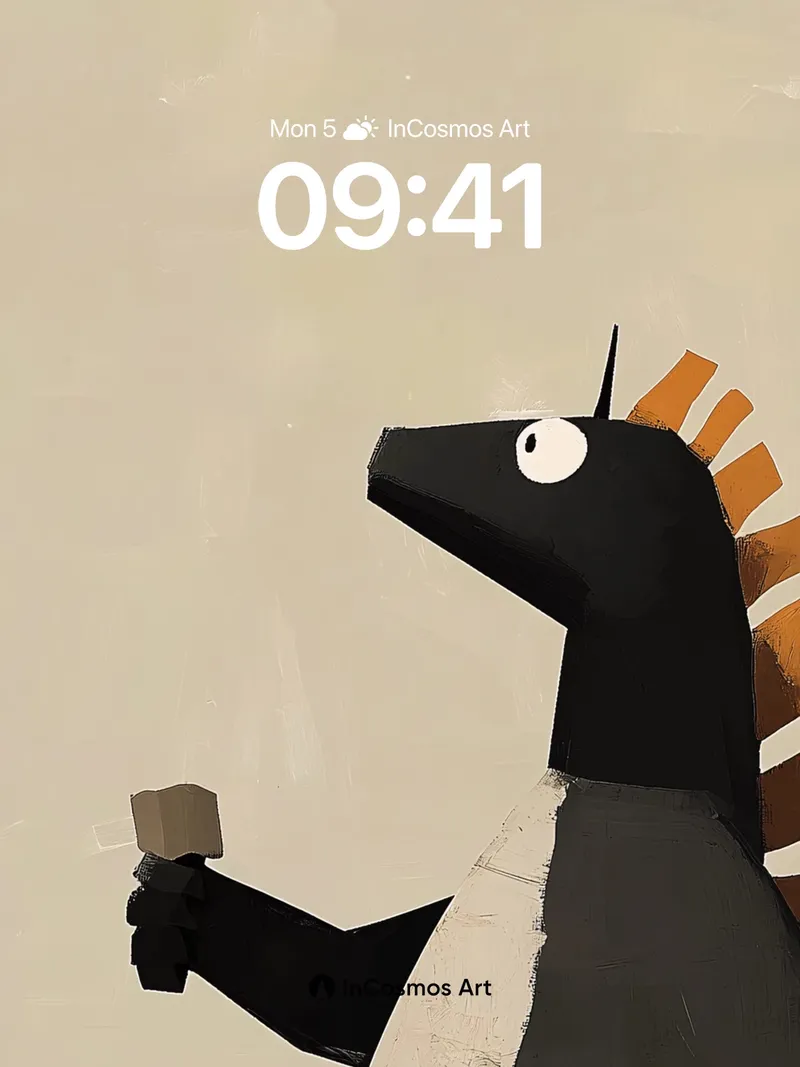
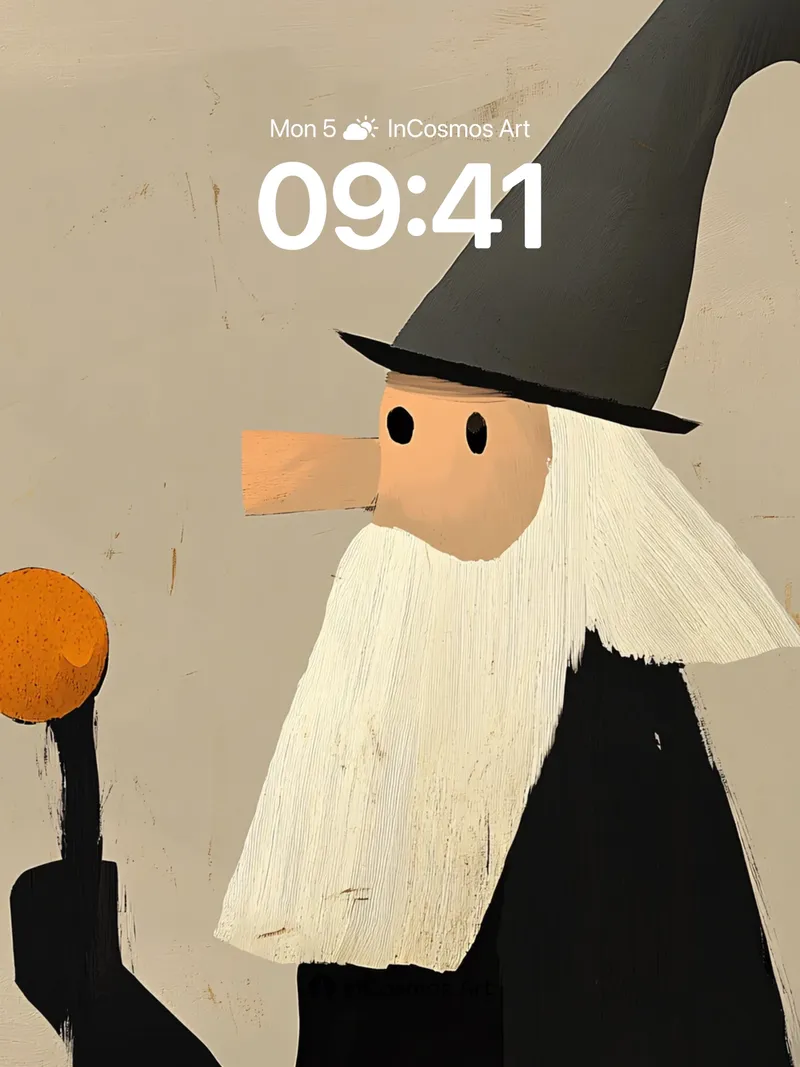
Iconic figures in pop culture are often wrapped in complex narratives and visual details, but under minimalist artistic treatment, these characters return to their purest symbolic state. This style strips away excess plot, retaining only core identifying features, allowing viewers to instantly grasp the essence of the character. This approach is not just a tribute to classic images but a modern aesthetic re-encoding of traditional symbols.
Extraction and Reconstruction of Symbols
From a minimalist perspective, superheroes no longer need grand backgrounds or complex gear to prove their identity. A signature color, a specific silhouette, or even a simple geometric shape is enough to evoke collective memory. This design logic mirrors how brand logos work, conveying maximum information with minimal elements. For instance, a chest emblem or a unique helmet shape becomes the emotional bond connecting the viewer to the character.
The Emotional Function of Color
Color plays a crucial role in these works. High-saturation color blocks are not only used to distinguish different characters but also directly convey personality traits. Bright yellow may represent vitality and humor, while deep black suggests mystery and power. This application of color psychology ensures that the visuals remain emotionally charged despite their simplicity. Color is not merely decorative; it is part of the narrative.
Resonance with Modern Aesthetics
This minimalist style resonates with modern audiences because it aligns with contemporary fast-paced information consumption habits. In an era of information overload, people prefer intuitive and efficient visual languages. This art form removes redundancy and hits the core, satisfying nostalgic emotional needs while meeting modern design standards. It proves that classic images do not need complex embellishments to thrive in a new context.