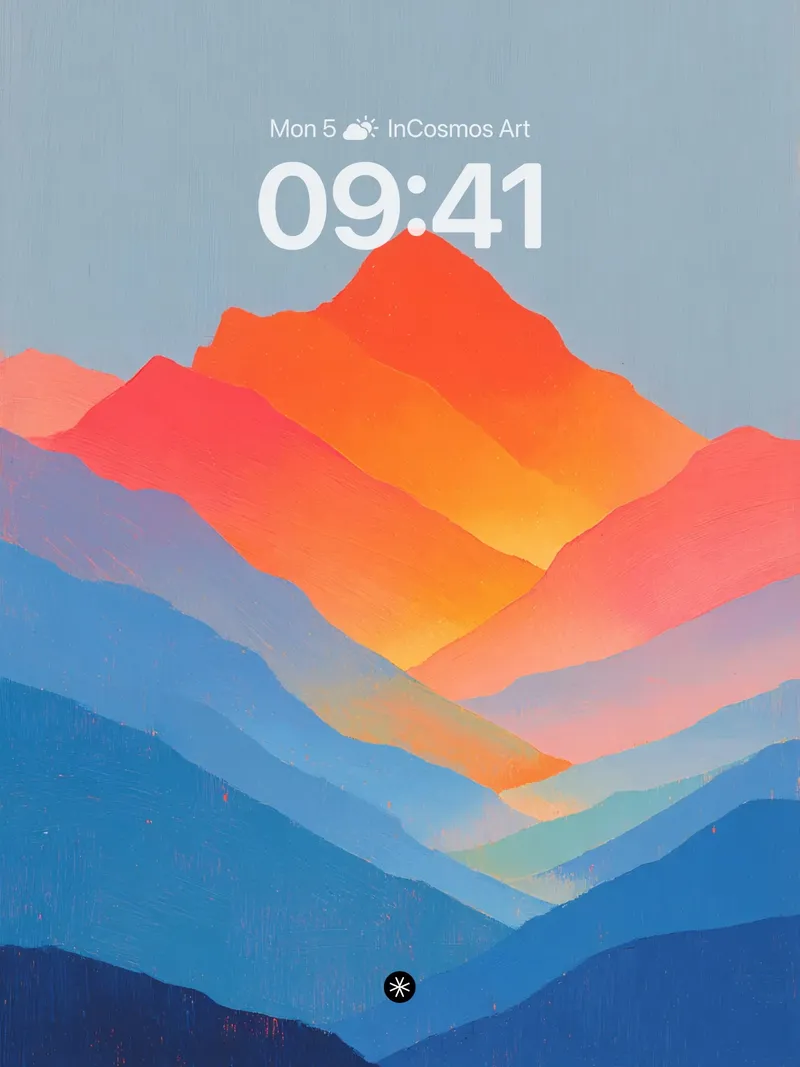
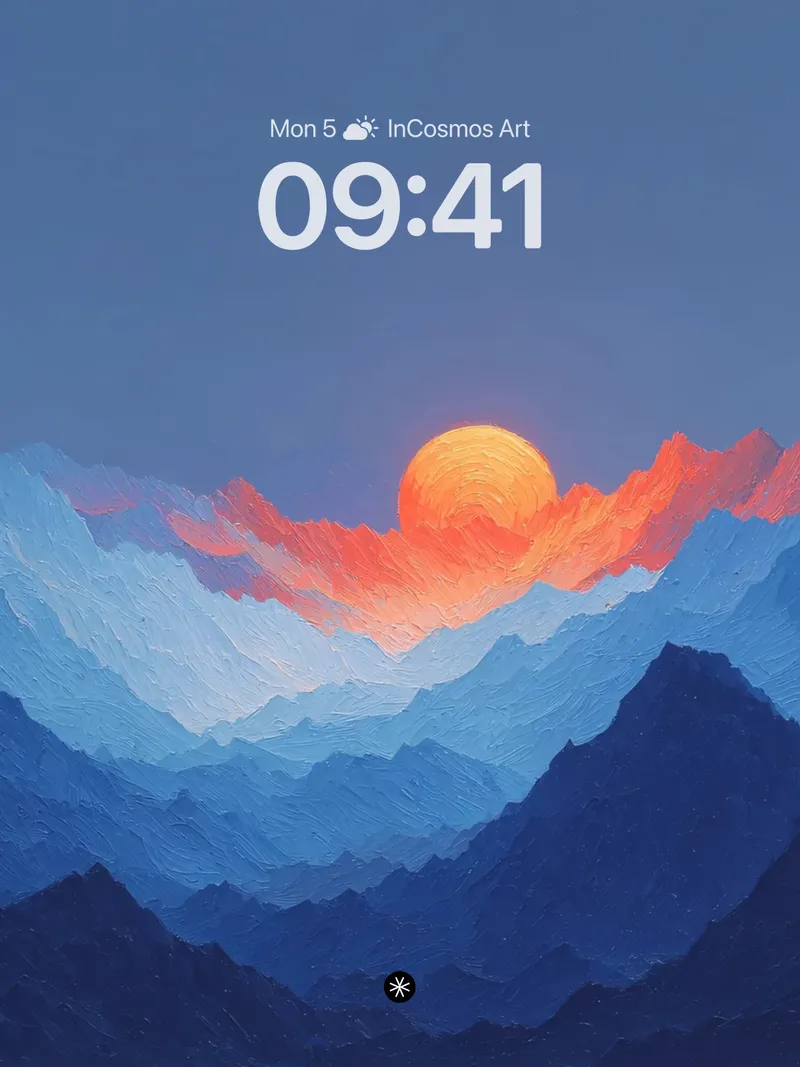
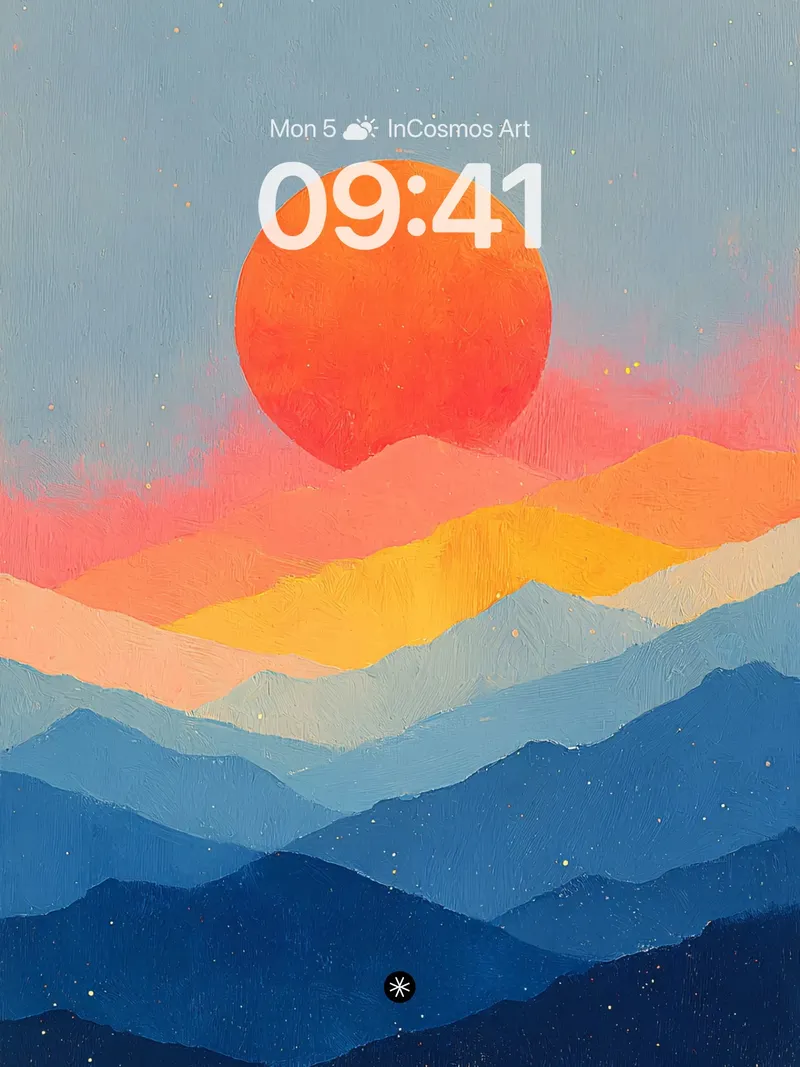
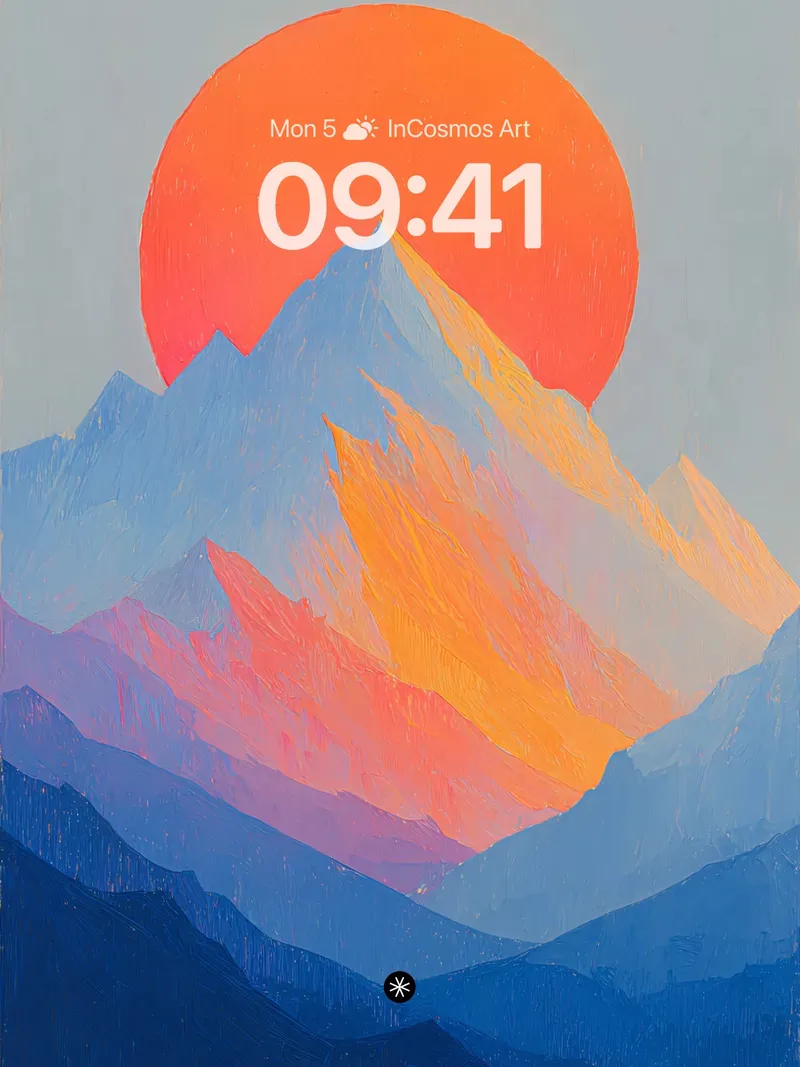
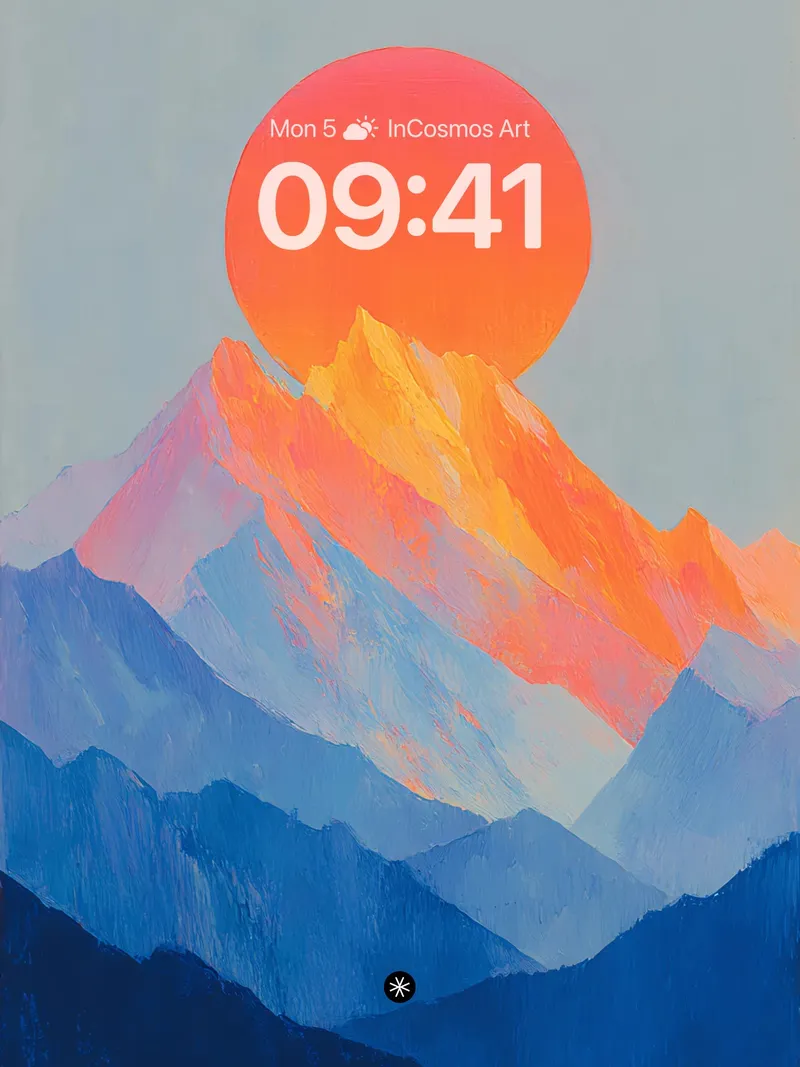
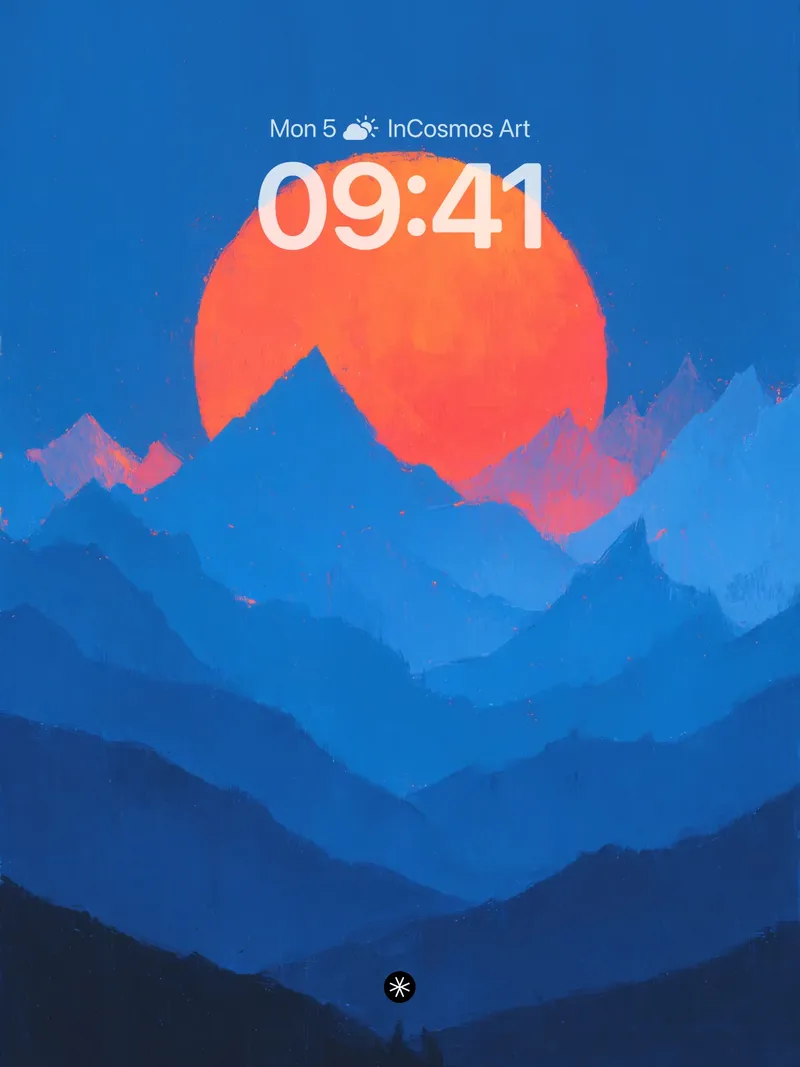
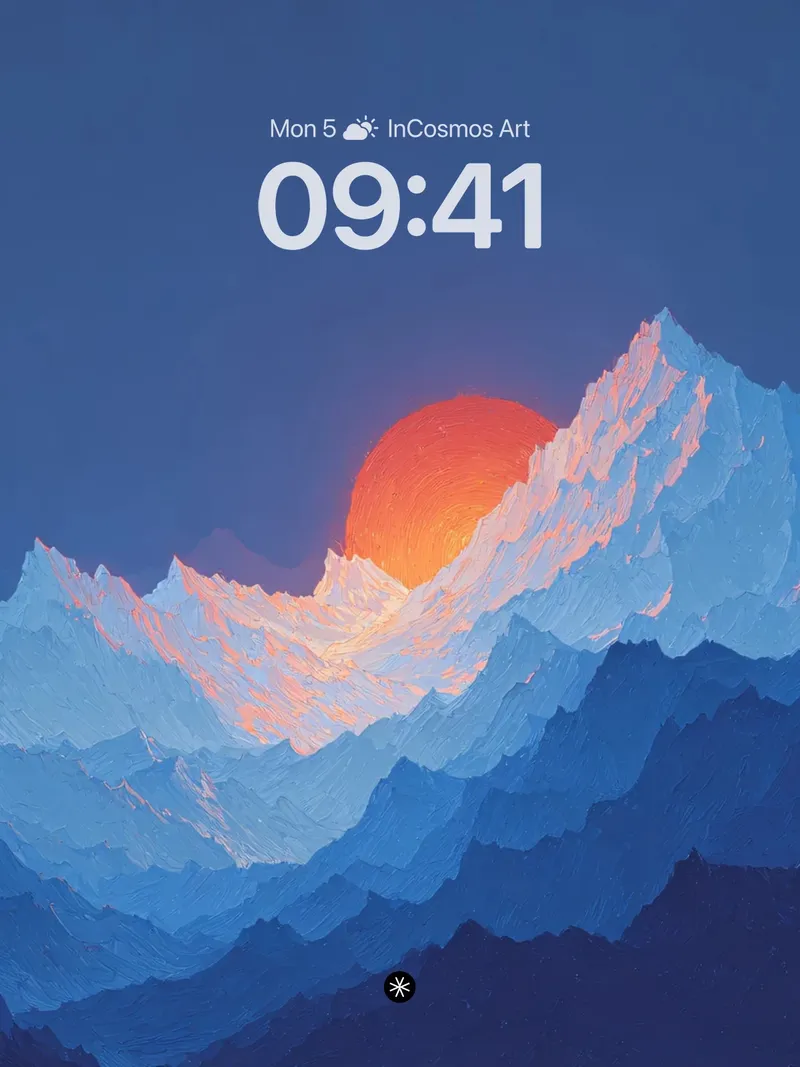
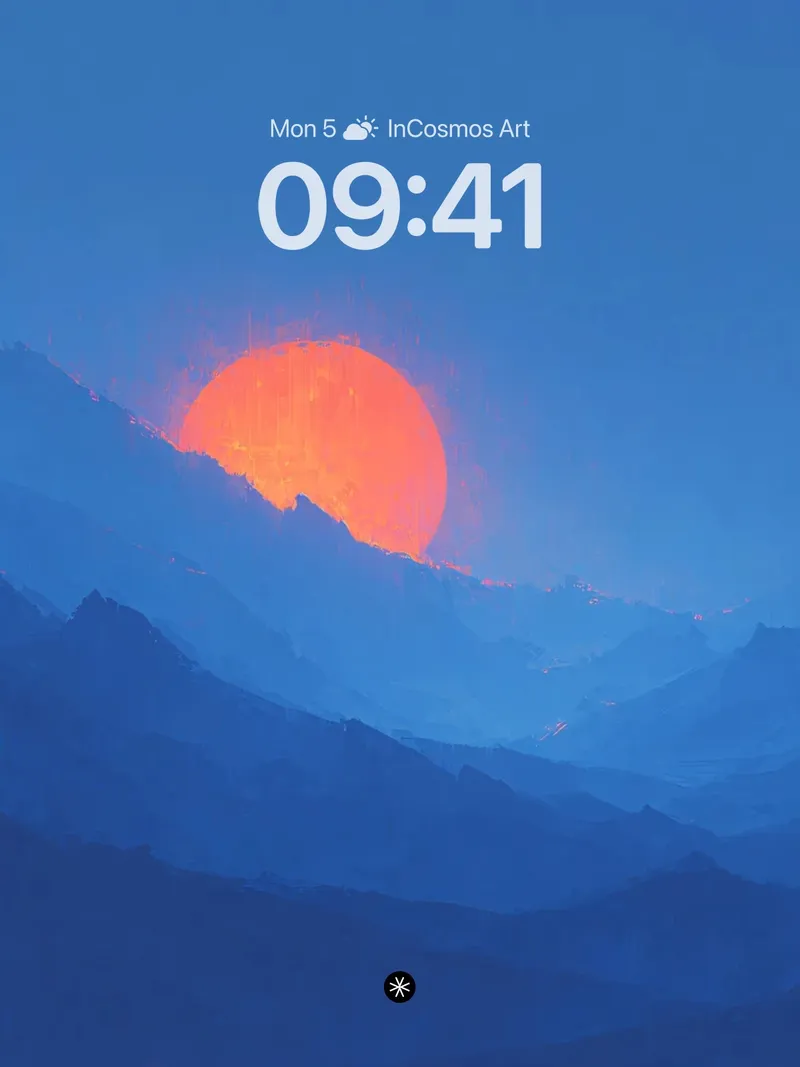
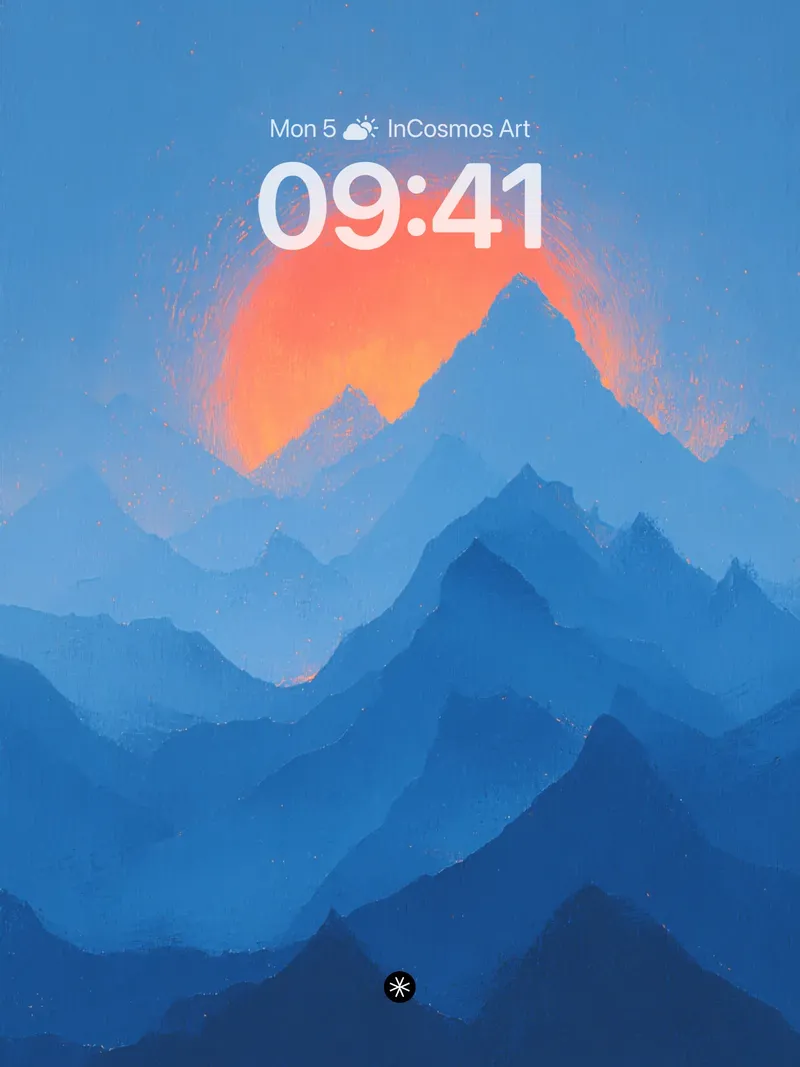
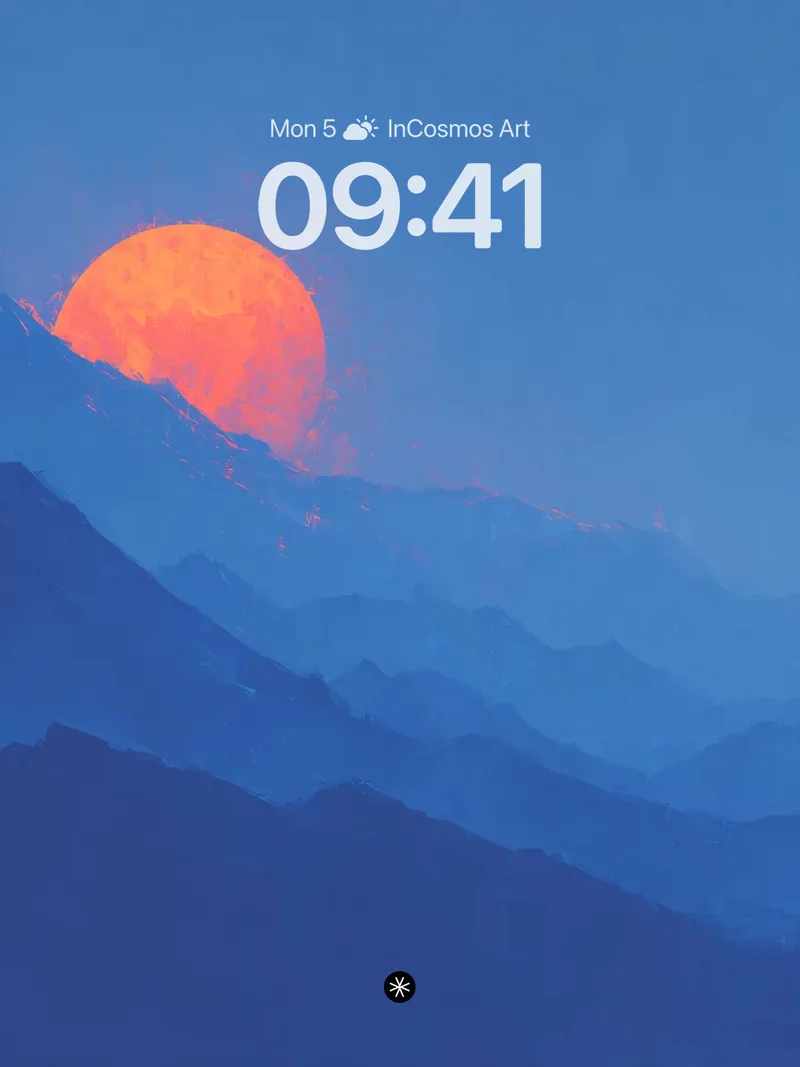
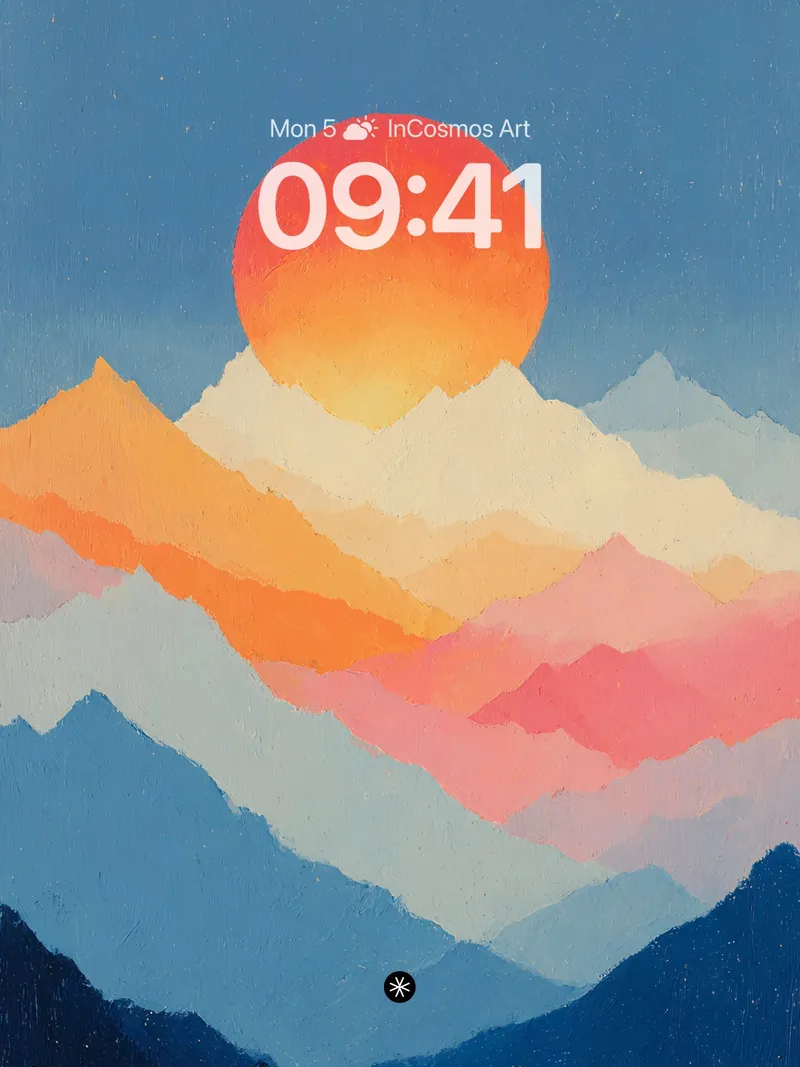
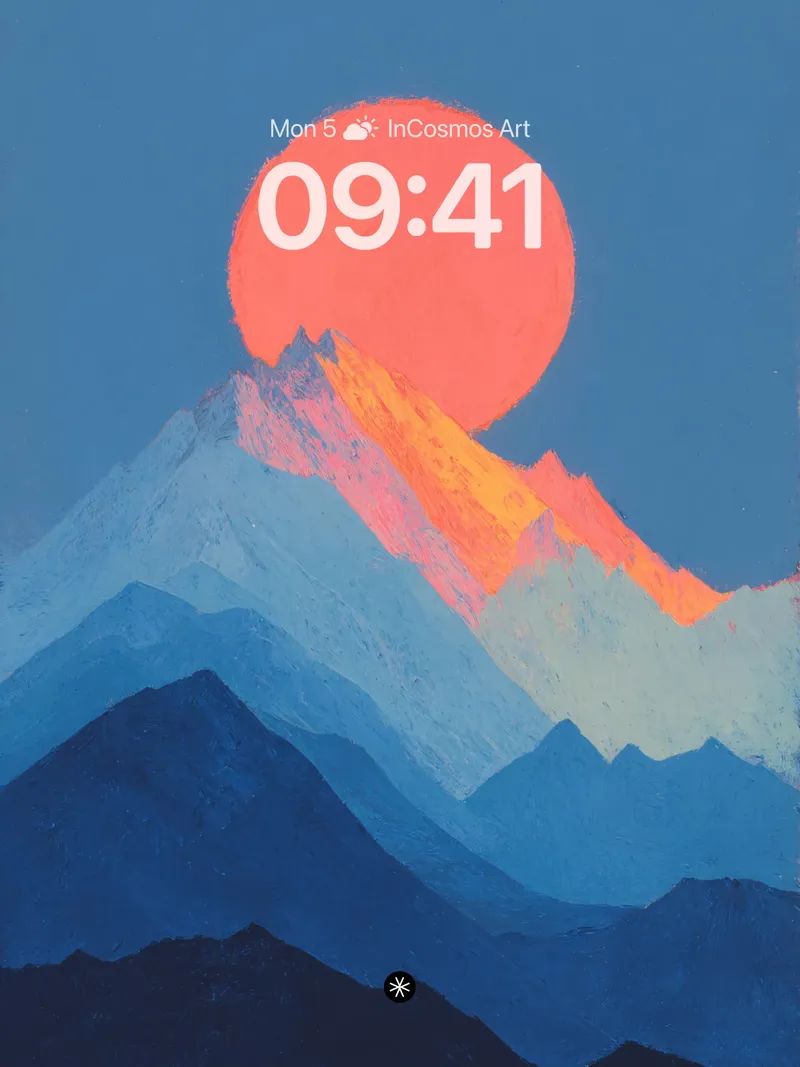
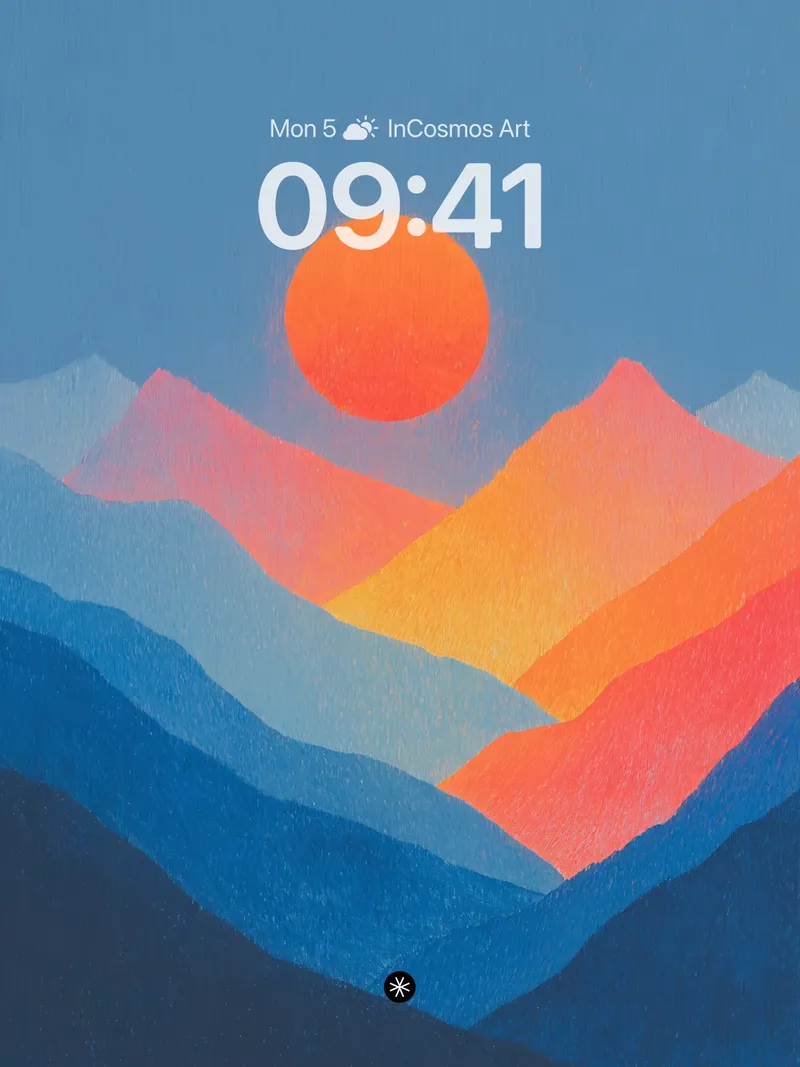
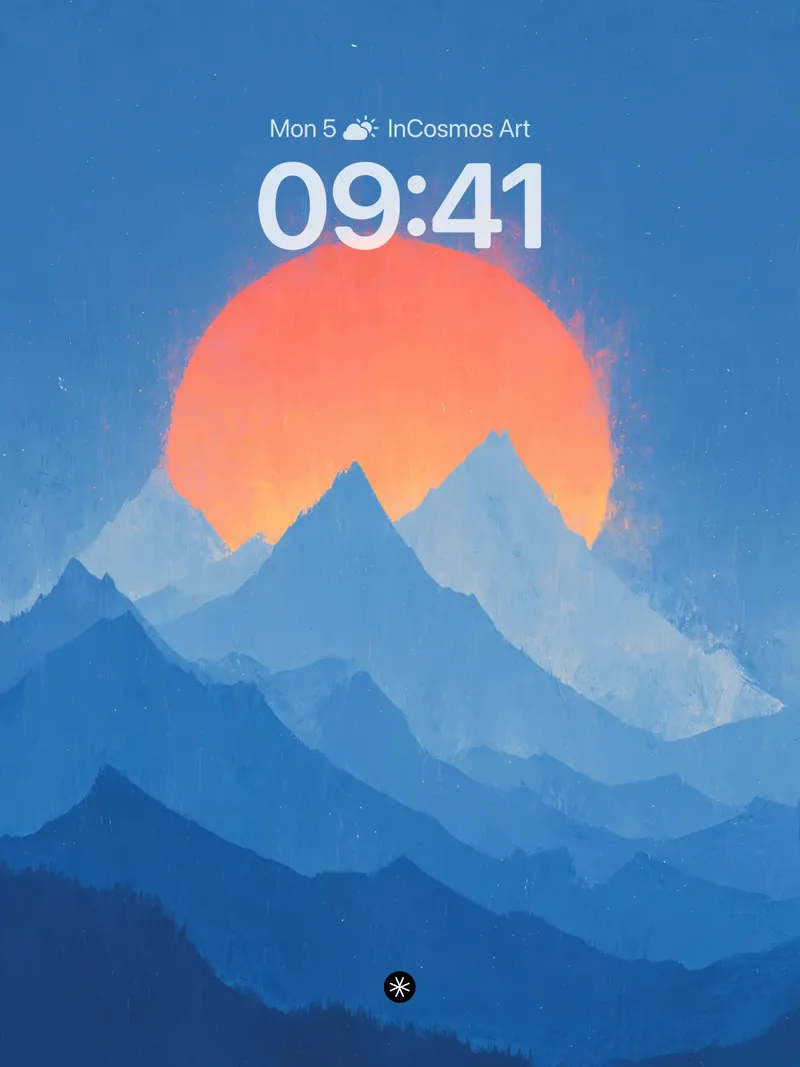
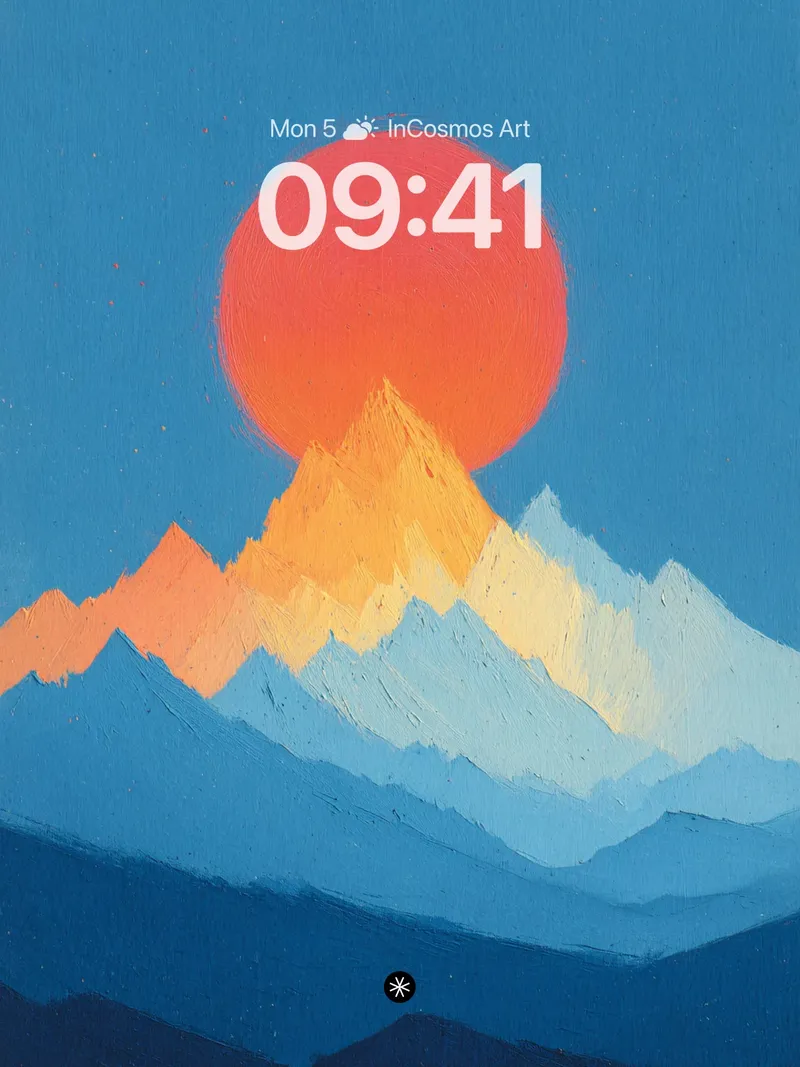
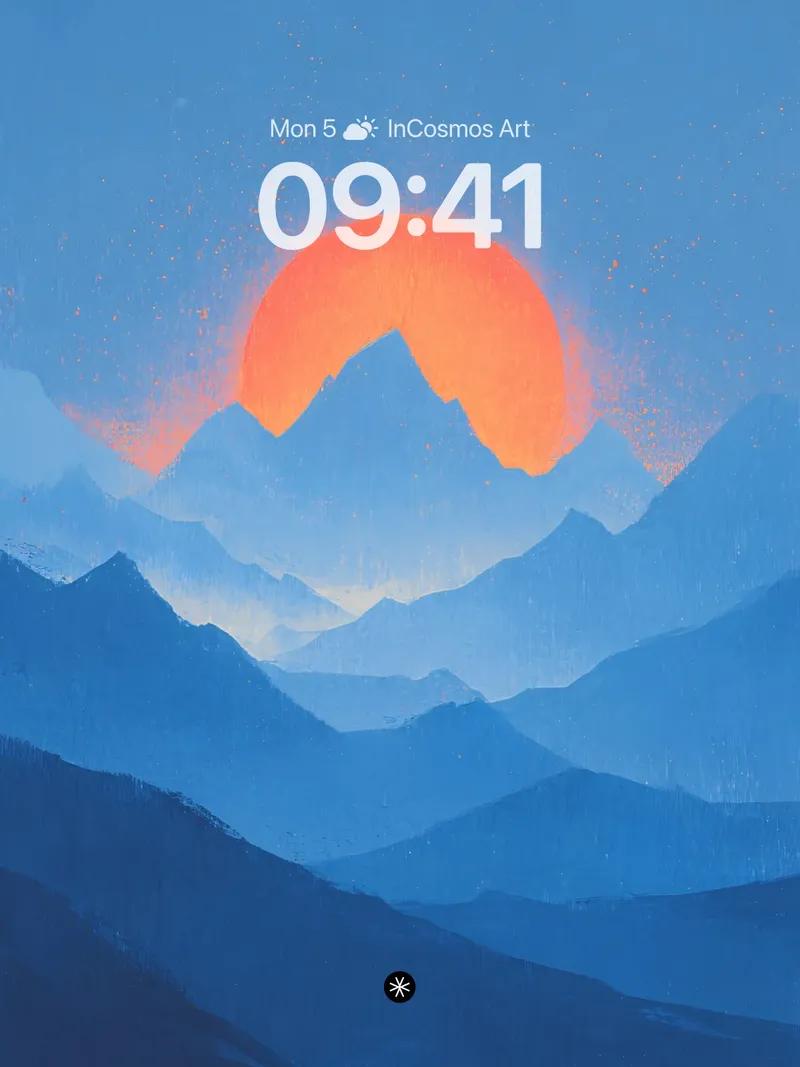
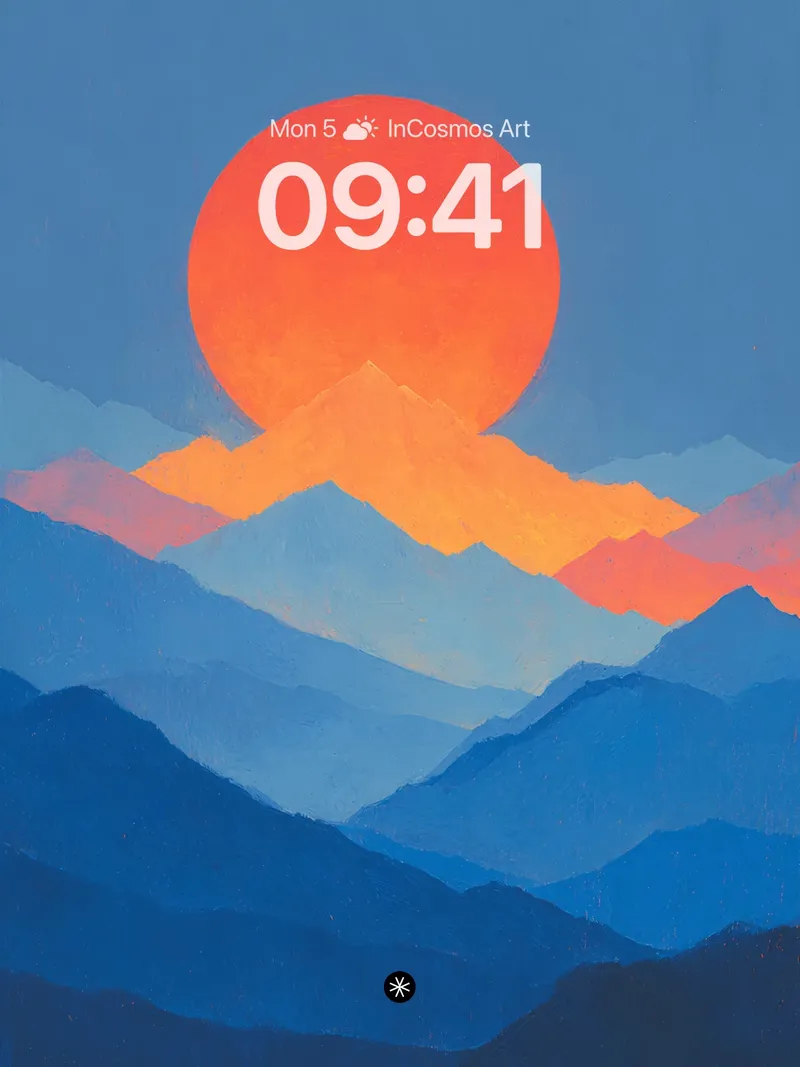
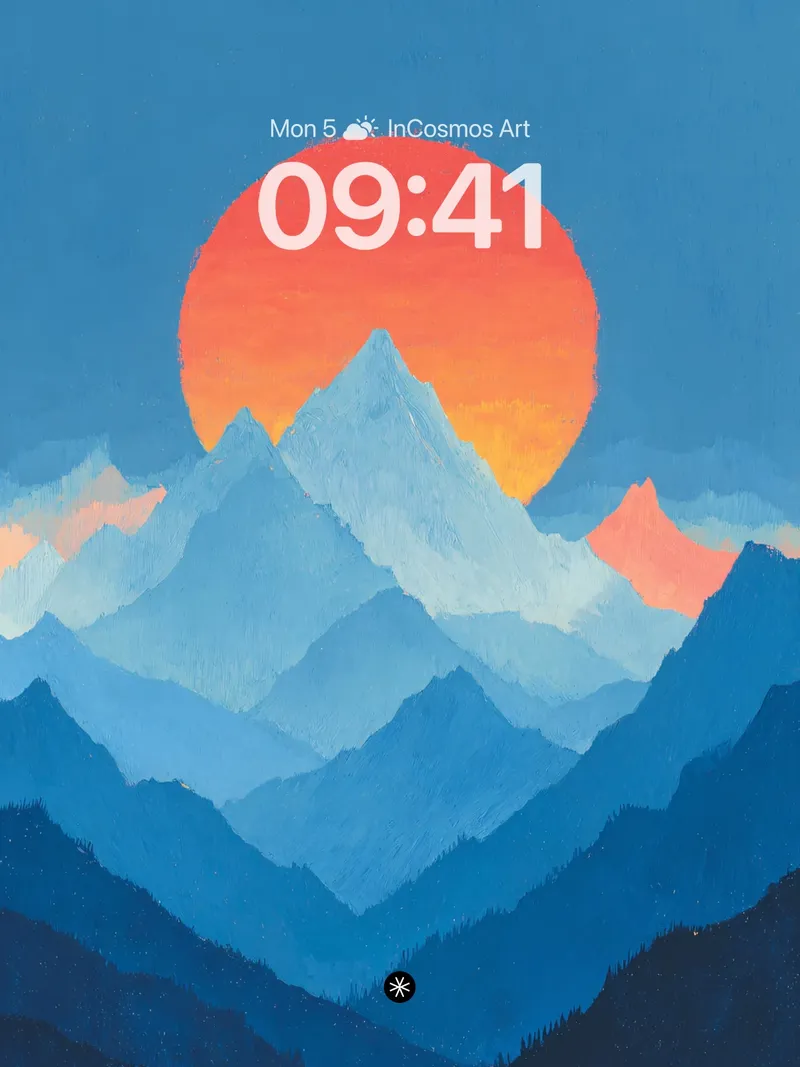
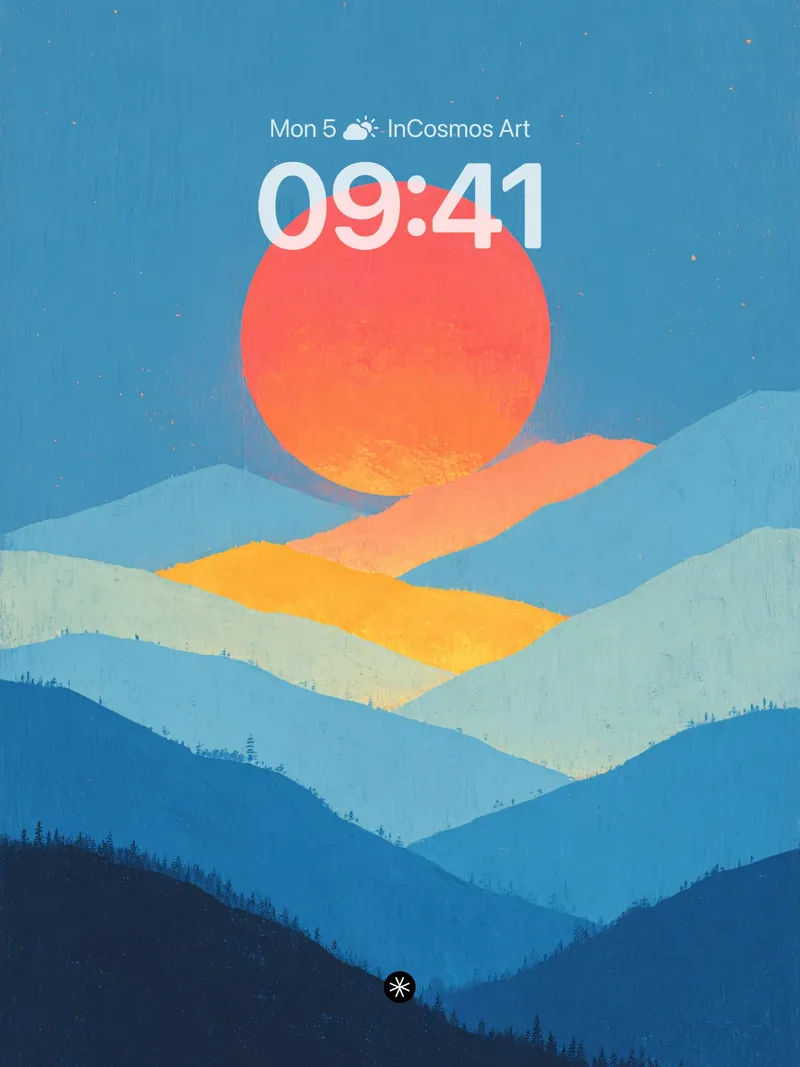
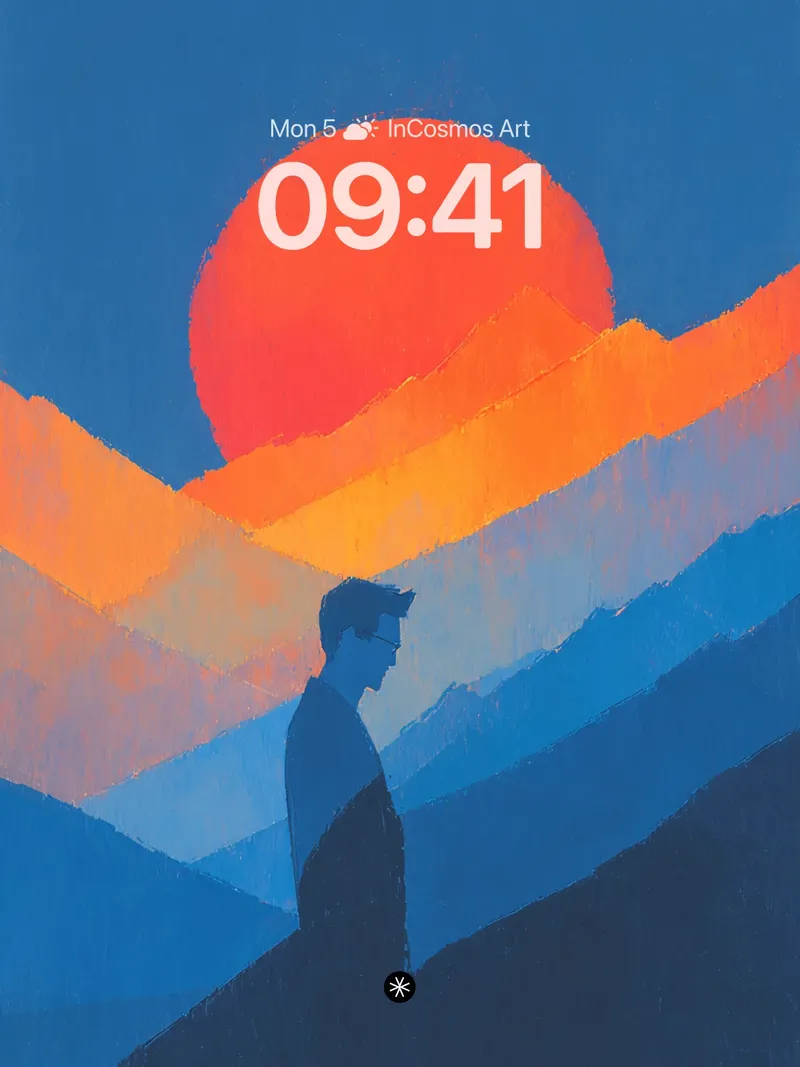
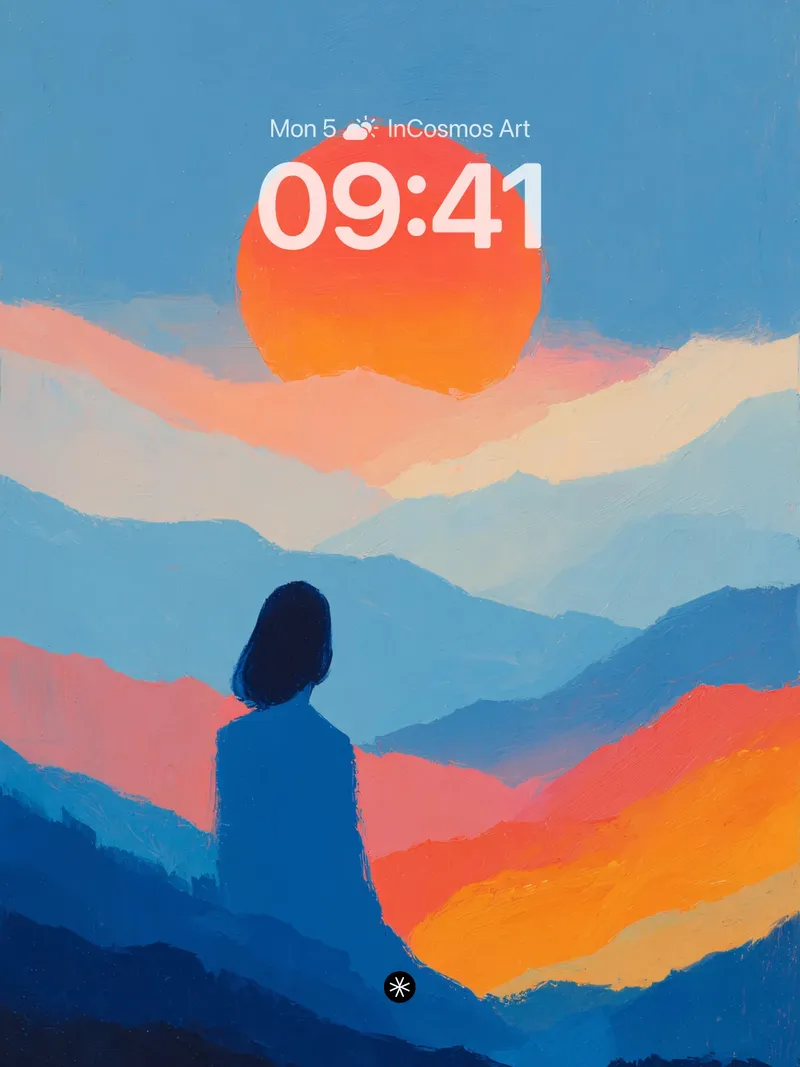
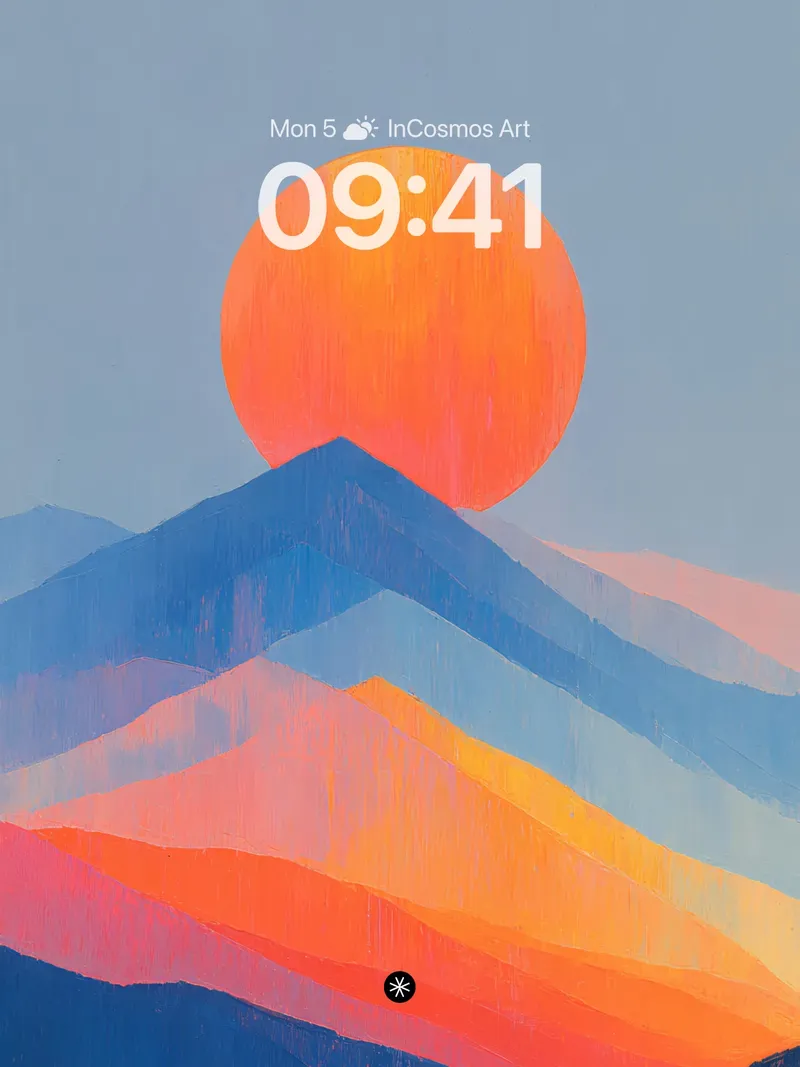
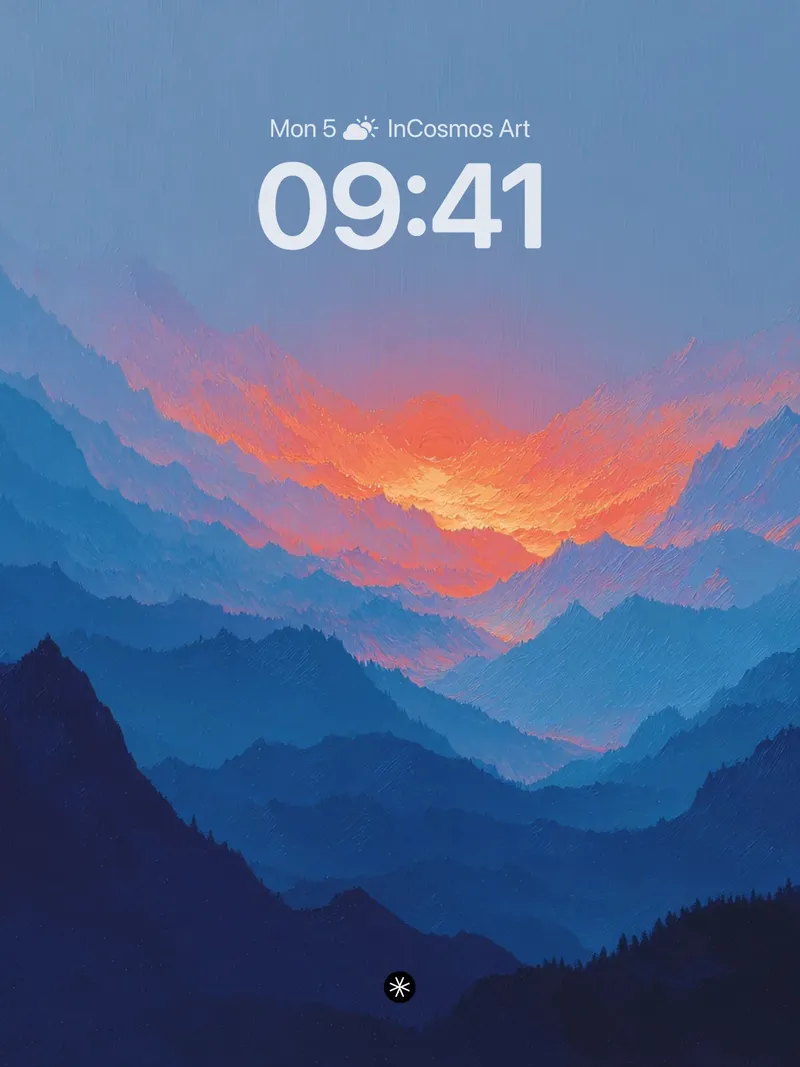
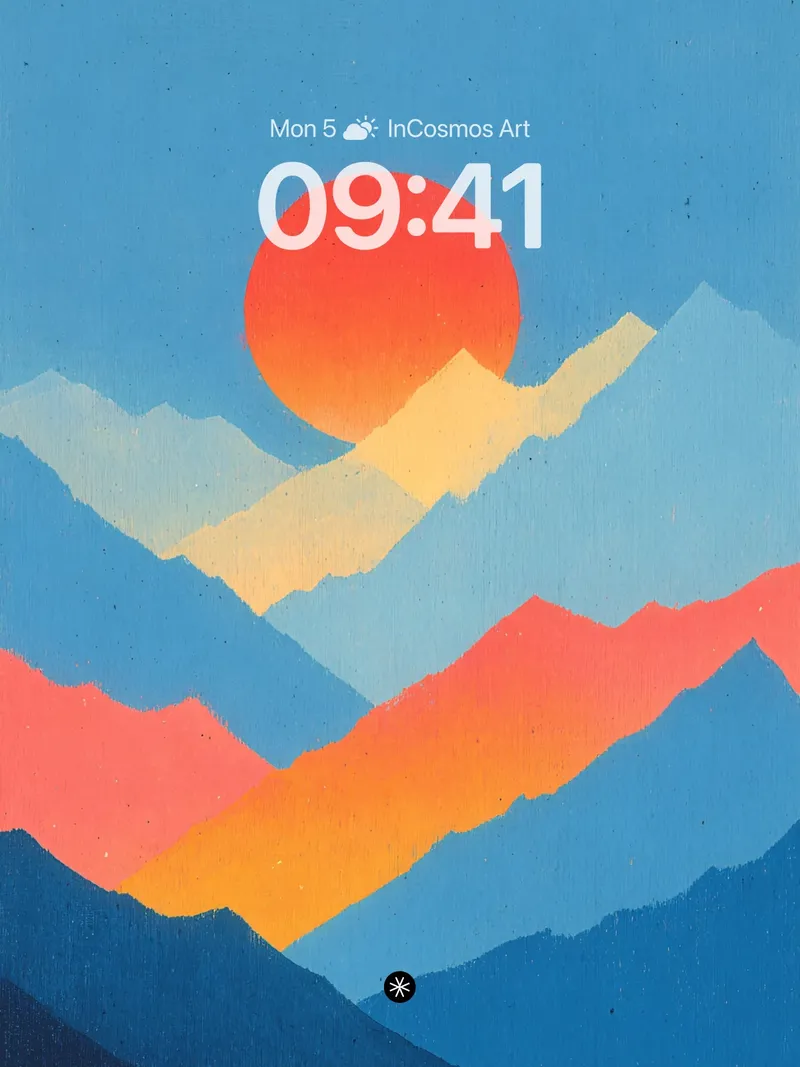
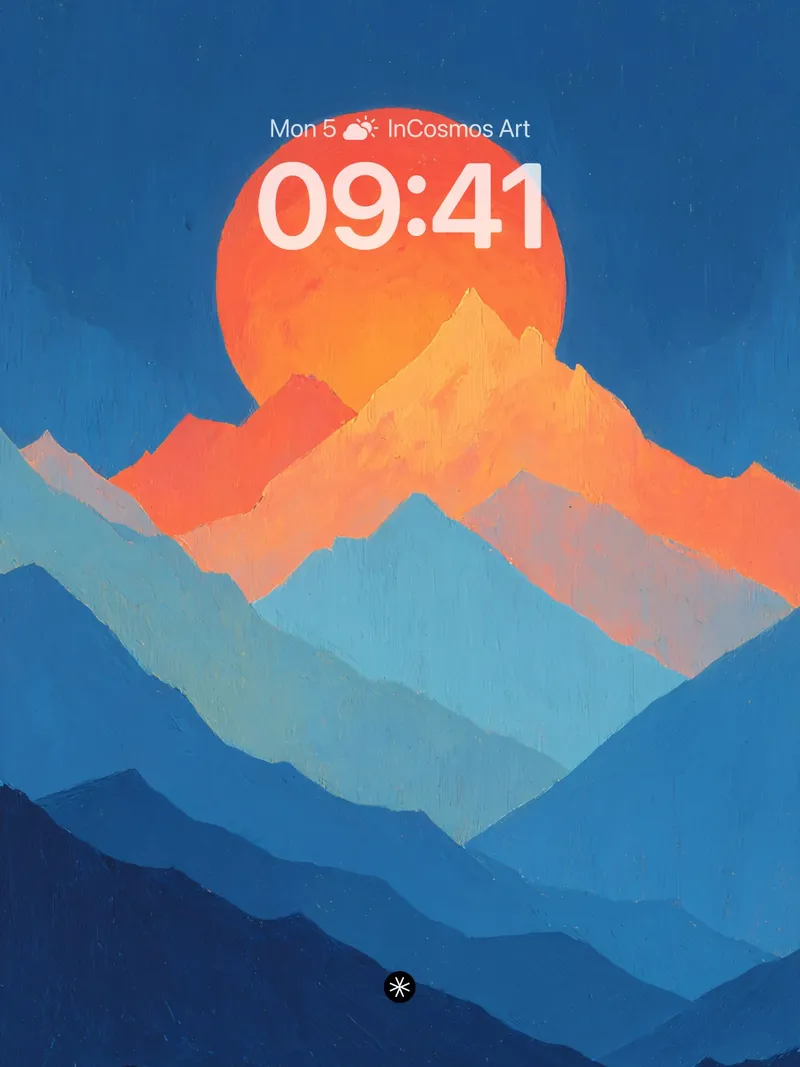
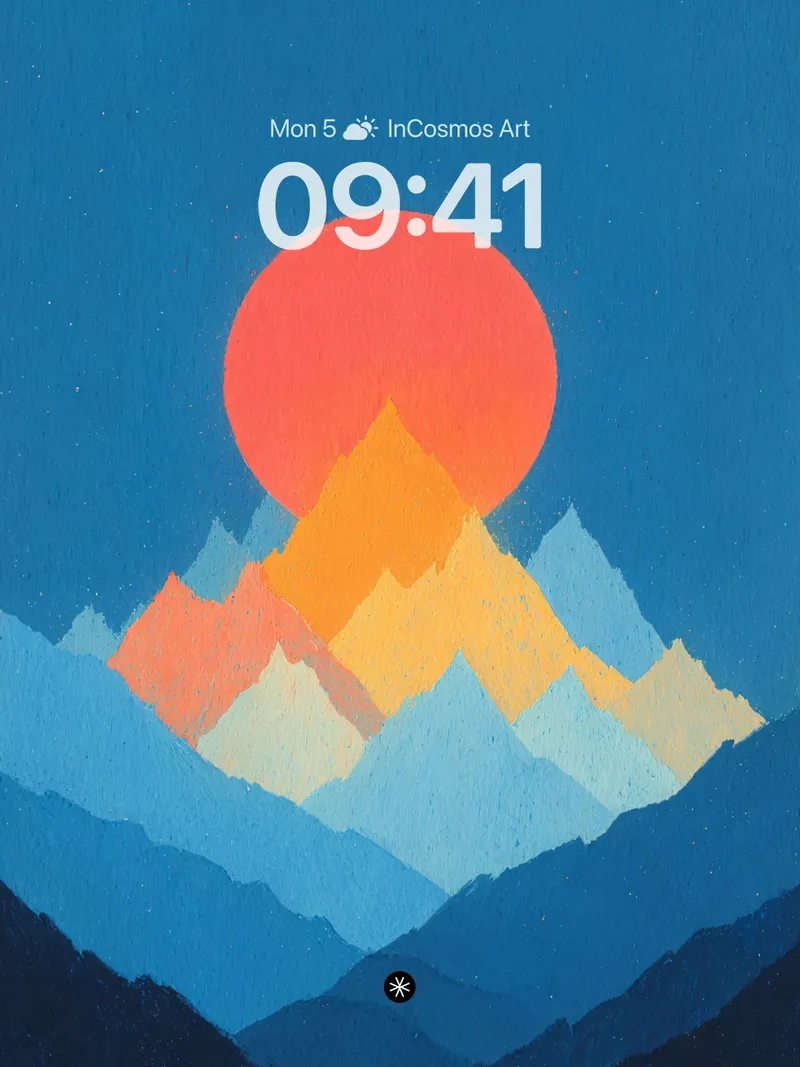
Mountain ridges stretch their spines at dawn, lifting the orange sun to the zenith. Light flows like molten gold over glacial edges, congealing into amber sighs at the snowline. Layered silhouettes of distant peaks conceal silence unmeasurable by geological epochs, while nearby cliffs grow new wrinkles at millimeter-scale speeds.
Light and Rock Negotiation
The moment sunlight pierces clouds, the entire mountain range begins to breathe. Shadows retreat through gullies, exposing sedimentary rock textures like clay repeatedly kneaded by time. Some edges round through erosion while fractures remain sharp—this contradiction forms the mountain's memory code.
Chromatic Geology
Orange-red belongs not solely to the sun; glaciers refract the same intensity at specific angles. When dusk dyes summits, cool-toned blue-gray strata react with warm light, generating ephemeral violet mists. This color play has persisted for 4.6 billion years, reenacting each twilight.
Silent Roar
Silence at 5,000 meters carries weight. Low-frequency vibrations from wind sweeping moraines resonate with tectonic plate compression. Climbers often mistake this for avalanches—actually mountains adjusting their skeletal structures.
Eternal Present
No peak remains truly static. Glaciers carve ridges at three centimeters yearly, meltwater writes new erosion equations in rock fissures. While humans measure time with second hands, mountains compose biographies in geological epochs.