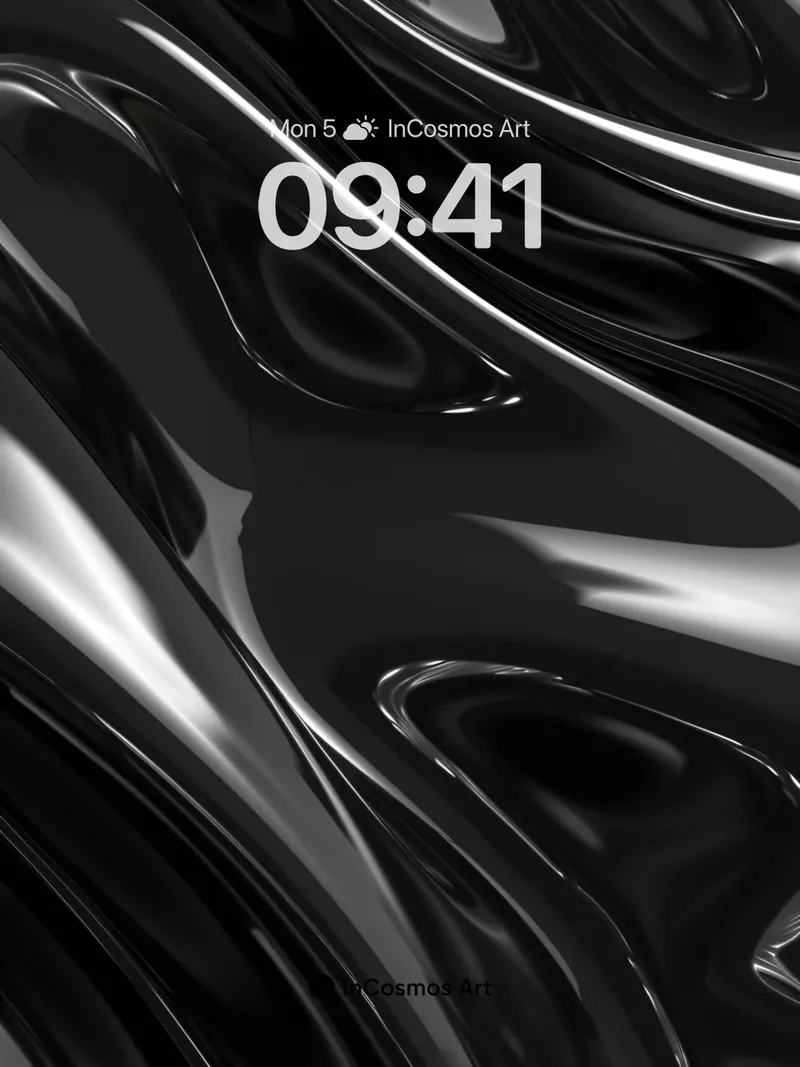
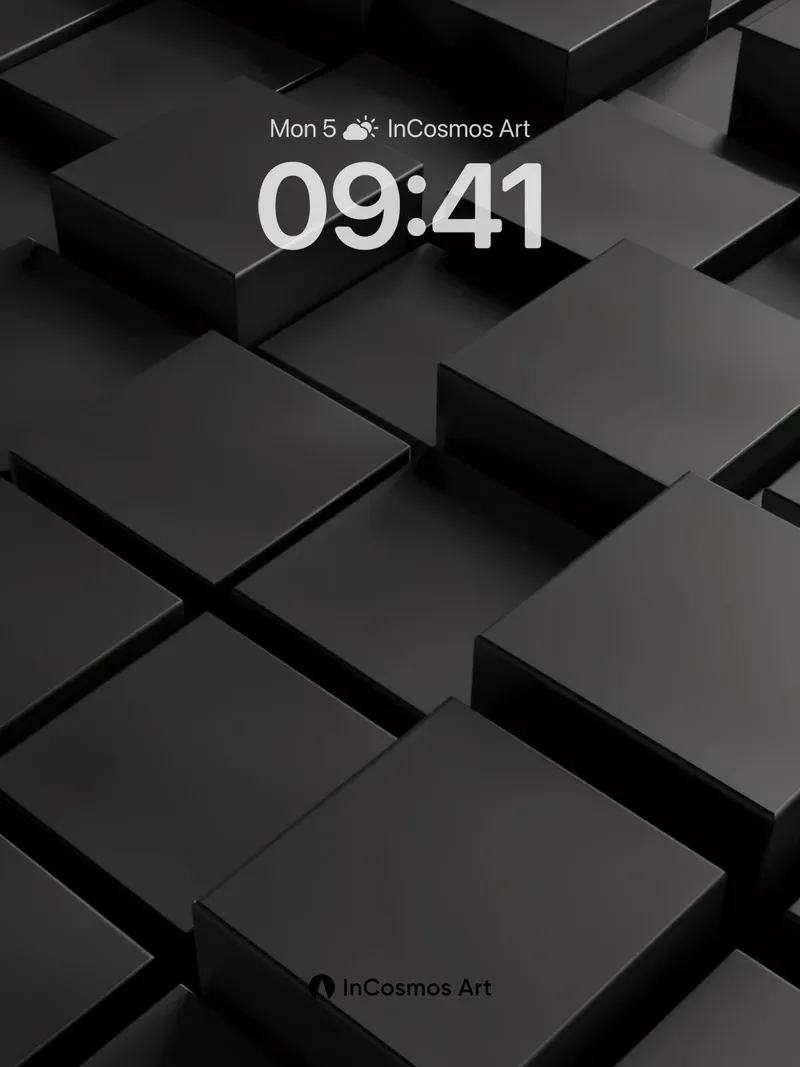
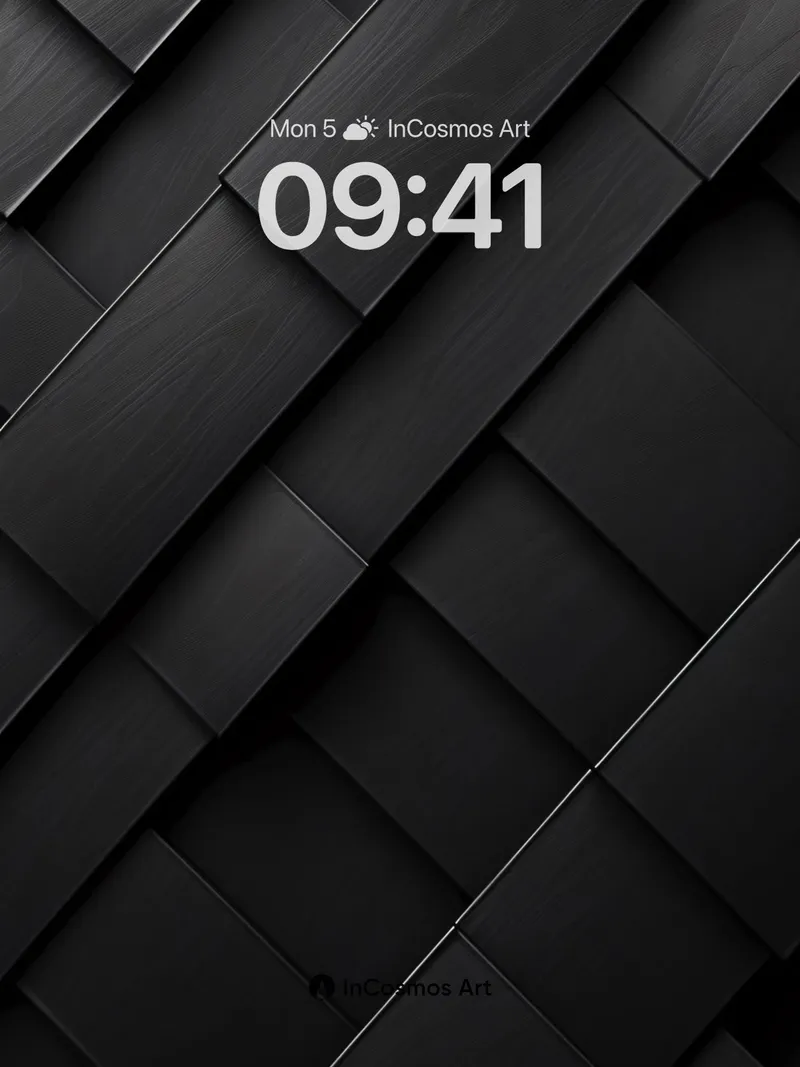
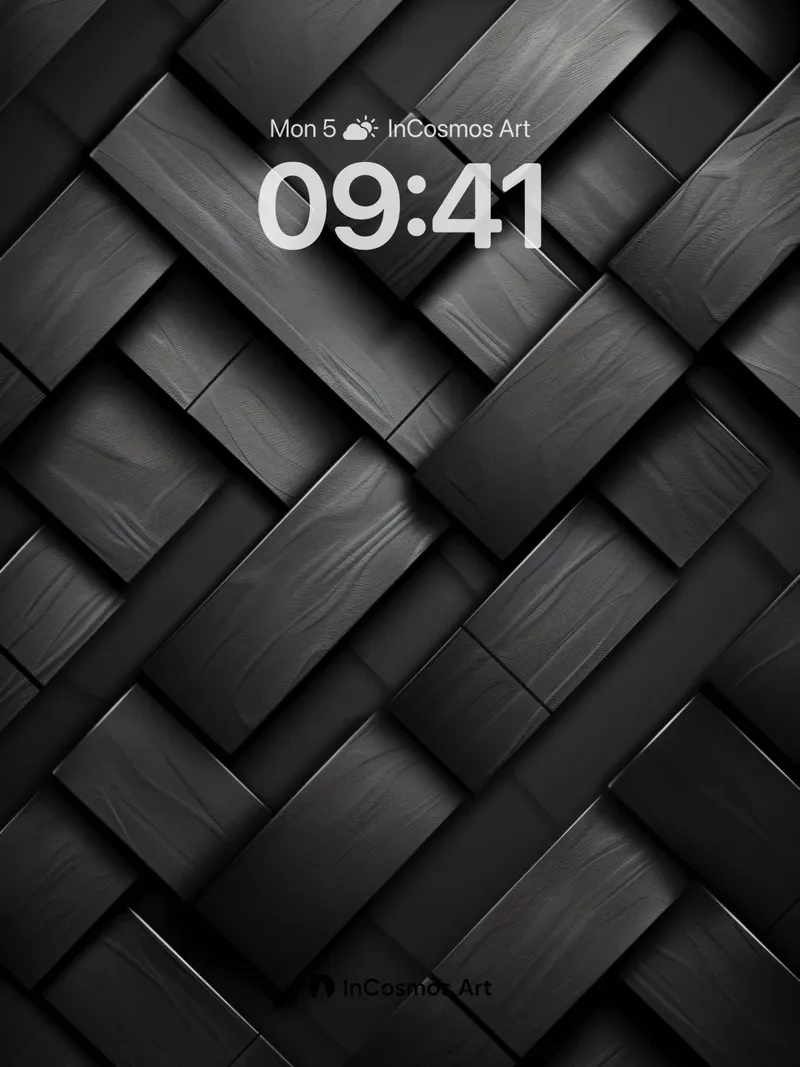
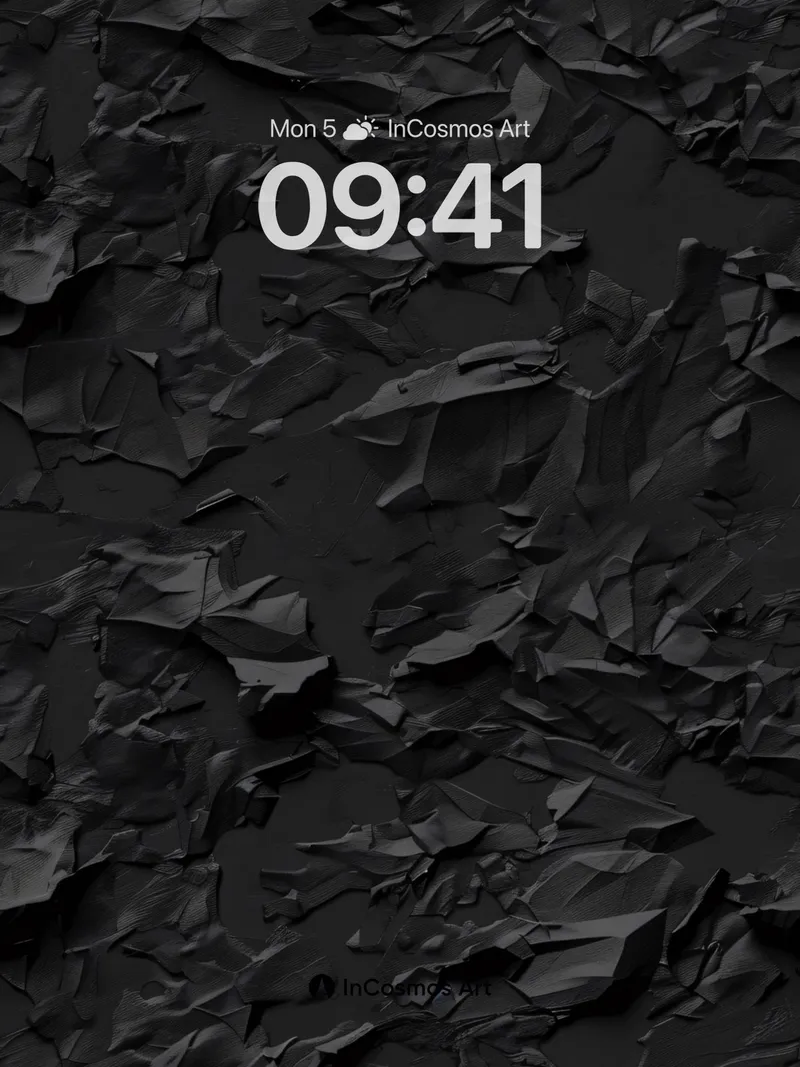
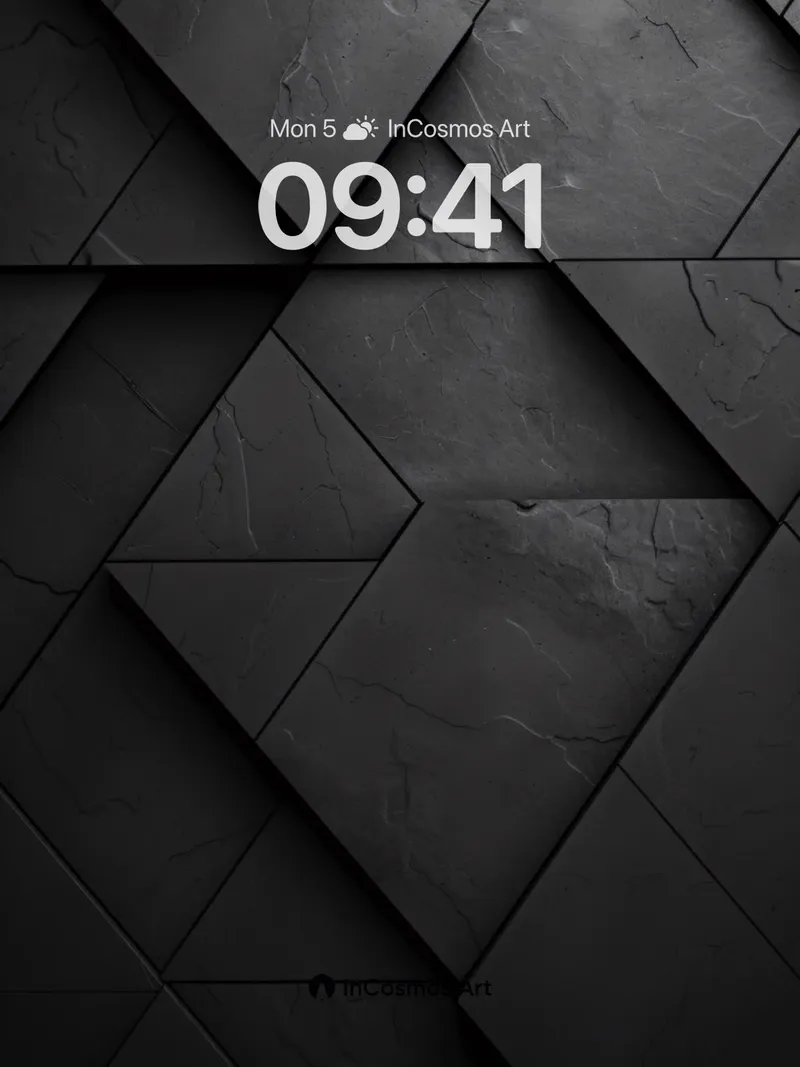
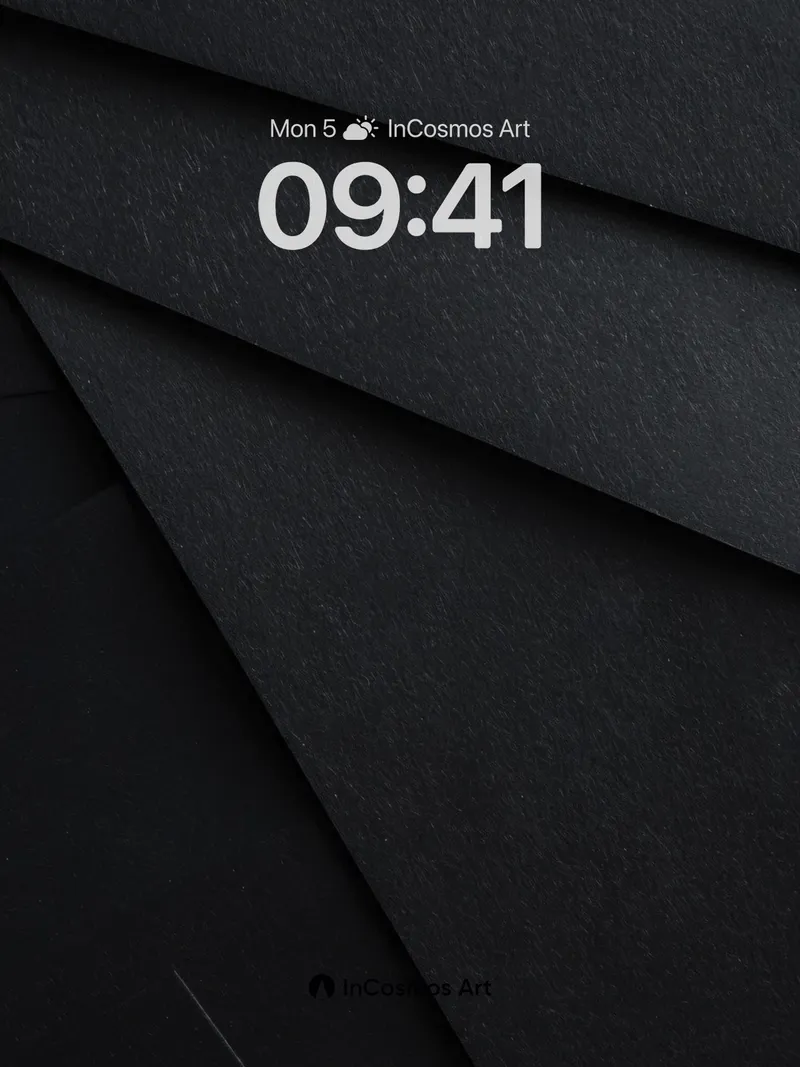
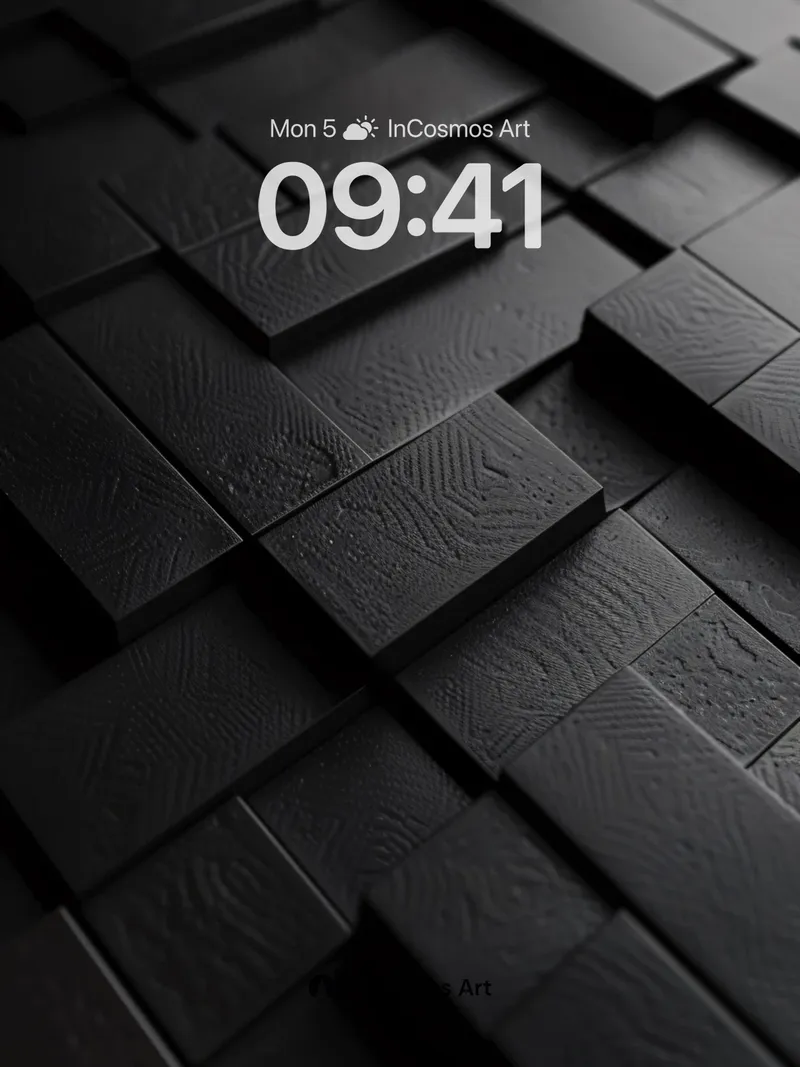
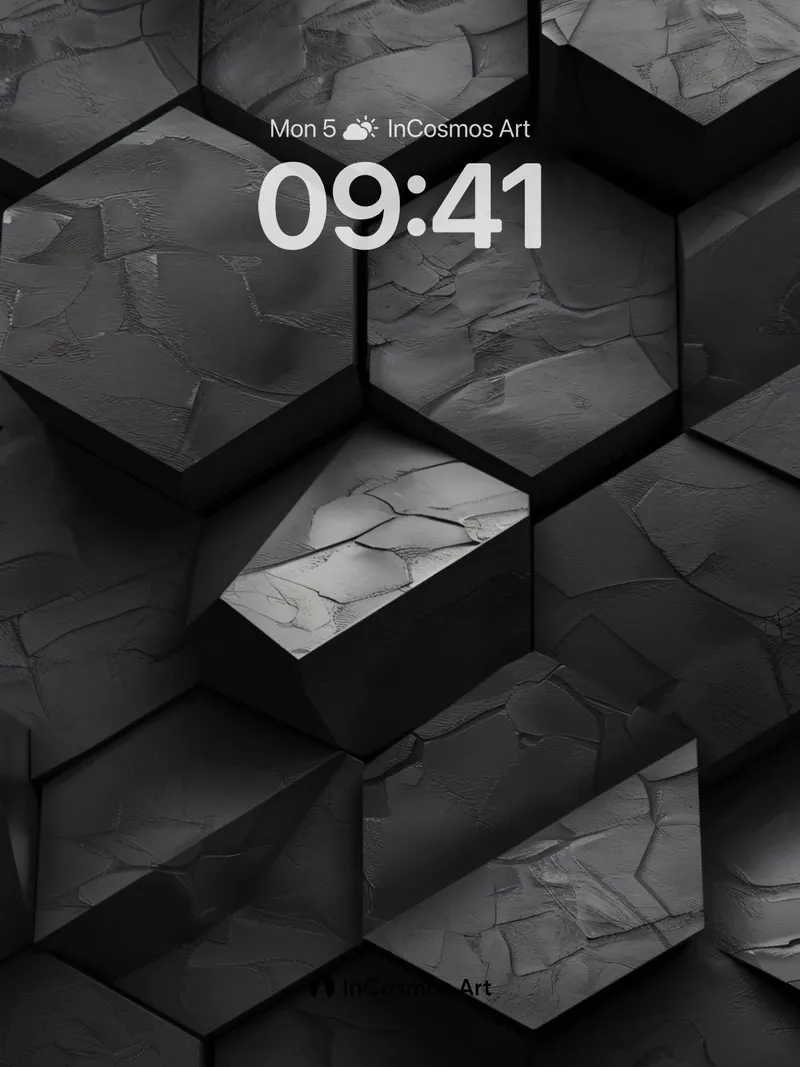
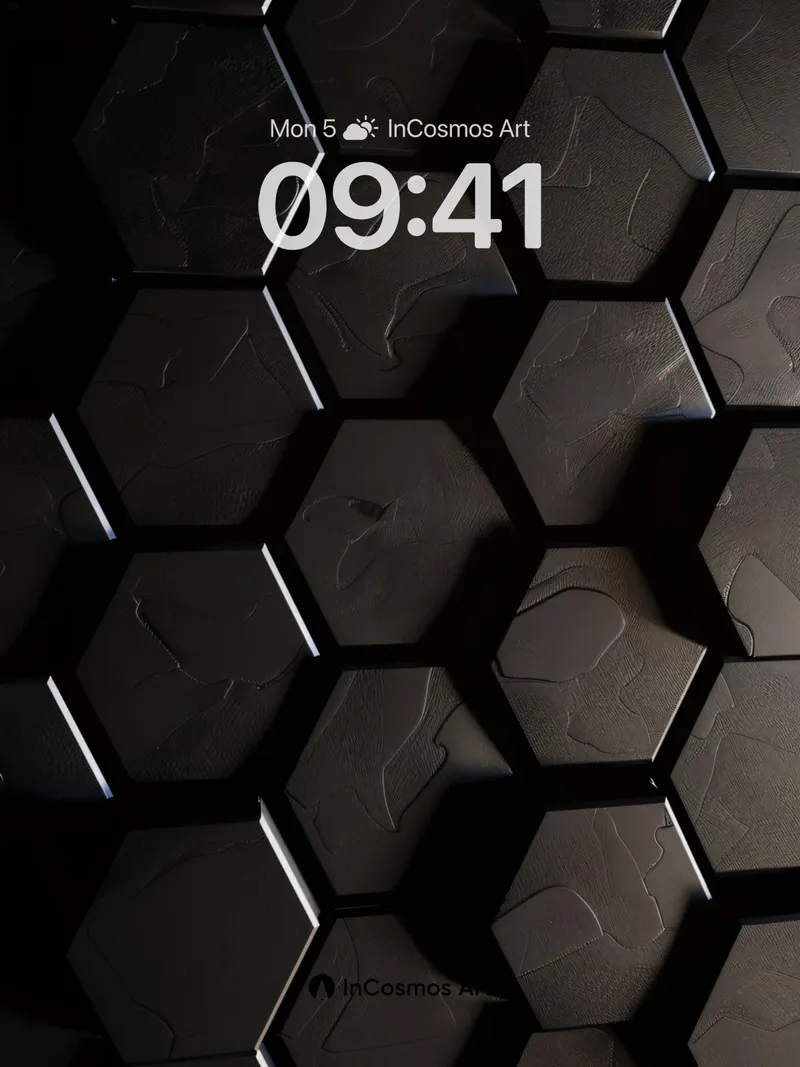
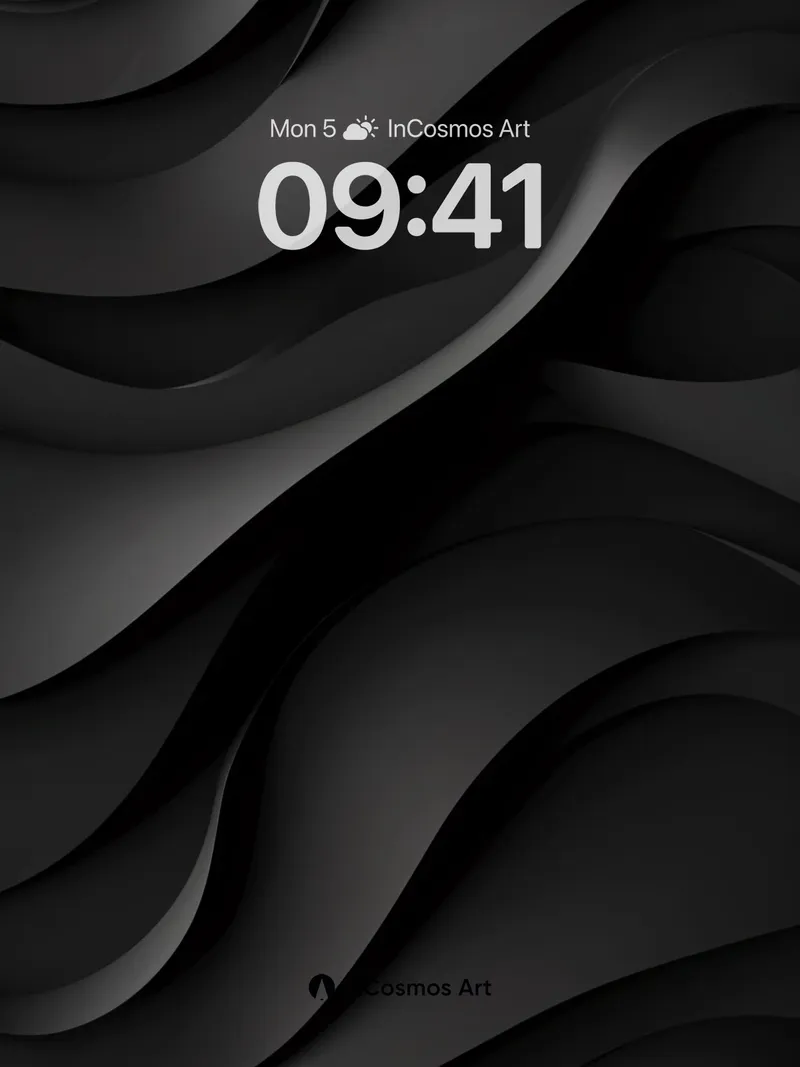
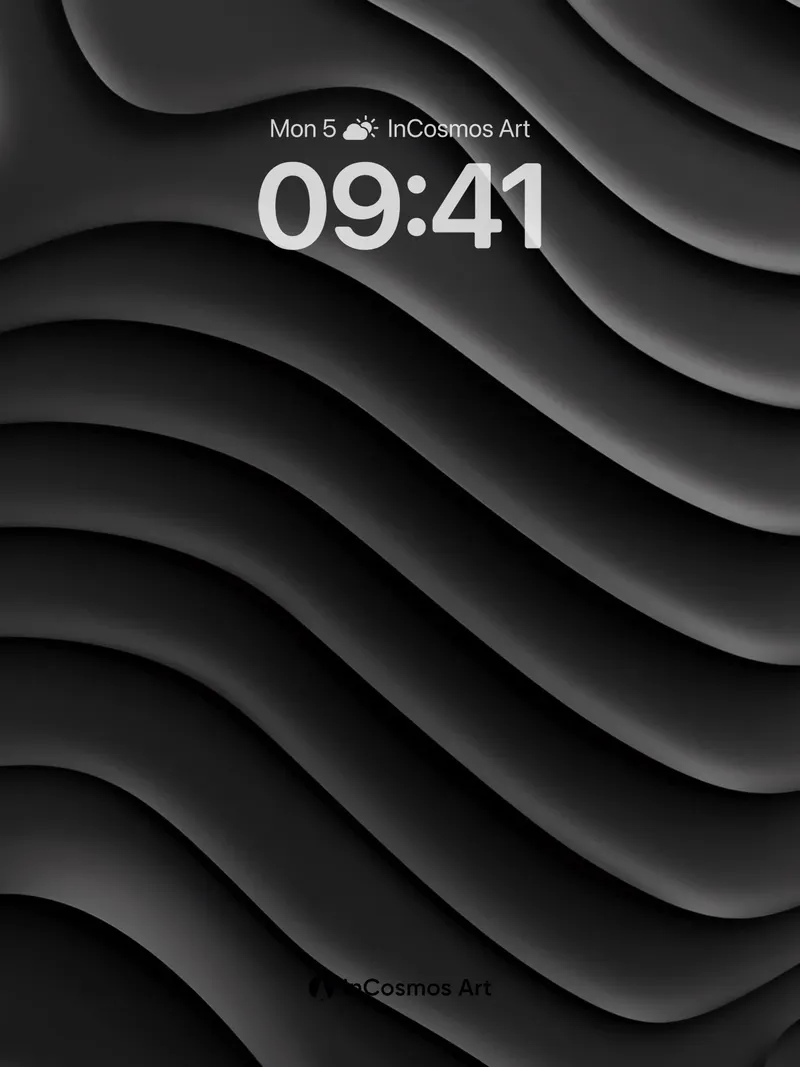
At the intersection of industrial design and digital art, dark geometric textures are quietly reshaping spatial perception. Surfaces composed of pure forms construct unique visual rhythms through repetition and variation, serving neither as decoration nor function, but as mediums of dialogue between matter and void.
Philosophy of Form
The combination of triangles and rectangles follows strict mathematical logic rather than random arrangement. The collision of acute and obtuse angles creates tension, while transitions between planes and volumes generate depth. This structure evokes architectural load-bearing systems or circuit board layouts, nurturing dynamic balance within order.
Material Paradox
Matte surfaces absorb rather than reflect light, producing subtle gradients at light-dark boundaries. The imagined tactile roughness contrasts with visual smoothness, creating perceptual dissonance that forces observers to reexamine material essence. When fingers trace virtual凹凸 surfaces, tactile memory resonates strangely with visual experience.
Spatial Breathing
Continuous patterns extending vertically create light-filtering effects reminiscent of Venetian blinds. Horizontally arranged modules suggest architectural facade rhythms. These textures function as soft spatial dividers or invisible sightline guides, expanding perceptual boundaries within limited dimensions.
Digital Materiality
3D rendering technology breathes new life into traditional materials, with algorithm-generated randomness retaining traces of手工 warmth. When pixel-based virtual textures juxtapose real materials, definitions of materiality blur, sparking ongoing contemplation about authenticity and simulation.