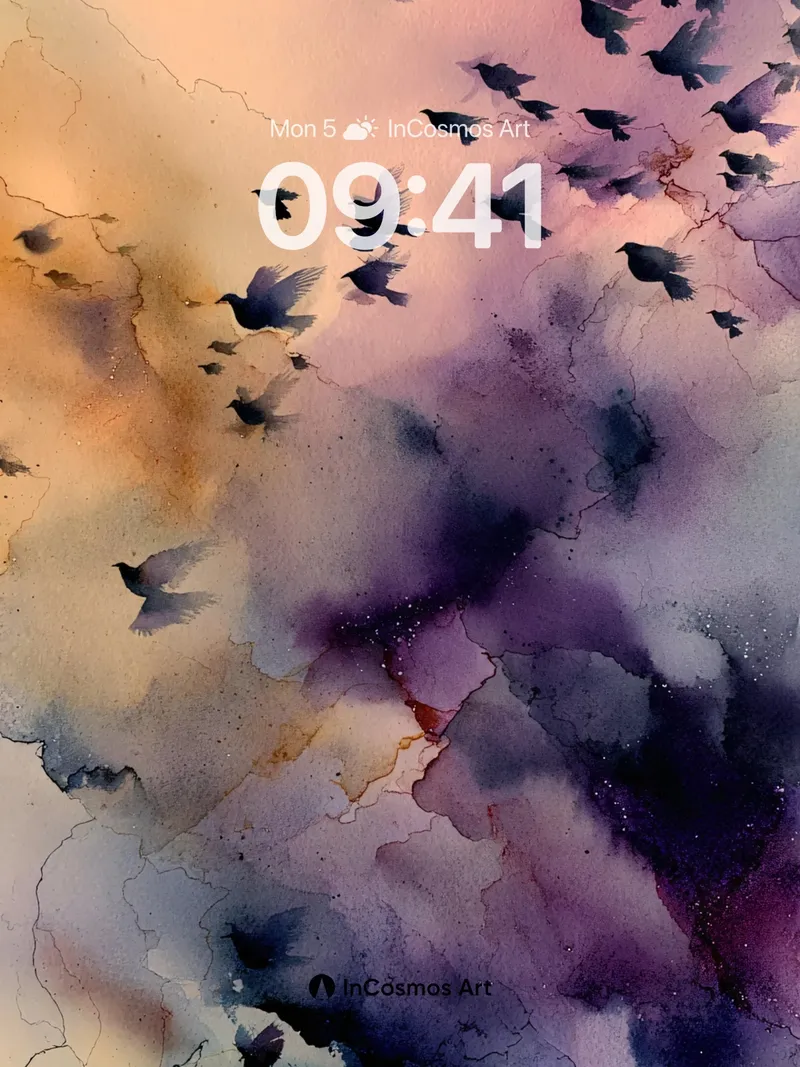
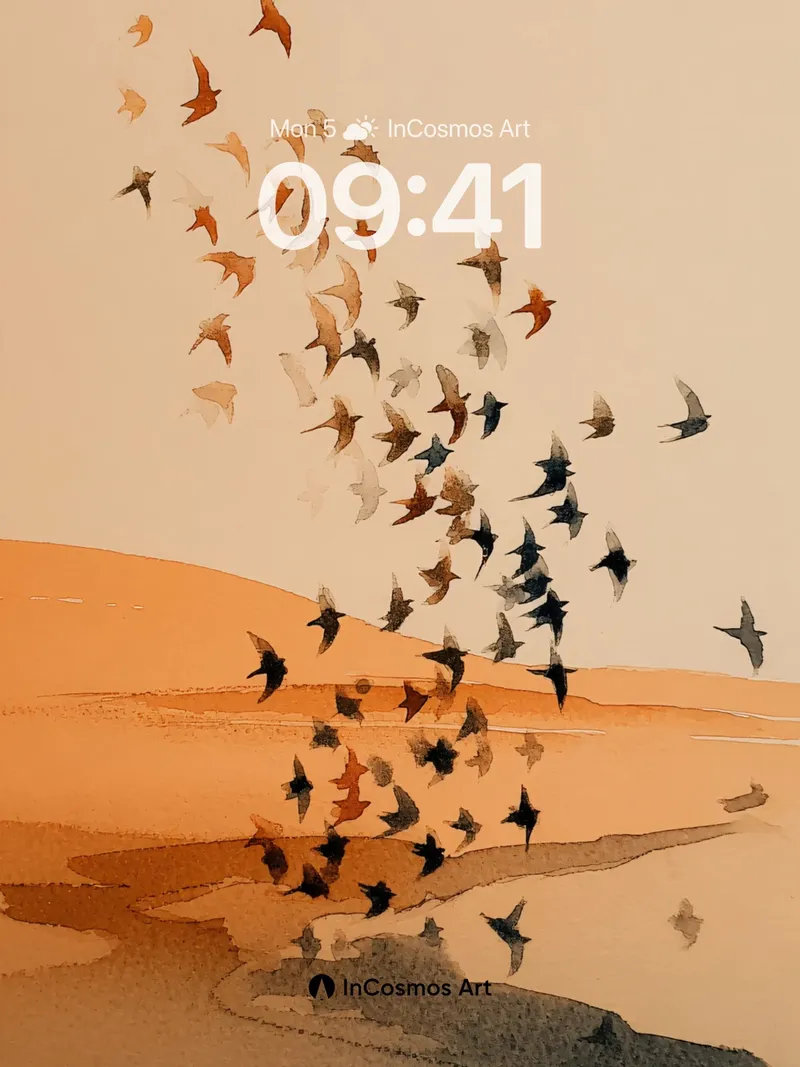
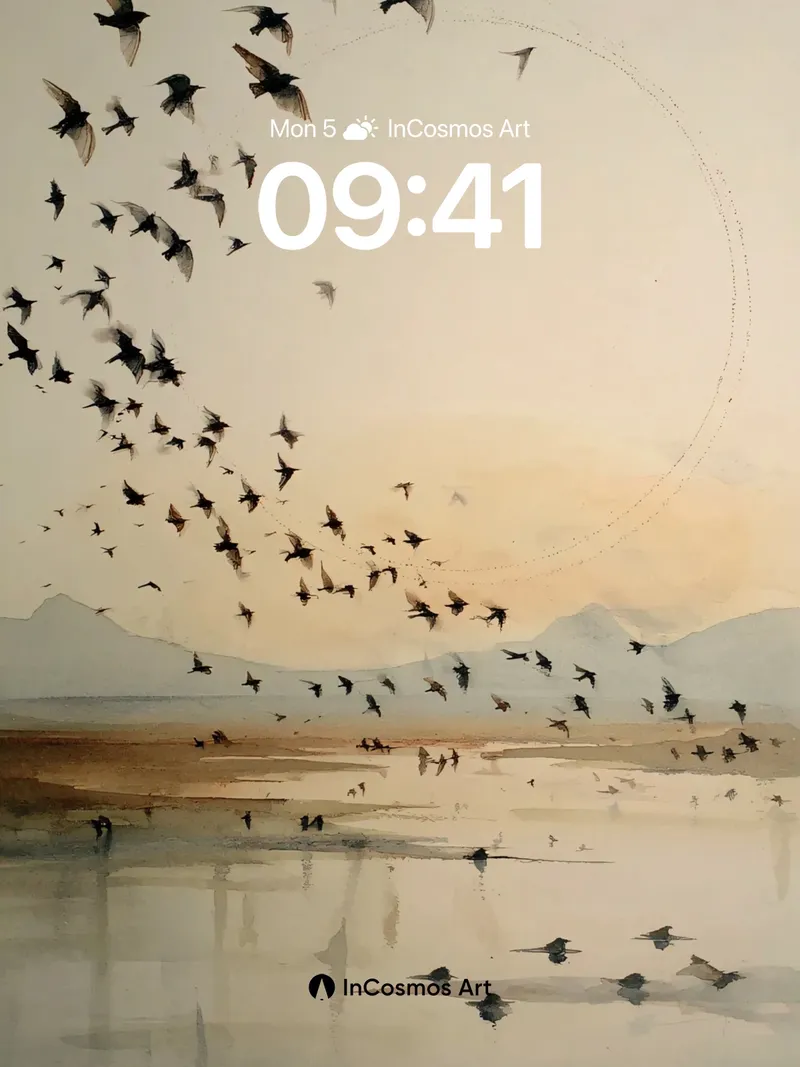
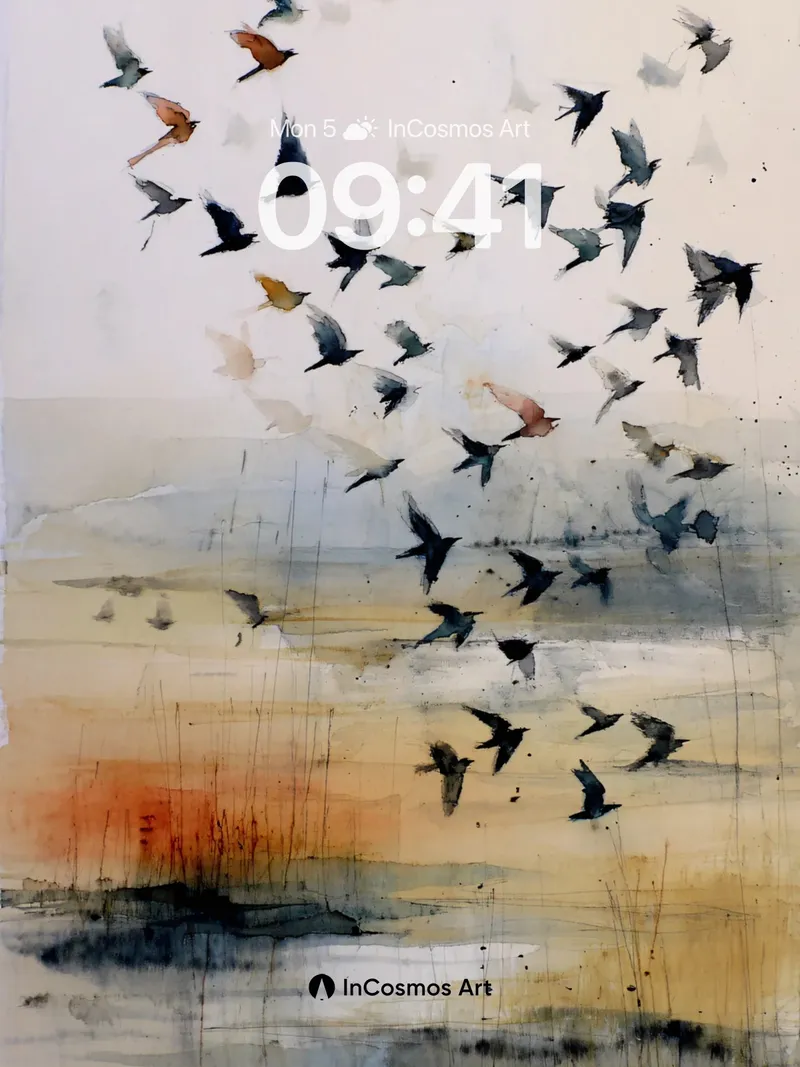
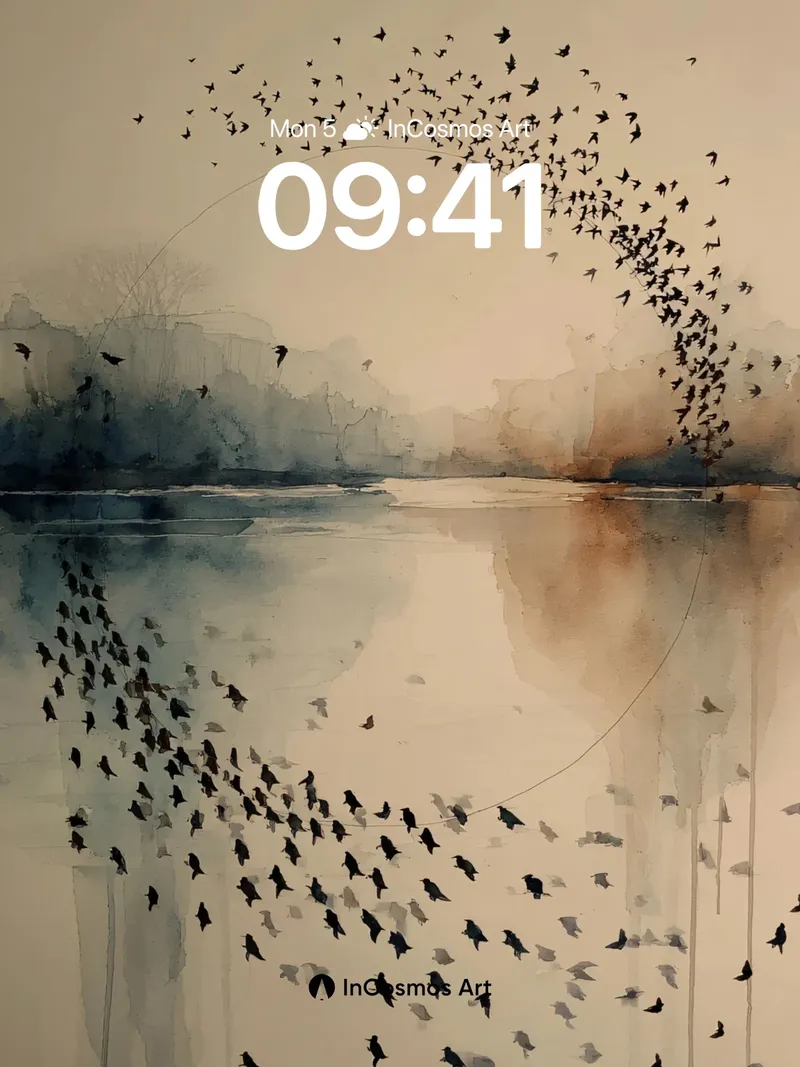
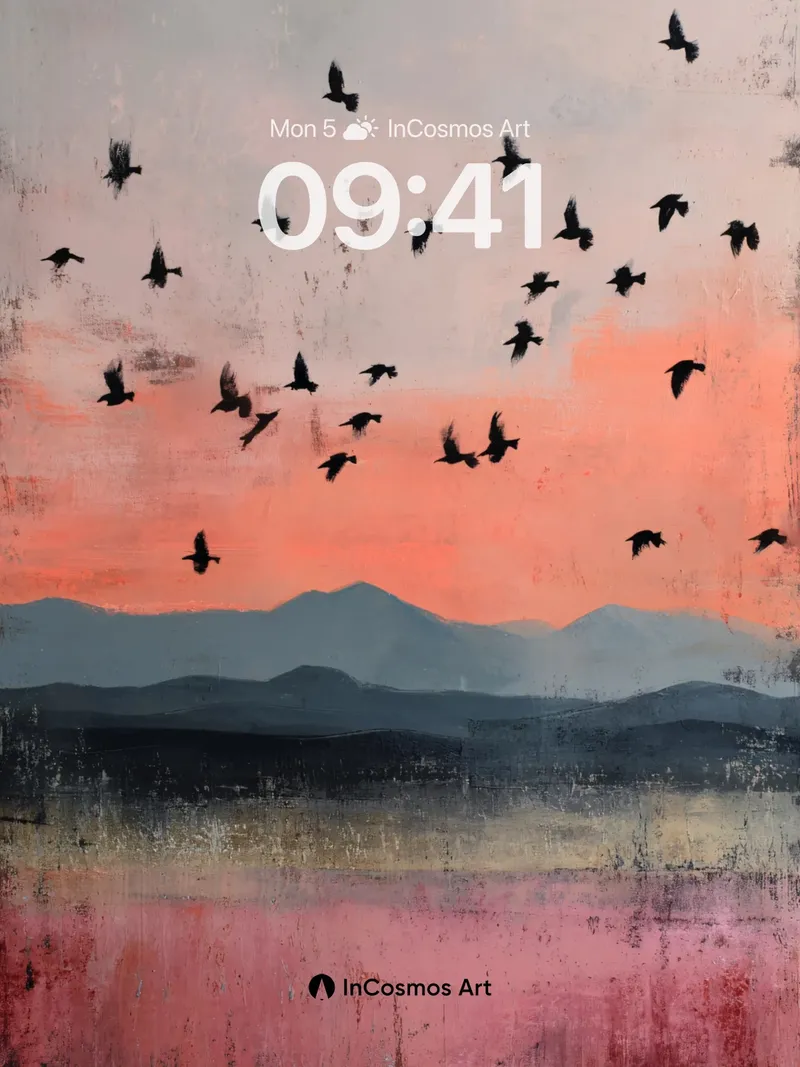
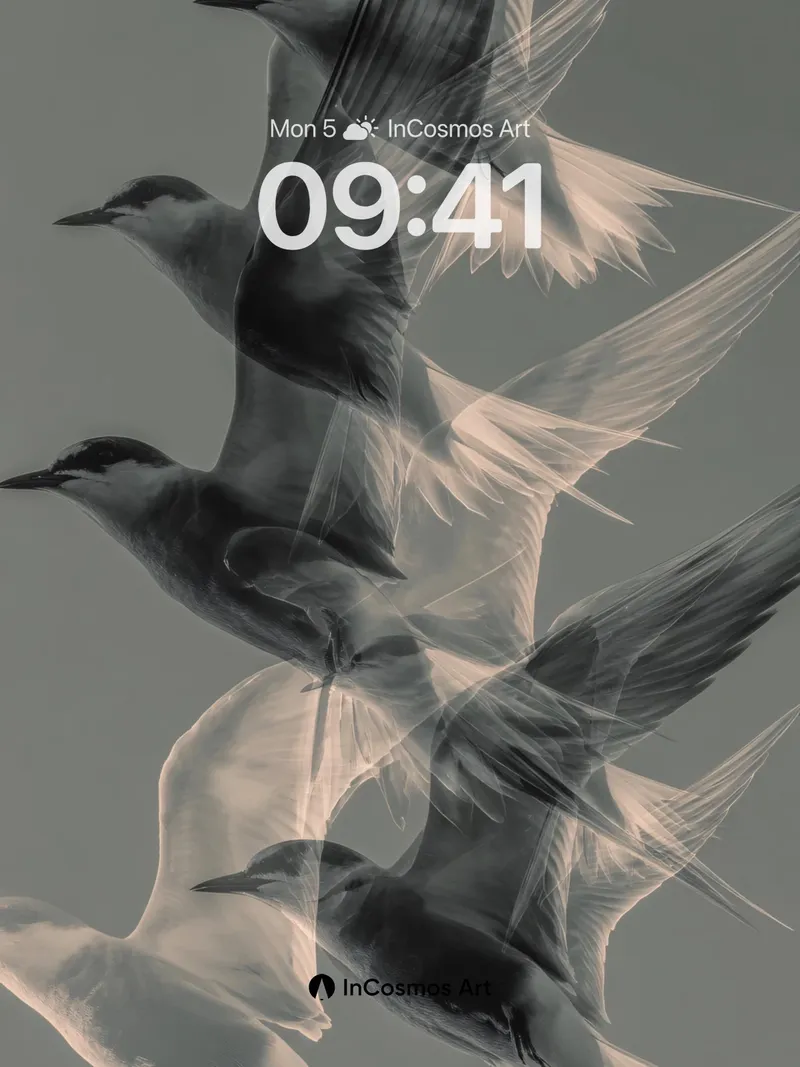
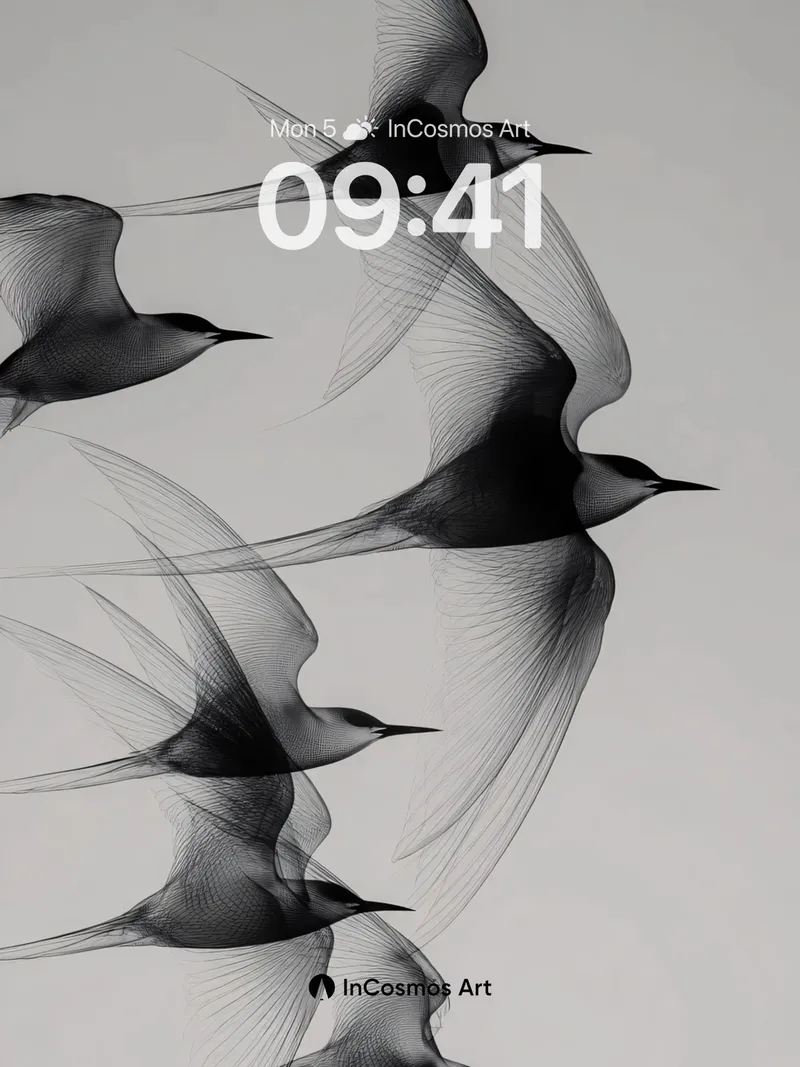
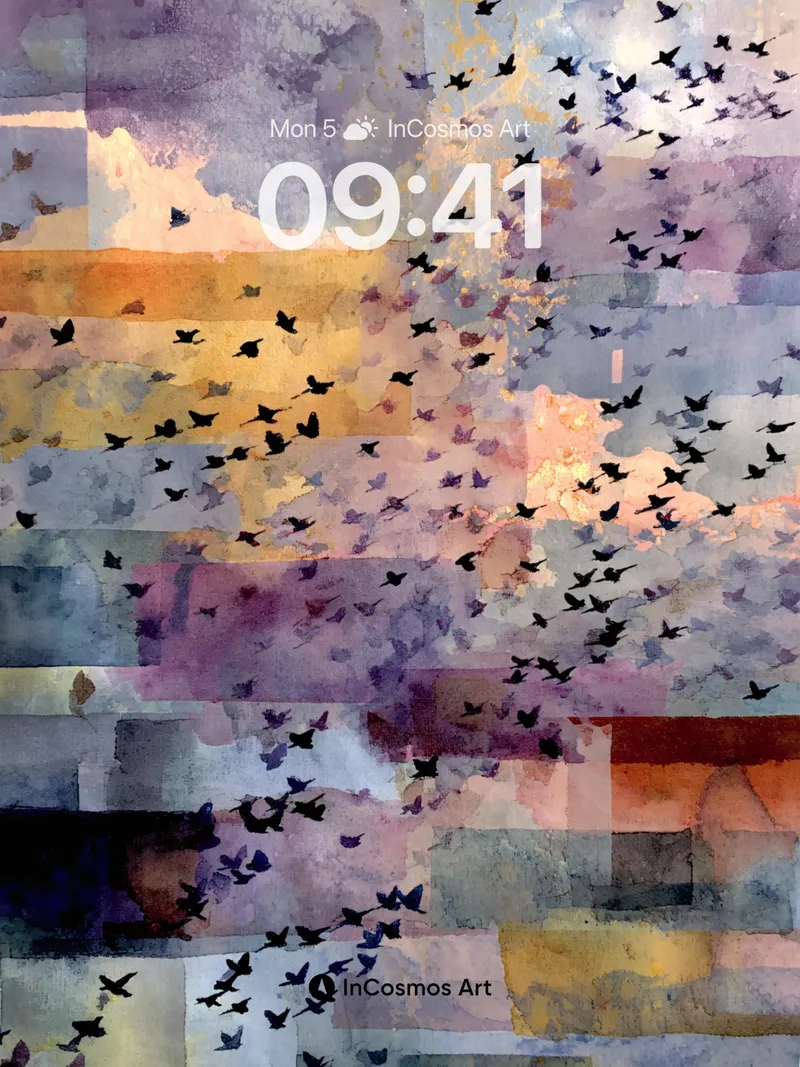
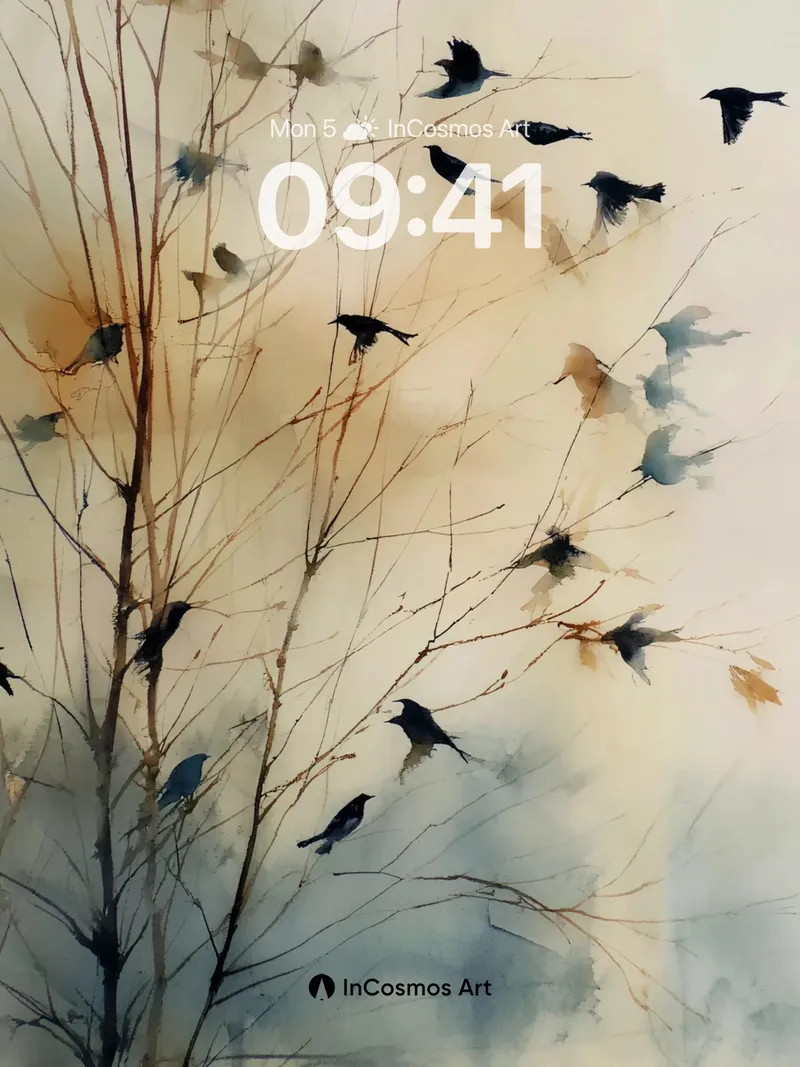
Birds trace invisible lines through the air, their wings slicing wind and light, leaving behind traces of time. Flight is not a destination but a state of being. Each wingbeat is a decision, a response to space, a defiance of gravity. They carry no maps yet always know direction; they speak no language yet communicate through posture. This is not mere migration but a philosophical experiment on freedom, order, and impermanence. When individuals merge into groups, forms blur, contours dissolve, leaving only rhythmic motion and harmonic flow. The sense of movement arises not just from physical action but from psychological projection—humans, in observation, project longing and anxiety onto wings.
Breath of the Collective
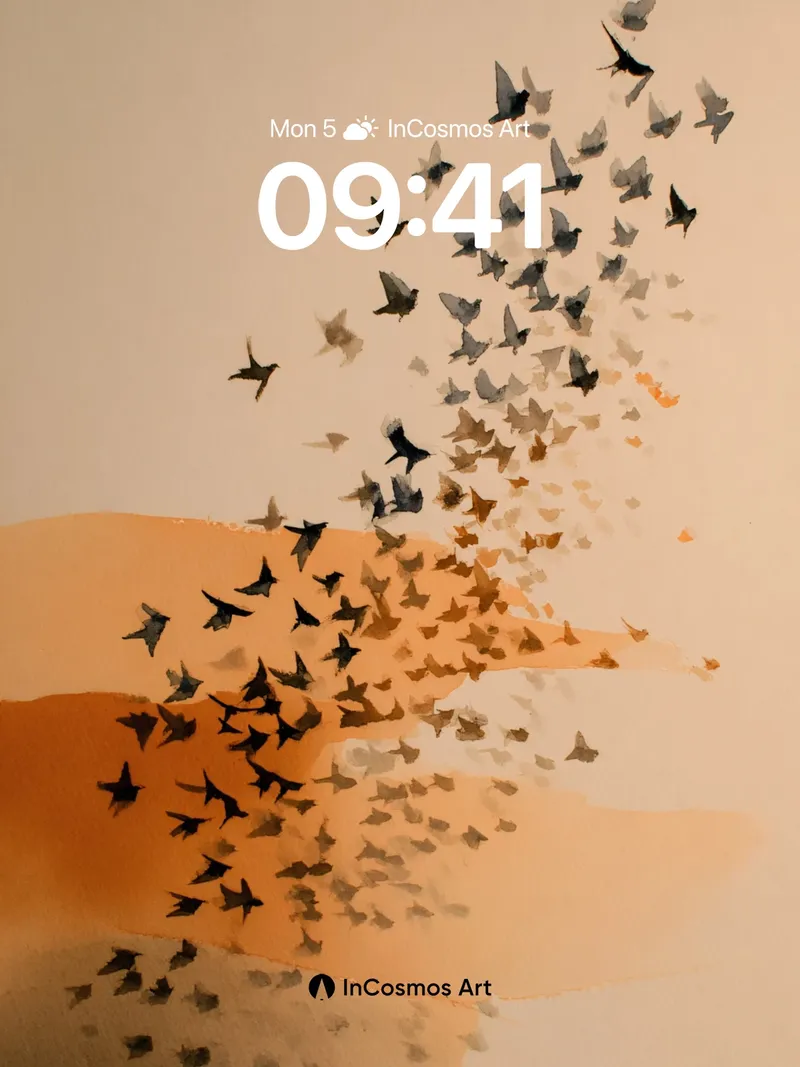
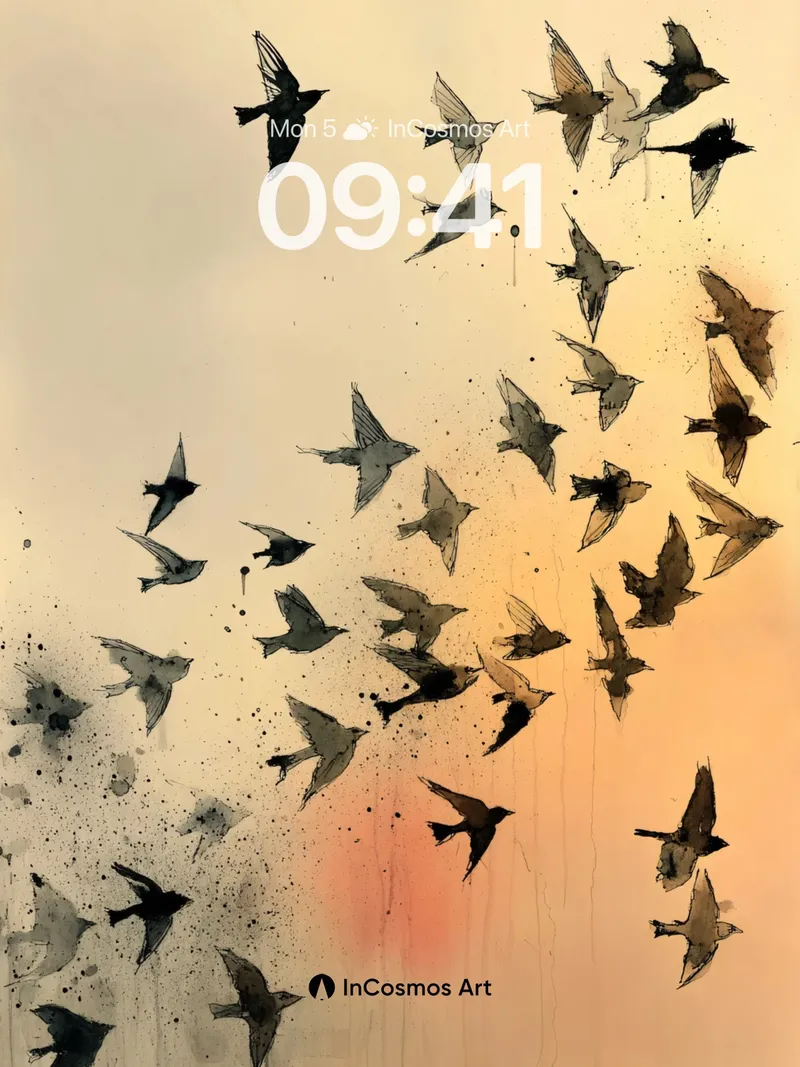
The synchrony of flocks transcends biological instinct, revealing an embryonic form of collective consciousness. Each bird's subtle adjustment influences the entire formation. This coordination requires no command, relying solely on distance perception and speed alignment. In social structures, this pattern appears in crowds, traffic flows, and financial markets. When individuals relinquish autonomy to an invisible rule, the group gains super-individual strength. Yet the cost is the erasure of individuality. Flying birds are both symbols of freedom and products of order. The patterns they weave in the sky are natural wonders and metaphors for social behavior.
Topology of Light and Shadow
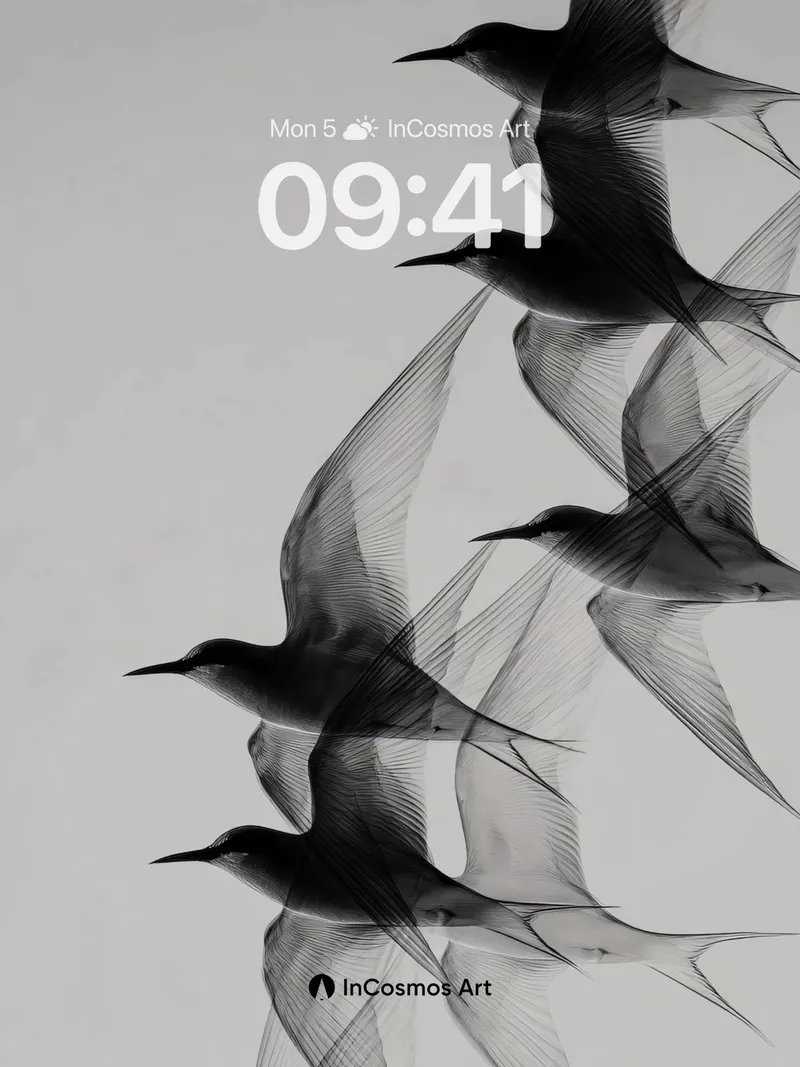
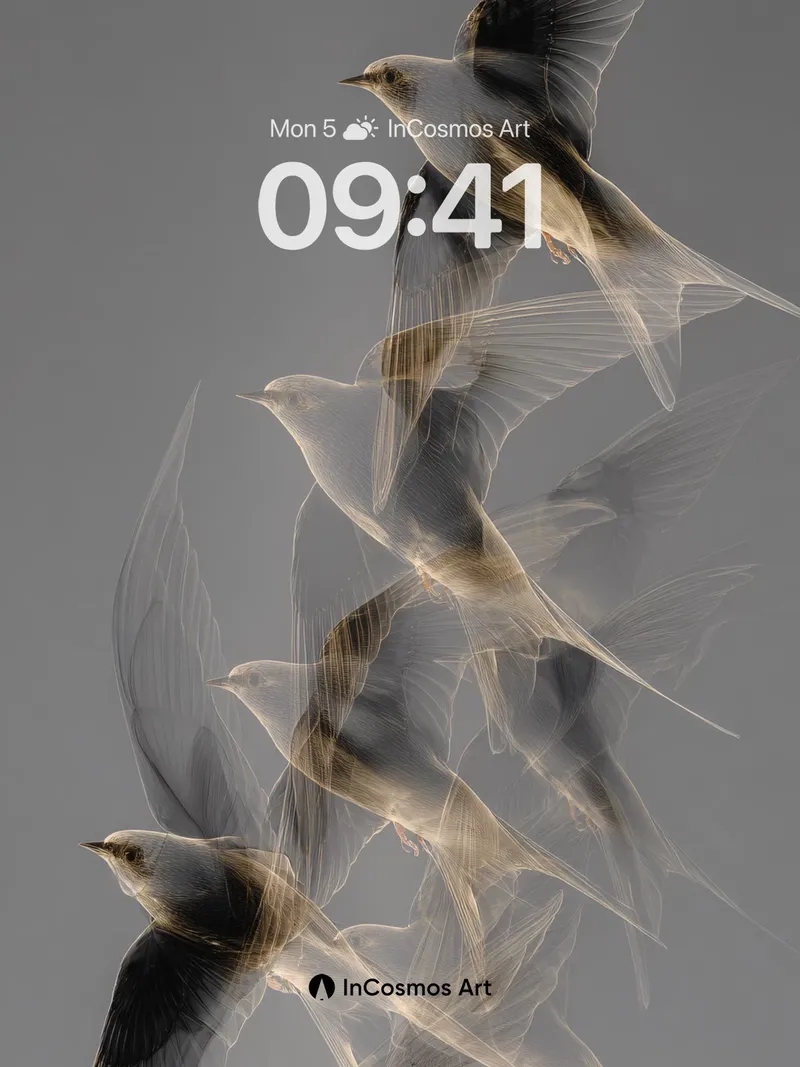
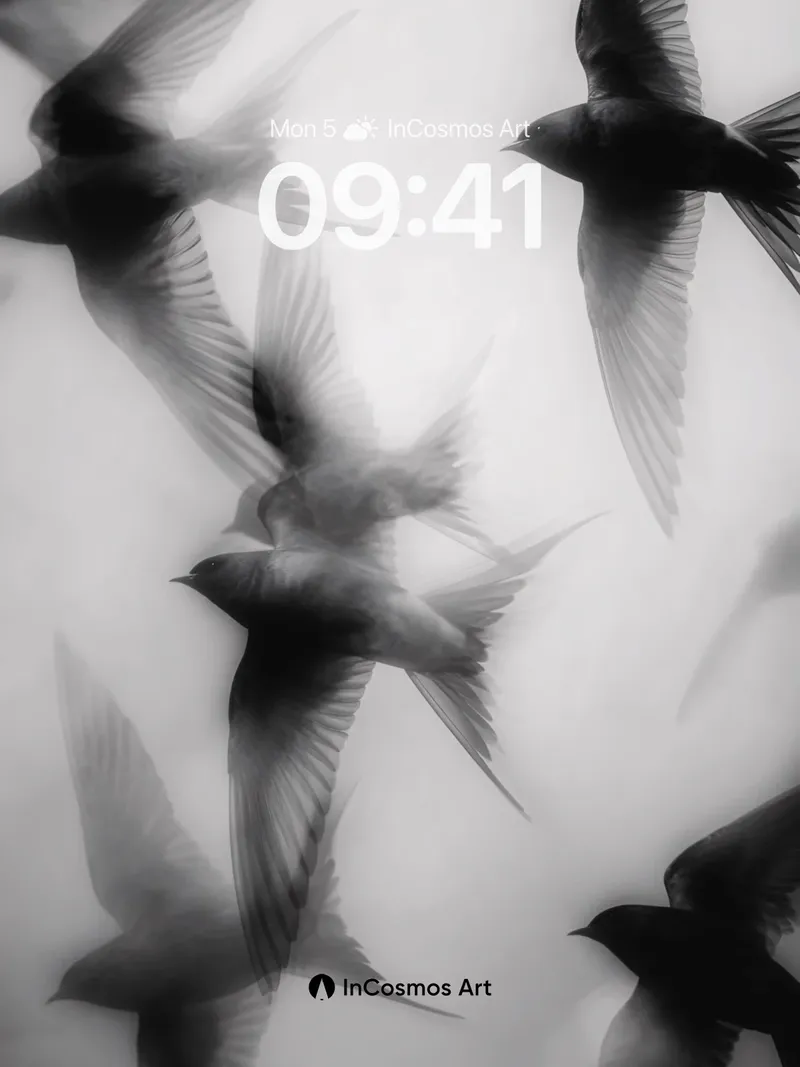
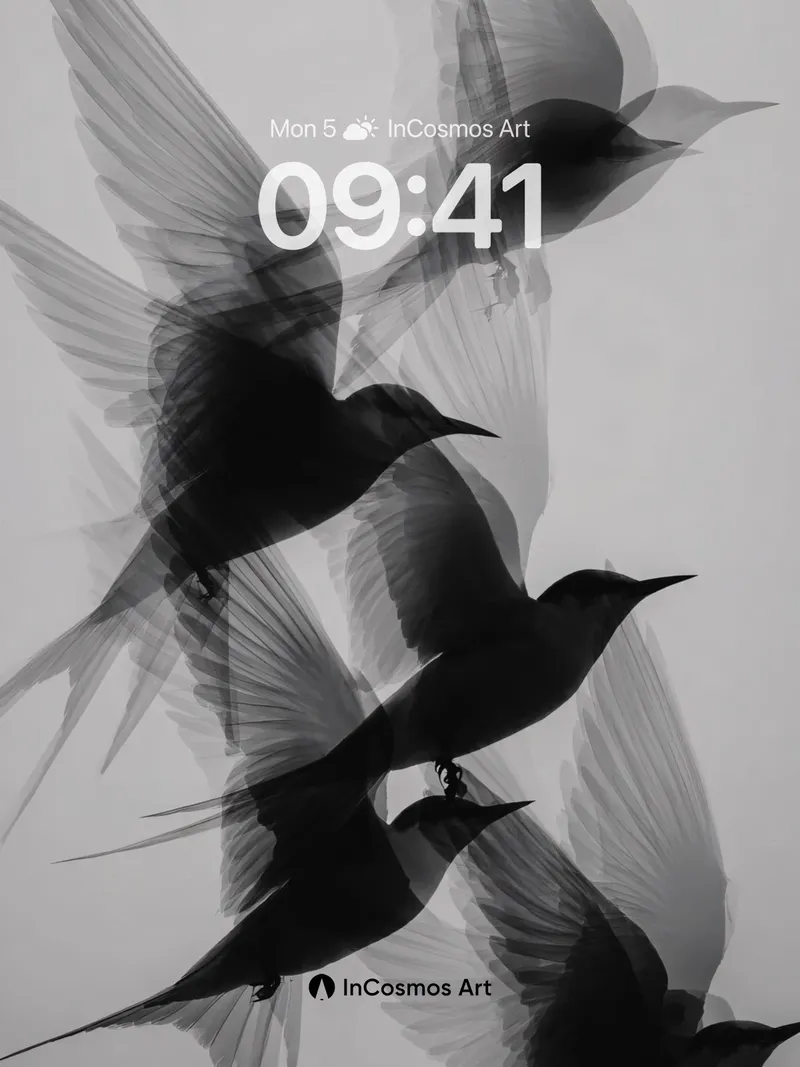
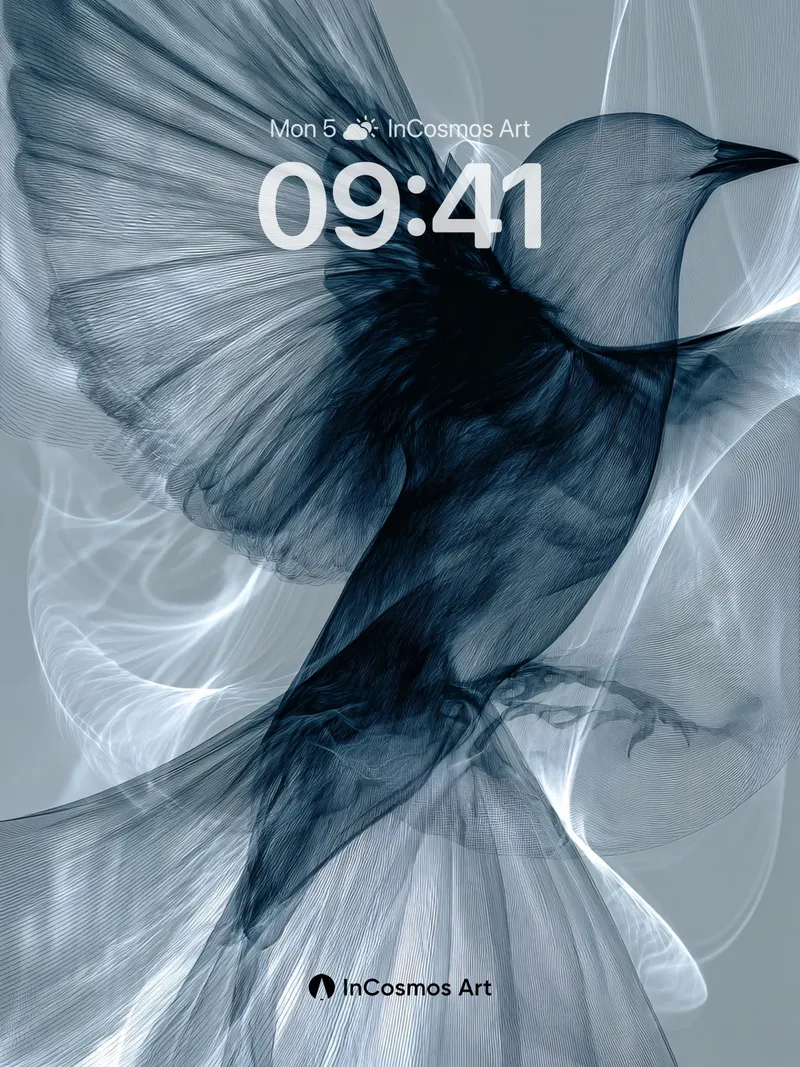
In some renderings, birds appear translucent, as if viewed under X-ray. Feather textures become visible, bone structures resemble circuits. This is not realism but revelation of internal mechanisms. Humans have long sought to understand life’s essence—from anatomy to neuroscience to digital modeling. These images extend that inquiry visually. They strip away appearances to expose the fundamental units of existence. Under such vision, life ceases to be mysterious and becomes a network of minute relationships. The bird becomes a medium connecting micro and macro, body and cosmos.
Abstraction of Nature
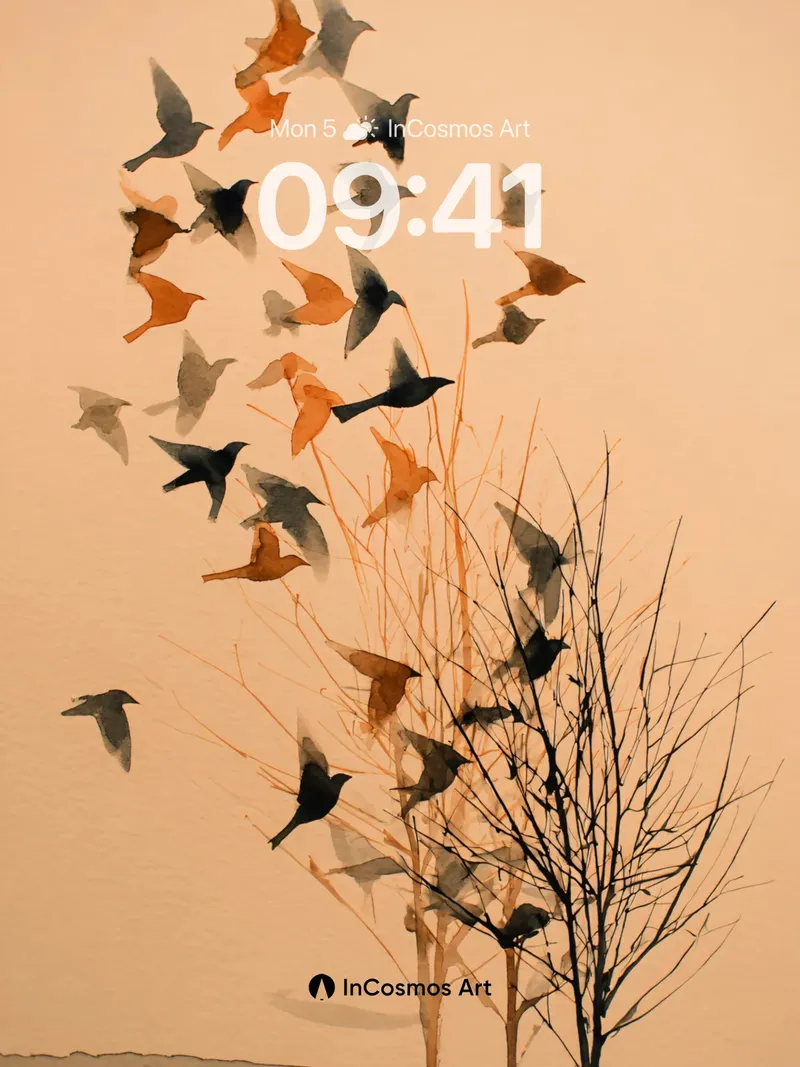
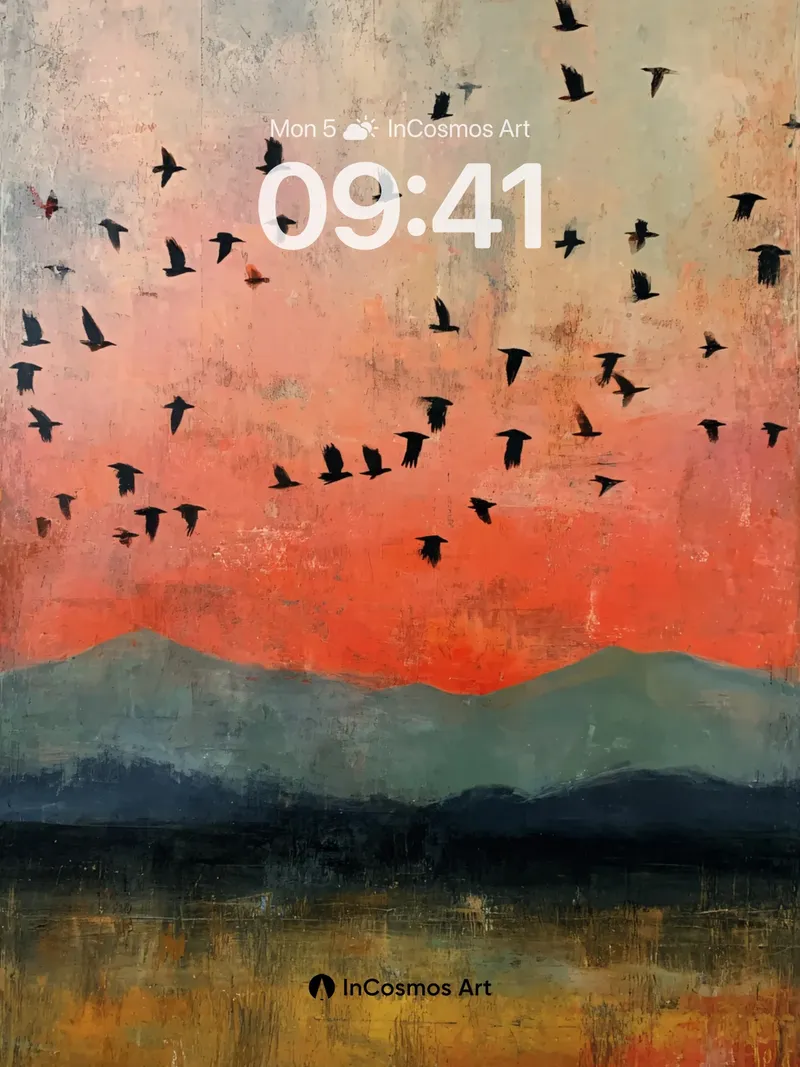
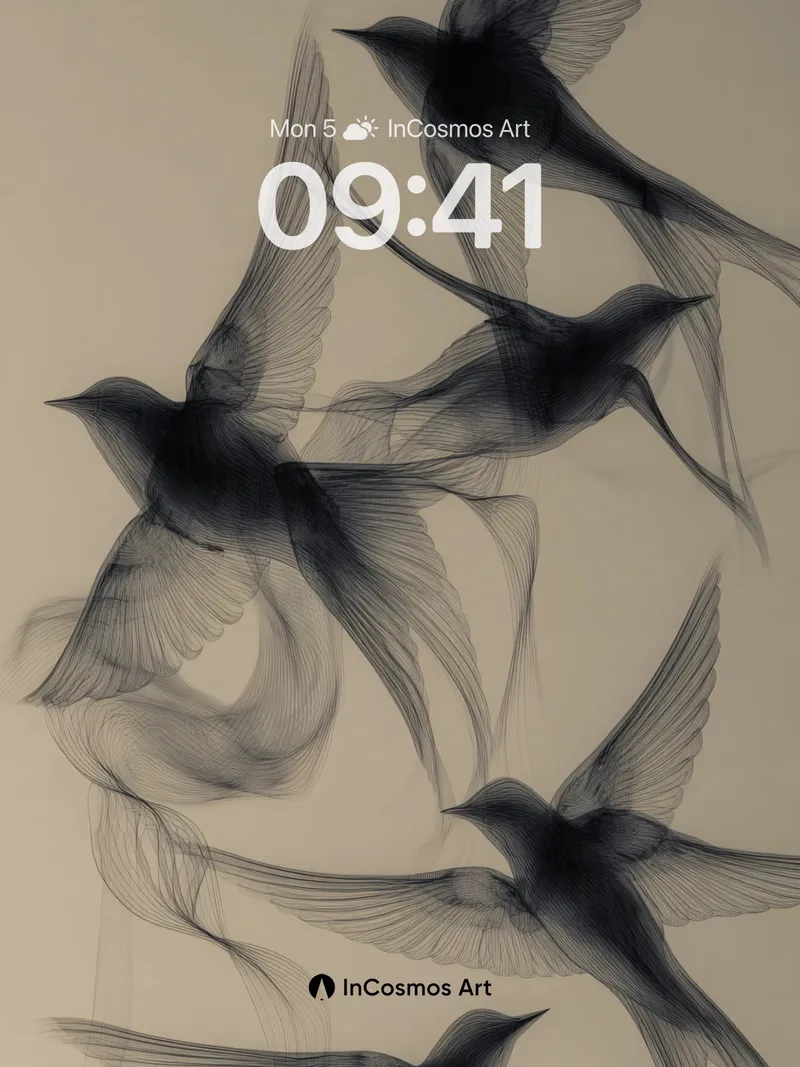
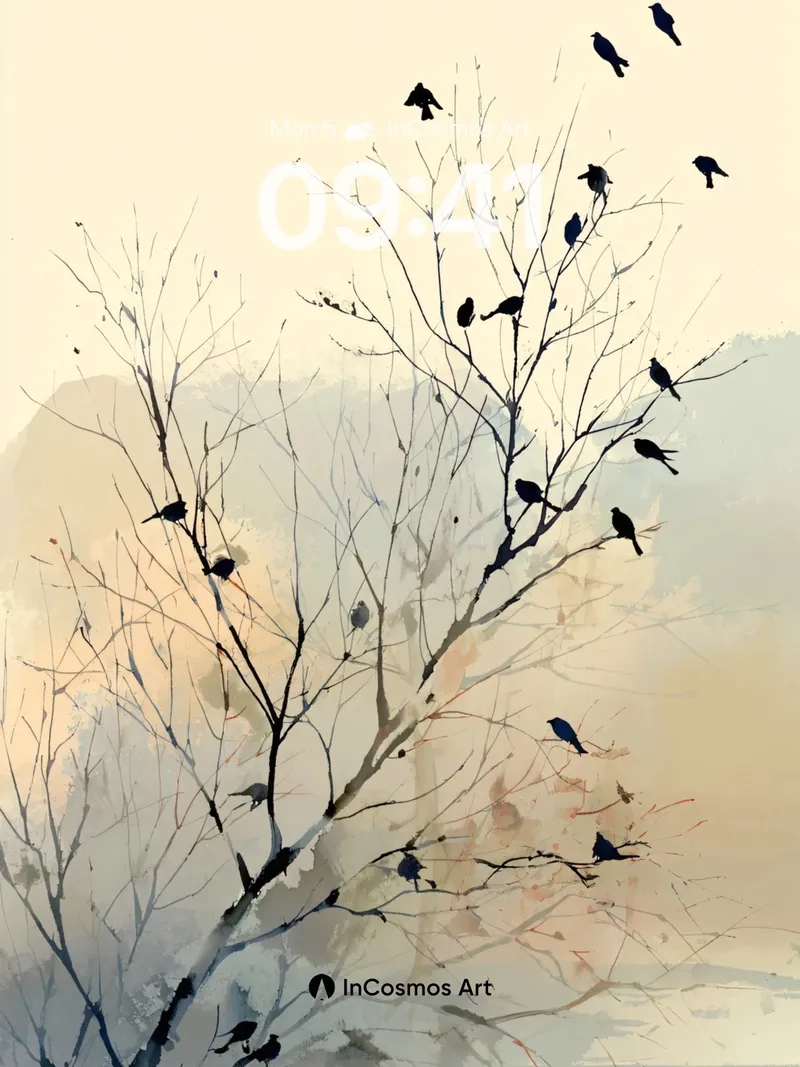
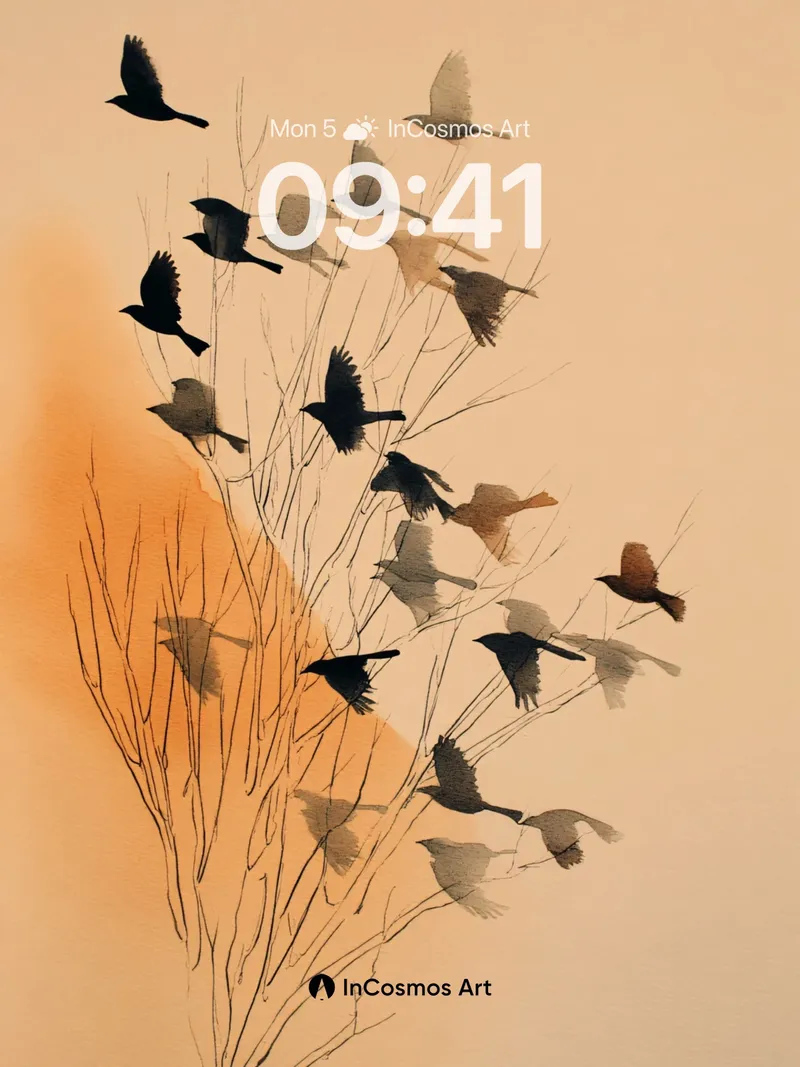
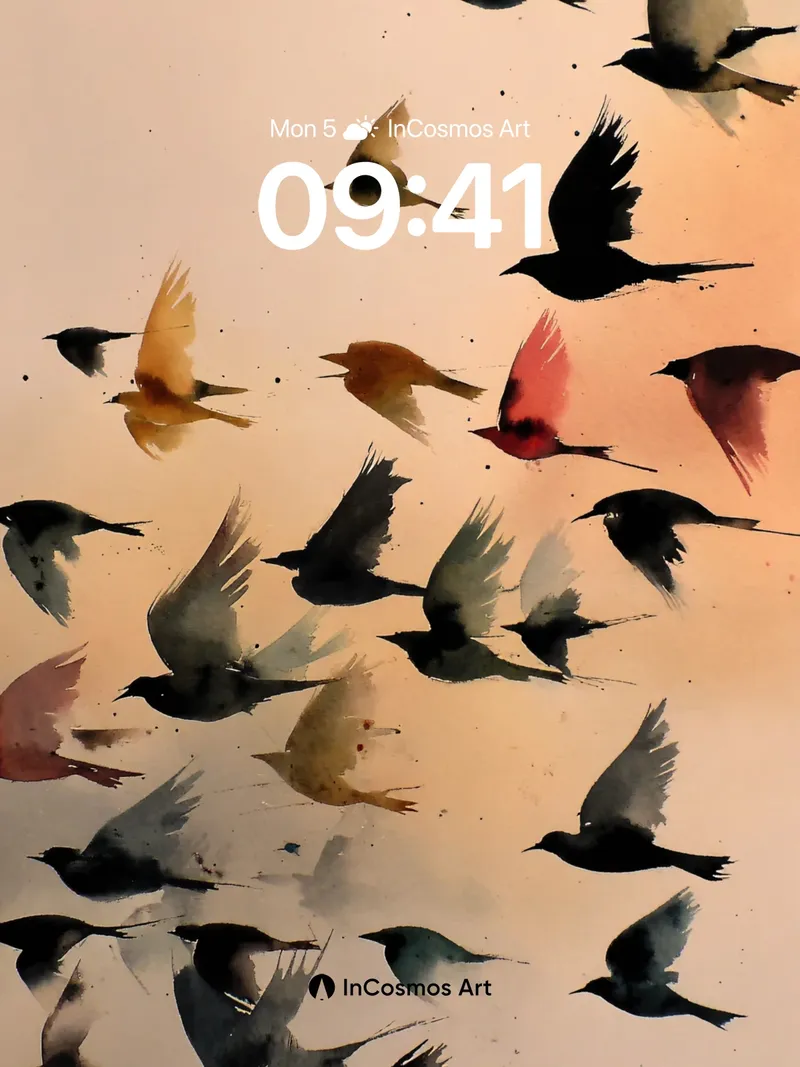
When flocks move across colorful backdrops, their silhouettes become symbolic. No longer specific species, they are points of motion, trajectories of energy. Watercolor-like washes suggest environmental unpredictability, while black silhouettes represent determined will. The tension between them mirrors the human-nature relationship. Humanity seeks control over nature, yet nature’s essence is fluidity and change. These works use art to make viewers aware of their place within vast systems—small, yet essential.
Repetition of Time
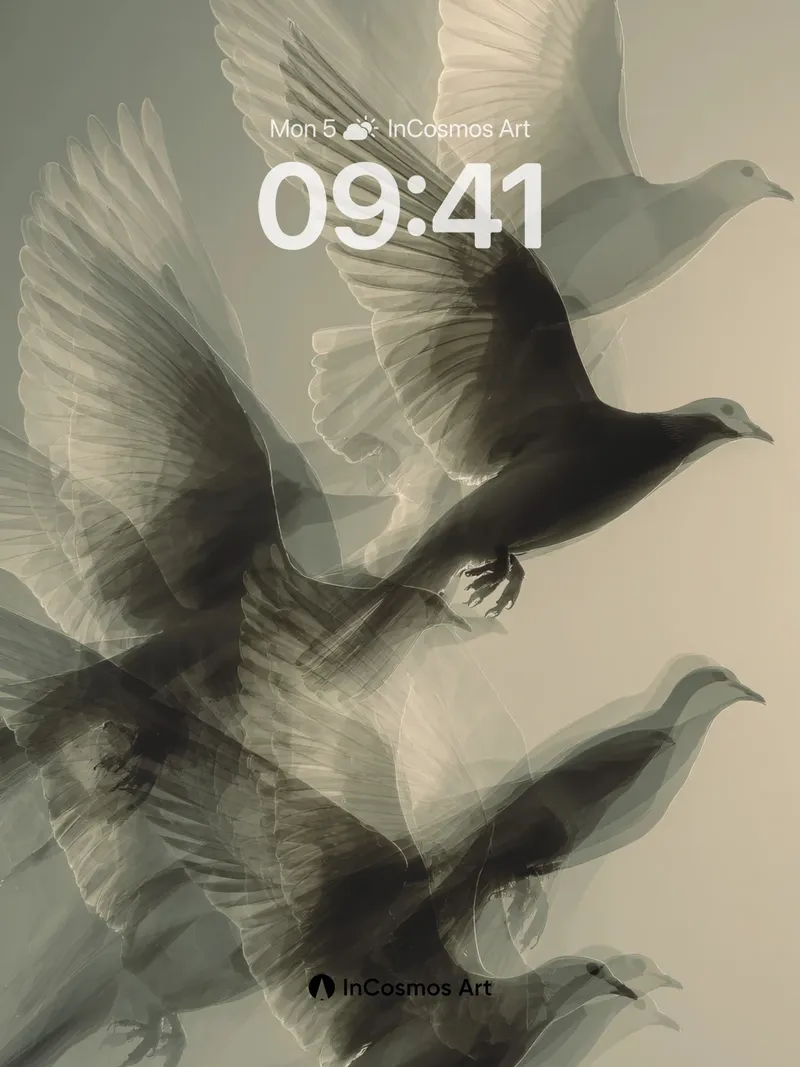
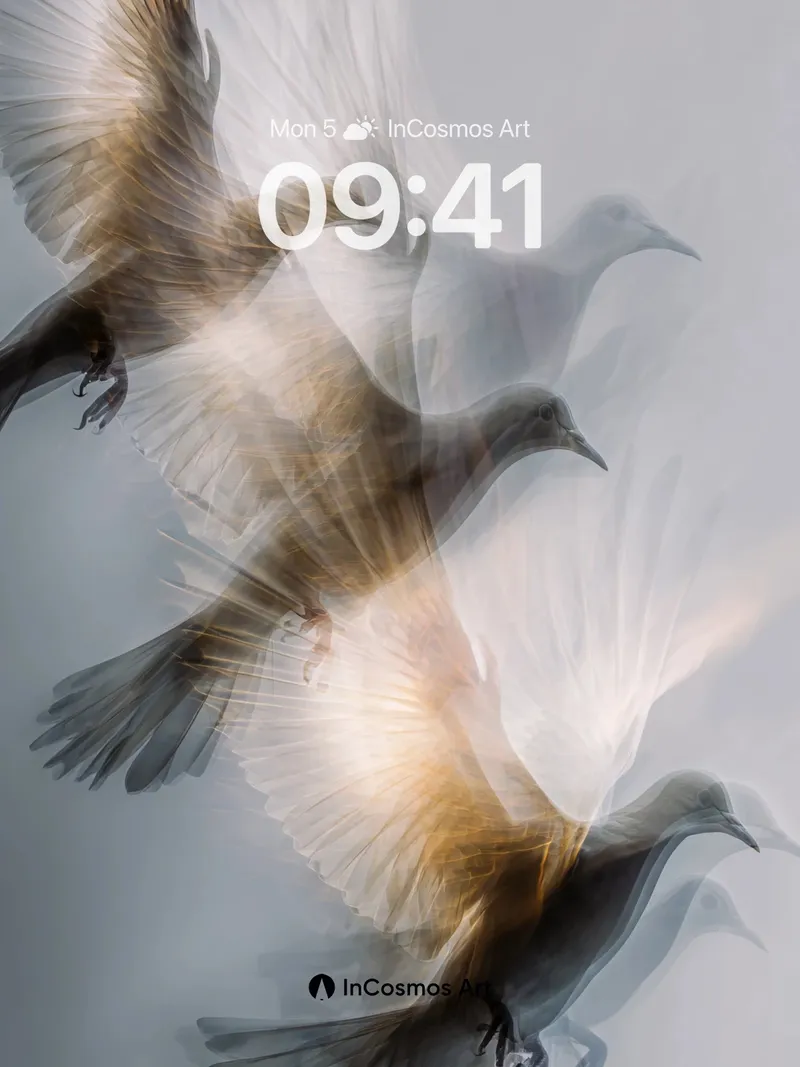
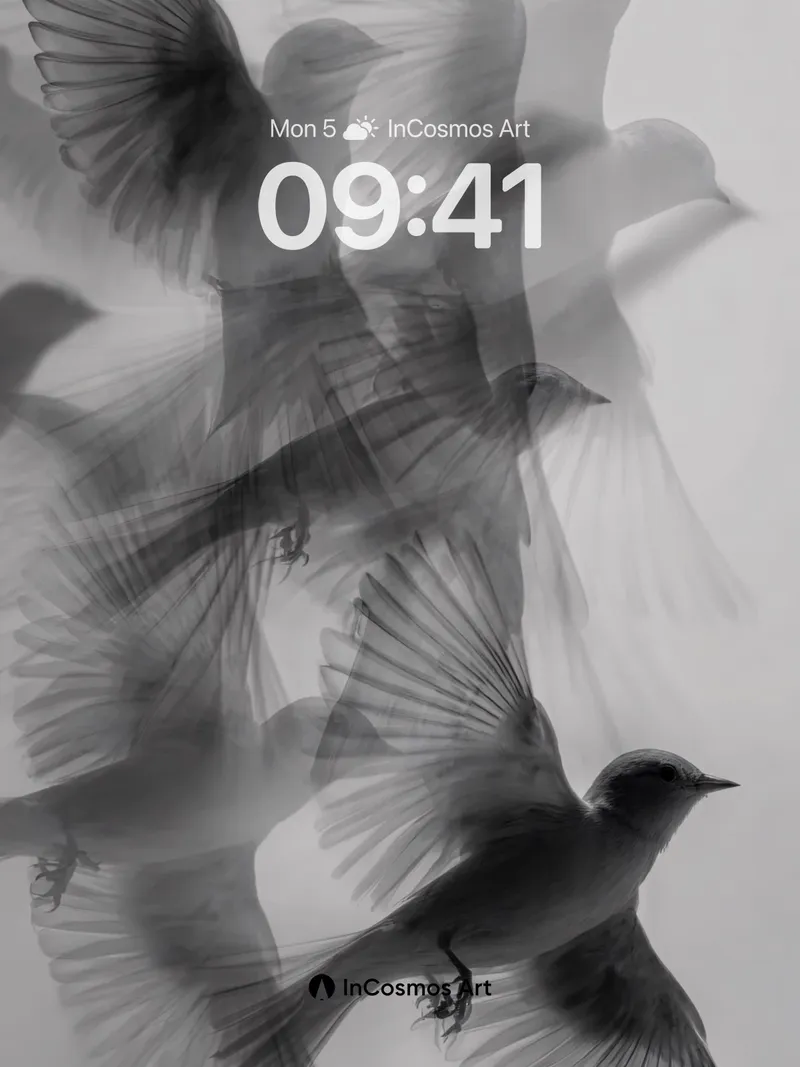
Overlapped frames create a time-lapse effect. The same bird captured at different moments merges into continuous motion. This technique enhances visual impact and provokes reflection on time’s nature. Is the 'now' merely an overlay of past and future? Do memories accumulate like layered images? The flight paths remind us: existence is process, not stillness. Every takeoff is a farewell to the past; every landing is a rehearsal for the future.