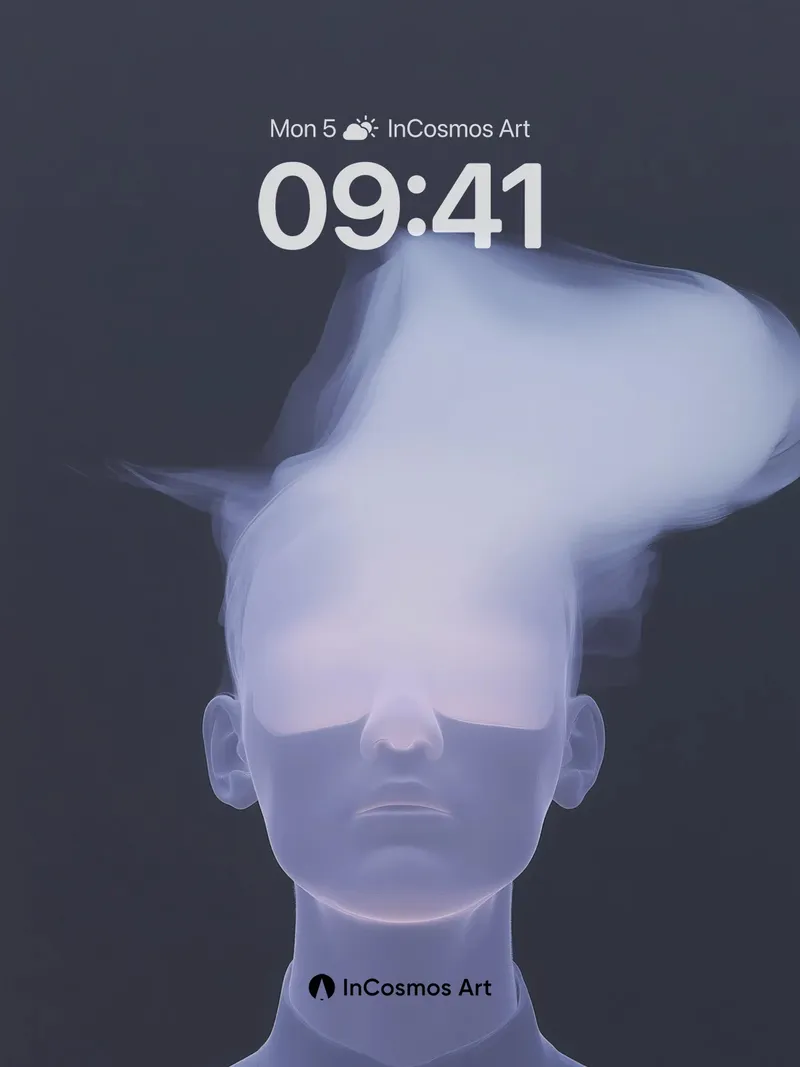
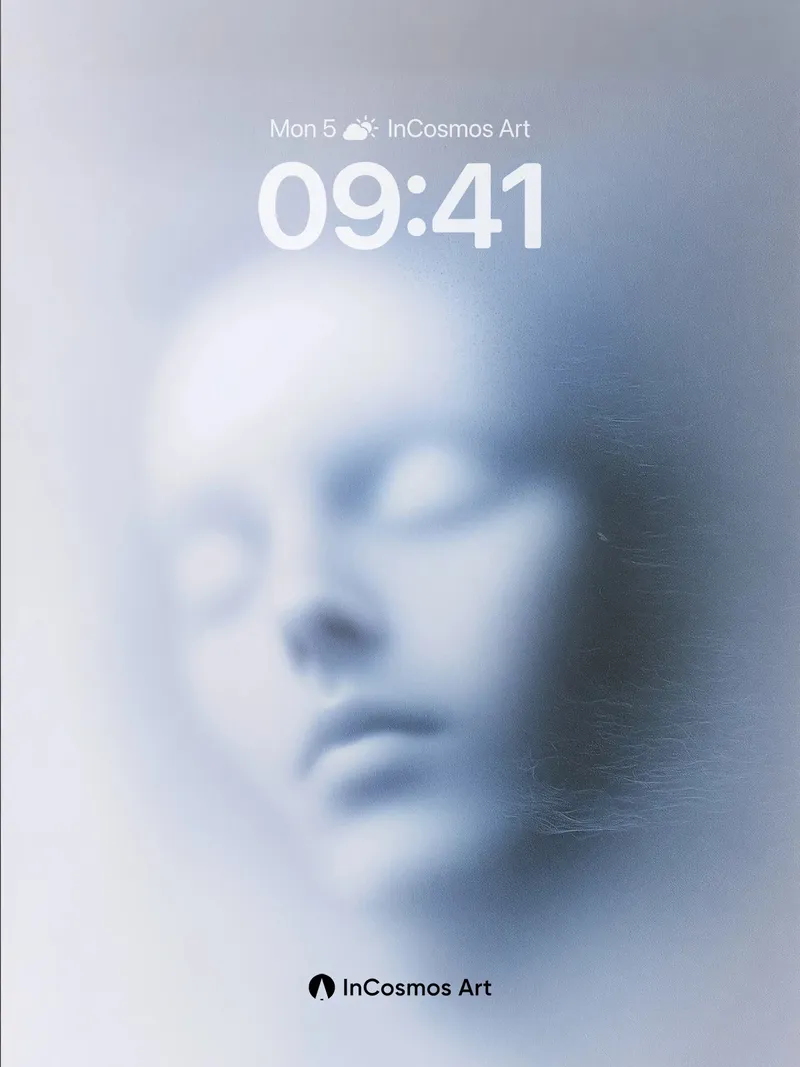
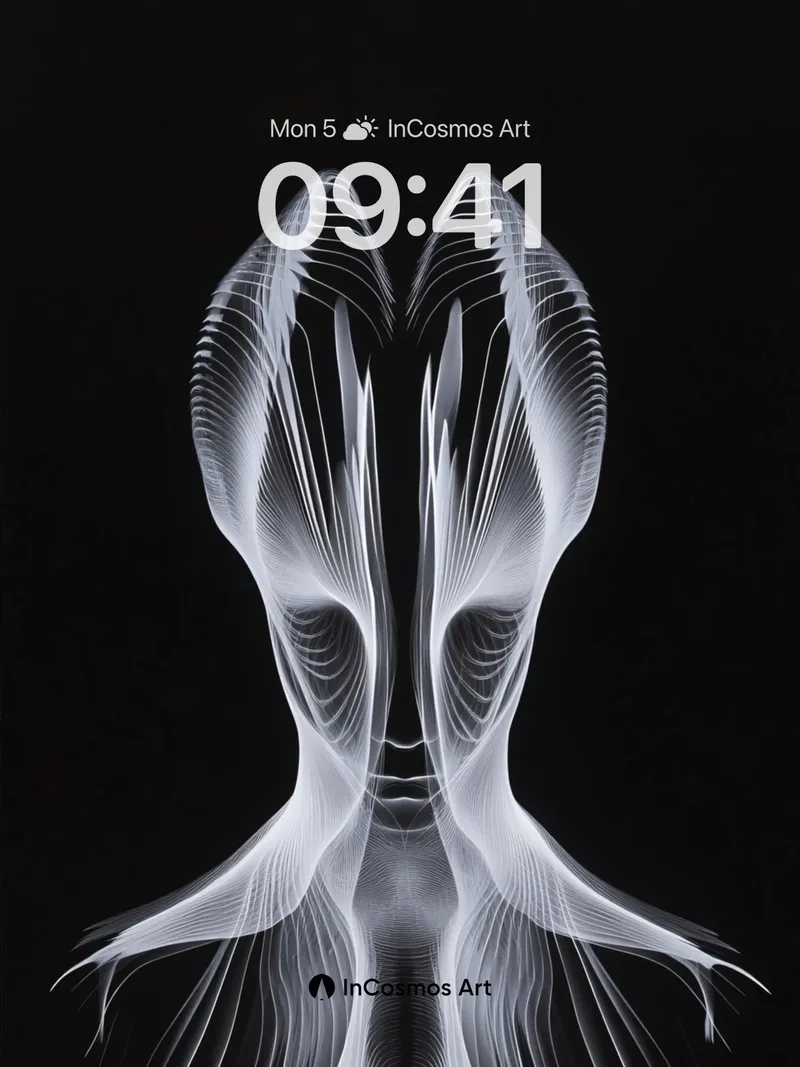
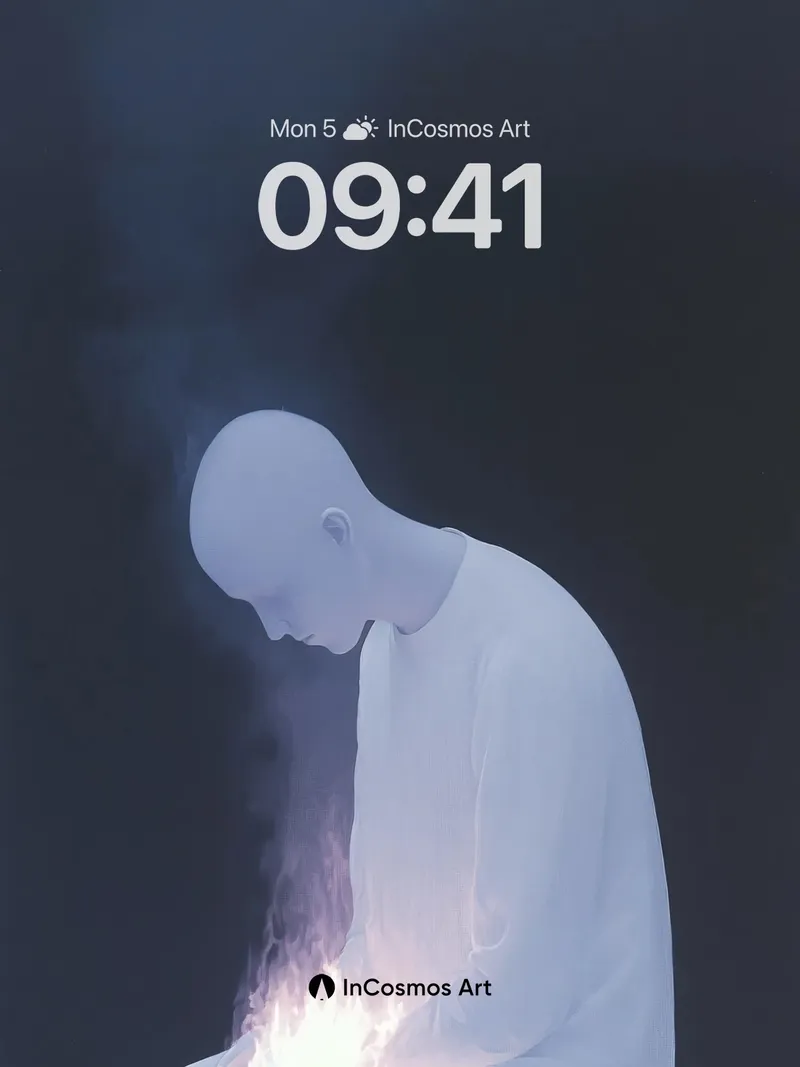
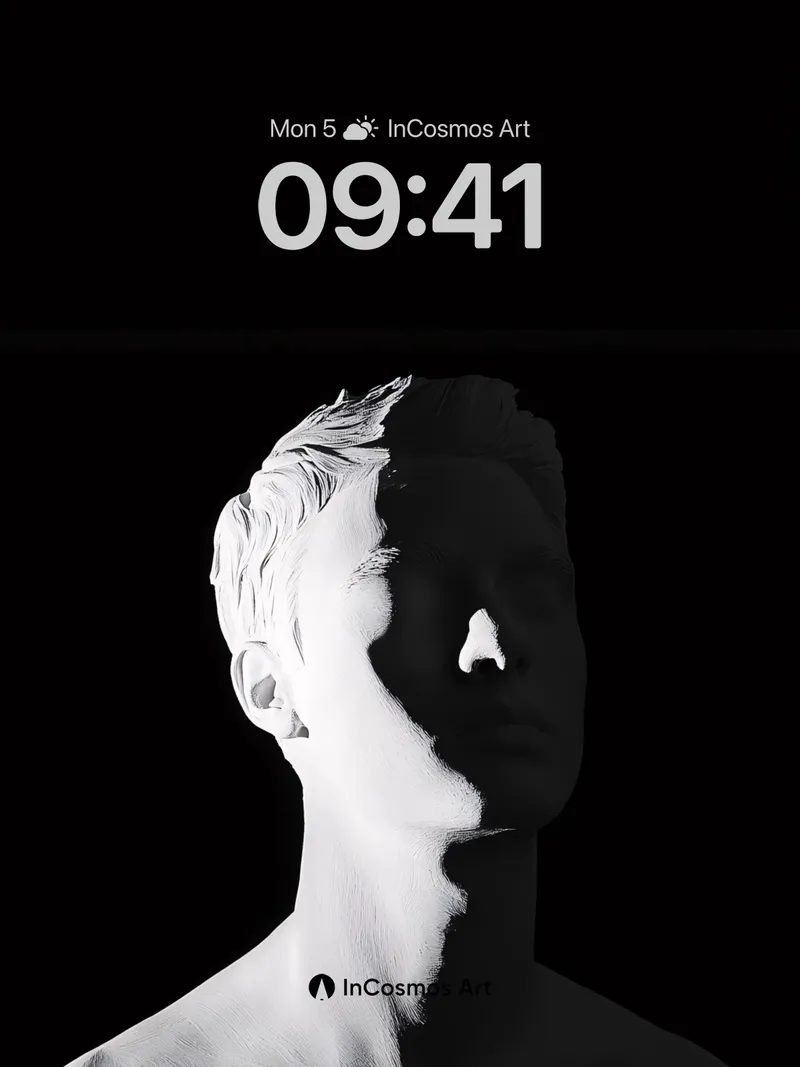
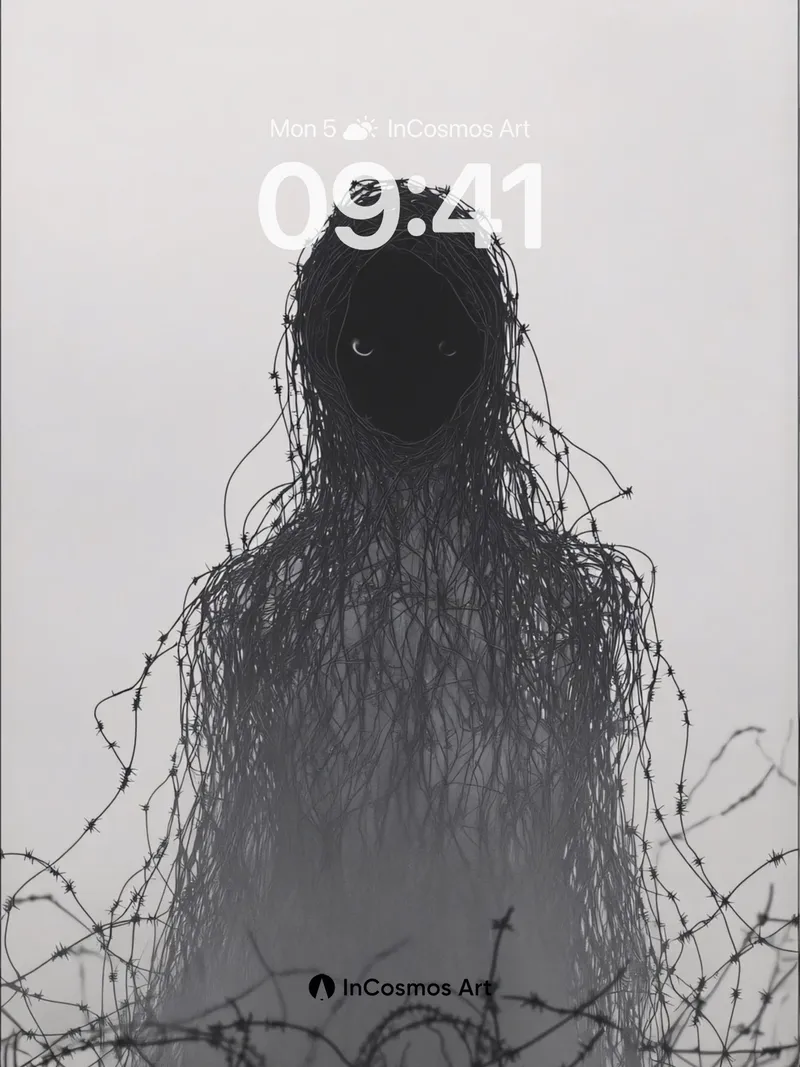
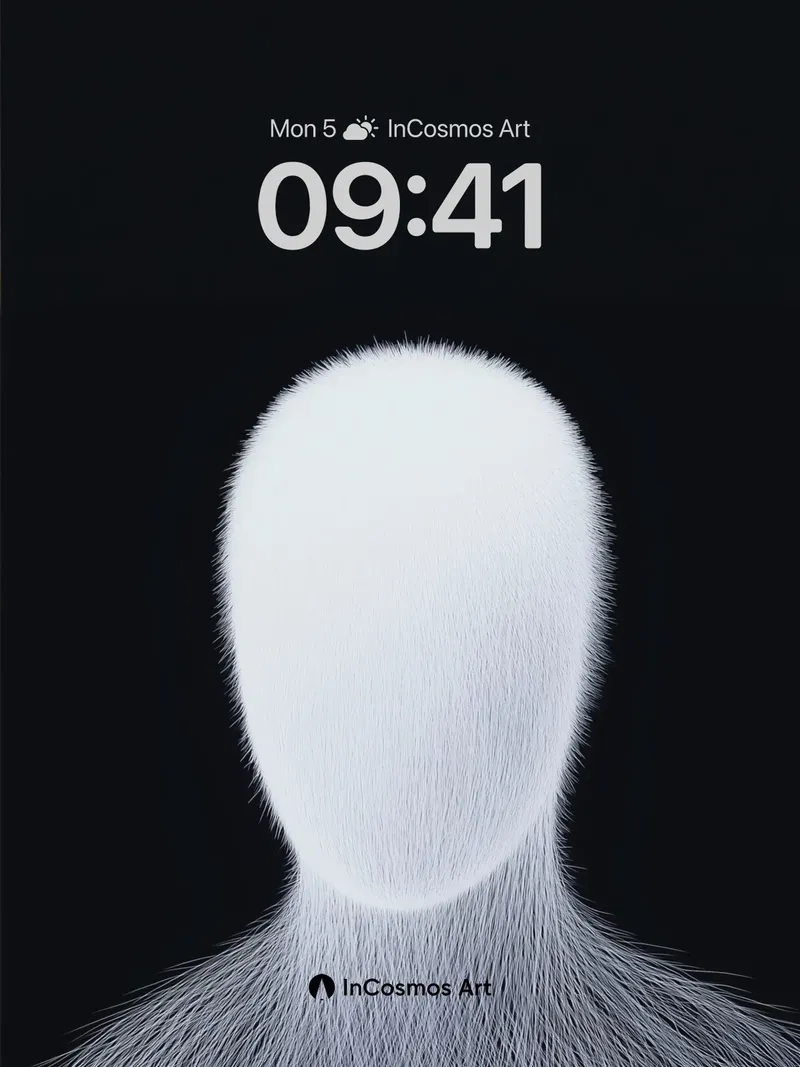
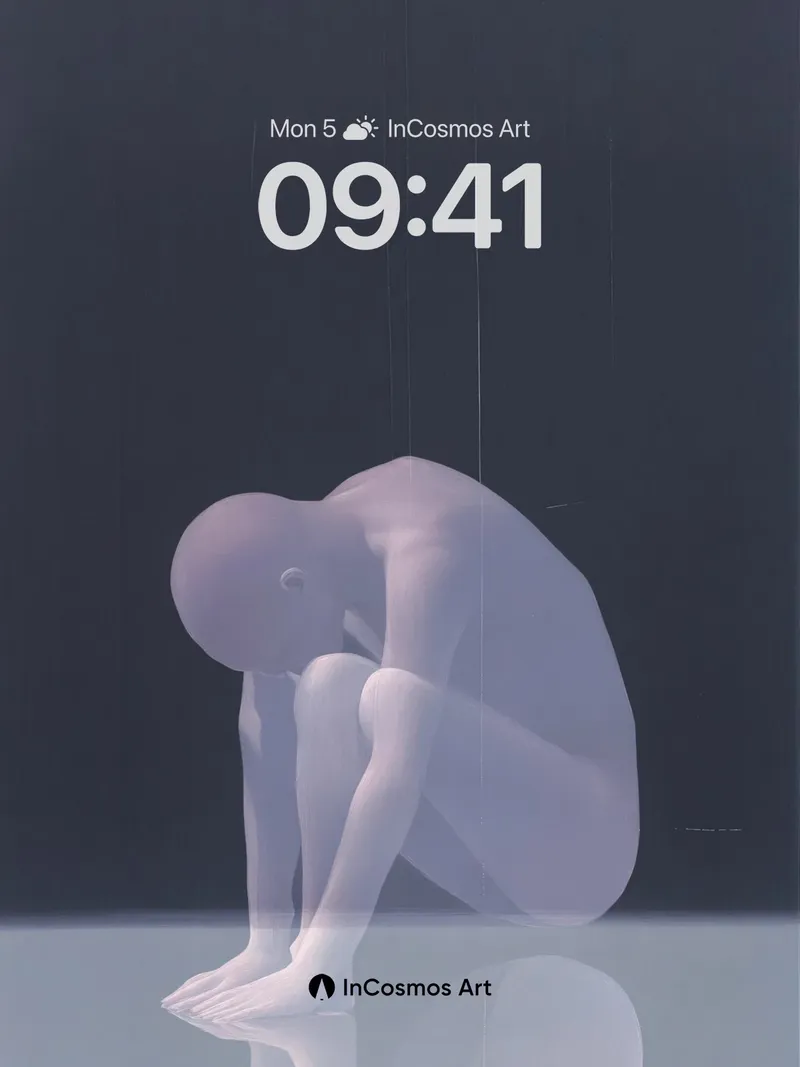
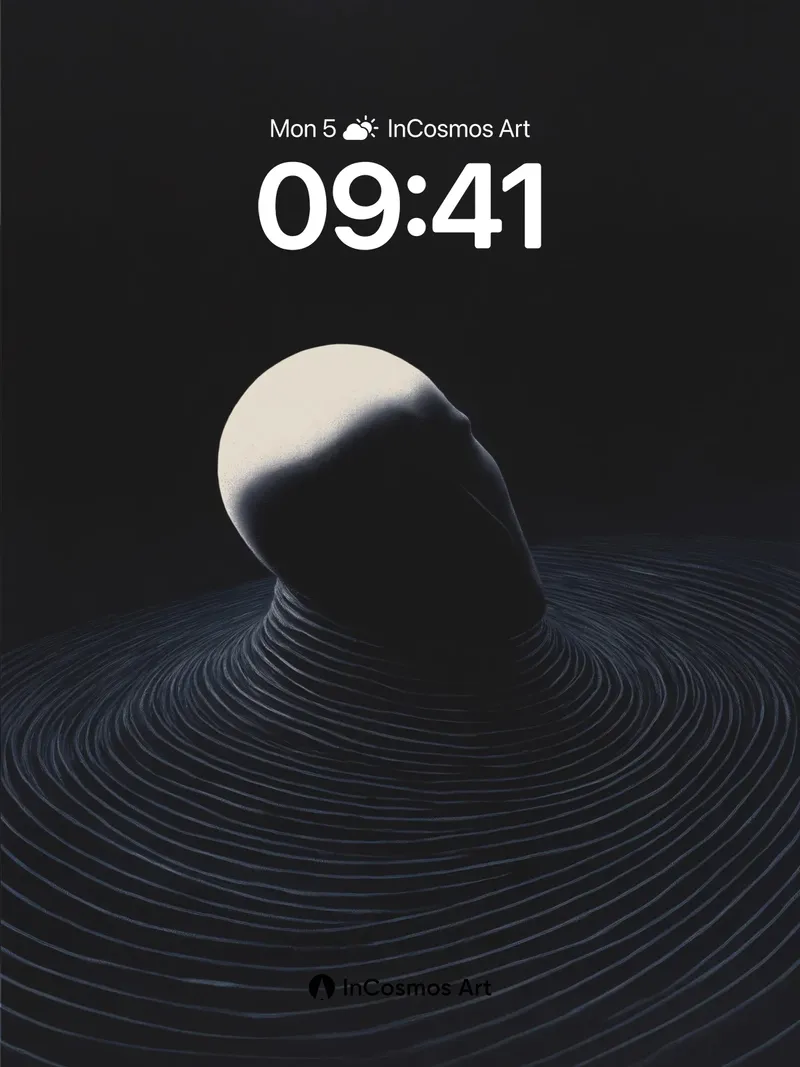
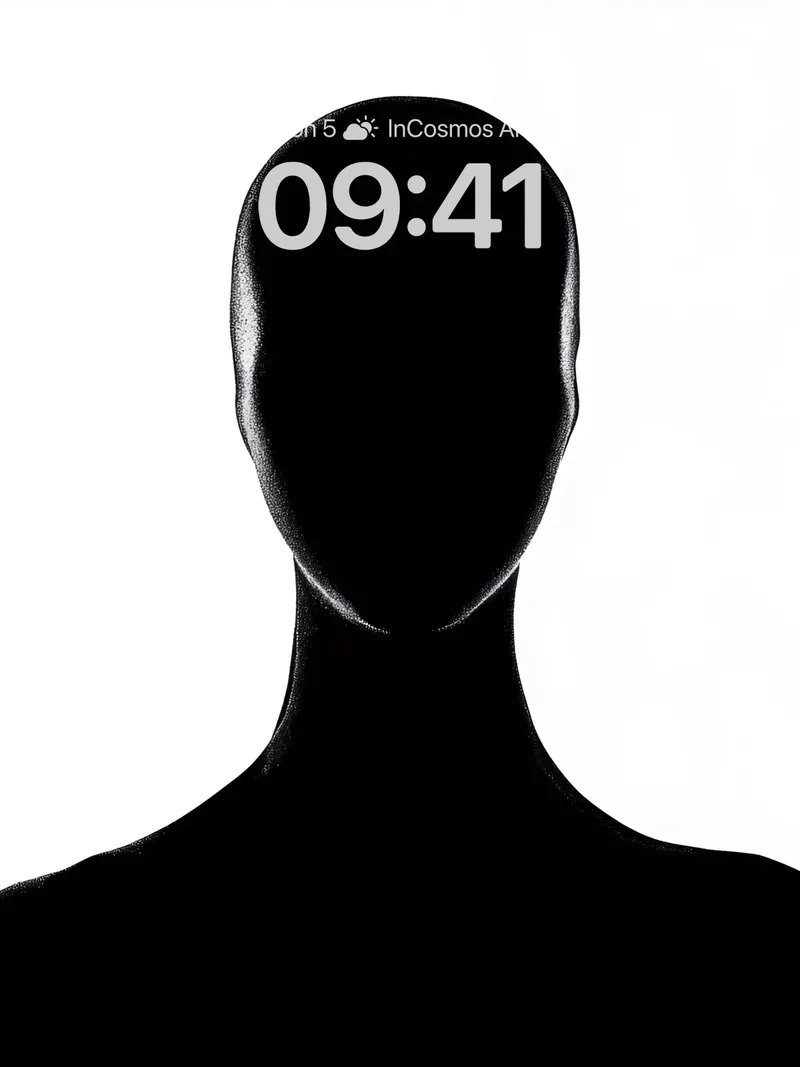
In the contemporary aesthetic context, the body is no longer merely a representation of flesh and blood; it is undergoing a silent revolution of dematerialization. This transformation strips away specific identity markers, skin tones, and expressions, reducing the human form to pure shape, a vessel for light and shadow, or a container for emotion. When faces blur and contours dissolve into the background, the viewer confronts not a specific individual, but a universal metaphor for the state of existence. This visual language does not aim to display perfection but explores the boundaries of perception—seeking a more essential resonance between clarity and ambiguity, substance and void.
Blurred Boundaries and the Dissolution of Identity
When specific features are erased by soft light, individual uniqueness recedes. This blur is not a technical flaw but a deliberate choice. It suggests that in certain spiritual states, the specific question of who one is becomes less important than a grander, shared human emotional experience. Without clear eye contact or distinct lip movements, this sense of alienation forces the viewer to look inward. The body becomes a blank sheet or semi-transparent mist, allowing the viewer to project their own anxiety, tranquility, or confusion onto it. The dissolution of identity paradoxically achieves emotional universality.
The Duet of Matter and Spirit
In these forms, materiality often plays a key narrative role. Some bodies appear cold and hard like plaster, echoing classical sculpture and suggesting rational restraint and eternal stillness; others resemble flowing smoke or liquid light, with edges disintegrating in constant vibration. This contrast in material is a dialogue between physical entity and spiritual wandering. Hard forms represent the gravity and constraints of reality, while fluid forms symbolize the escape and sublimation of consciousness. Here, the body becomes a battlefield for this interplay, simultaneously heavy and light, present and absent.
The Solitary Space of Introspection
Whether in a curled posture or with a bowed head, these forms construct a closed space for introspection. Such postures reject external intrusion, embracing internal dialogue instead. Against dark or monochromatic backgrounds, the body becomes the sole light source or focal point. This minimalist approach strips away environmental distractions, focusing attention entirely on the state of being. This solitude is not desolate but a necessary sedimentation. It reminds us that beyond the noise of daily life, there remains a pure space for the soul to dwell alone and examine its relationship with the world.
Light and Shadow as the Grammar of Emotion
Here, light is not a tool for illumination but a grammar of emotion. Side lighting cuts boundaries between light and dark, externalizing inner contradictions; soft light blurs contours, simulating the elusiveness of memory. Shadow is not an accessory; it constitutes the other half of the form, defining volume and depth. The entanglement of light and shadow creates a silent narrative, telling stories of suppression, release, concealment, and revelation. Sculpted by light and shadow, the body transcends biological categories to become an abstract emotional symbol, directly striking the viewer's subconscious perception.