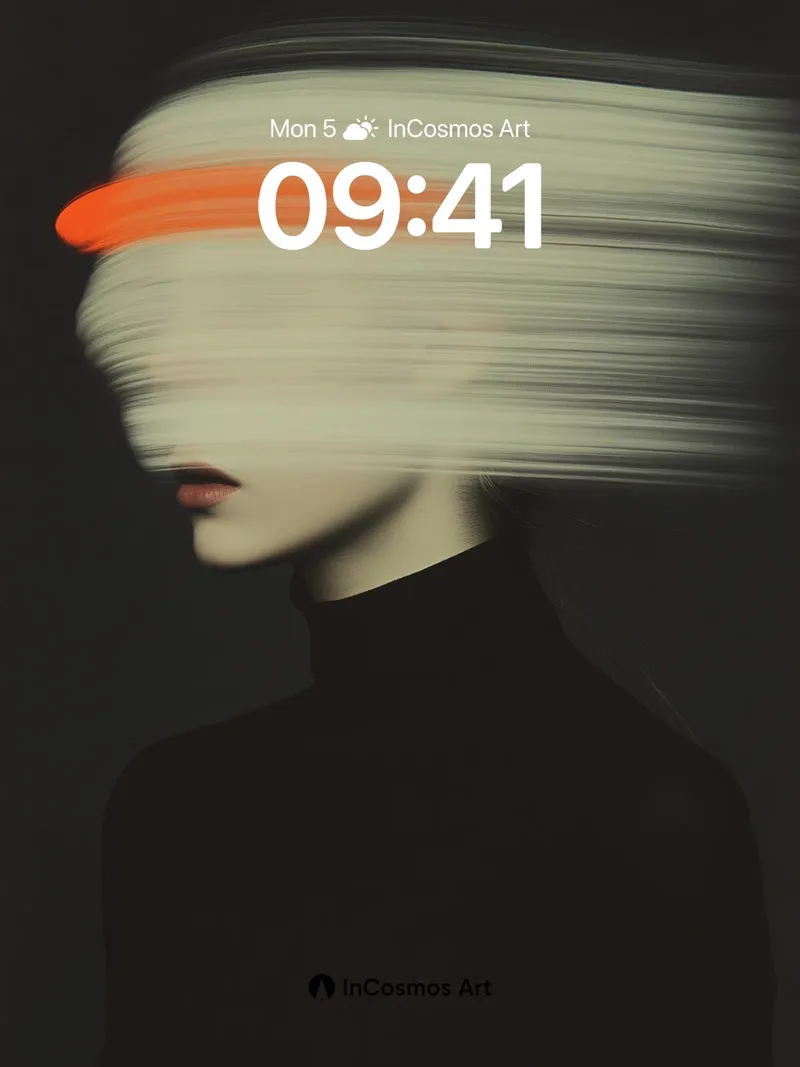
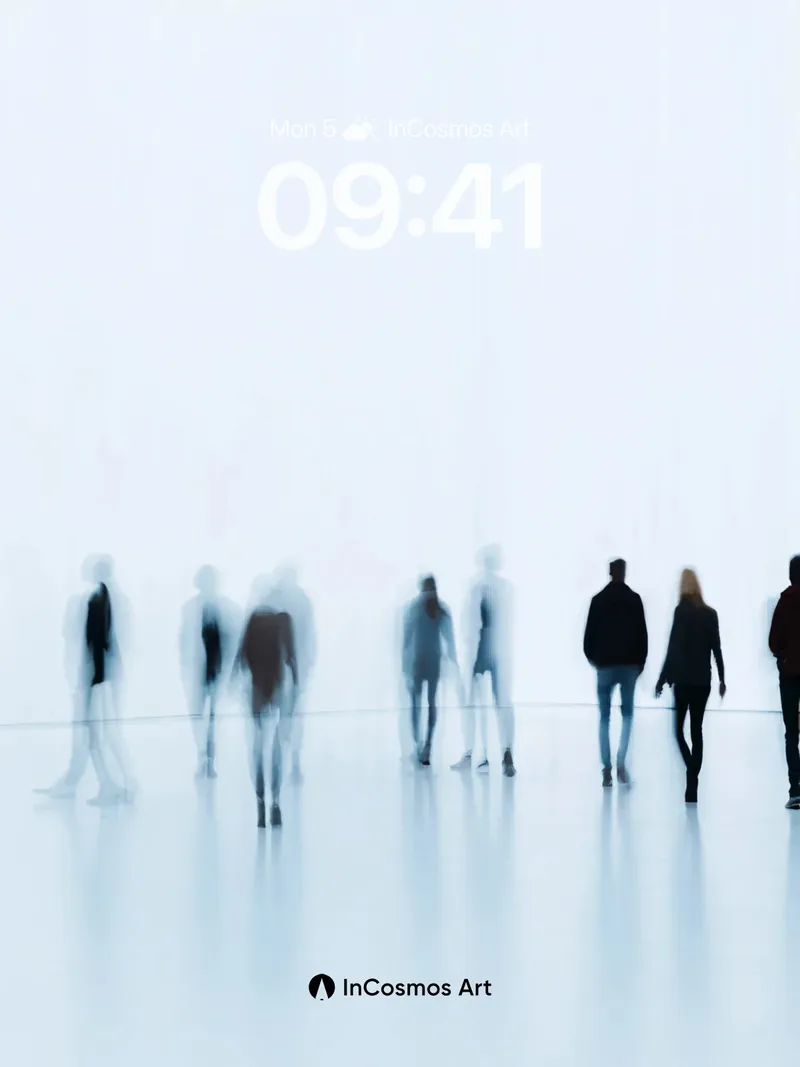
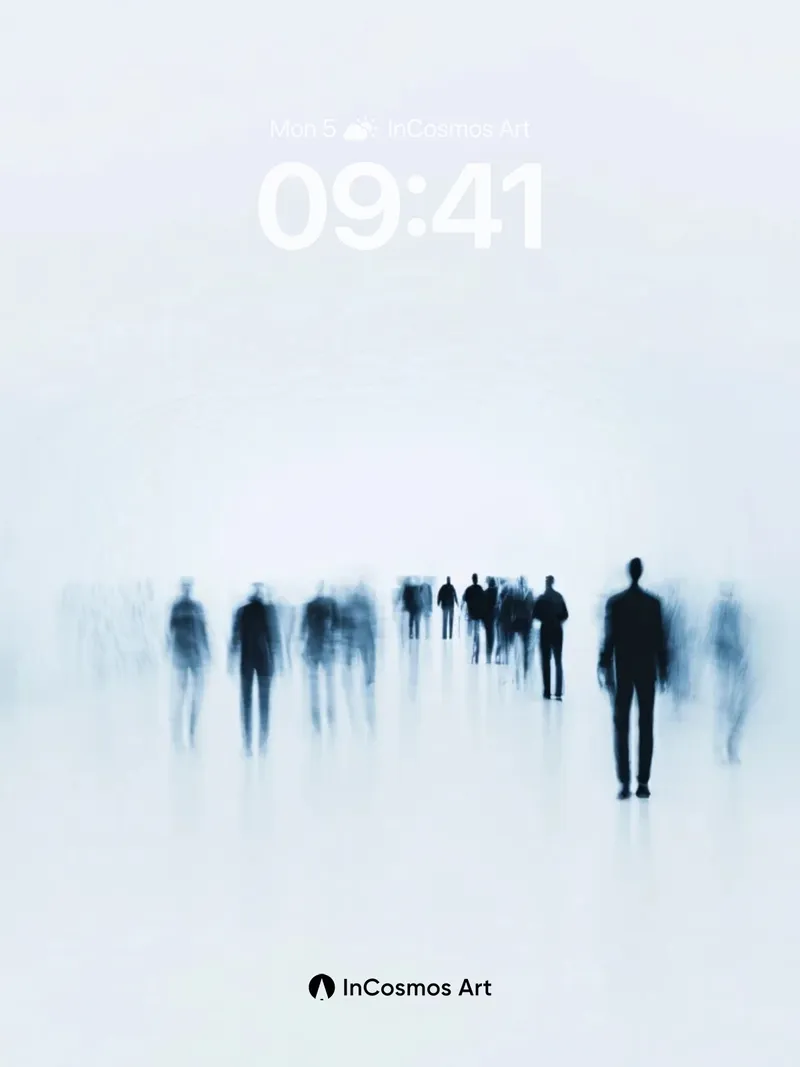
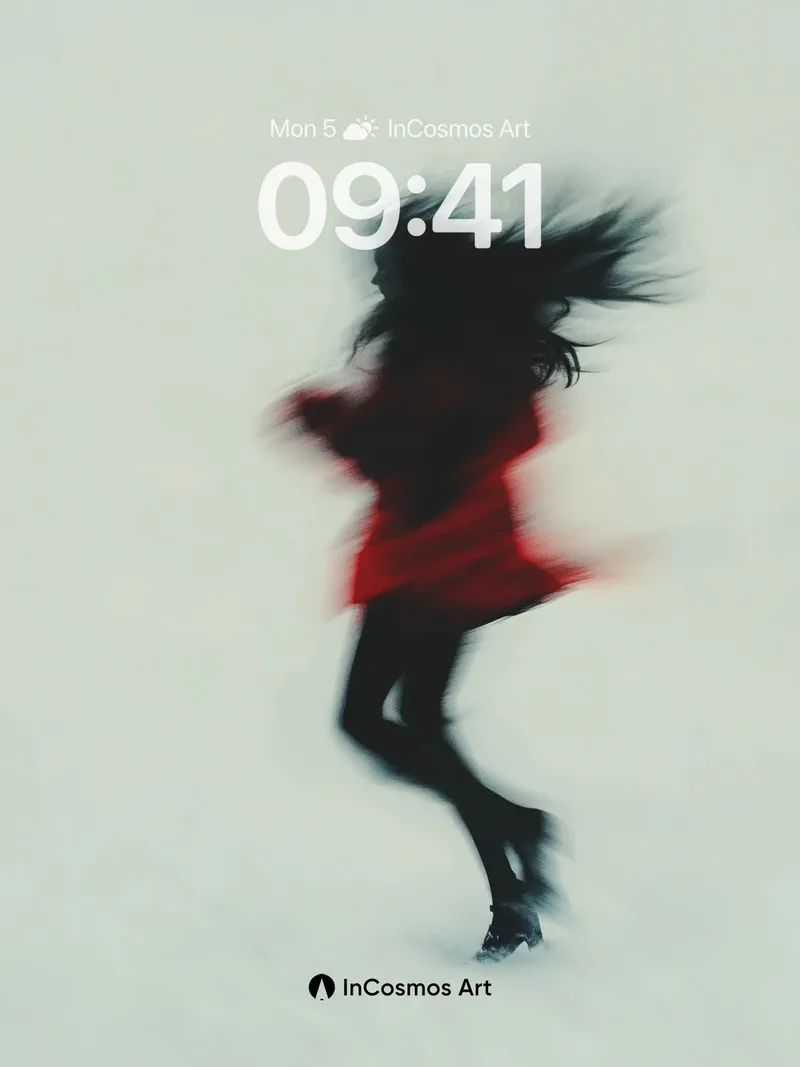
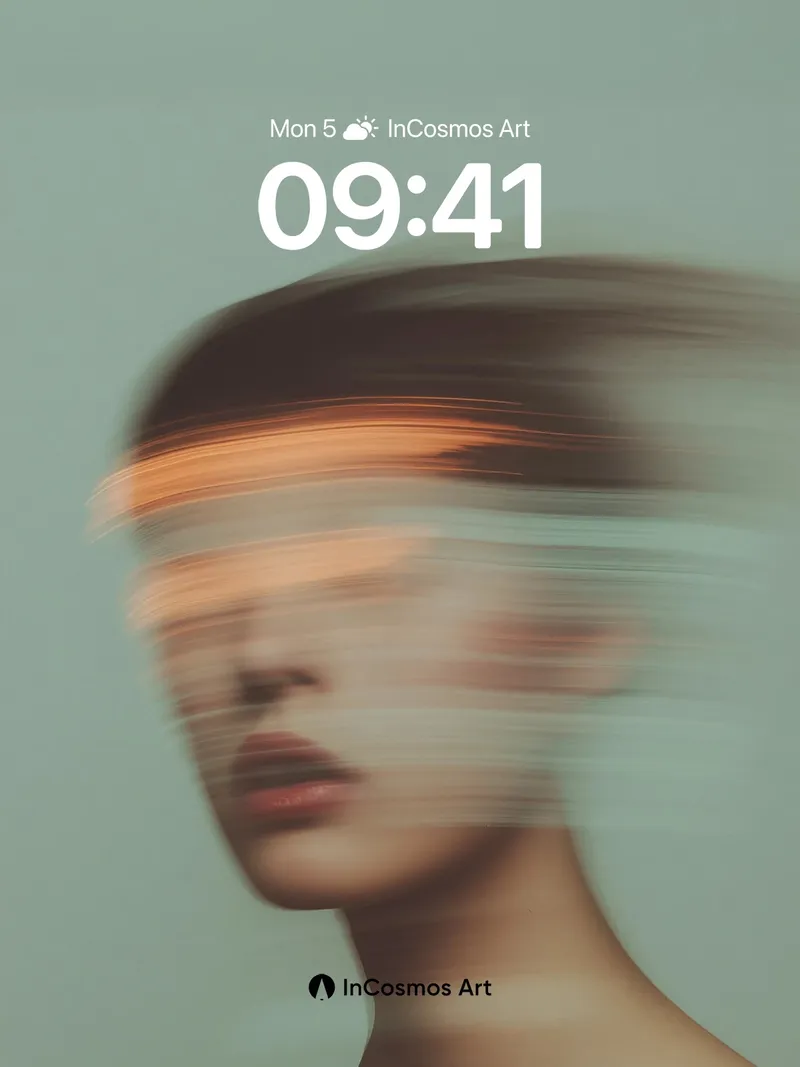
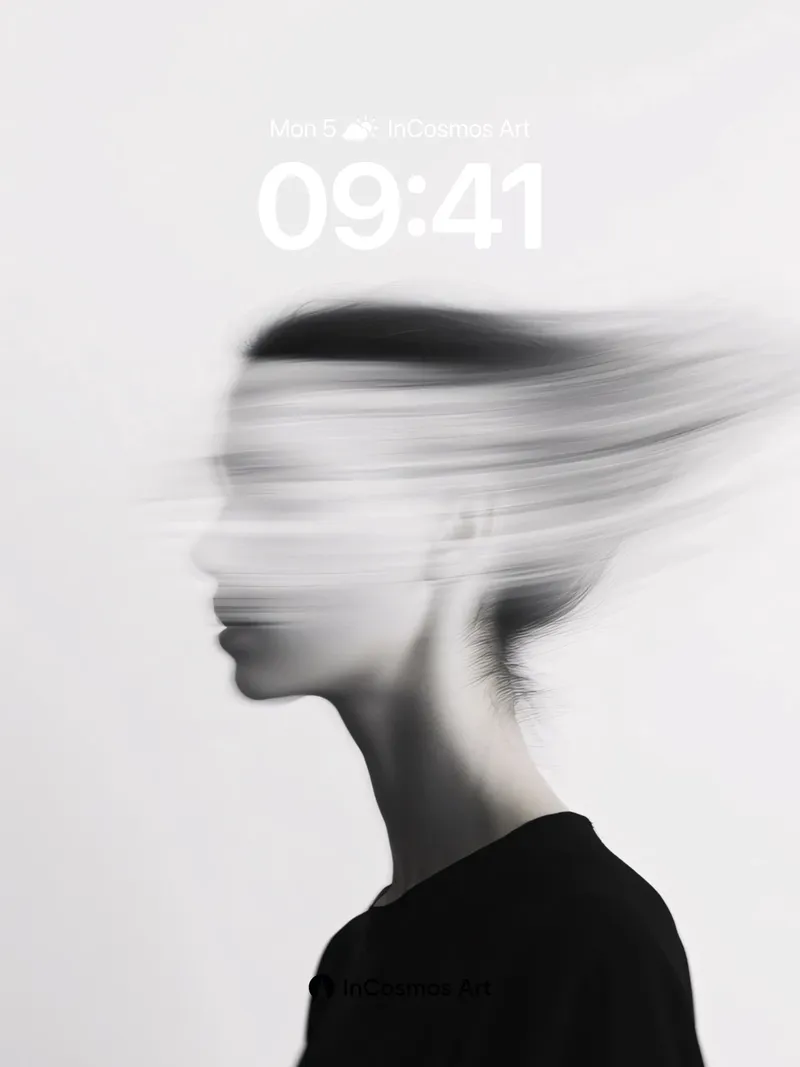
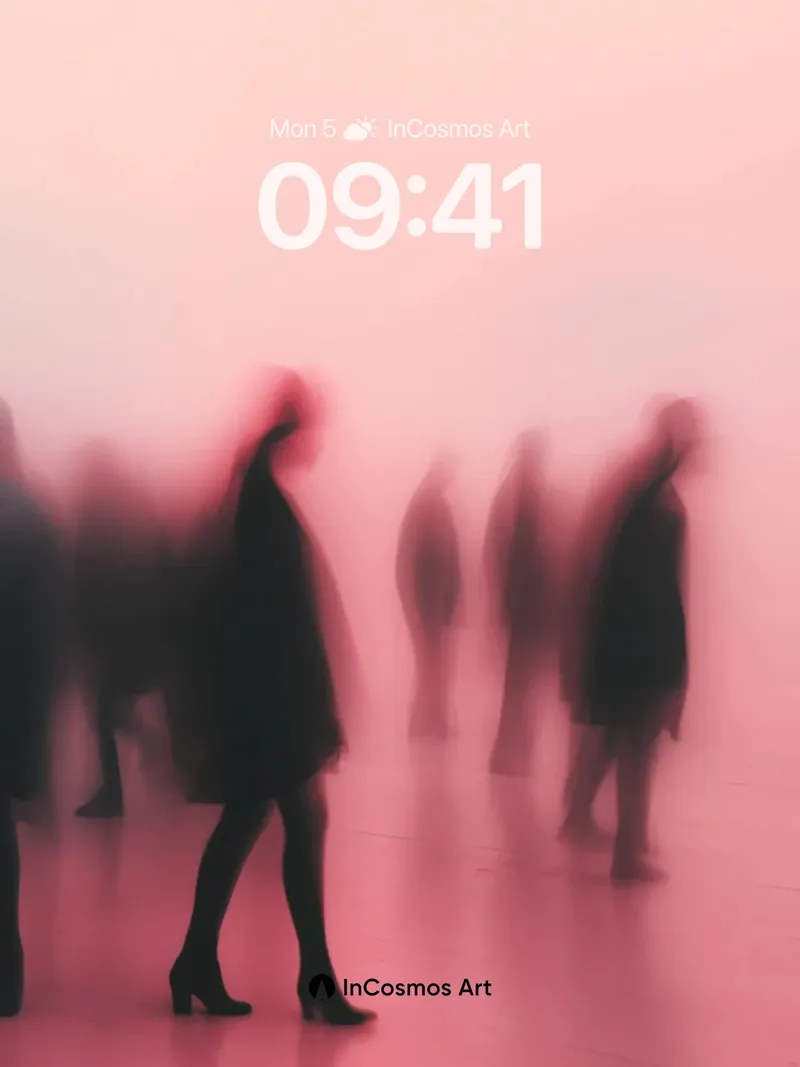
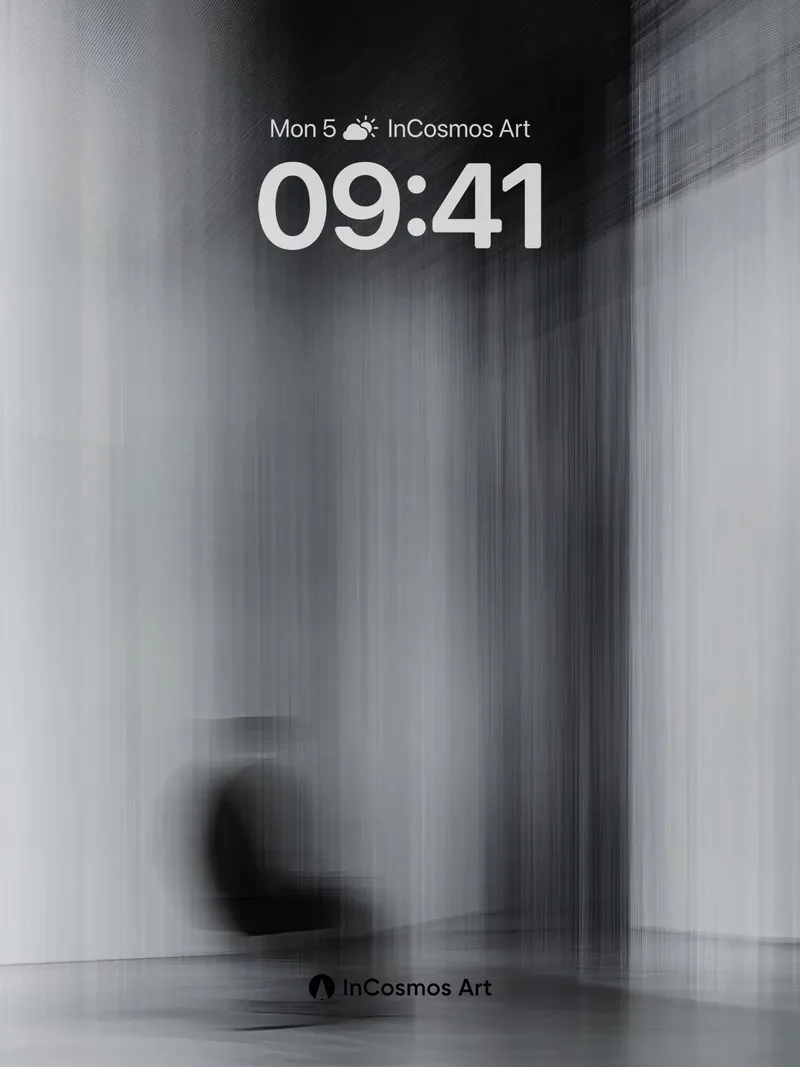
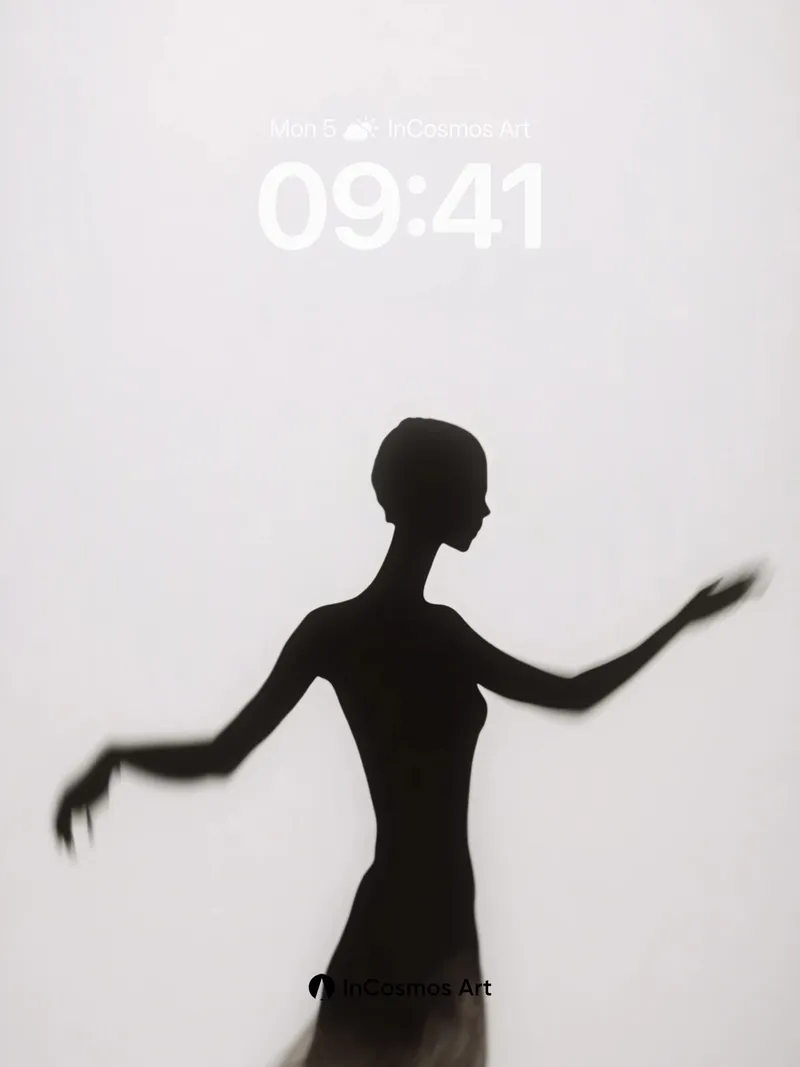
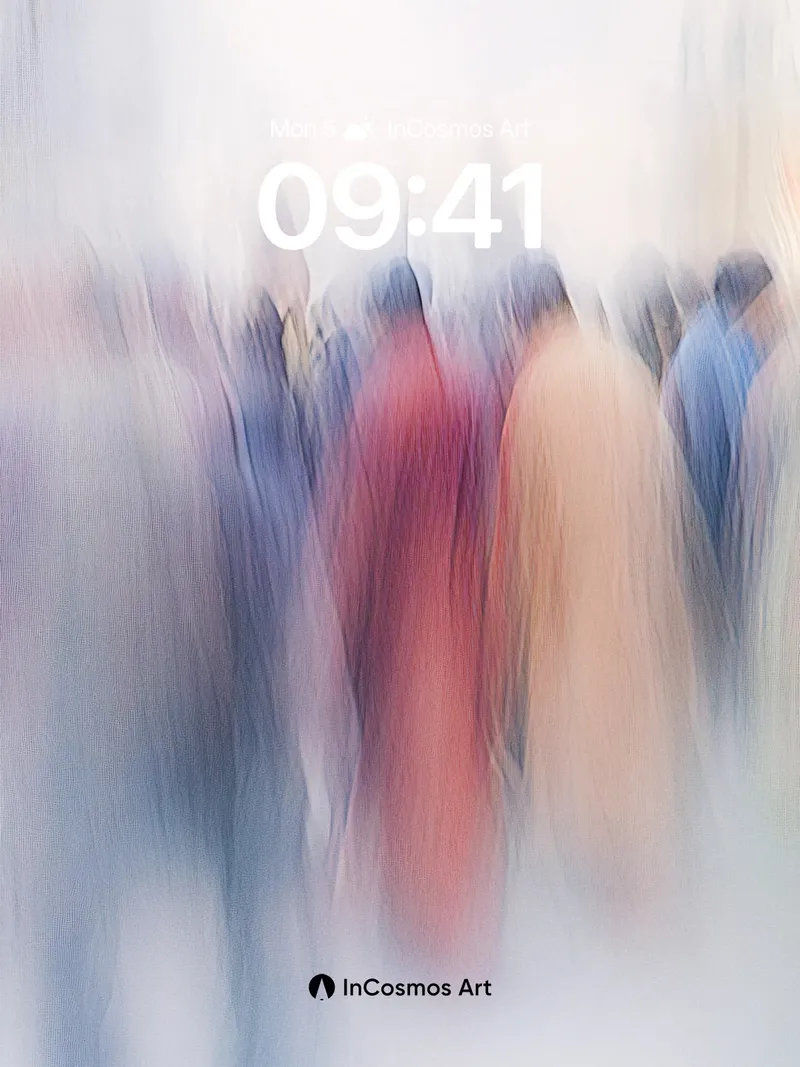
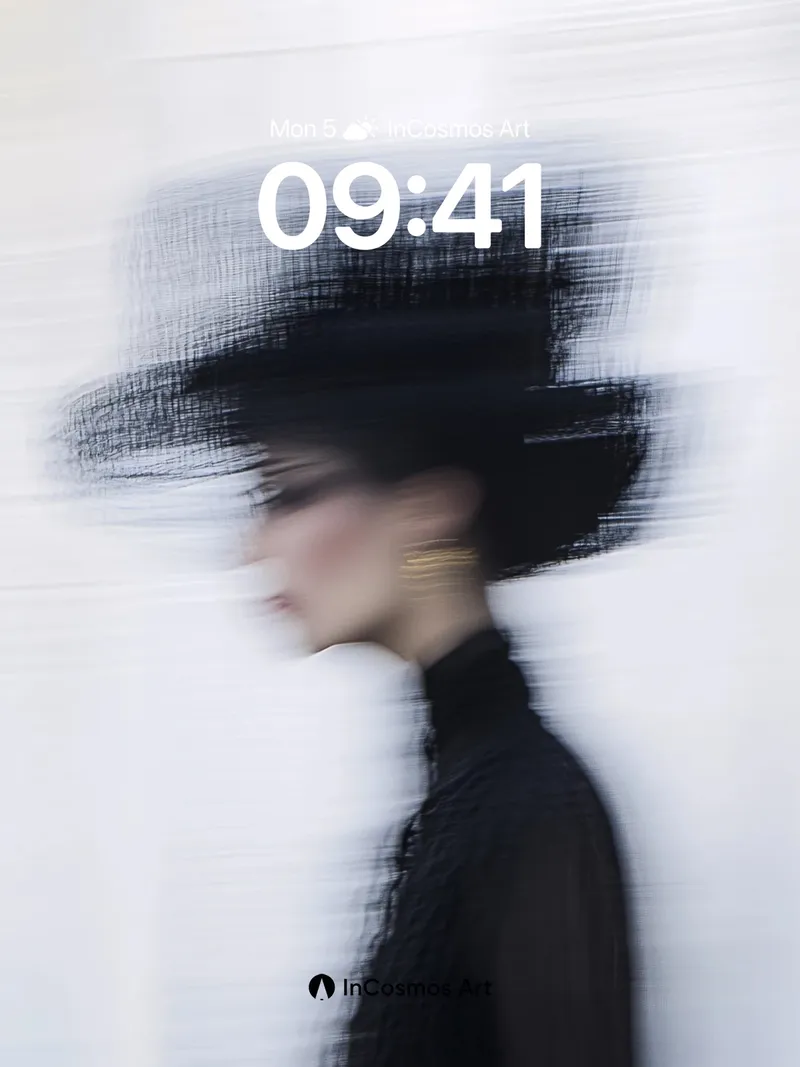
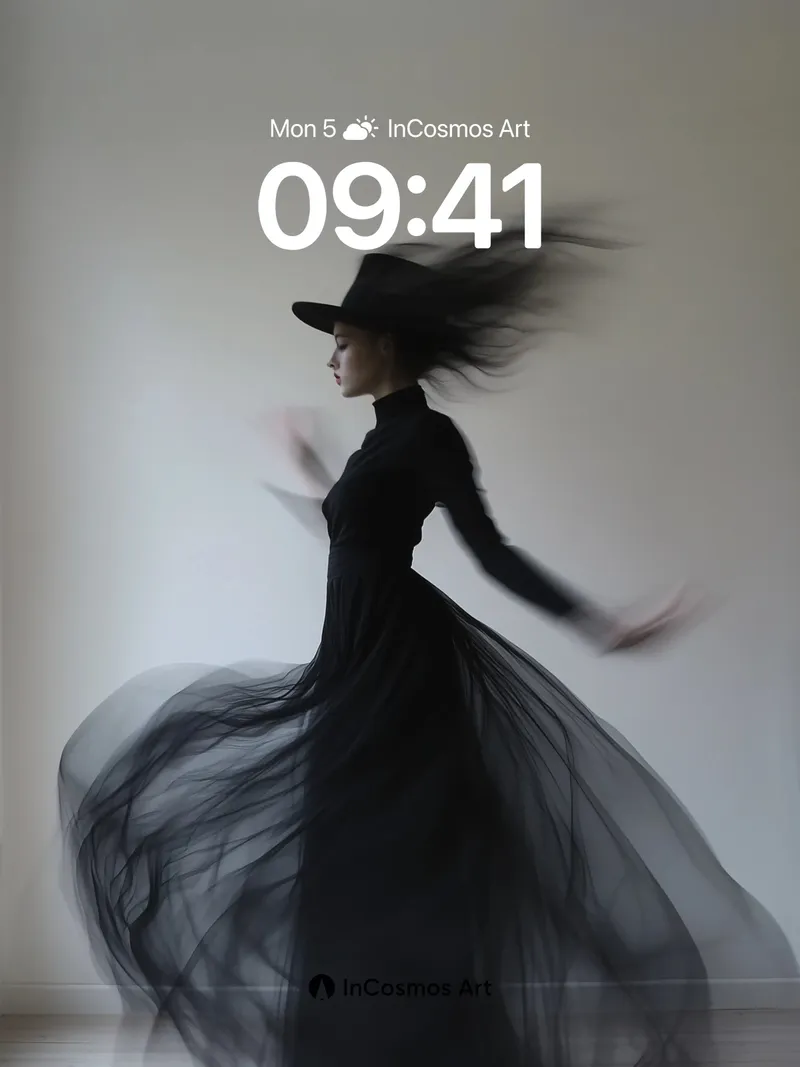
In the stillness of a moment, traces of motion are captured. The body becomes a vessel for time. Light and shadow intertwine in space, forming an existence suspended between reality and illusion. This visual language does not merely depict movement but reveals the limits of perception—when speed exceeds the eye's capacity to record, the human form ceases to be whole and instead becomes an extended trajectory. Each blur challenges certainty, reminding the viewer that being itself may not be solid, but fluid and divisible. This is not only an experiment in photographic technique but a materialization of philosophical inquiry.
The Body as a Carrier of Time
Human forms appear stretched and fragmented, composed of layered impressions. This is not accidental blur but a deliberate expressive strategy. Hair, outlines, and fabric leave afterimages in motion, akin to memory's fractured presence in consciousness. The body is no longer a singular unit but a continuum of moments. Such treatment implies the fluidity of individual identity, echoing the uncertainty of self-perception in modern life.
The Edge and Fracture of Perception
The visual system relies on stable images to construct reality, yet when objects move too quickly, the brain cannot integrate information, resulting in displacement and smearing. This fracture is not failure but a revelation of perceptual mechanics. Art intervenes here, transforming this physiological limitation into aesthetic language. Blur is not flaw—it is part of truth. It exposes the temporal gap between observer and observed, and the distance it creates.
The Non-Substantial Nature of Being
When figures dissolve into silhouettes or light bands, their physicality is stripped away, leaving only dynamic contours. This minimalistic representation emphasizes energy over substance. Dance-like postures, swirling skirts, outstretched arms all point toward spiritual expression beyond physical form. At this stage, the body no longer belongs to any specific person but becomes a symbol of universal emotion and force.
The Dissolution of the Individual in the Collective
In the final sequence, multiple figures walk forward in parallel, yet their features merge due to motion blur, becoming indistinguishable. Individual traits fade, and collective action dominates. This mirrors the weakening of personal identity in contemporary society—within urban rhythms and group behaviors, uniqueness is absorbed by homogeneity. Yet even amid dissolution, direction remains intact, suggesting that forward momentum persists as an innate drive, regardless of recognition.