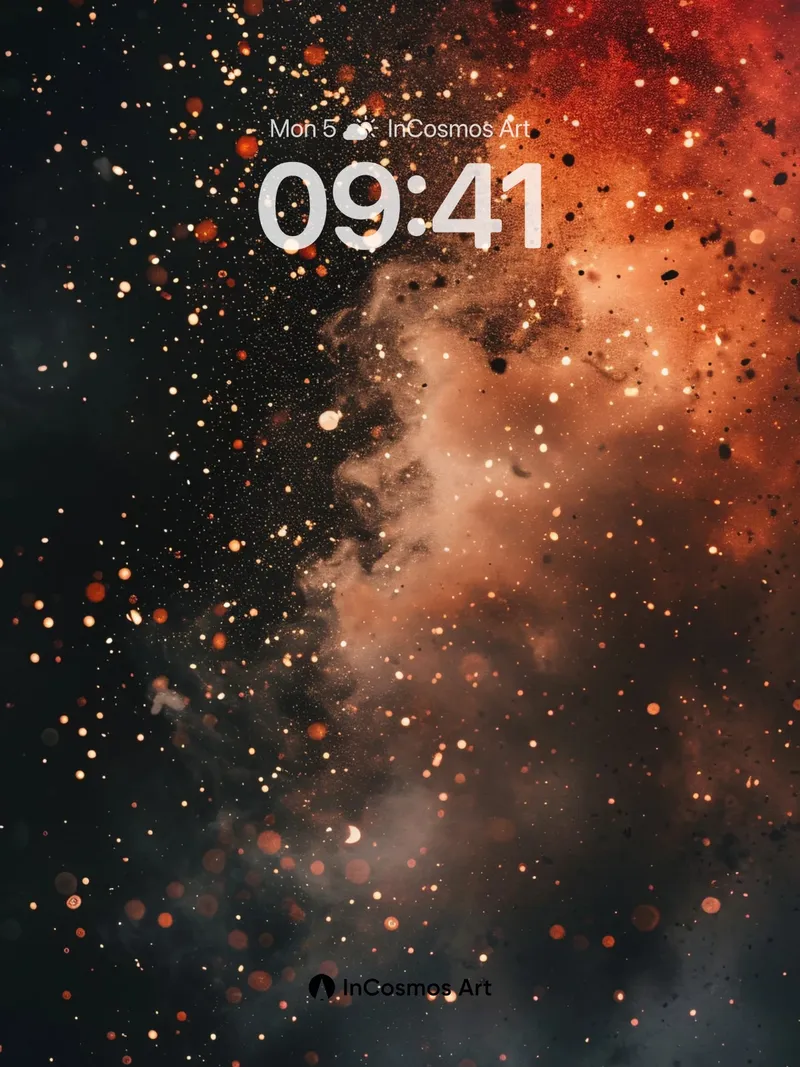
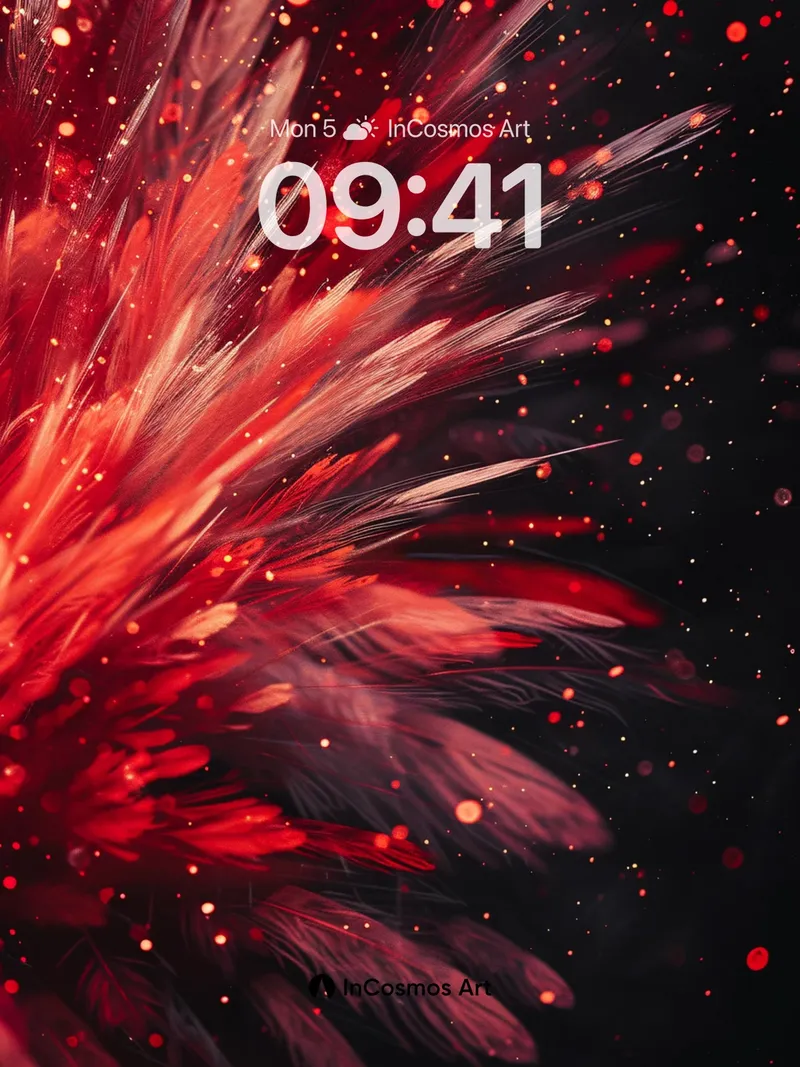
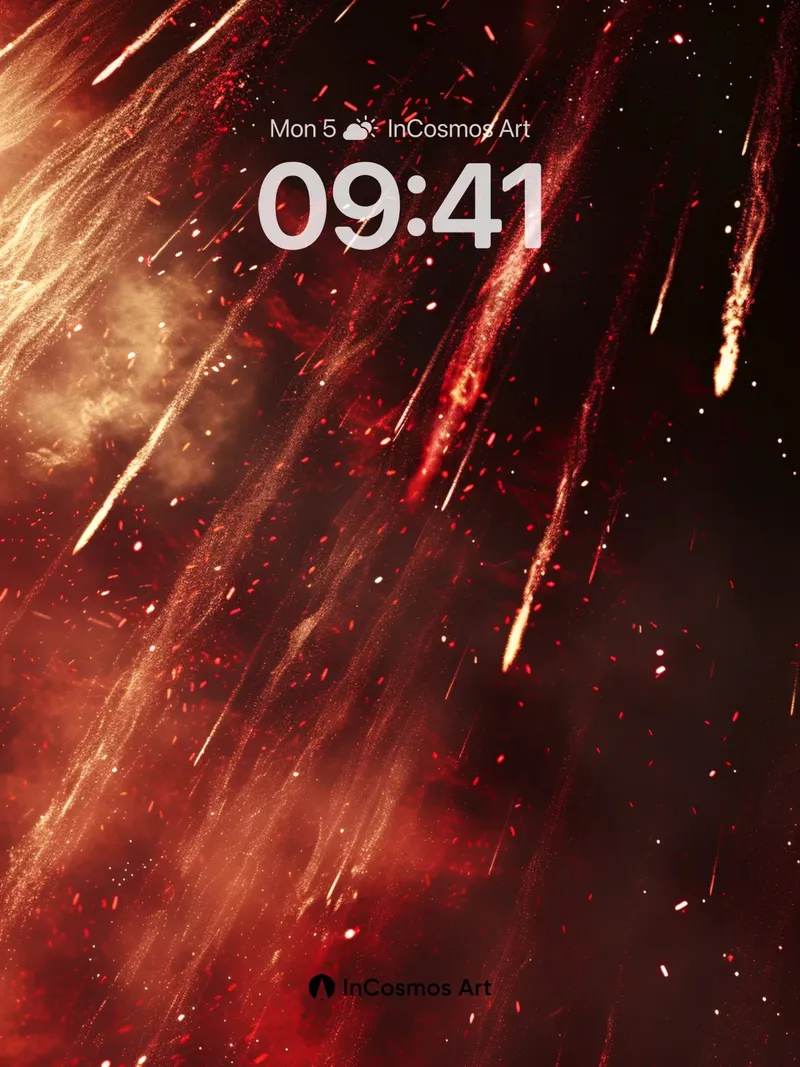
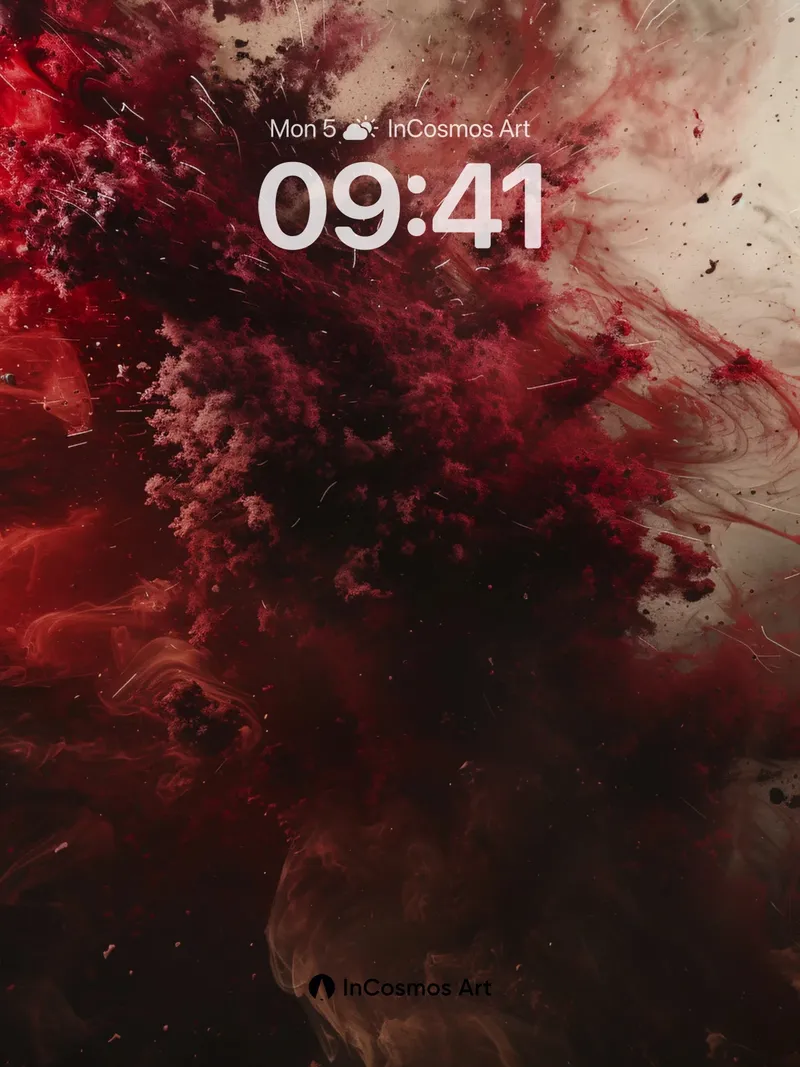
In the depths of darkness, light trails pierce the void like stardust. Crimson radiance spreads across the infinite, as if the cosmos is undergoing a silent combustion. This is not an explosion, but a slow, continuous release—energy manifesting in diverse forms: some resembling meteor showers cascading downward, others like flames blooming in emptiness, still others akin to nebulae breathing within darkness. These phenomena are not random; they represent natural laws expressed under extreme conditions, visual records of the eternal dialogue between matter and energy. Human perception of such events often stems from a dual reverence for destruction and rebirth.
The Philosophy of Light Traces
The movement of light through darkness constructs a narrative that transcends time. Each trajectory carries information about velocity and direction, much like echoes of memory within consciousness. When fire ascends from the earth, it is not merely the result of a chemical reaction but a ritual act—a declaration of existence toward the sky. In ancient cultures, fire was often seen as a medium connecting heaven and earth, its upward motion symbolizing spiritual elevation. Though modern humans no longer rely on fire for warmth, the pursuit of light remains constant. The fleeting existence of fireworks mirrors the transient brilliance of life, reminding people to cherish moments that cannot be replicated.
The Rhythm of Cosmic Respiration
Nebulae evolve slowly yet profoundly, their gases and dust continuously reorganizing under gravity. These red regions are often cradles of star birth and resting places of dead stellar remnants. The source of red light is typically excited hydrogen atoms, a physical process repeated across distant galaxies. Humans capture these signals through telescopes, yet cannot physically reach them. Thus, observation becomes a spiritual journey—we use limited senses to comprehend the infinite universe, brief lives to gaze upon eternal evolution.
The Dance of Destruction and Creation
Whether ground-based fireworks or cosmic supernova eruptions, their essence lies in intense energy transformation. Combustion involves material breakdown and reassembly; the collapse of old structures heralds new orders. Culturally, this dynamic balance appears in festivals and religious rituals. Chinese New Year’s firecrackers, Mid-Autumn lantern fairs, Western bonfire celebrations—all center on fire, symbolizing purification, renewal, and auspiciousness. Fire is both destroyer and purifier; it burns away the old and ignites hope. This embodies humanity’s core metaphor regarding change.
Vision as Memory
When imagery appears before the eyes, the brain automatically constructs meaning. Intense red visual stimuli activate emotional centers, triggering complex responses such as excitement, tension, or awe. This reaction arises not only from physiology but also from collective experience. In traditional Chinese culture, red signifies joy, power, and vitality; in Western contexts, it associates with passion, danger, and revolution. The same color bears distinct symbolic values across cultures. Therefore, visual experience is not just sensory input—it is a reinterpretation of cultural codes.