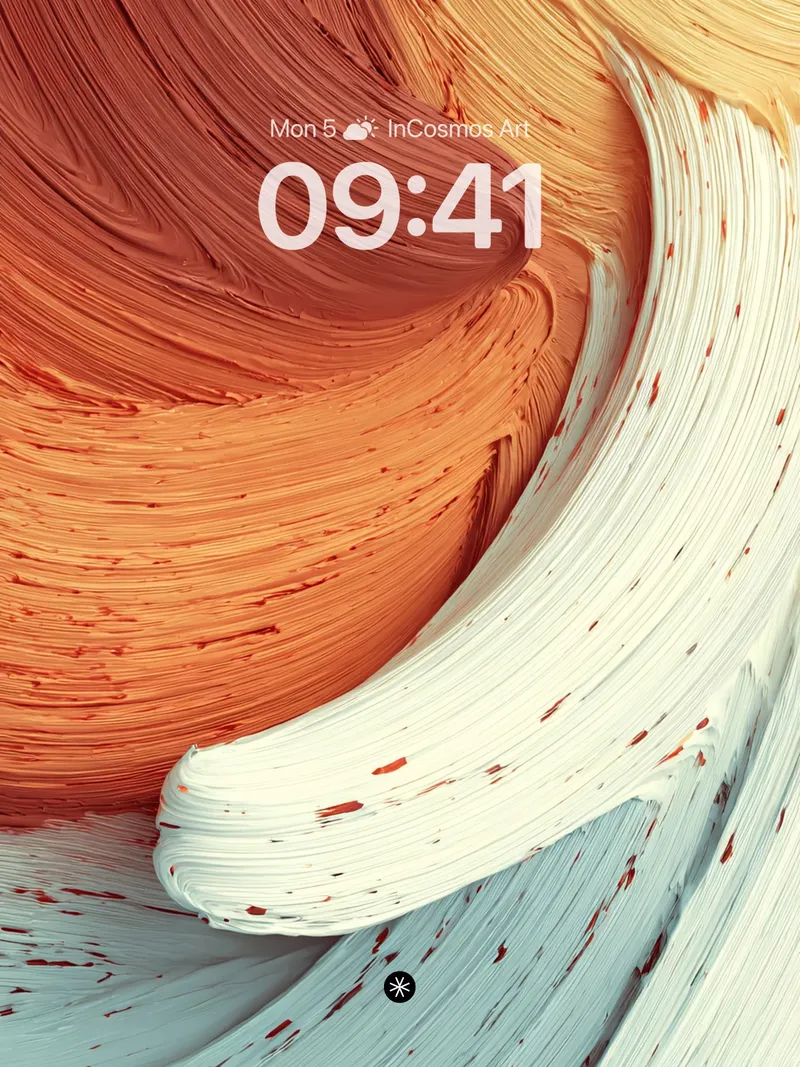
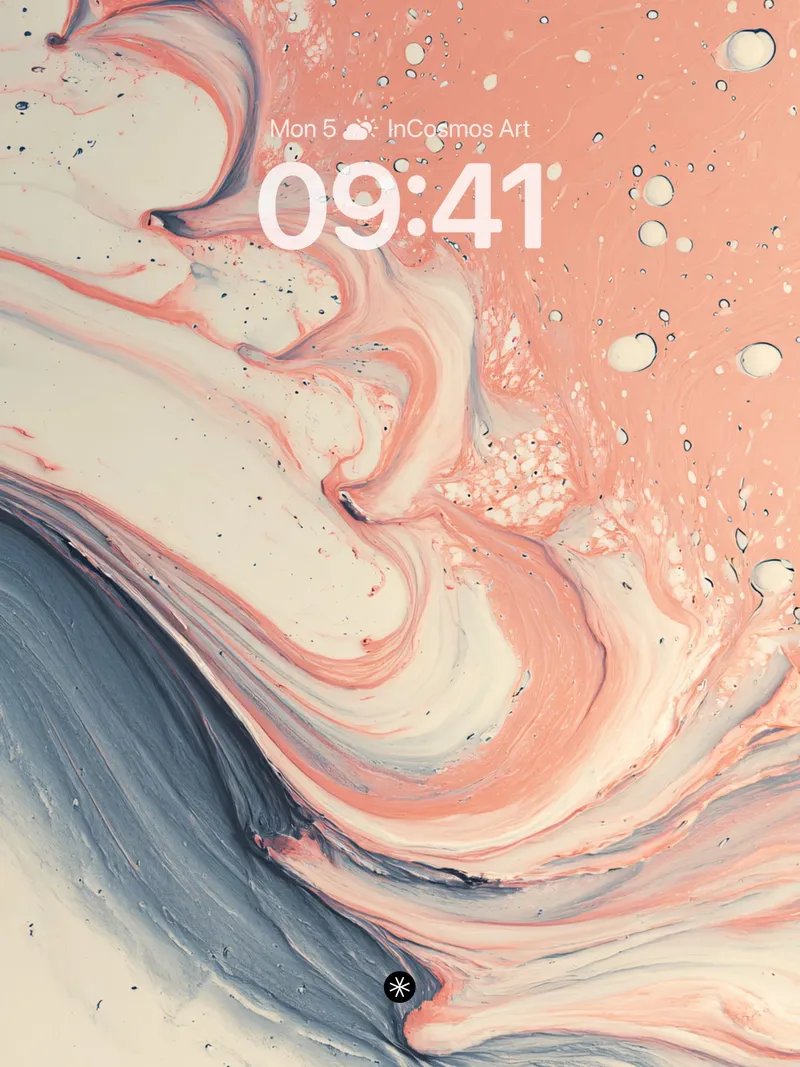
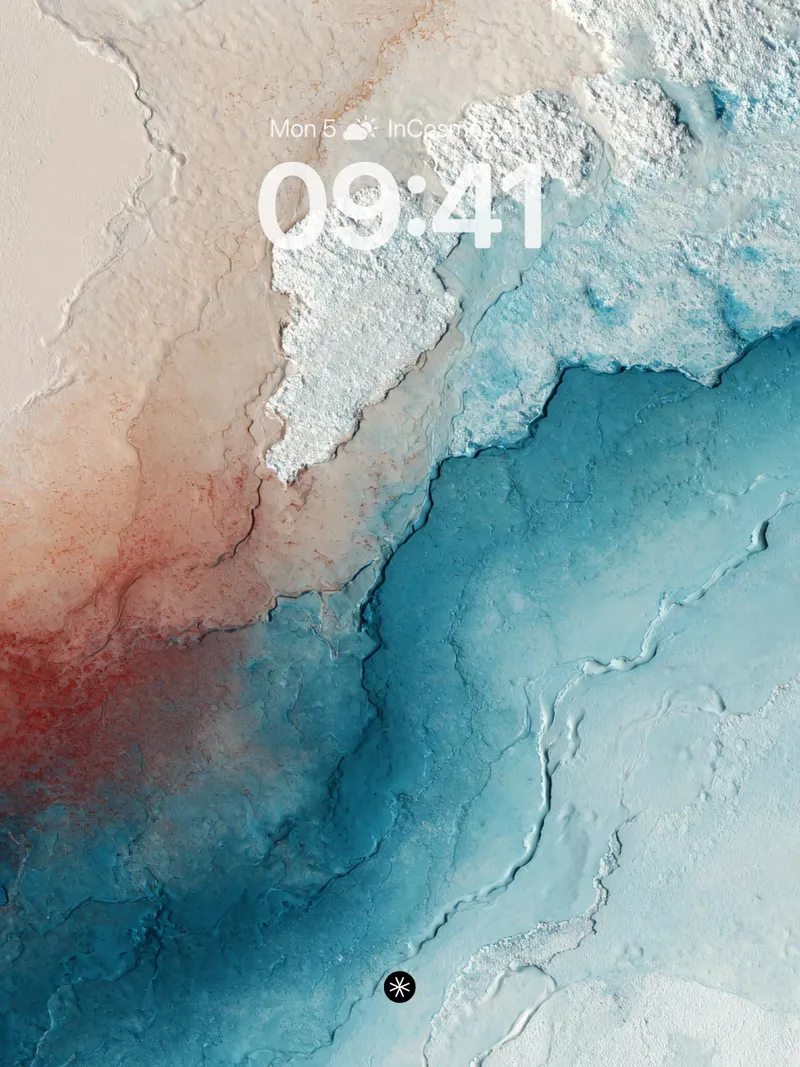
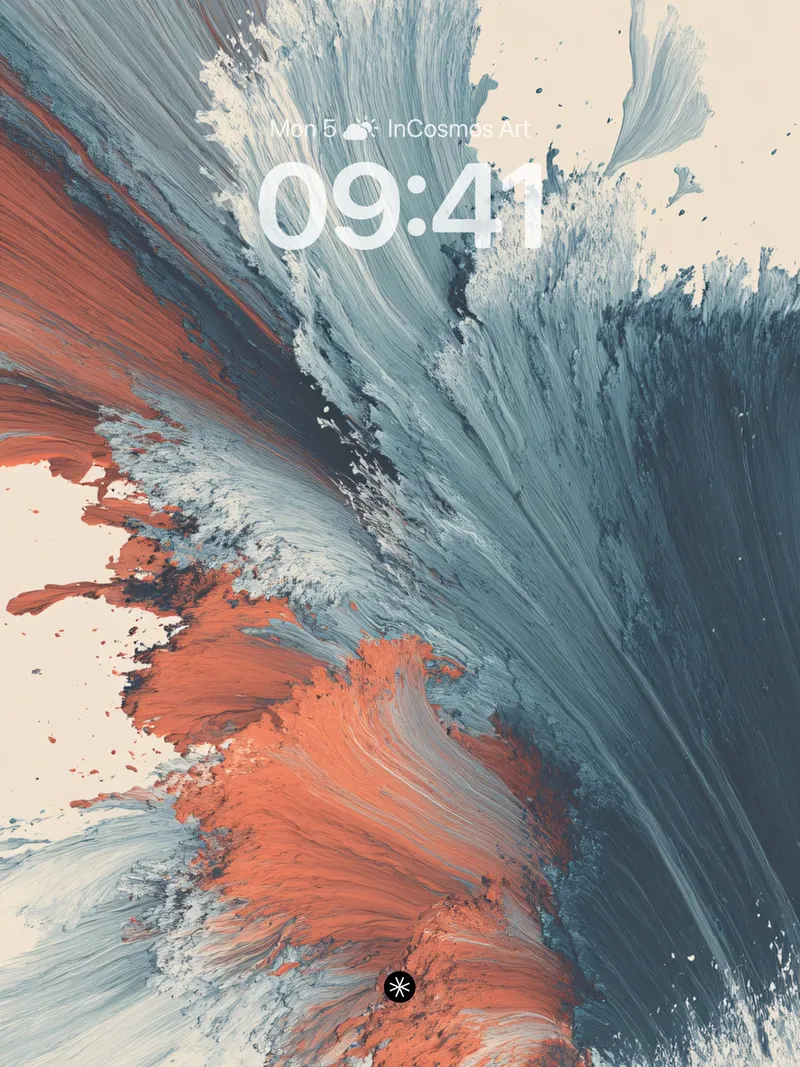
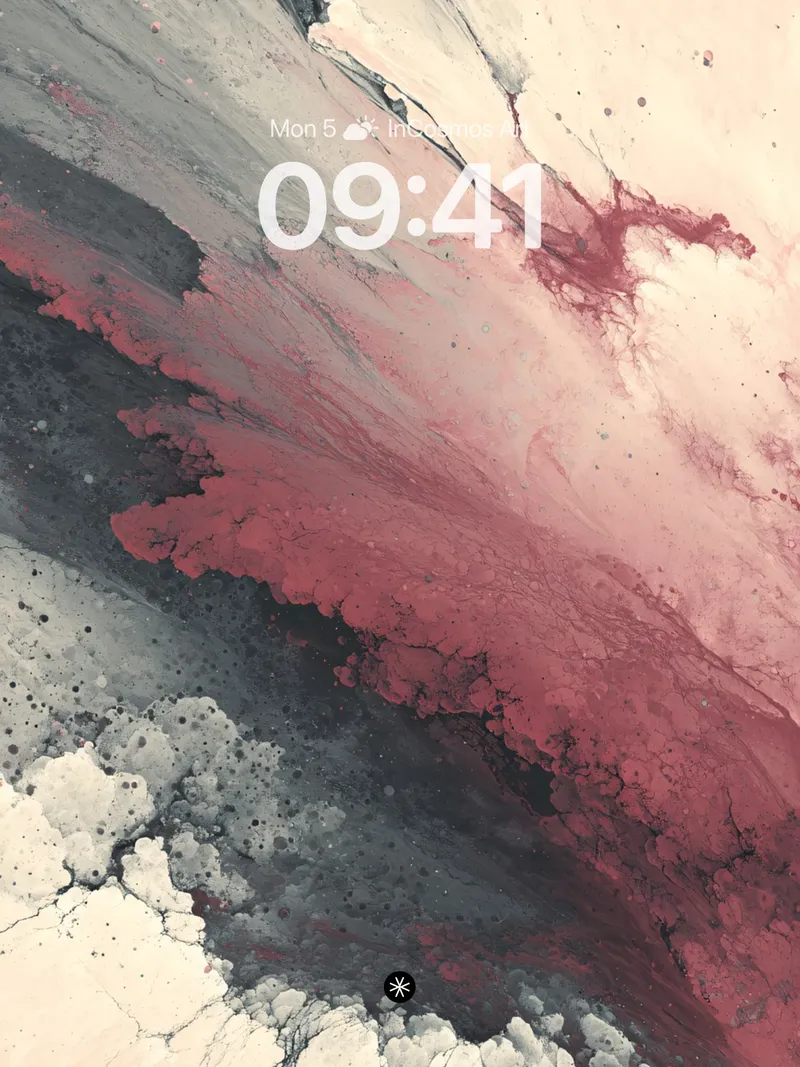
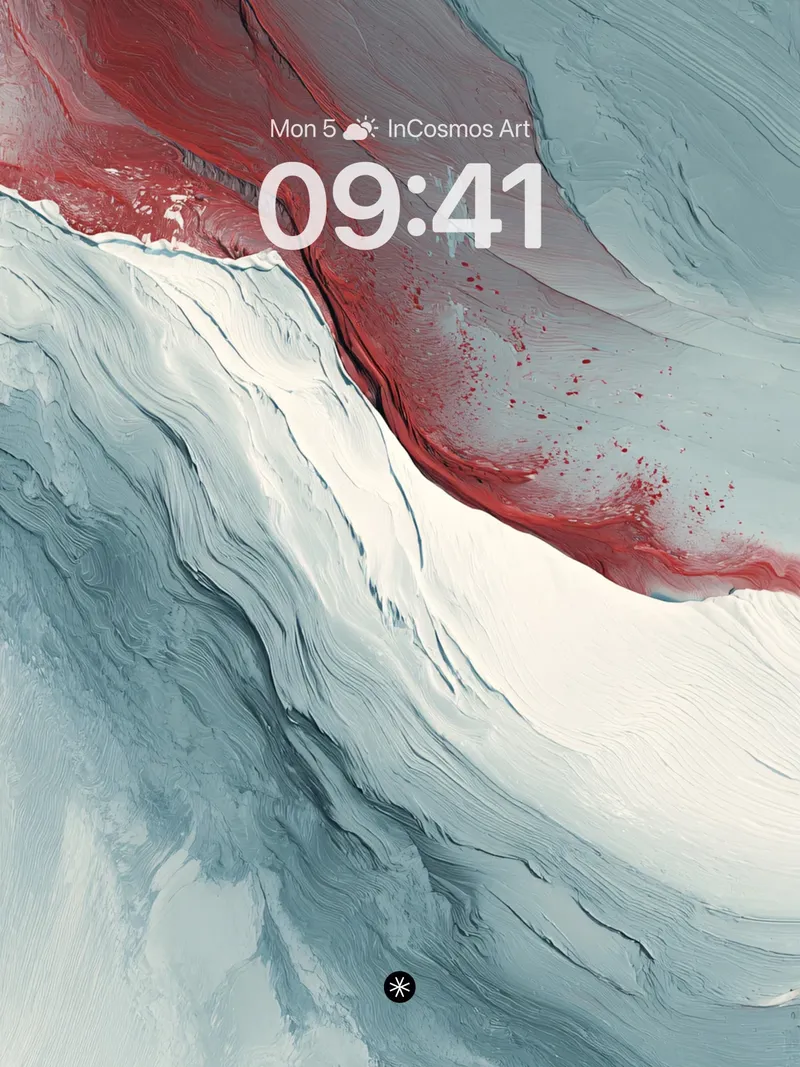
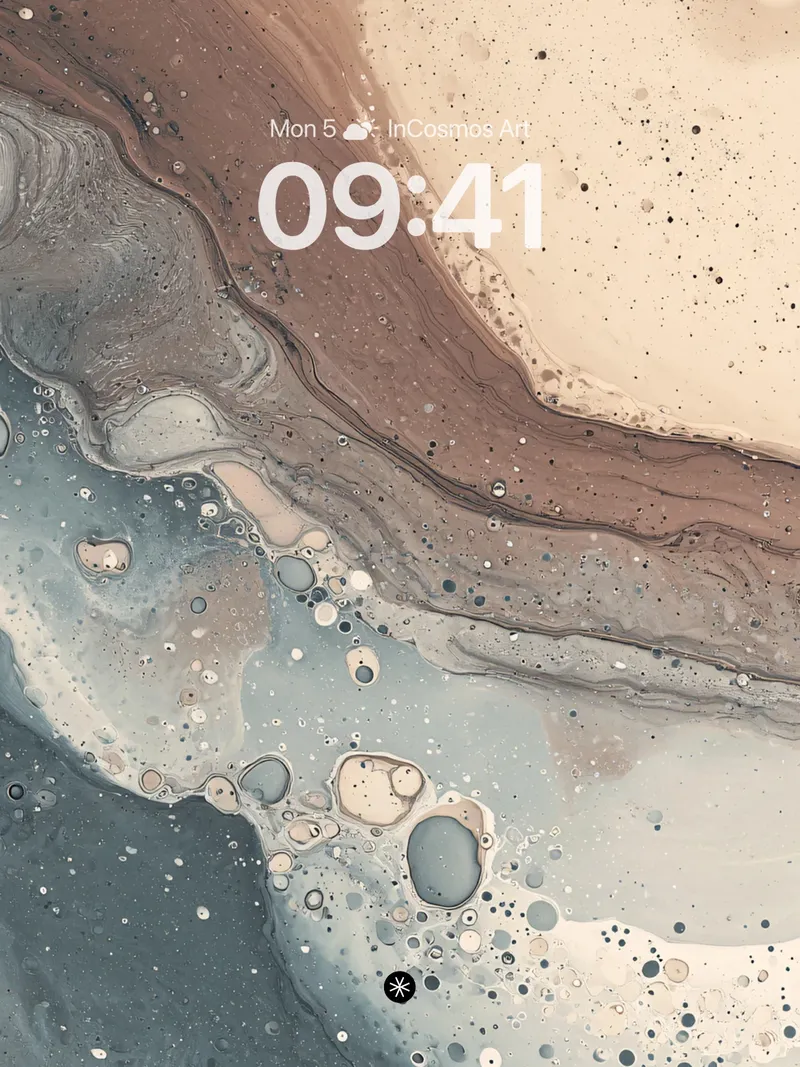
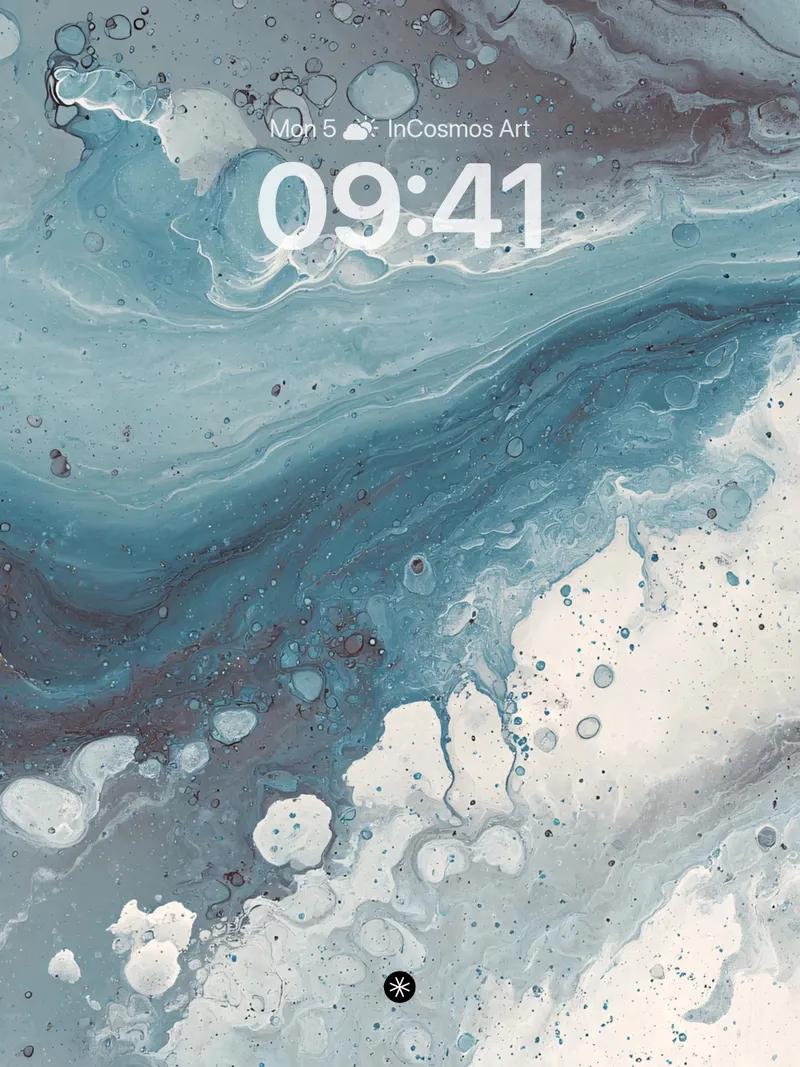
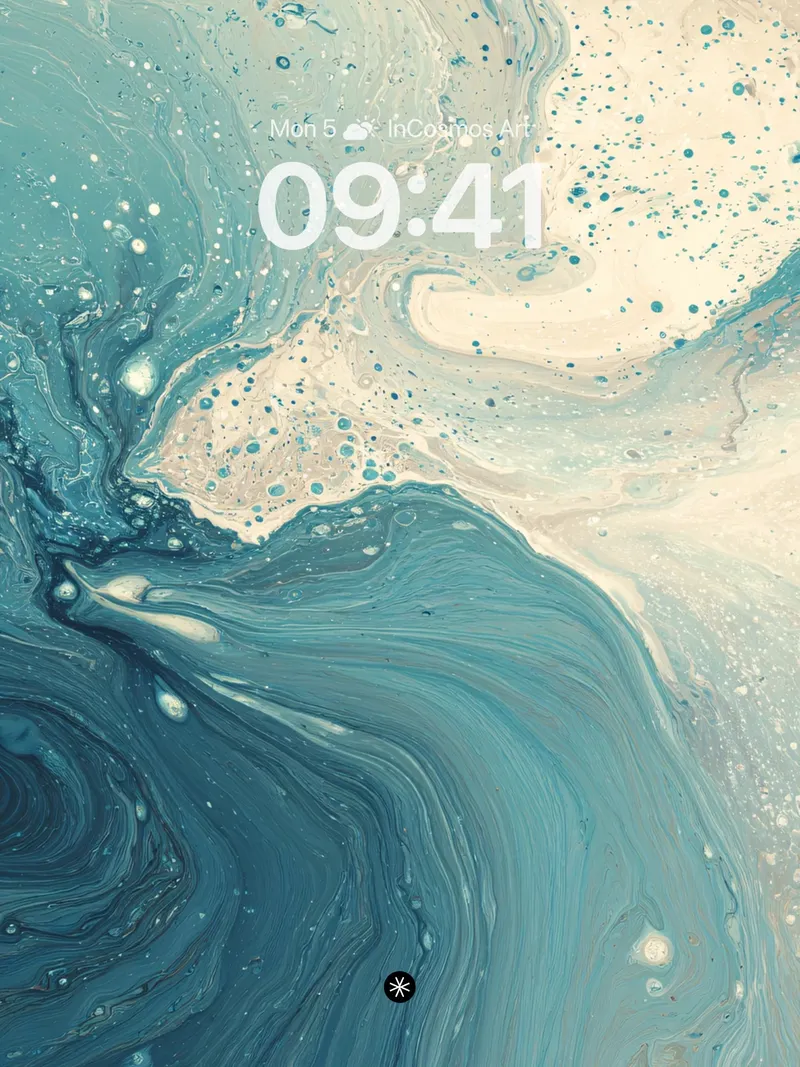
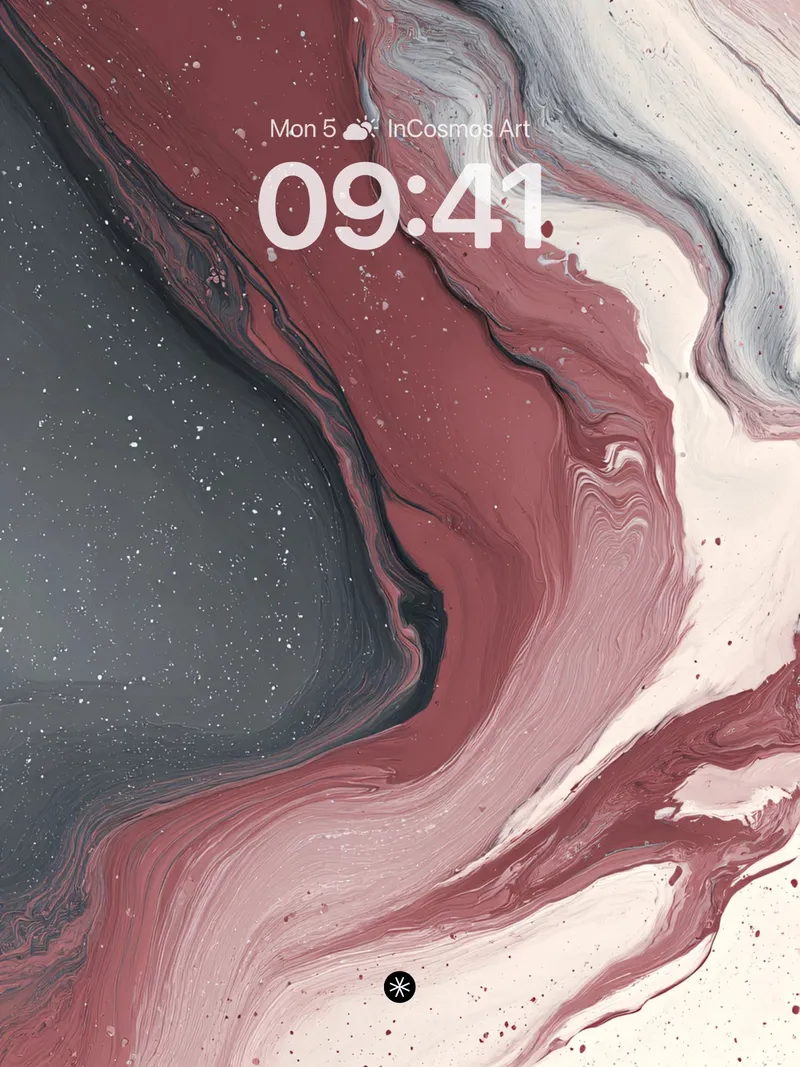
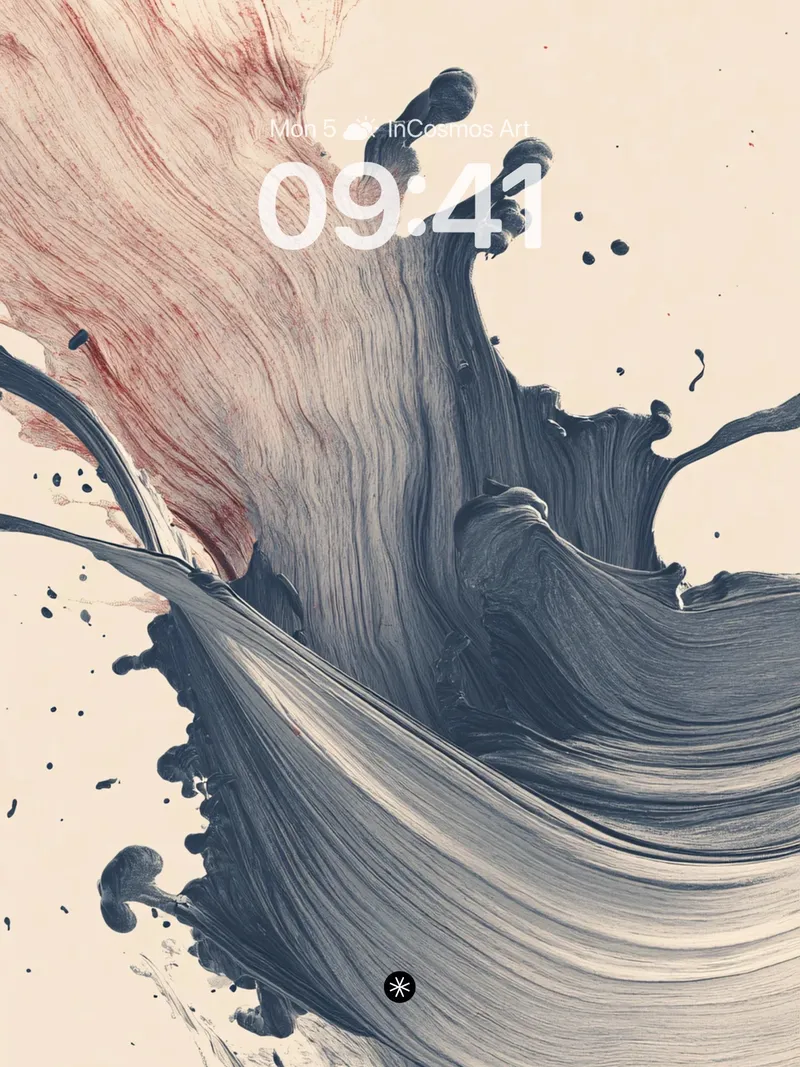
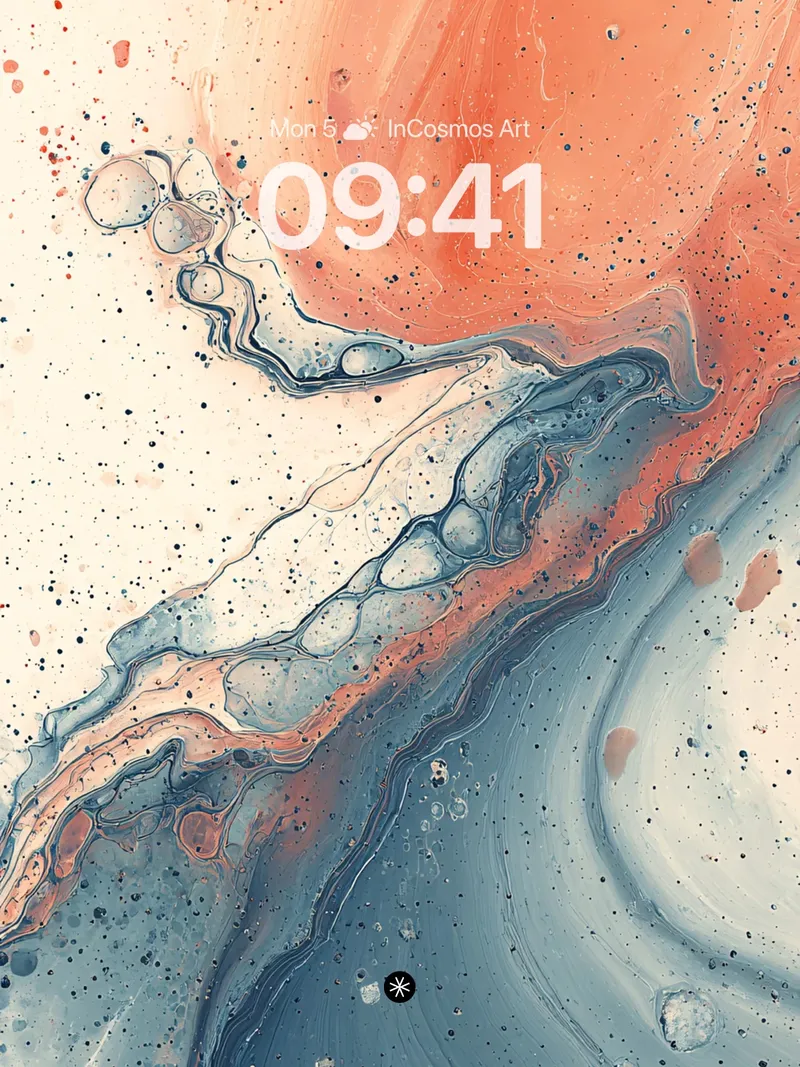
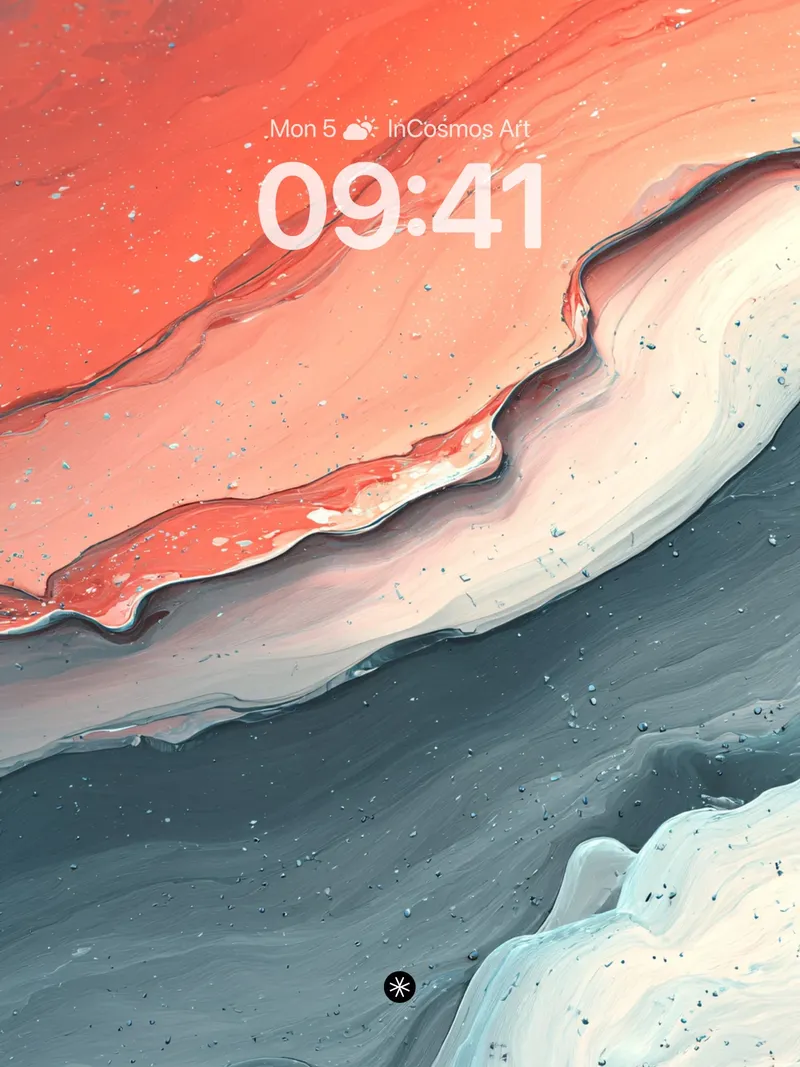
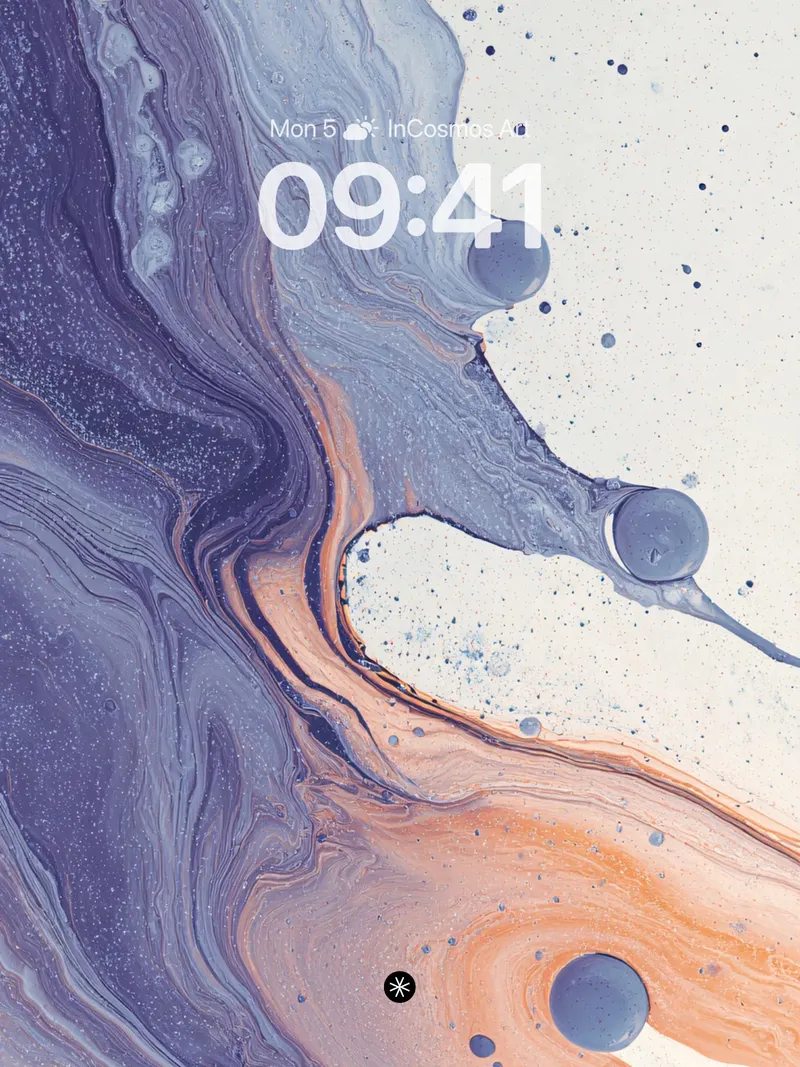
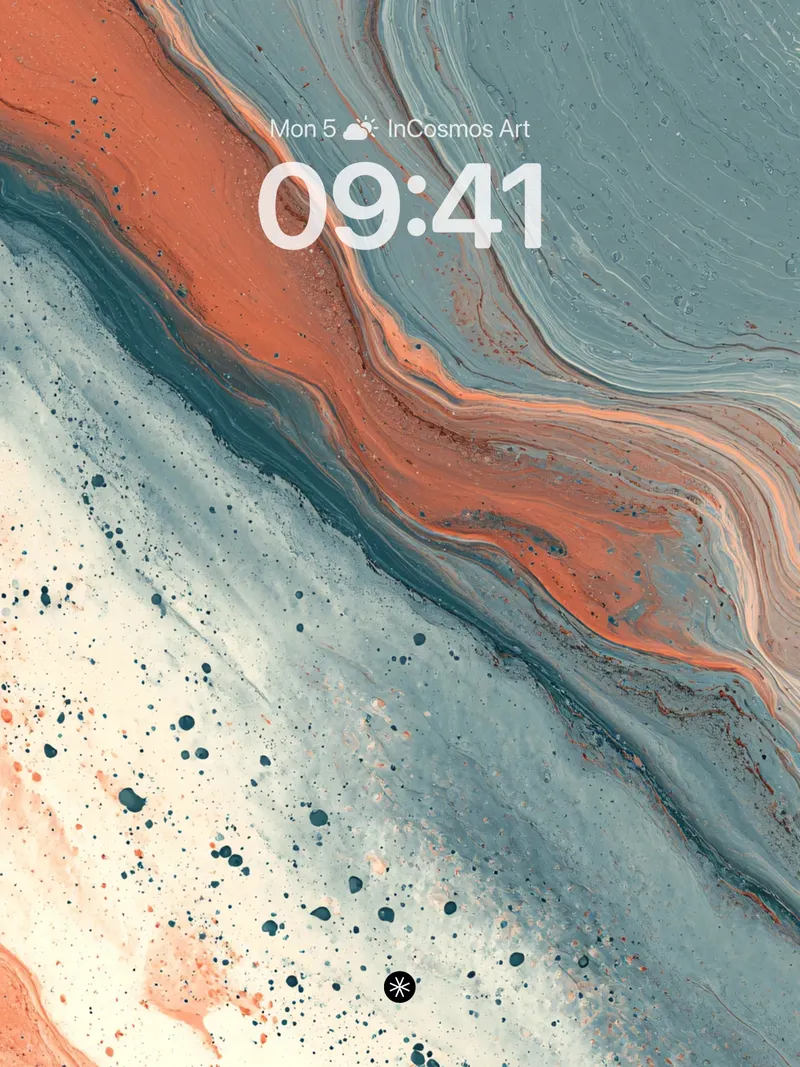
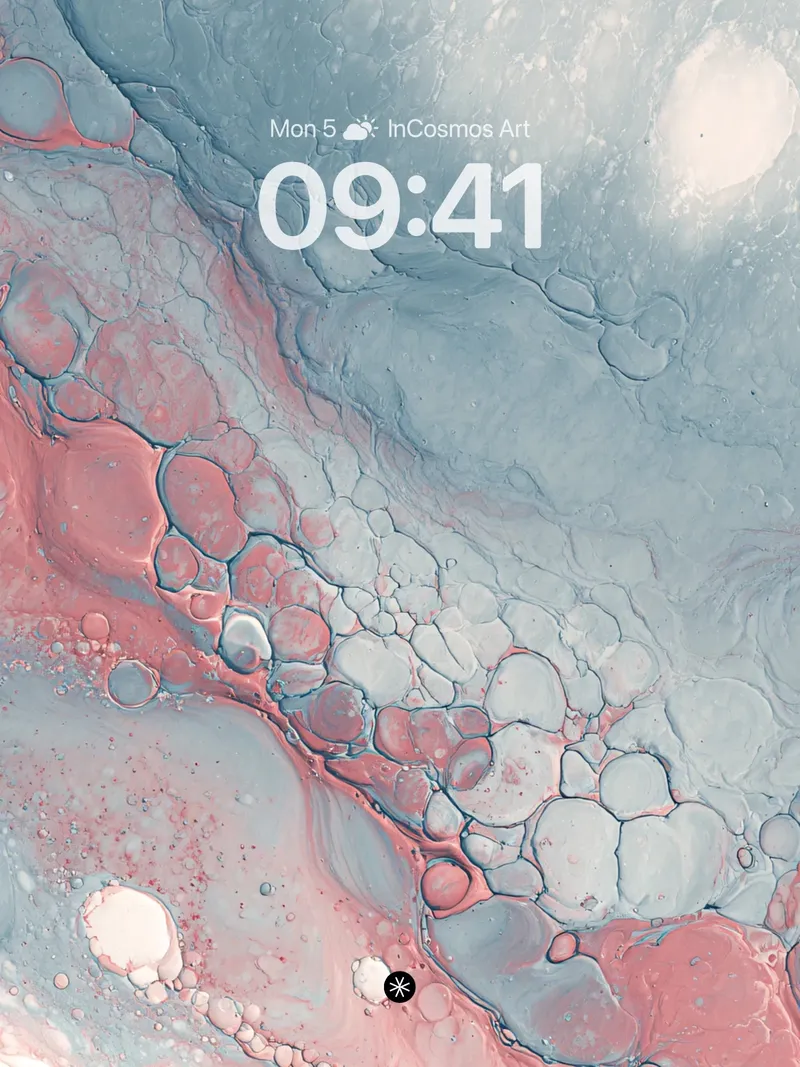
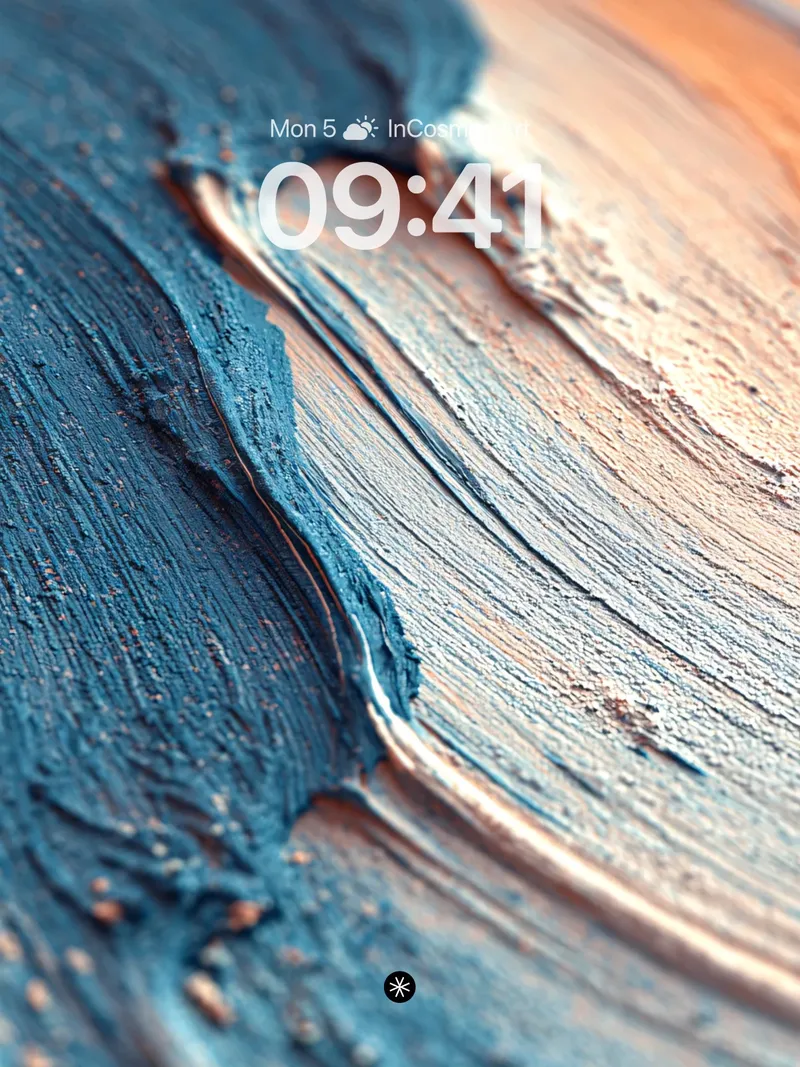
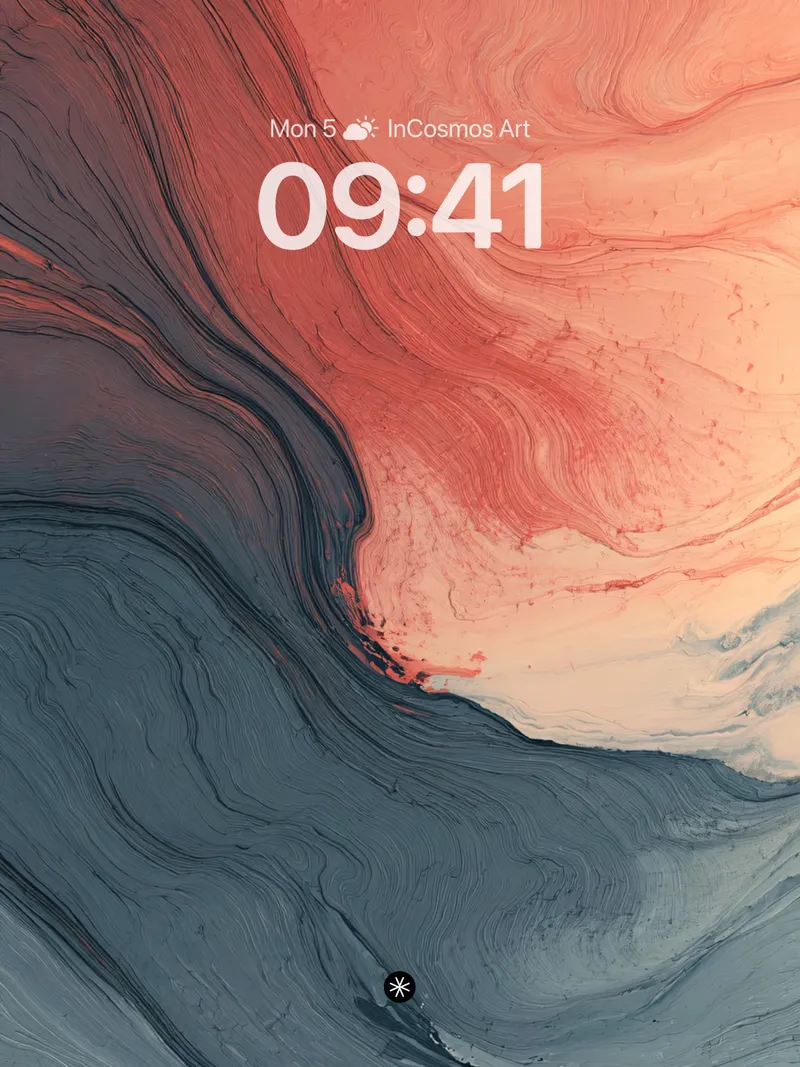
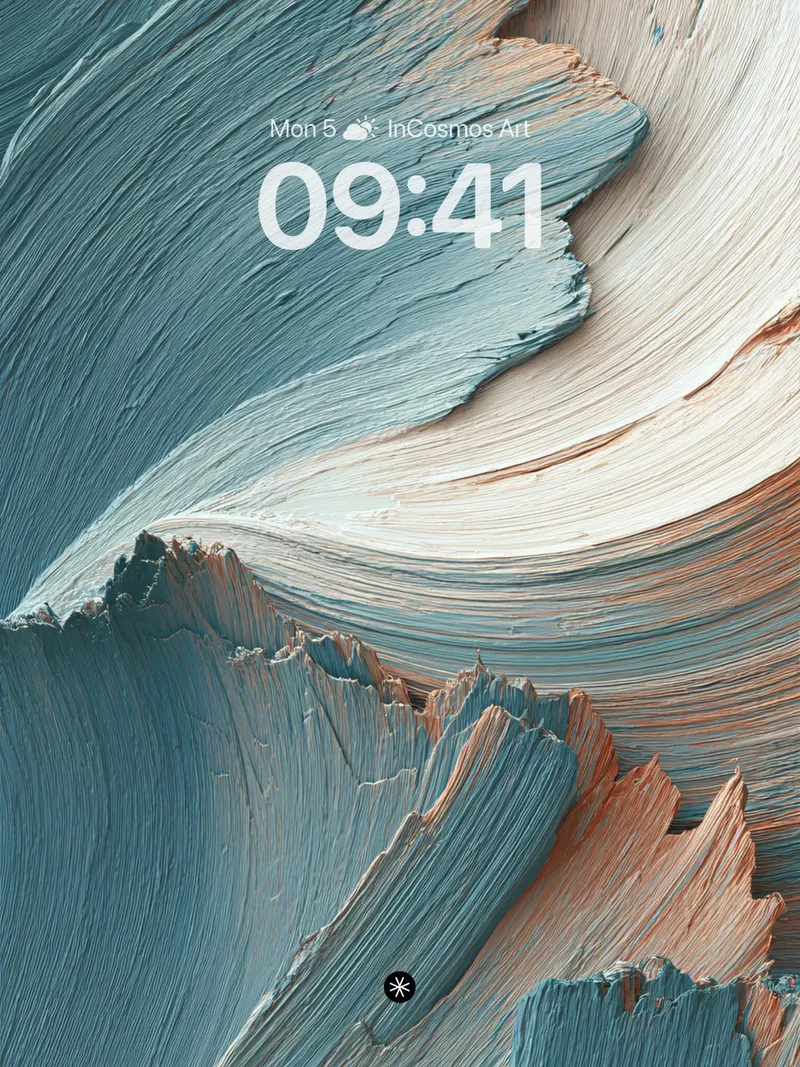
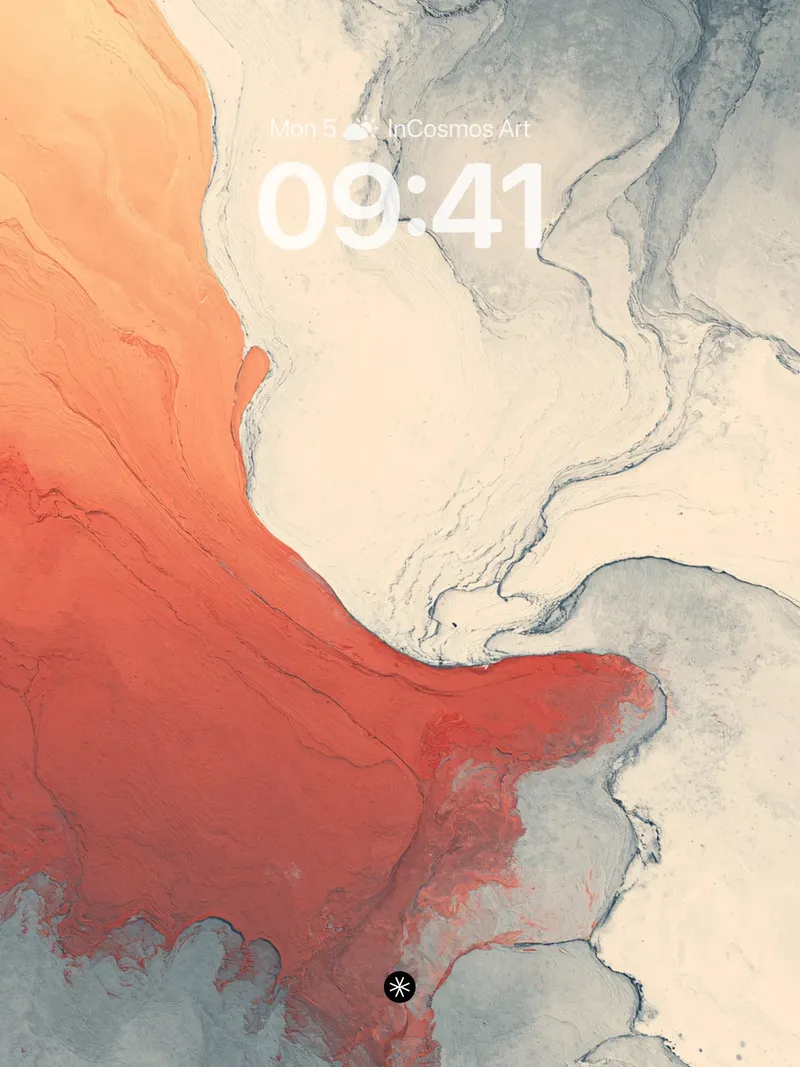
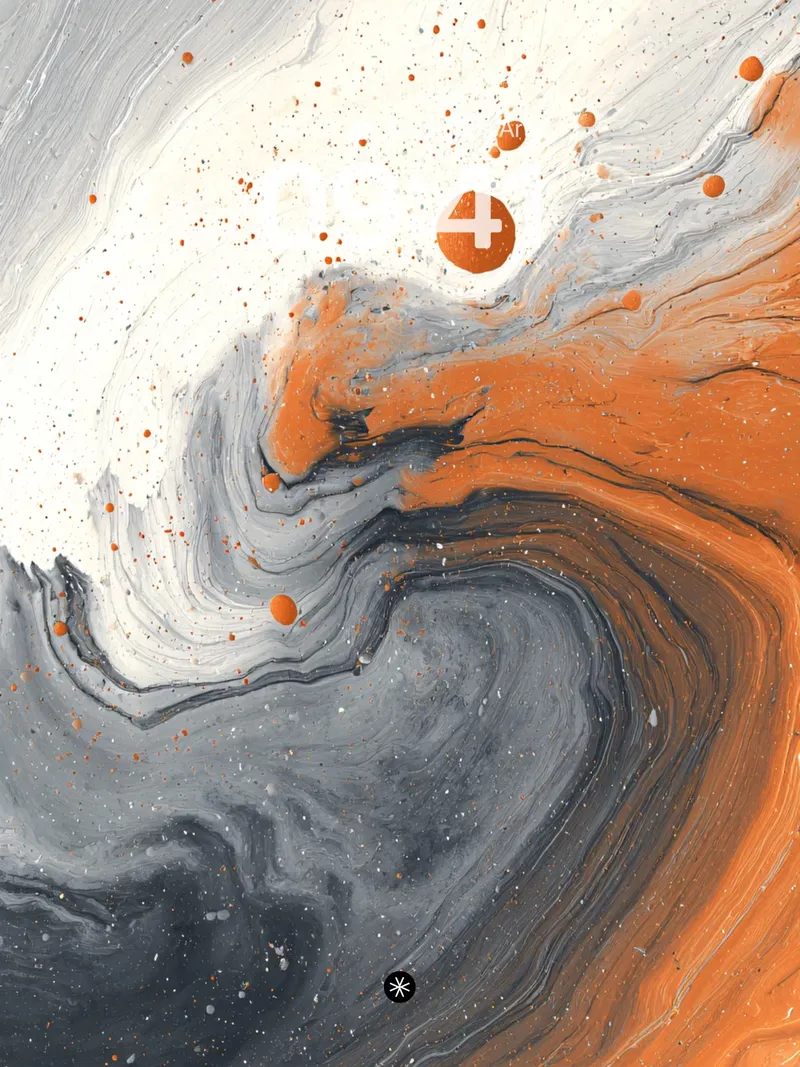
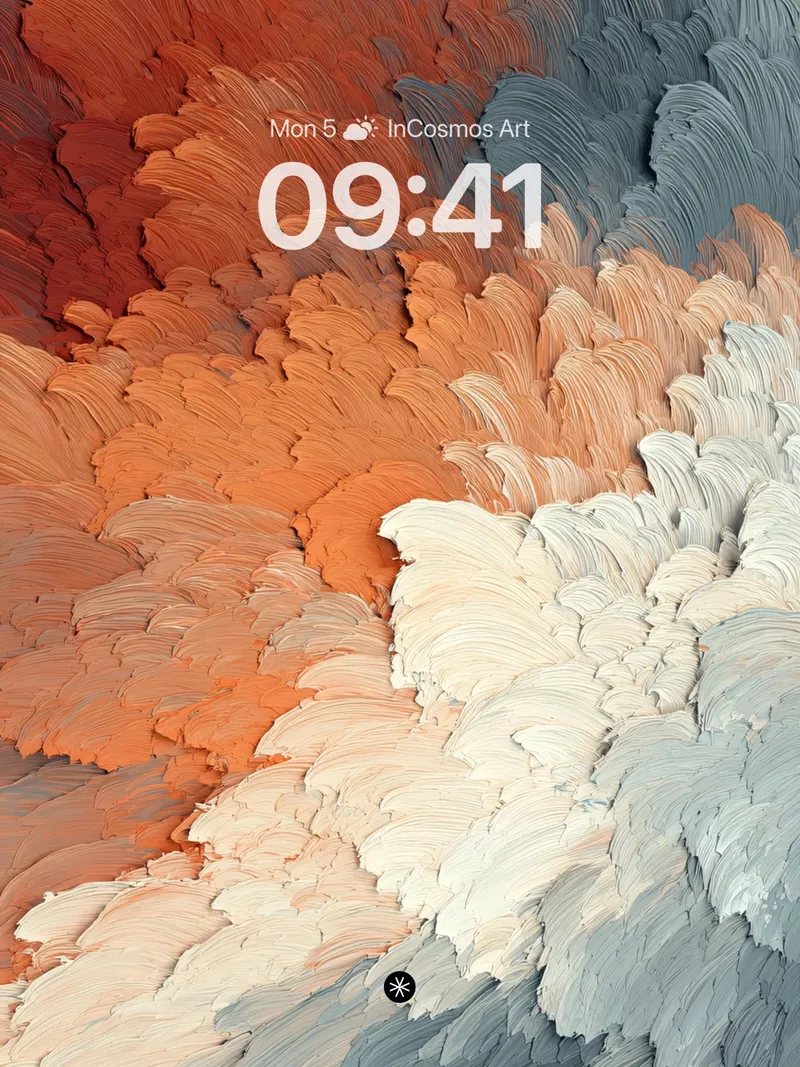
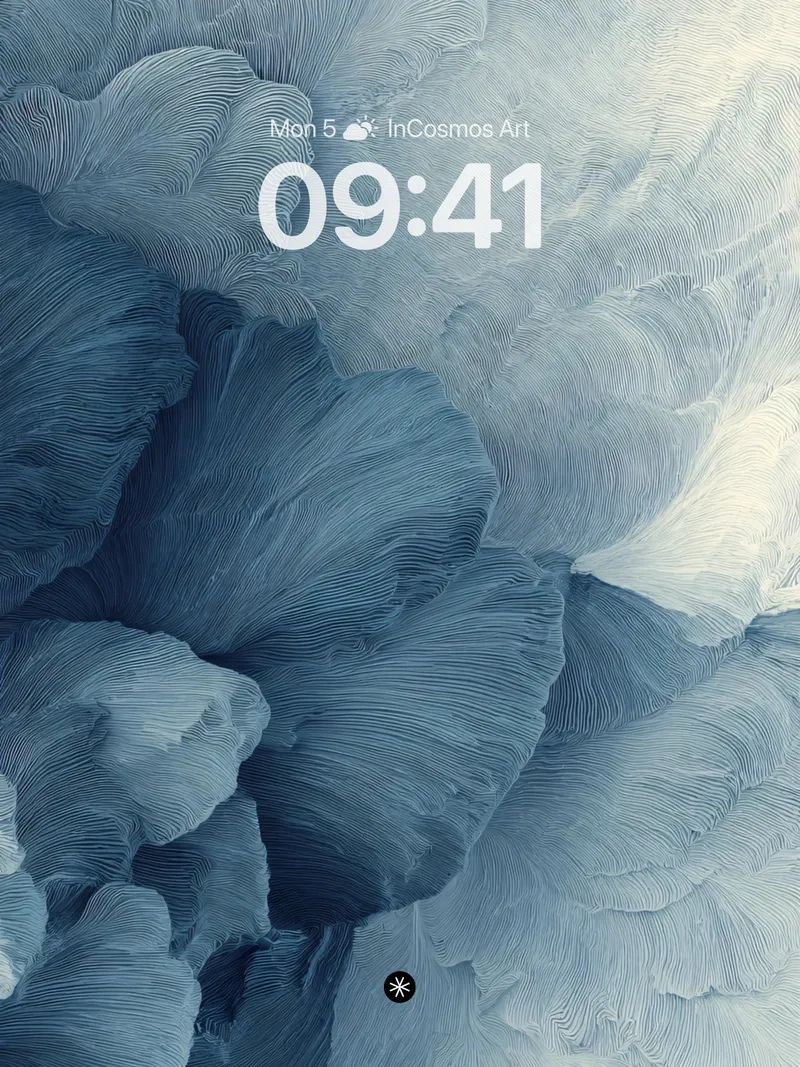
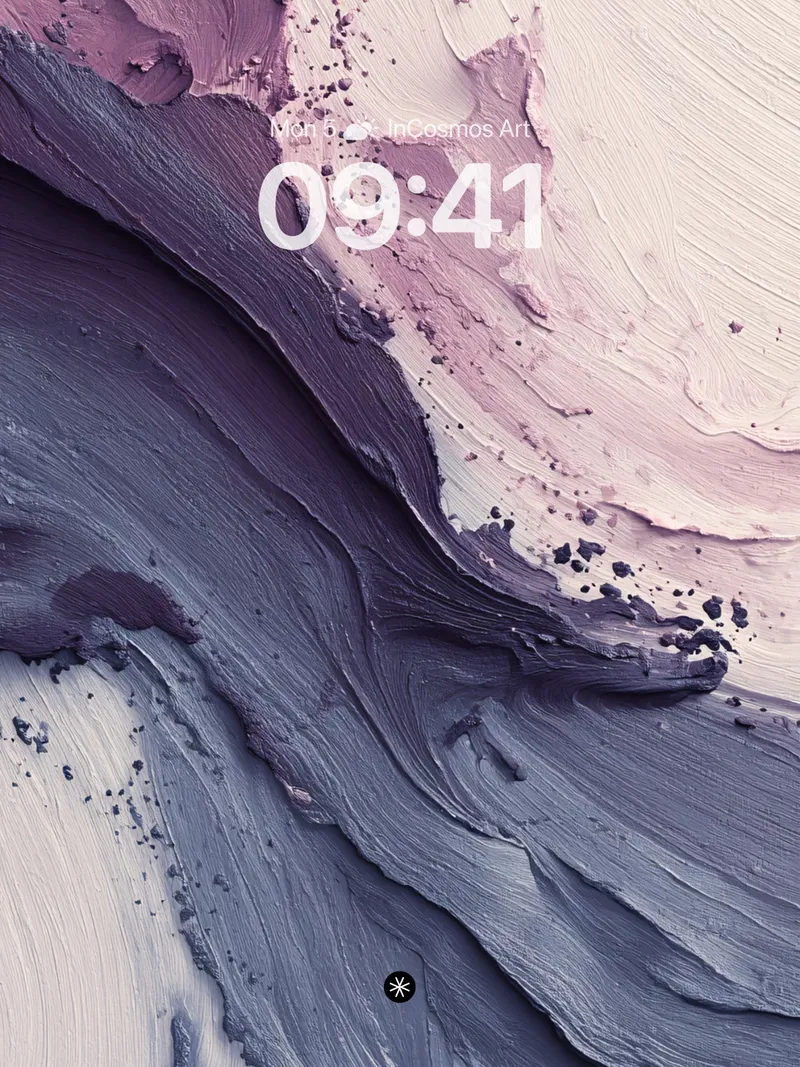
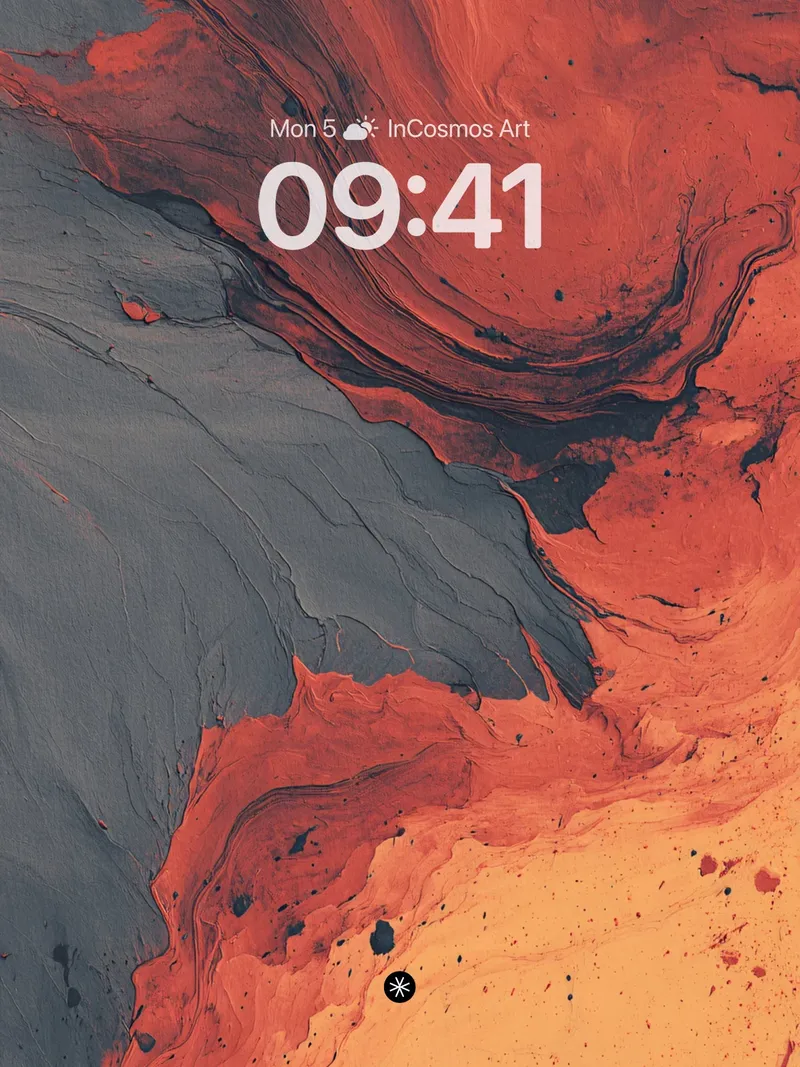
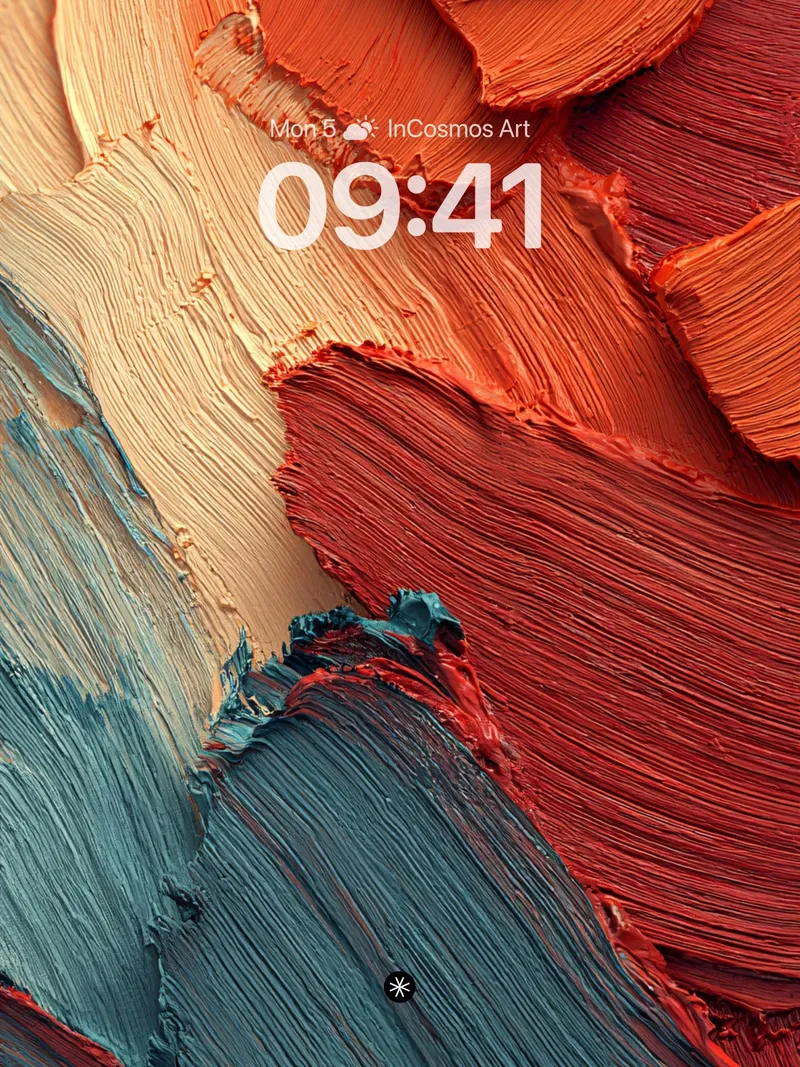
Matter possesses its own language. When thick pigments stack, when warm and cool tones meet at the boundary, a silent dialogue unfolds. Rough textures exist not for decoration, but to record the flow of time and the clash of forces. In this realm of russet and slate, clear shapes vanish, leaving only the rise and fall of emotion. The act of viewing transforms into a desire to touch, with vision traveling along raised ridges, attempting to catch the rhythm of breath during creation. This focus on materiality pulls observer attention from appearance back to essence, prompting a re-examination of the subtle relationship between rough and smooth, stillness and flow.
Visualizing Tactile Memory
Surfaces cease to be smooth endpoints, becoming starting points for exploration. Every raised ridge preserves the moment force was applied. Fingers tracing these undulations seem to catch the rhythm of breath during creation. Texture refuses to be understood at a glance, demanding the observer slow down to read the story behind every dip and peak. Thick brushstrokes resemble geological faults, with layers of coverage revealing the depth of time. This visual tactility evokes memories of the real material world, appearing particularly precious in an era of digital smooth screens. Uneven surfaces carry weight, ensuring color does not float but roots itself in substance.
The Game of Temperature
Juxtaposing warm and cool colors creates internal tension. Terracotta red and rock-like grey erode each other, neither yielding. Red carries residual heat, like uncooled lava; blue holds chill, like deep sea or frozen soil. Where the two meet, no blurry transition exists, only sharp boundaries. The confrontation has no winner, only coexistence. Color conflict aims not to create chaos, but to define mutual boundaries. Against the calmness of grey, the heat of red appears more restrained; within the enclosure of red, the coldness of blue shows a kind of aloofness. Two temperatures breathe on the same plane, maintaining a fragile balance where excessive expansion by either side would break the tranquility.
Flow Within Stillness
Although forms remain fixed, the direction of lines suggests continuous motion. Swirling textures point to a non-existent center, as if matter still rotates slowly. The dynamic freezes within a solid state, forming a unique tranquility. Observers feel not chaos, but energy constrained by order. Flowing lines record the final struggle of liquid before solidification, turning momentary motion into eternal form. Such stillness is not dead silence, but potential energy. The direction of texture guides vision in a constant cycle across the surface, creating a visual journey without end. In this cycle, time seems to lose linear meaning, with past and future overlapping in the folds of texture.
The Value of Imperfection
Perfect smoothness often implies industrial coldness, while rough texture retains the warmth of the hand. Every irregular crack, every accidental particle, serves as proof of uniqueness. Imperfection is not a defect, but a manifestation of vitality. In an age pursuing extreme clarity and perfection, this blur and coarseness offers psychological buffering. Material flaws become carriers of emotion, allowing observers to project personal experiences and insights. Abstract forms strip away specific narrative, leaving a space of pure emotion. In such space, anxiety settles, and thoughts precipitate. The realism of material provides an anchor, allowing floating attention to find a foothold once more.