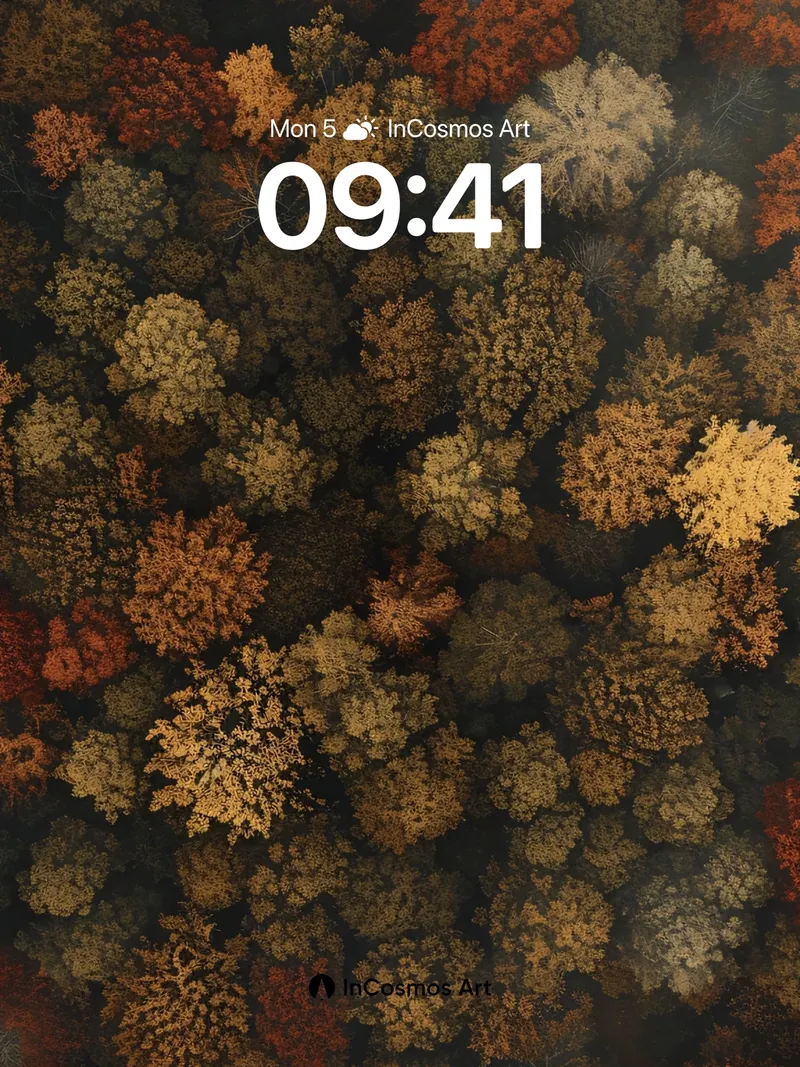
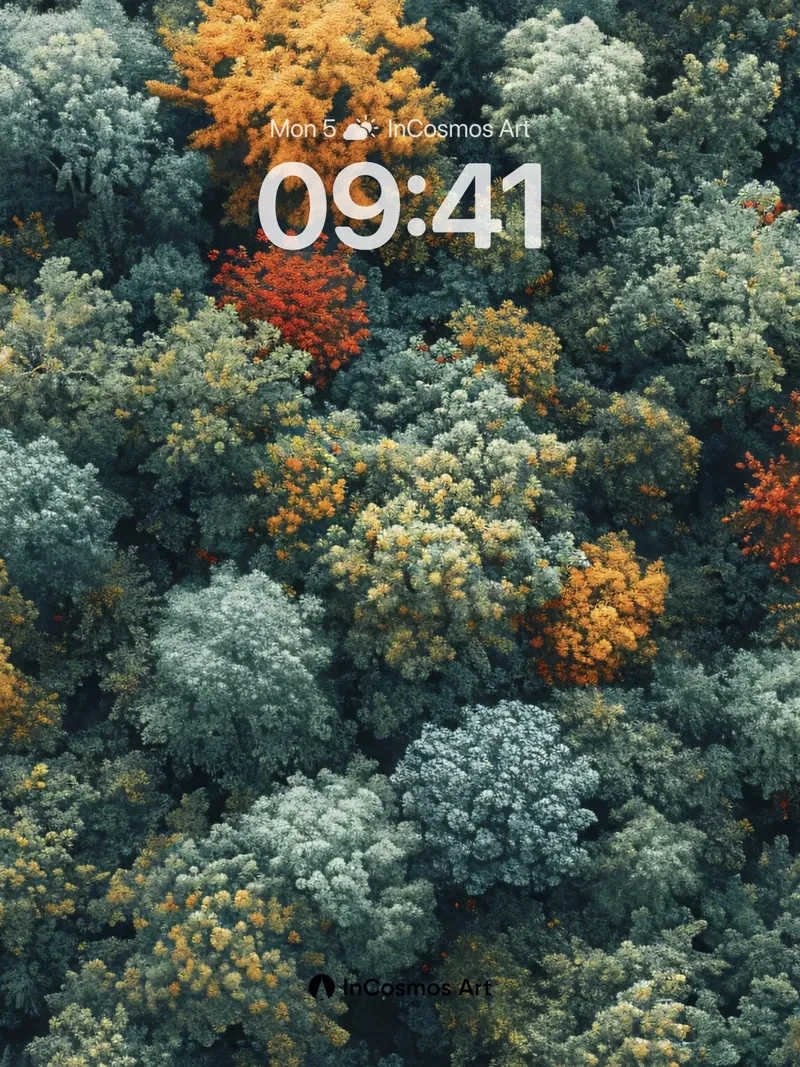
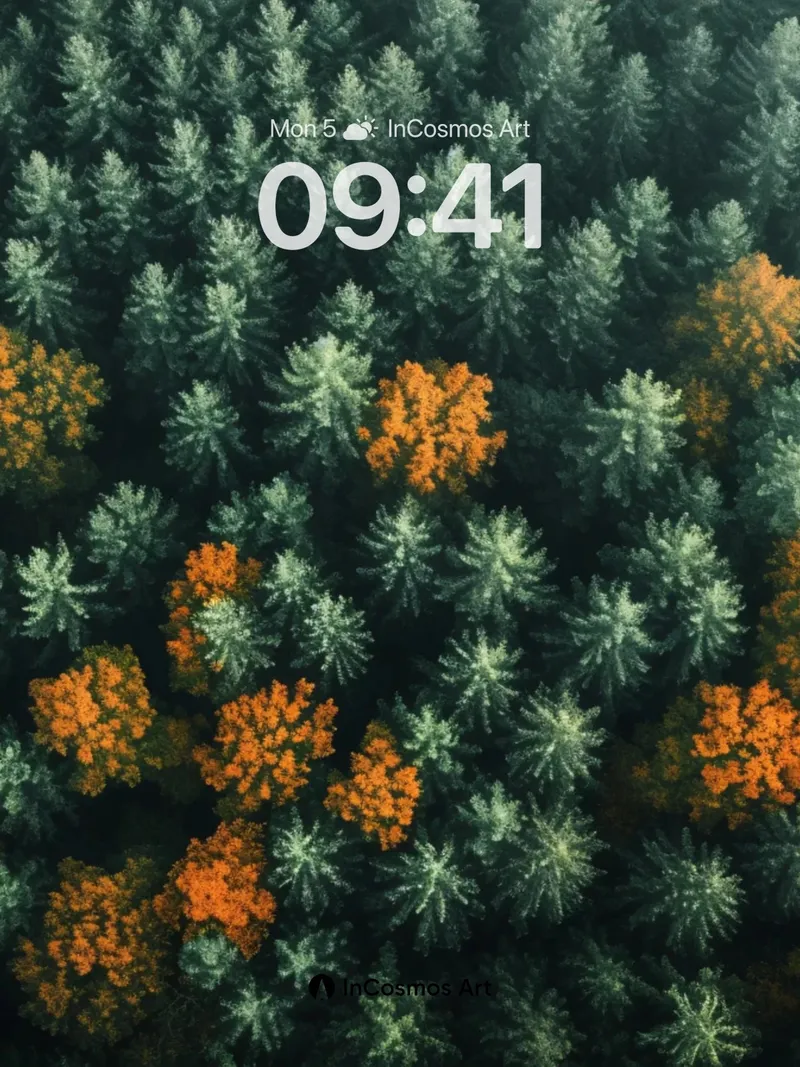
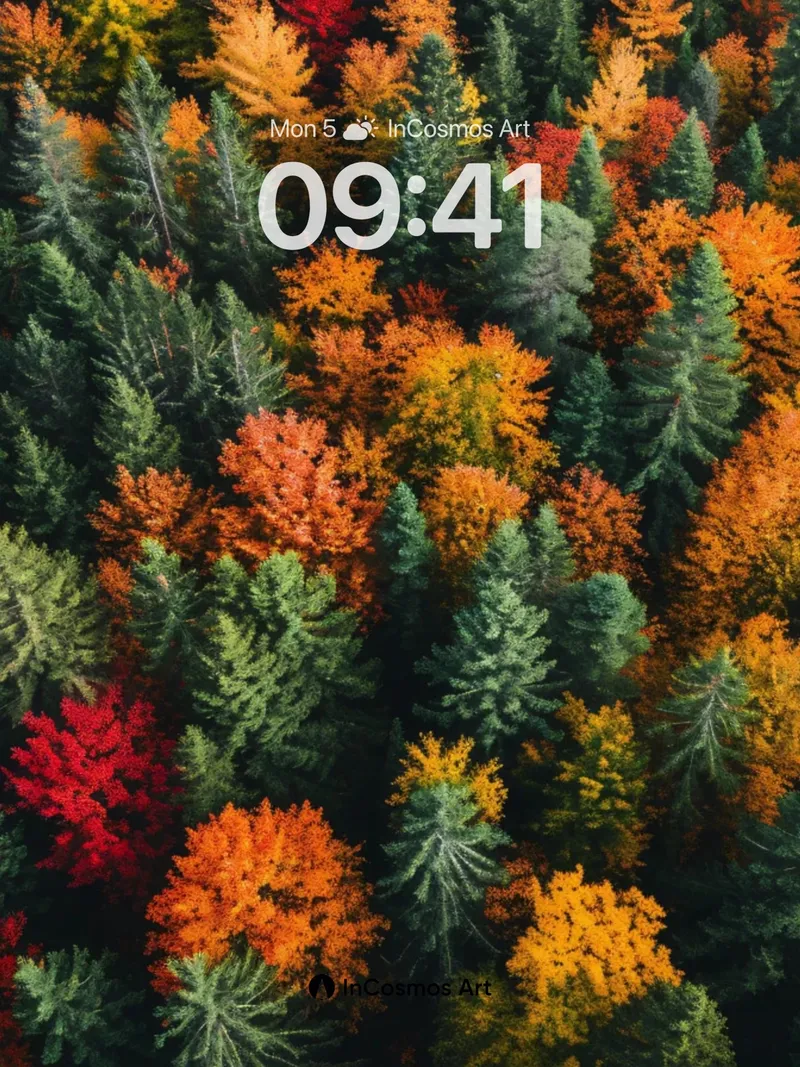
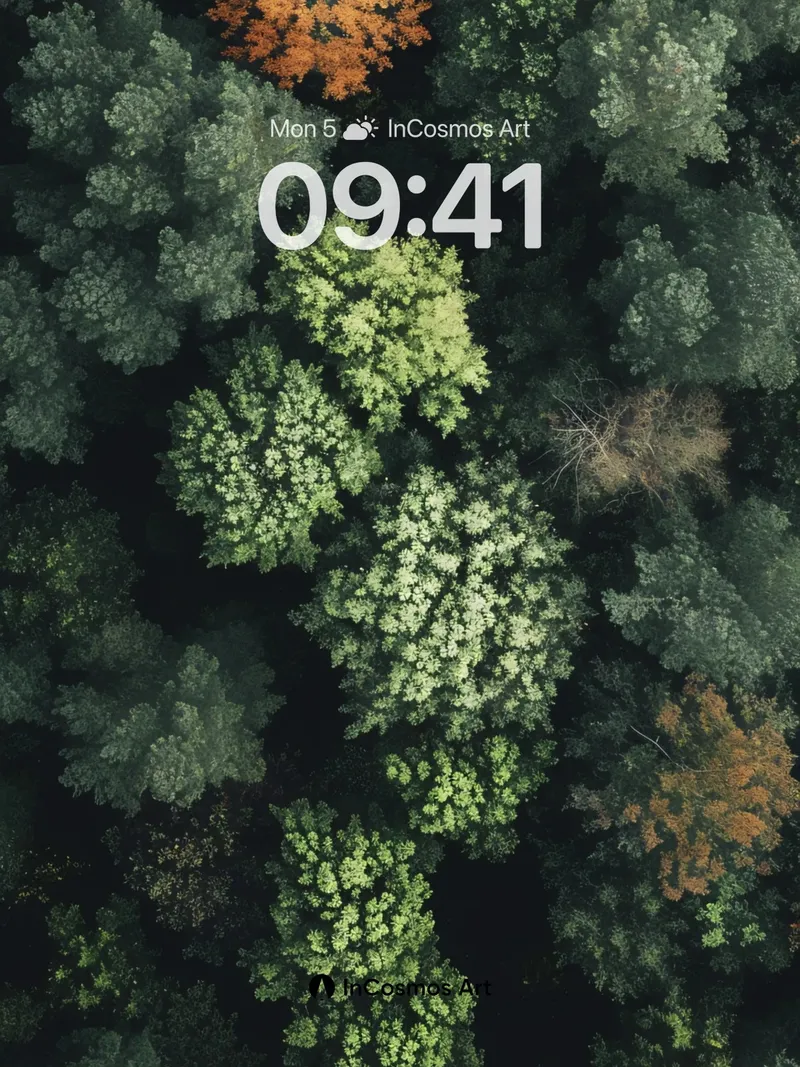
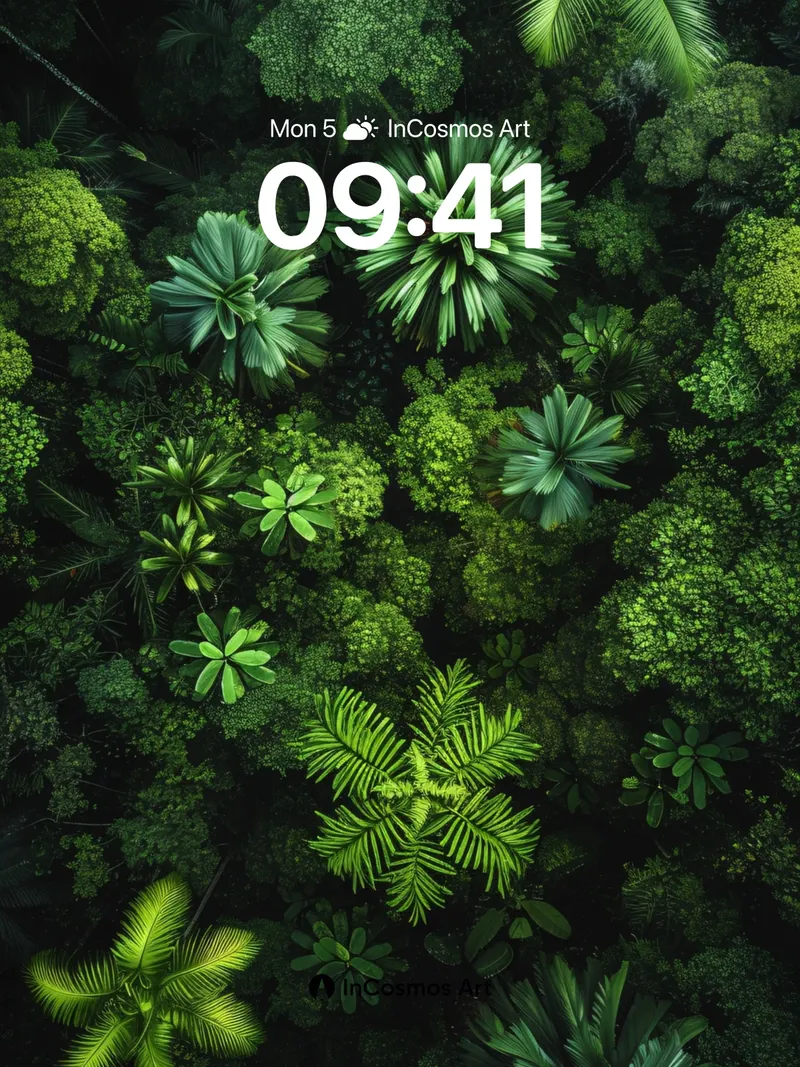
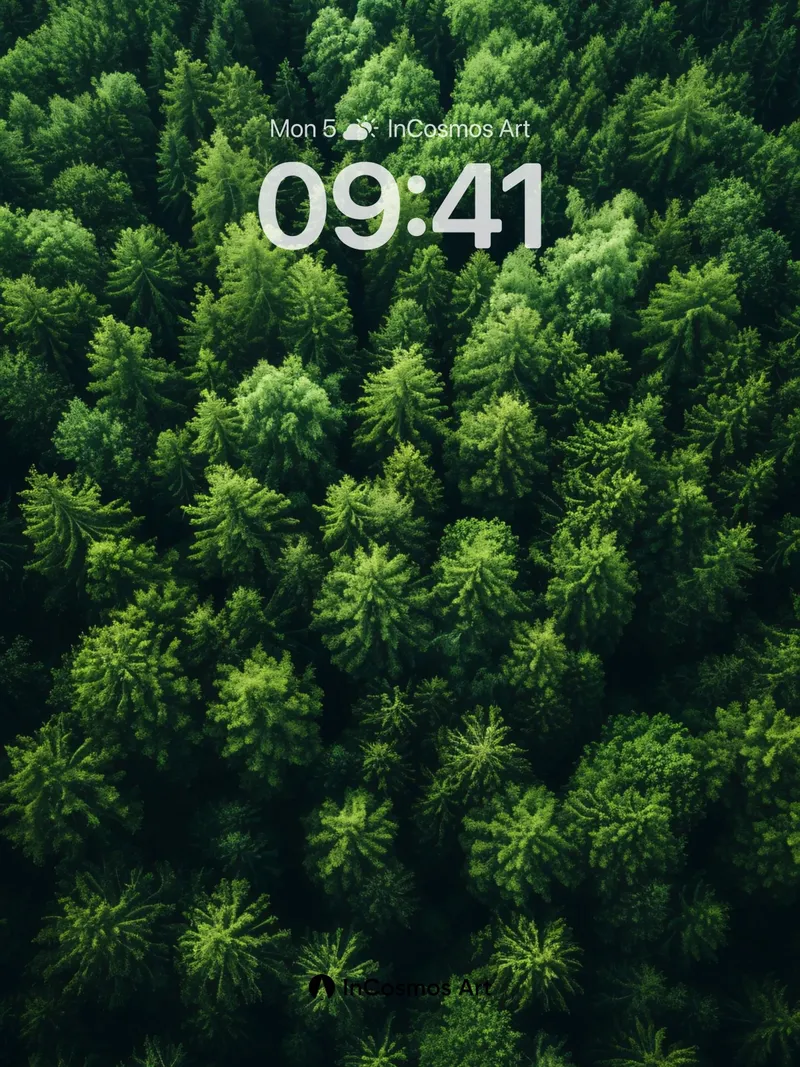
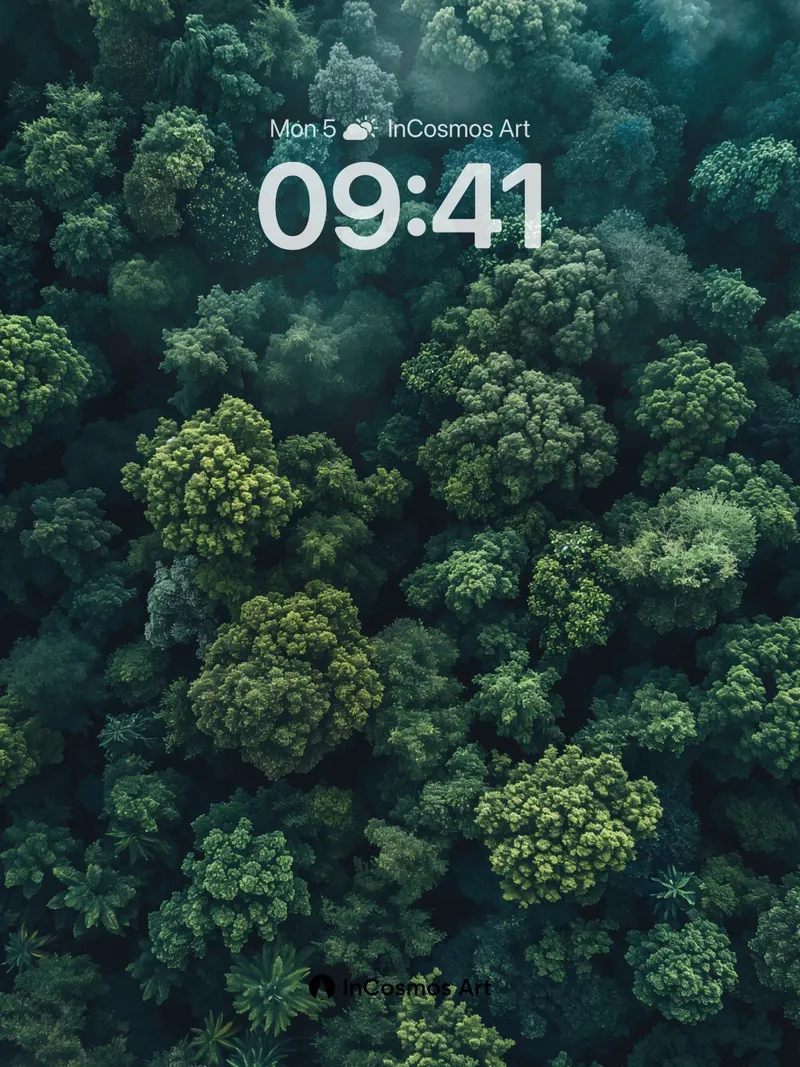
Morning mist flows slowly through the forest, the undulating canopy resembling the earth's breath. Forests in different seasons present distinct color languages, with deep greens, golden yellows, and rust reds intertwining into natural growth rings. This color variation is not merely a product of climate, but a silent dialogue of ecosystem self-regulation.
Seasonal Palette
Spring's tender green carries the vitality of breaking through soil, while summer's dense shade settles into dark green. When autumn wind brushes the treetops, chlorophyll fades, allowing carotenoids and anthocyanins to dominate the visual narrative. This color transition is not just a natural phenomenon, but a survival strategy for plants responding to light changes.
Vertical Ecology Code
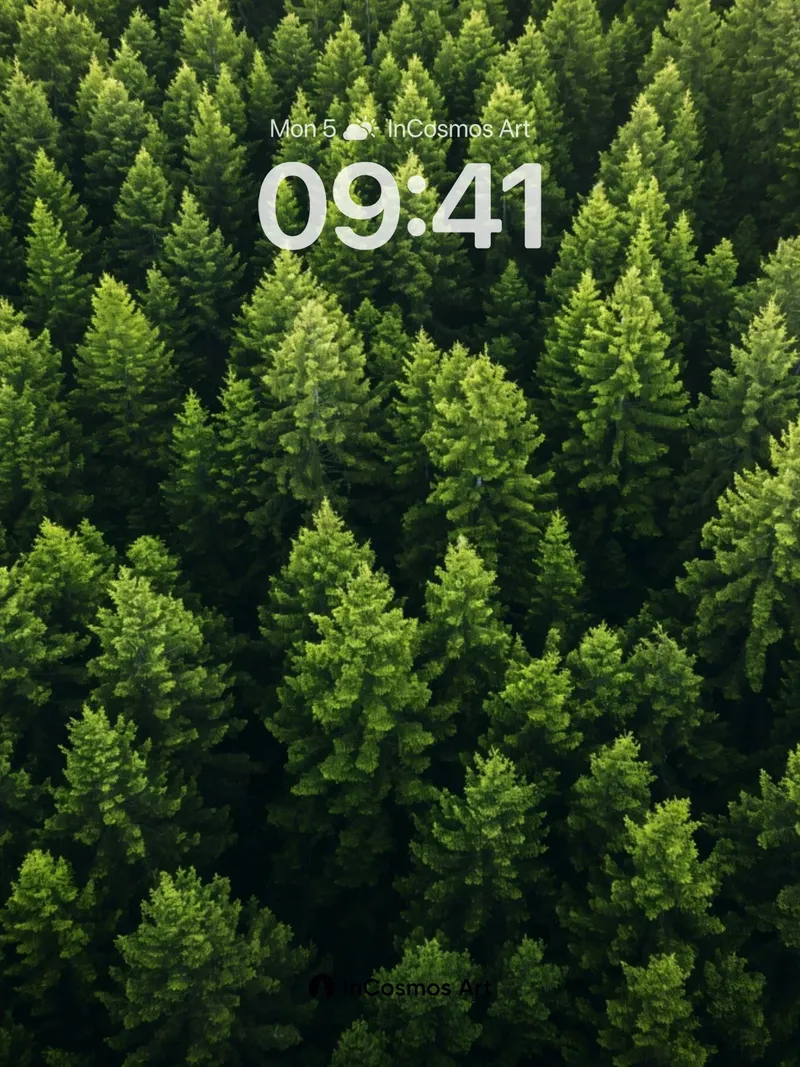
Viewed from above, forests reveal complex three-dimensional structures. Canopy layers at different heights create unique microclimates, with moss weaving carpets on lower trunks and vines building aerial corridors among branches. This vertical distribution concerns not only species competition, but also forms a precise network of energy transfer.
Water's Narrative
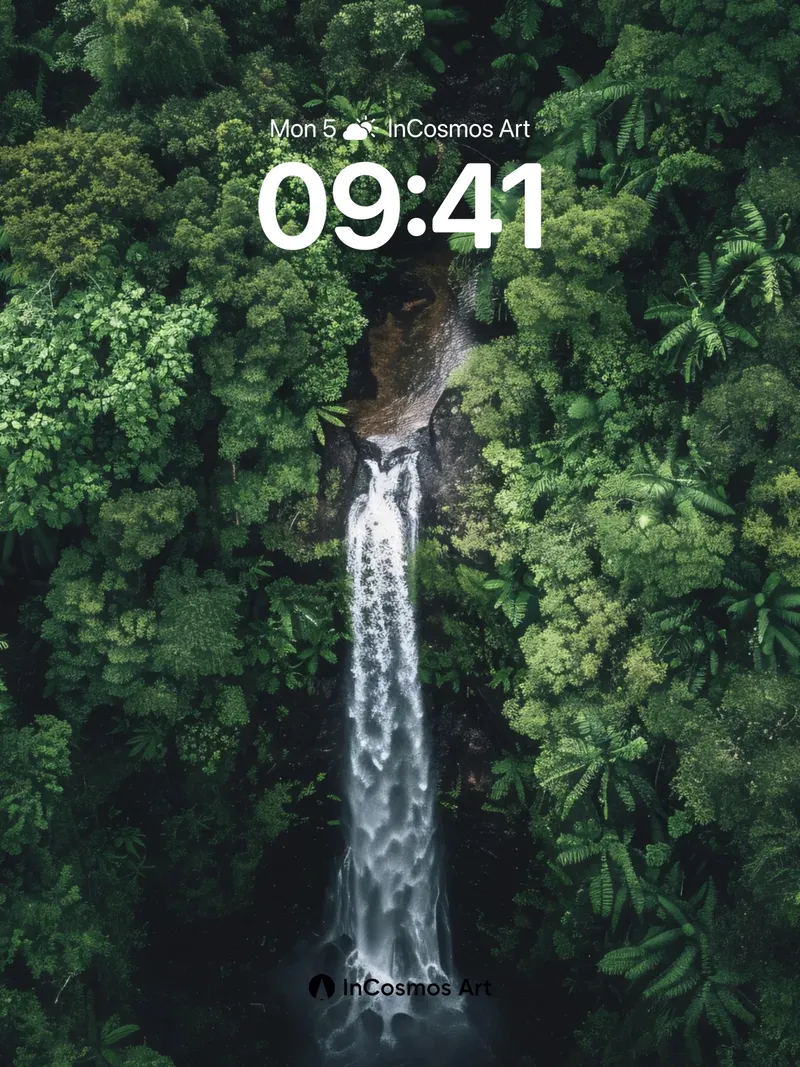
Waterfalls cascade through rock layers, their flow patterns recording geological changes. In the humid air, ferns form circular communities around waterfalls, their spores spreading with the wind to continue life cycles in rock crevices. Water bodies are not just landscape elements, but the bloodstream of ecosystems.
Path Metaphors
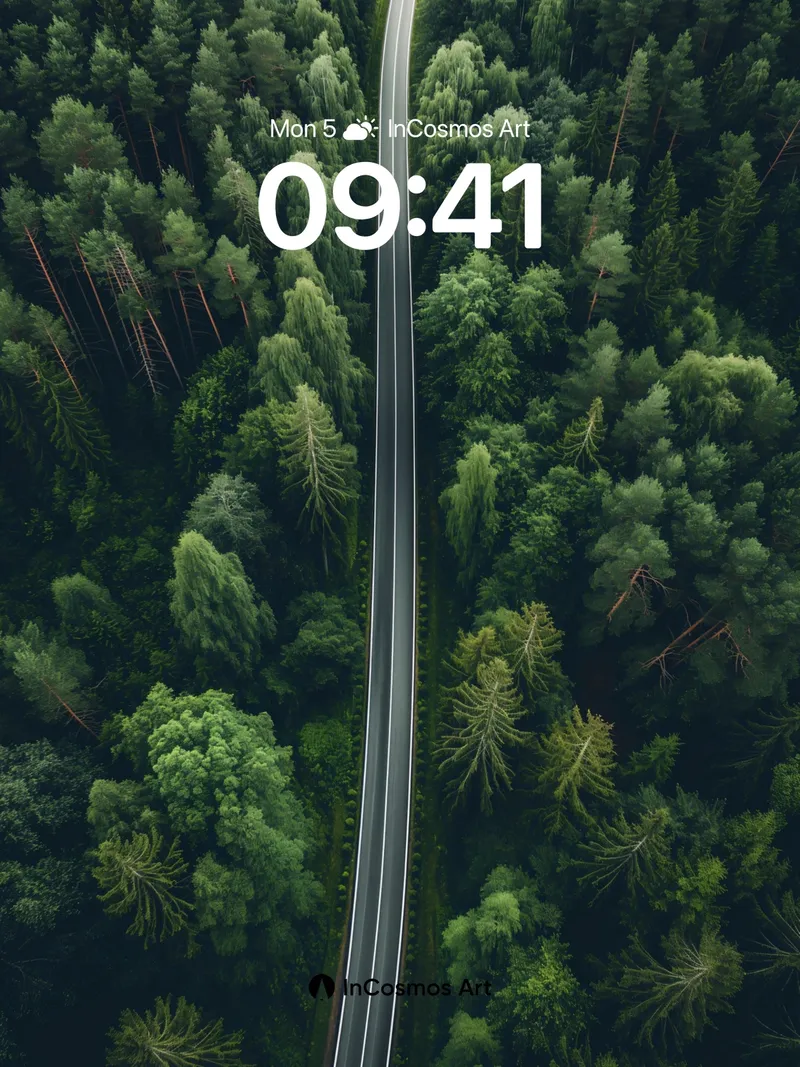
Winding roads through forests resemble temporary contracts between humans and nature. Asphalt surfaces form subtle confrontations with tree roots, both dividing ecological continuity and providing observers access to nature. This contradiction precisely reflects the eternal game between modern civilization and primal ecosystems.