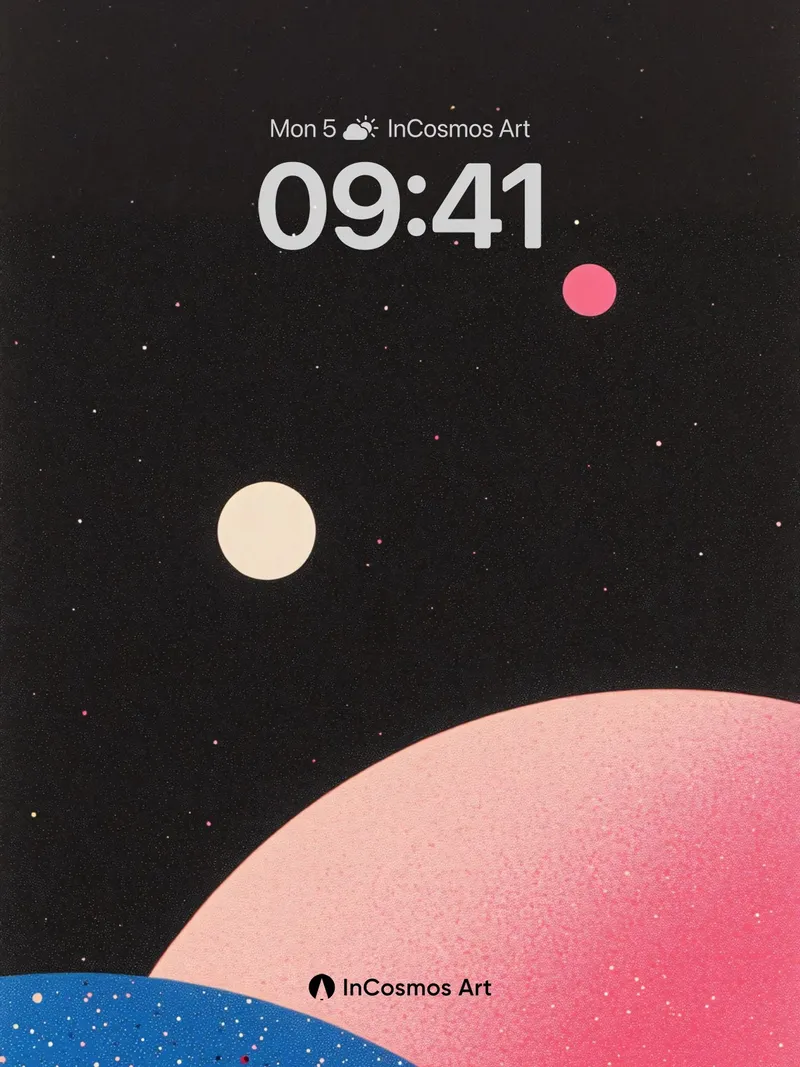
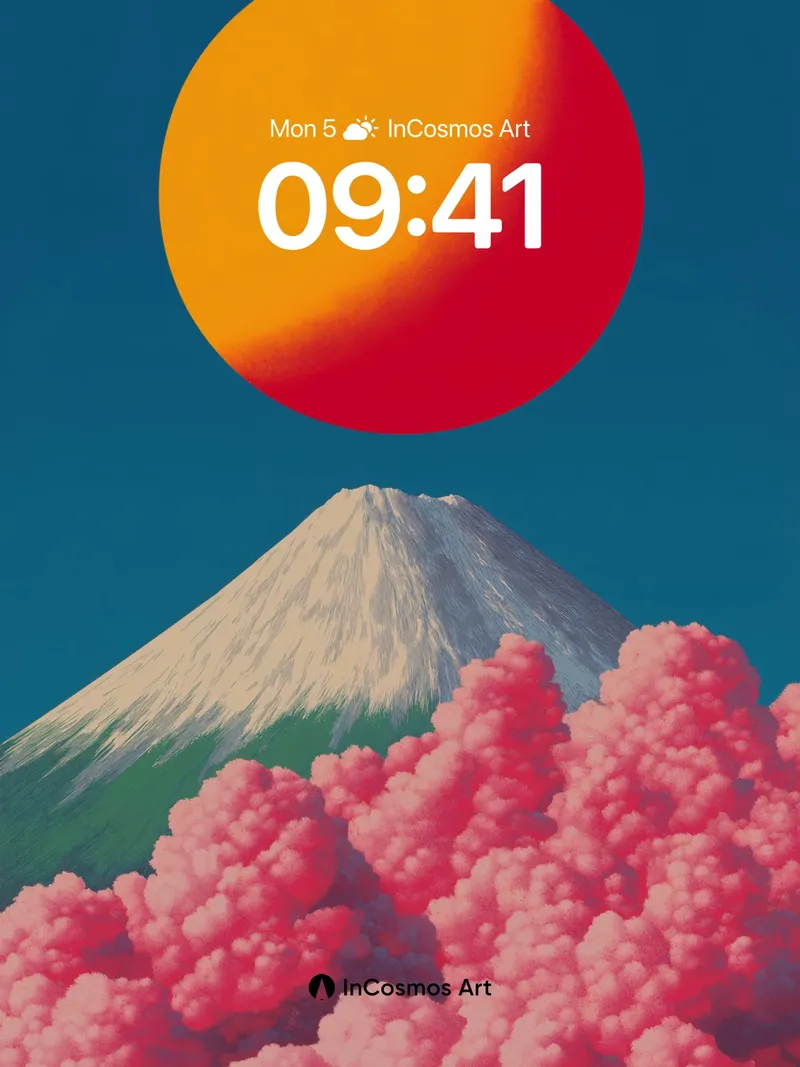
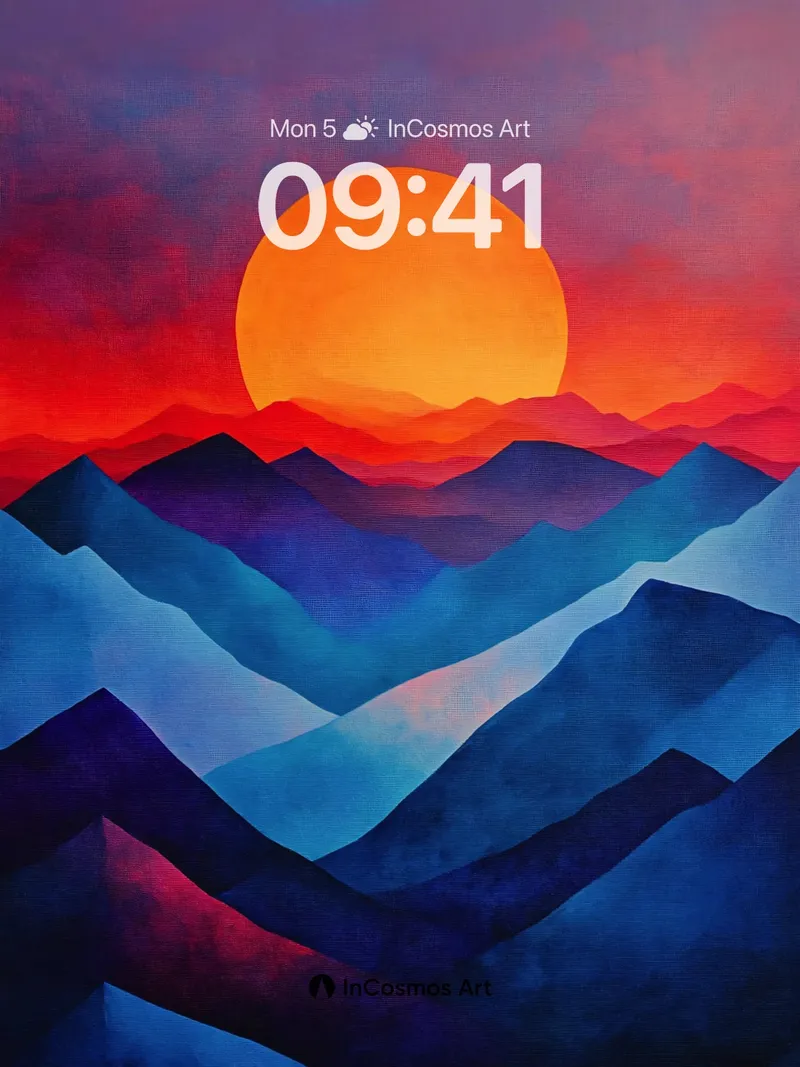
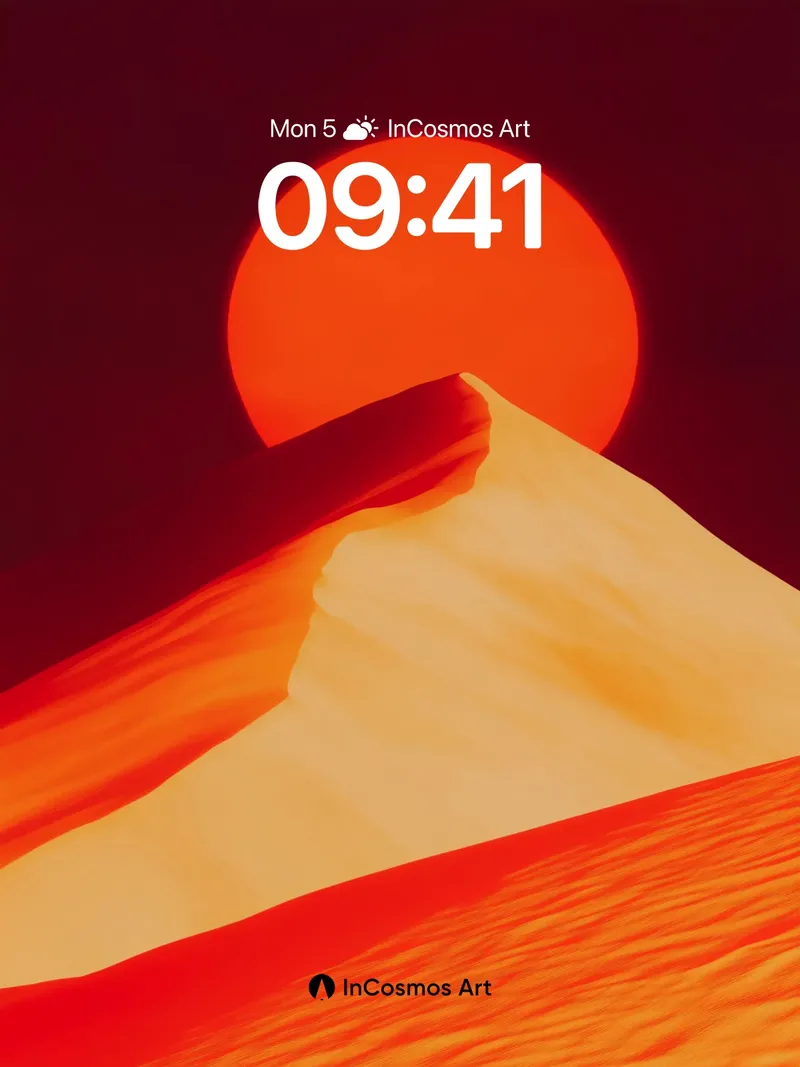
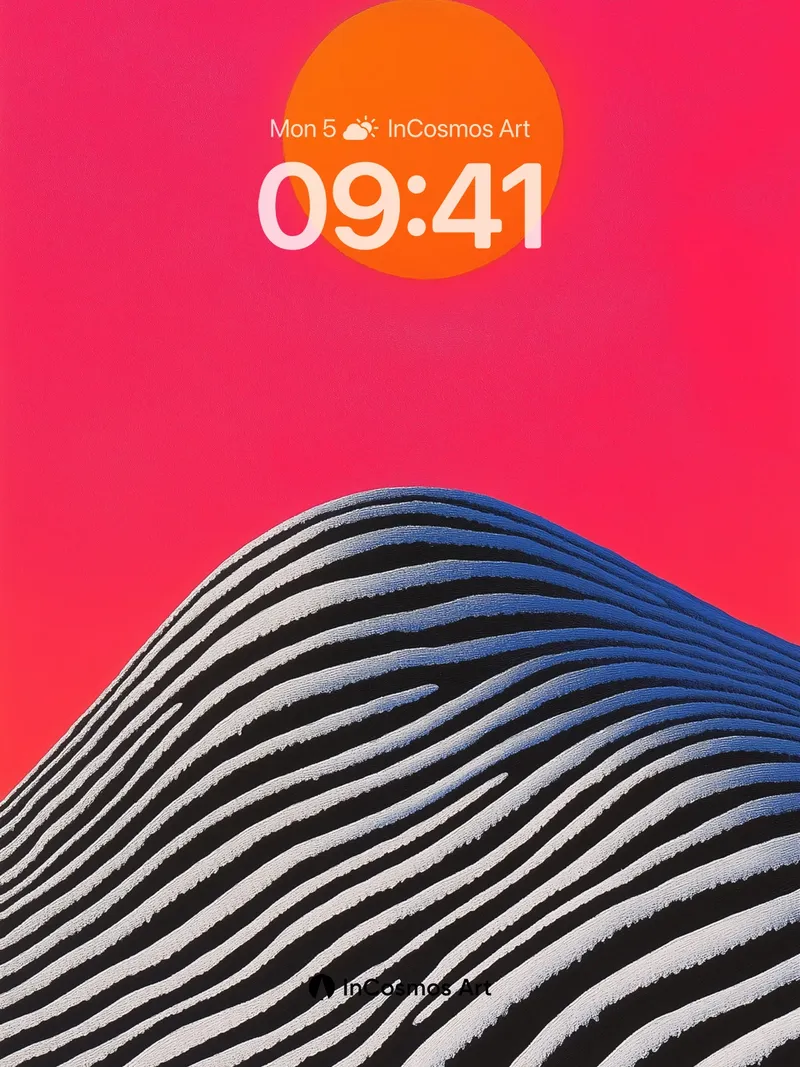
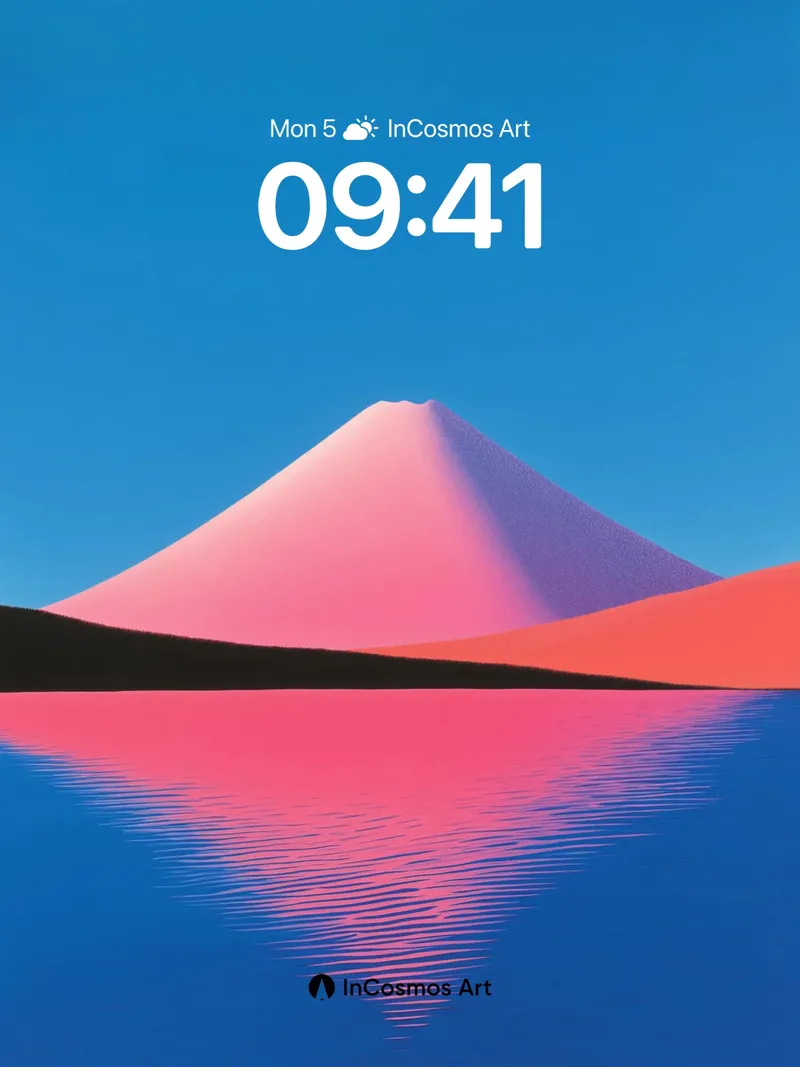
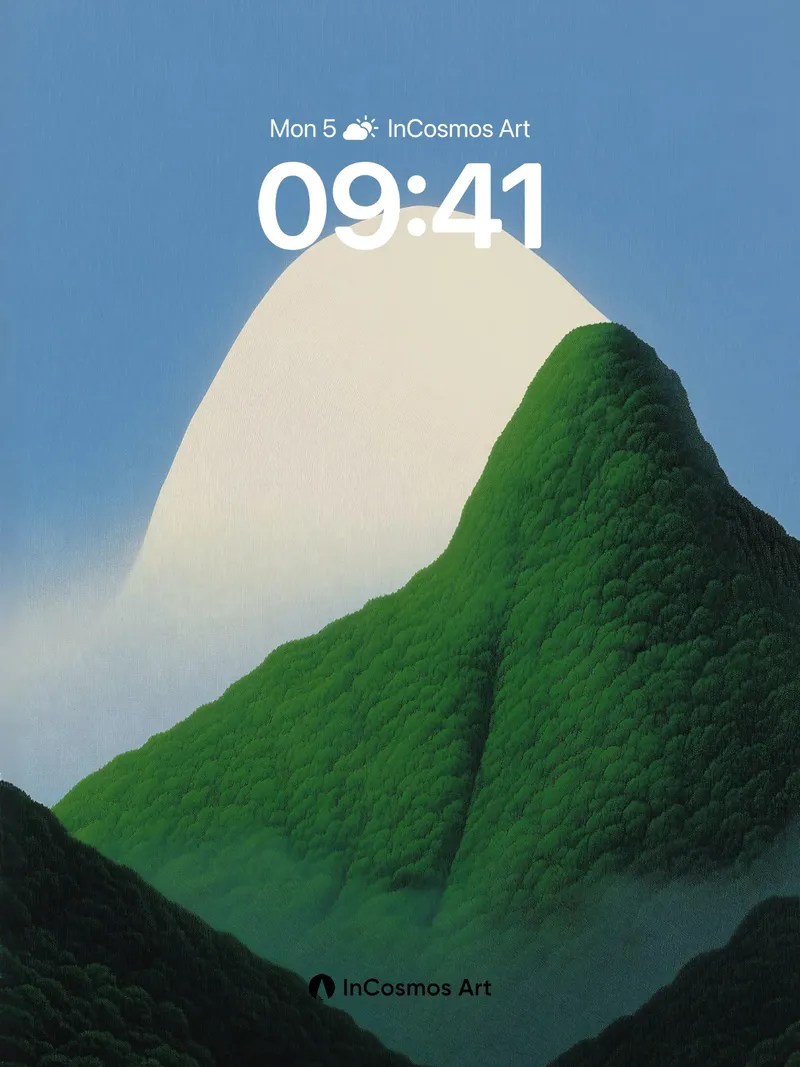
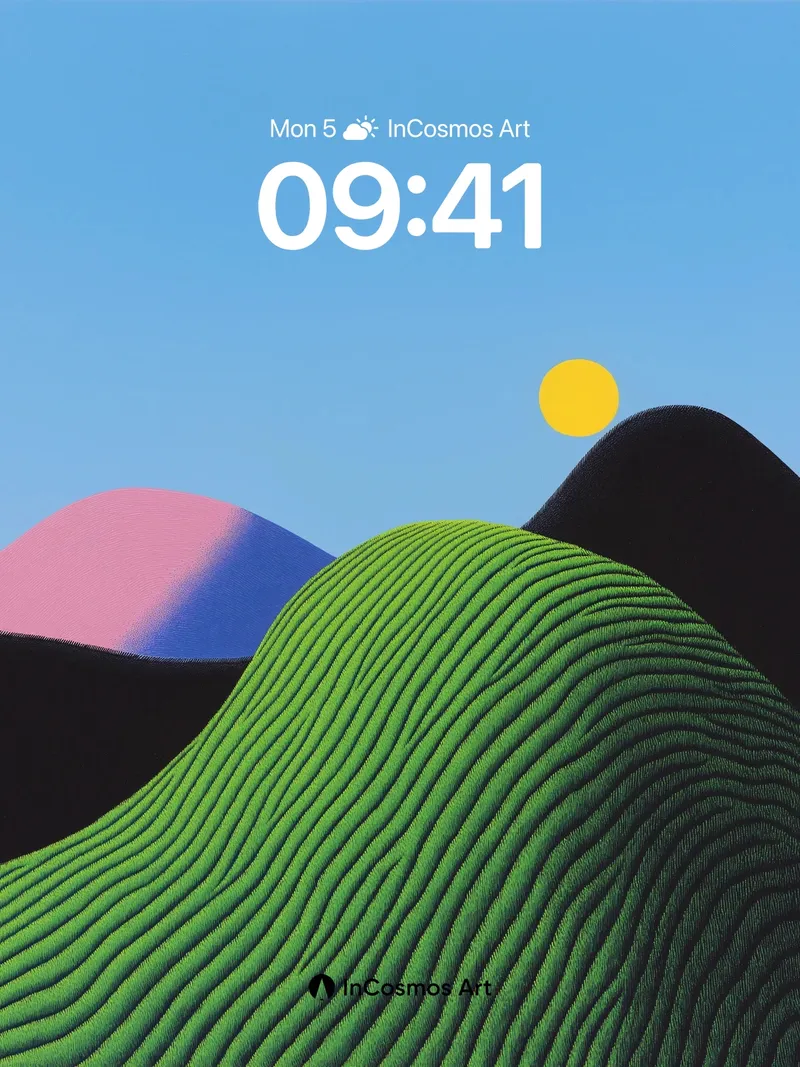
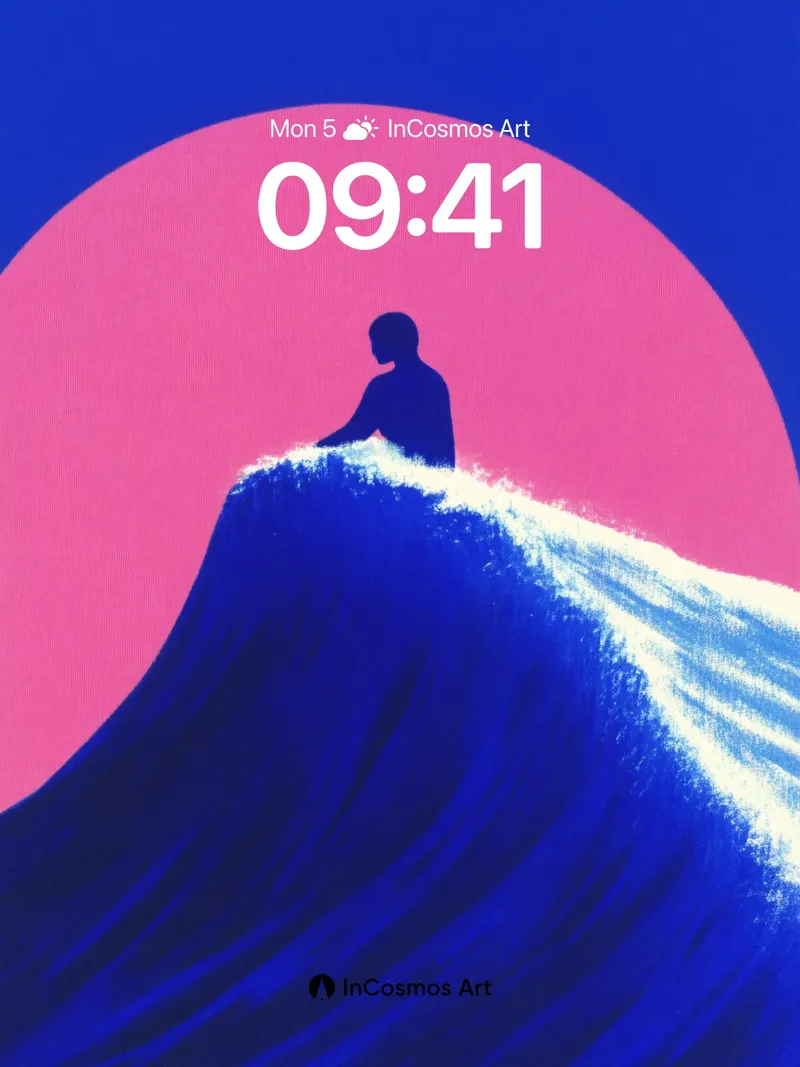
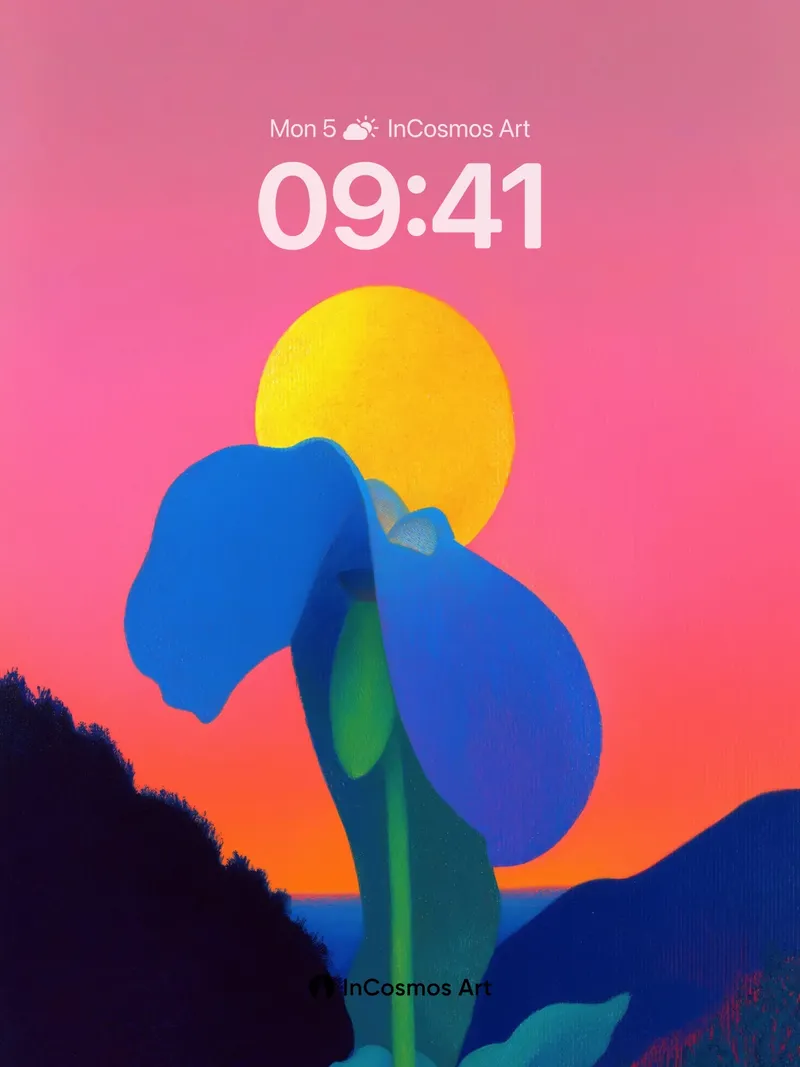
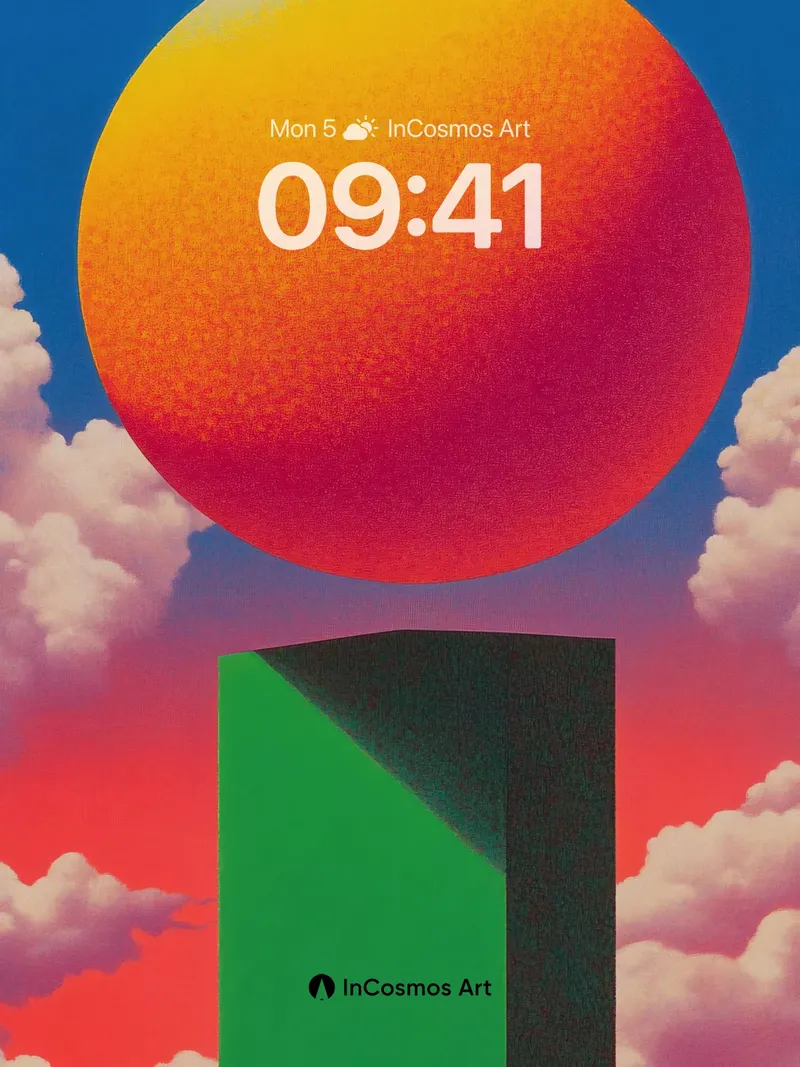
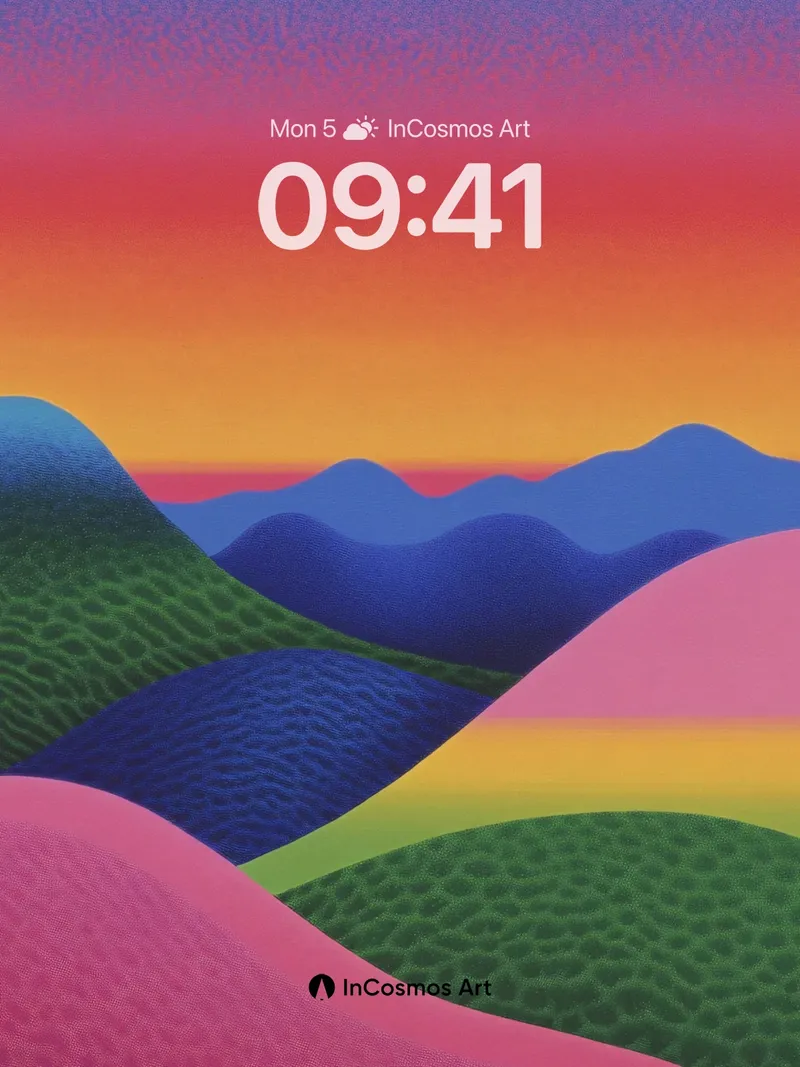
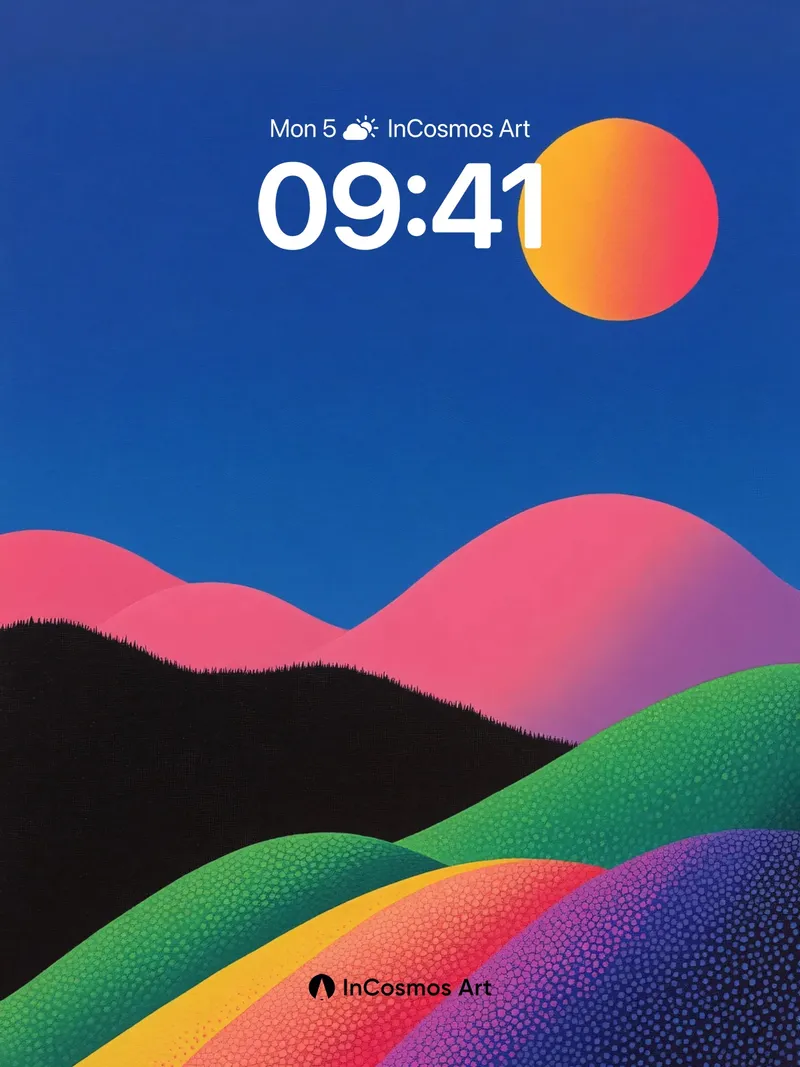
When natural landscapes are reduced to pure geometric color blocks, the complex reality reveals an almost abstract order. This visual language does not attempt to replicate natural textures but redefines the viewer's perception of scenery through color layering and shape segmentation. In a minimalist compositional logic, the sun ceases to be an astrophysical entity and becomes a floating circular symbol; mountains are no longer products of geological movement but stacks of color gradients. This approach strips away the narrative of the landscape, leaving only the emotional tension of color itself.
Minimalist Color Experiments
Color assumes the entire function of narration here. High-saturation pinks, deep blues, and grainy oranges are no longer attributes of objects but become the subjects themselves. This use of color aligns with the logic of Pop Art, emphasizing visual impact over realistic accuracy. Each block of color has a clear boundary, non-permeable to others, forming a cool and restrained visual rhythm. This rhythm dissolves the atmospheric perspective common in traditional landscape painting, placing foreground and background on the same visual plane, forcing the viewer to confront the materiality of color itself.
Geometrized Natural Order
The contours of the mountains are treated with exceptional smoothness, as if calculated by mathematical formulas. This geometric treatment is not to pursue a futuristic style but to extract the most essential structures of the natural landscape. Circular suns, triangular mountain bodies, and wavy horizons form the skeleton of the composition. Under this order, the chaos of nature is tamed and transformed into a symbol system that can be rationally interpreted. This transformation carries a cool sense of detachment, creating a strange distance for the viewer when facing familiar scenery.
Grain Texture and Emotional Temperature
Although the composition is filled with rational geometric structures, the fine grain texture injects a hint of warmth into this cool style. This texture resembles the noise of vintage prints or film photography, adding a tactile dimension to the flat color blocks. It suggests an artificial trace, reminding the viewer that this is not a direct record of nature but a reproduction translated through media. The existence of this texture balances the brightness of the colors, preventing the image from falling into excessive digitality and retaining a nostalgic vibe of the analog era.
A Suspended Visual Experience
Elements in the composition often present a state of weightlessness. The sun floats in the deep blue background, and mountains drift above pink clouds; this layout breaks the conventional logic of gravity. This sense of suspension creates a dreamlike atmosphere, detaching the landscape from specific geographical locations to become a universal psychological landscape. In this landscape, the gravity of reality is replaced by the buoyancy of color, allowing the viewer to rethink the relationship between humanity and nature, form and content, within a light visual experience.