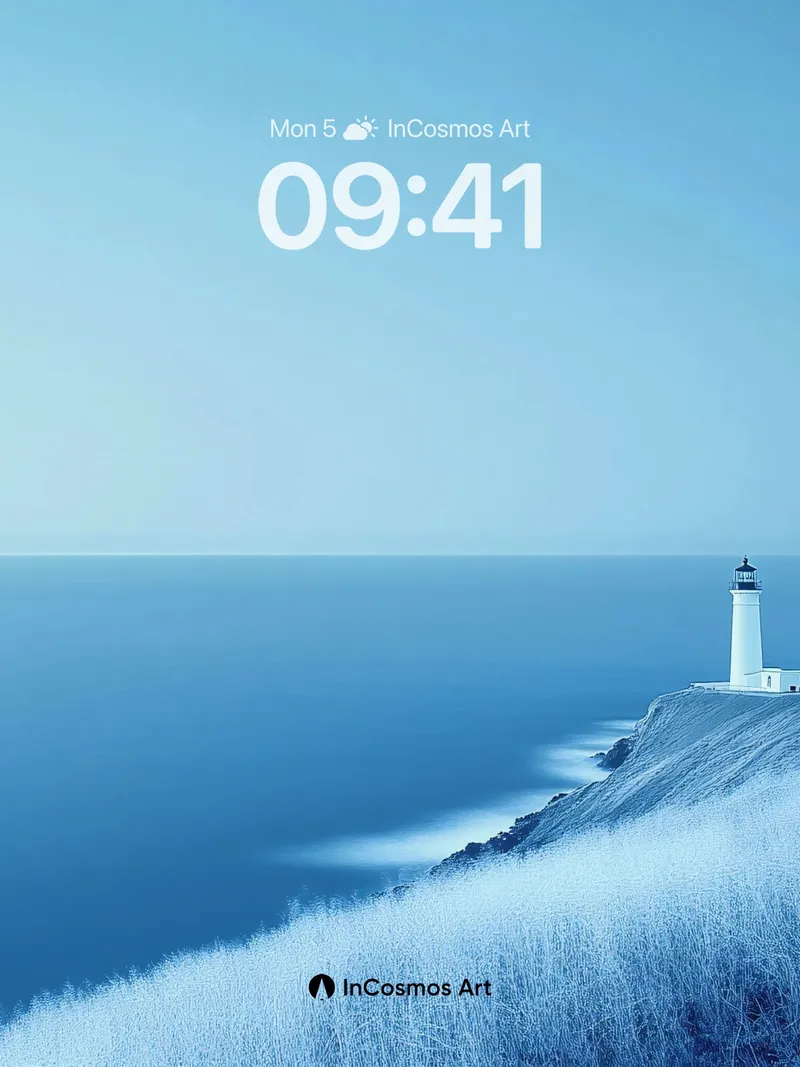
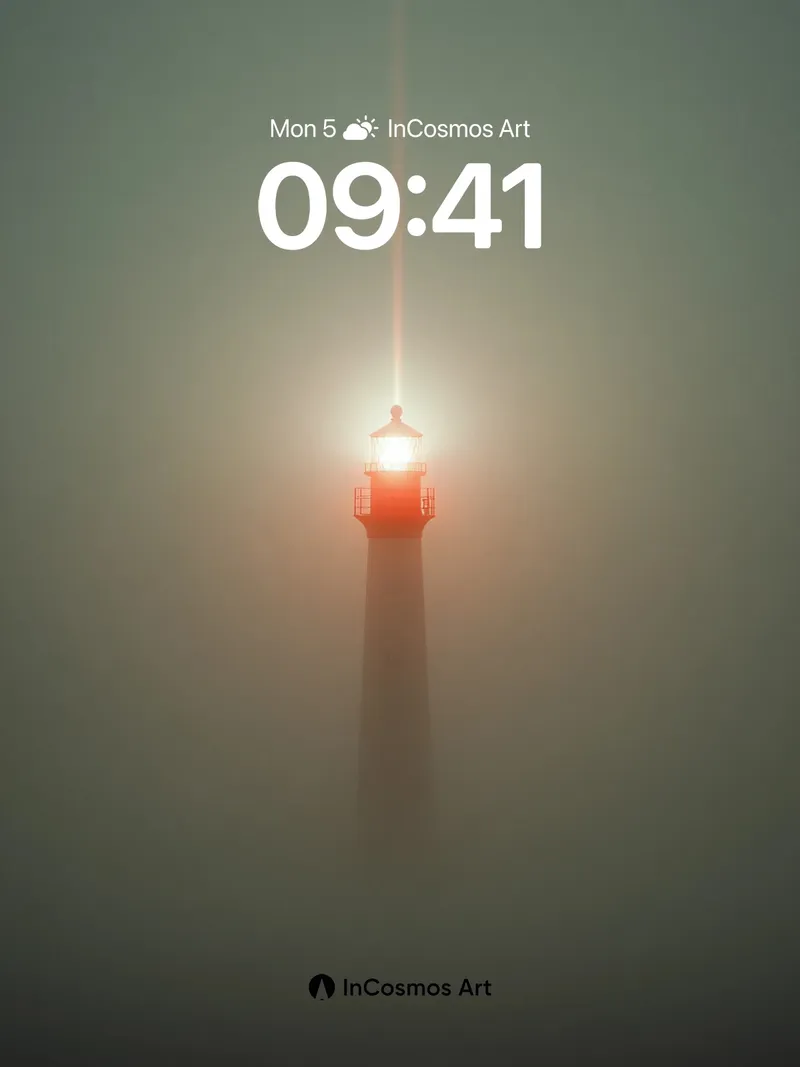
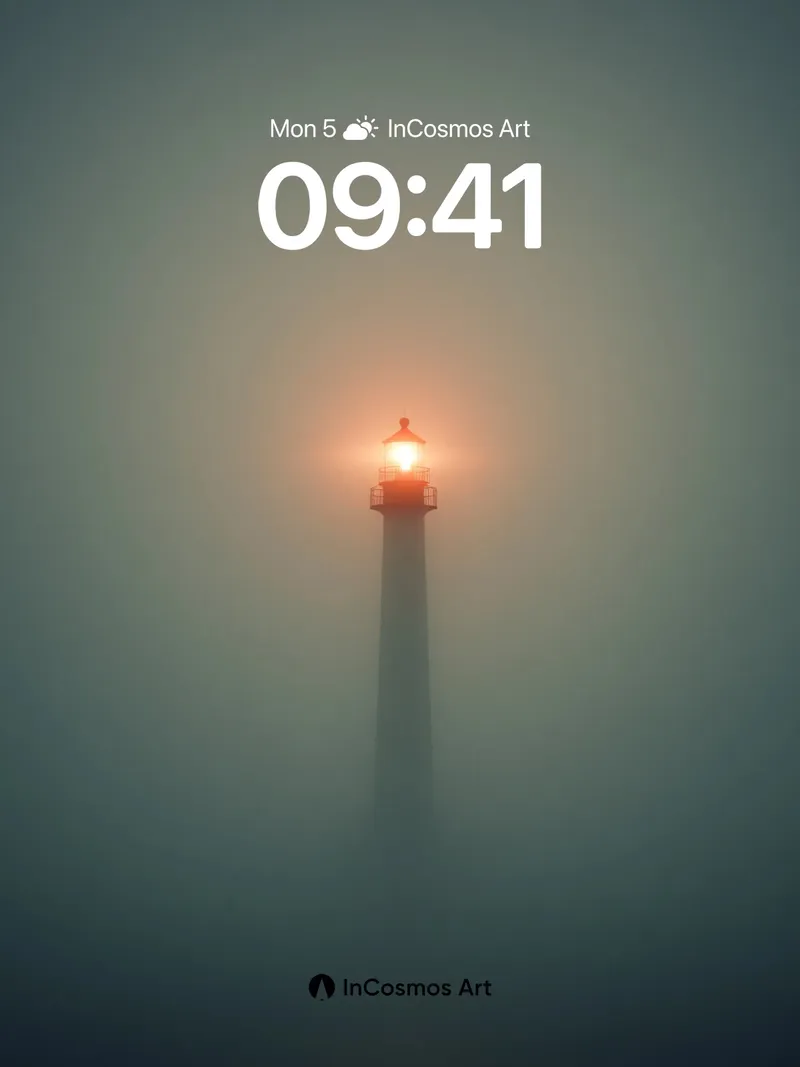
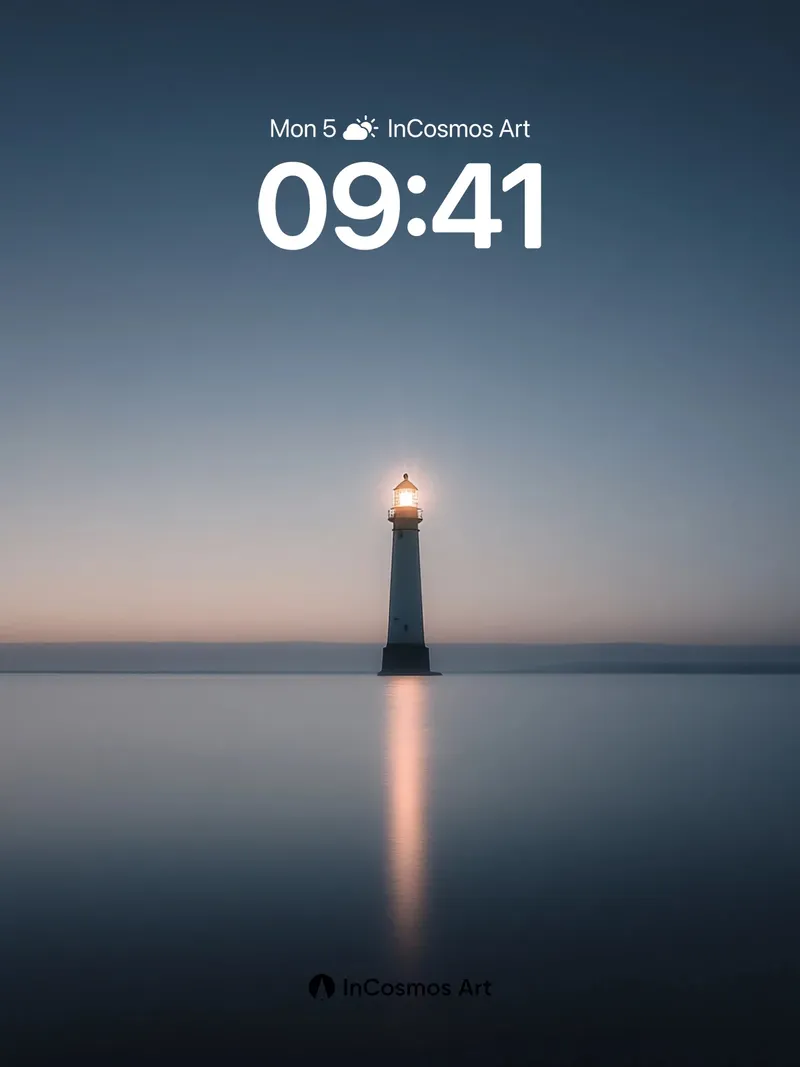
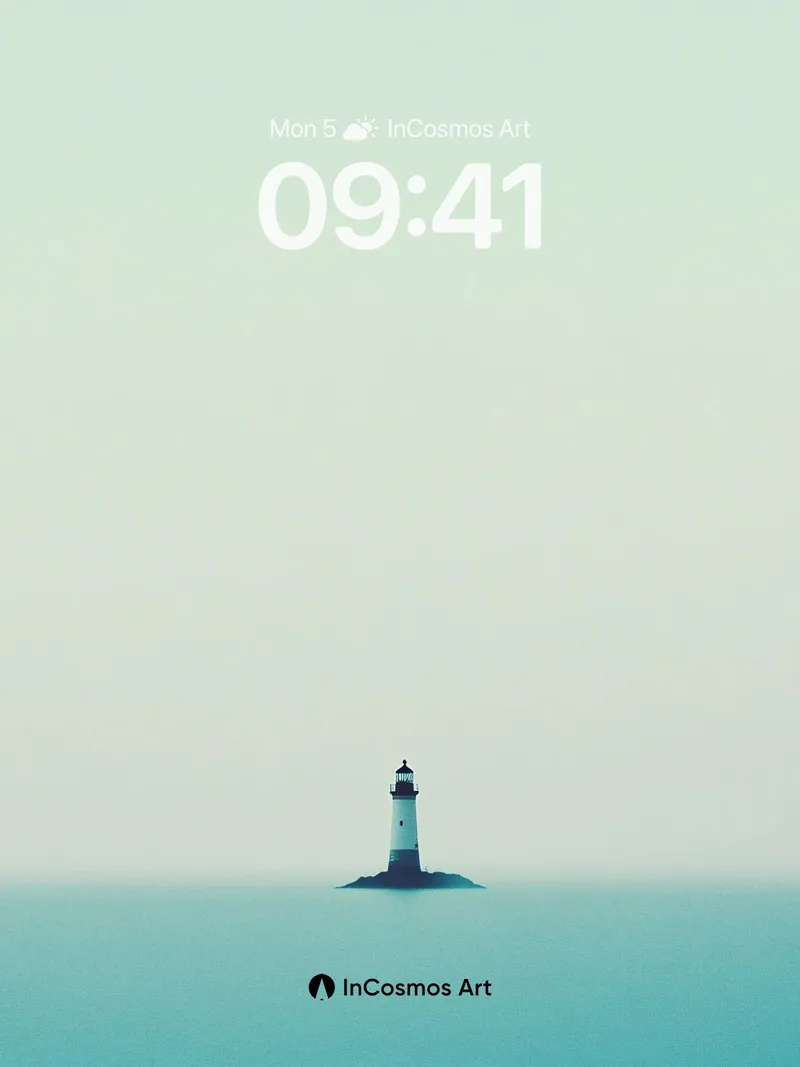
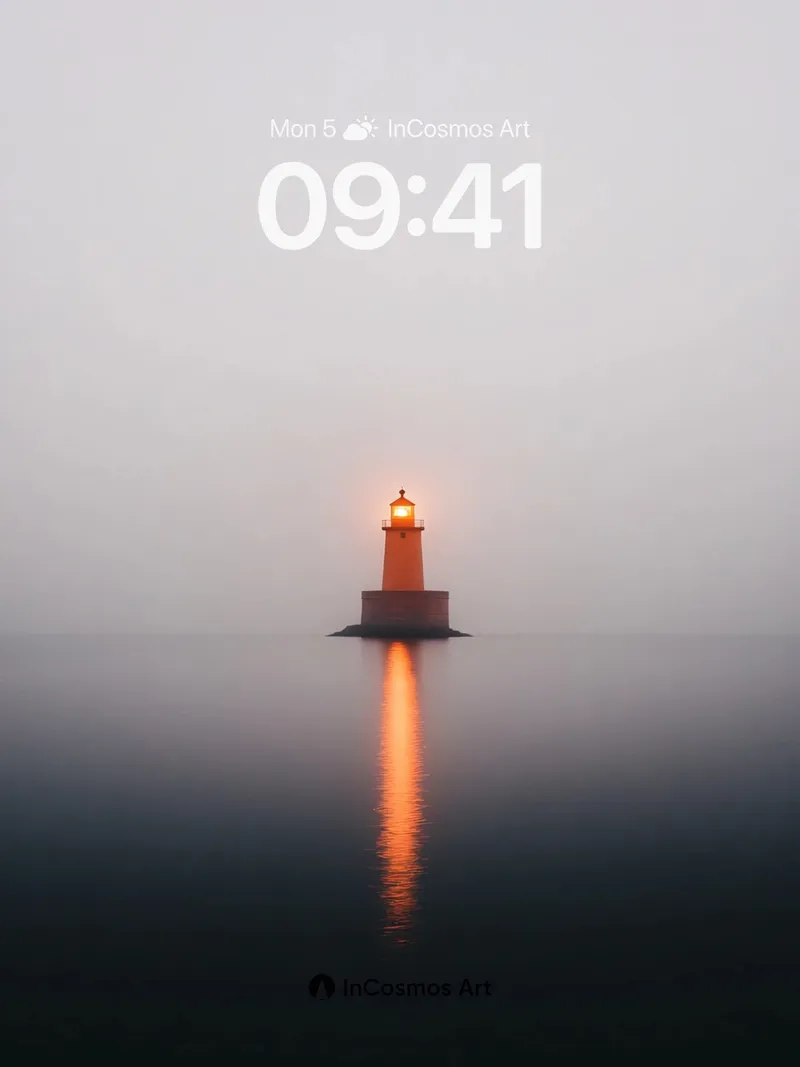
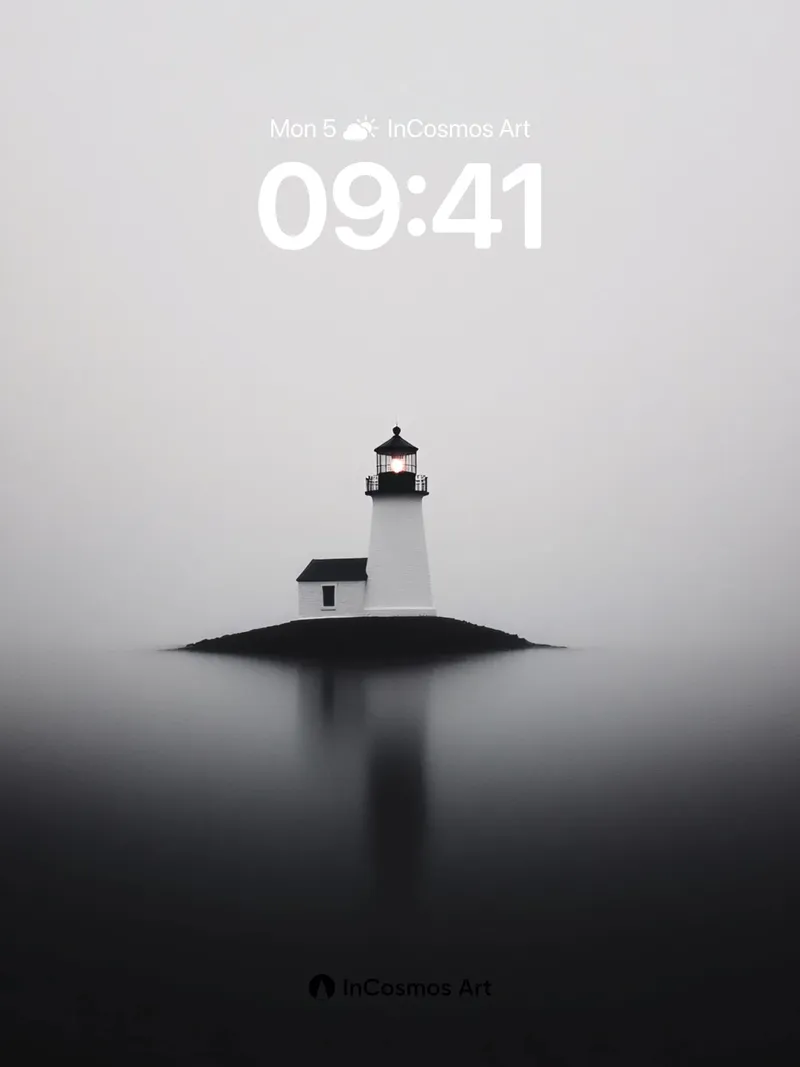
Between endless water and sky, a lighthouse stands. It speaks no words, yet its light cuts through darkness, its shadow casts upon the surface, becoming a coordinate of time and space. Its presence is not for visibility, but for necessity. When the world sinks into fog, when vision dissolves into gray, that single point of light becomes the only anchor. Humans build lighthouses to resist the devouring unknown, to guide travelers, and to comfort solitary souls. This structure is more than navigation; it is a symbol, a persistent belief in order, hope, and constancy.
Light as Language
Light in darkness is not decoration—it is function, meaning. The rotating beam of the lighthouse pulses like a heartbeat, steady and unwavering. It does not rely on language, yet delivers the most direct message: shore exists, passage is possible. In the digital age, information flows at gigabit speeds, yet humans still crave slow, stable, unalterable signals. The lighthouse’s glow is precisely such a primitive yet powerful language—no explanation, only existence; no persuasion, only illumination.
Philosophy in Fog
Fog blurs the world. It erases boundaries, confuses reality with illusion. Yet it is within this chaos that the lighthouse's light becomes most precious. It does not dispel the fog, but penetrates it, becoming a transmissive presence. When facing uncertainty, humans often seek clarity, but the lighthouse teaches: sometimes, the mere existence of light is the answer. It does not promise safety, only possibility. This silent endurance holds more power than any declaration.
Aesthetic of Solitude
Lighthouses are often distant from people, suspended over water or perched on cliffs. This isolation is not a flaw—it is intrinsic. They do not need an audience, nor applause. Their value lies in service, not display. This solitude is an active choice, a focus on purpose. In modern society, people fear loneliness, yet often lose themselves in noise. The lighthouse reminds us that true meaning often emerges in silence.
Reflection on Water
Calm water mirrors the lighthouse, creating a symmetrical visual form. This is not merely physical—it is metaphorical: the relationship between reality and ideal, existence and perception. The reflection is not real, yet essential. It reveals that meaning resides not only in the object itself, but in how it is perceived. The lighthouse’s light shines outward, yet also inward—on the water, it sees itself.