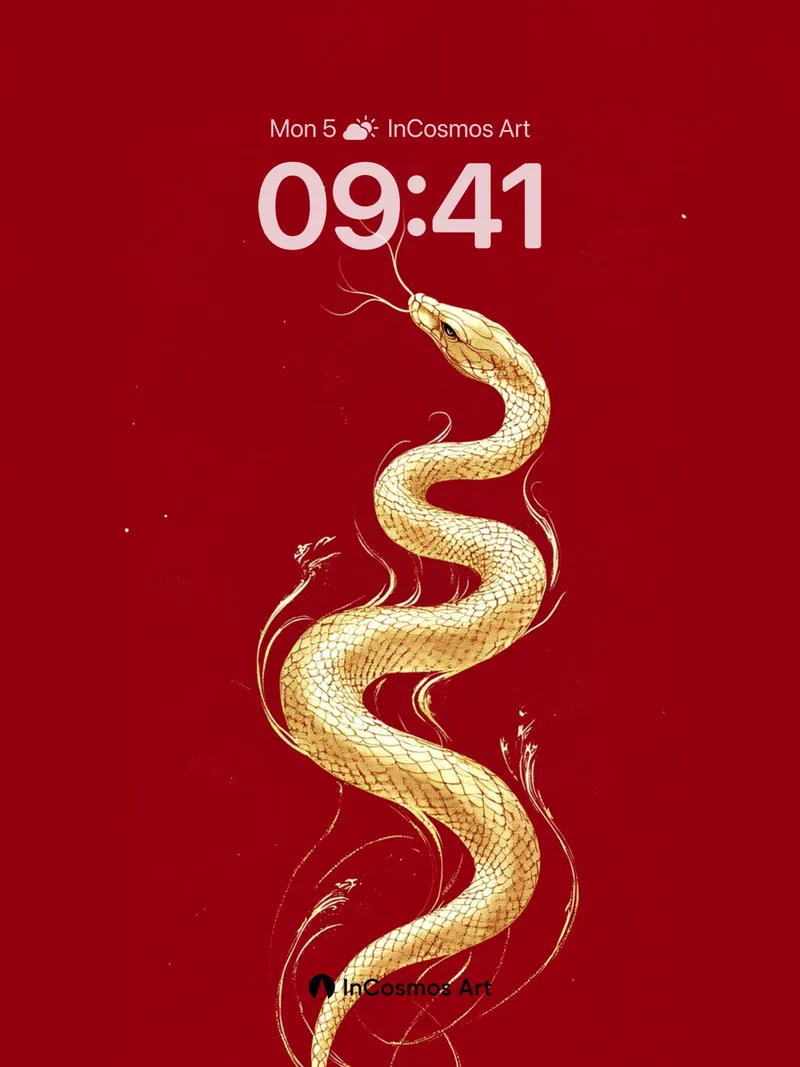
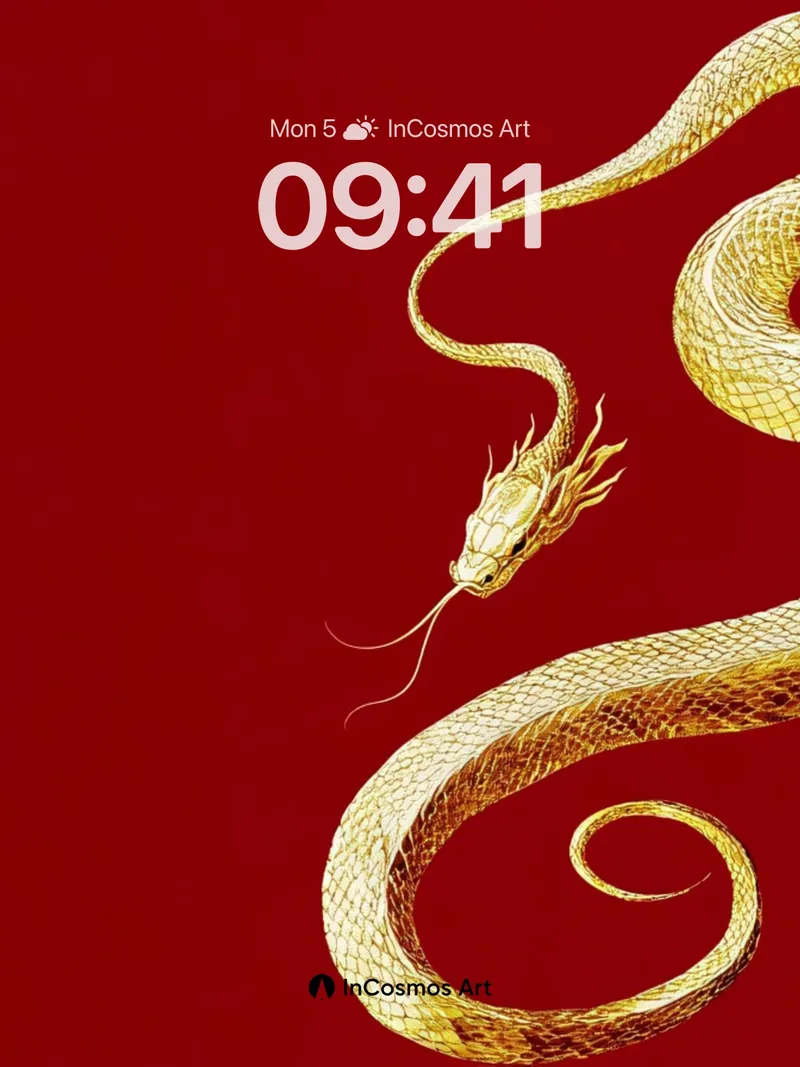
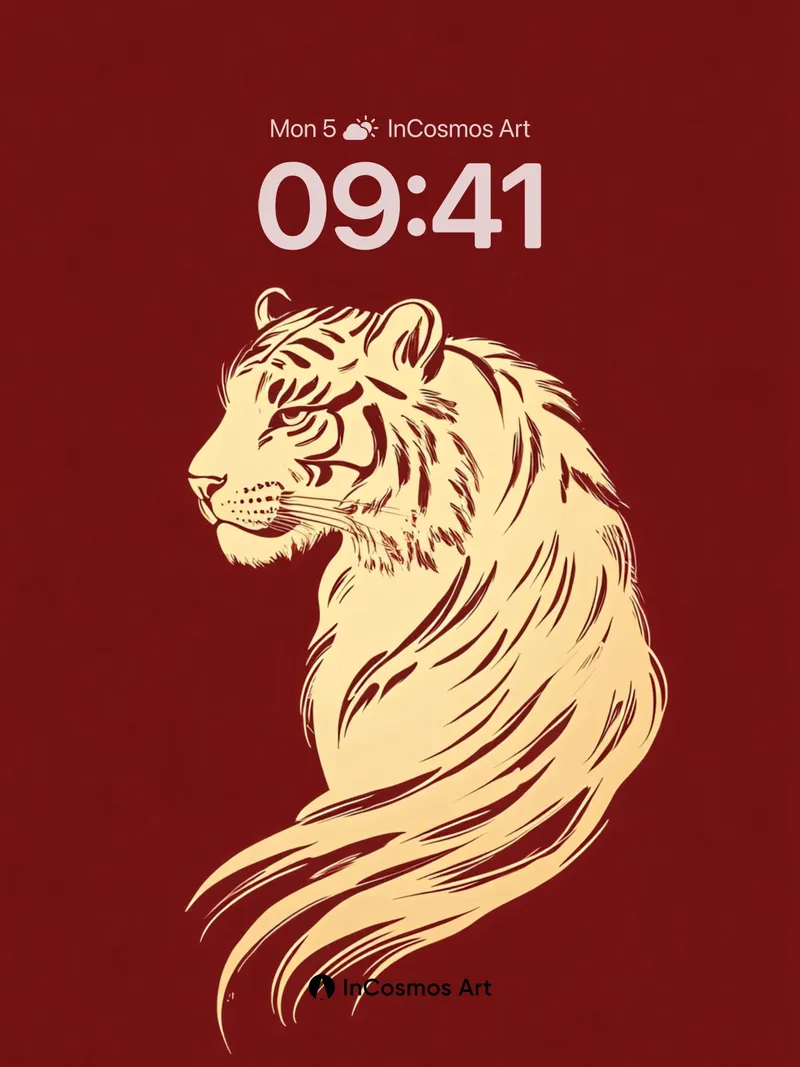
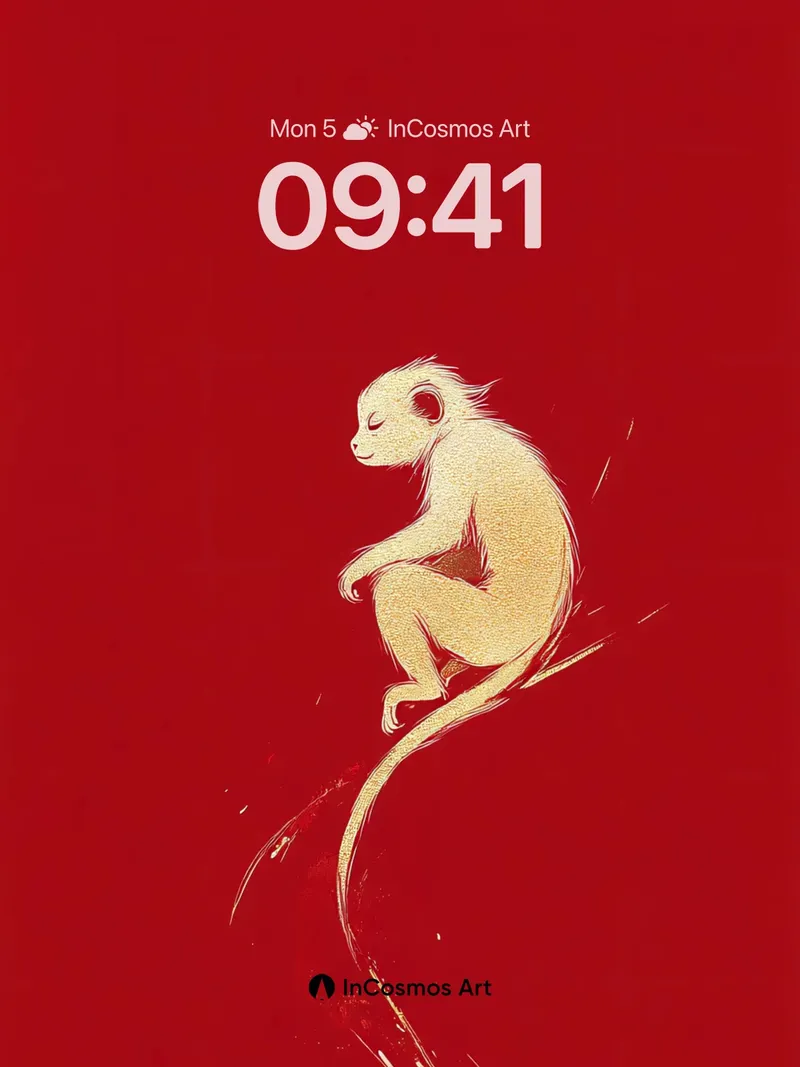
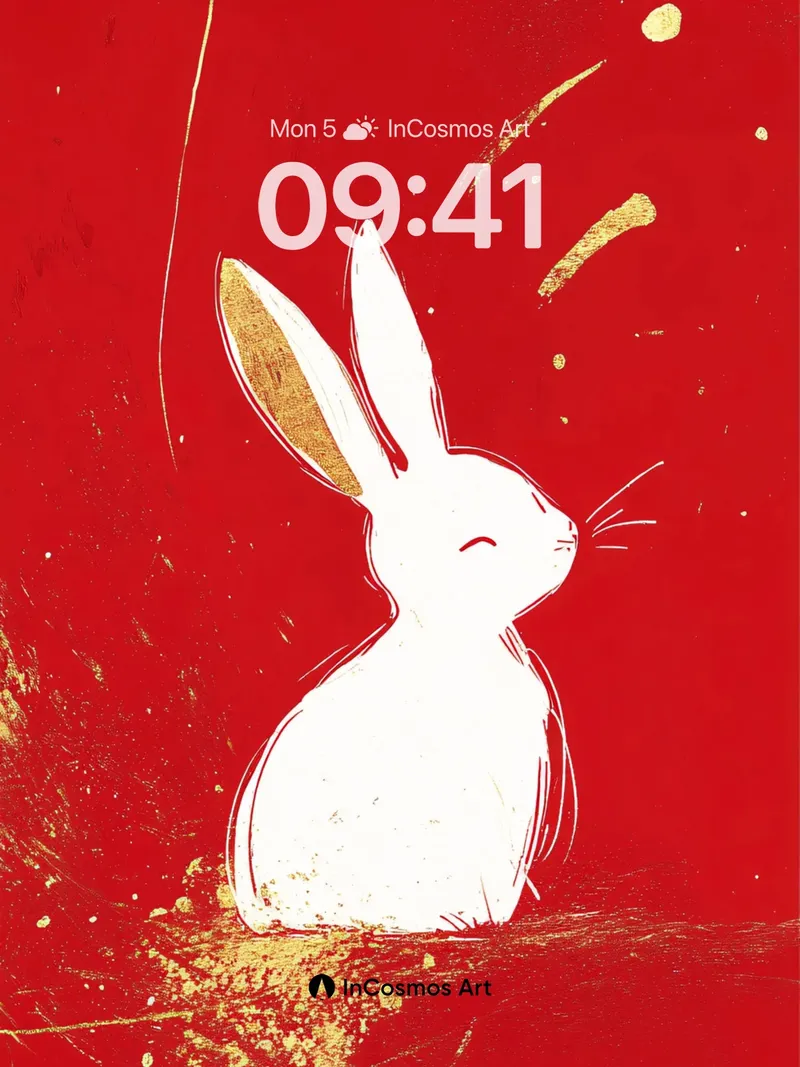
Under the glow of red and gold, the twelve zodiac animals transcend mere calendar markers to become totems carrying millennia of cultural memory. Each creature enters the river of time with distinct posture, motion, and essence, serving as metaphor for fate, character, and cosmic order within collective consciousness. The snake’s coil mirrors destiny's thread, the dragon’s spiral embodies divine mandate, the rabbit’s stillness holds spirit, the ox’s strength reflects agrarian roots. These forms do not exist in isolation but build a complete cultural grammar through visual language. Gold lines trace not just outlines but the nervous system of national spirit. They flow across crimson cloth like echoes in bloodlines. Every symbol acts as a call, awakening awareness of one’s place in existence.
Animals as Containers of Time
The zodiac cycles form a closed temporal system. The rat’s alertness initiates new eras, the tiger’s presence upholds order, the rooster’s crow marks daily rhythm. These creatures are imbued with anthropomorphic traits, becoming projections of individual fate. Their existence extends beyond biology into philosophy and psychology. People seek belonging in signs, confirming identity through repetition. This cycle is not mechanical but ritualistic regeneration. Each return honors the past while anticipating the future.
Ritual Aesthetics of Red and Gold
The red background serves as emotional ground—symbolizing passion, warning, and celebration. Golden lines elevate the mundane to sacred, transforming ordinary animals into deity-like figures. This color pairing originates from traditional festivals and imperial symbolism, enduring in contemporary expression. It is more than decoration; it functions as cultural code, conveying aspirations for auspiciousness, dignity, and harmony. In modern contexts, this visual language maintains strong resonance, acting as a bridge between past and present.
Modern Reinterpretation of theTotem
Contemporary design reimagines ancestral symbols to align with digital-age logic. Clean lines, dynamic composition, and high-contrast hues enhance recognizability. These signs no longer belong solely to temples or couplets but inhabit smartphone screens, social media, and fashion. This transformation is not erasure but continuity—allowing ancient emblems to gain vitality in new mediums. Thus, zodiac culture endures, continuously reshaping public psyche and aesthetic preferences.