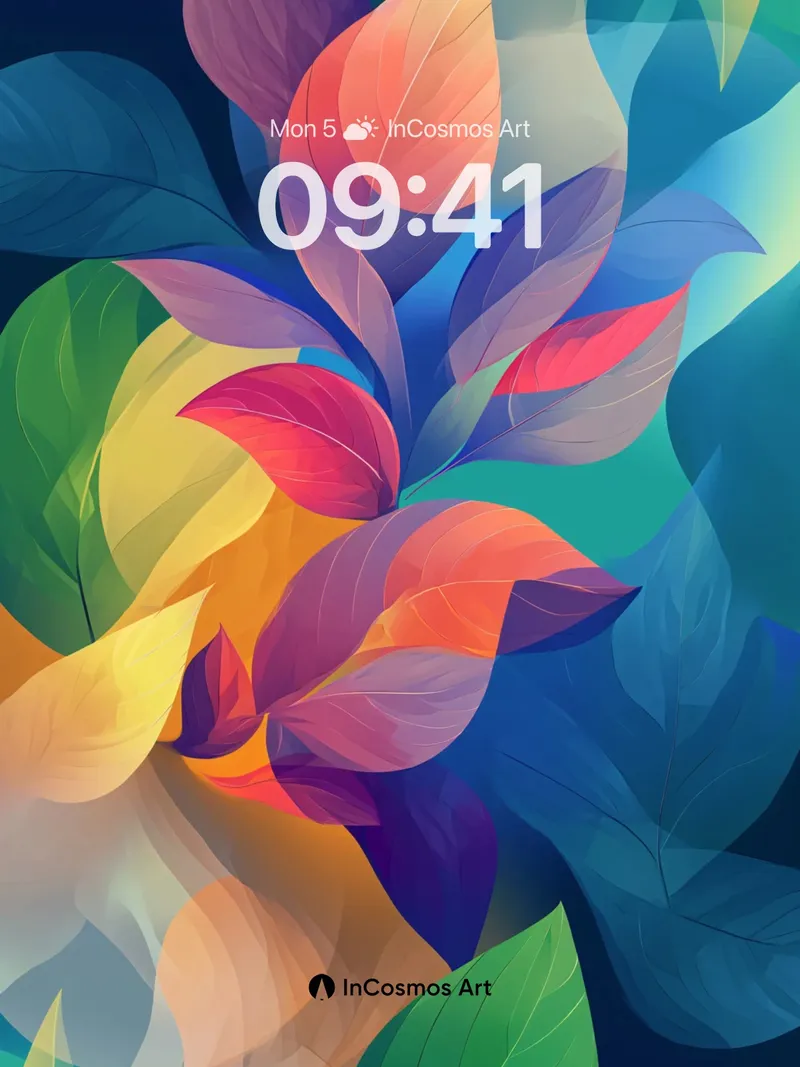
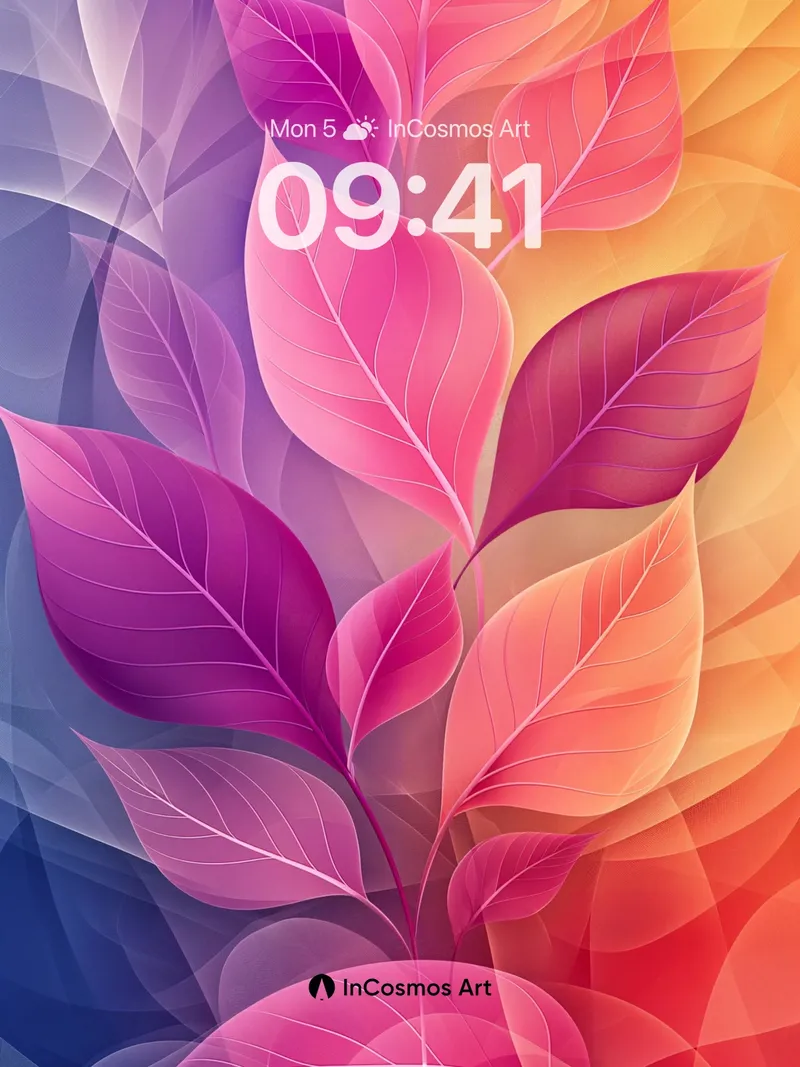
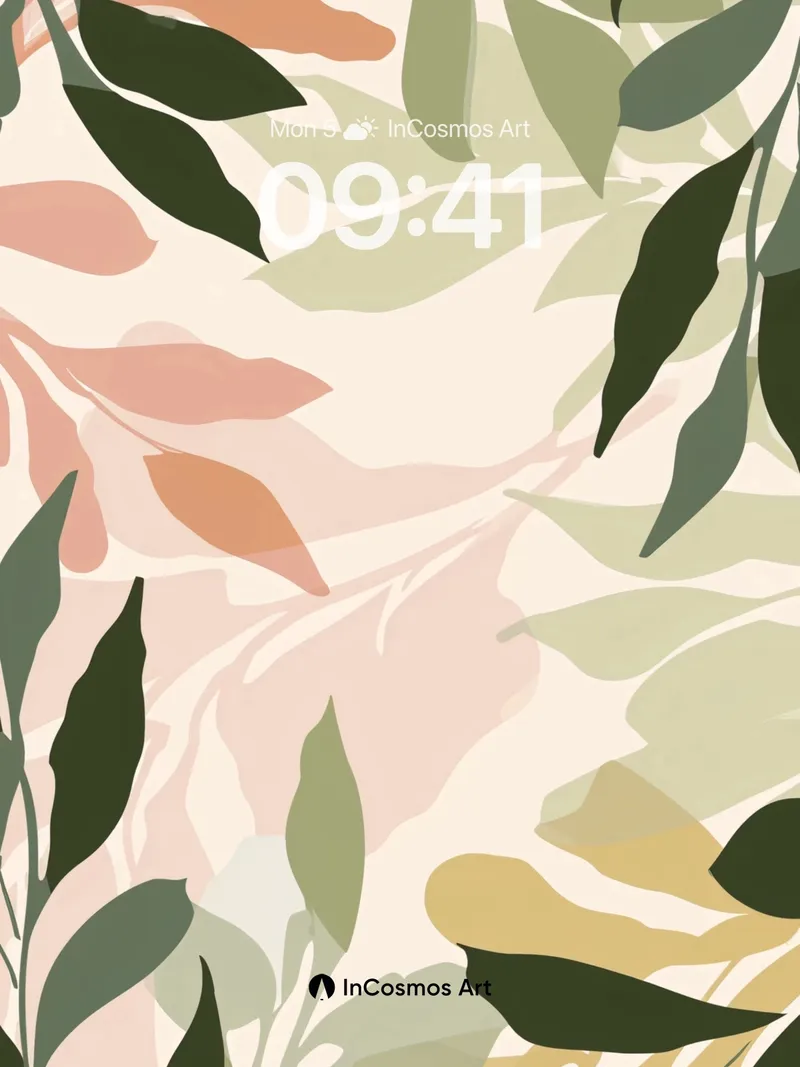
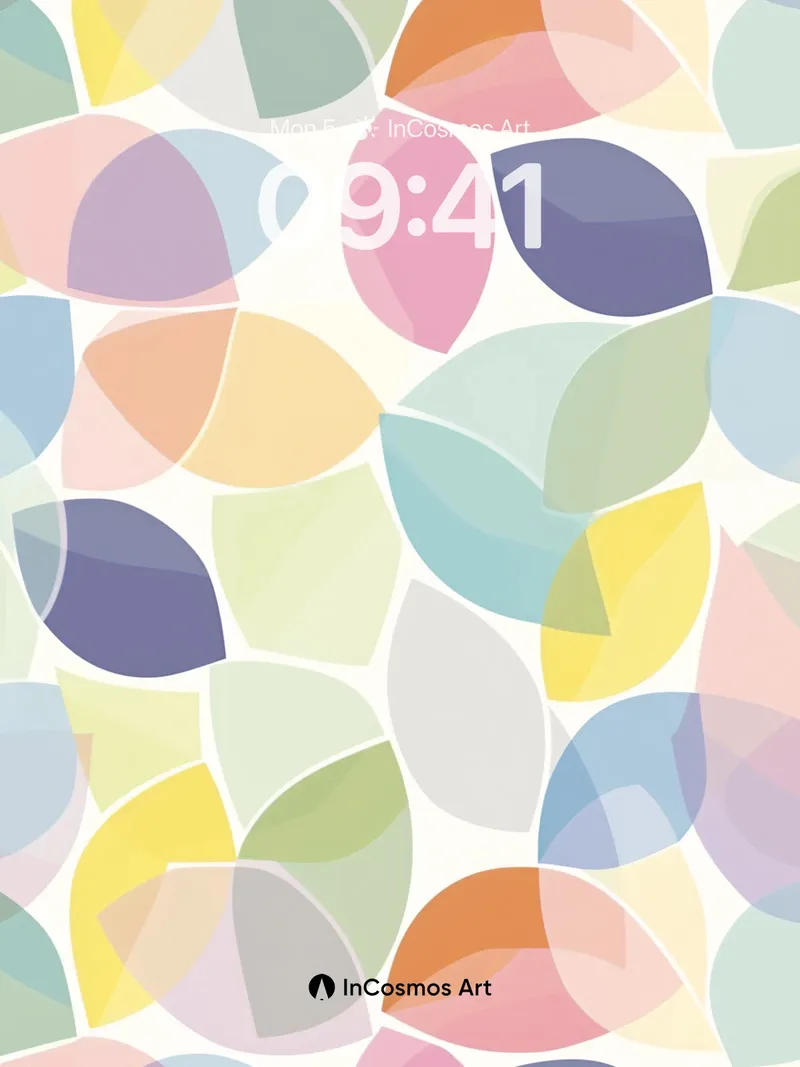
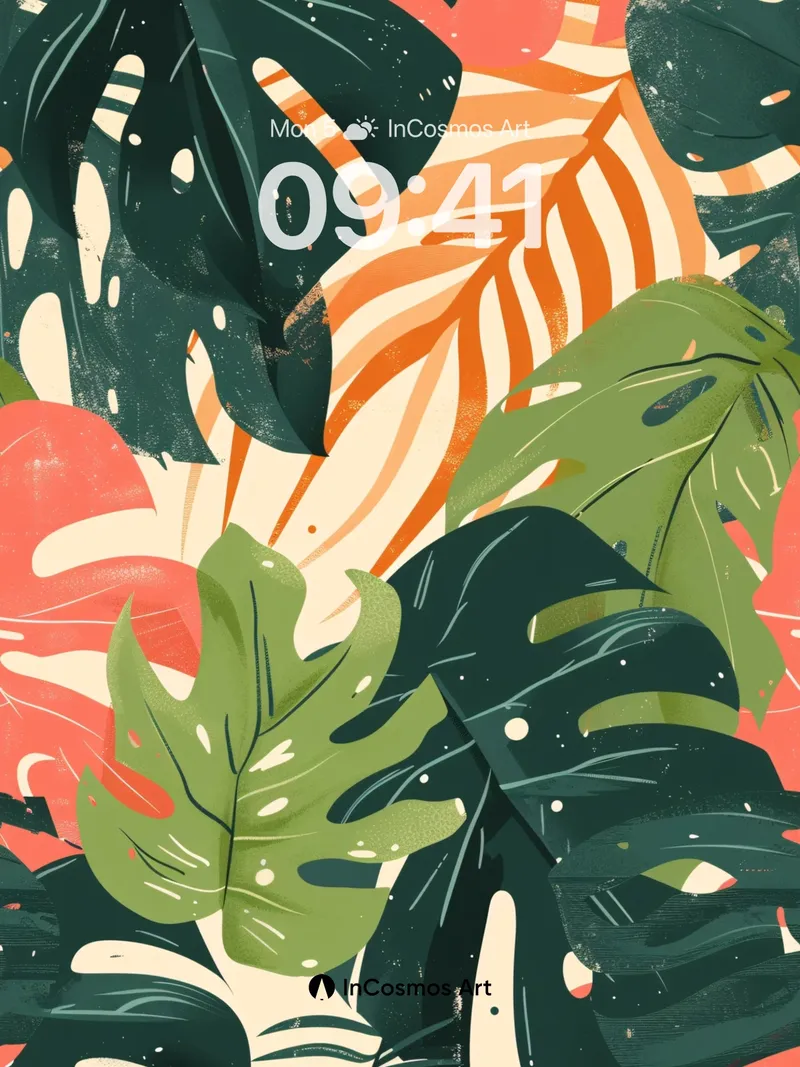
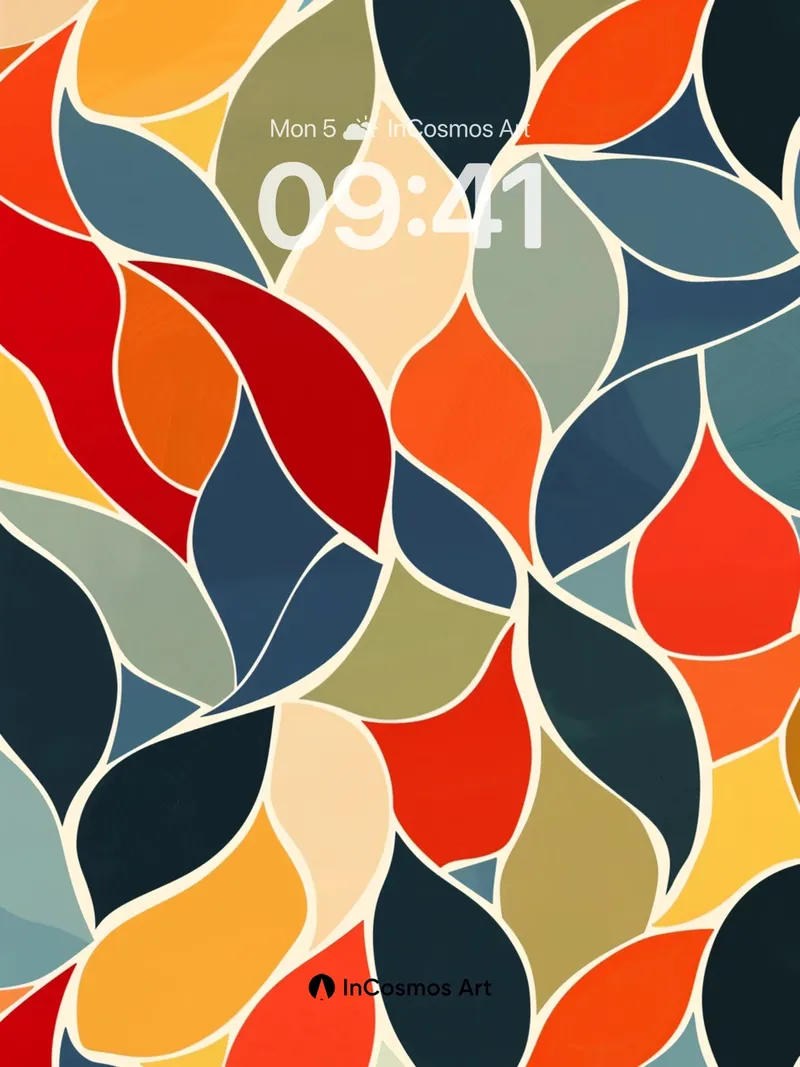
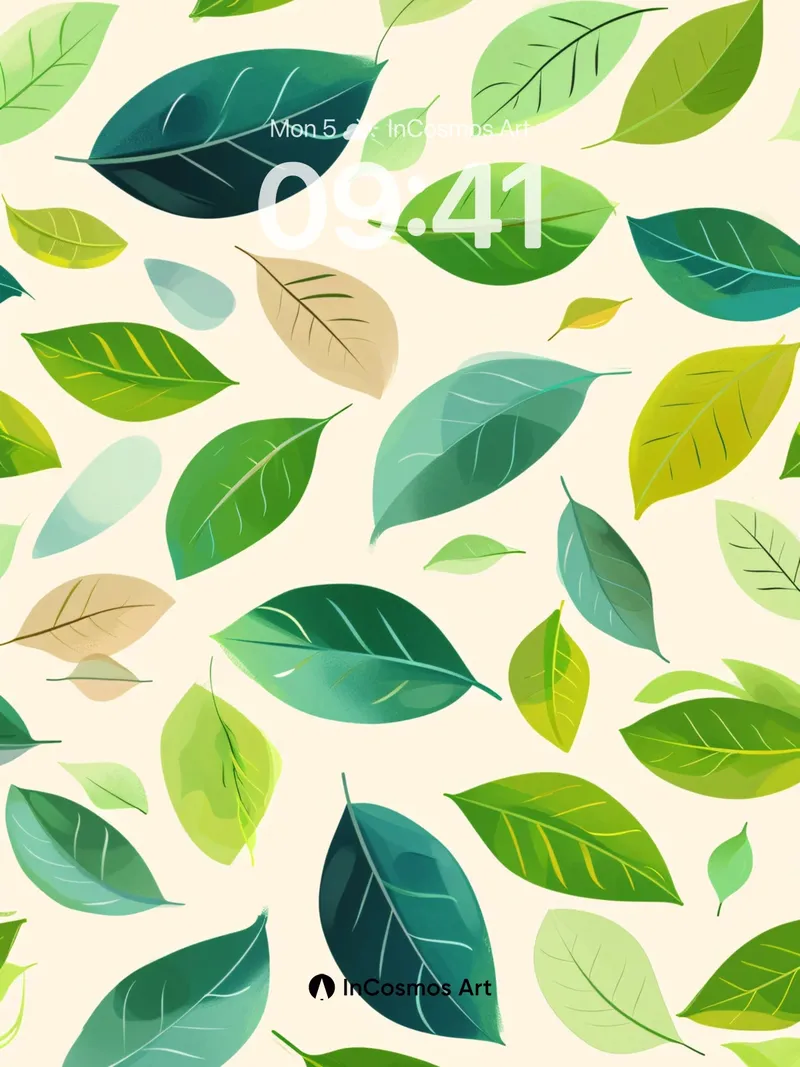
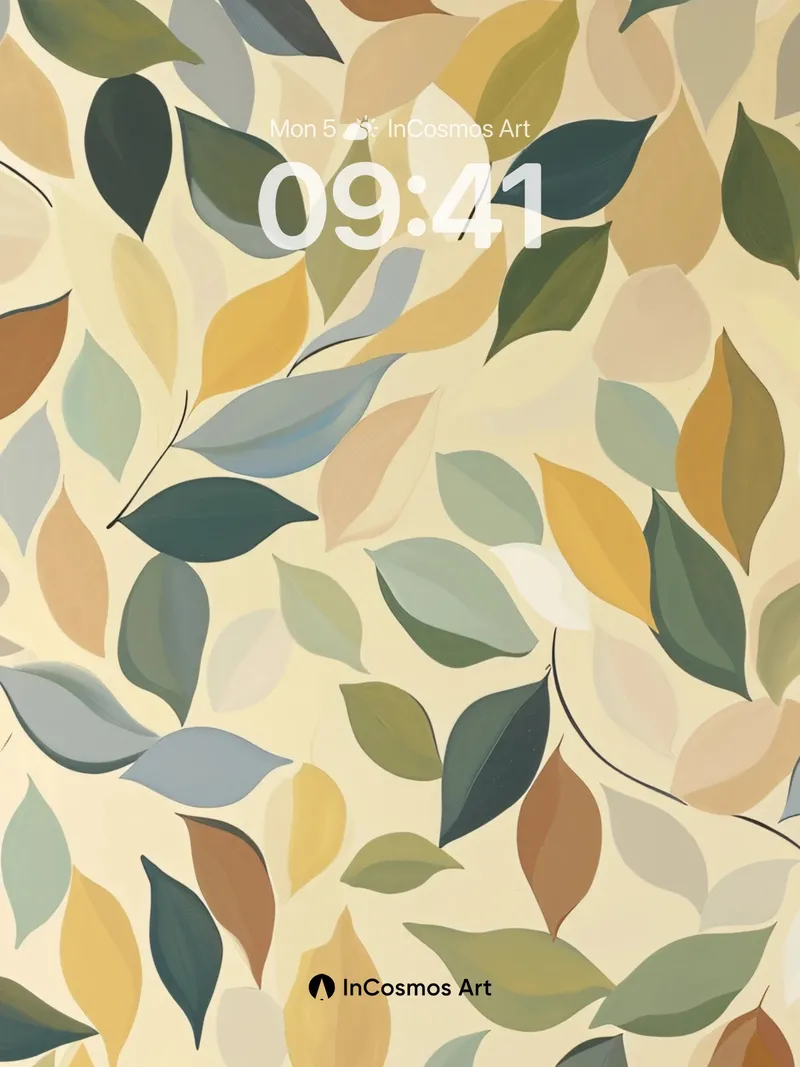
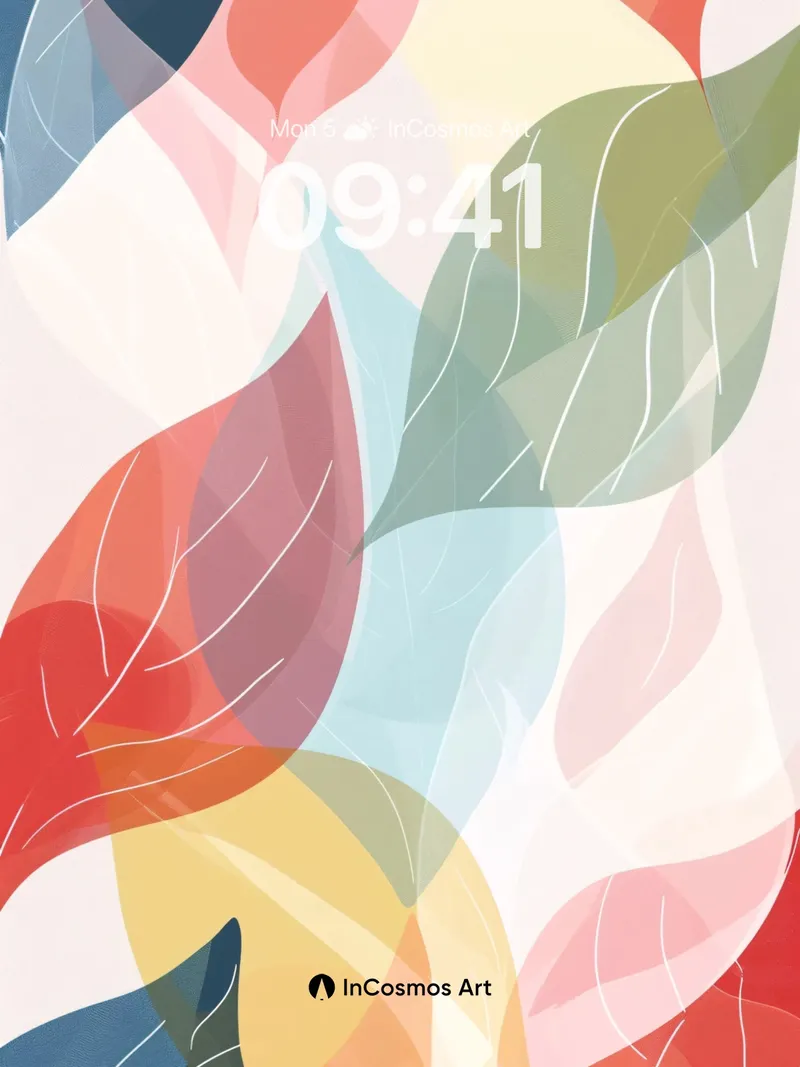
The form of leaves has long carried multiple metaphors in the human cultural journey. From decorative patterns in classical paintings to deconstructed compositions in modern digital art, the imagery of leaves transcends temporal boundaries, becoming a subtle link connecting natural laws and human creativity. When abstract expressionism meets plant morphology, the flow of leaf veins and colors weaves together a visual poetics that transcends representation.
Contemporary Translation of Natural Symbols
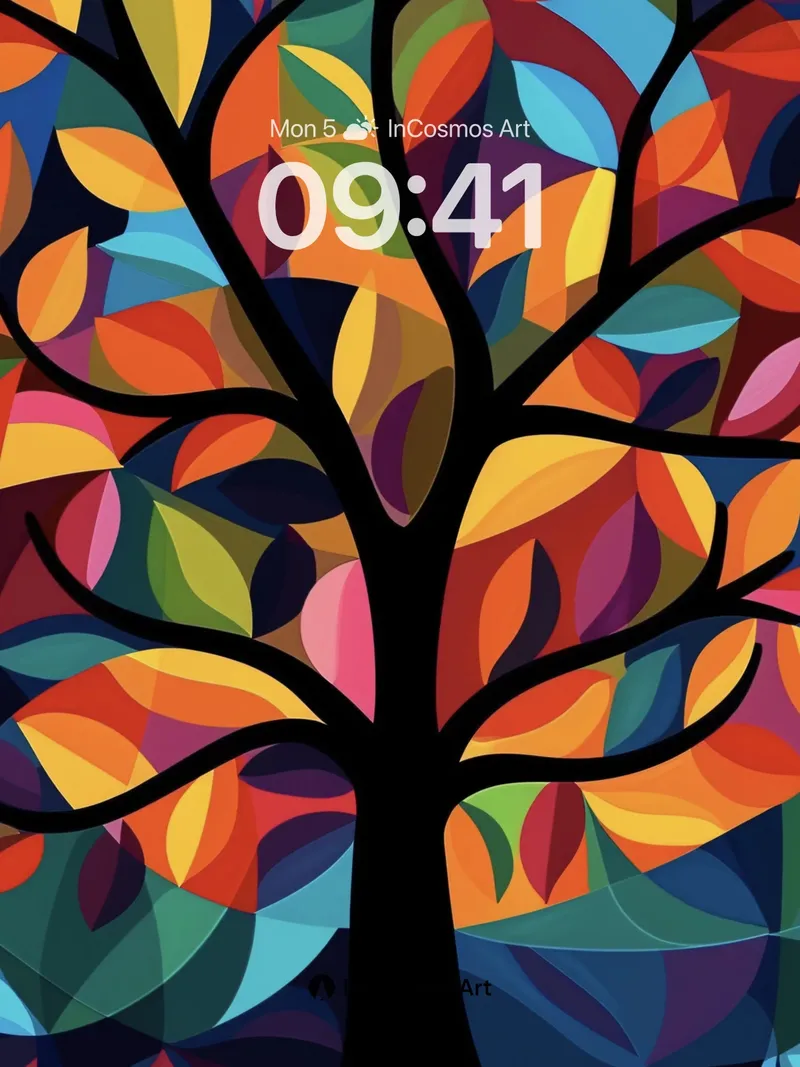
Plant leaves in artistic creation have long moved beyond mere natural imitation. Artists transform the organic forms of leaves into abstract symbols carrying emotions and concepts through geometric segmentation, color layering, and dynamic composition. This translation does not deviate from nature but reinterprets the rhythm of life growth through another grammar. The curves of leaf edges are refined into flowing lines, and the distribution of veins evolves into the logic of color gradients, giving new expressive dimensions to nature's growth codes.
Emotional Geography of Colors
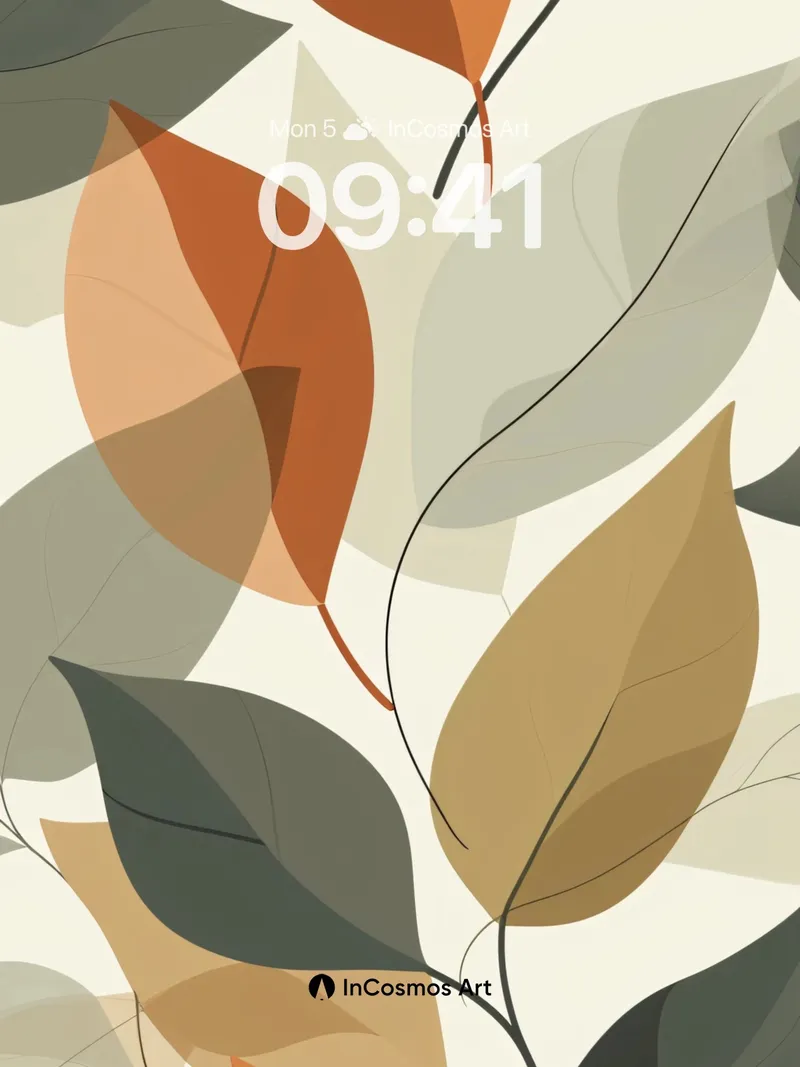
Combinations of differently toned leaves construct unique emotional fields. The collision of deep red and indigo conveys the weight of autumn's sedimentation, while the interweaving of mint green and pale yellow awakens the lightness of spring's germination. Color is not merely a visual element but a thermometer of emotions. When warm-toned maple leaves are juxtaposed with cool-toned olive leaves, viewers simultaneously feel the warmth of harvest and the tranquility of decay. This coexistence of contradictory emotions is precisely the charm of abstract art.
Philosophy of Dynamic Stillness
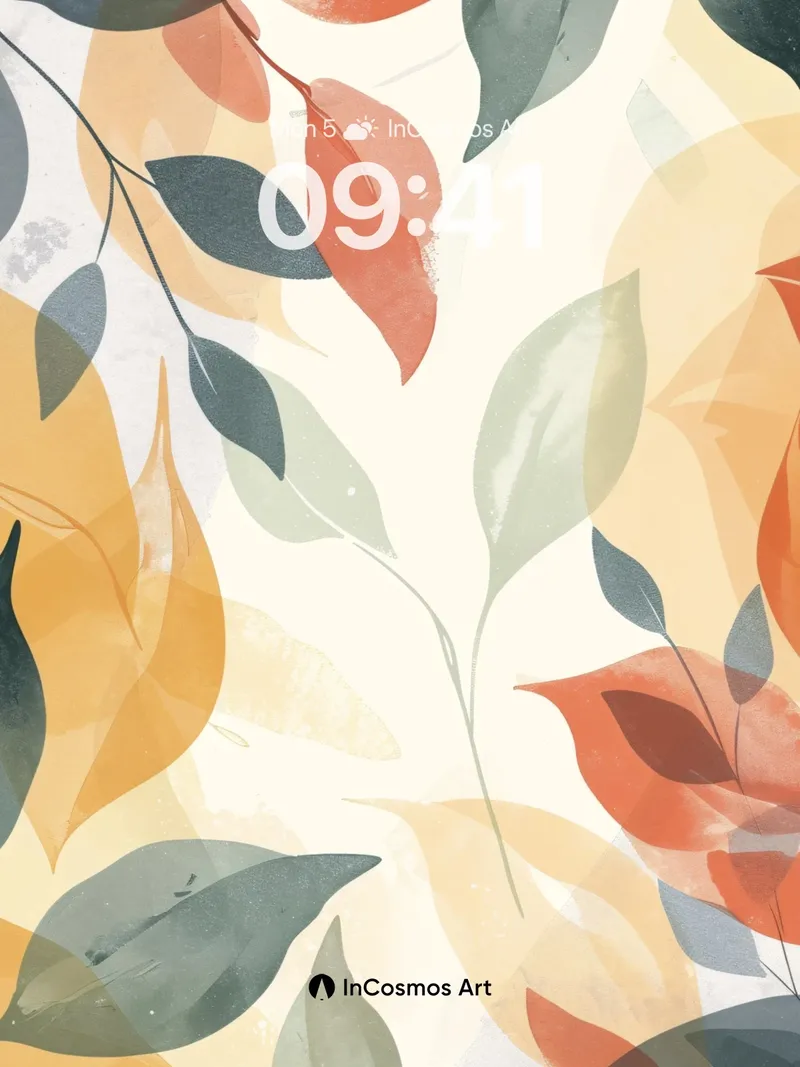
The dynamic swaying of leaves in the wind is frozen on a two-dimensional plane, forming an aesthetic paradox of motion and stillness. Artists preserve the trajectory of wind in static compositions through layered transparent color blocks and intersecting contour lines. This creative technique is both a capture of natural moments and an artistic extension of the time dimension. When contemplating the work, viewers can both grasp the moment of falling leaves and perceive the eternal cycle of seasonal changes.
Carrier of Cultural Memory
The imagery of leaves accumulates distinct cultural memories in different civilizations. Bamboo leaves in Eastern art symbolize integrity, while olive branches in Western tradition represent peace. When these cultural symbols are deconstructed and reassembled into abstract elements, they retain the genes of their original symbolism while gaining possibilities for cross-cultural interpretation. This duality makes the work a medium for cultural dialogue, allowing viewers to explore fragments of collective memory in the maze of colors and forms.