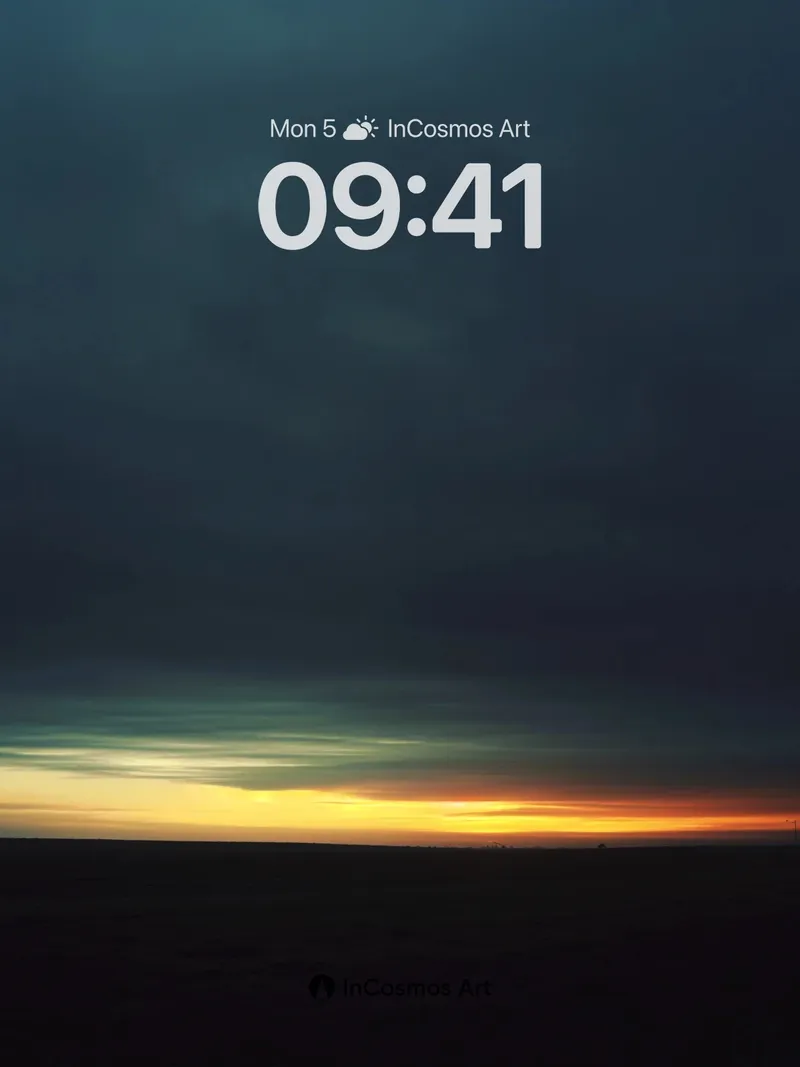
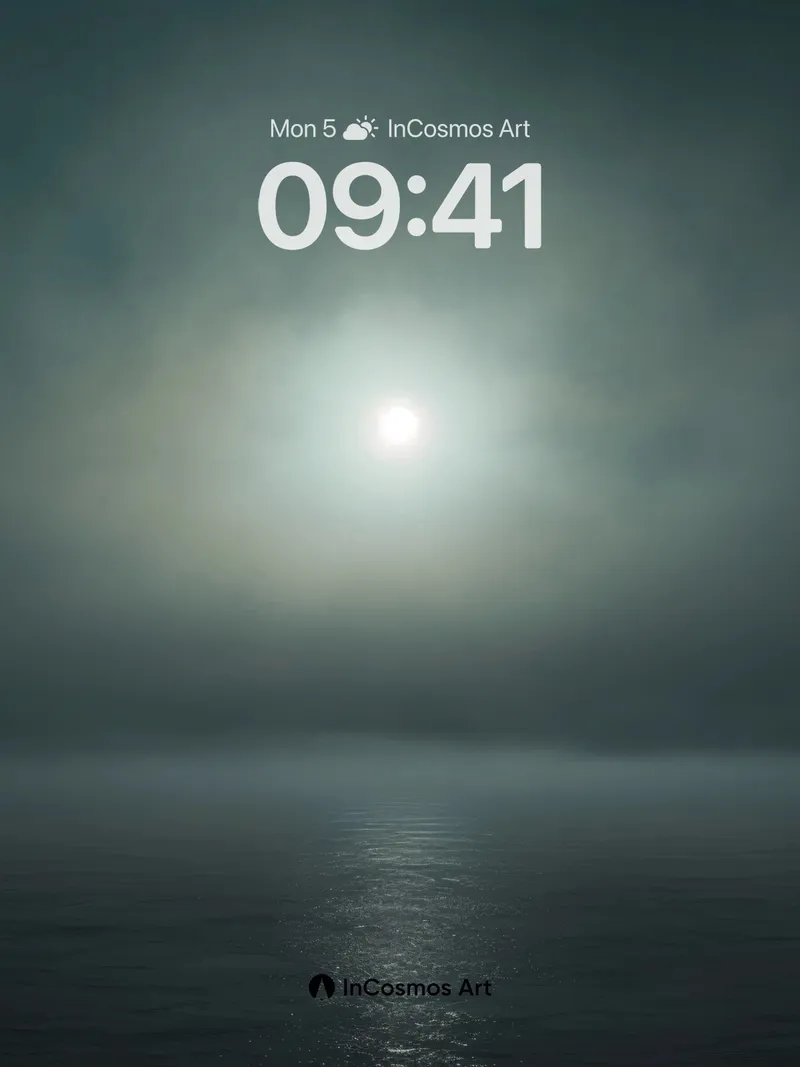
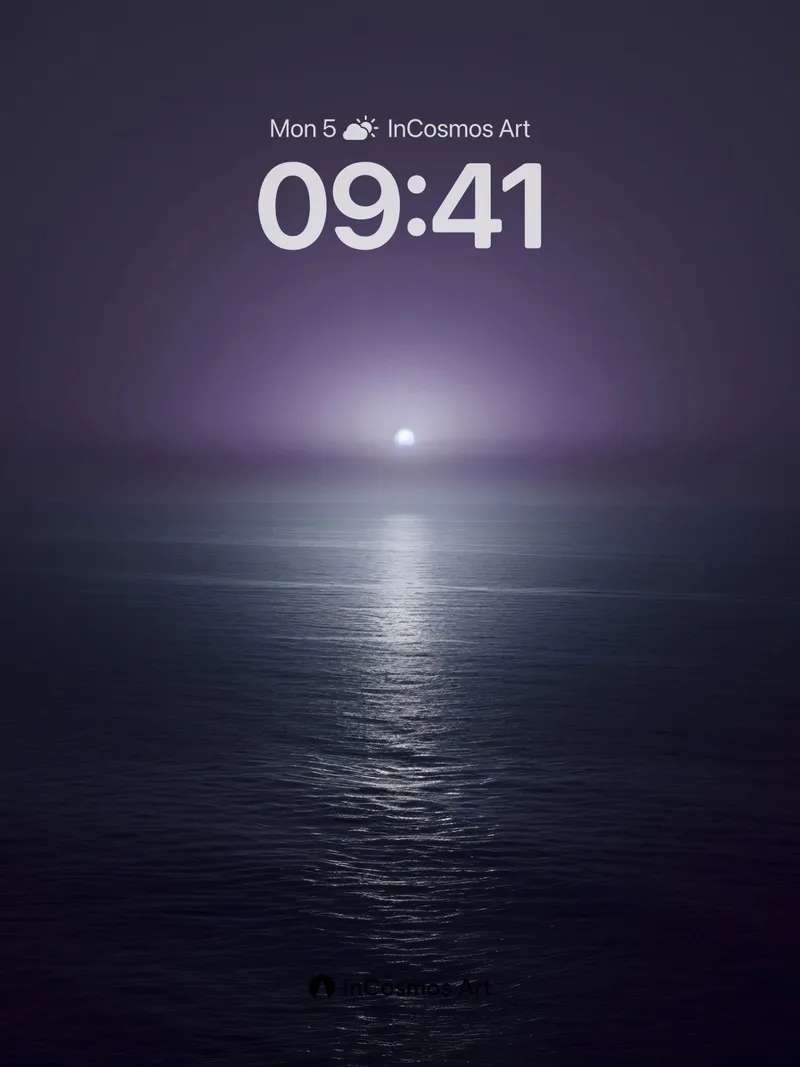
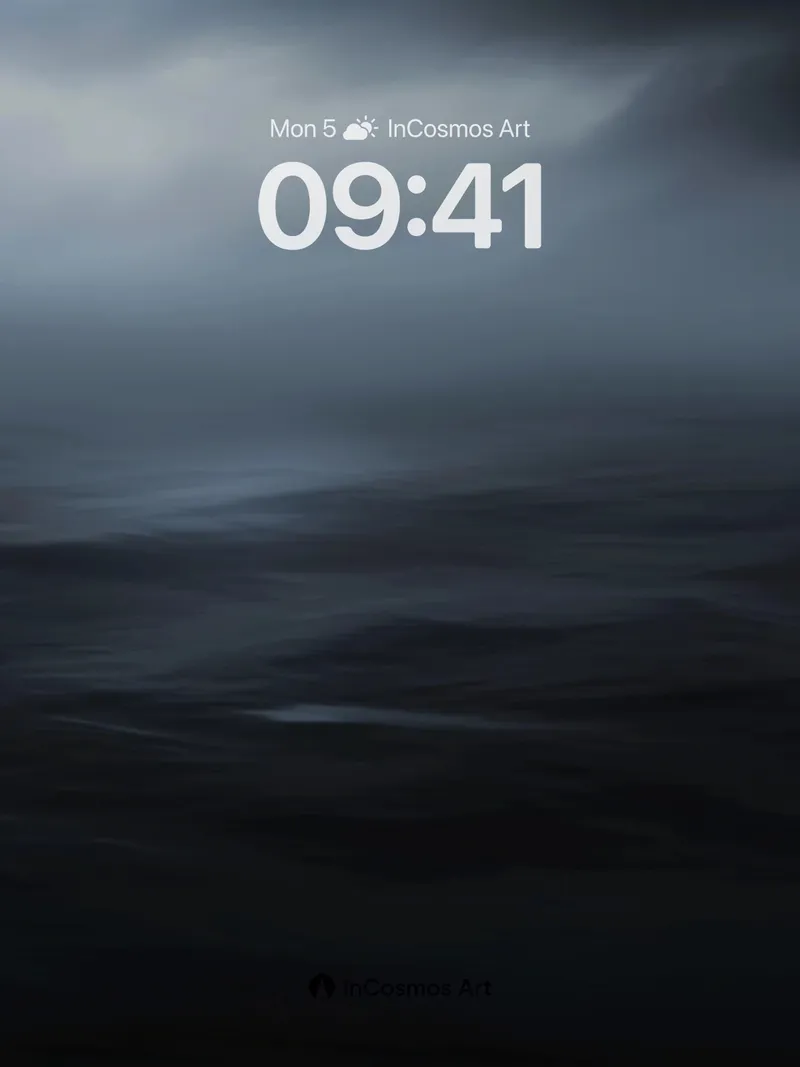
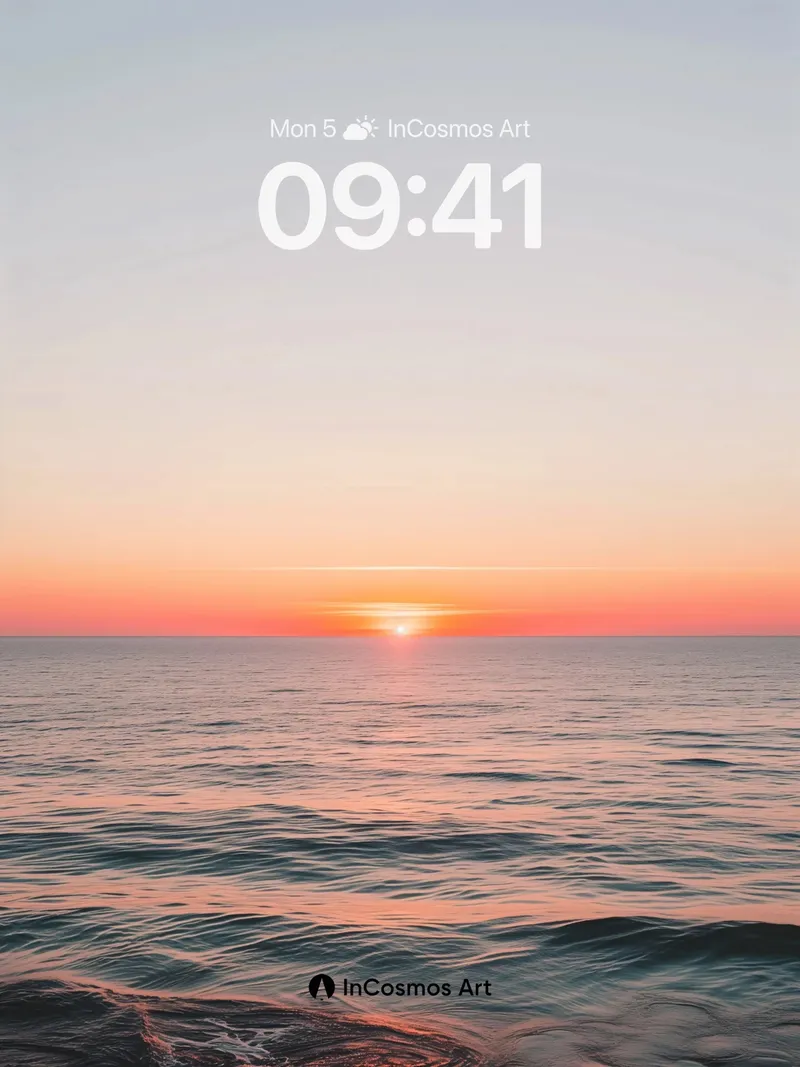
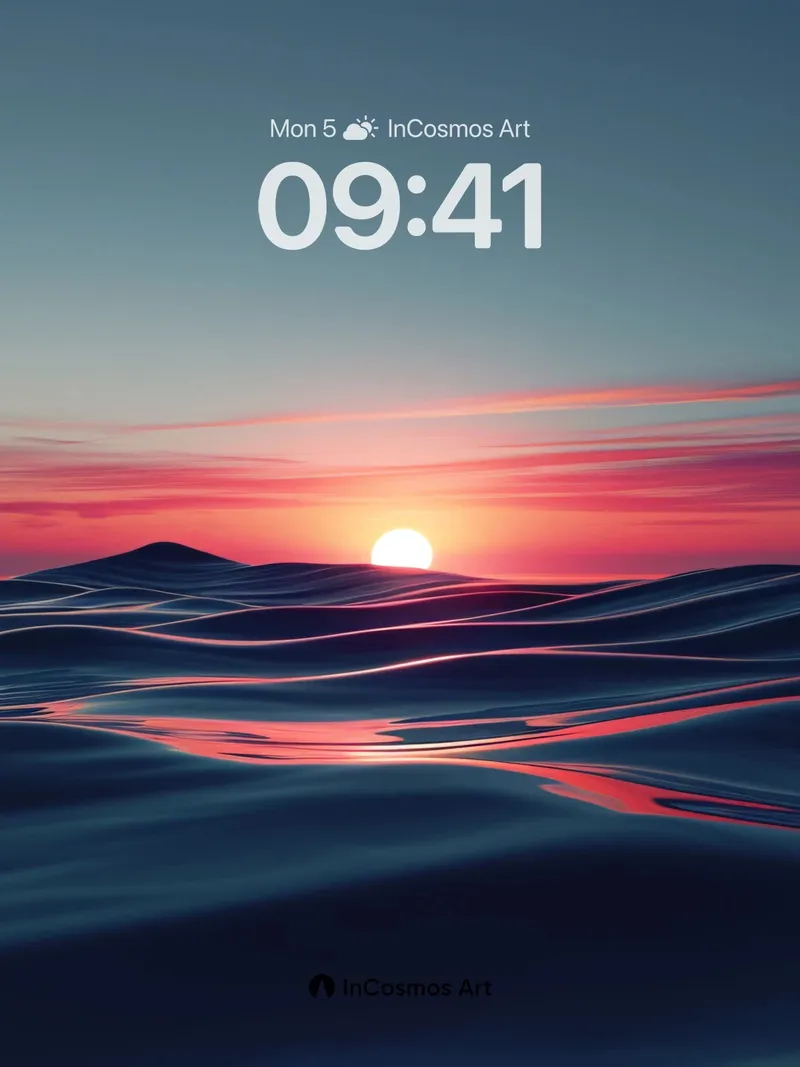
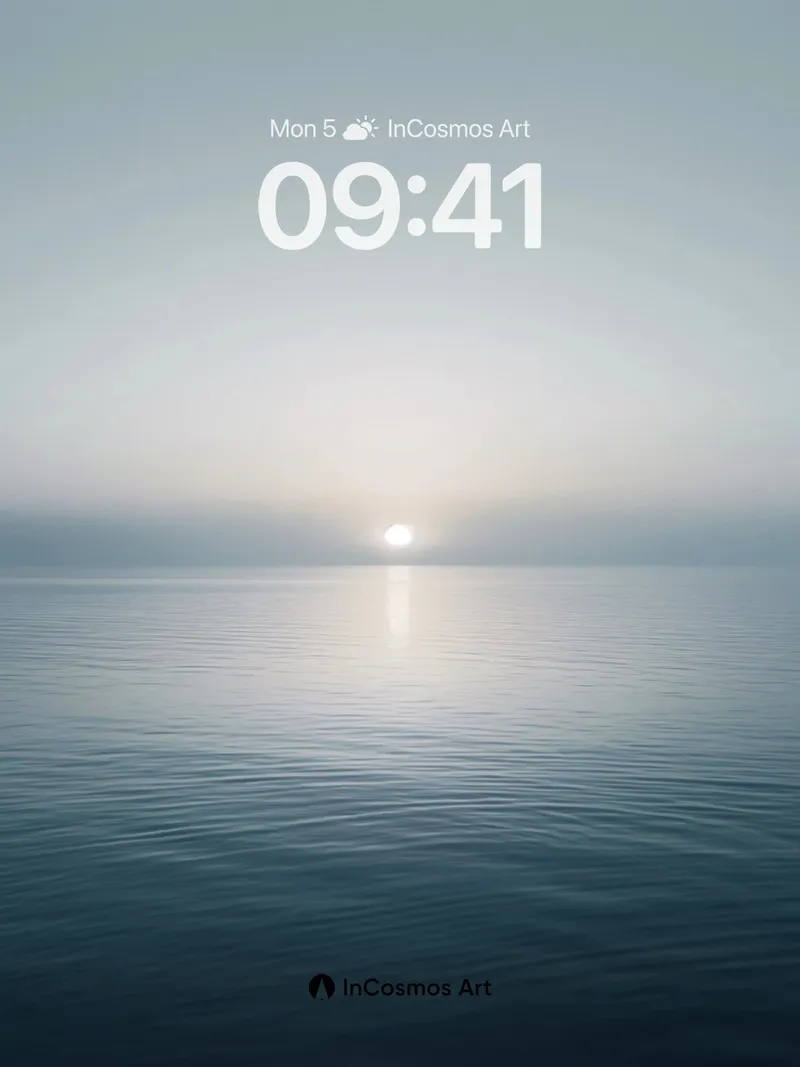
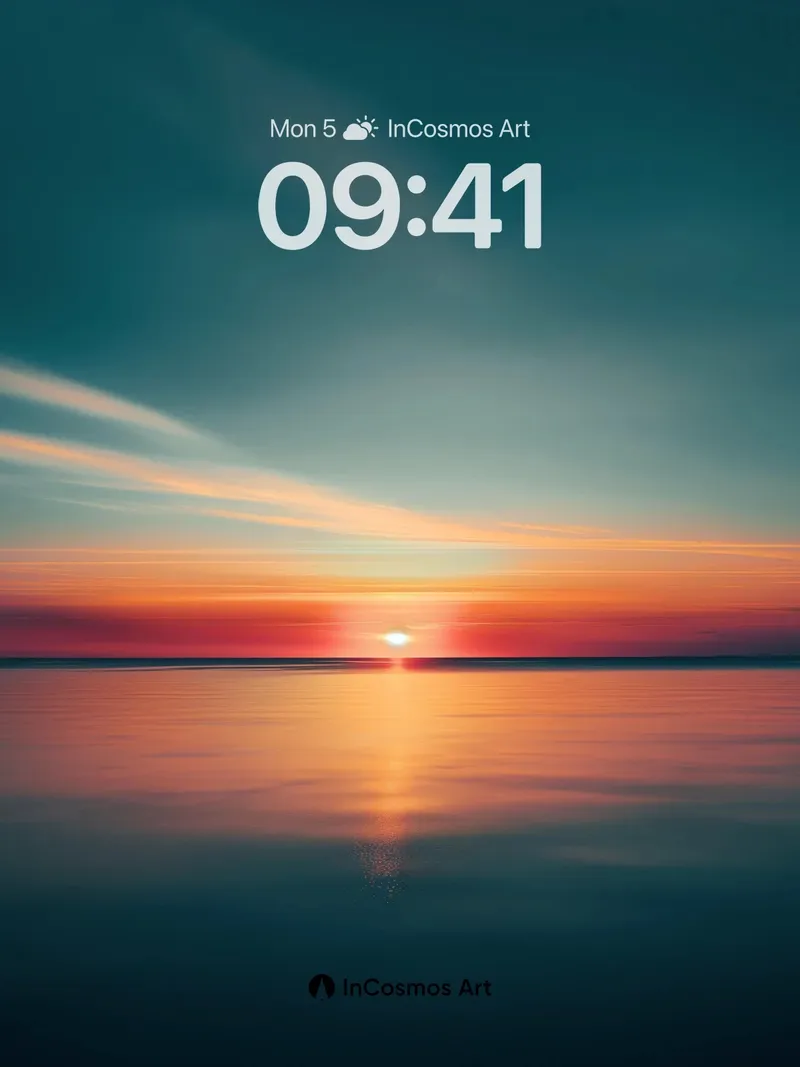
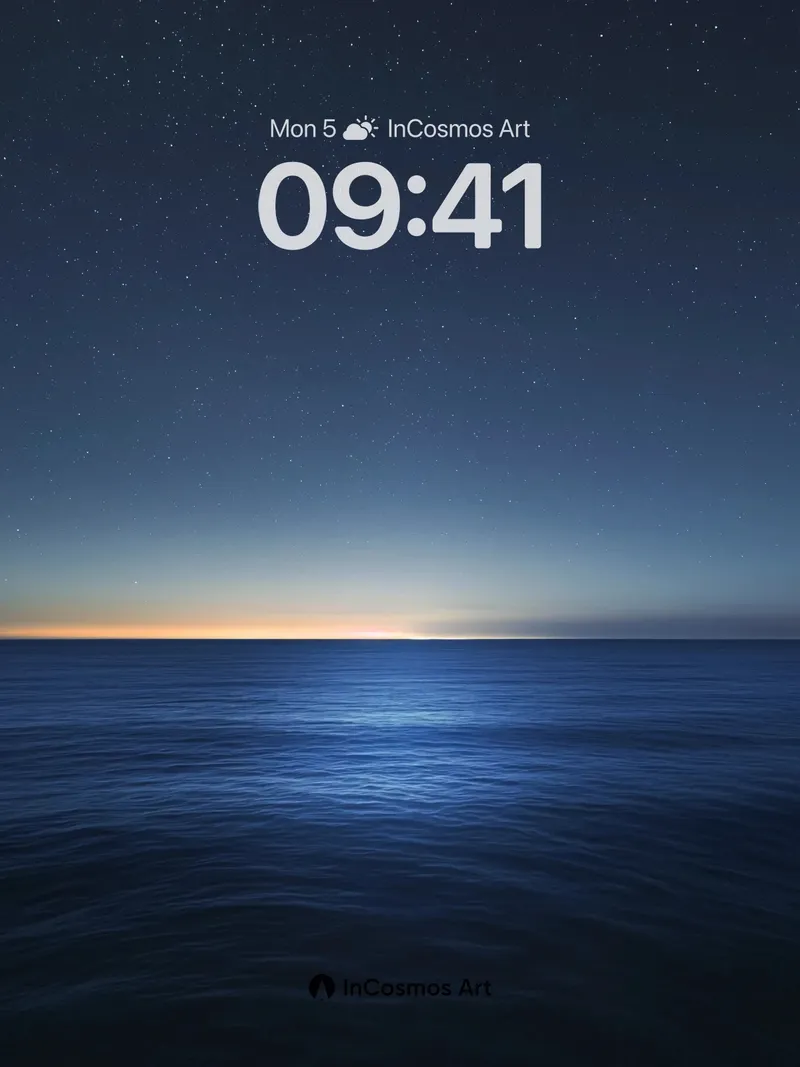
The horizon line is not merely a geographical divider; it is a critical point where light and water reach an agreement. As the sun begins to descend, the sky's palette is no longer determined solely by the physical scattering of the atmosphere but is tinted by the observer's emotional filter. From the fervor of orange-red to the austerity of blue-purple, this shift in color is not instantaneous but a prolonged farewell ceremony. The ocean surface acts as a vast mirror in this moment, producing no light of its own but honestly recording every subtle change in the sky. This visual continuity creates an illusion that the ocean and sky are one entity, temporarily separated by a glowing line.
The Warm Memory of Afterglow
Light during sunset often carries a nostalgic quality. The orange-red spectrum possesses the strongest penetrating power, easily crossing the ripples of the sea to project warmth deep into the retina. Culturally and psychologically, this color is often associated with endings, returning home, or tranquility. When only half an arc of the sun hangs above the sea, the angle of light becomes extremely low, altering the texture of the water from deep blue to flowing liquid metal. At this juncture, the sea no longer appears dangerous or unfathomable but presents a touchable gentleness. This gentleness stems not from temperature but from the way light smooths out rough surfaces, making surging waves resemble sleeping breaths.
The Silent Philosophy of the Blue Hour
Once the sun completely disappears, the sky does not immediately plunge into darkness but enters a transitional period known as the "blue hour." This is an ambiguous state between day and night where light becomes soft and uniform, losing its distinct directionality. The deep blue canopy and ink-black waters merge in the distance, blurring the boundaries. This moment often accompanies a silent philosophical feeling; the noise of the day is replaced by the sound of tides, and high visual contrast gives way to the stacking of large color blocks. In this low-light environment, human senses become sharper, capable of capturing subtle sounds and scents usually masked by strong light. This is a moment for solitude, requiring no words, only existence.
The Cold Order Under Moonlight
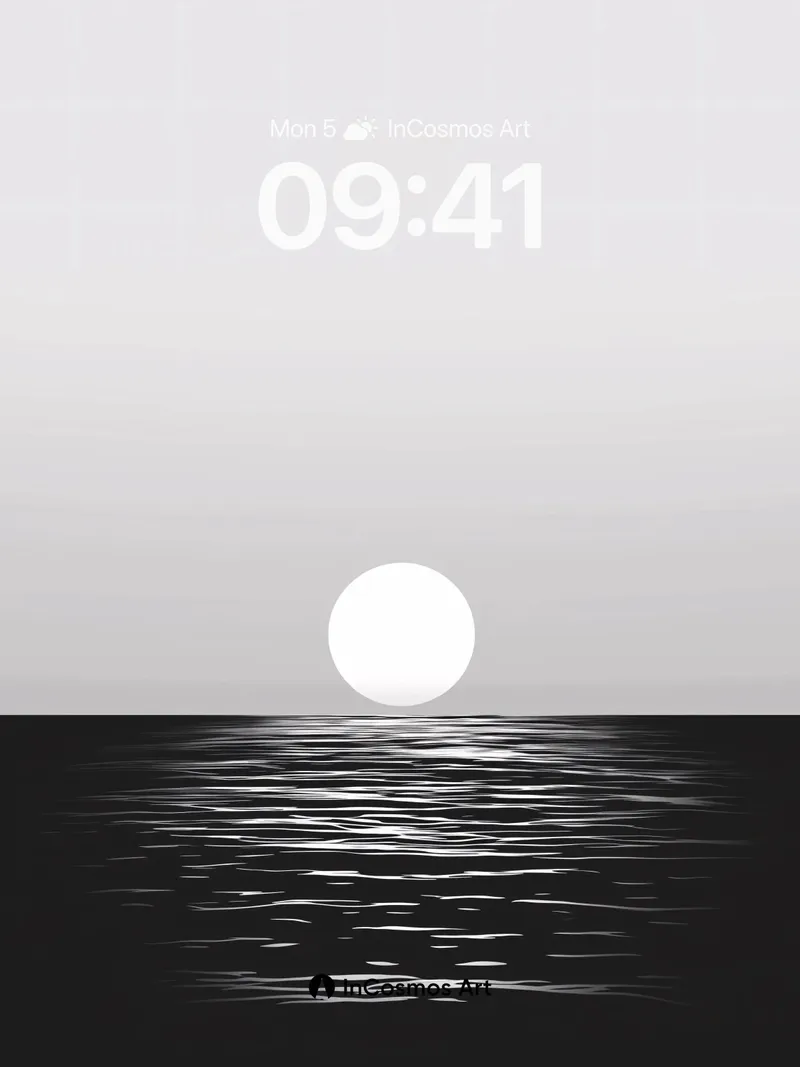
When night fully falls and the moon becomes the new master, the narrative logic of the sea shifts again. Moonlight differs from sunlight; it lacks warm tones, presenting instead a cold silver-white or pale purple. Under this light, the ocean appears more rational and orderly. The moon pulls a straight path of light across the water, as if paving a channel for night travelers. Unlike the diffuse reflection of sunset, the reflection under moonlight is more concentrated and sharp, with the undulations of the waves clearly outlined. This cool-toned light imparts a sense of detachment, as if the ocean has regained its original mystery and majesty. Under such illumination, the sea is no longer a gentle embrace but a deep, unknown realm that commands awe.
The Sensory Experience of Blurred Boundaries
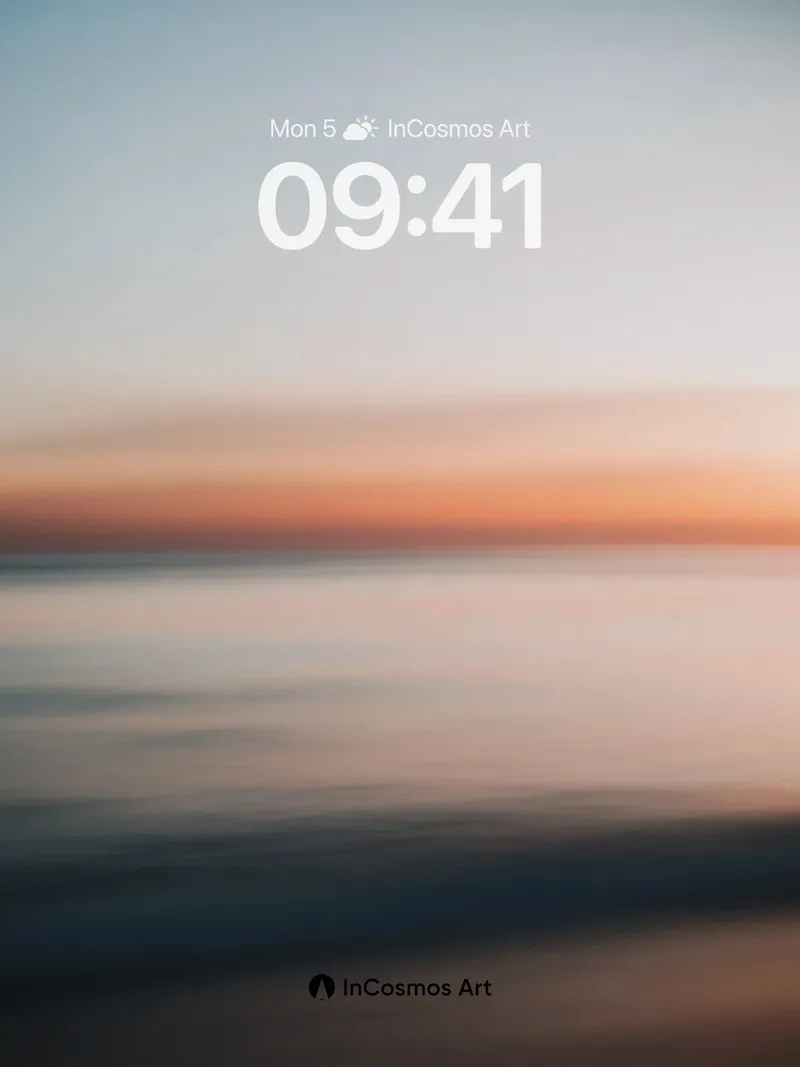
At certain specific moments, the horizon line may vanish entirely. When fog spreads or light is extremely dim, the boundary between sky and ocean is completely erased, turning the world into a chaotic gray. This visual ambiguity brings a unique sensory experience; the loss of direction forces reliance on inner intuition. In this state, time seems to slow down, and space loses its specific scale. This ambiguity is not a defect but a natural use of negative space, granting the observer infinite room for imagination. In this chaos, the boundaries between light and shadow, sky and sea, reality and dream cease to matter; what matters is only the immediate perception and existence.