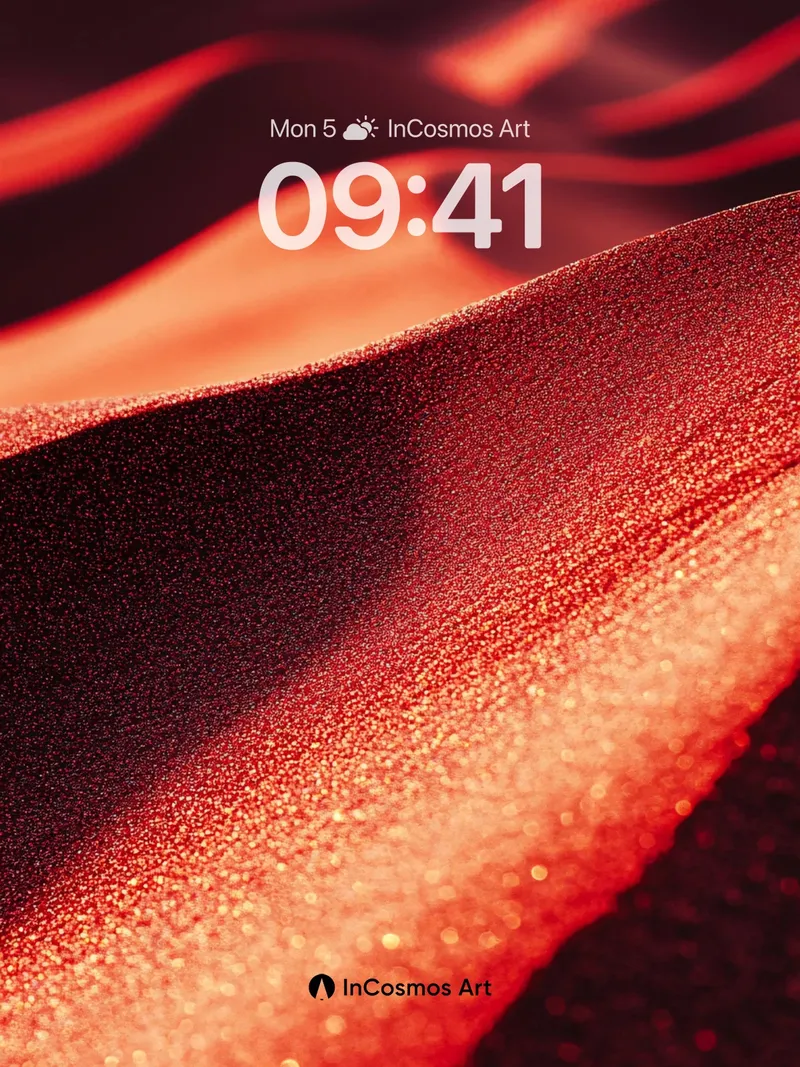
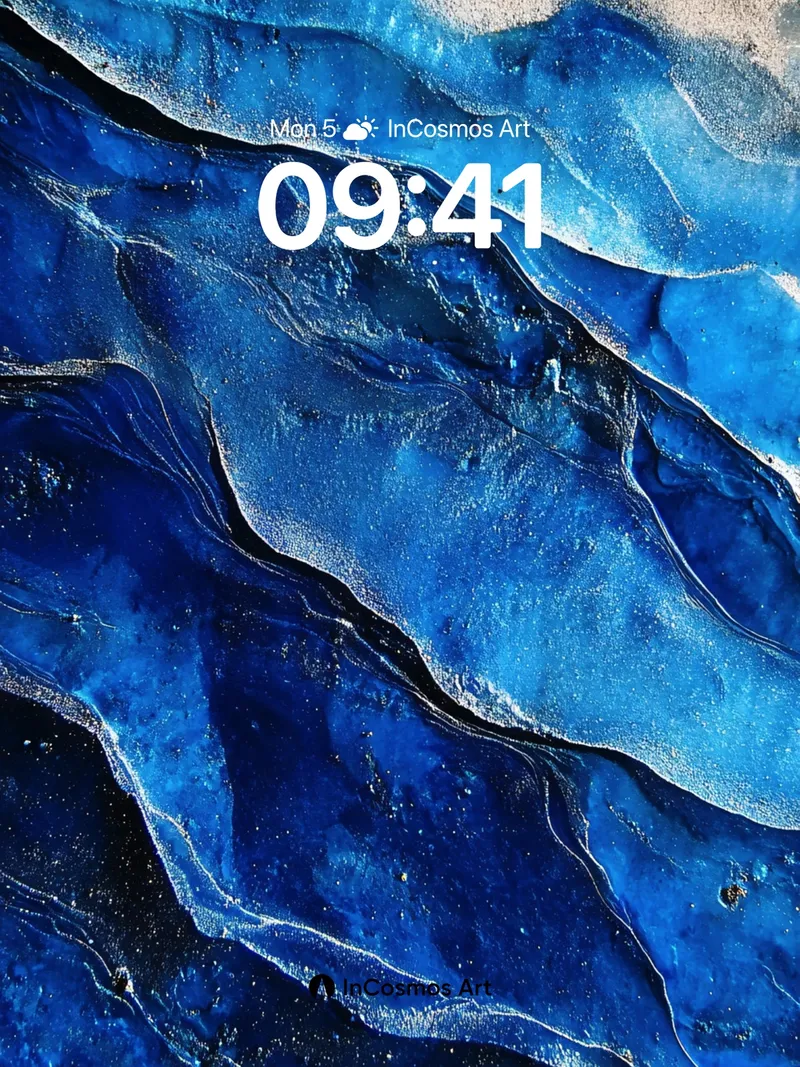
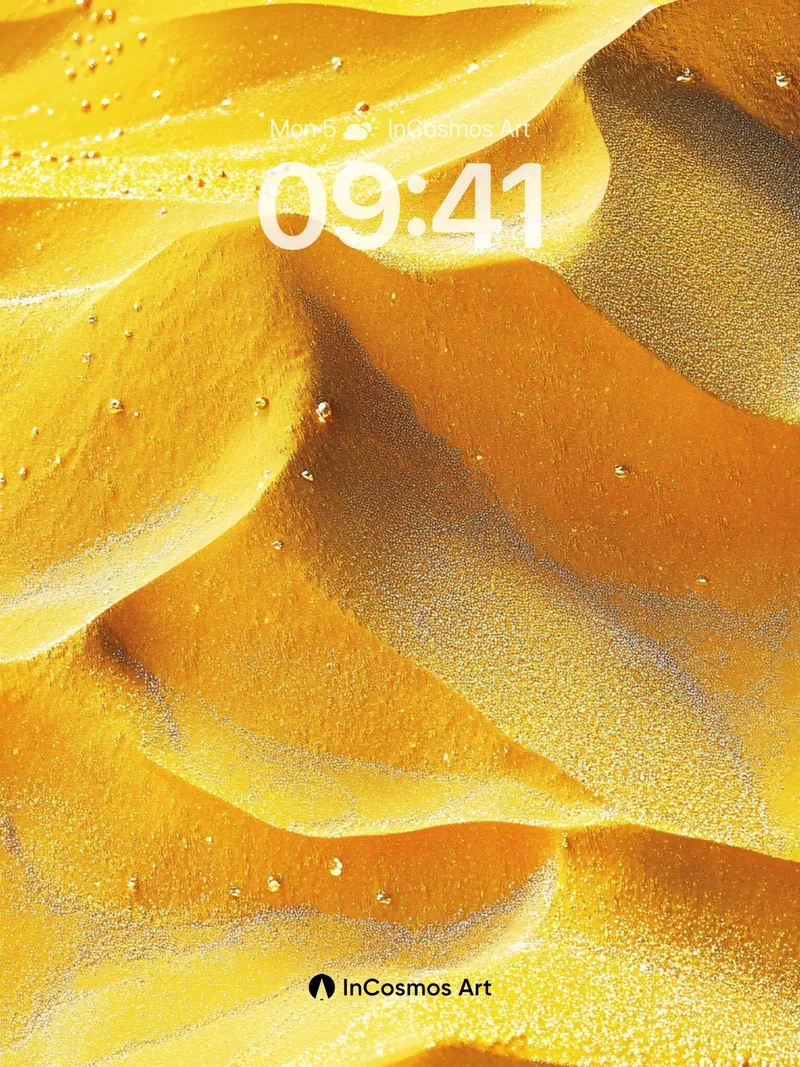
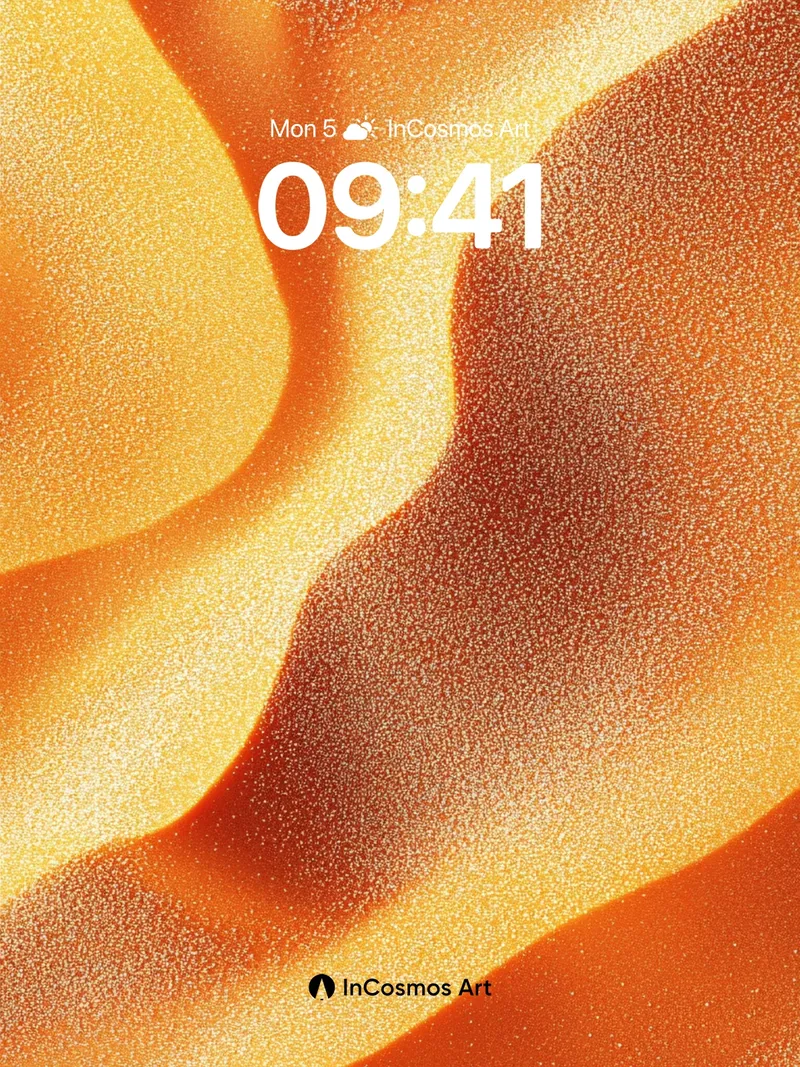
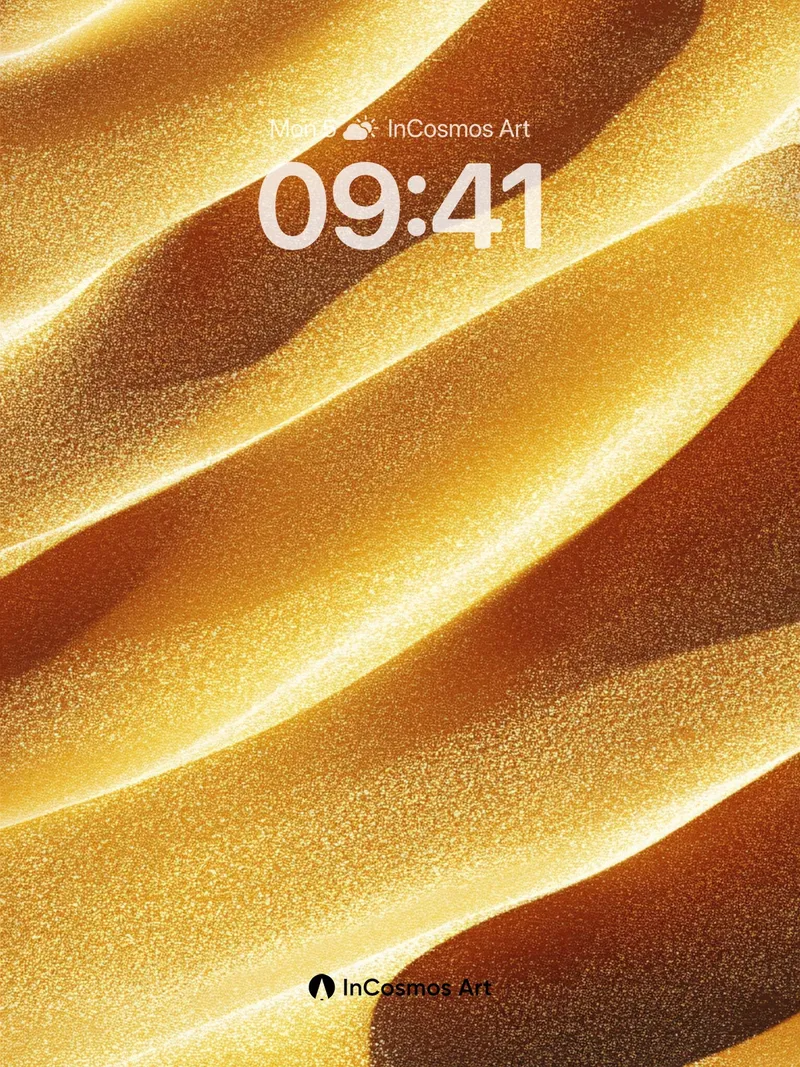
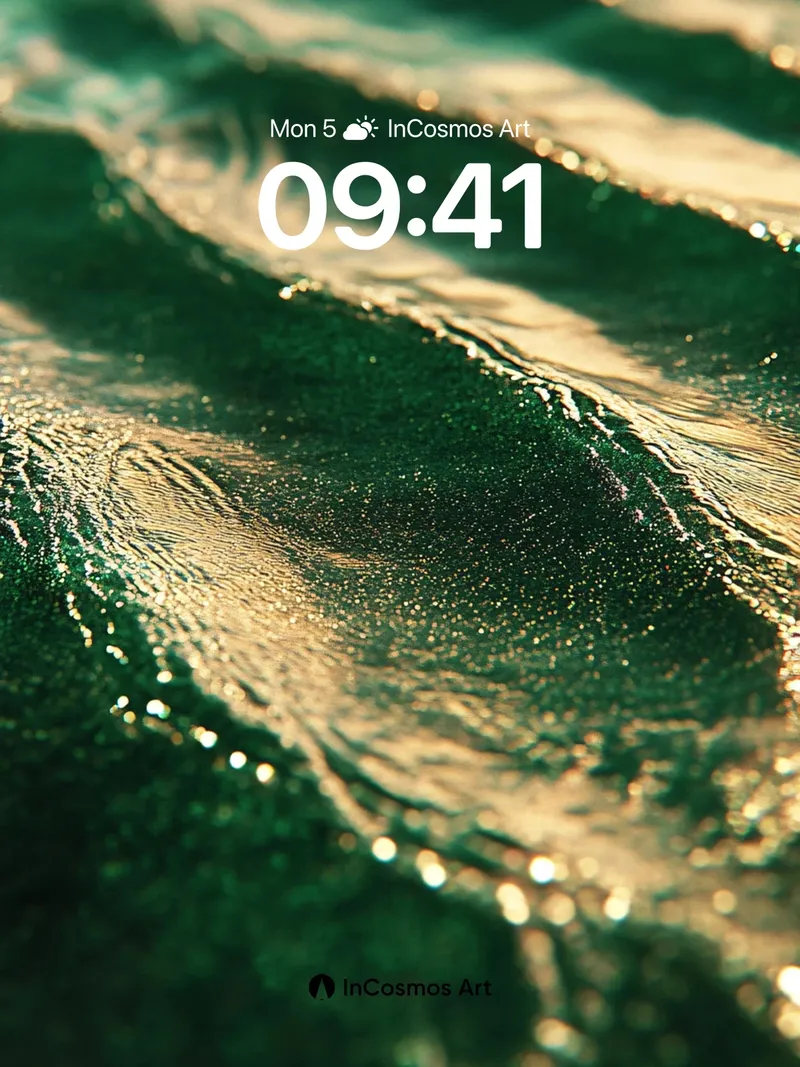
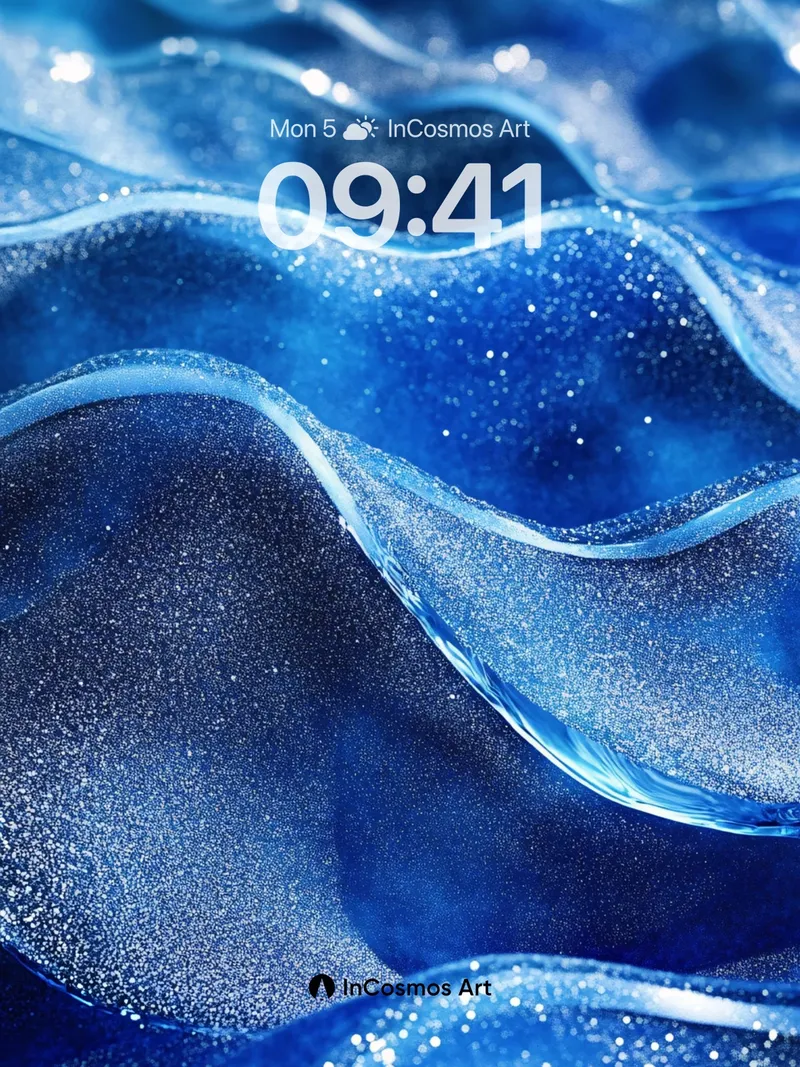
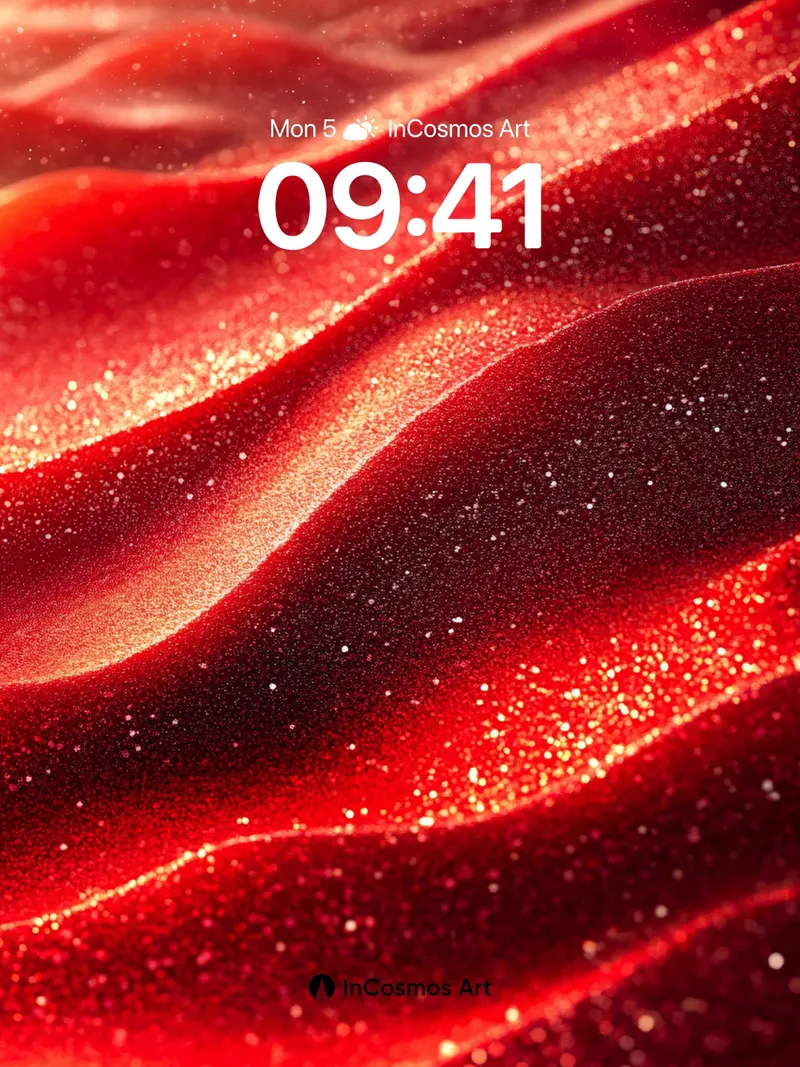
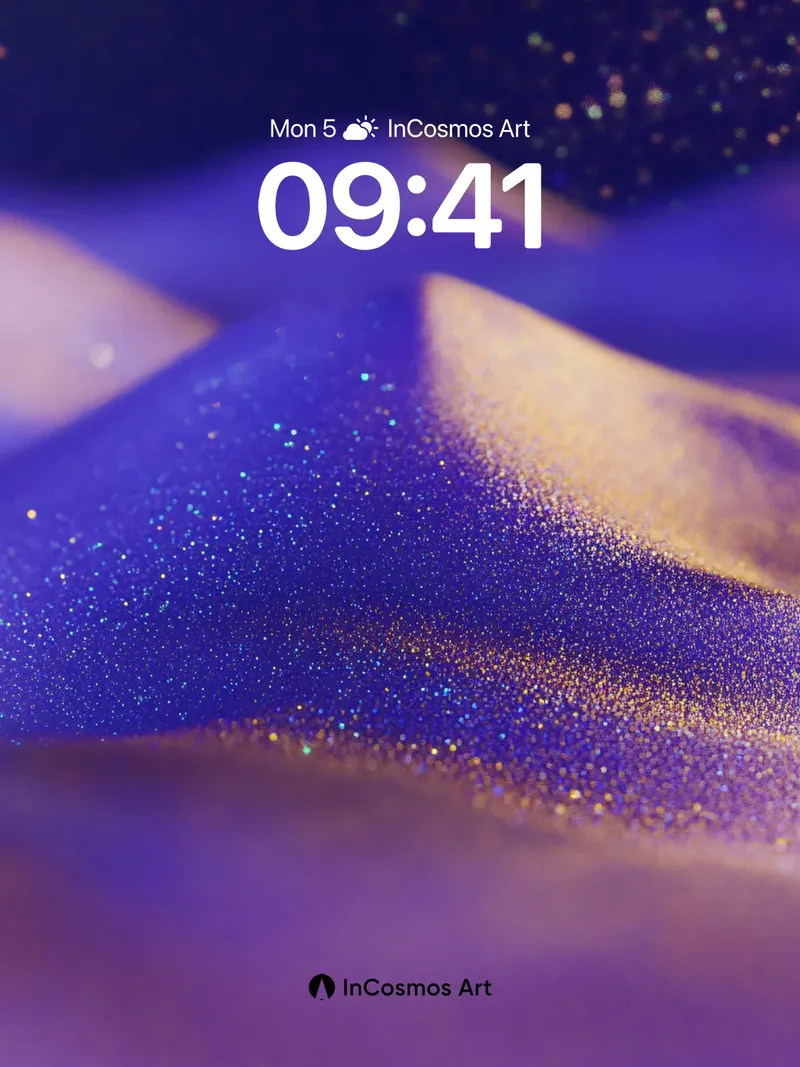
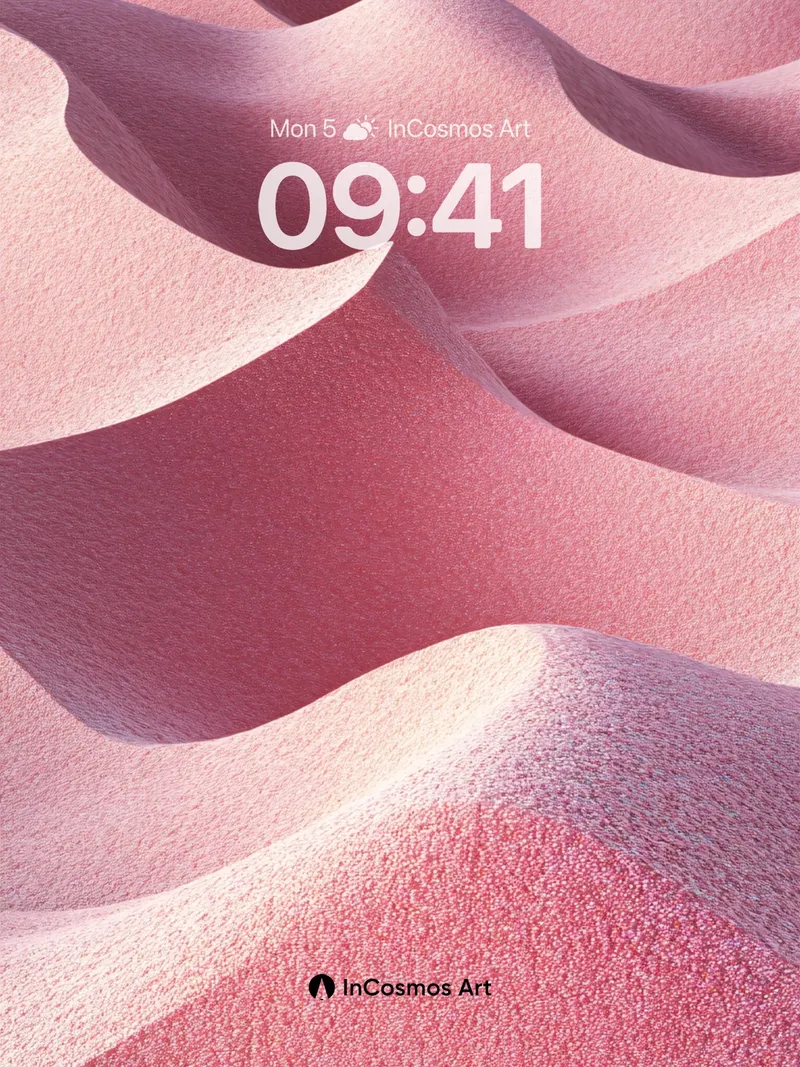
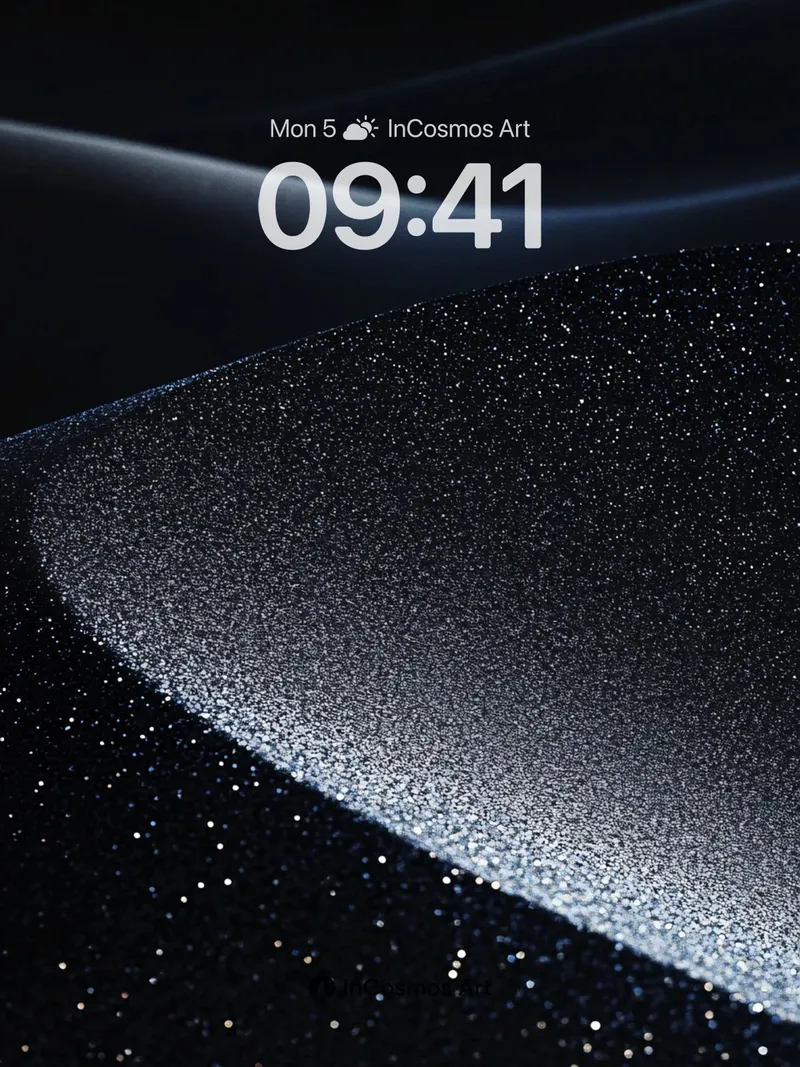
When material surfaces cease to be satisfied with mere color presentation and begin to capture light and refract dust, a sensory experience regarding 'texture' is born. This experience transcends the surface of vision, touching upon an instinctive desire for delicacy, fluidity, and depth. Between the flow of color and the shimmer of grains lies a wordless order, simulating physical forms while constructing emotional atmospheres. This aesthetics does not rely on specific objects but acts directly on the senses through the undulation of light and shadow and the grain of materials, evoking a quiet and profound resonance.
The Fluidity of Color
Color here is not a static fill but a flowing medium. From deep violet to fiery crimson, from calm dark green to pure black, each hue carries a specific emotional weight. The transition of color is not a rigid cut but a natural blending like liquid, forming continuous undulating waves. This fluidity dissolves the rigidity of boundaries, allowing the viewer's gaze to wander freely between color blocks, as if置身于 a weightless dream space. The variation in color depth not only defines the volume of forms but also gives the composition a rhythm of breathing.
The Micro-Light Narrative of Grains
If color is the macro emotional tone, then the tiny grains attached to it are the micro narrators. These fine points of light are like stars in the night sky or plankton in the deep sea, shimmering in the dark and hiding in the bright. The presence of grains breaks the monotony of smooth surfaces, adding rich layers and tactile sensation to the composition. This micro-light effect is not merely decorative but an implication of 'preciousness'. It makes ordinary materials appear luxurious and mysterious, as if every grain of dust contains an untold story waiting to be captured by the gaze.
The Sculptural Sense of Light and Shadow
Light plays the role of a sculptor on these undulating surfaces. The gathering of highlights outlines the sharpness of peaks, while the spreading of shadows fills the depth of valleys. This strong contrast between light and shadow gives the plane an illusion of three-dimensionality, allowing the viewer to perceive the thickness and weight of the material. Light is not just a tool for illumination but a key force in shaping forms. It jumps between grains and weaves through folds, creating a dynamic visual tension. This tension fills the static composition with potential kinetic energy, as if these waves would surge with the wind in the next second.
The Visual Synesthesia of Touch
The most fascinating aspect of this aesthetic style lies in its successful translation of touch into visual language. When gazing at these compositions, viewers often feel an impulse to reach out and touch. The velvet-like smoothness, the grit-like roughness, or the metal-like coldness are all transmitted directly to the nerve endings through visual signals. This is a synesthetic experience where vision no longer exists in isolation but is closely linked to tactile memory. The delicacy of the material determines the delicacy of the emotion; every pass of the gaze is a virtual touch, granting a strange satisfaction in the interweaving of senses.