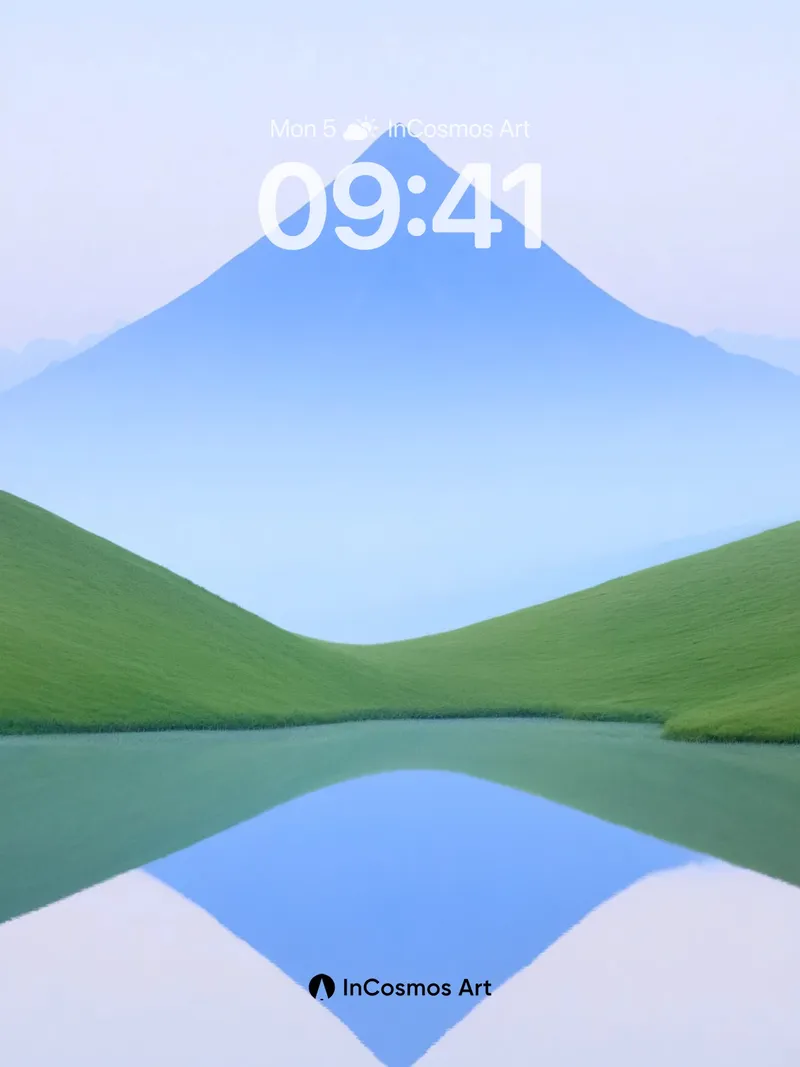
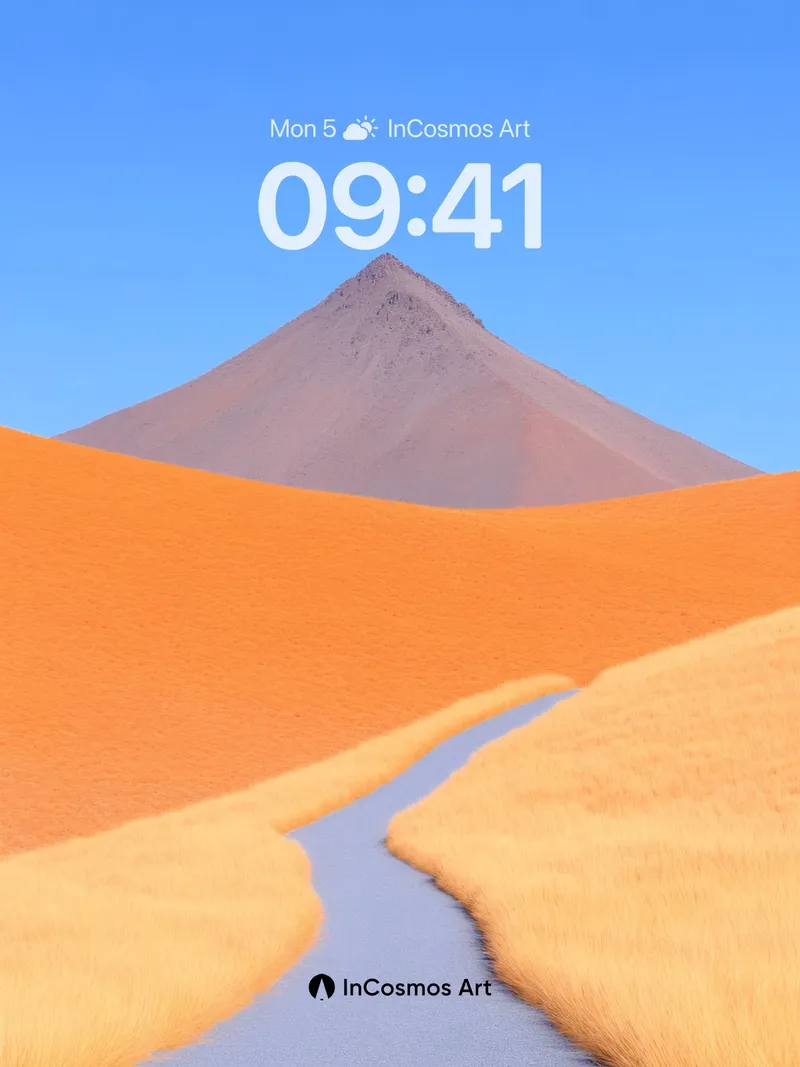
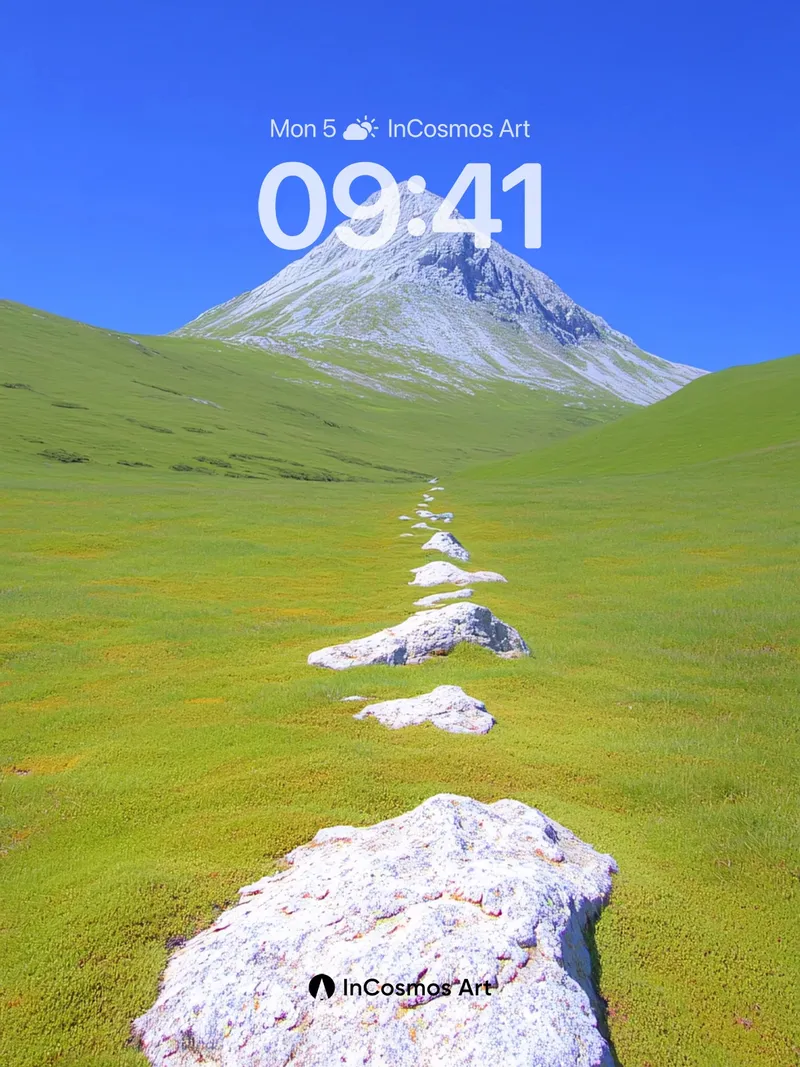
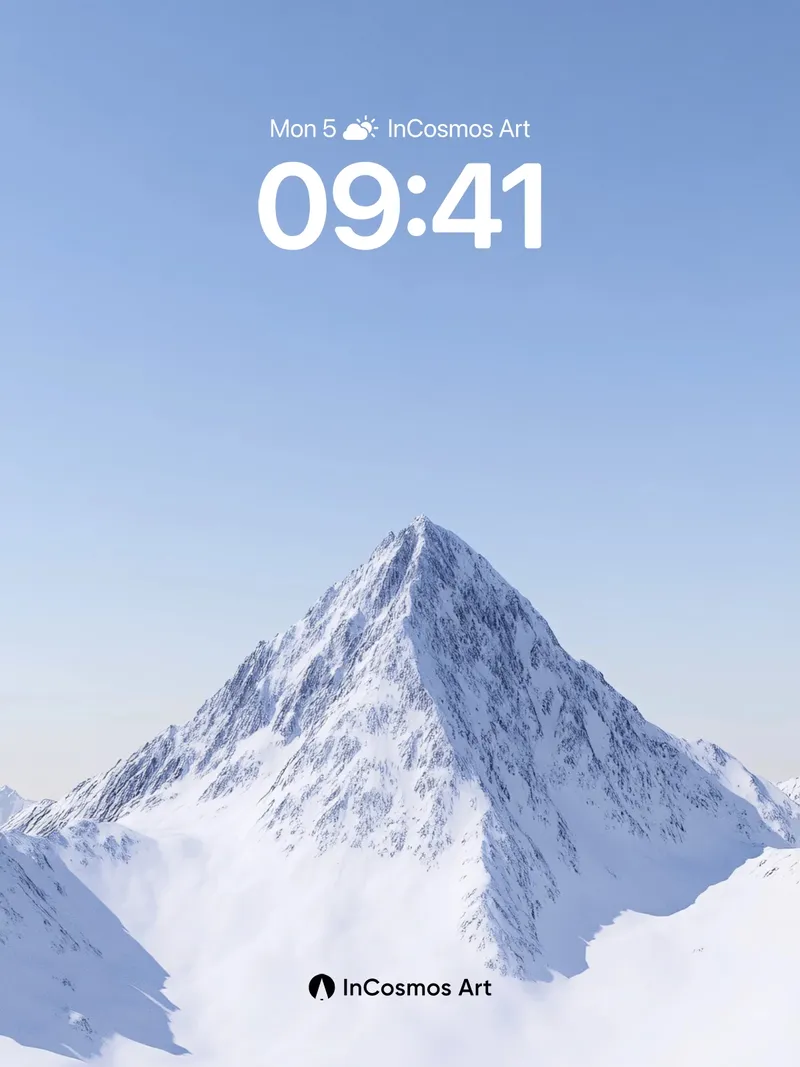
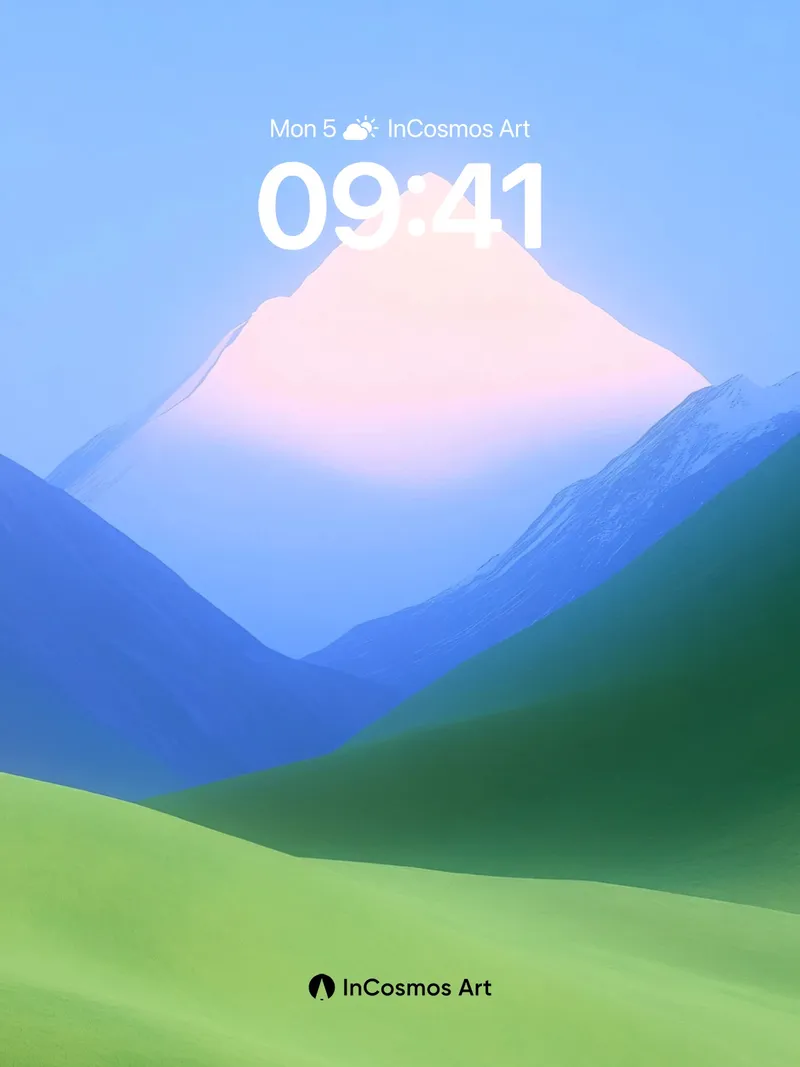
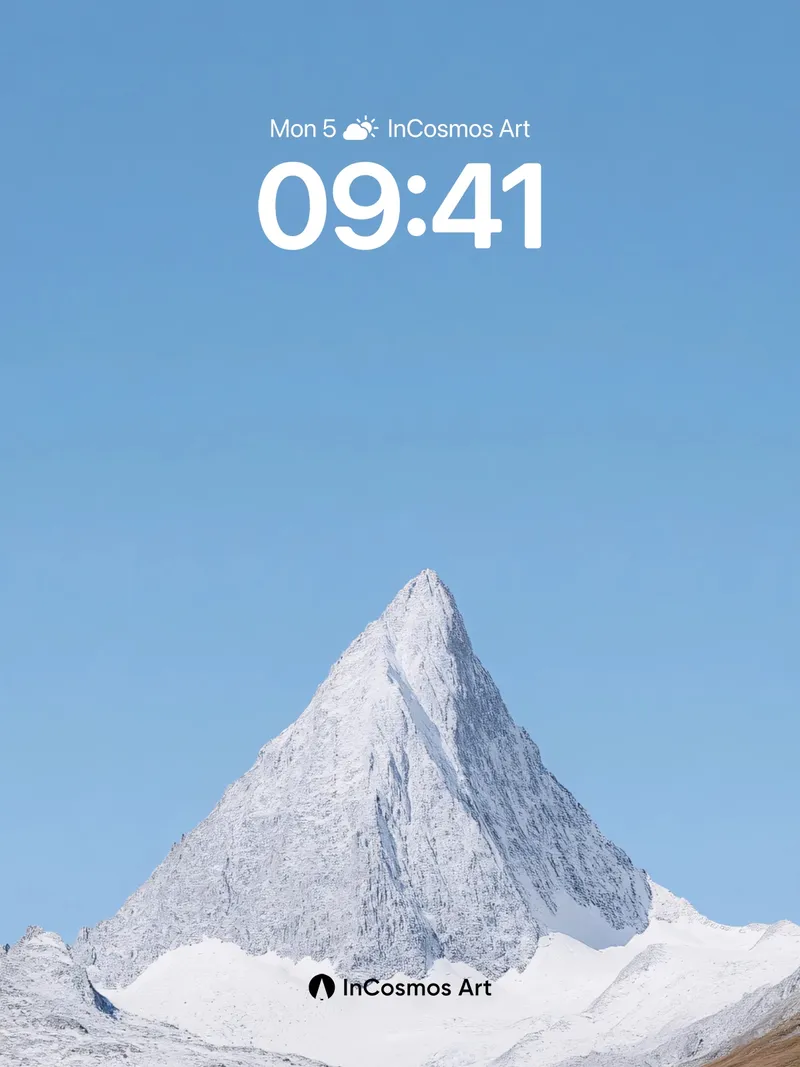
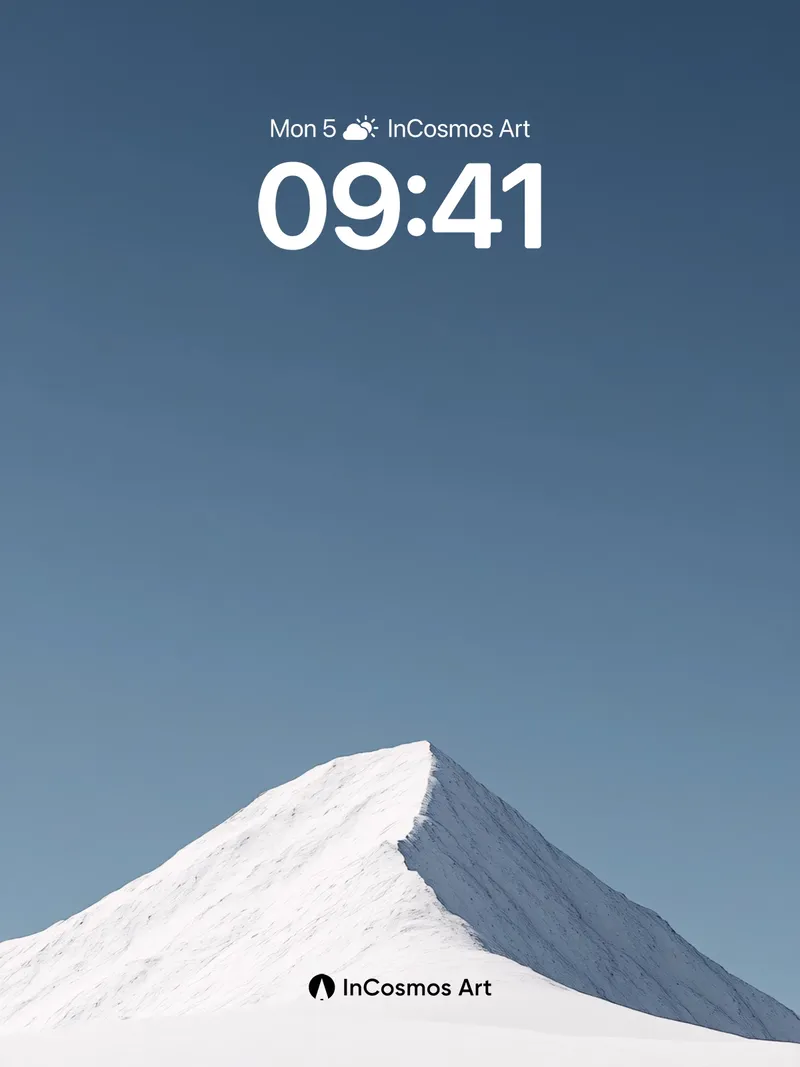
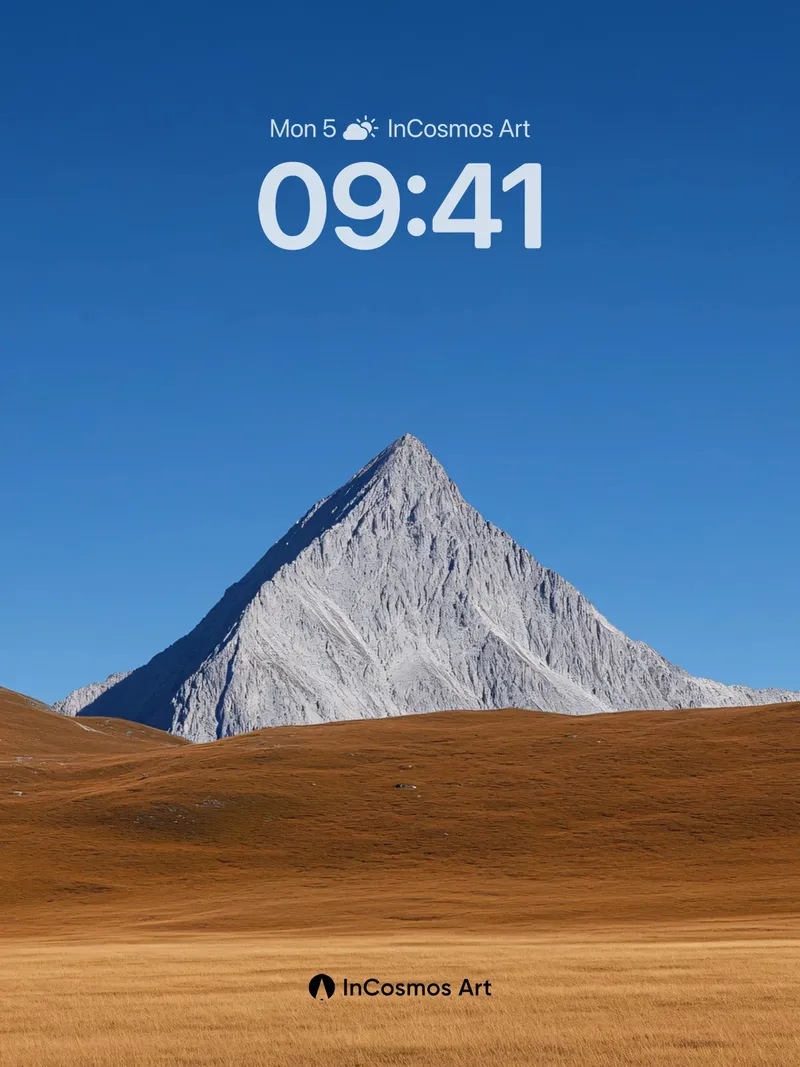
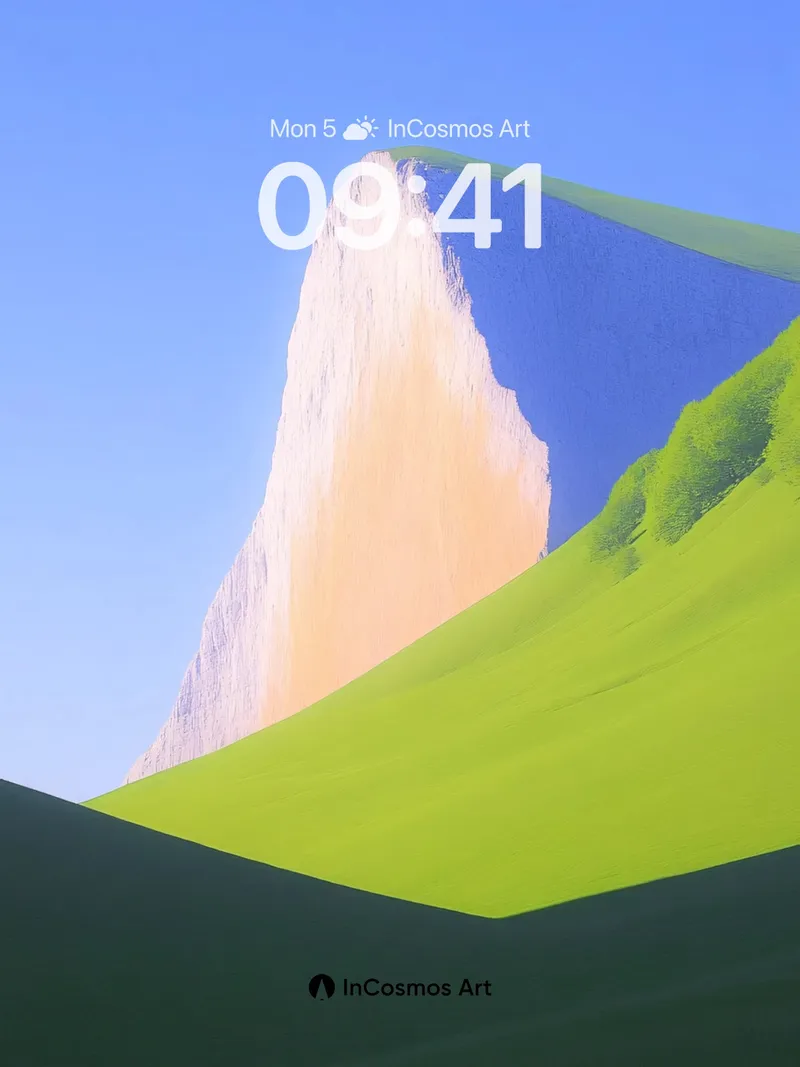
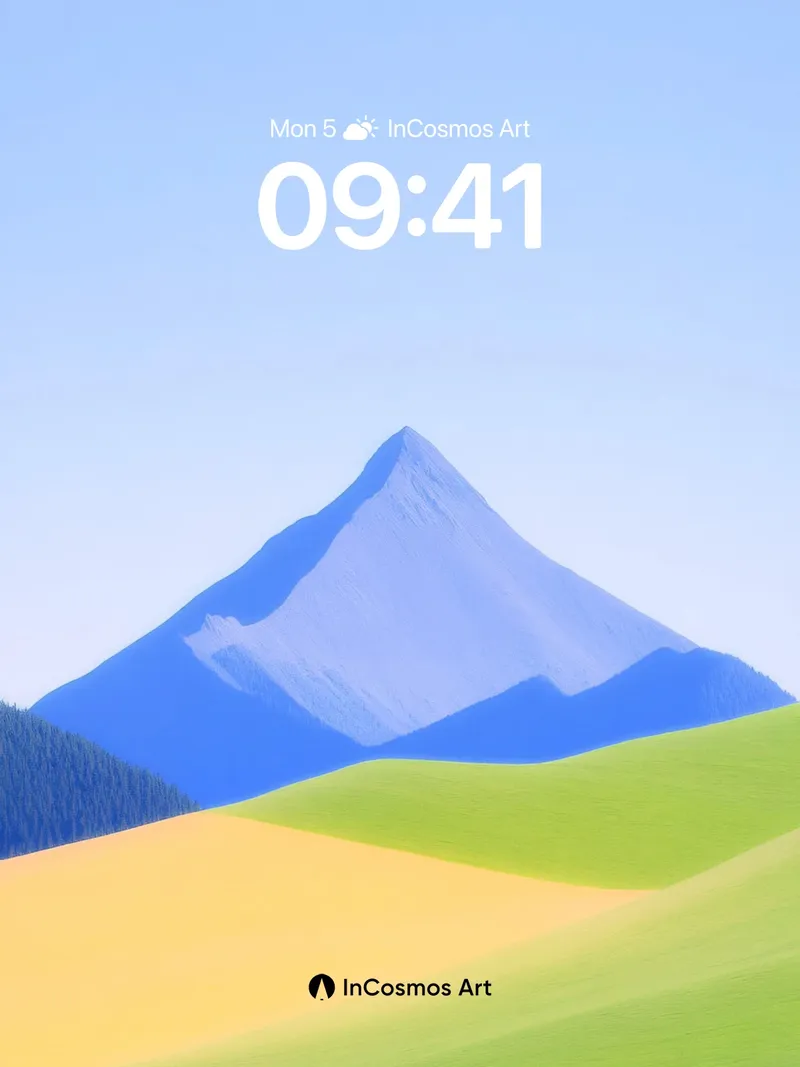
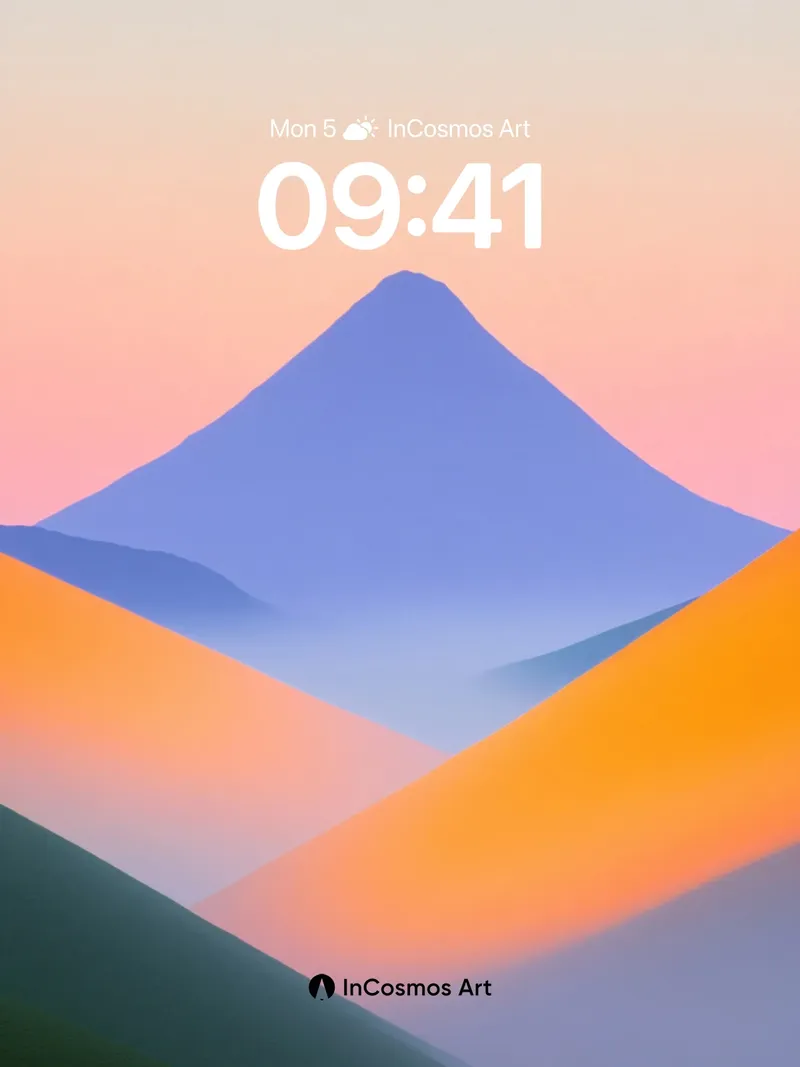
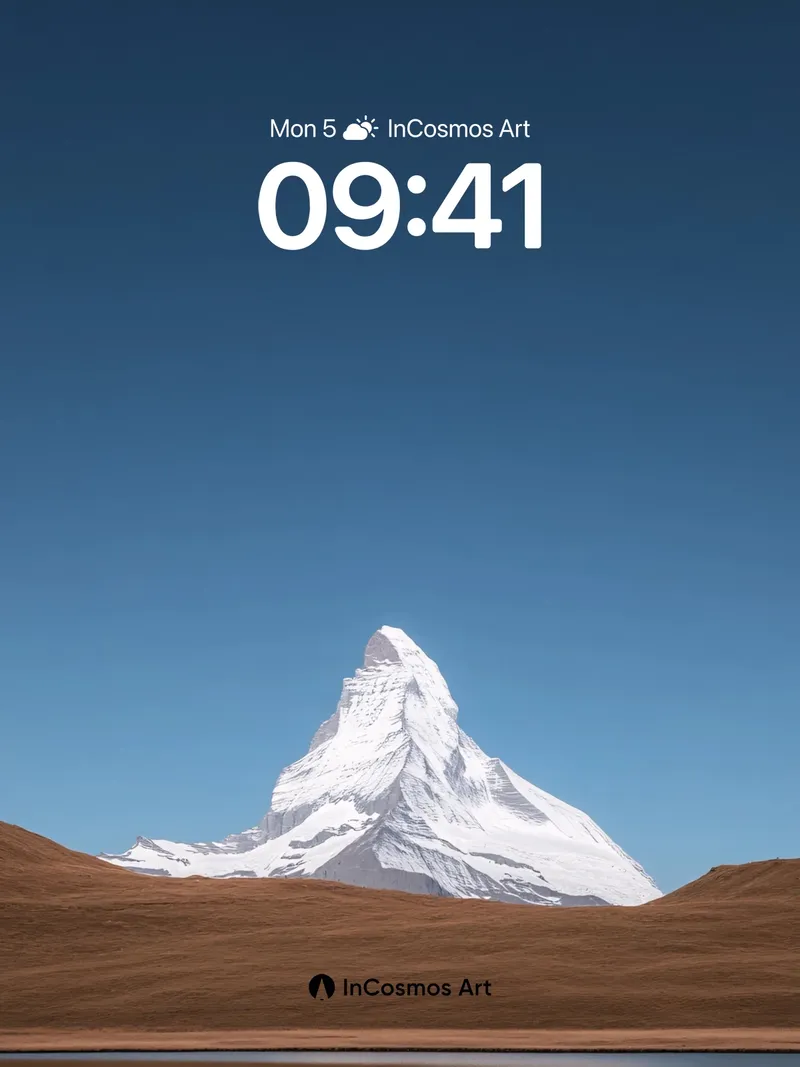
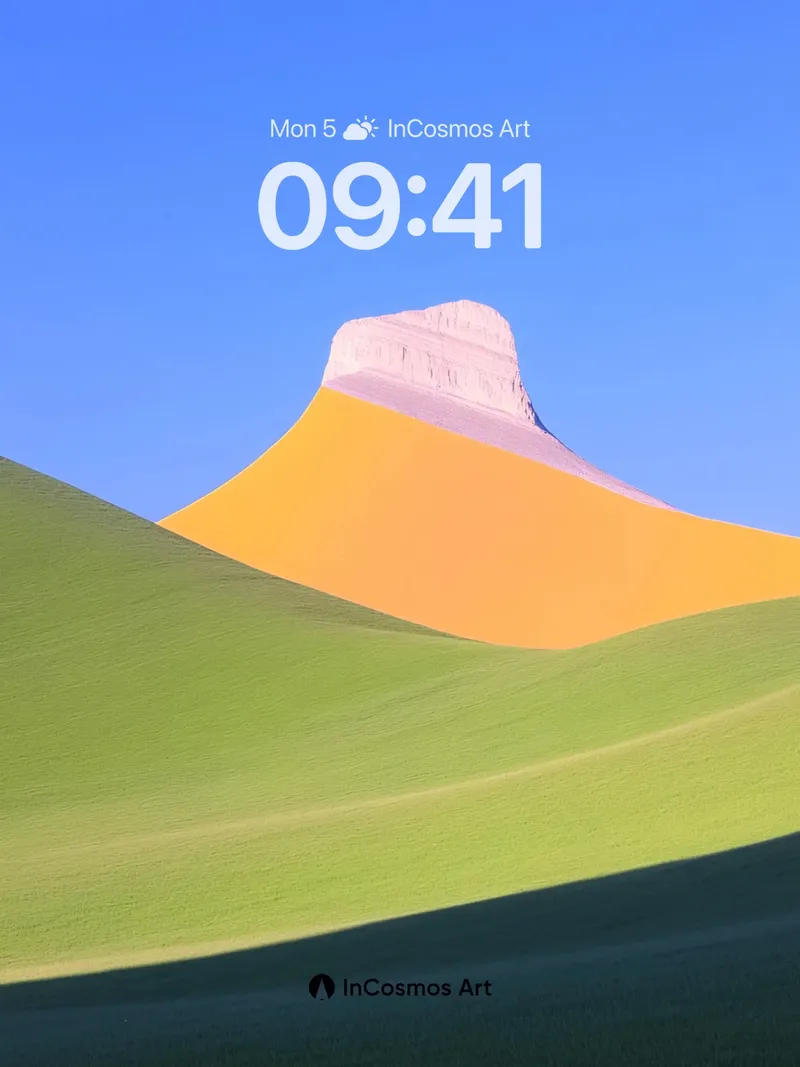
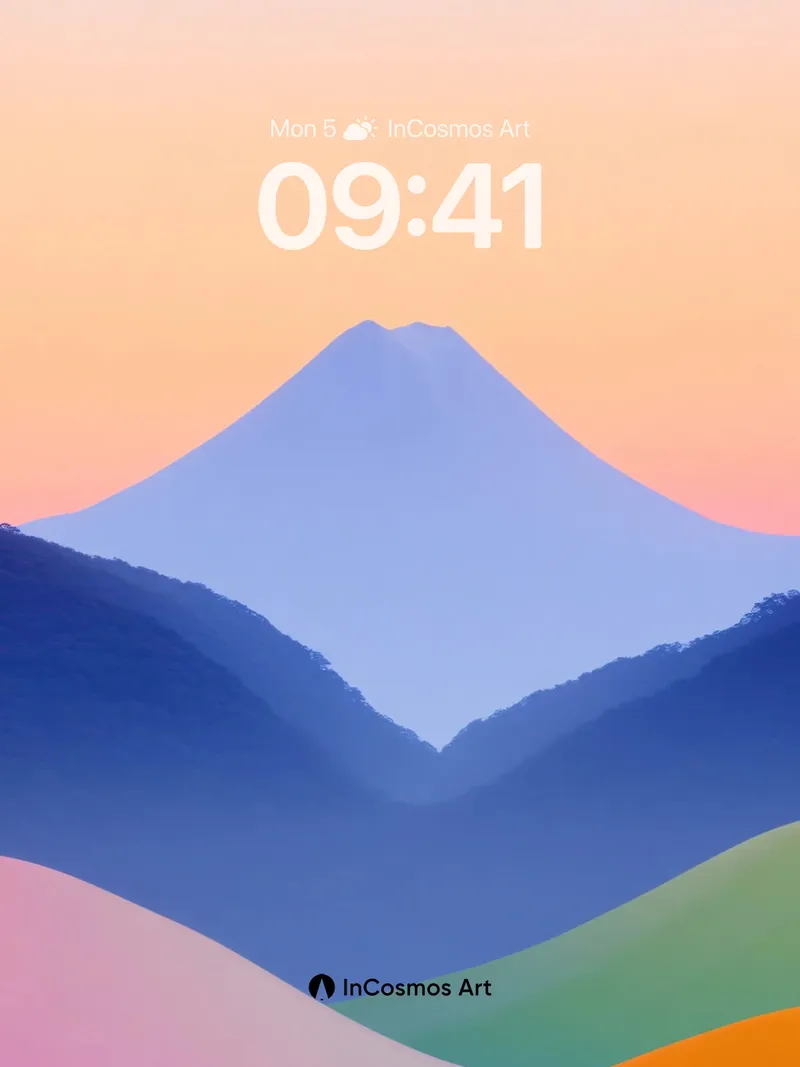
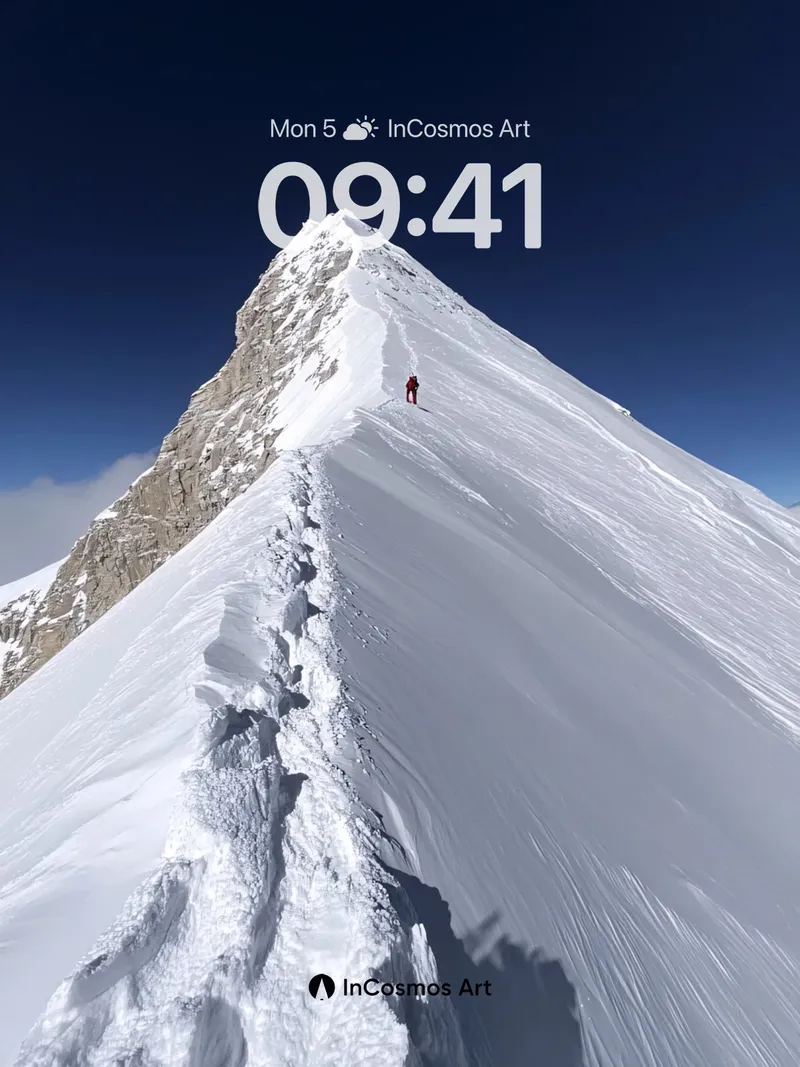
Under the shifting light of dawn and dusk, mountain ranges speak through their simplest contours. They remain silent, yet their forms carry the weight of time and the order of space. Peaks rise like blades, slicing the horizon, where blue meets orange—the breath of sunrise or sunset. Layers of mountains form a visual gradient, echoing the rhythm of the earth's own respiration. Colors are not realistic but emotional projections—warm hues signify the warmth of memory, cool tones suggest the depth of forgetting. This abstract expression elevates mountains beyond geographical entities, transforming them into metaphors of the soul.
The Geometry of Mountains
Mountain shapes often approach triangles, one of nature’s most stable structures. From the Alps to the Himalayas, sharp summits point toward the sky, mirroring humanity’s gaze toward the unknown. This form is not merely a product of geological forces but an embodiment of cosmic order. When mist wraps around mid-slopes, the mountain reveals its stratified layers, like inscriptions carved slowly by time. Each stratum holds different climates, vegetation, and histories, yet all converge toward an upward will.
Power in Silence
Mountains without sound possess the strongest presence. They do not rely on motion to capture attention but occupy vision through stillness. This silence is not emptiness but charged with tension, a quiet anticipation. Standing before such a form, the observer feels small, yet also senses an inner calm. Mountains do not change; humans do. In this contrast, individual anxieties and desires appear fleeting and minor. The mountain’s existence alone constitutes a philosophical statement.
The Metaphor of Color
The palette in these scenes is not literal but encoded emotion. Orange and yellow evoke warmth and memory, pink and purple hint at dreamlike boundaries, while deep blue descends into solitude. These hues layered over peaks grant them surreal poetry. They do not serve realism but psychological truth. When one gazes upon such imagery, what is seen is not just terrain, but a reflection of inner life.
The Abstraction of Nature
Modern aesthetics increasingly reduce nature to symbols. The mountain is no longer merely a destination but a spiritual totem. Its lines are distilled, colors reorganized, becoming pure form. This abstraction does not weaken its power—it enhances universality. Regardless of location, people recognize a shared sentiment: longing for distance, desire for peace, reverence for eternity.