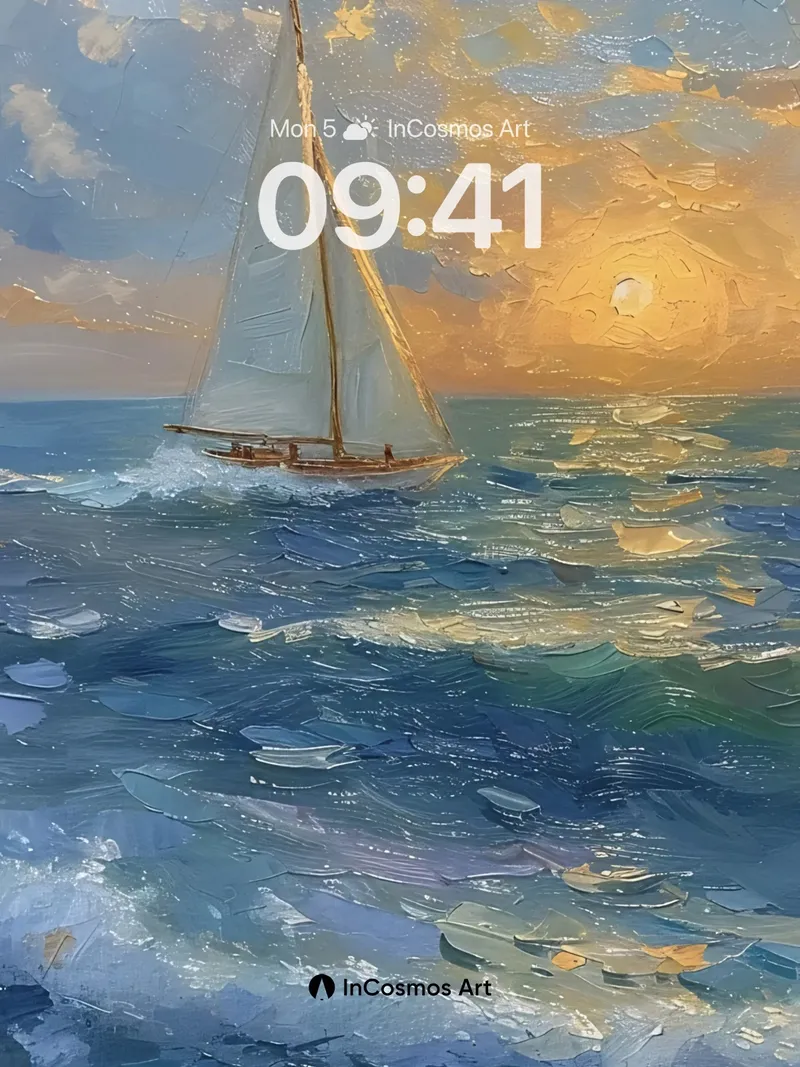
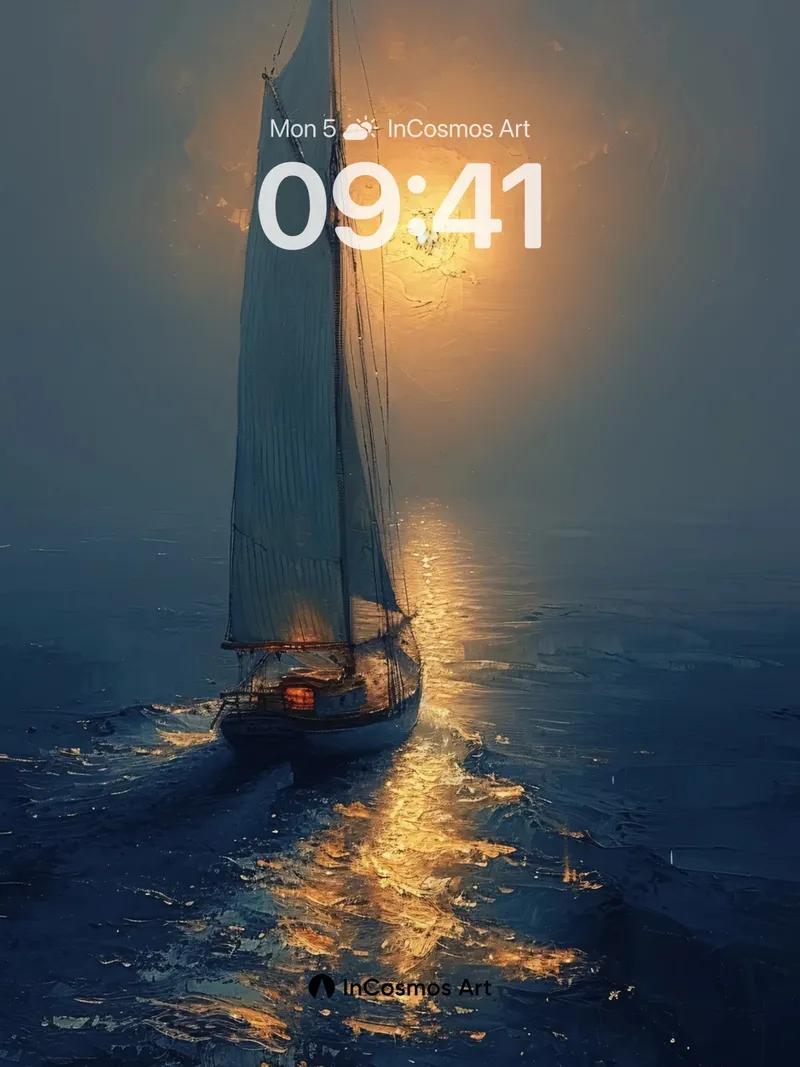
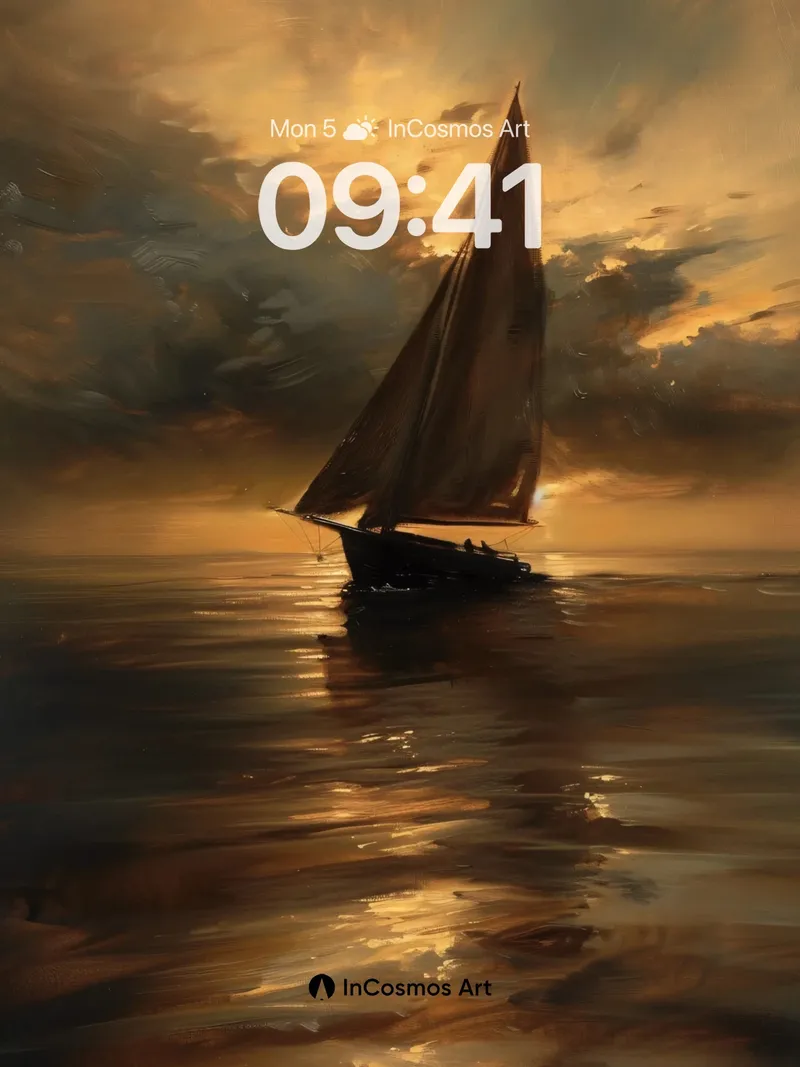
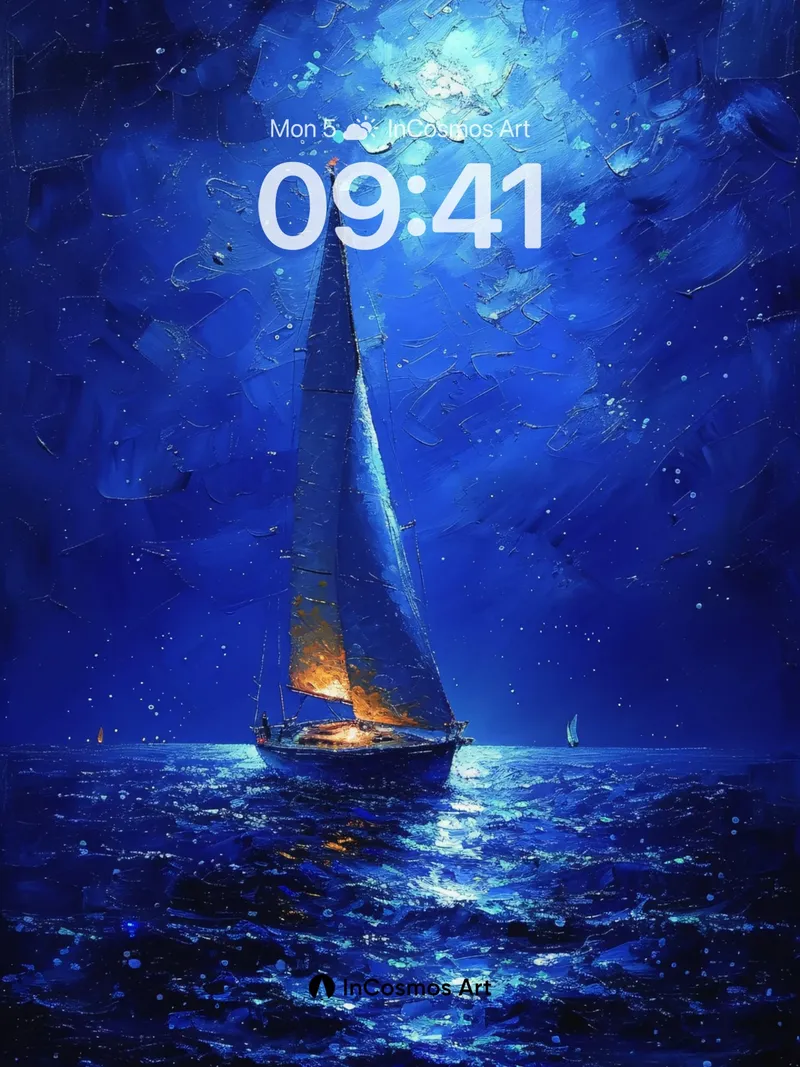
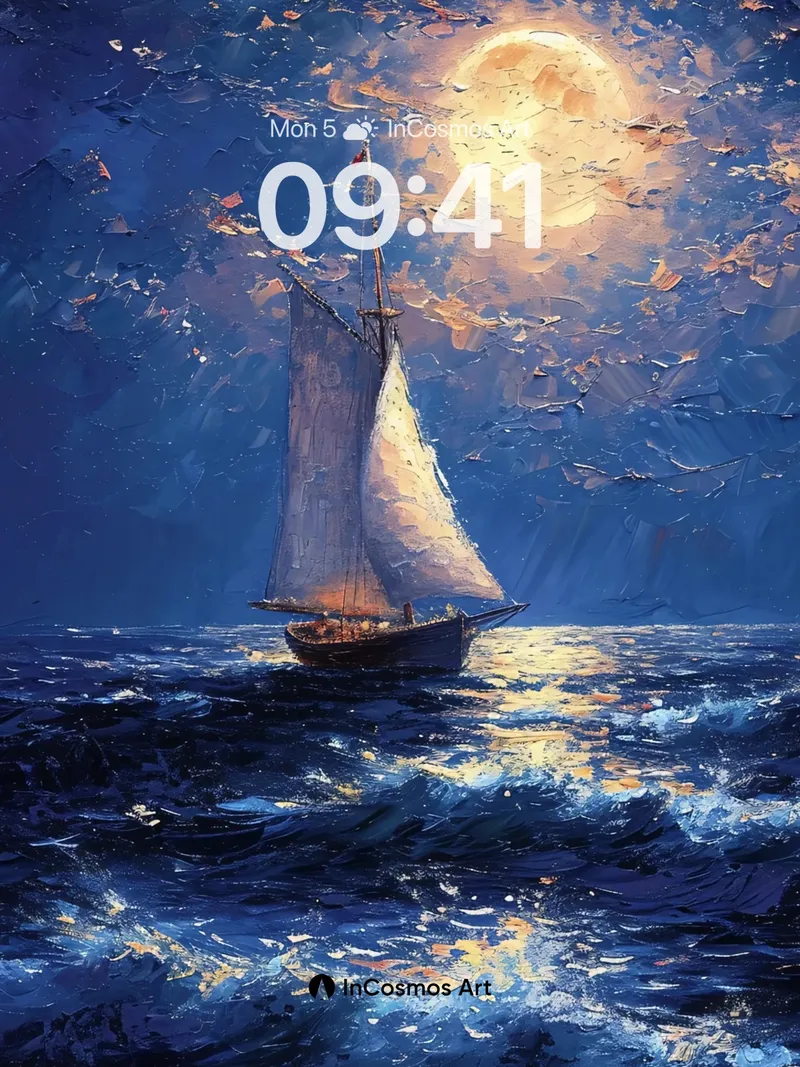
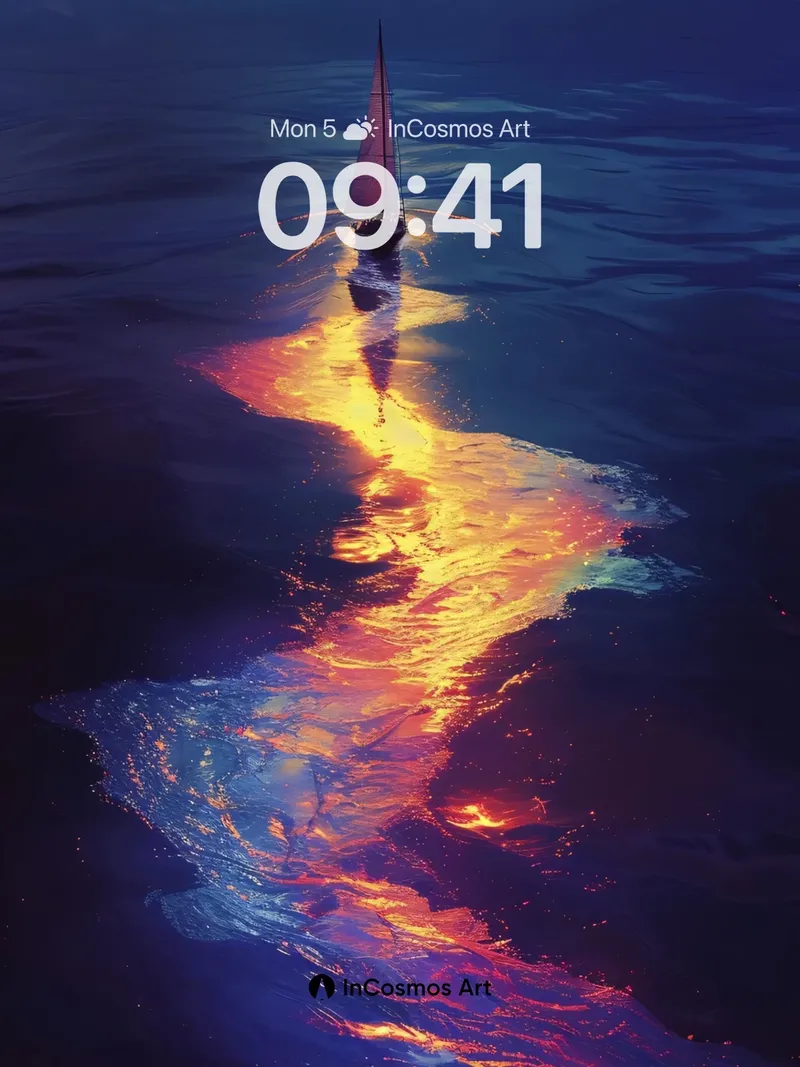
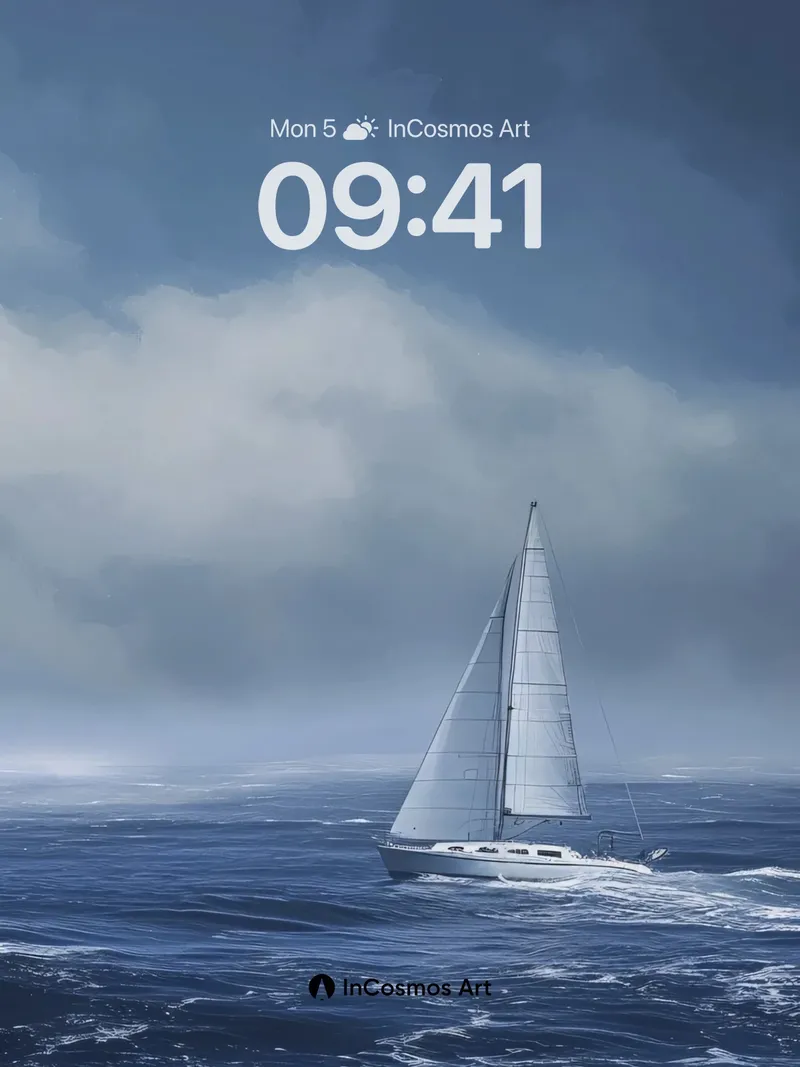
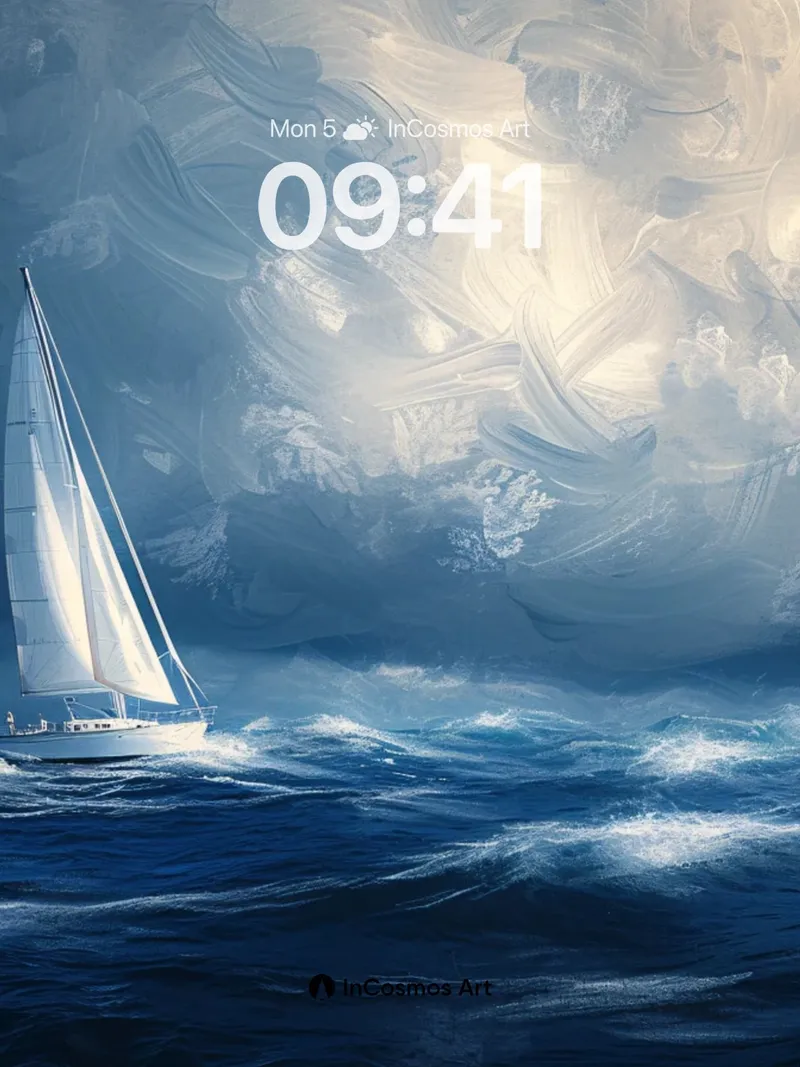
On the deep sea at night, a sailboat sails alone. The sails are full, the hull cuts through the waves, and moonlight spills across the water, creating layers of silver shimmer. The sea breeze is gentle, the waves hum softly, as if the only thing in the world is this boat, conversing with the endless ocean. In such moments, no words are needed, no direction is required—just follow the rhythm of wind and waves, sailing toward the unknown distance.
The Harmony Between Wind and Sail
The sailing of a boat relies on the power of the wind. The sails open wide, catching every breath of air, transforming invisible force into forward momentum. This harmony is not just physical collaboration but also a form of trust—trust that the wind will come, trust that the sails will catch it, and trust that the boat can carry it all.
The Guidance of Moonlight
Moonlight spills across the sea, not only illuminating the path ahead but also soothing the sailor's heart. In the darkness, moonlight is a gentle companion, preventing one from getting lost. It does not rush, does not command—it simply exists quietly, offering direction and peace.
The Romance of Solitude
Sailing alone is a form of solitude, but also a kind of romance. There is no noise from companions, no lights from the shore—only sea breeze, waves, and moonlight. This solitude is not loneliness but freedom—the freedom to choose direction, to feel the wind, and to coexist with the ocean.
The Unknown Distance
The sailboat heads toward an unknown distance. There is no map, no destination—only the guidance of the wind and the longing of the heart. This unknown is not fear but anticipation—anticipation of new scenery, new stories, and meeting a better version of oneself along the journey.