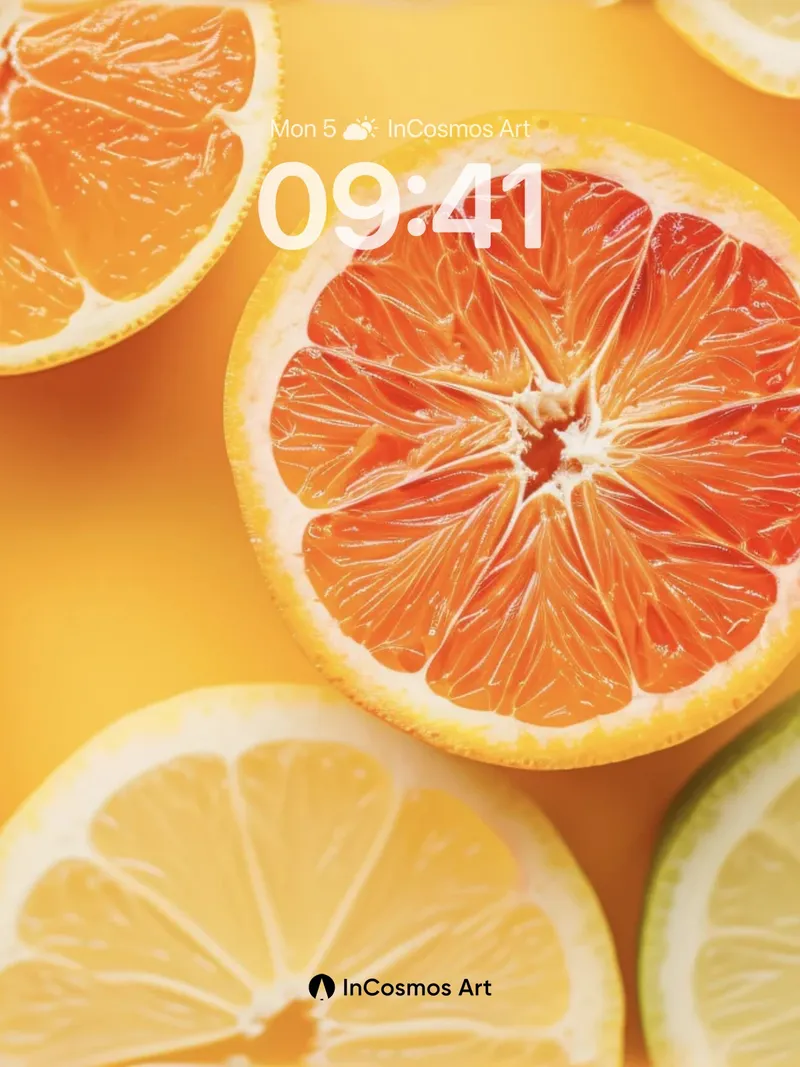
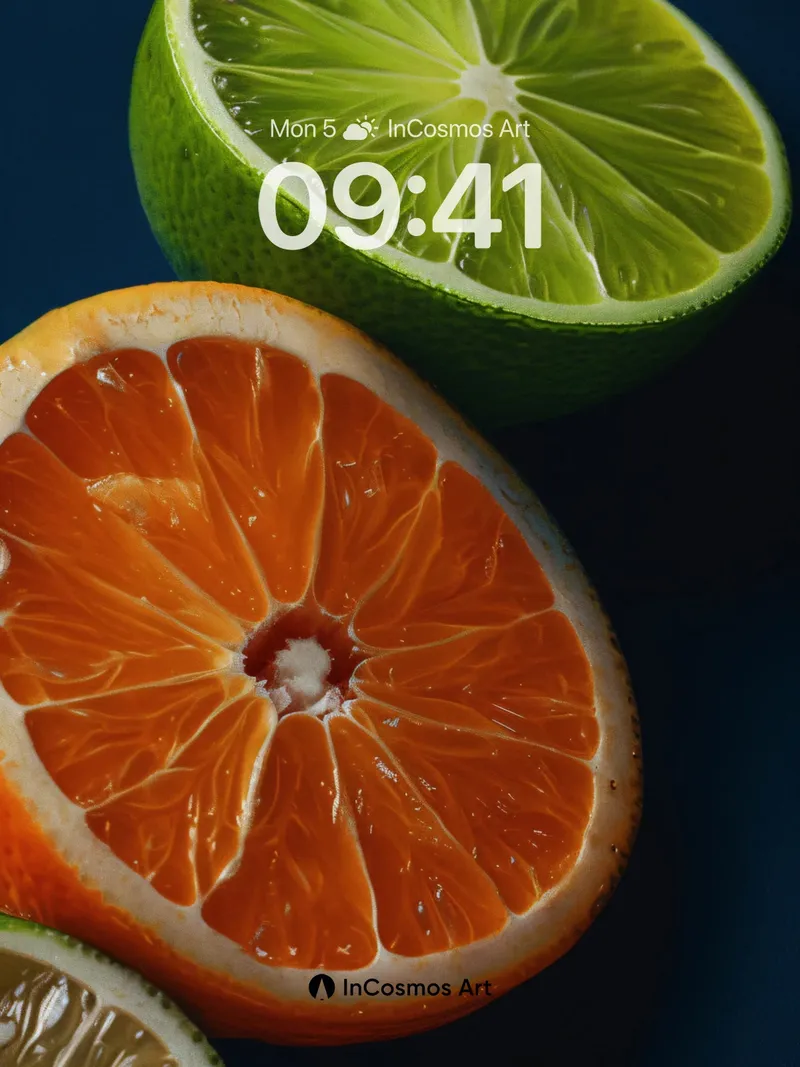
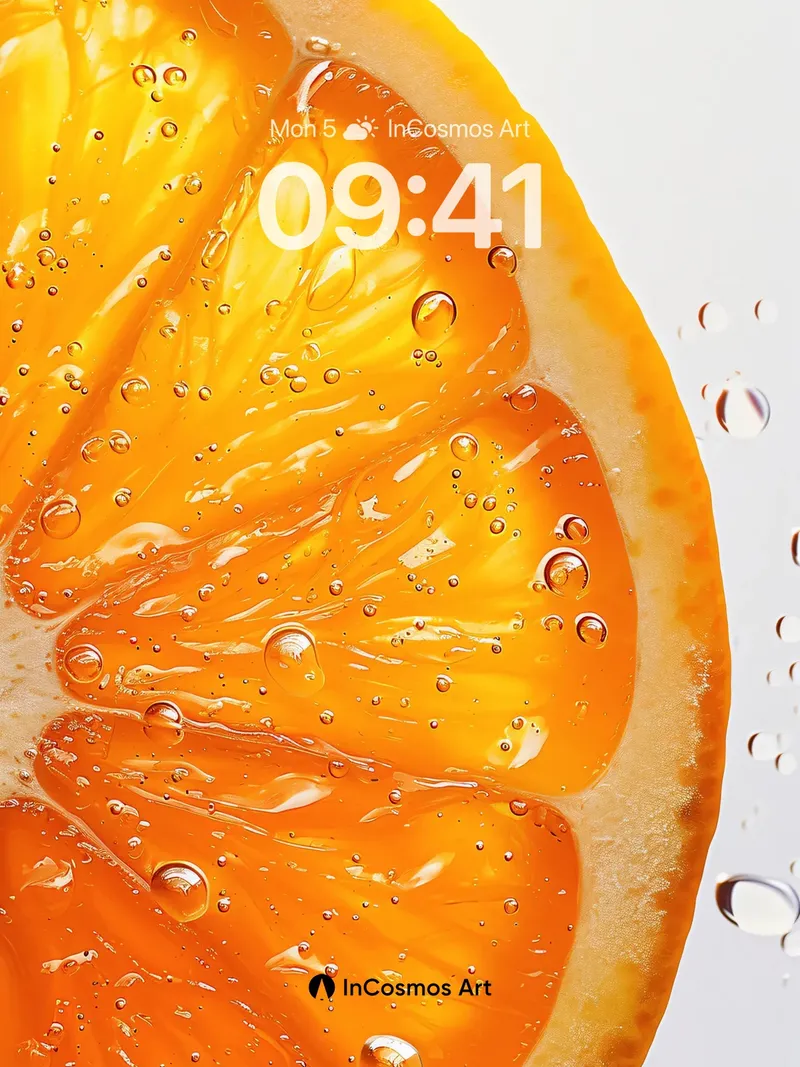
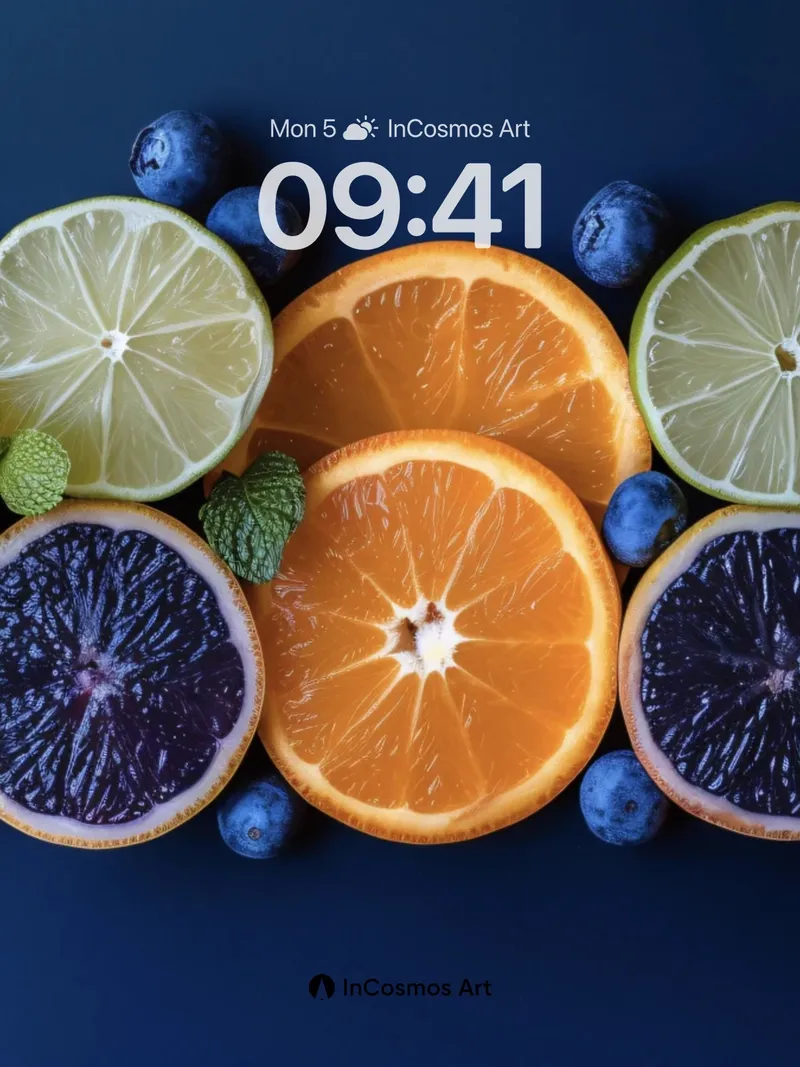
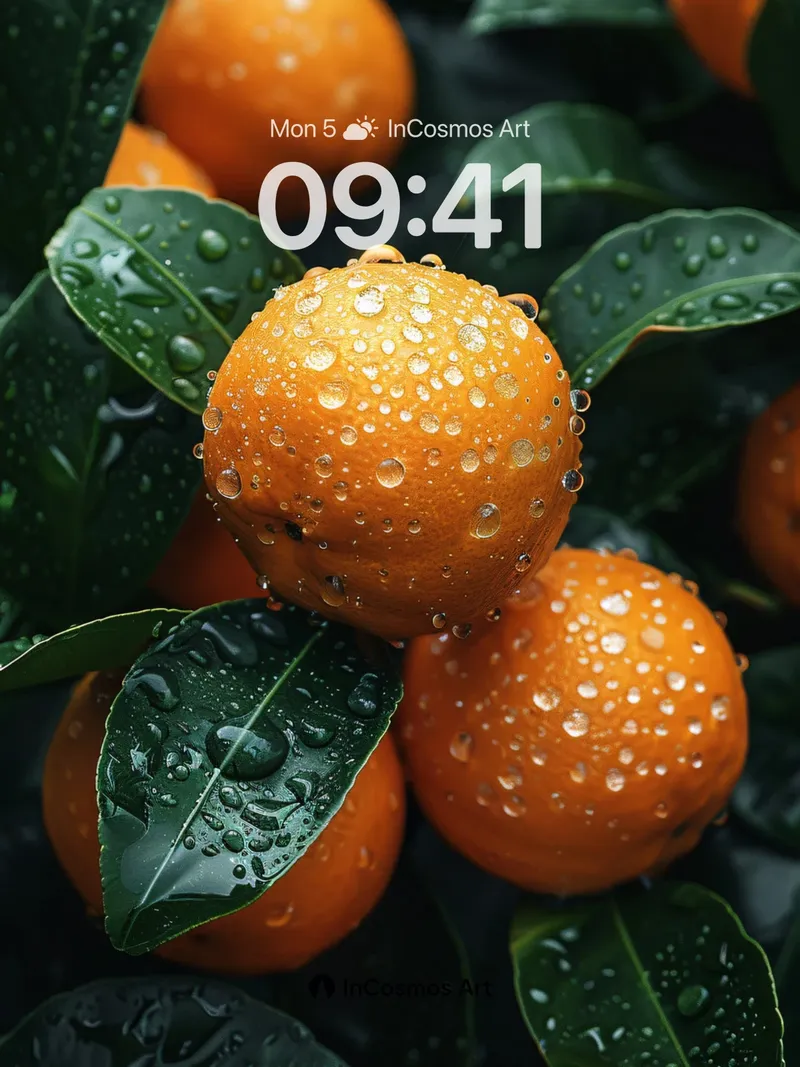
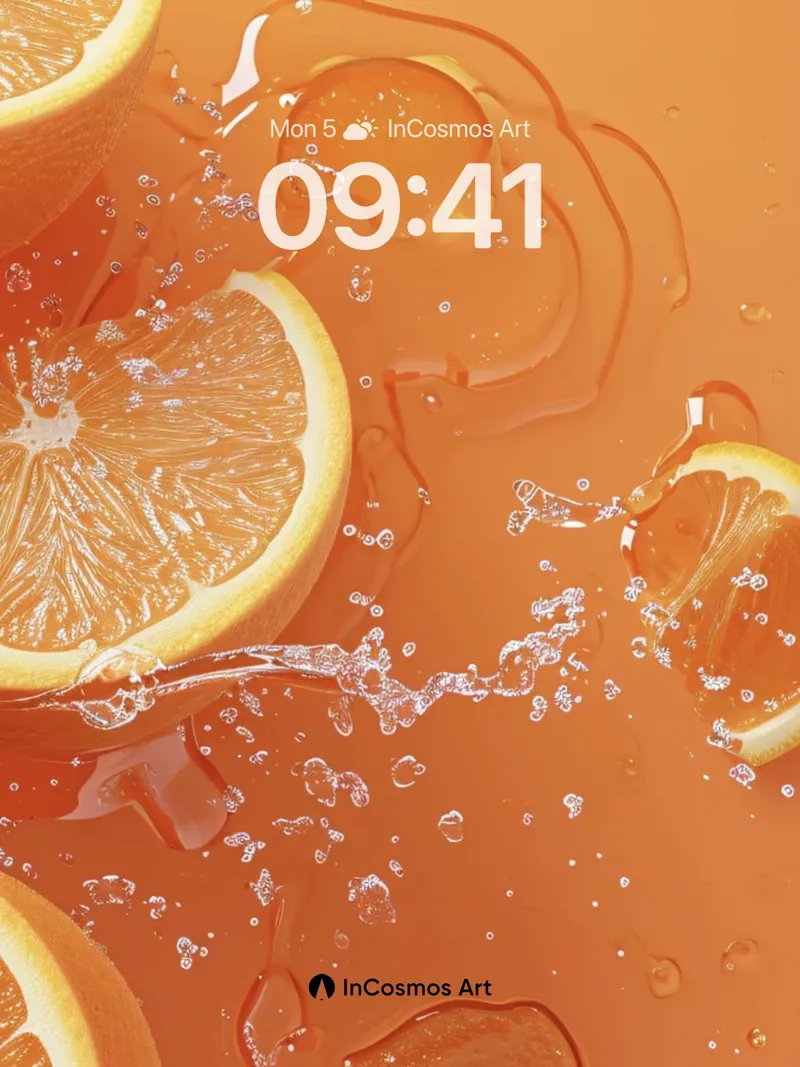
Peeling an orange releases mist-like essential oils into the air. Fingers stain with fragrance; morning drowsiness dissipates. Citrus fruits serve as more than food; citrus acts as a sensory switch. Urban life moves fast; humans crave natural intervention. A dew-covered tangerine on a corner table holds more presence than countless decorations.
Psychological Color Cues
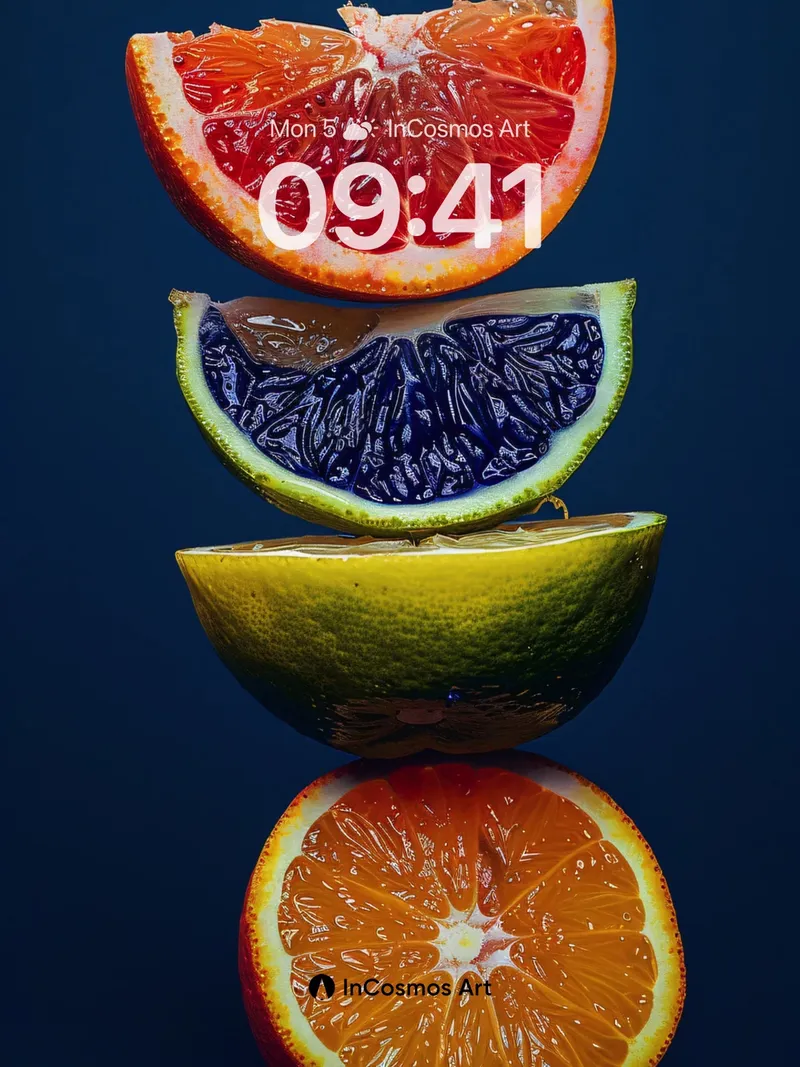
Orange and yellow dominate the view. Color psychology suggests warm tones stimulate appetite and energy. Placing several fruits on a kitchen counter makes the space immediately lively. Lemon yellow-green brings calm; blood orange deep red hints at richness. Varieties correspond to different emotional states. Choosing fruit equals choosing a daily mood. Bright tones counteract indoor gloom; no extra light source needed, fruits emit energy alone.
Scent Memory and Routine
Scent memory lasts longest. Lemon acidity links to cleanliness and beginnings. Grapefruit bitterness hints at maturity. Olfactory senses navigate daily rhythms. Aroma filling the room after cutting masks chemical feel of artificial fragrances. Natural essential oil molecules drift; purification happens between breaths. Natural experience cannot be replicated by synthetic spices. Smelling citrus in the morning automatically puts the brain into work mode.
Tactile and Real Texture
Skin feels rough; flesh remains juicy. Contrast creates beauty. Water droplets rest on the surface, refracting light. Tactile experience complements sensory enjoyment. Fingers pressing the skin feel internal juice tension. Knife resistance against the fruit feels real. Modern life fills with virtual interaction; real touch becomes precious. Holding a heavy pomelo brings reassurance through weight.
Ritual of Simple Living
Daily cutting action becomes ritual. Simple actions grant life order. No complex decoration needed; nature remains sufficient. Washing fruit process also washes mood. Water flow washes surface dust, restoring original luster. Plating needs no skill; random stacking shows vitality. Healthy eating concepts spread; citrus becomes vitamin symbol. Eating process connects body to natural cycles.
Seasonal changes affect fruit sweetness. Winter citrus sweetest; summer lemon sourest. Eating according to season lets body perceive natural rhythm. Piles of fruit crates in markets transmit harvest signals. Selection process contains expectation; every peeling holds unknown surprise. Sometimes sour, sometimes sweet, like life fluctuations. Accepting imperfect taste means accepting real texture.
Fruit platters center family gatherings. Sharing flesh narrows interpersonal distance. Juice staining fingers makes interaction relaxed. No cutlery barrier; direct hand contact with food. Primitive eating method wakes instincts. Children like peeling oranges; play combines with eating. Adults rebuild connection through sharing. Citrus becomes social medium, transmitting kindness and care.
Storage methods reflect life wisdom. Cool places extend freshness. Dry environments prevent mold. Observing skin changes judges eating timing. Wrinkled skin means water loss; luster means freshness. Detail observation cultivates patience. Caring for food equals caring for self. Consumption process witnesses time passing. Empty plate means one period ends, waiting for next refill.