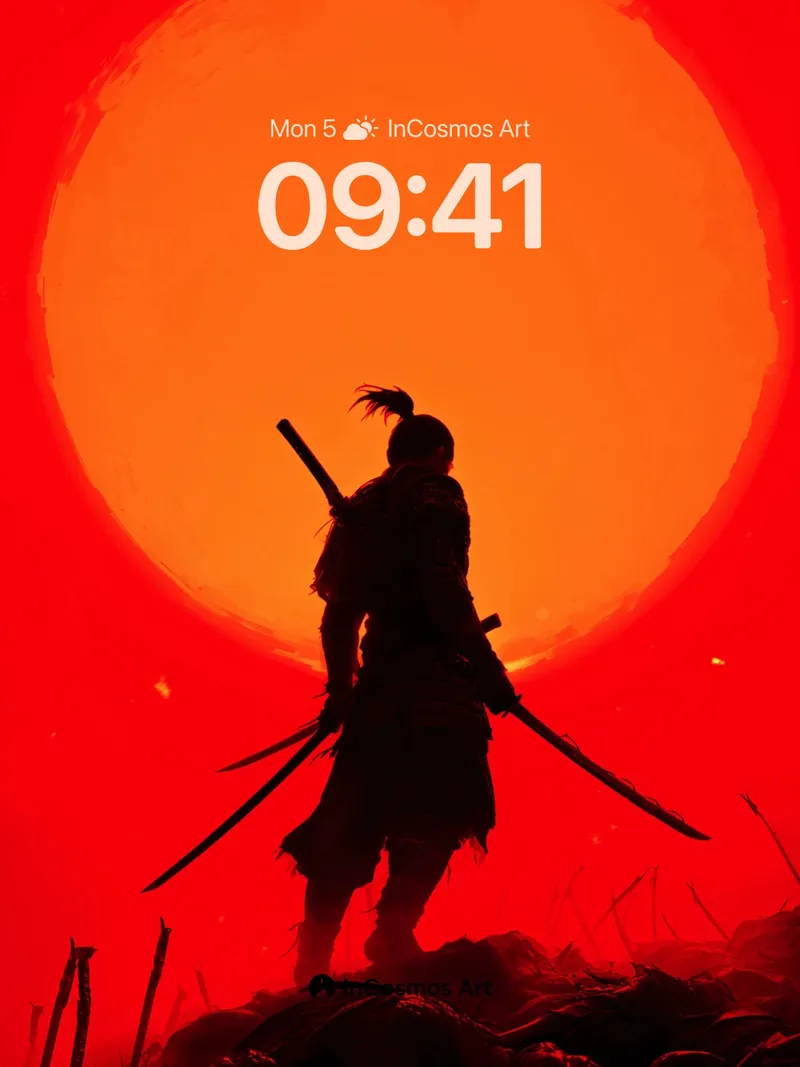
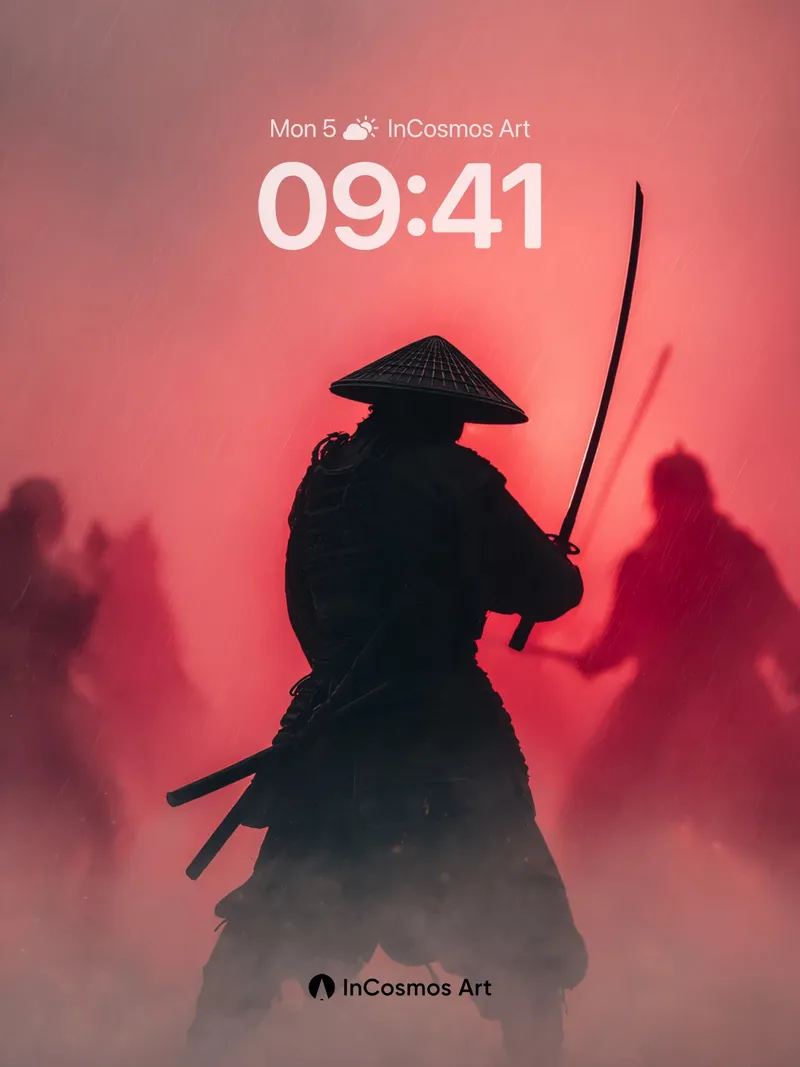
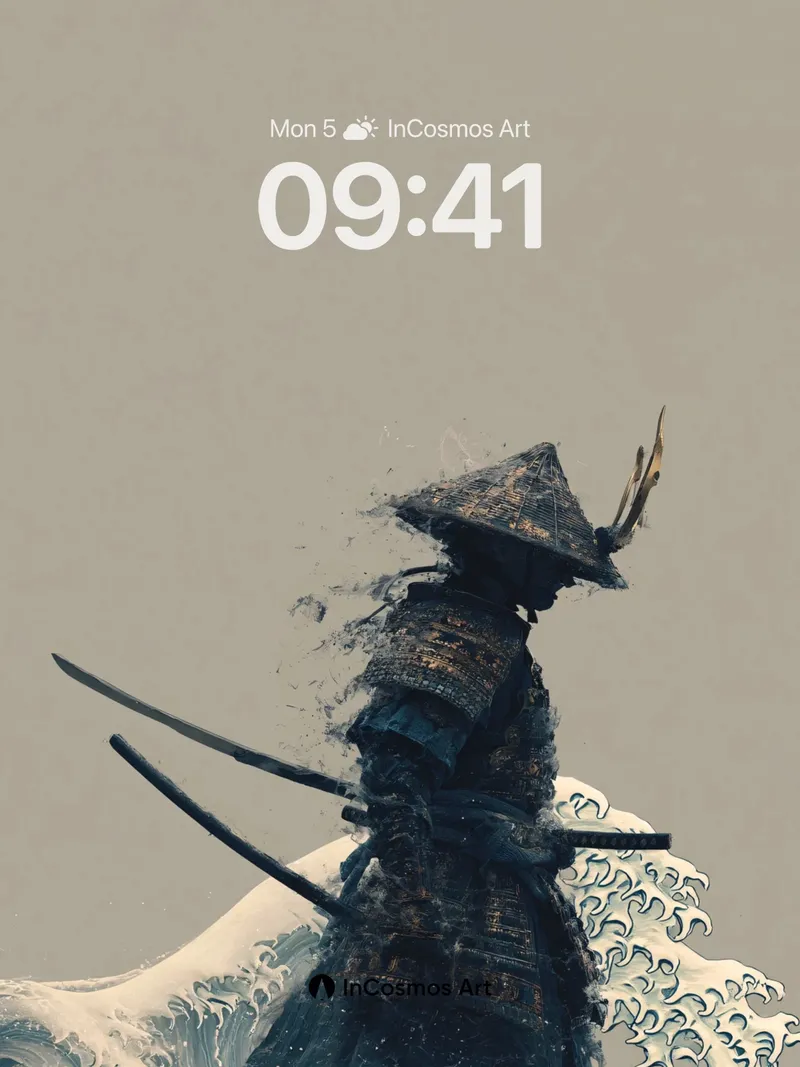
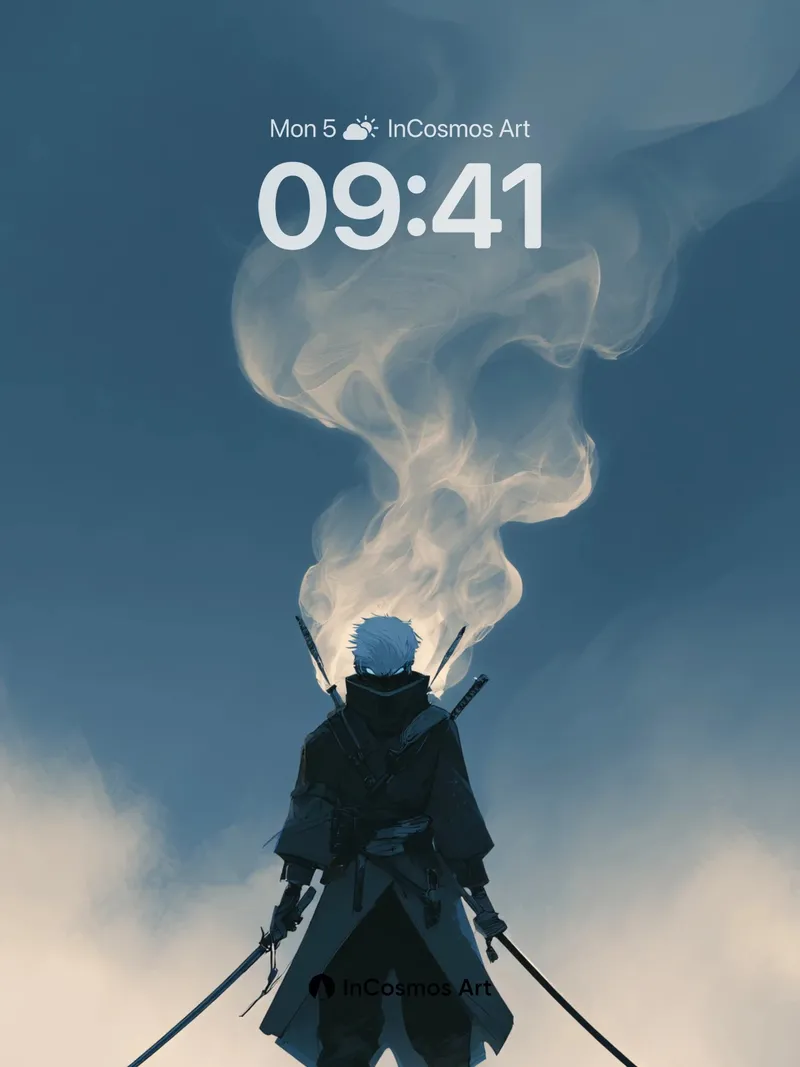
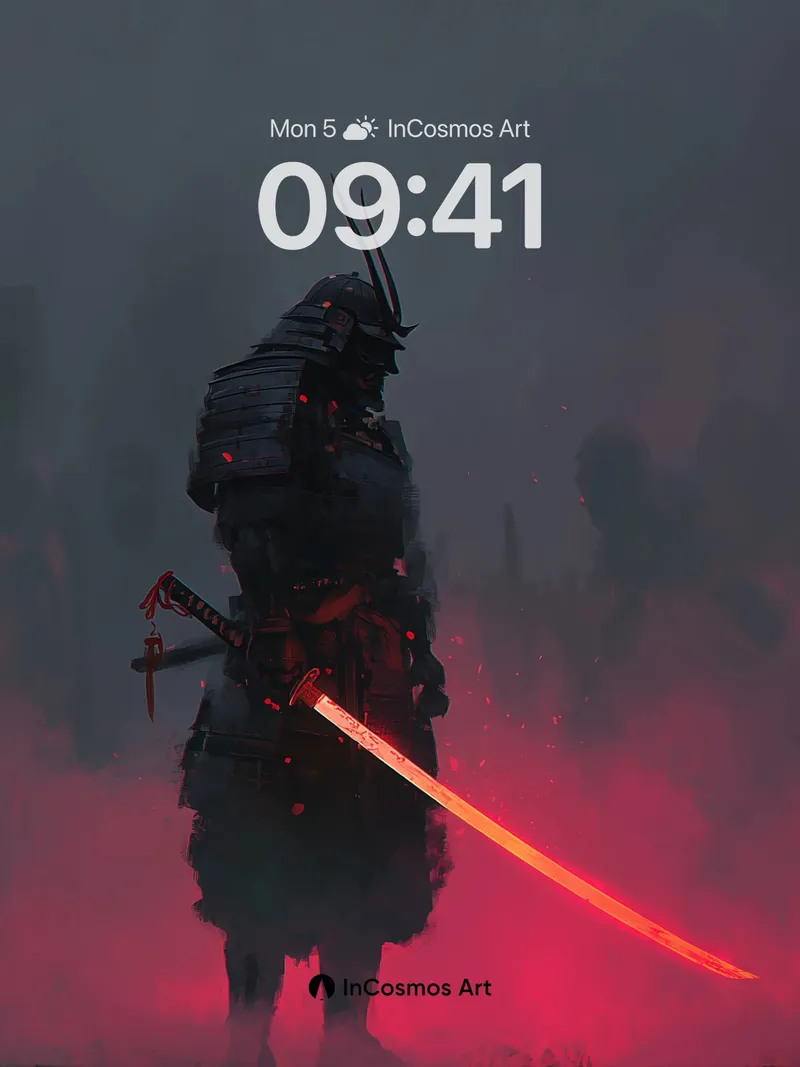
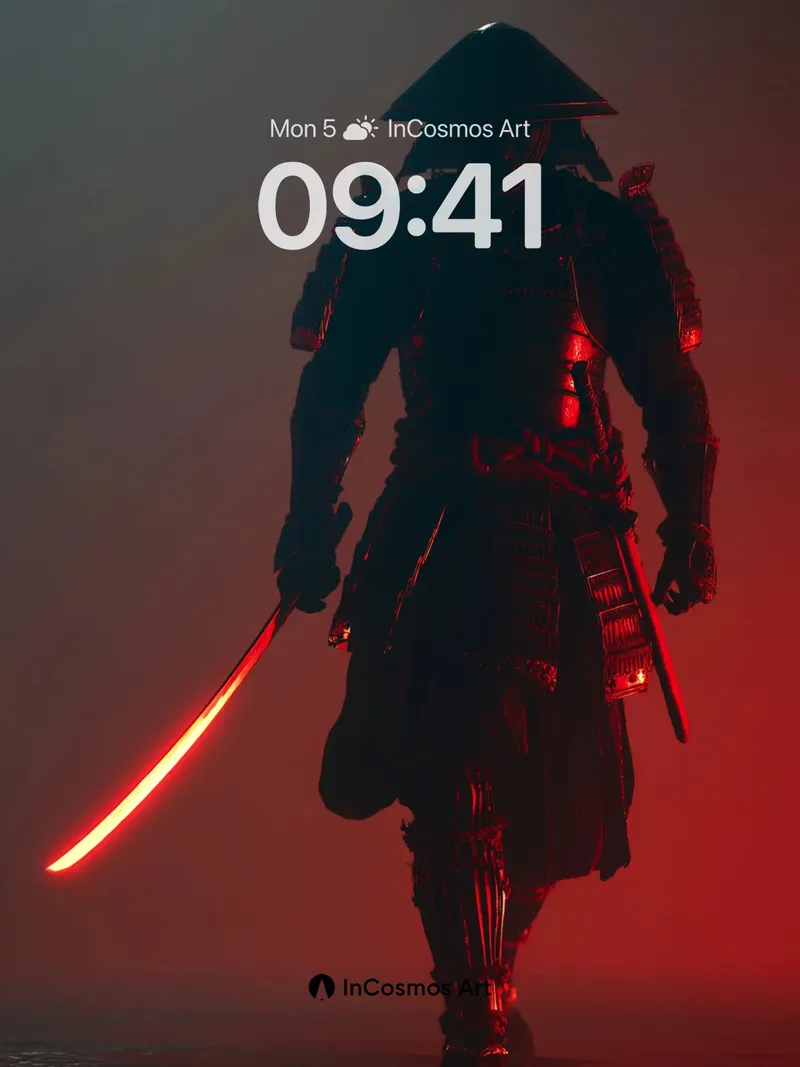
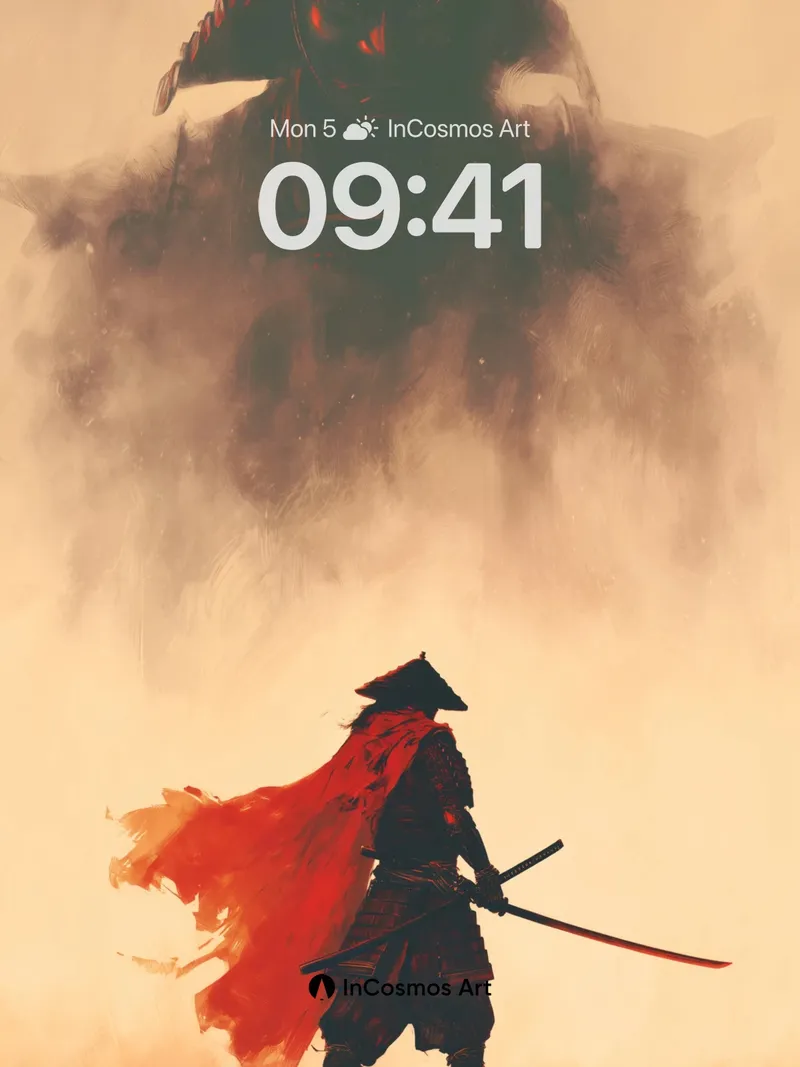
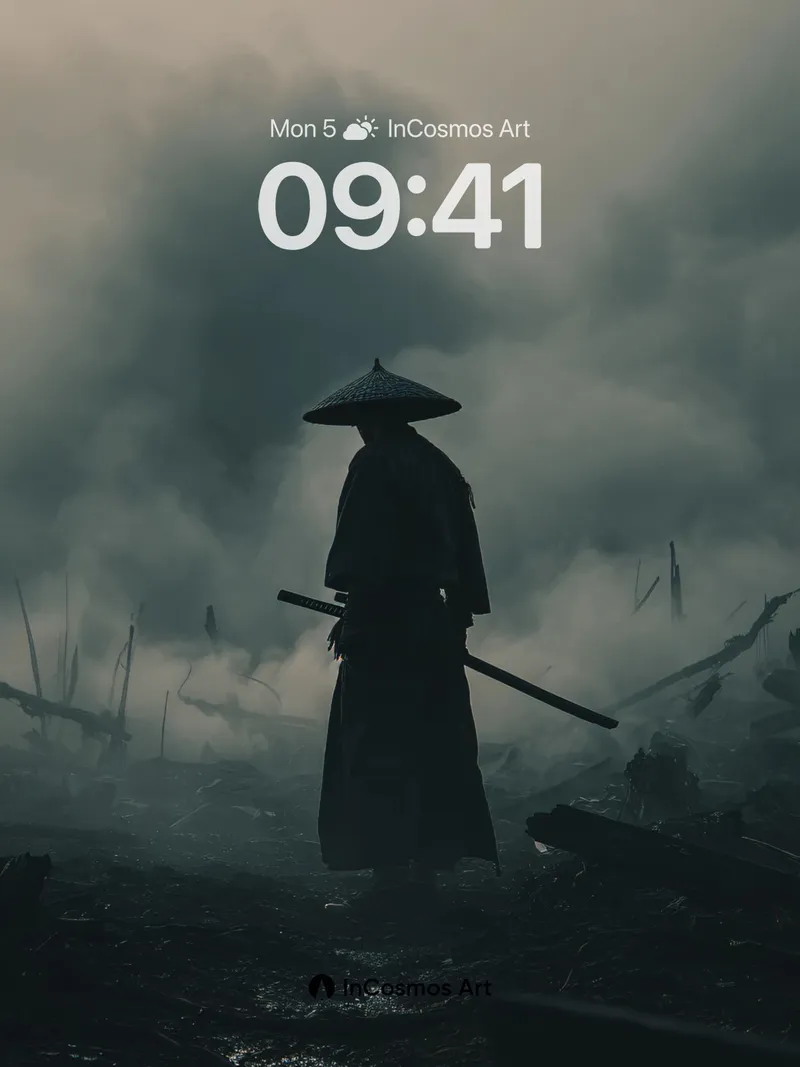
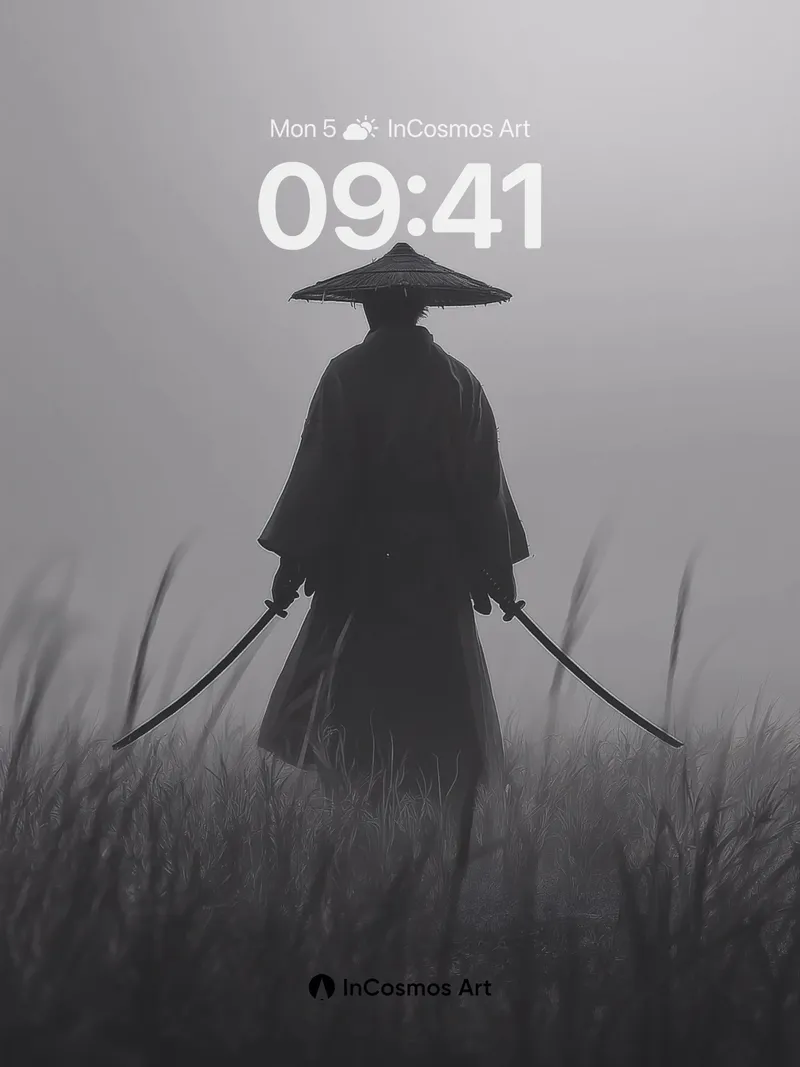
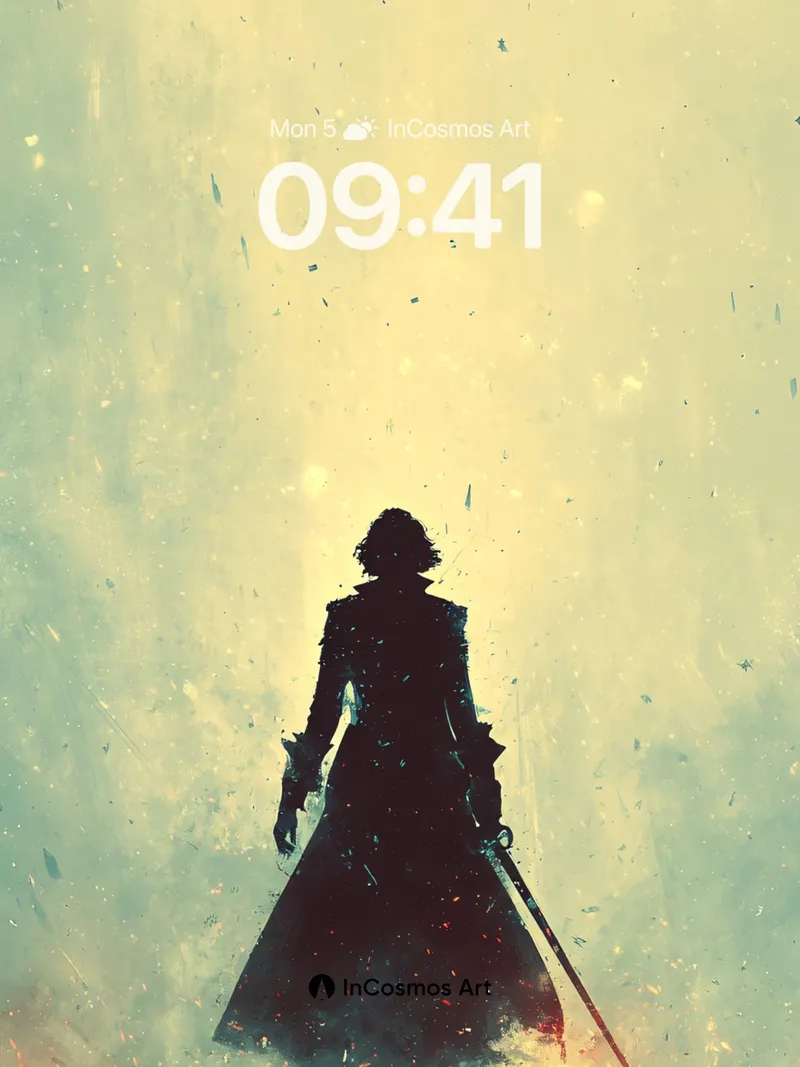
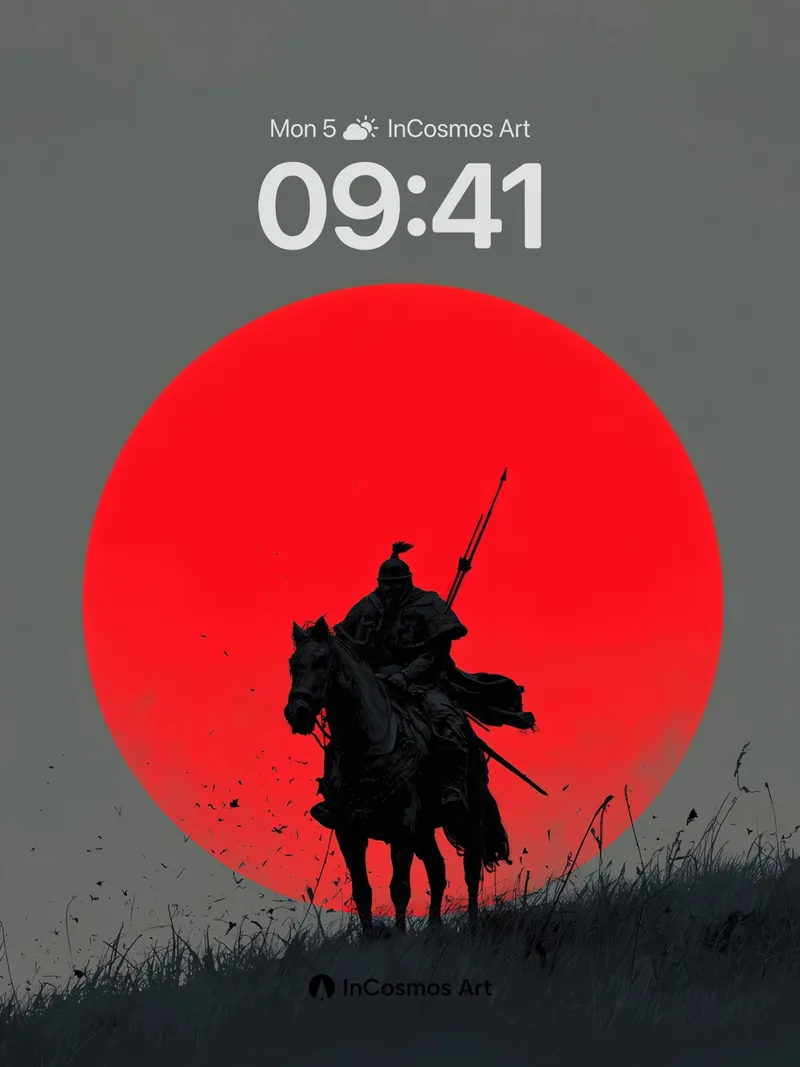
At the edge of light and shadow, human silhouettes become measures of time. Blades remain sheathed yet already slice through silence. Amidst swirling winds and rising mists, a dark figure stands between heaven and earth, bearing the weight of tradition and solitude. These forms are not mere relics of history but enduring symbols in cultural memory. They walk through dust, blood haze, and blazing suns, each step placed at the edge of fate. Silence is not retreat—it is calm after gazing into the abyss. Beneath armor and straw hat lies a deep understanding of order, honor, and death. The gleam of steel reflects not only opponents but also inner mirrors. In modern contexts, this image is reinterpreted—both an echo of the past and a spiritual totem for the future.
Cultural Genes in Solitary Figures
In Eastern thought, individuals often stand between collective will and natural law. The samurai embodies ethics such as loyalty, self-discipline, and selflessness. Its very presence is ritual—an externalization of internal order. When reduced to silhouette, its symbolic power intensifies. Visual minimalism highlights psychological complexity. This is not a story of combat but a philosophy of choice. Each draw of the blade affirms identity.
States of Being in Light and Shadow
Contrast between intense light and thick fog enhances the subject's unknowability. Stripped of detail, the figure gains universality. Viewers no longer focus on face or expression but on posture and environment. This treatment echoes Zen aesthetics of emptiness and non-being. True strength lies not in motion but stillness; not in words but silence. A hand lightly grips the hilt, two blades at the waist—signifying constant readiness: capable of action, yet poised in stillness.
Spiritual Projection in Modernity
In contemporary society, individuals face anxiety and fragmentation. The samurai offers a psychological anchor: firm, focused, purposeful. Though times change, the search for meaning persists. This image appears across games, films, and art, becoming a cross-cultural empathy conduit. It reminds that maintaining inner order and dignity amid chaos is a near-sacred practice.