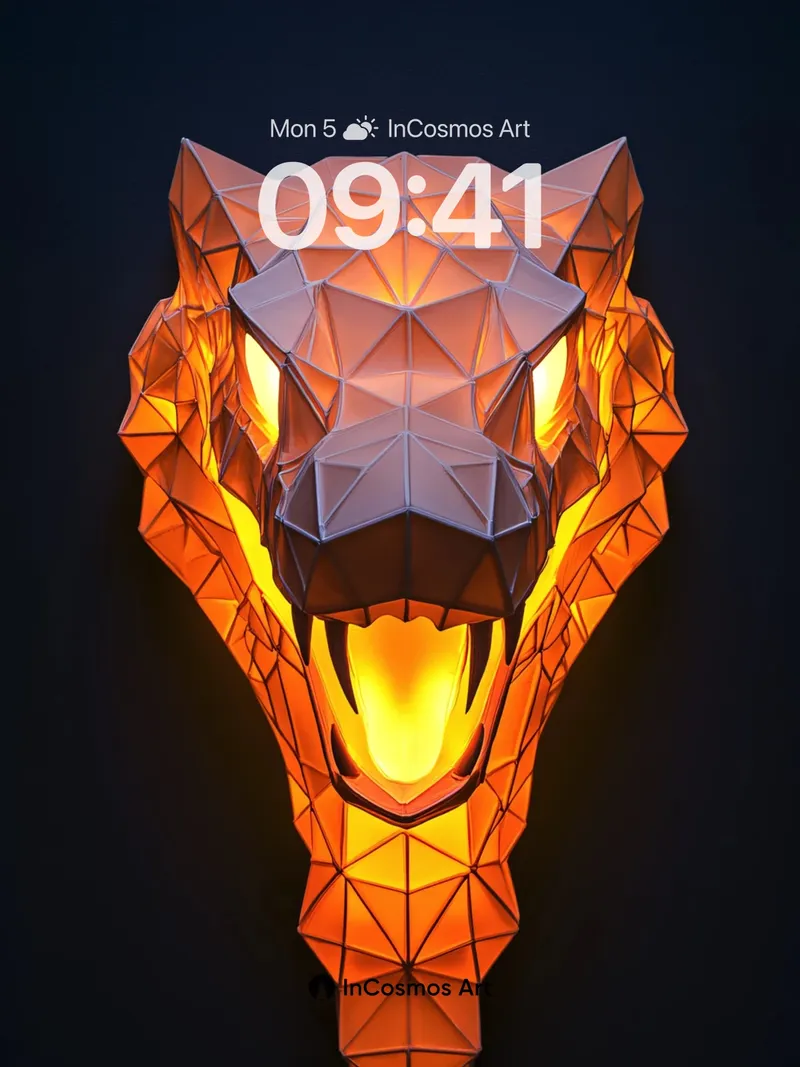
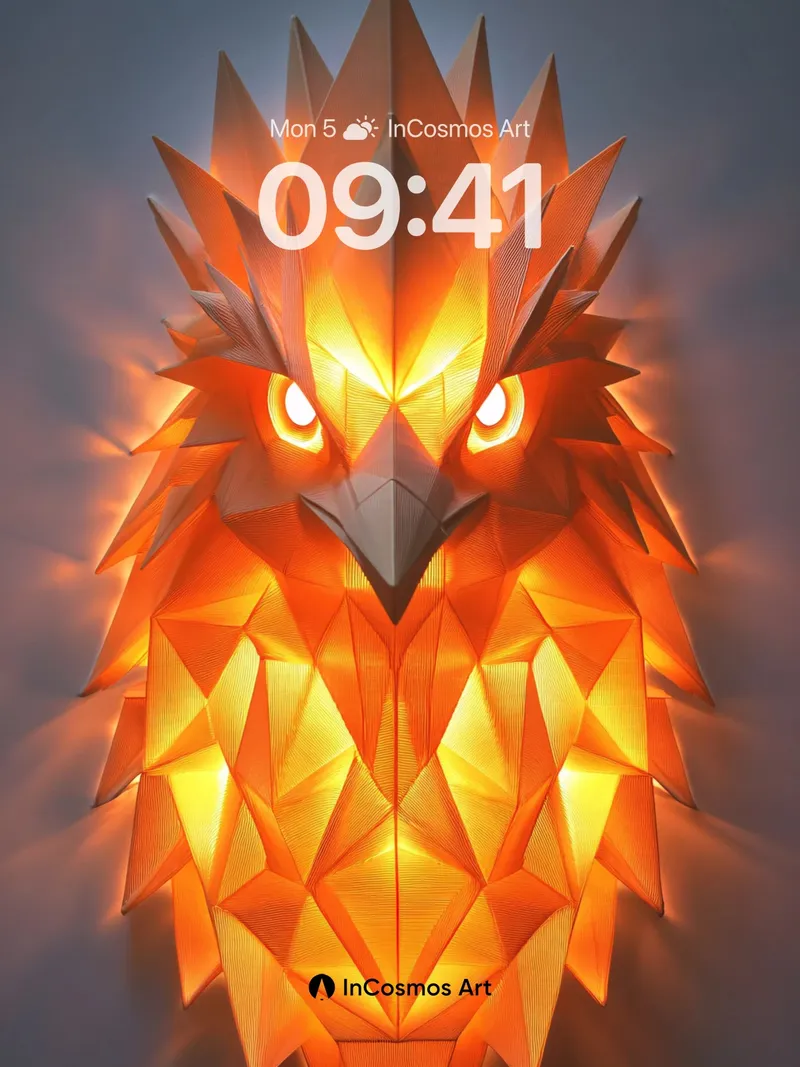
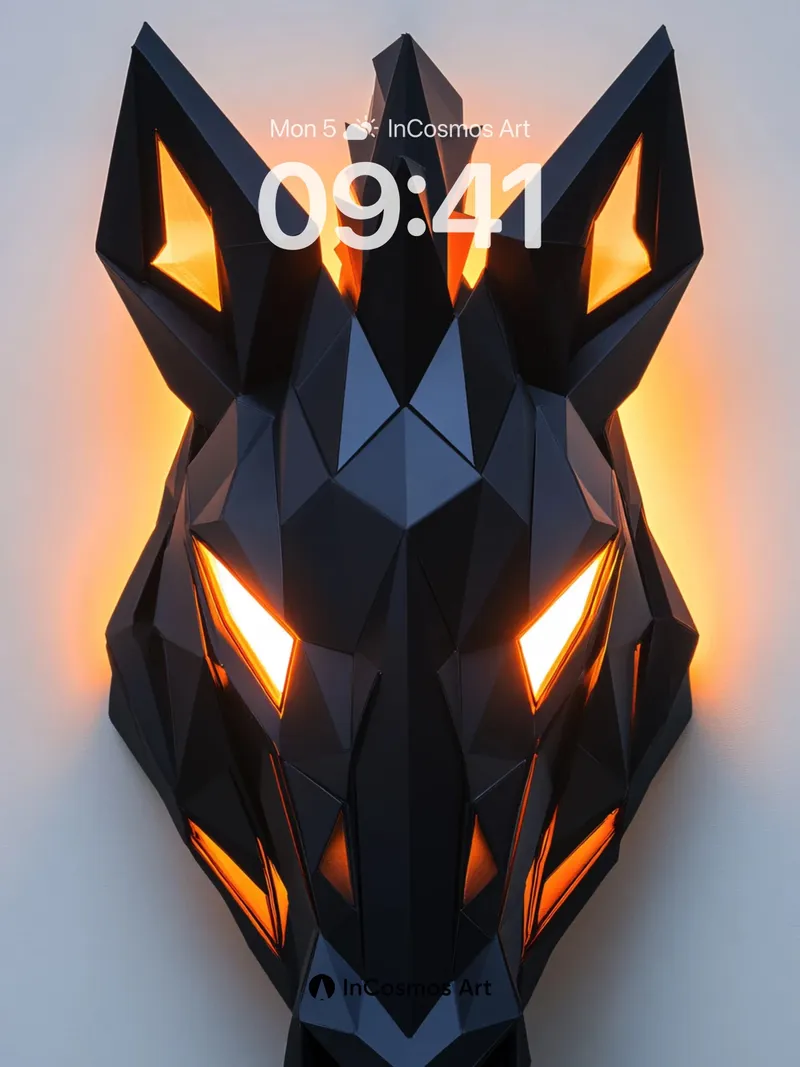
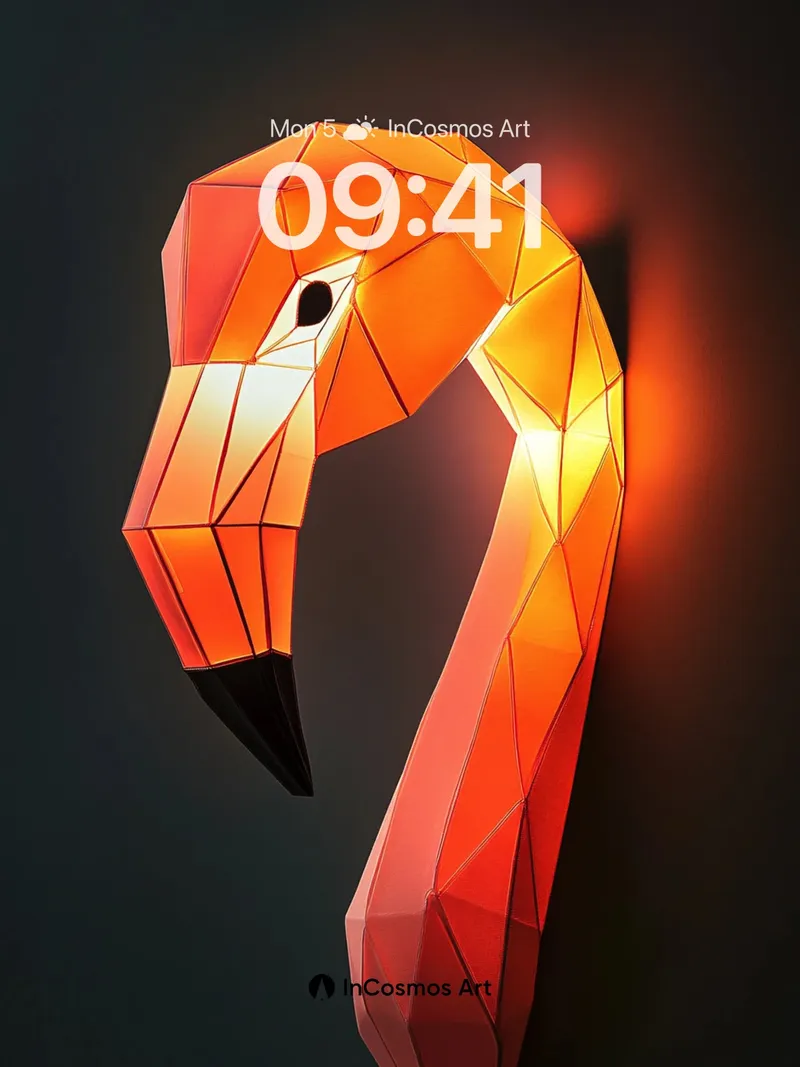
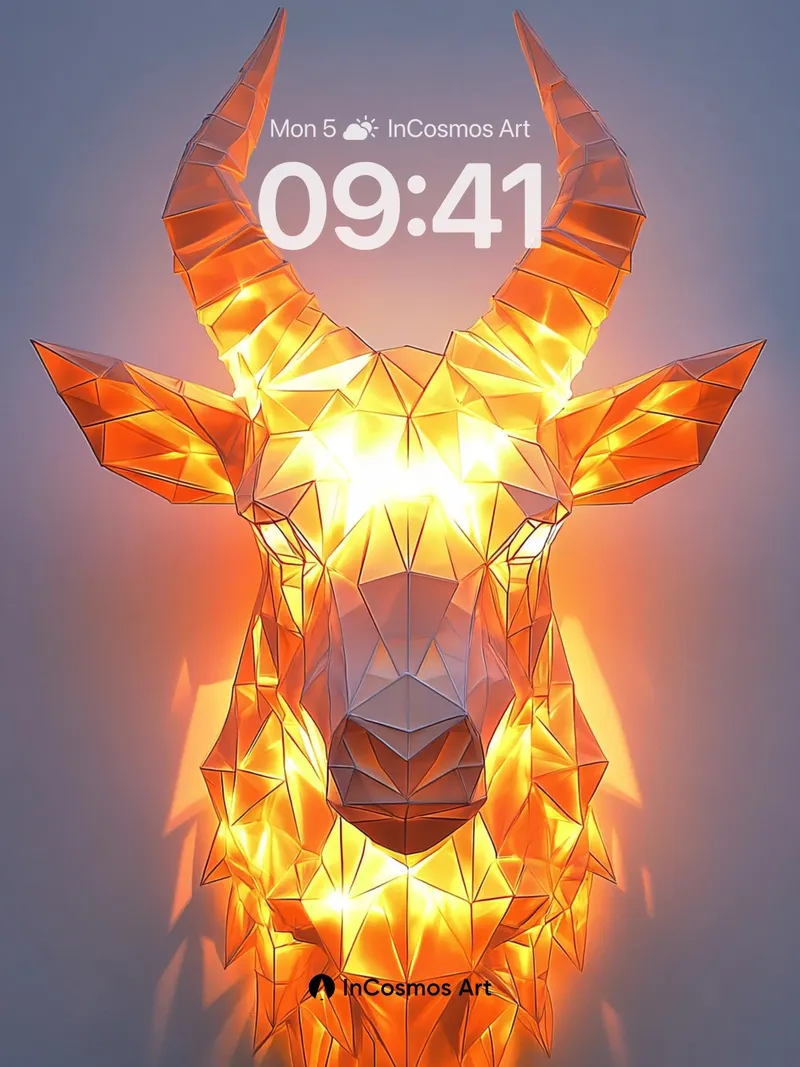
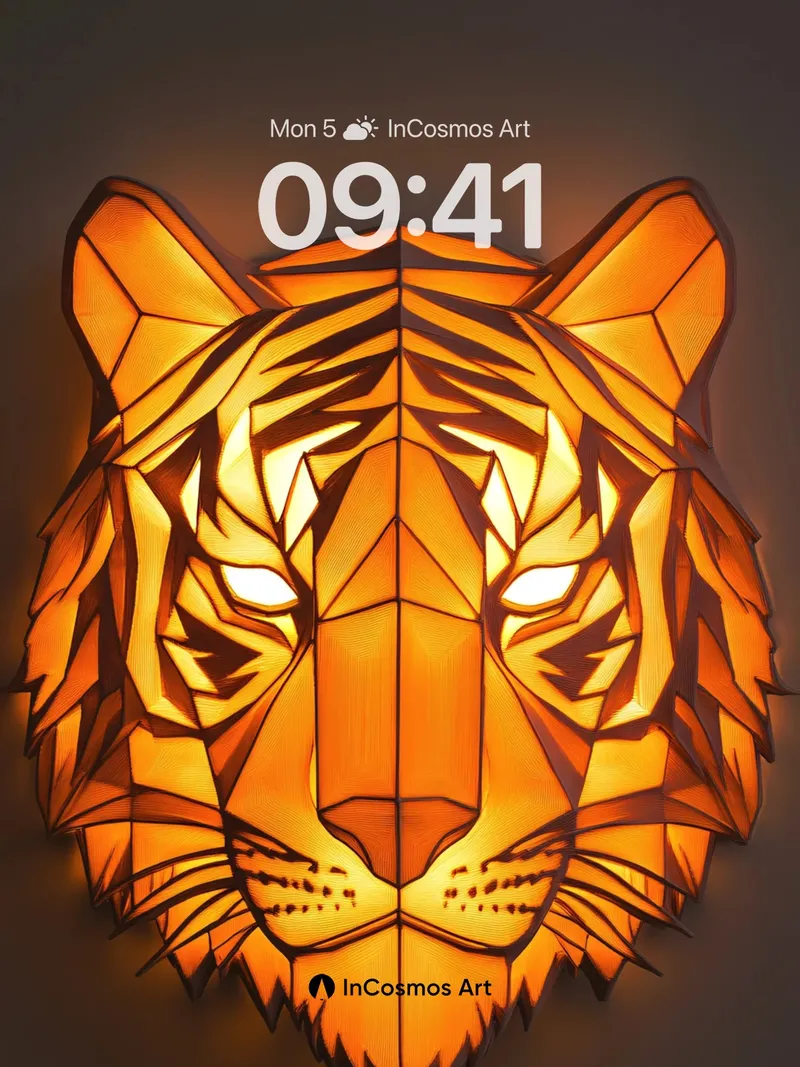
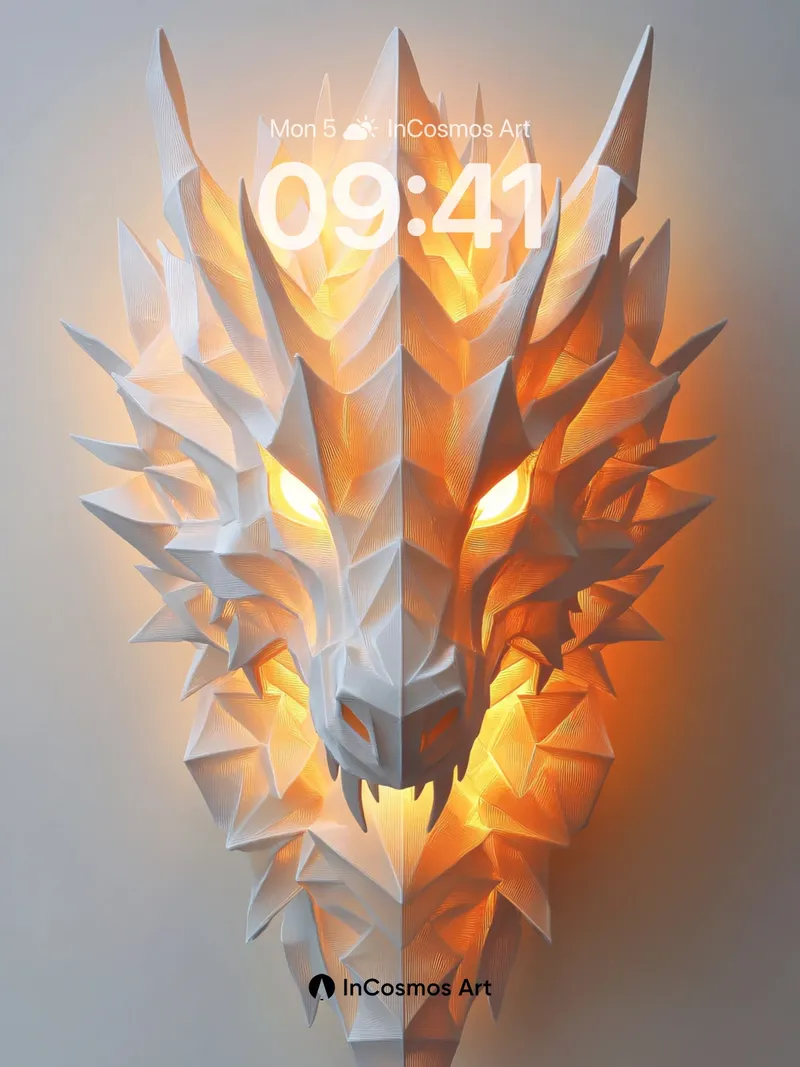
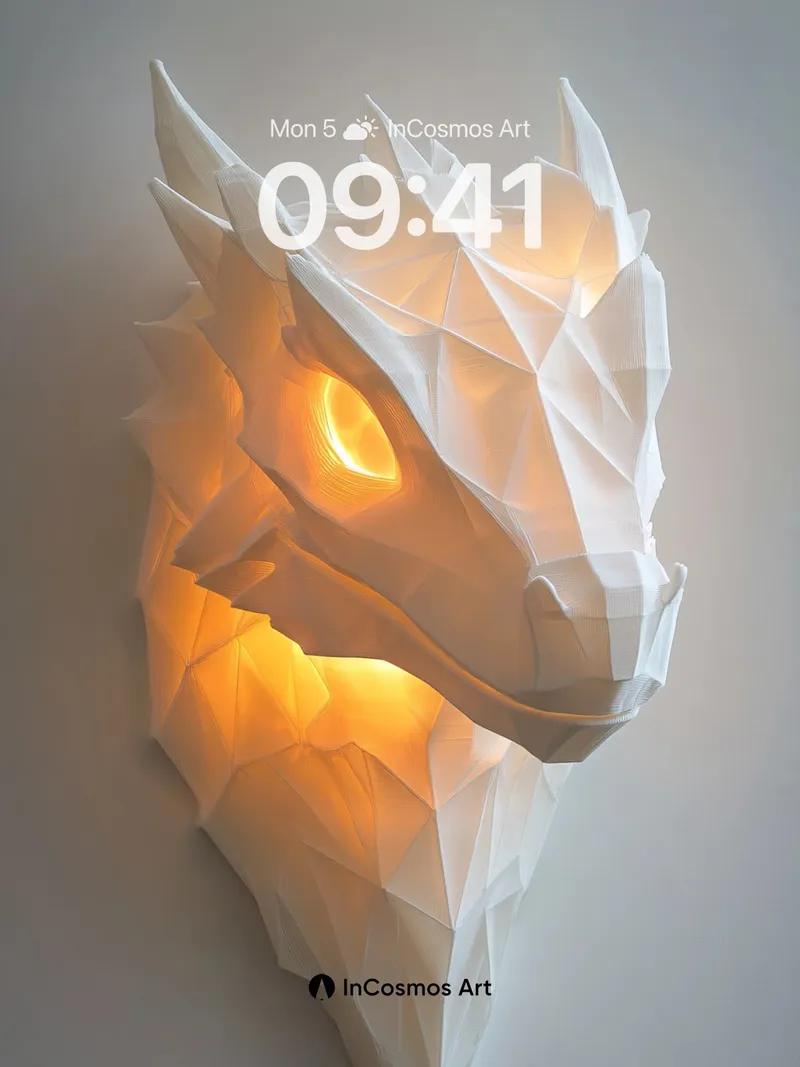
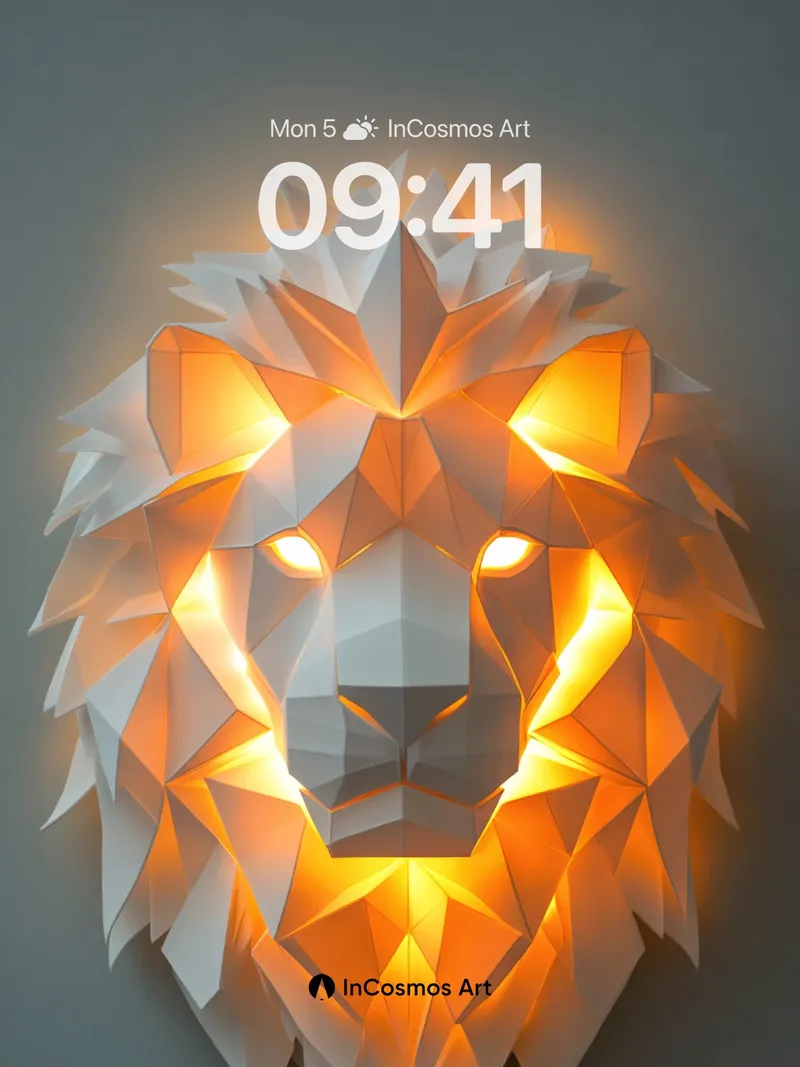
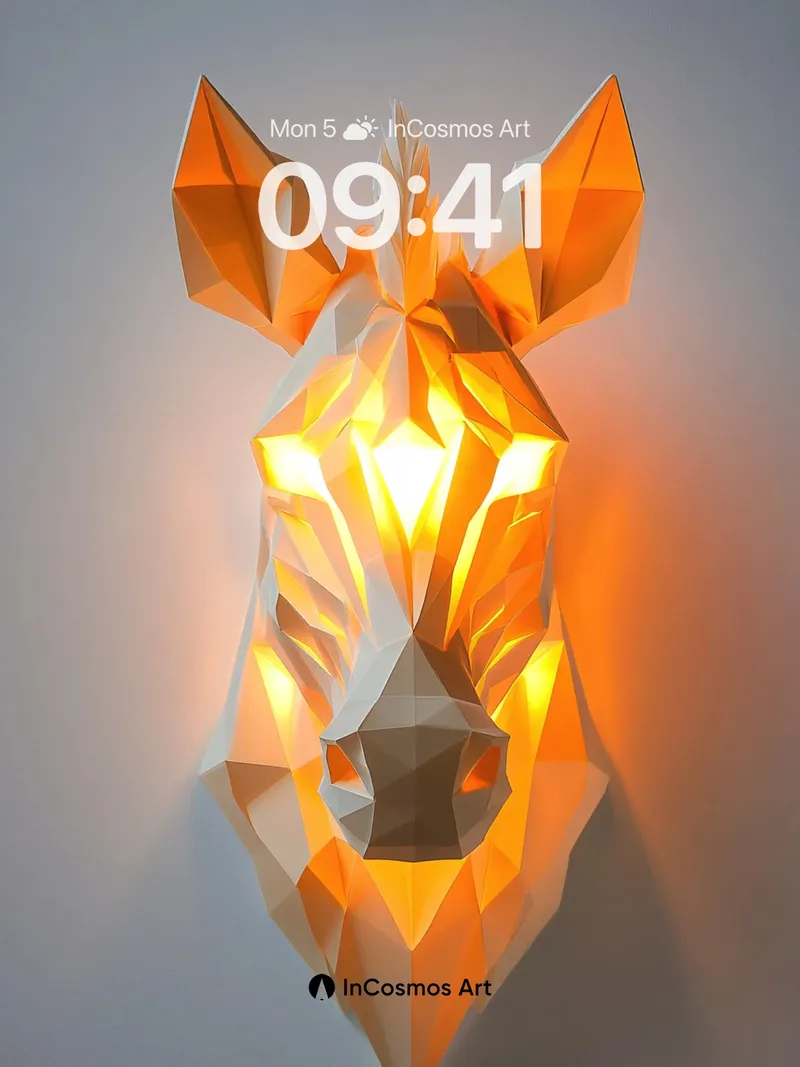
In darkness, light becomes language. Seven animal heads are deconstructed into polyhedral forms, each edge carrying traces of primal power. They are not natural replicas but symbolic rebirths—through origami logic and internal illumination, wildness and order are woven into new narratives. These forms are not static ornaments but dynamic emotional vessels, their glow piercing surfaces to awaken dormant totemic memories. When vision no longer depends on realistic proportions but on geometric rhythm and light's pulse, a transcendent collective consciousness emerges.
The Ritual of Light
Light seeps from within, like breath. Every fold is a ritual, every ignition a redefinition of natural laws. The snake’s pupils burn, the dragon’s horns shimmer—these are no longer biological likenesses but spiritual embodiments. The temperature of light determines emotional depth; warm yellow tones imbue presence with sanctity, drawing viewers into meditative states. This illumination surpasses utility, becoming part of ceremony, reminding that true power arises from inner ignition.
The Philosophy of Origami
Origami is more than craft—it is a worldview. It rejects smooth curves in favor of sharp boundaries; it does not seek perfect imitation but essence extraction. These animal skulls are built through strict mathematical rules yet radiate astonishing vitality. Each triangular joint contains balance and tension, expressing a cosmic order—both coldly precise and passionately alive. Here, origami is not a byproduct of handwork but a contemporary semiotics, using minimal form to convey complex emotion.
Mythologizing Animals
Lions, bulls, antelopes, dragons, snakes—these figures have long surpassed reality, becoming cultural archetypes. Their existence is not for ecological representation but to activate ancestral prototypes in collective unconscious. When rendered in geometric form, myth escapes text and enters space. Dragon scales are made of light, lion manes flicker like flames—these designs grant ancient legends modern bodies. Viewers face not sculptures but animated myths, luminous versions of cultural memory.
The Gaze Beyond Species
These heads lack detailed eyes yet possess greater penetration than any realistic work. Their 'gaze' stems from symmetrical structure and flowing light, forming an otherworldly authority. This gaze belongs to no single species but to all predators, guardians, creators collectively. It inspires awe and resonance, hiding humanity’s eternal longing for strength, dignity, and the unknown.