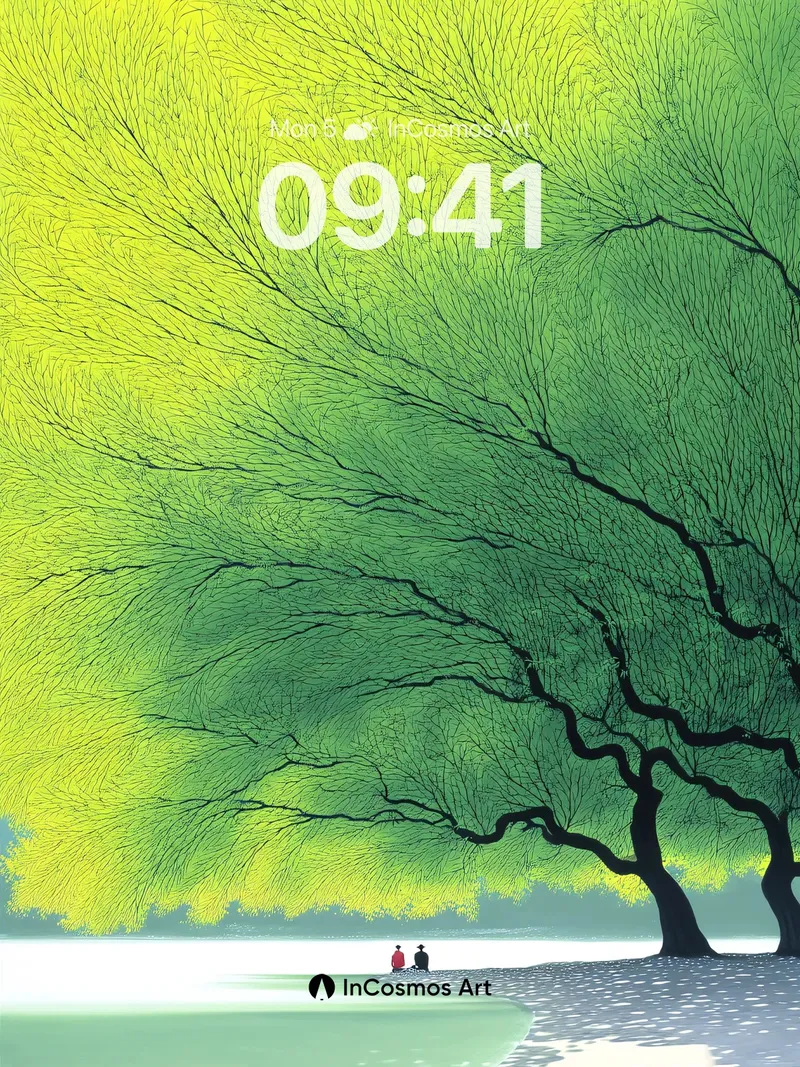
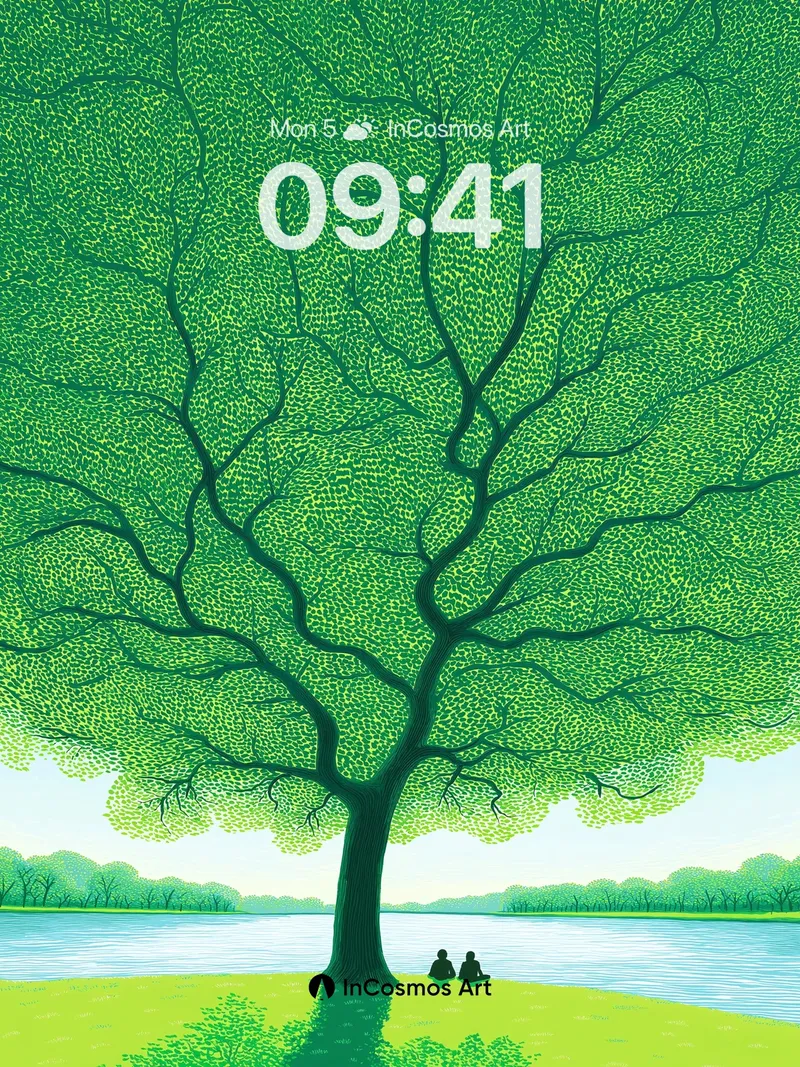
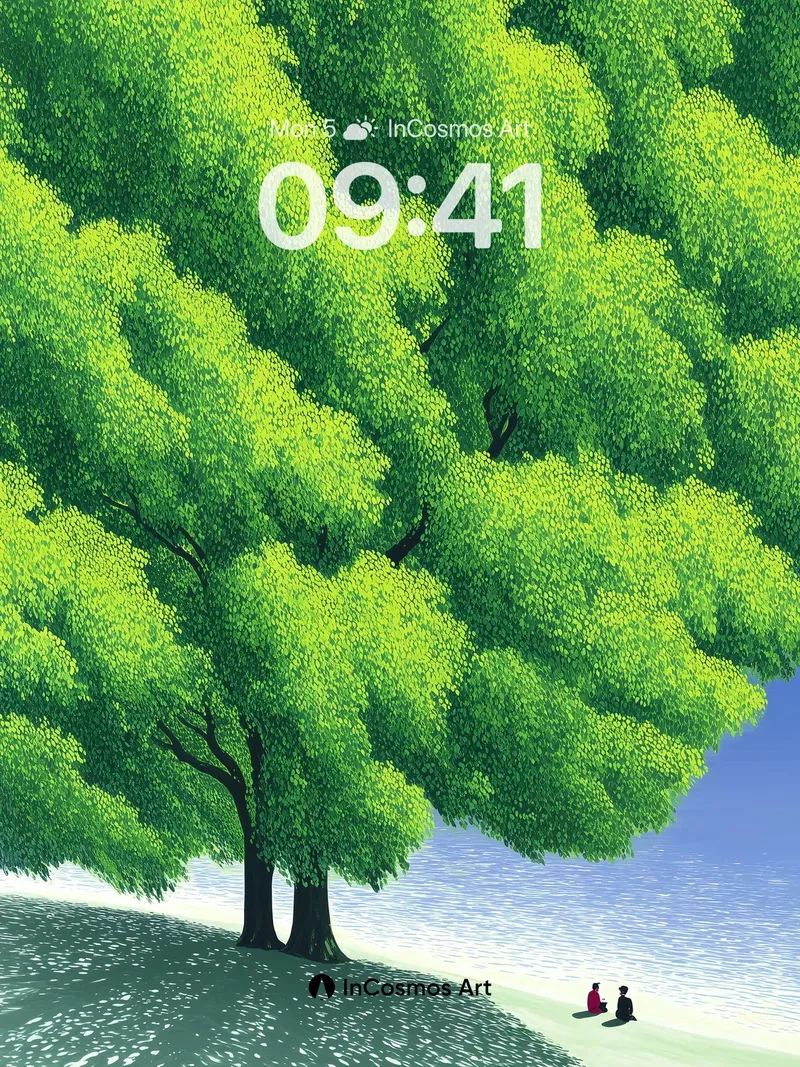
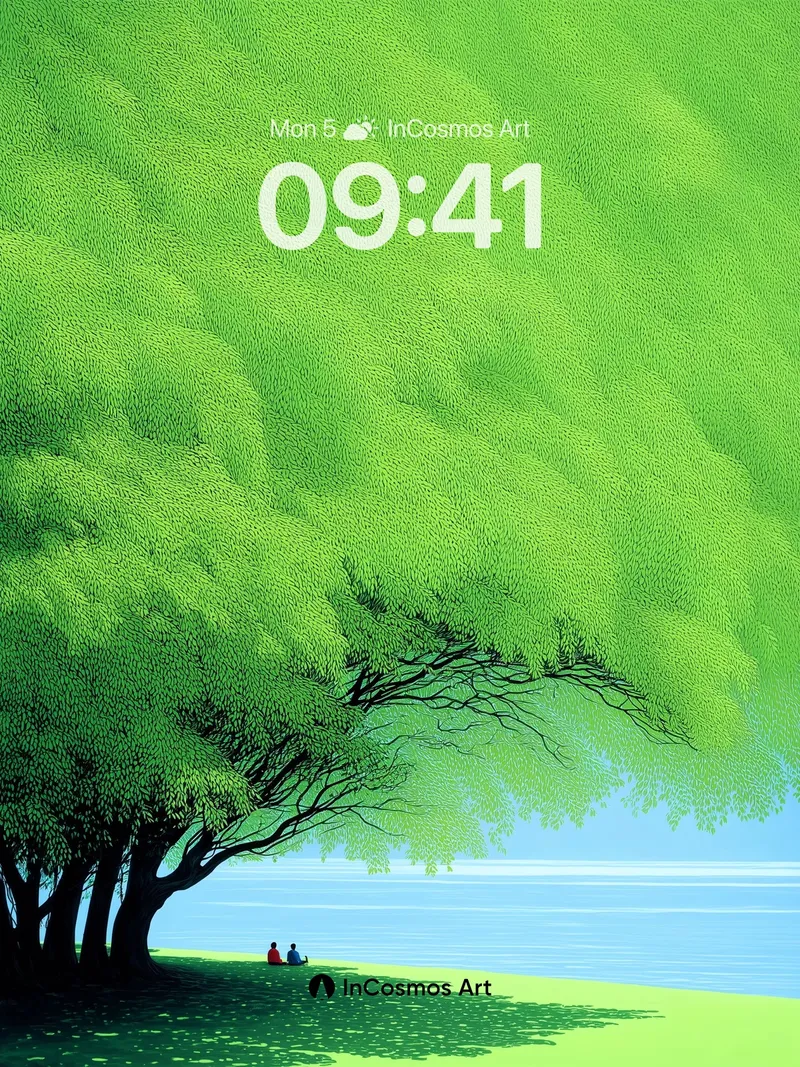
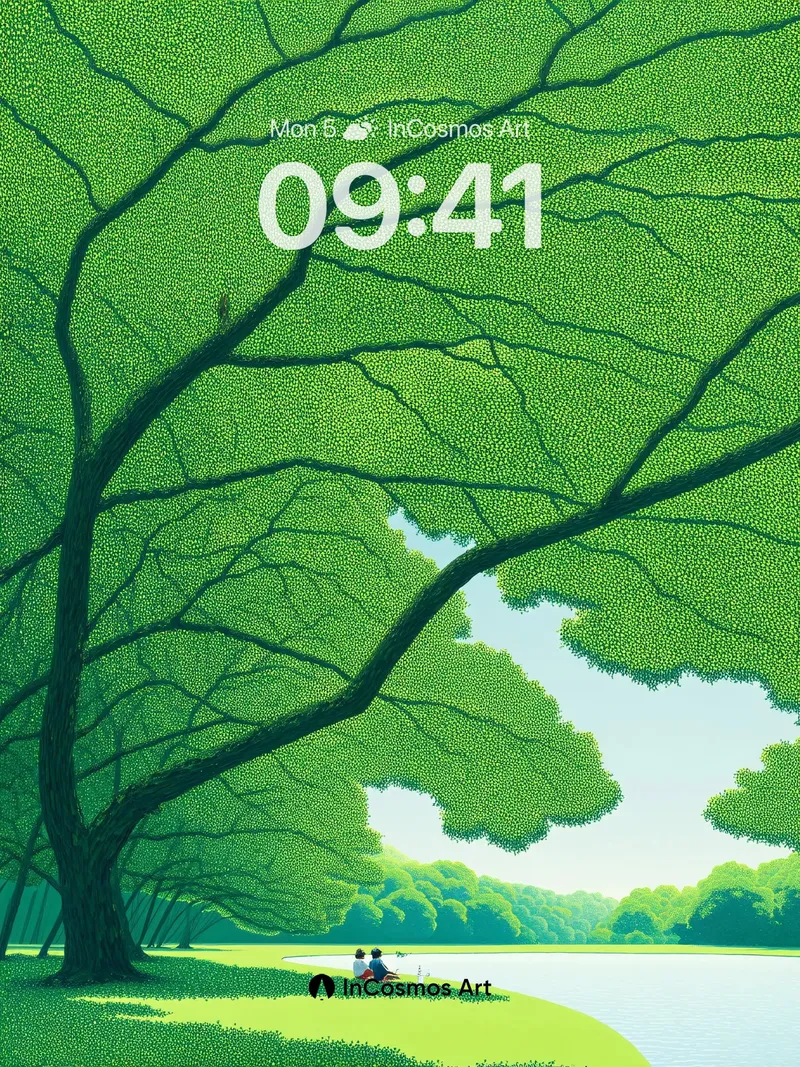
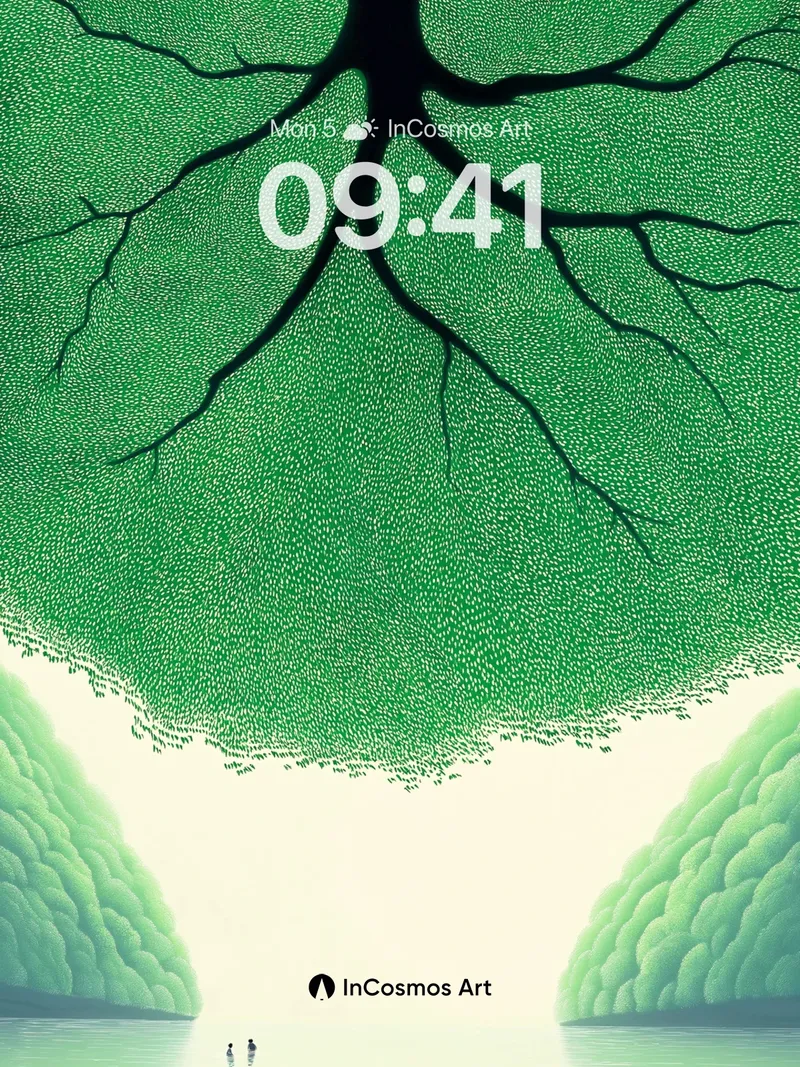
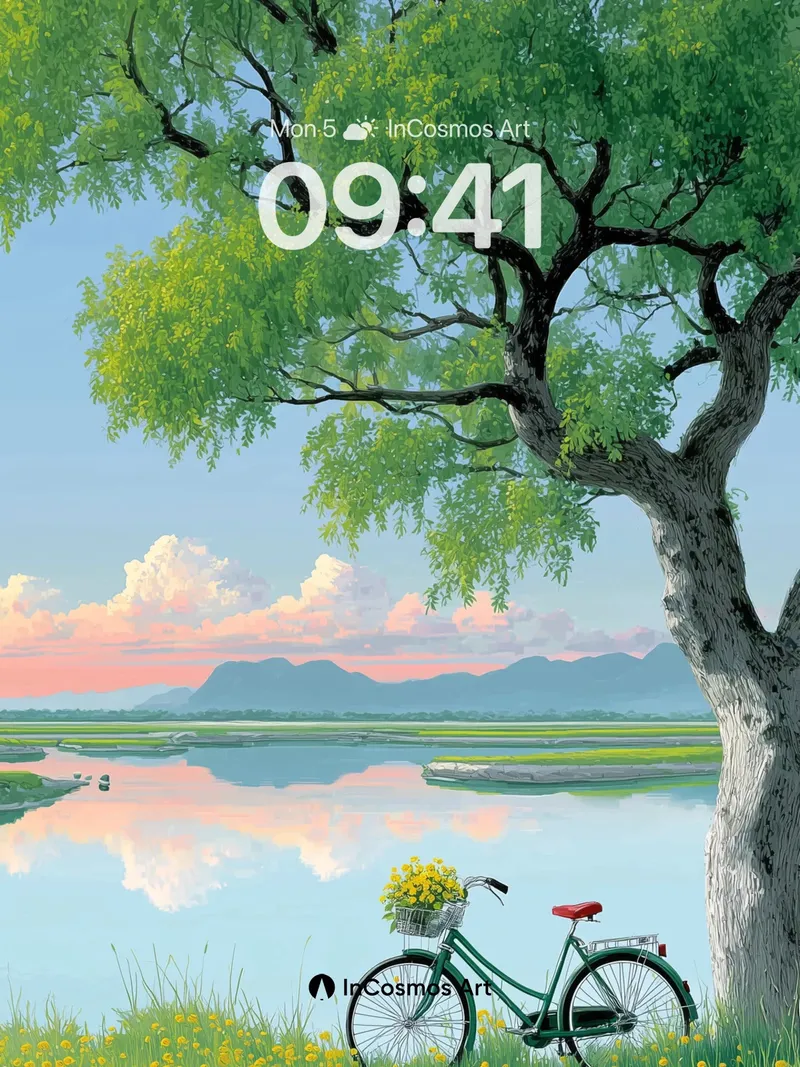
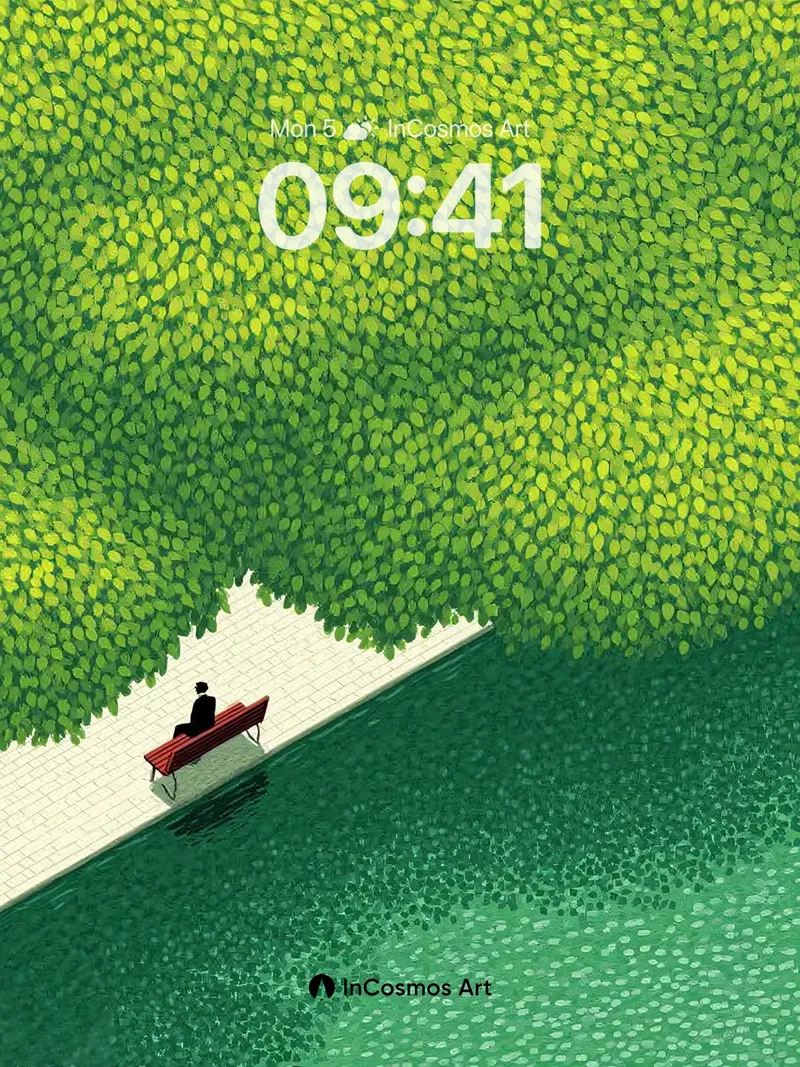
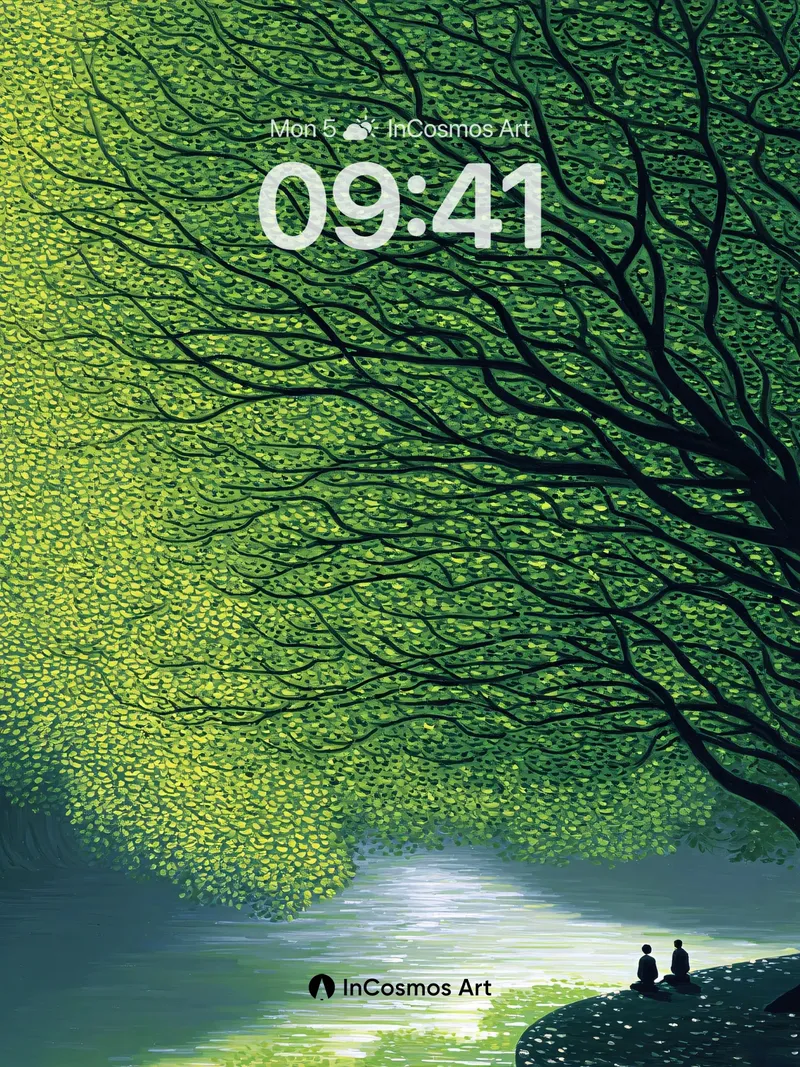
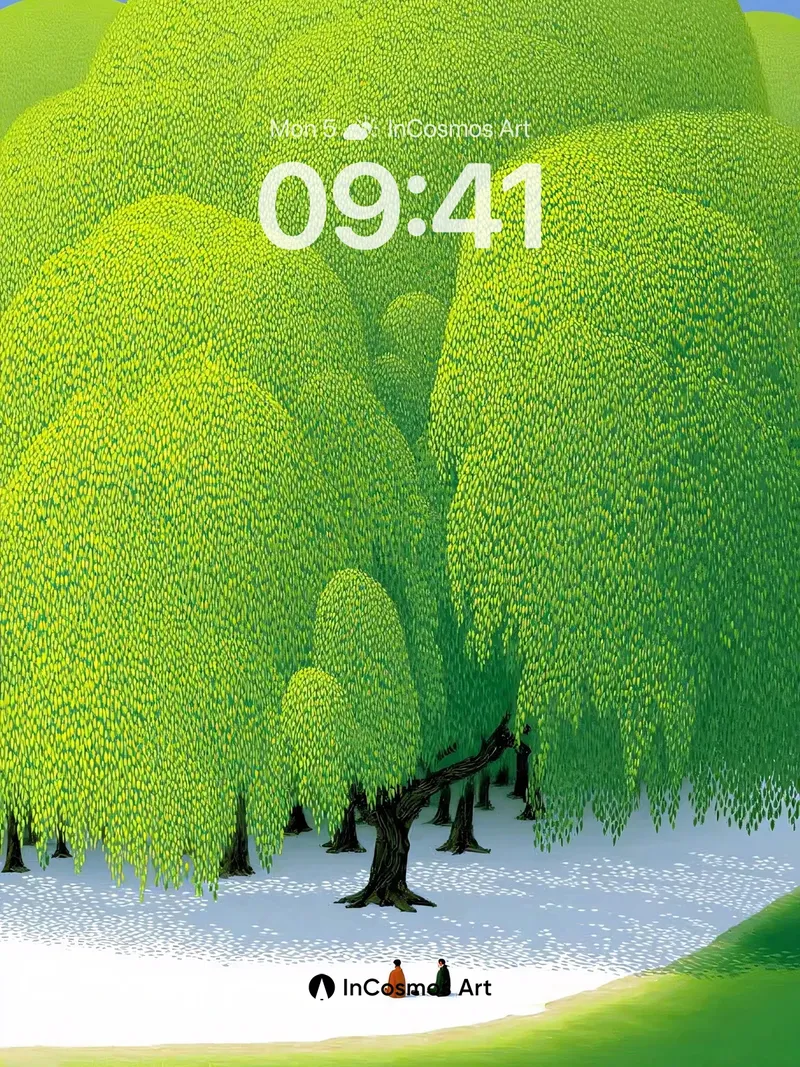
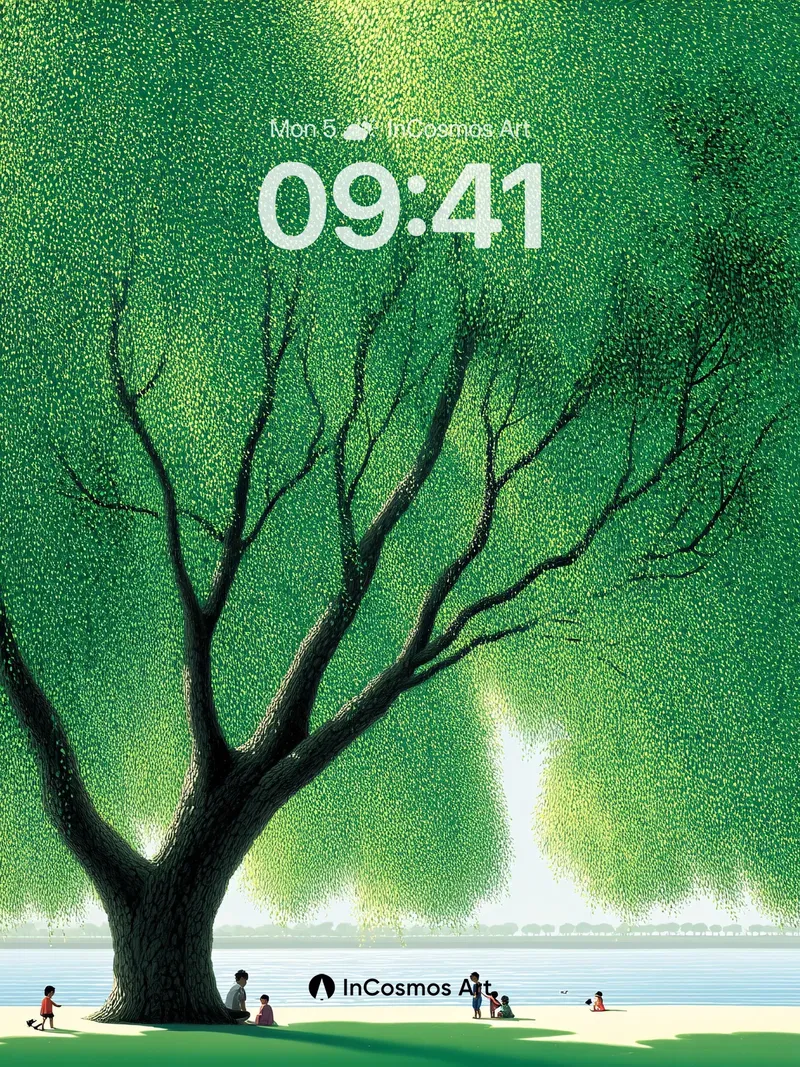
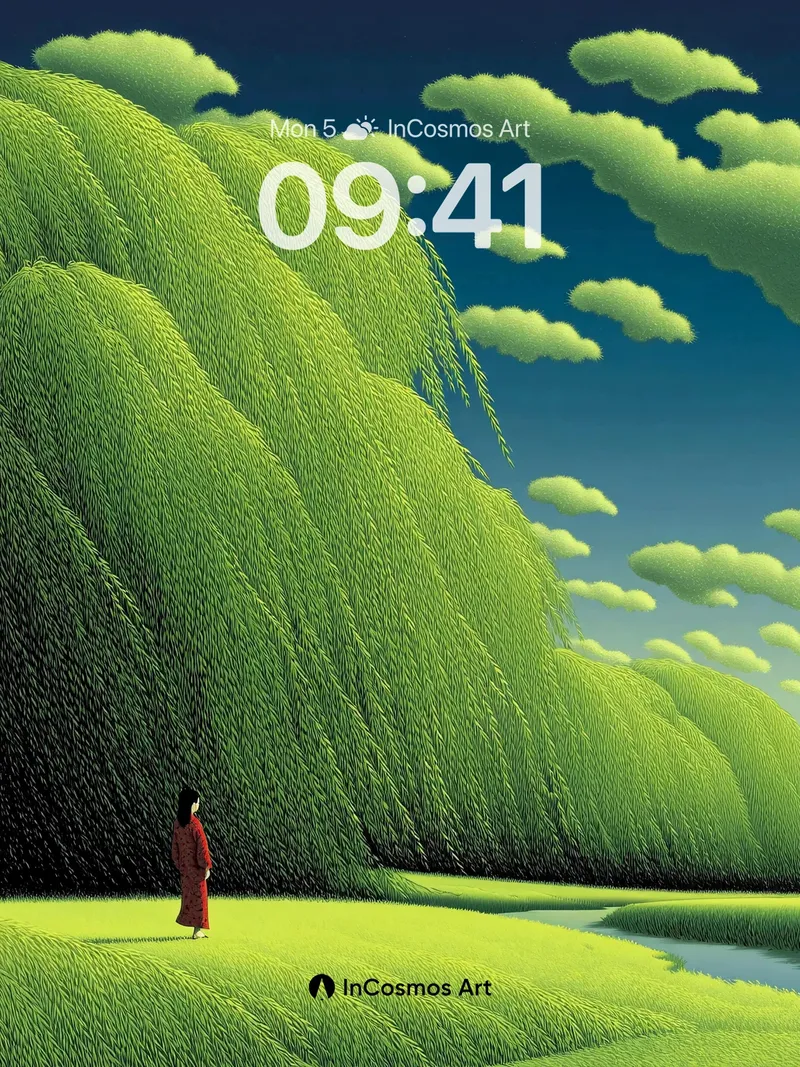
In an era where human expansion encroaches upon natural spaces, trees persist as silent vessels of urban memory. Their branches stretch outward, leaves layered densely, forming green canopies that divide the sky into patches of light. People walk, rest, ride bicycles, or swing gently beneath them—small actions that shape the rhythm of daily life. Under tree shadows, time slows, emotions settle. Each tree stands as a witness to history, speaking not in words but through the accumulation of individual moments and feelings.
Trees as Spiritual Landmarks in Cities
Trees fulfill roles beyond ecological function in modern urban environments. They are not only air purifiers but also psychological sanctuaries. Amid towering buildings and concrete streets, a single large tree becomes a visual and emotional anchor. Its expansive crown acts as a natural shelter, offering temporary coolness and stillness. Especially when cherry blossoms bloom, the pink cloud contrasts sharply with the deep green canopy, symbolizing nature’s resilience within artificial landscapes.
Subtle Interactions Between Humans and Nature
Human behavior beneath trees carries ritualistic weight. Two figures walking beside a lake, one riding past an old willow, a couple sitting quietly under shade, a girl swinging toward the sky—these scenes are not random but responses to nature. Though movements are minimal, they express deeper desires for order, freedom, and belonging. The presence of trees gives meaning to these actions, transforming ordinary moments into poetic experiences.
Social Metaphors in Stillness
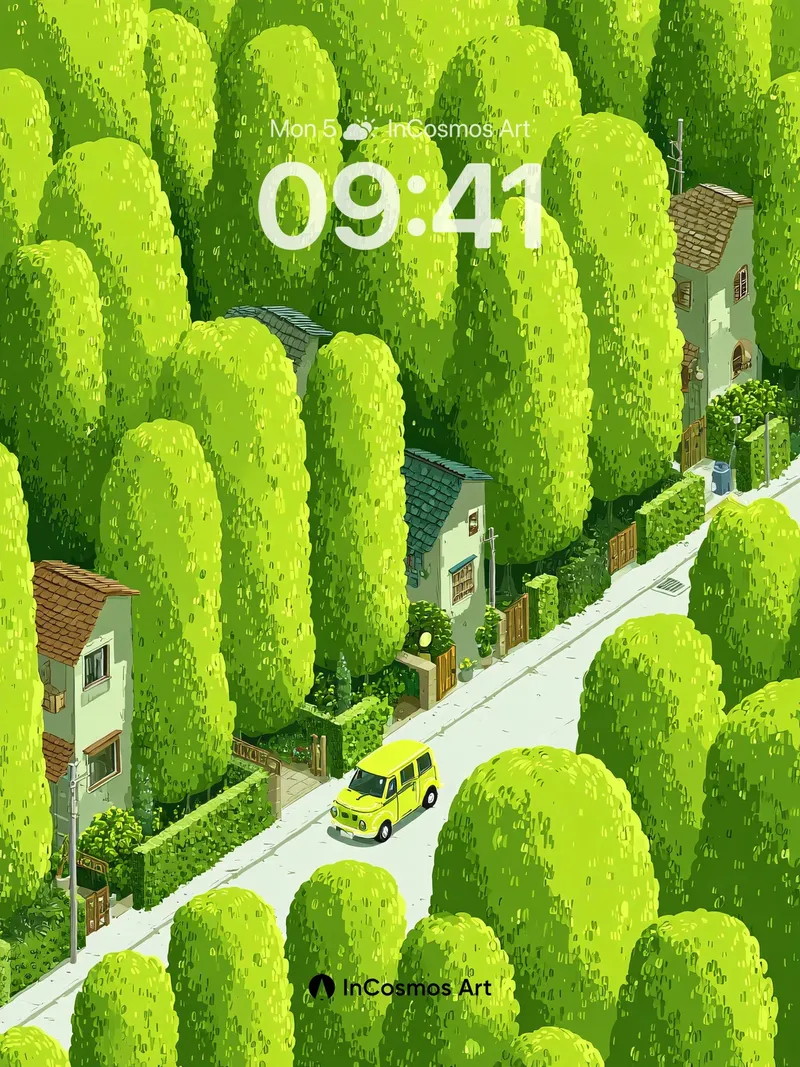
The spread of tree shadows and distribution of people form spatial narratives. In some scenes, crowds are sparse, enhancing emptiness; in others, residential areas are enclosed by neatly trimmed greenery, with vehicles moving through. This layout reflects society’s dual relationship with nature: dependent yet controlling, longing yet distant. Trees thus become tangible symbols of cultural contradiction.
The Weight of Time and the Cycle of Life
From dawn to night, spring to autumn, trees record seasonal shifts. A crescent moon hangs in the dark sky, tree crowns undulating like waves, suggesting cosmic rhythms. Humans pass briefly, transient guests, yet their fleeting stops affirm continuity in life. Trees do not age—they grow. People age, but leave marks.