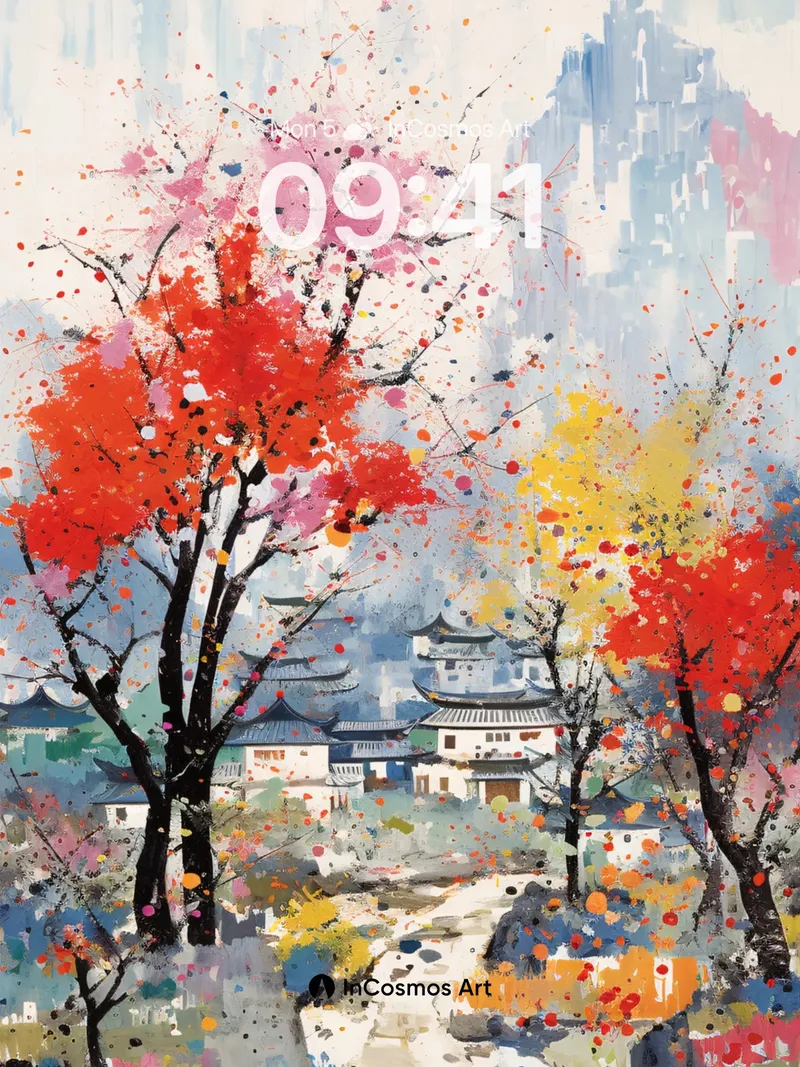
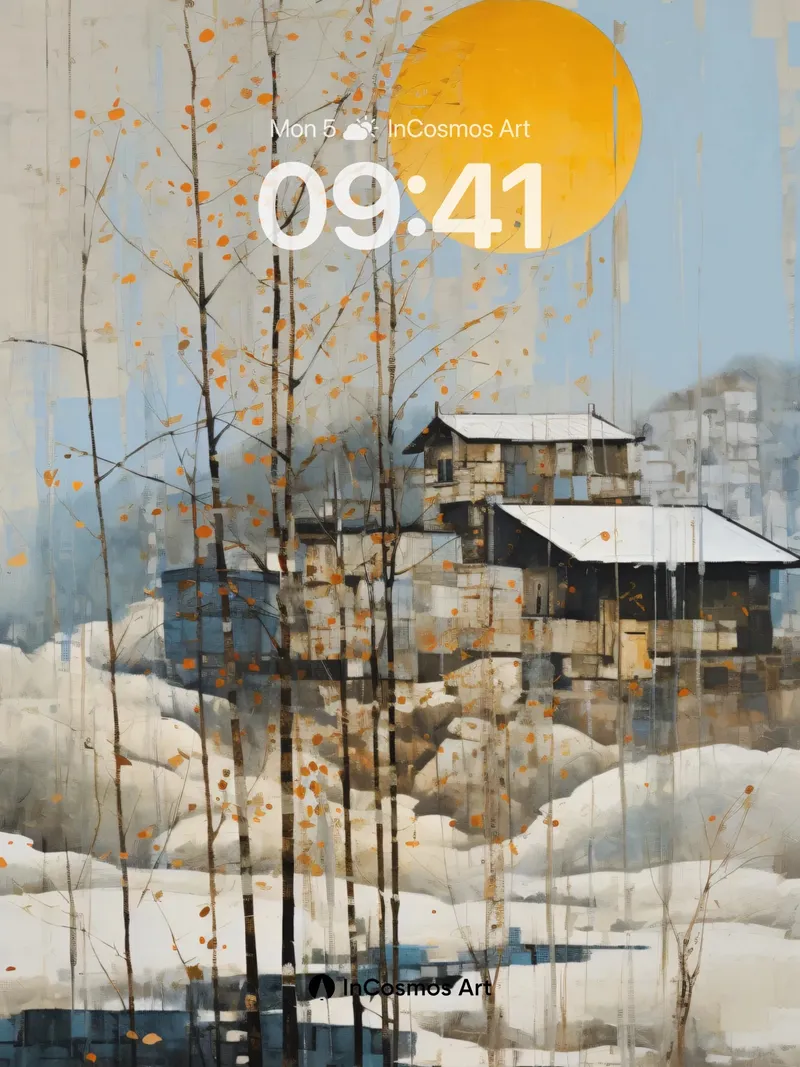
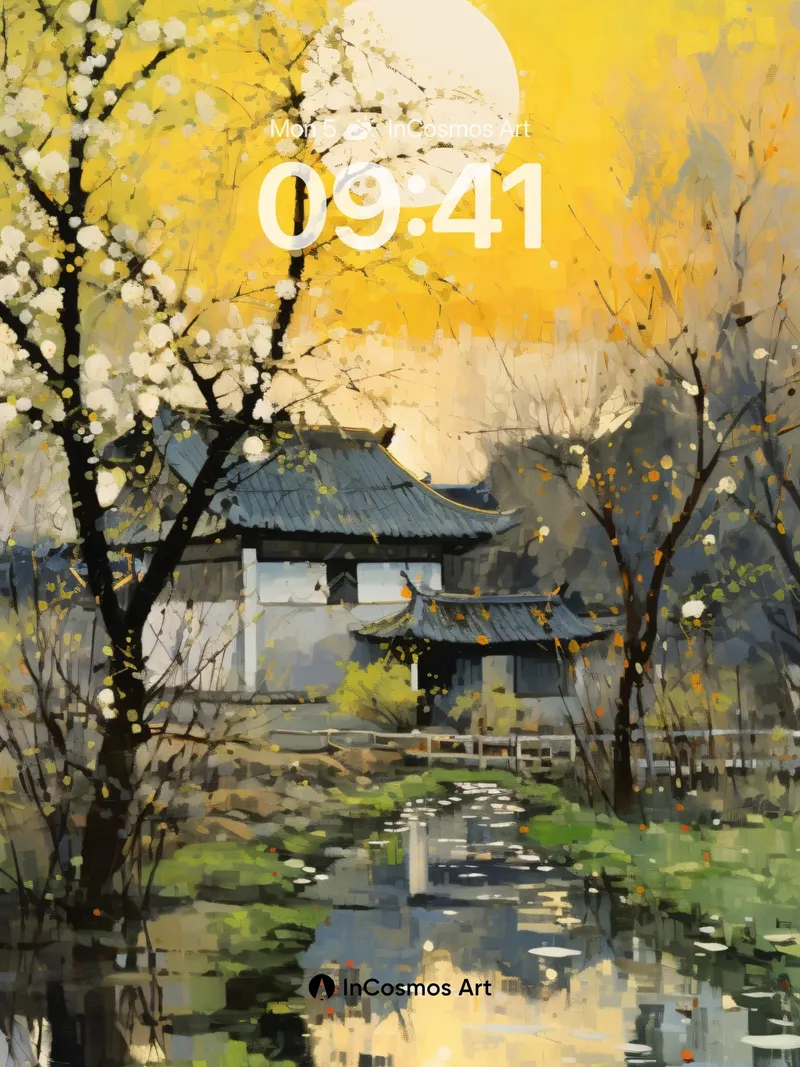
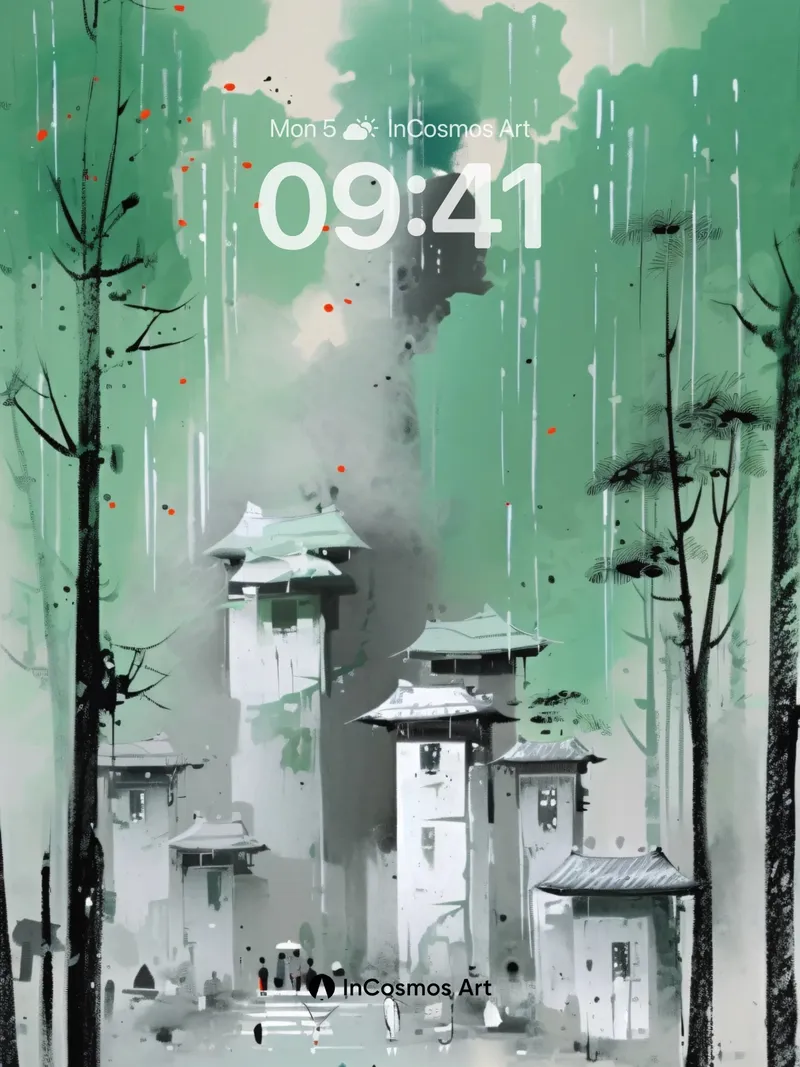
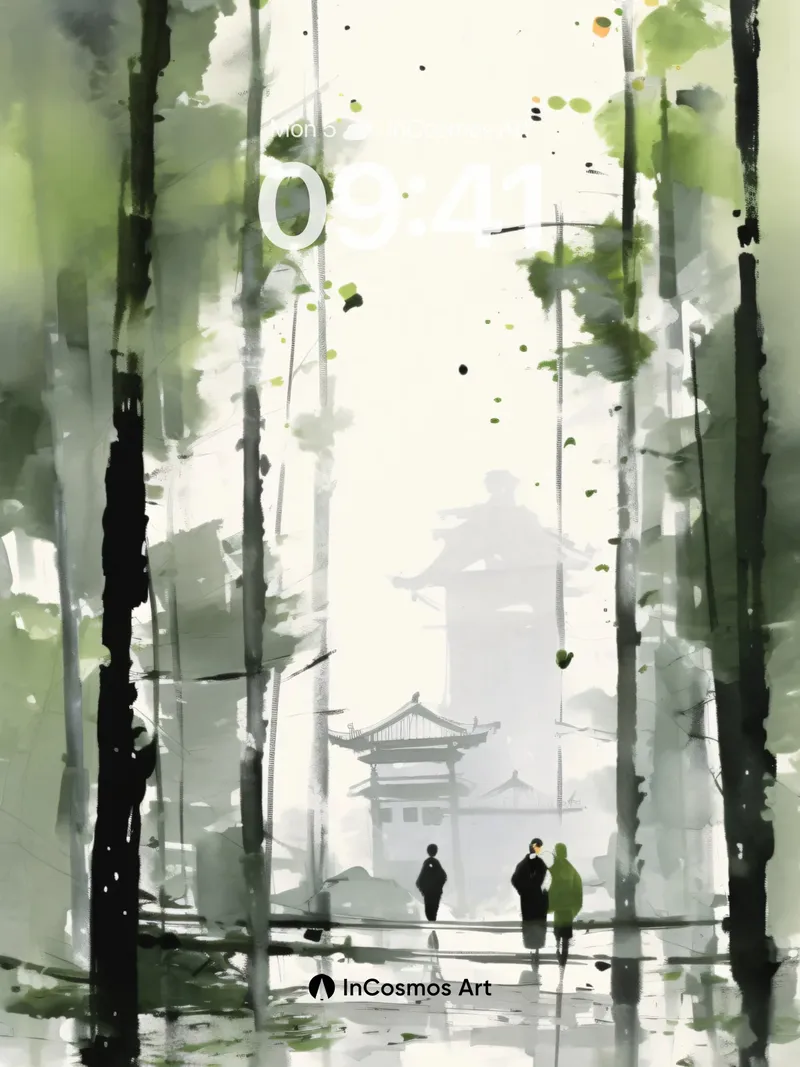
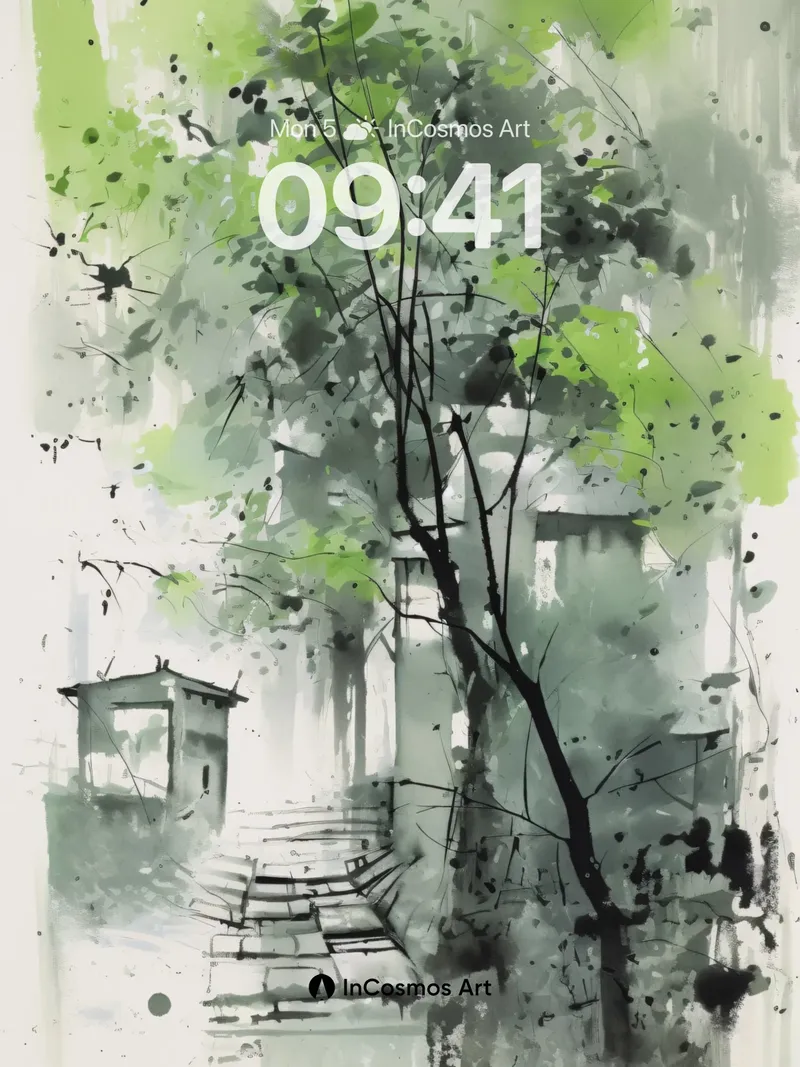
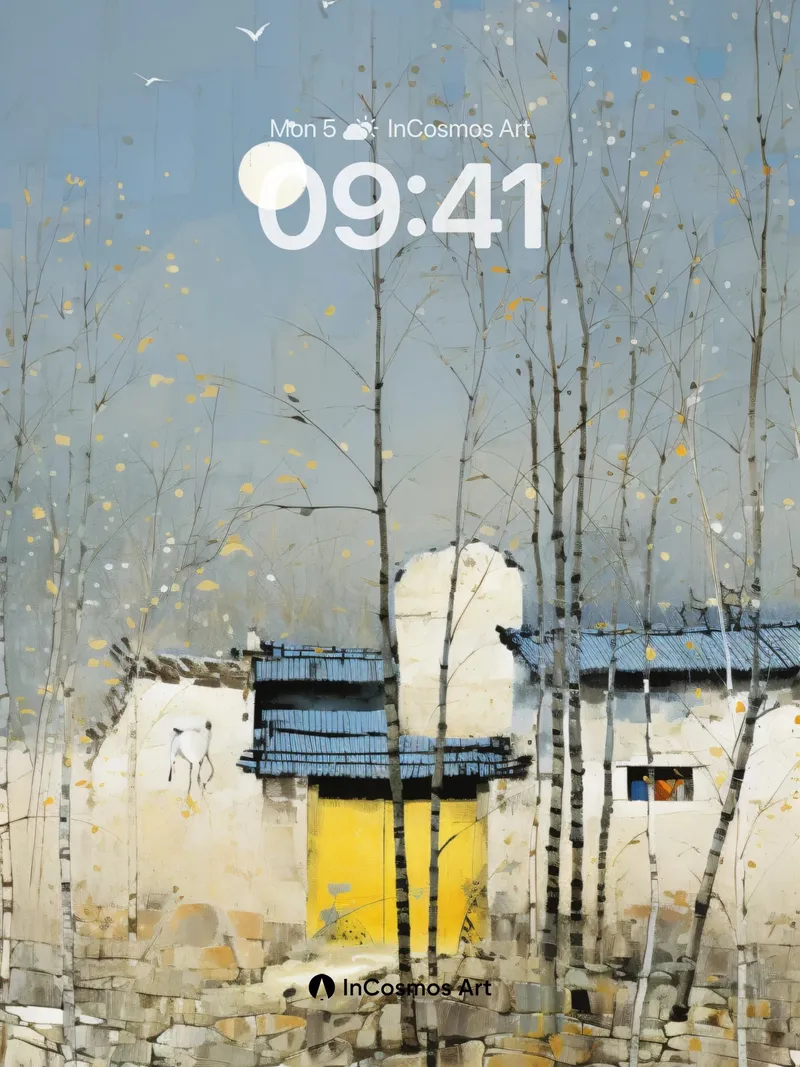
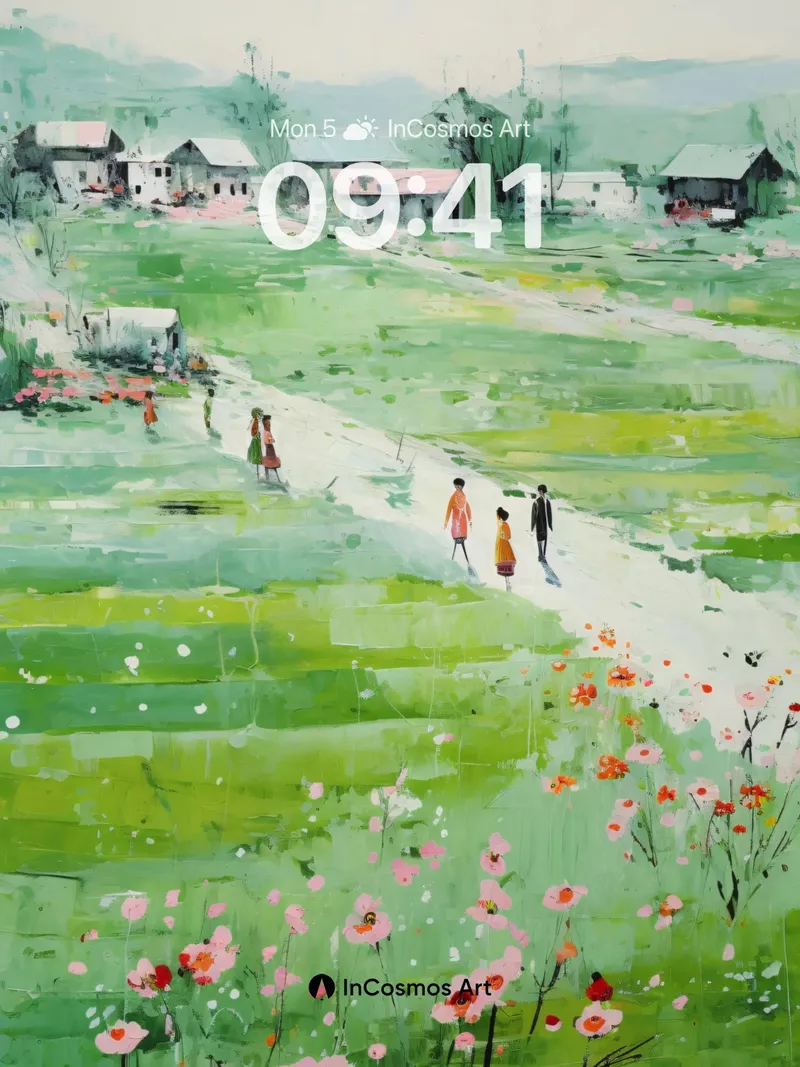
The rainy season in Jiangnan carries a sense of destiny. Rain threads weave through blue tiles and white walls, moss creeps into stone steps, and umbrella-carrying pedestrians become flowing punctuation marks in ink-wash paintings. This humid existence creates a unique symbiotic relationship between Jiangnan architecture and the natural environment.
The Breathing Rhythm of Architecture and Nature
The upturned eaves of traditional Jiangnan dwellings are not merely aesthetic choices. Layered tile edges act like unfolding wings, guiding rainwater to form natural drainage systems. Mortise-and-tenon joints in wooden structures retain elastic space, allowing buildings to slightly deform with humidity changes, avoiding rigid fractures. This architectural wisdom turns dwellings into breathing organisms.
Ecological Codes in Color Systems
The pink walls and black tiles color scheme contains environmental adaptation logic. White lime walls reflect the damp heat of the plum rain season, while blue-black tiles absorb the thin winter sunlight. Building colors present different visual effects with seasonal changes: spring peach blossoms reflect off white walls, autumn ginkgo leaves dye the black tiles, forming a dynamic color ecosystem.
The Blank Space Philosophy in Spatial Narratives
Leak windows and moon gates in gardens create visual corridors, extending limited space into infinite artistic conception. This spatial treatment method shares origins with the blank space technique in ink-wash paintings, creating psychological extension through the interplay of void and substance. Modern architecture borrows this thinking, replacing solid walls with glass curtain walls to maintain spatial fluidity.
Dilemmas and Breakthroughs in Contemporary Translation
When reinforced concrete replaces blue bricks and wooden structures, traditional architectural vocabulary faces a crisis of aphasia. Some architects attempt to simulate wood grain textures with concrete and recreate upturned eaves curves with steel structures. While this material translation preserves formal beauty, it struggles to reproduce the living texture of traditional architecture's interaction with climate.