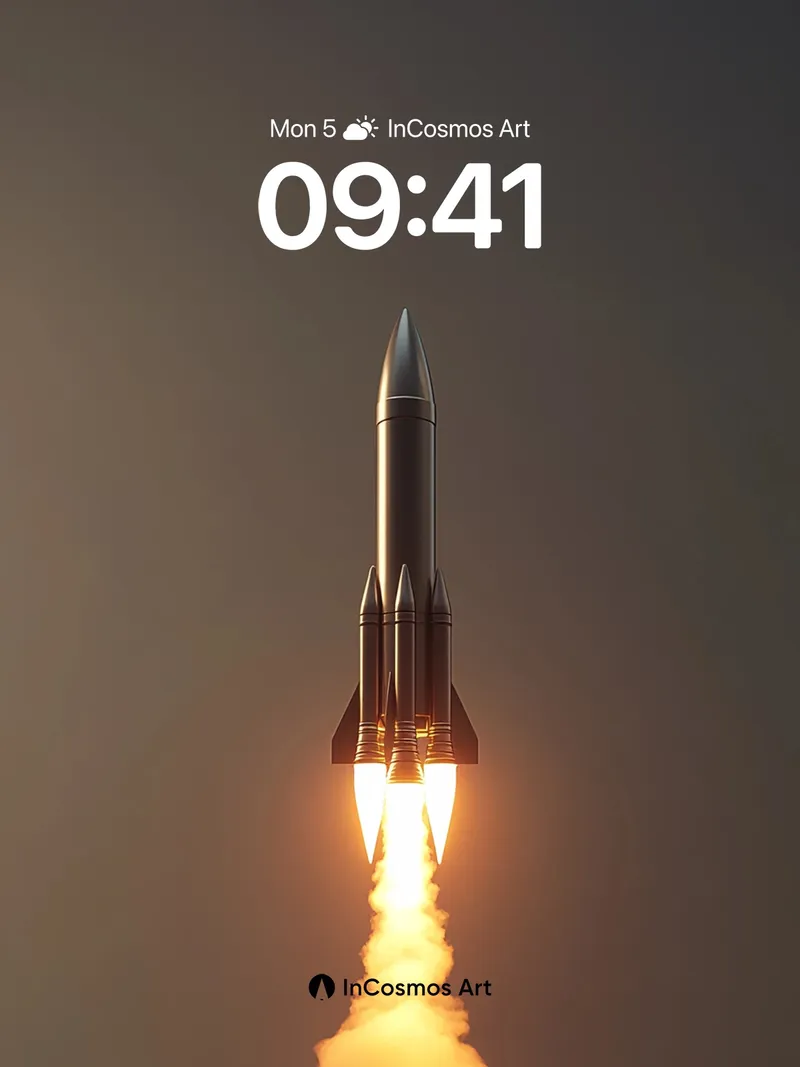
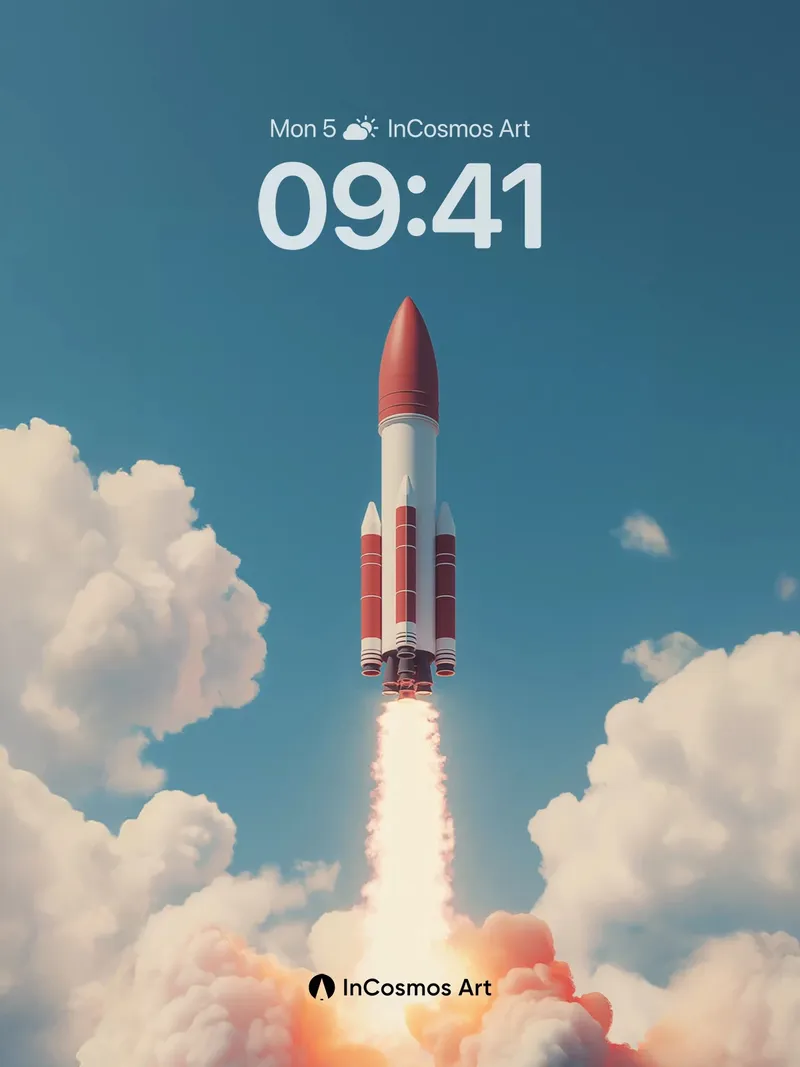
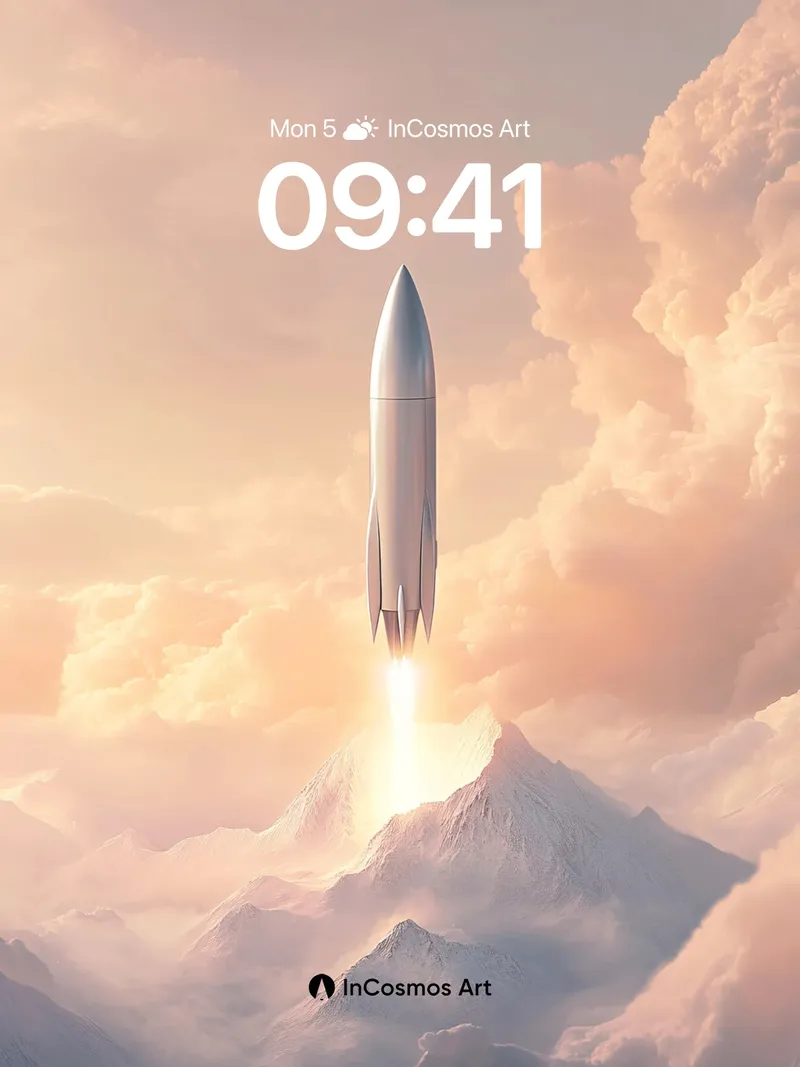
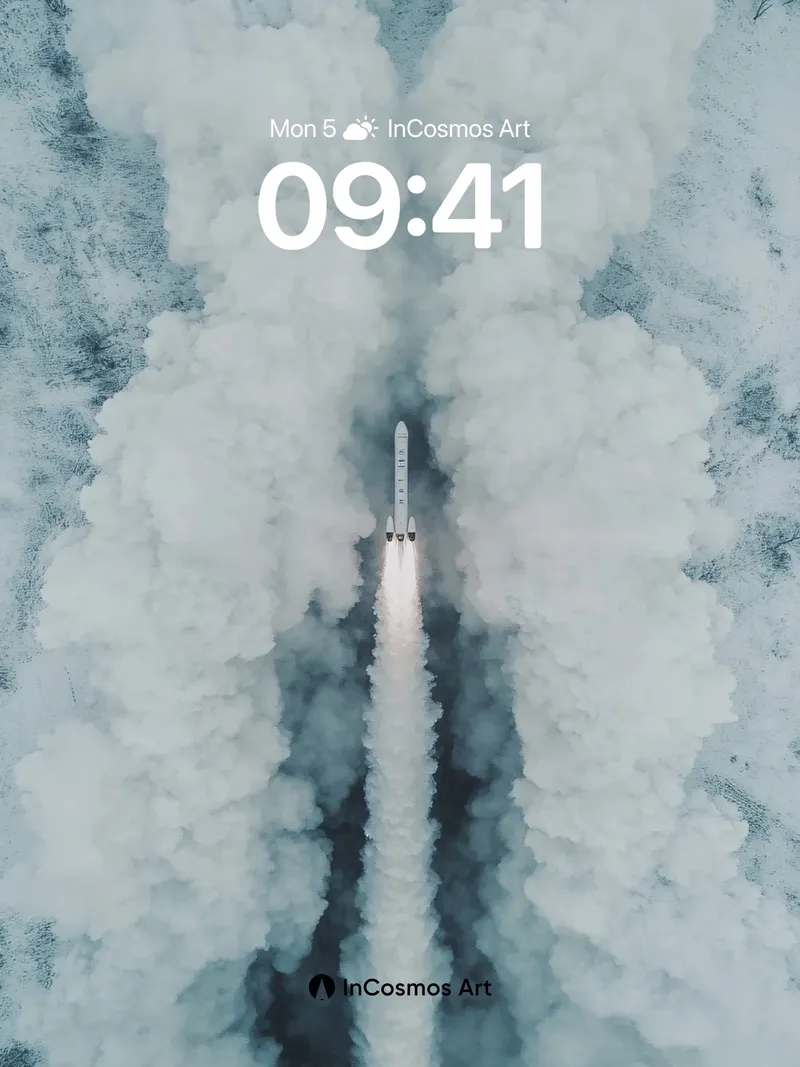
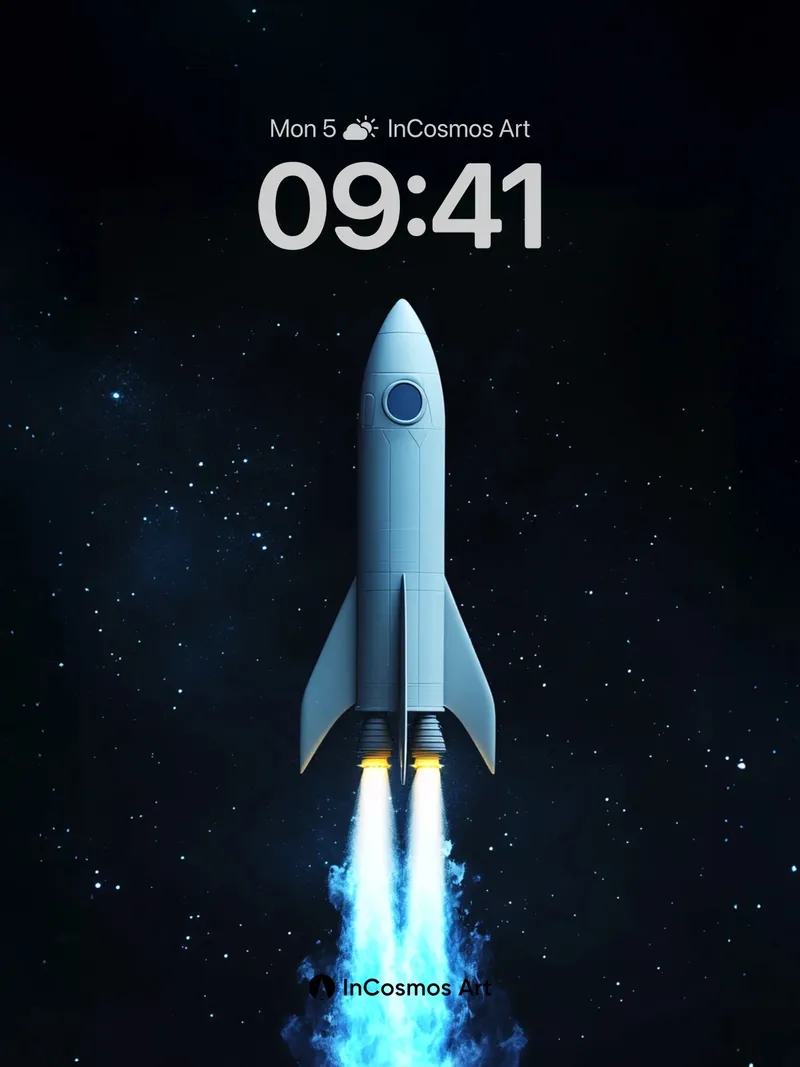
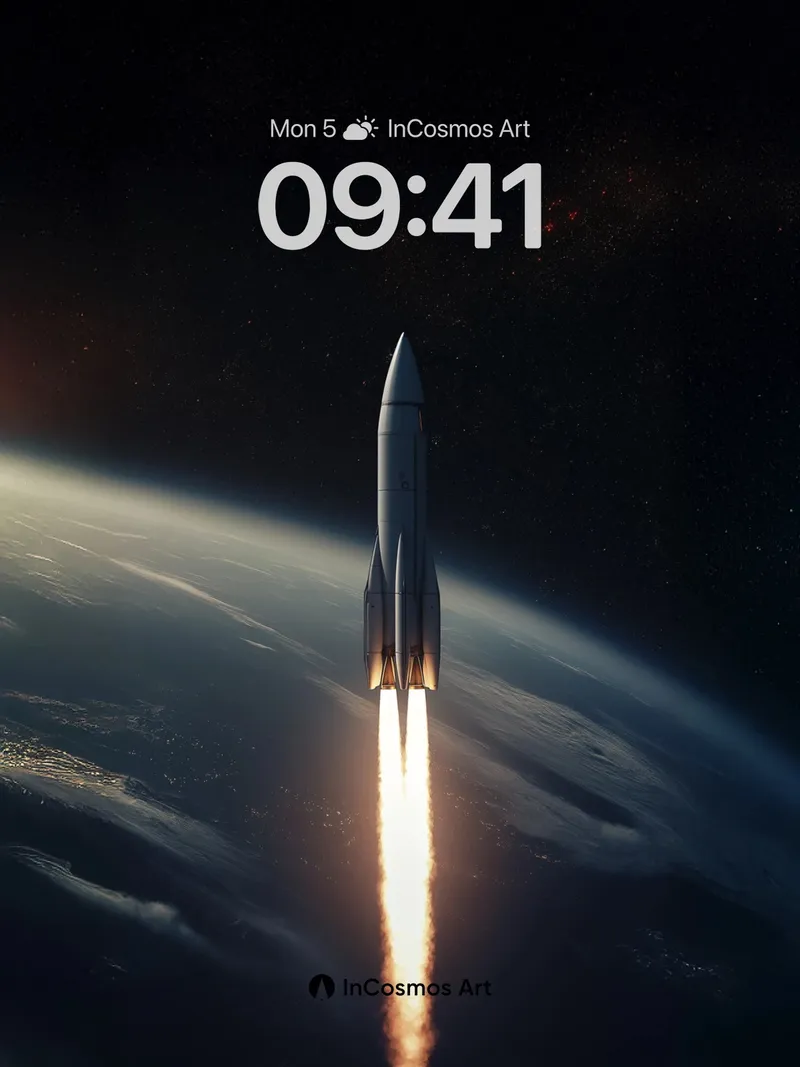
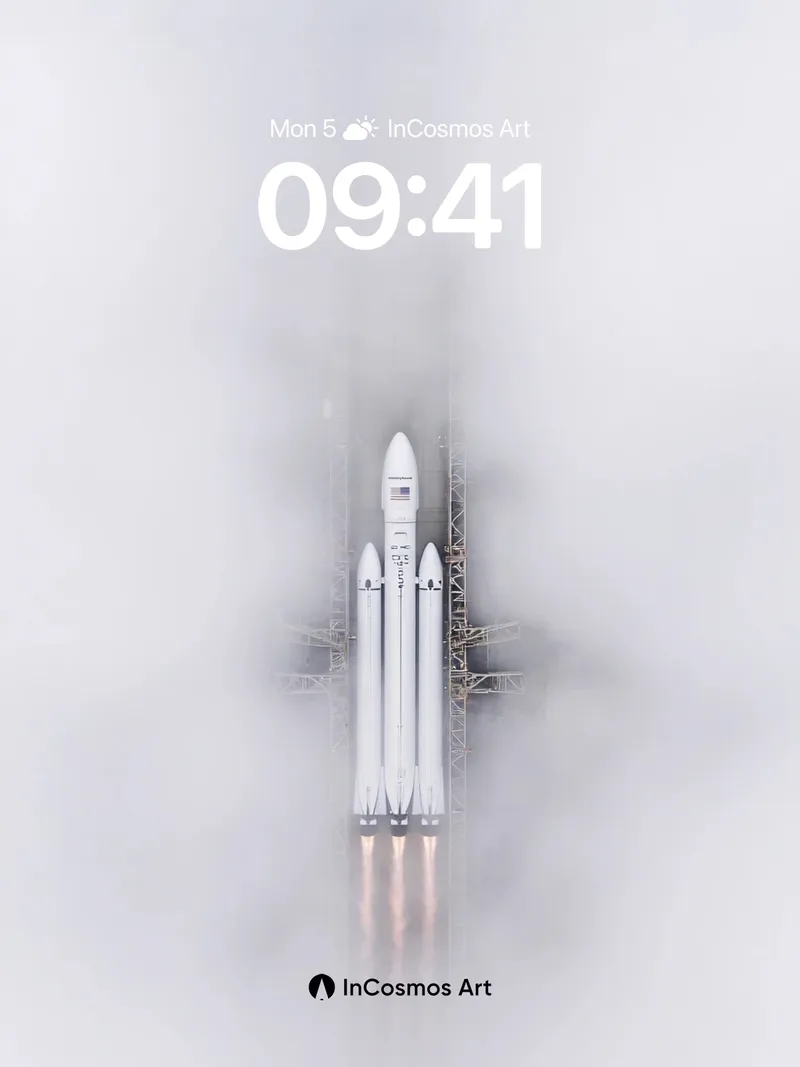
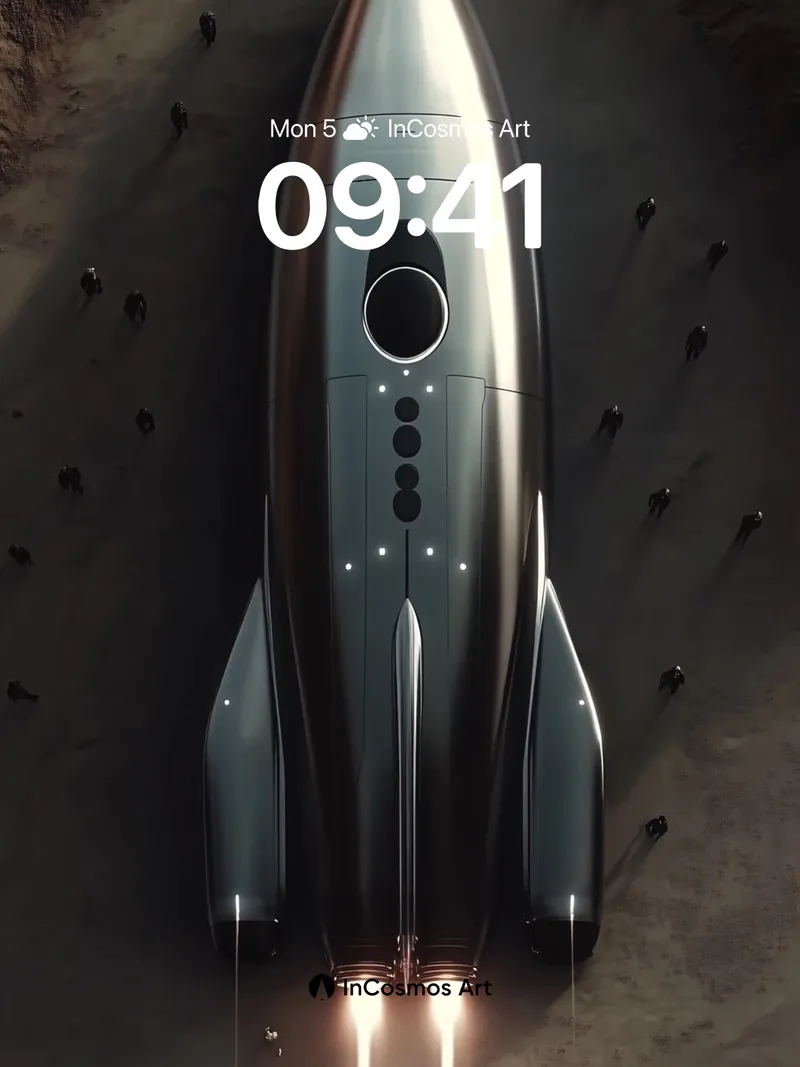
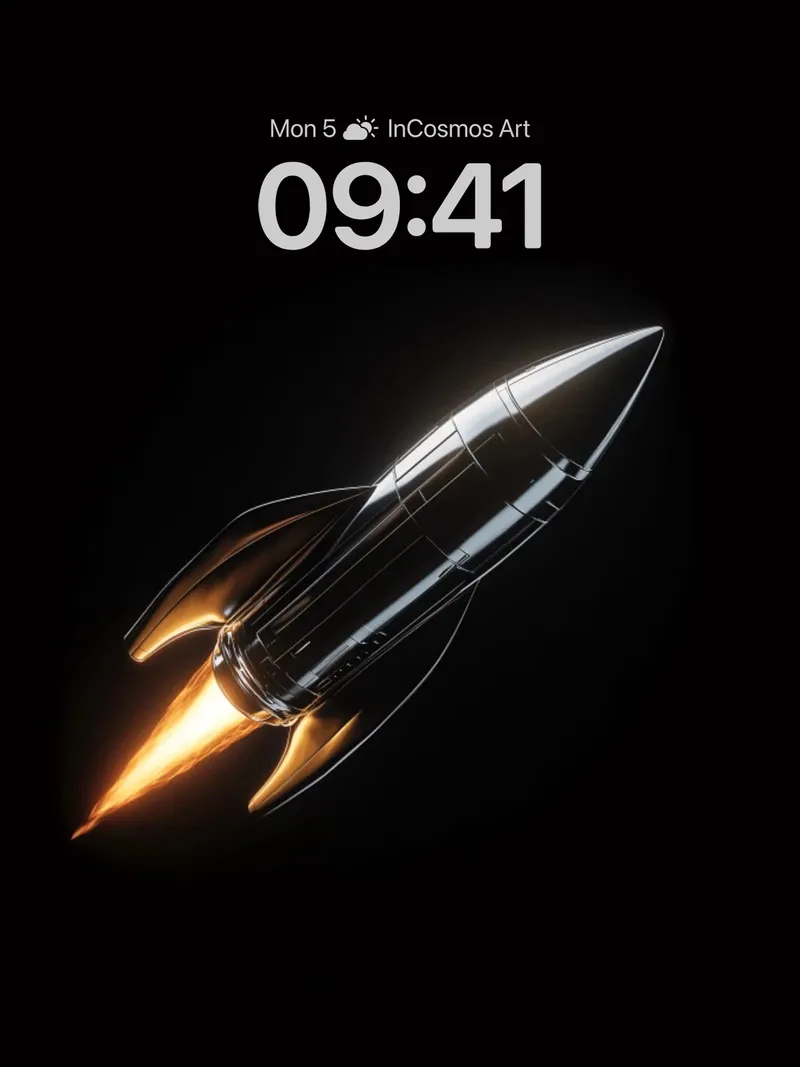
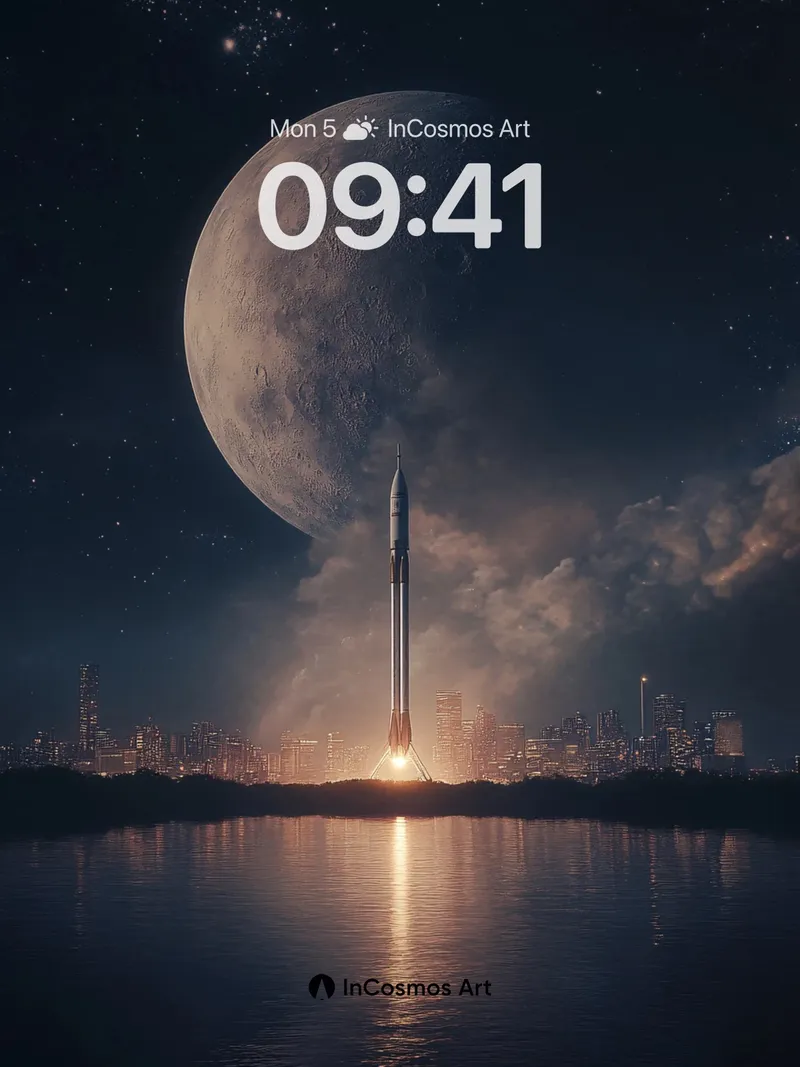
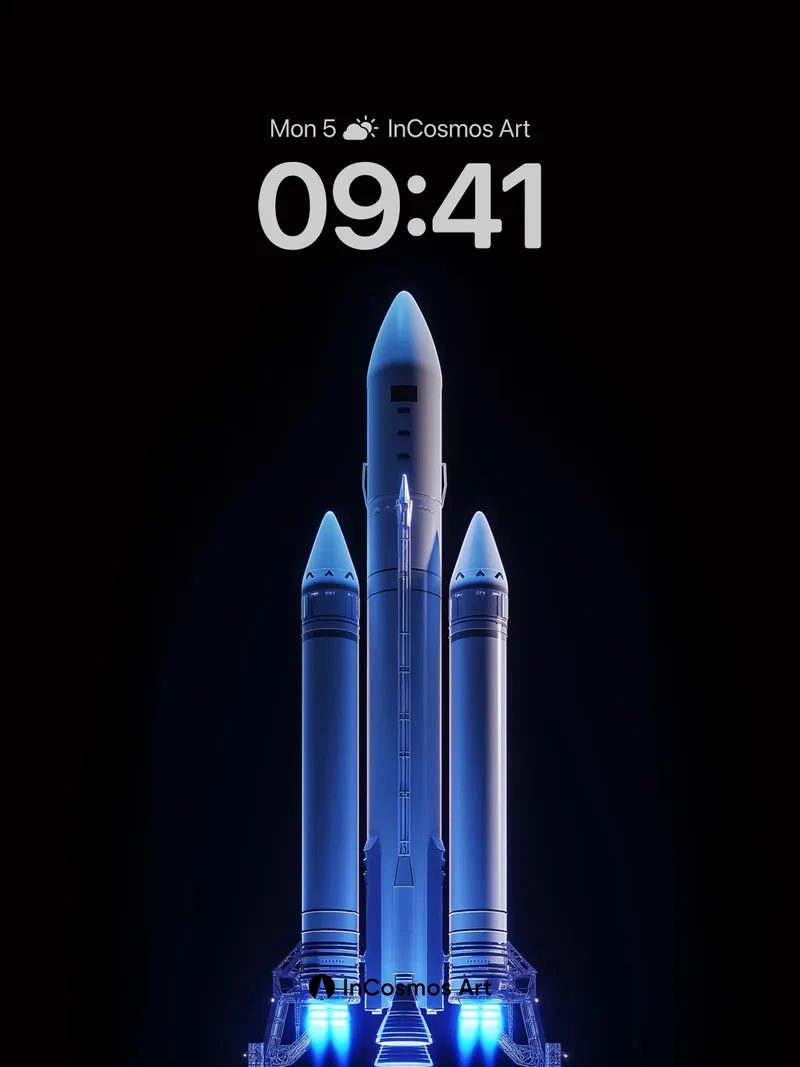
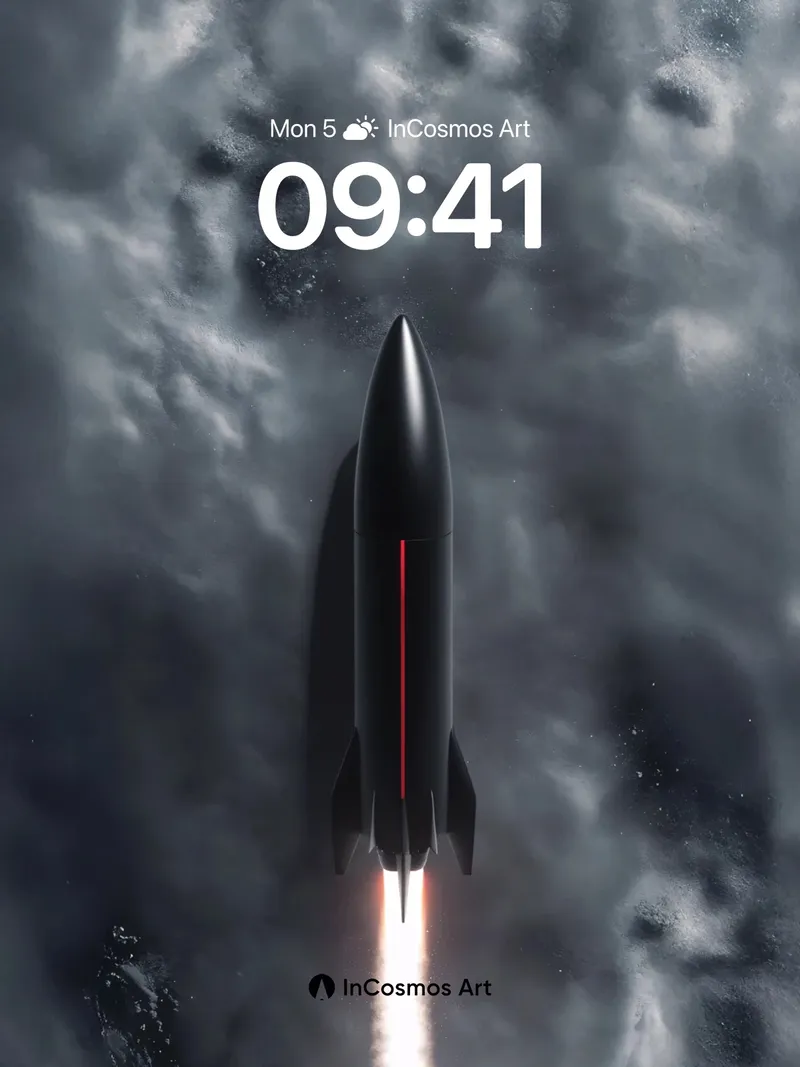
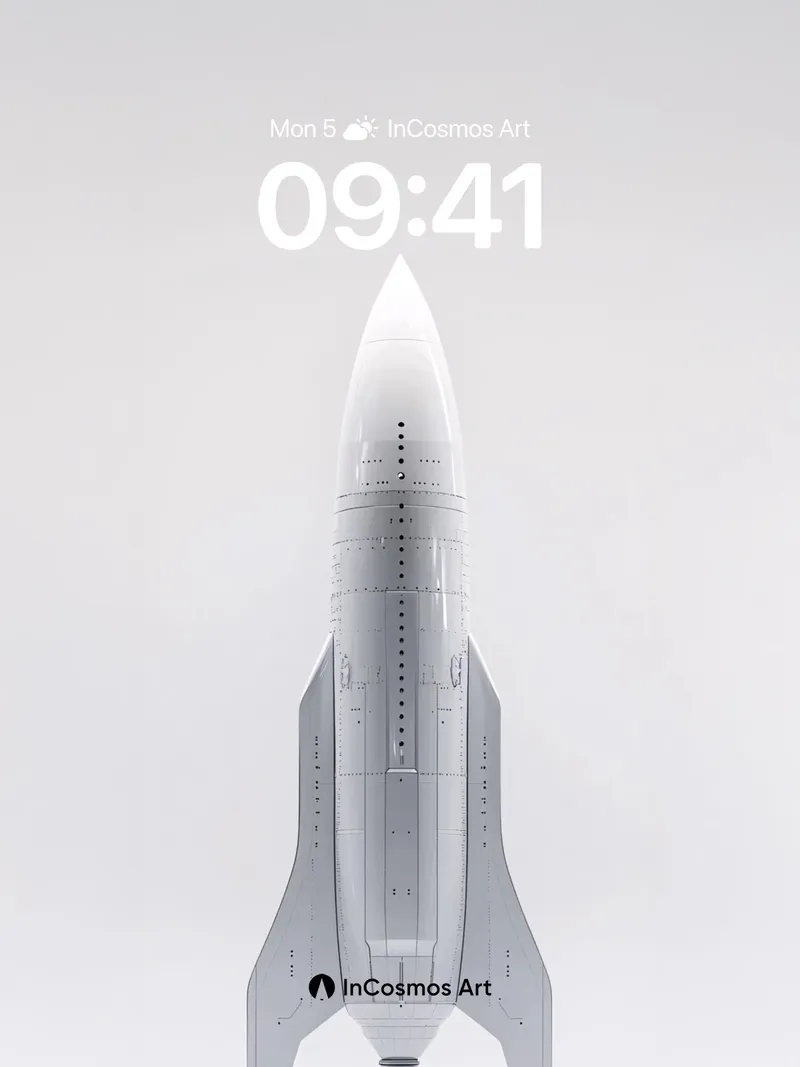
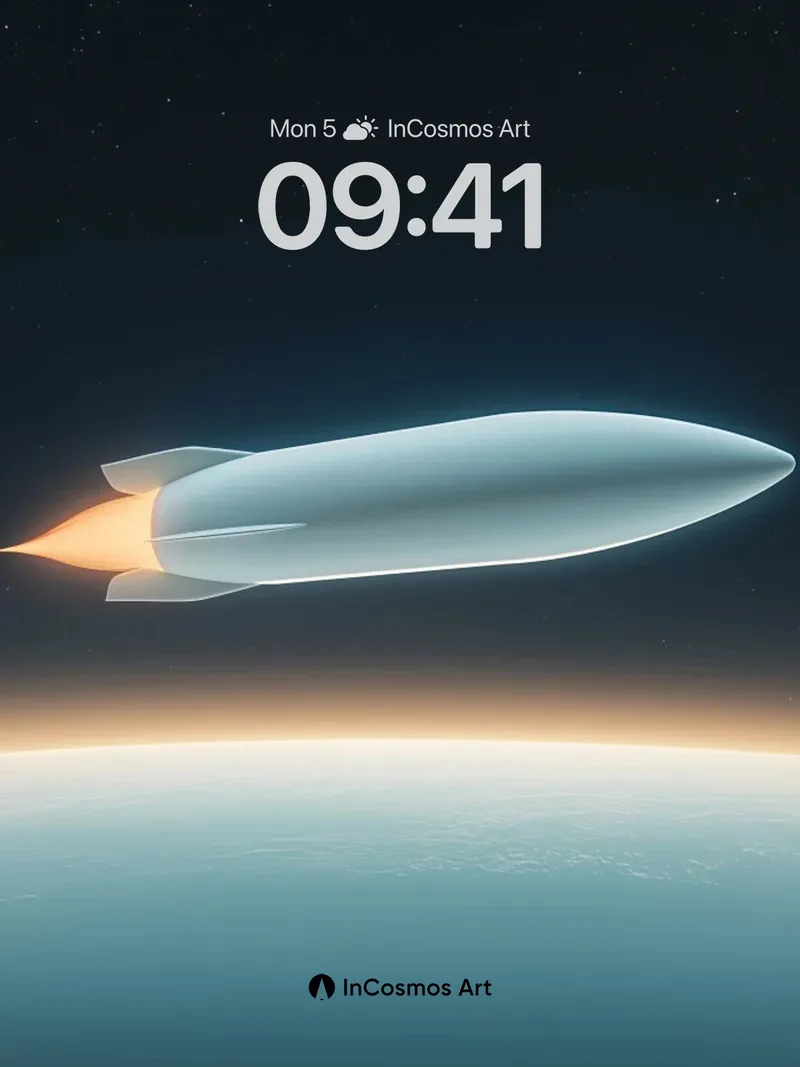
At the edge of Earth, metallic bodies tear through the atmosphere, flames cutting through silence. Each launch is a defiance of gravity and a question about meaning. Rockets are not merely machines; they are embodiments of civilizational will—a ritual of time and space, projecting collective memory into the cosmos. From silent desert takeoffs to moonlit launches over city lights, to vertical ascents above oceans, these scenes form a narrative beyond technology: exploration is not an end, but an identity confirmation. Humanity uses rockets as pens, writing its own symbols across the vastness.
The Rocket as Cultural Symbol
The rocket's form has long transcended function. Its streamlined silhouette and sharp nose cone represent one of modernity's clearest visual languages. It serves more than cargo or human transport—it carries national pride, technological dreams, and futurist visions. Whether adorned with national flags or rendered in sleek black, each design reflects a different stage of civilization’s spirit. Silver hulls reflect industrial confidence; dark variants suggest reverence and humility toward the unknown.
Emotional Resonance at Liftoff
When engines ignite, ground trembles, and people look up—emotions converge. Regardless of location—desert, coast, or metropolis—hope unites them. This feeling stems not from technical triumph, but from shared imagination of transcending limits. Rocket exhaust illuminates night skies like burning souls: brief yet brilliant. It reminds individuals: though small, they can break chains and reach stars.
Transition from Earth to Cosmos
The rocket’s trajectory is a metaphorical journey. From land to sea, city to space, each ascent redefines the boundaries of 'home.' As it pierces clouds and enters vacuum, Earth becomes a blue sphere—revealing humanity’s fragility and value. This is not just physical movement, but cognitive transformation. In zero gravity, old coordinates collapse, new worldviews emerge.