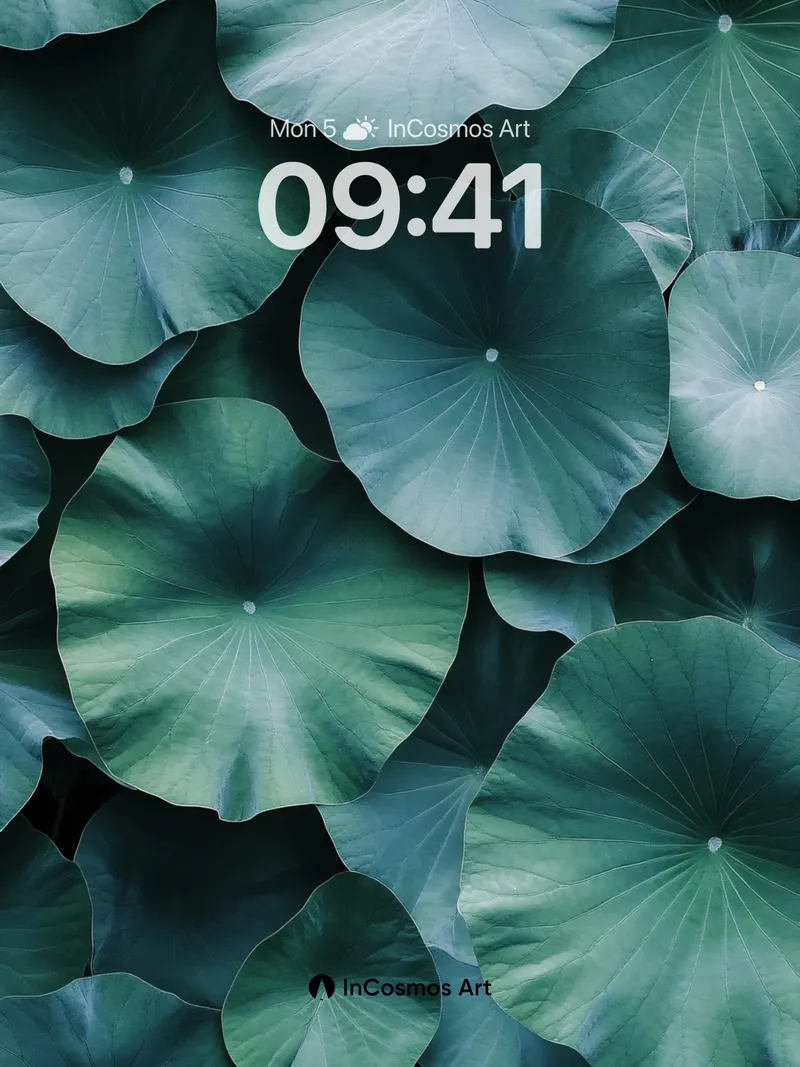
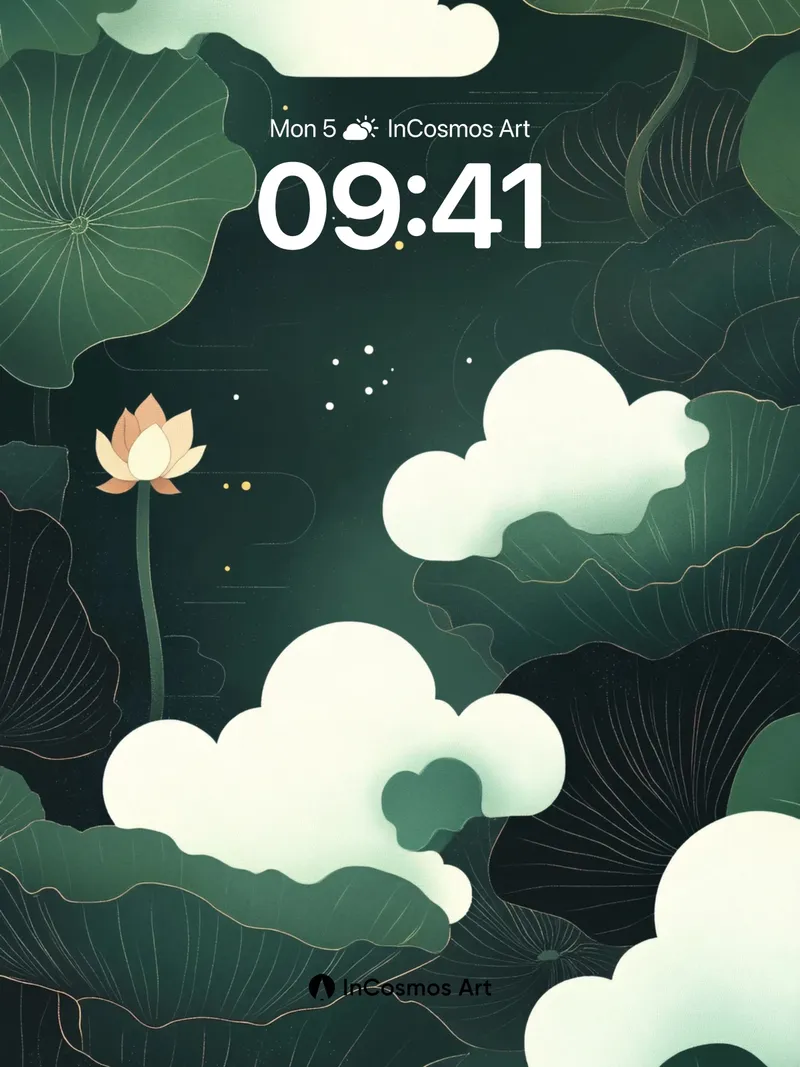
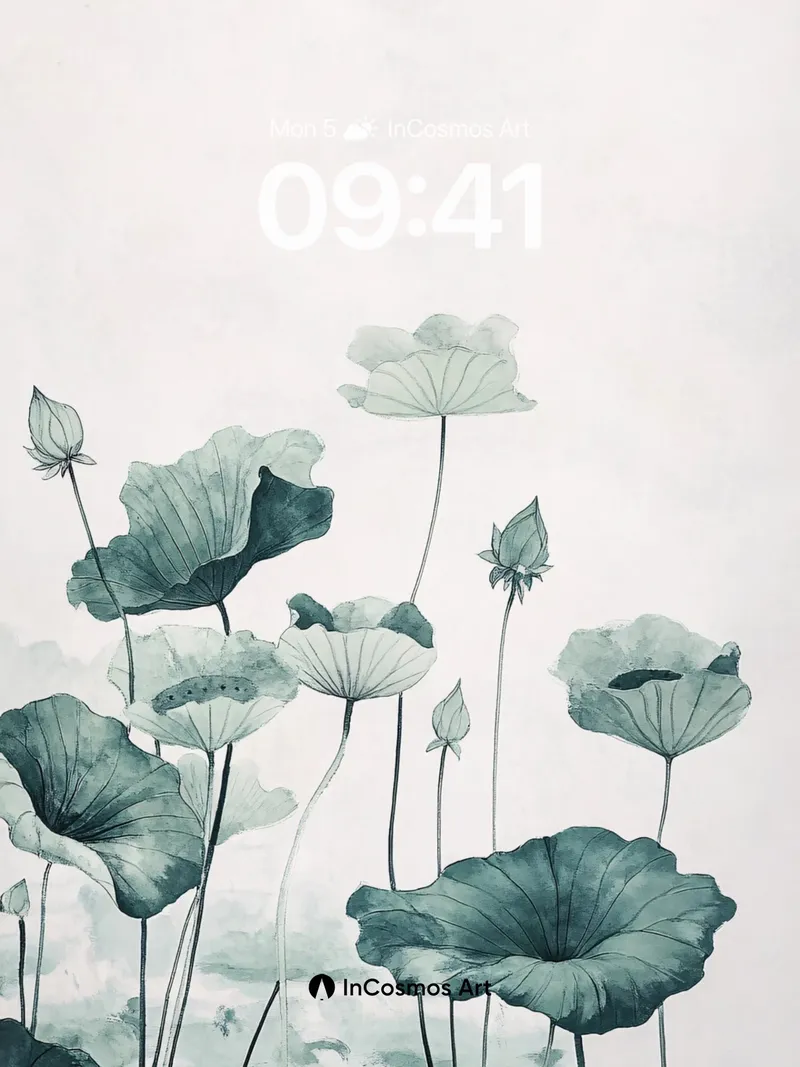
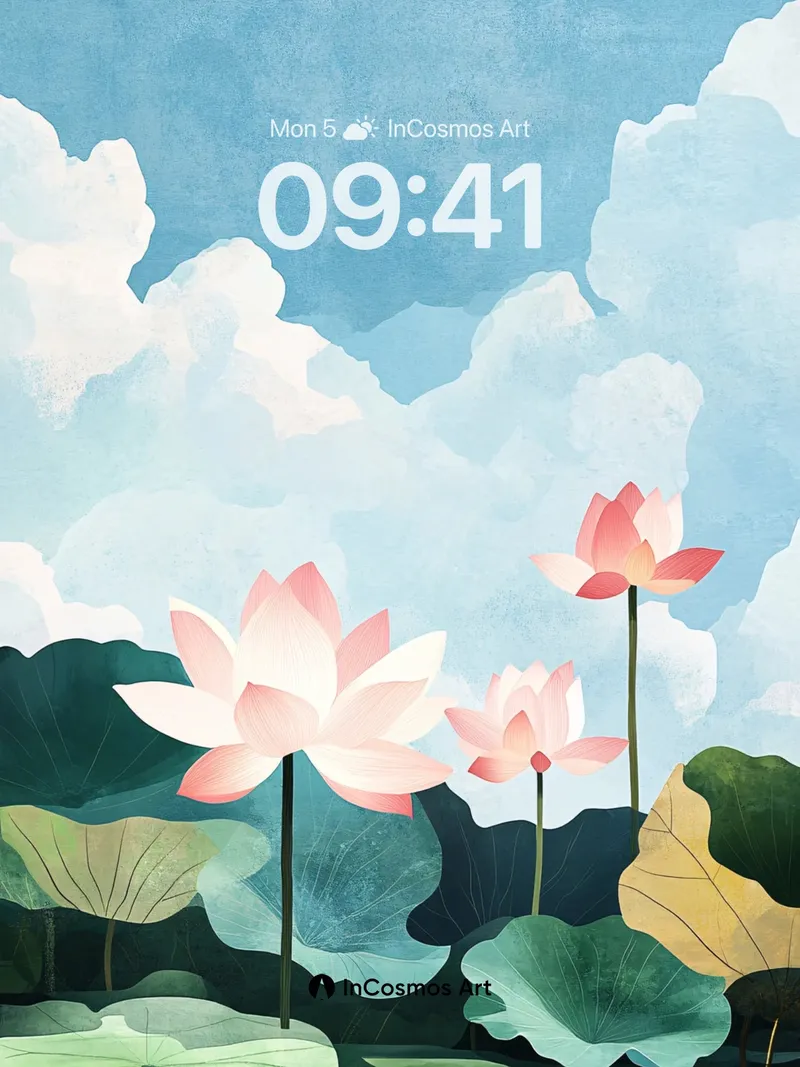
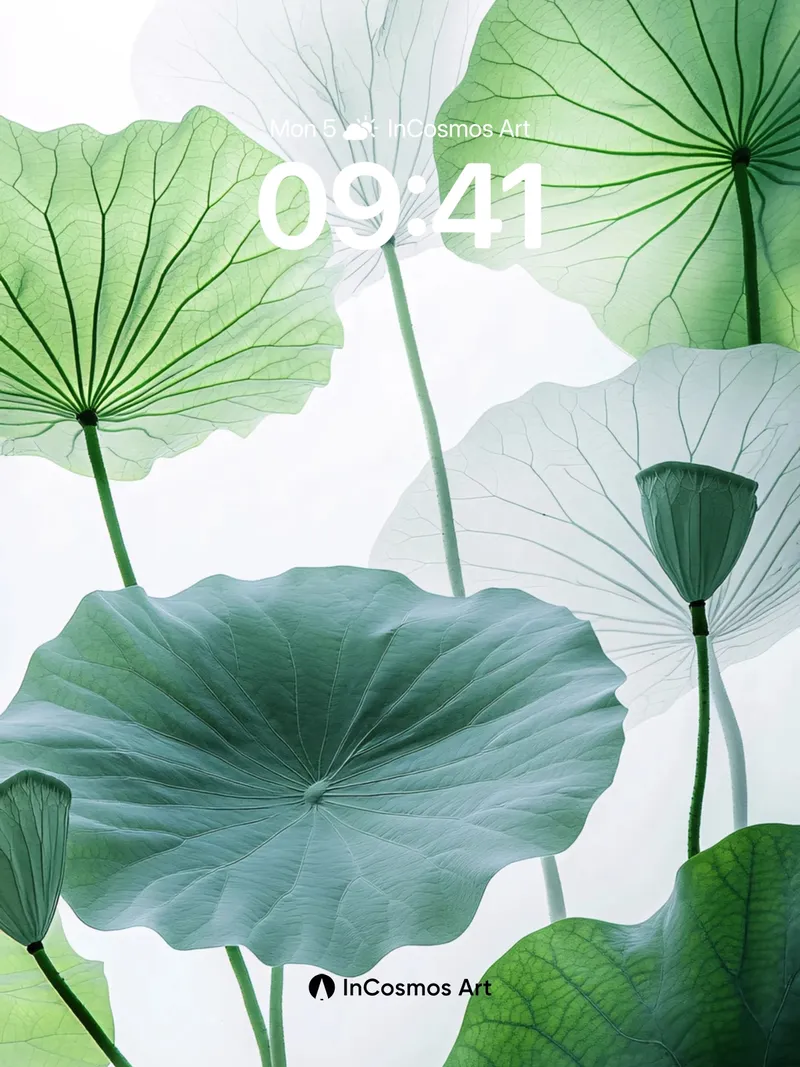
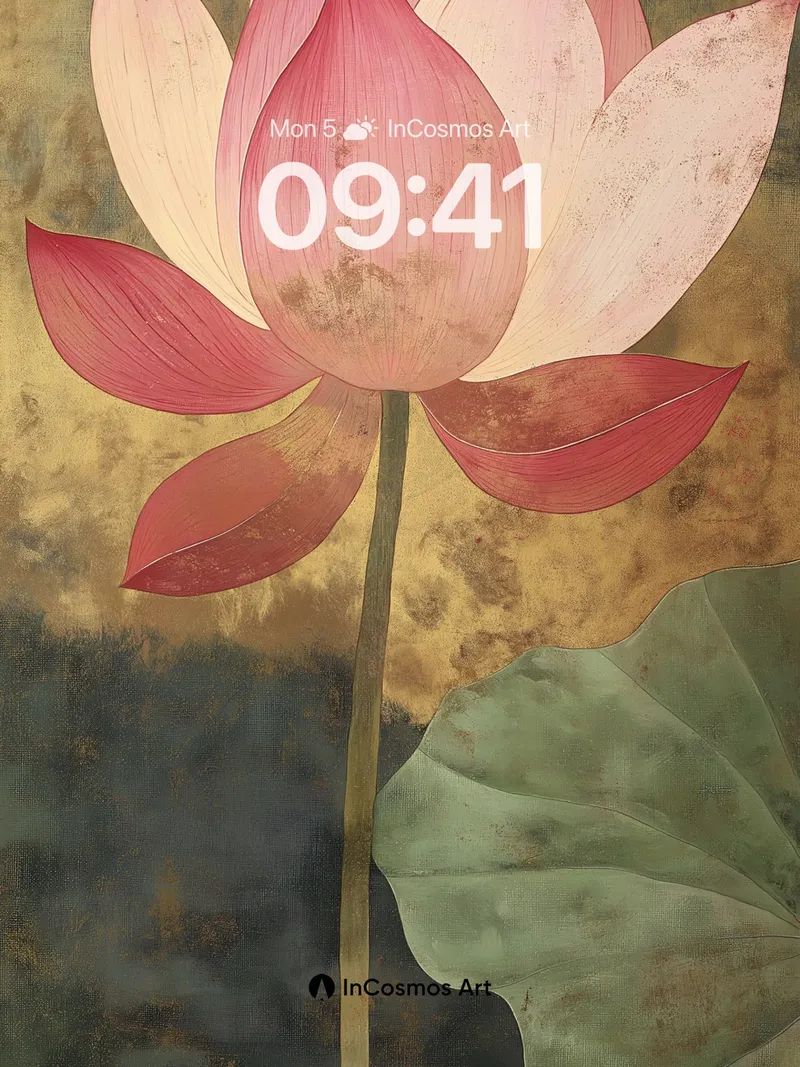
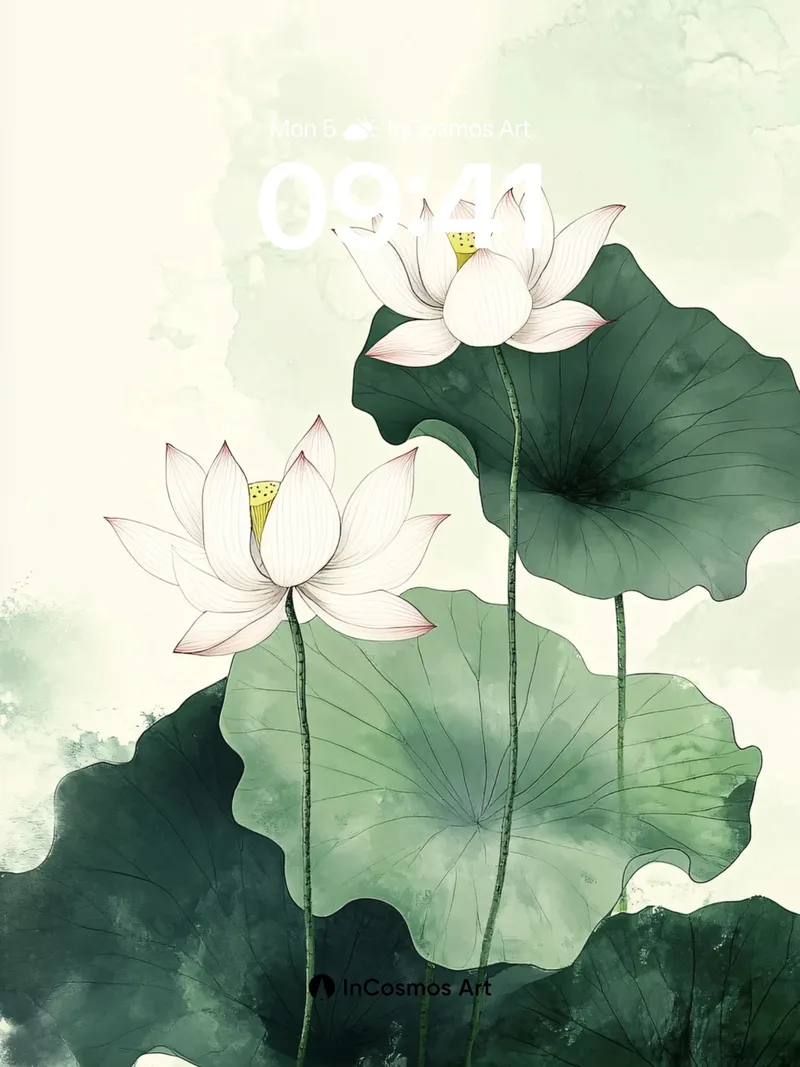
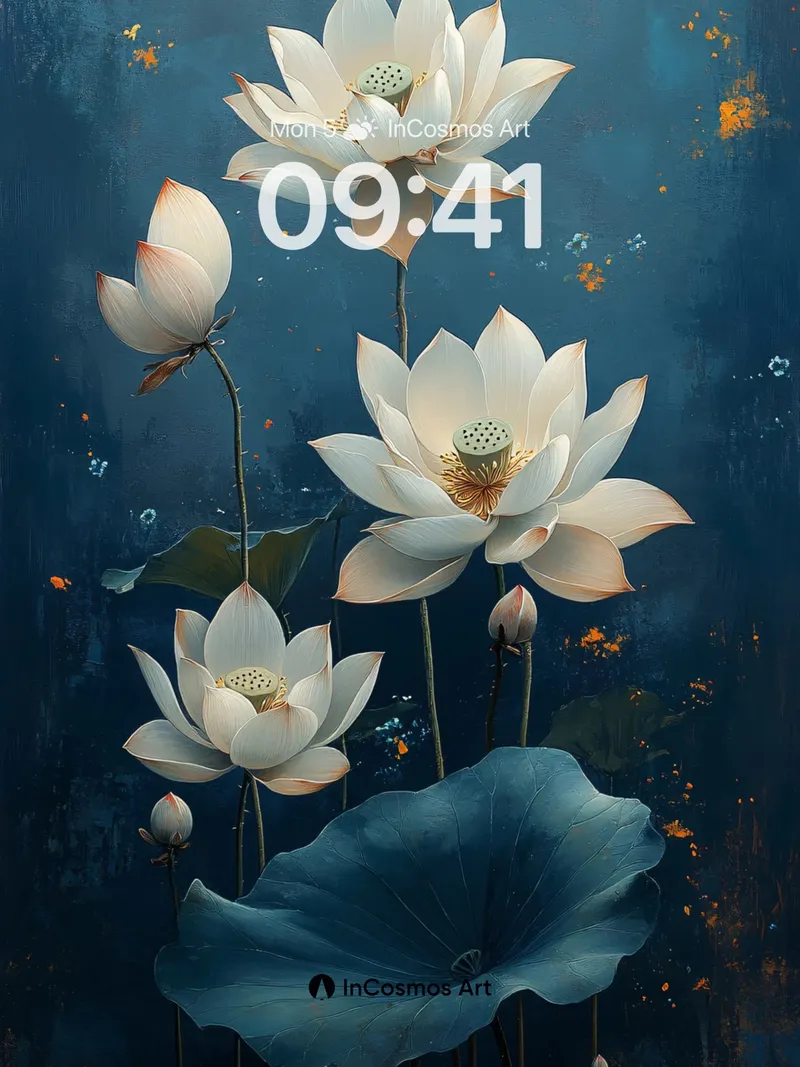
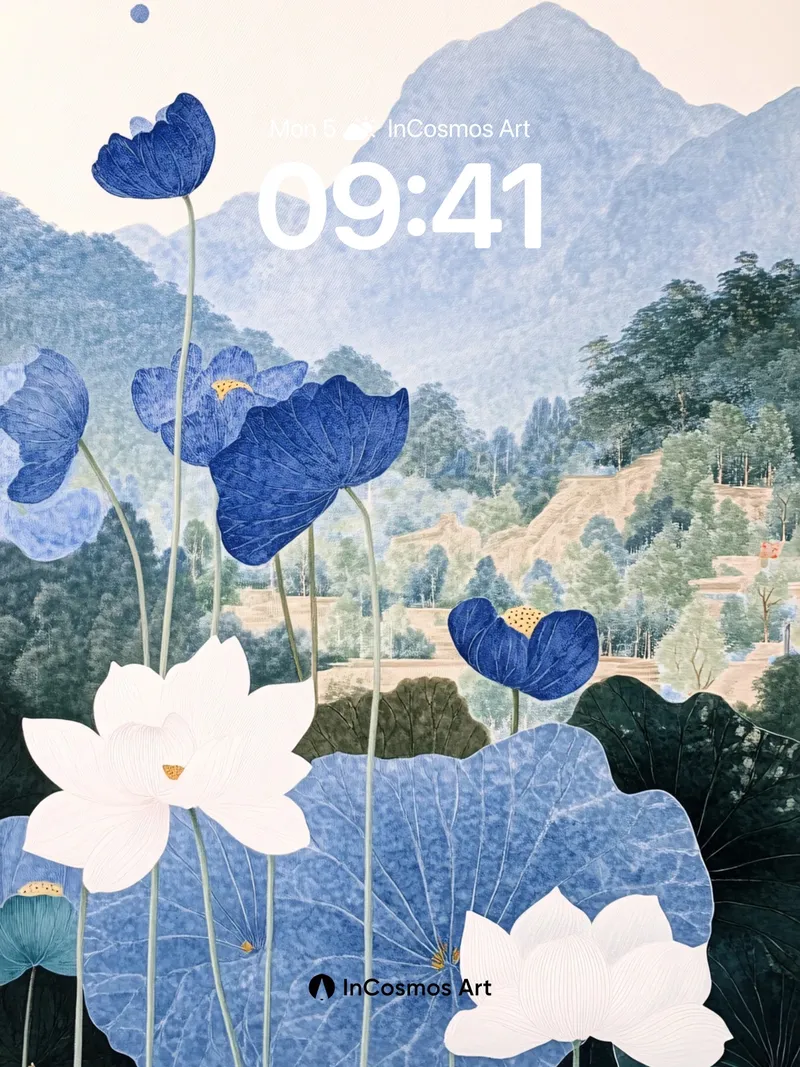
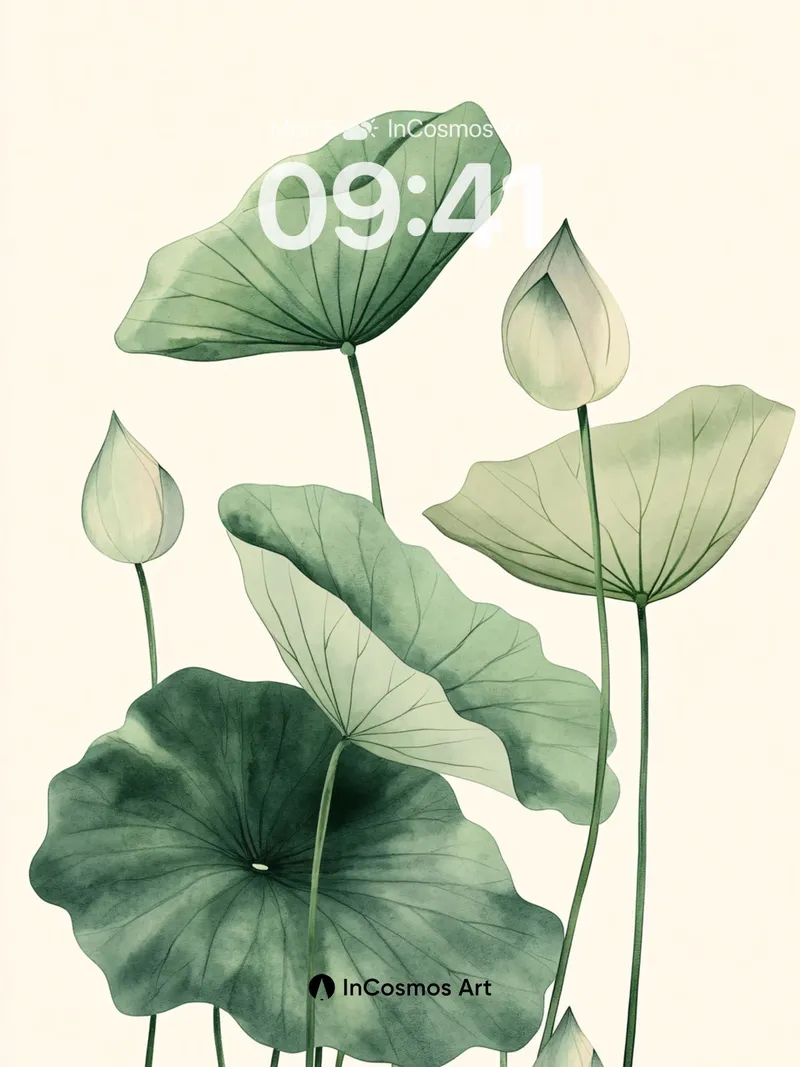
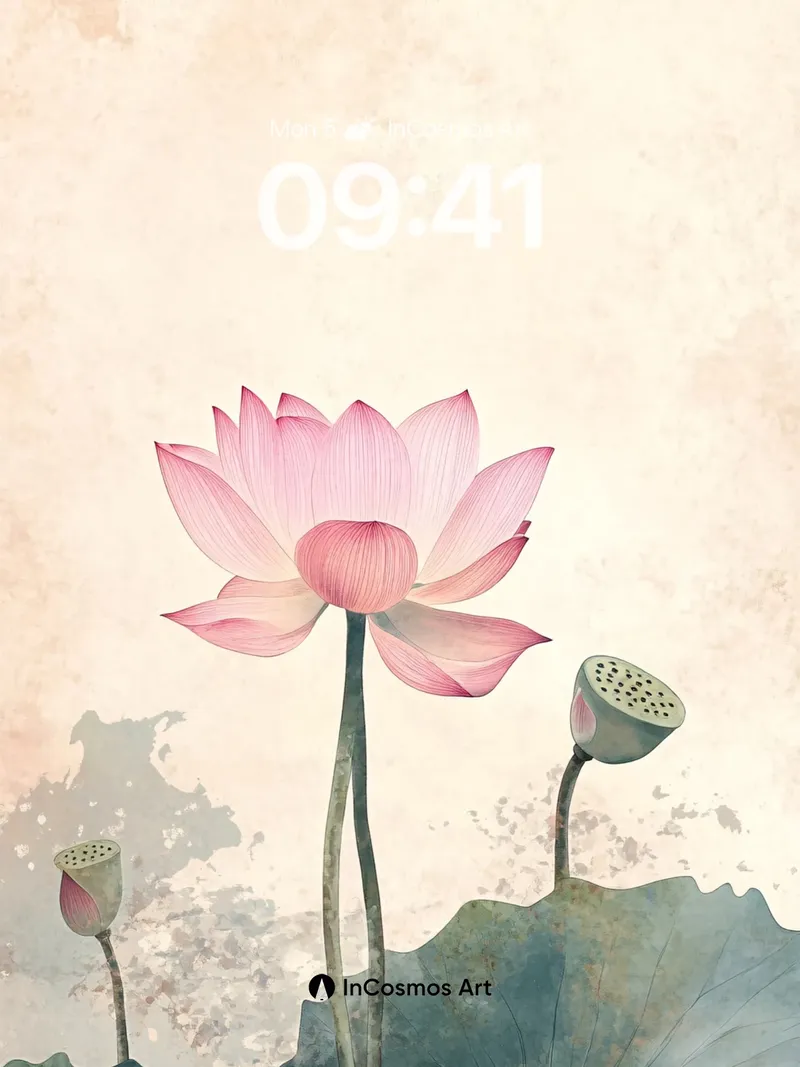
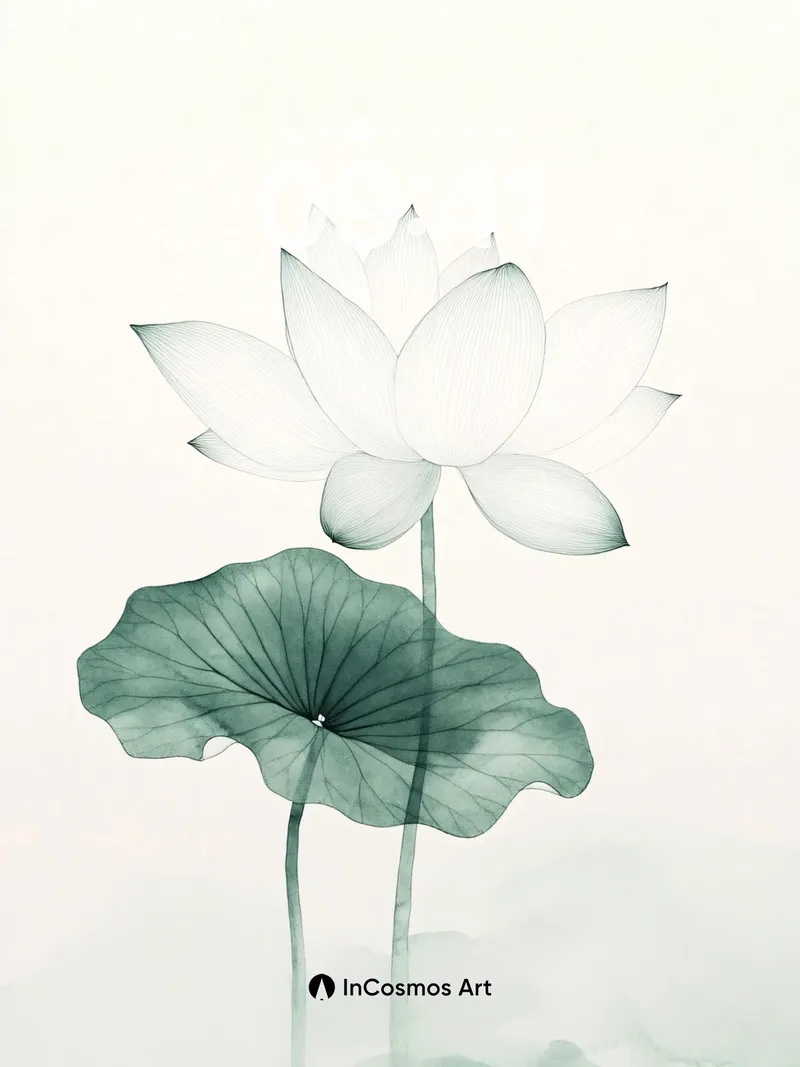
Lotus leaves unfurl, flowers emerge, water light shifts—within this stillness, all things return to an unspoken order. This is not merely plant growth but a tangible form of being—an existence that seeks inner balance and clarity beyond noise. The lotus grows from mud without stain; its posture is both tender and firm, like the human will maintaining awareness amidst worldly chaos. Each leaf’s veins, each bloom’s opening, narrate traces of time and rhythms of life. This tranquility is not stagnation, but stillness within motion—a profound comfort nature offers to the human soul.
Breath of Nature
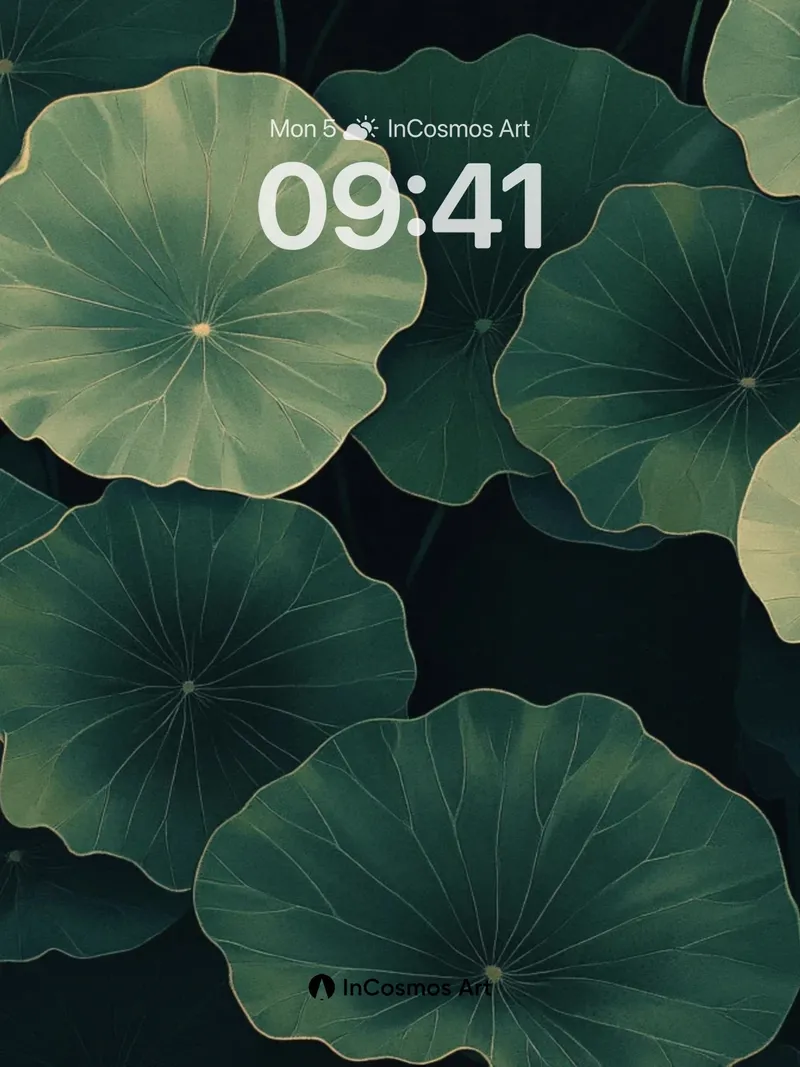
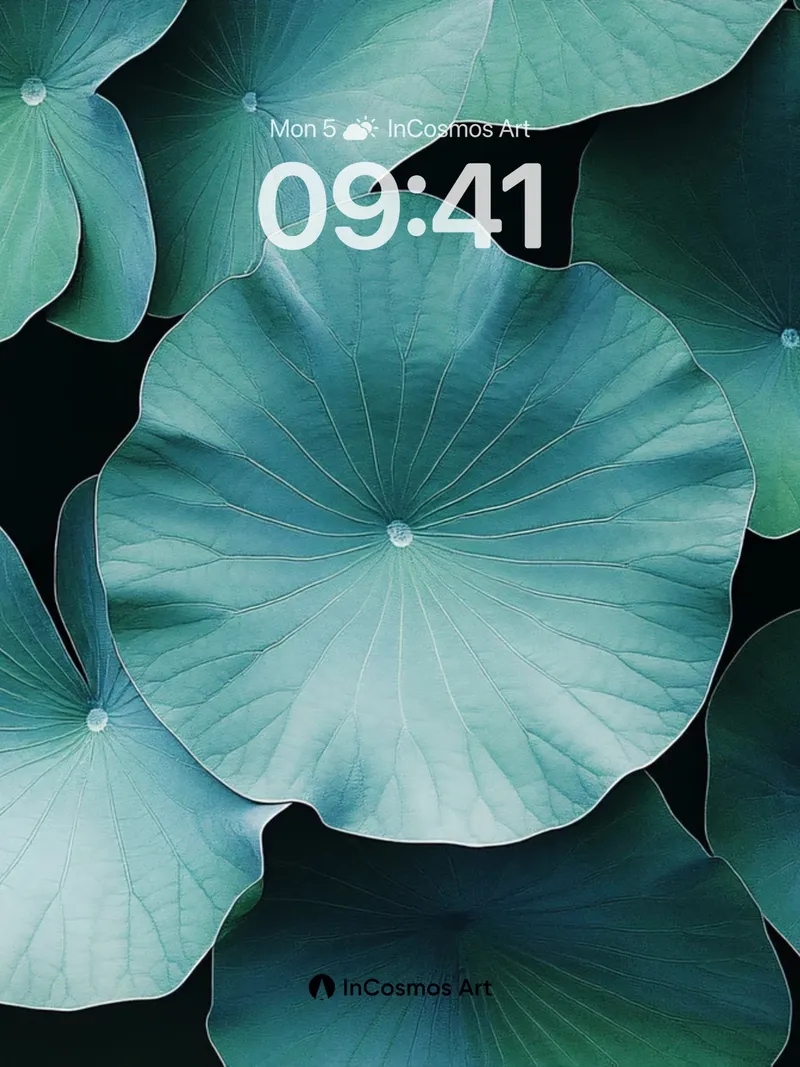
Lotus leaves spread across water surfaces like the earth’s breath, slow and rhythmic. They do not compete or dominate, yet with generous presence cover entire ponds. Their green outlines shift in light—from pale jade to deep emerald, layered and distinct, carrying the weight of an entire season. This very existence is resistance—against restlessness, against impermanence, against oblivion. Often seen as pure, the lotus represents deeper resilience: rooting in darkness, blooming in light, never deviating from essence.
Symbol of Zen
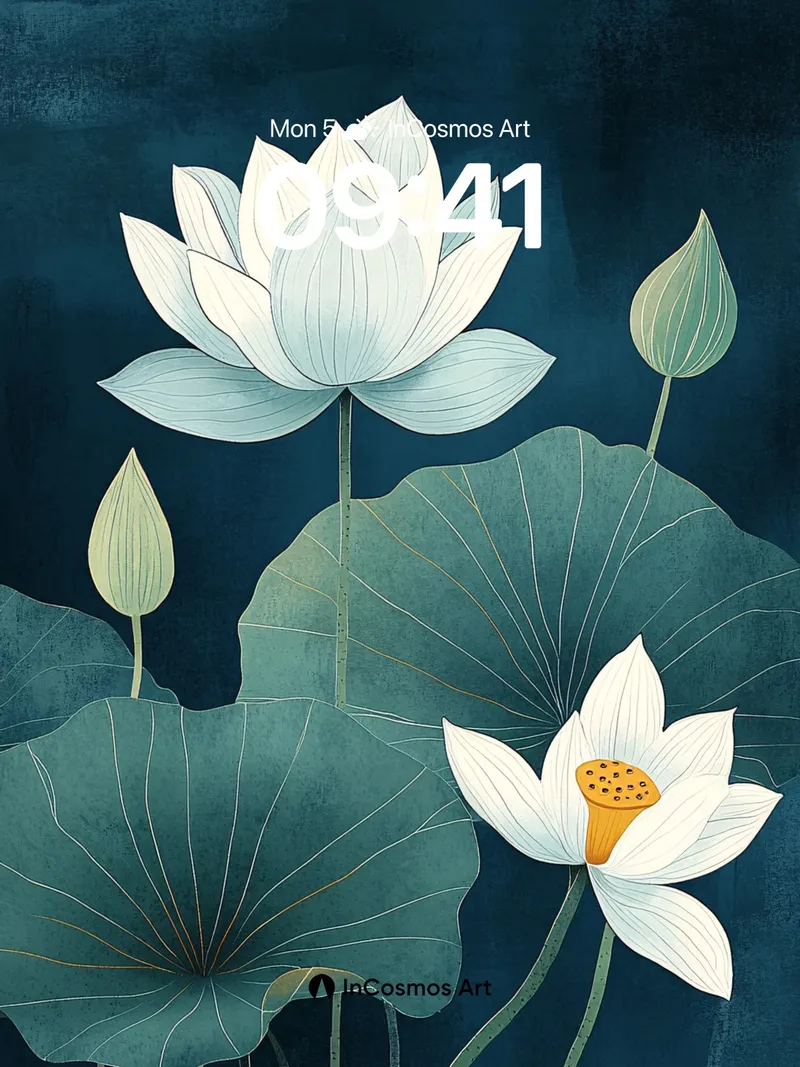
In Eastern traditions, the lotus transcends botany, becoming a metaphor for spiritual cultivation. Its emergence from muck mirrors the individual’s journey toward enlightenment amid distraction. Petals unfold layer by layer, echoing the gradual clarity of meditation. Unopened buds signify latent potential, awaiting the right moment to break free. This symbolism is not abstract—it communicates directly through form, color, and structure, evoking resonance without words.
Witness to Time
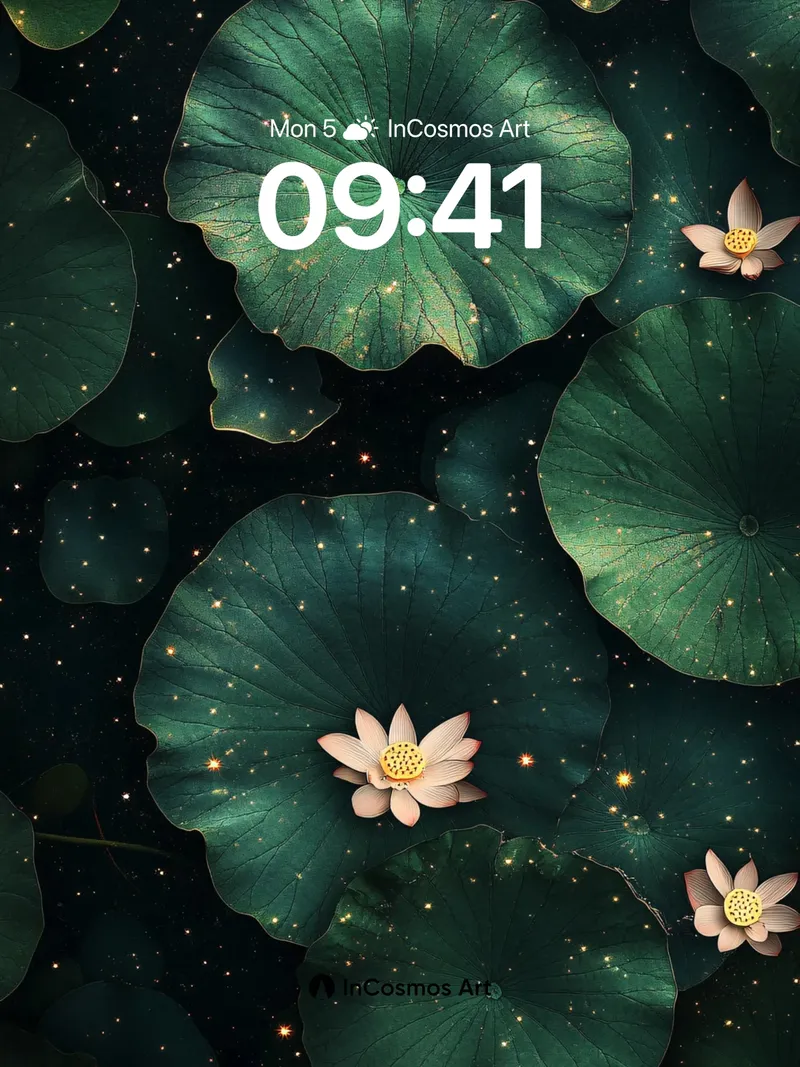
The lotus life cycle is brief yet complete—from sprout to bloom, then fading into seed pod. Each stage holds meaning. Nighttime lotus pools grow mysterious, stars scattered on leaf surfaces resembling miniature universes. Here, the lotus becomes more than plant—it is a bridge between earth and sky. It reminds: beauty lies not in eternity, but in process; peace is not escape, but perception. When gaze rests on one stem, it is a moment of reconciliation with time.
Projection of Emotion
Humans always seek reflection in nature. The lotus’s elegance, solitude, composure mirror idealized human character. Amid stress and anxiety, people long to be like the lotus—calm within complexity. This emotional projection elevates the lotus from nature to cultural symbol. It appears in poetry, painting, architecture, and daily objects, continuously shaping aesthetics and values.