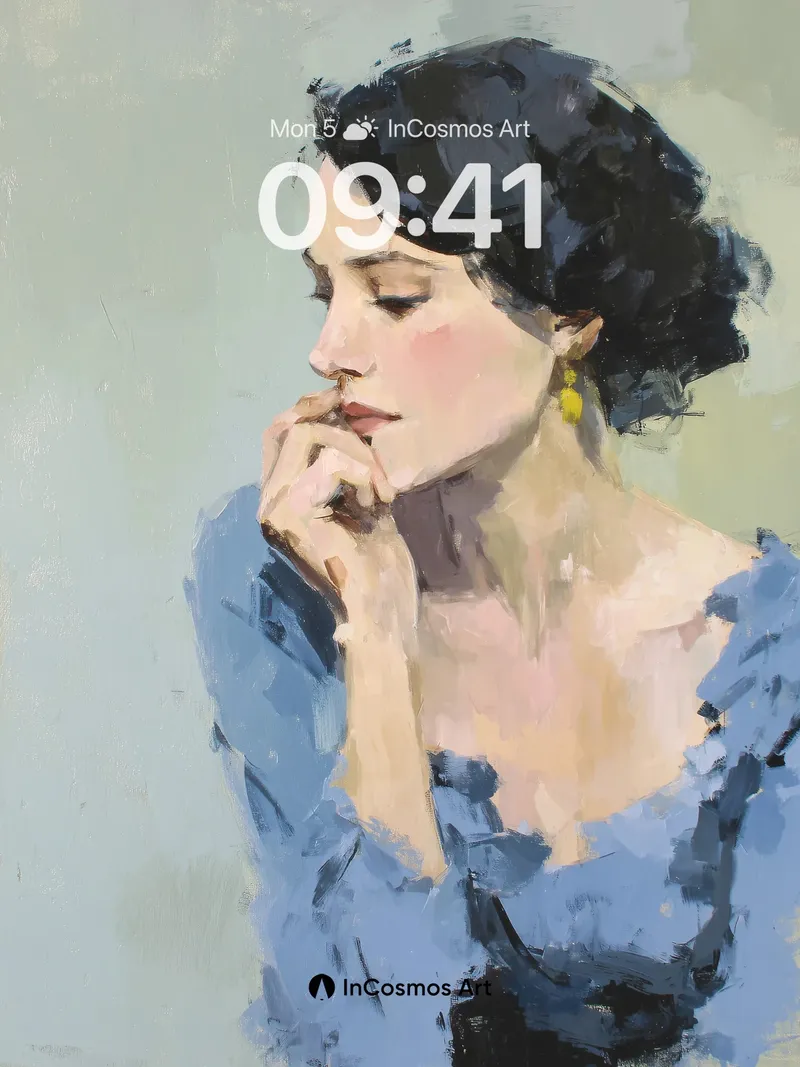
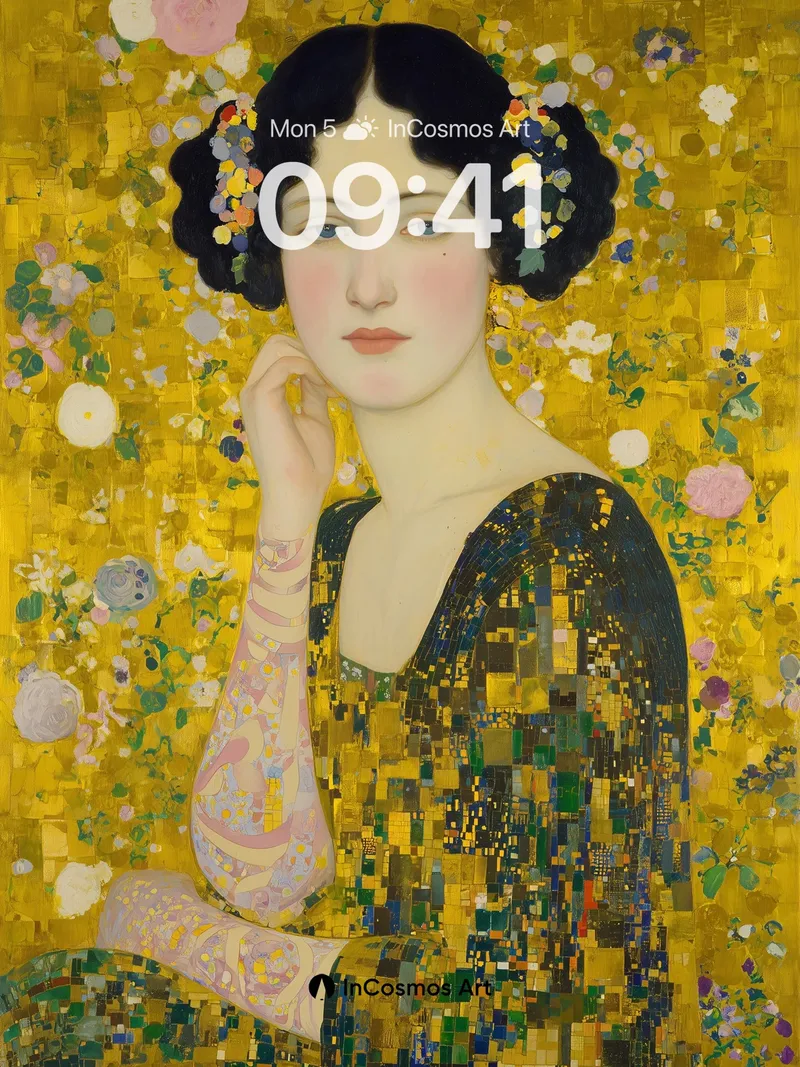
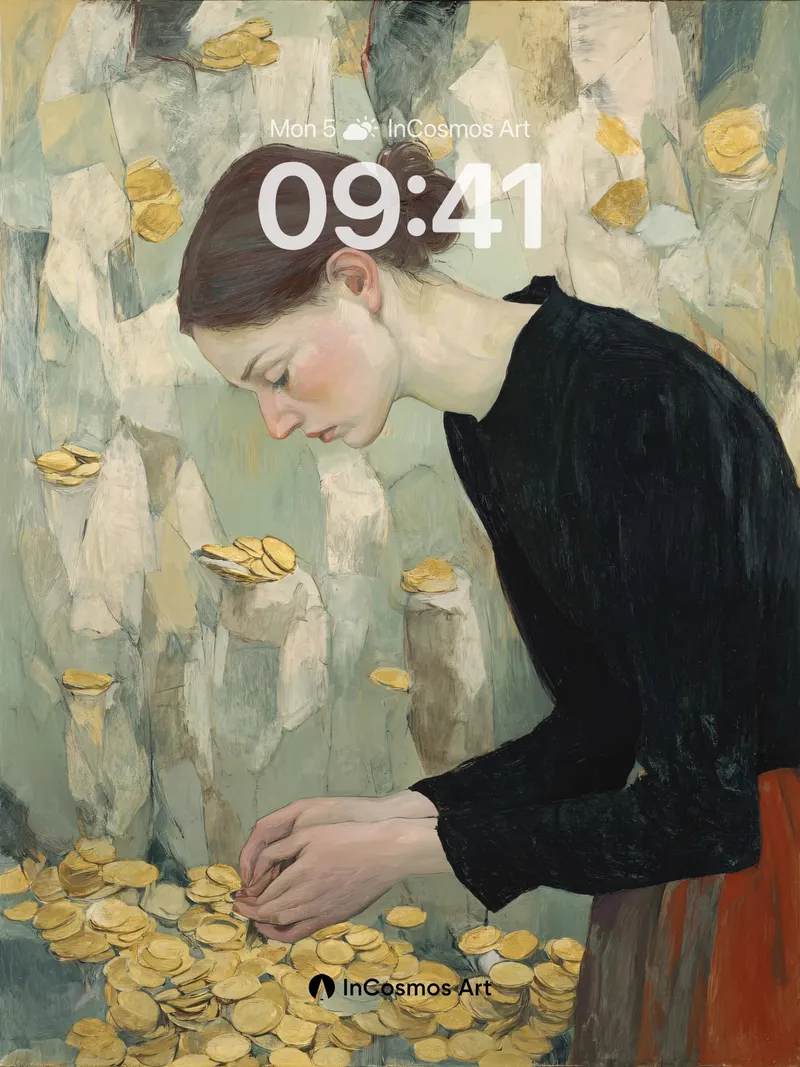
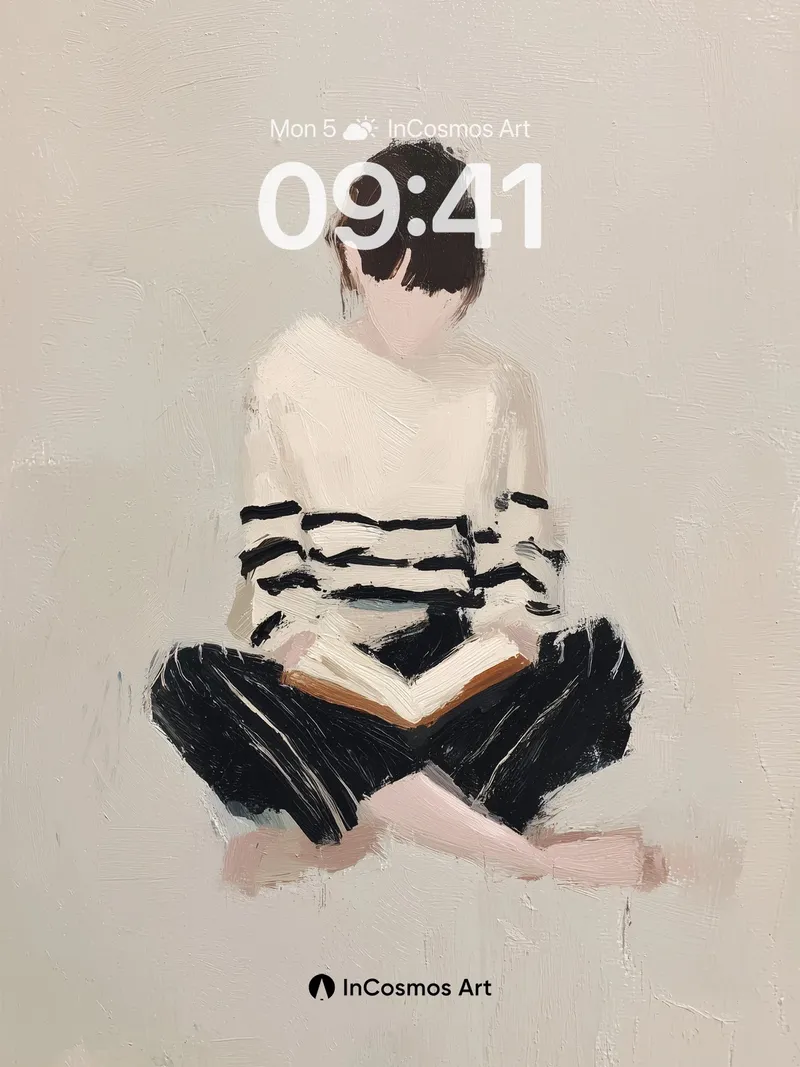
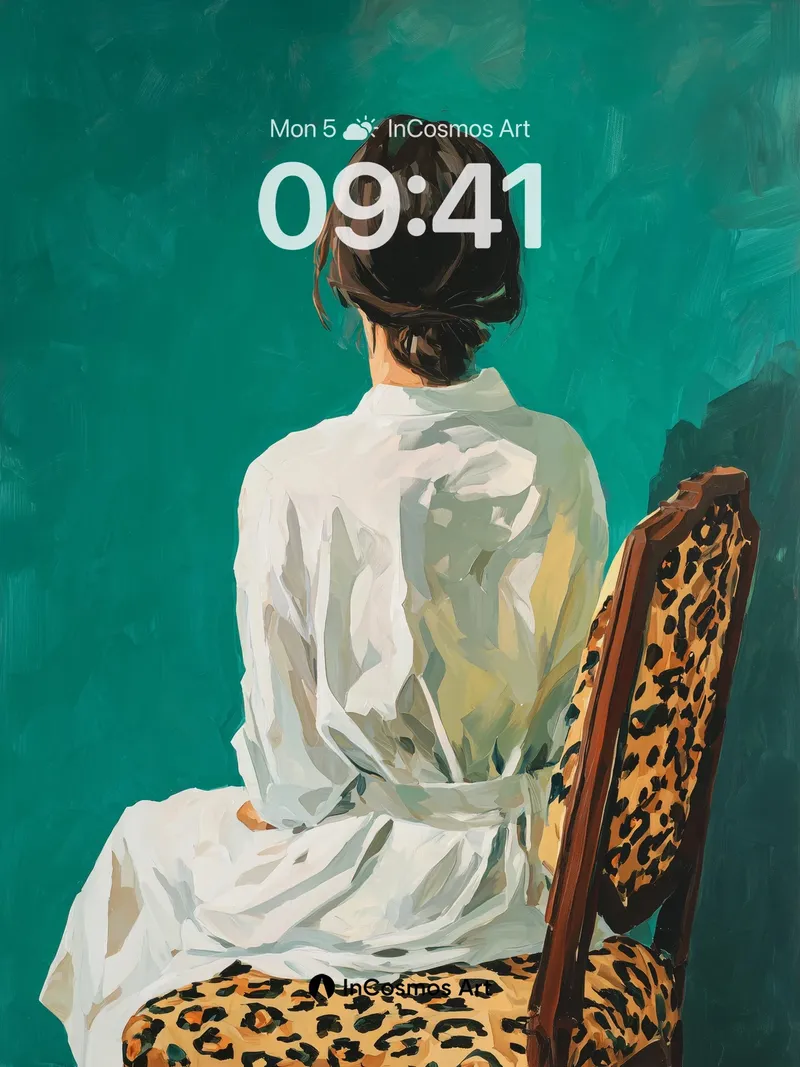
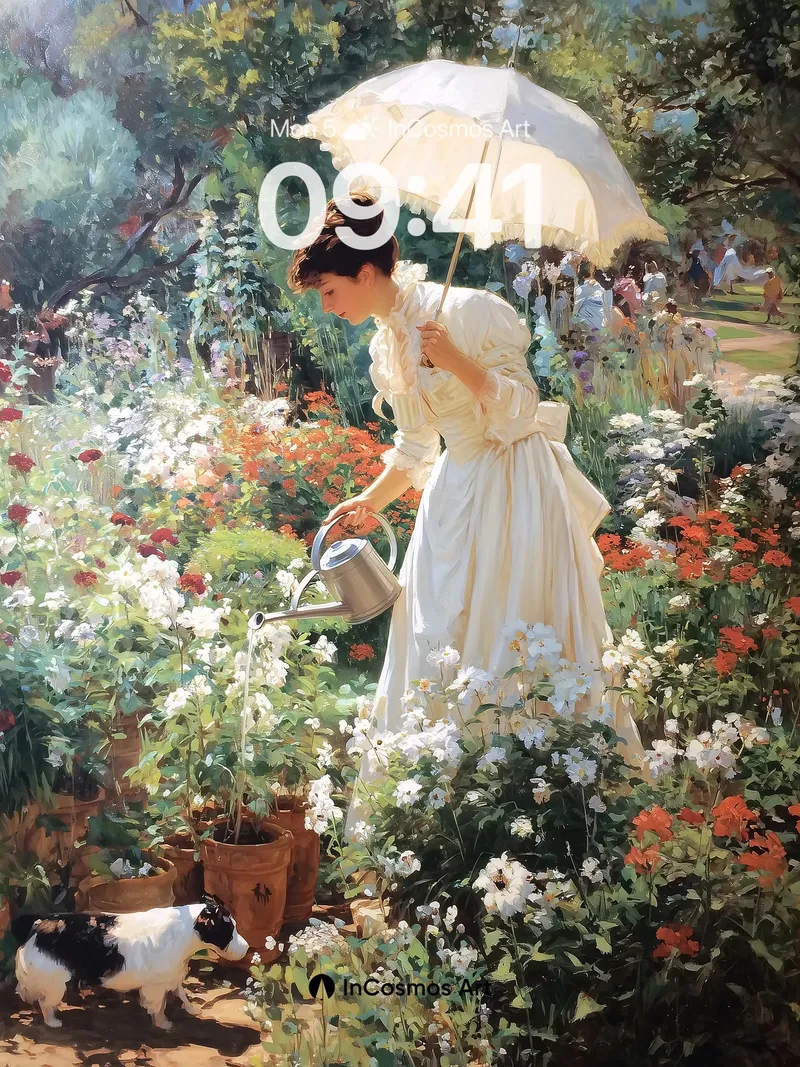
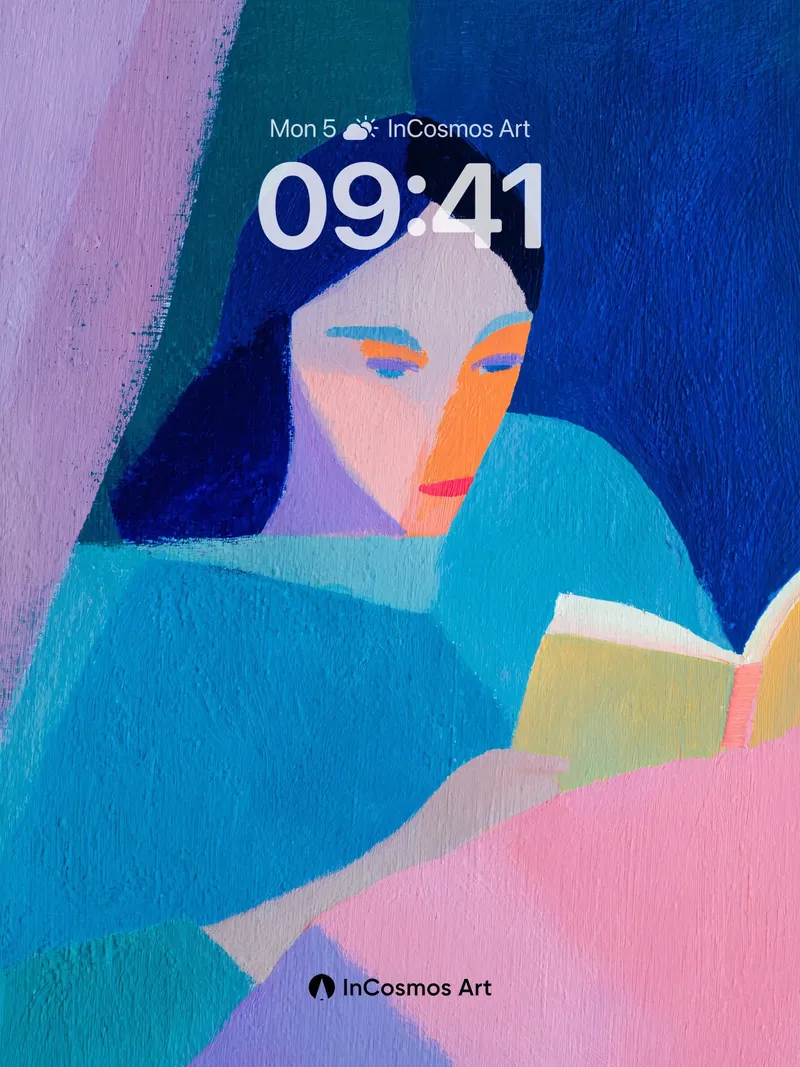
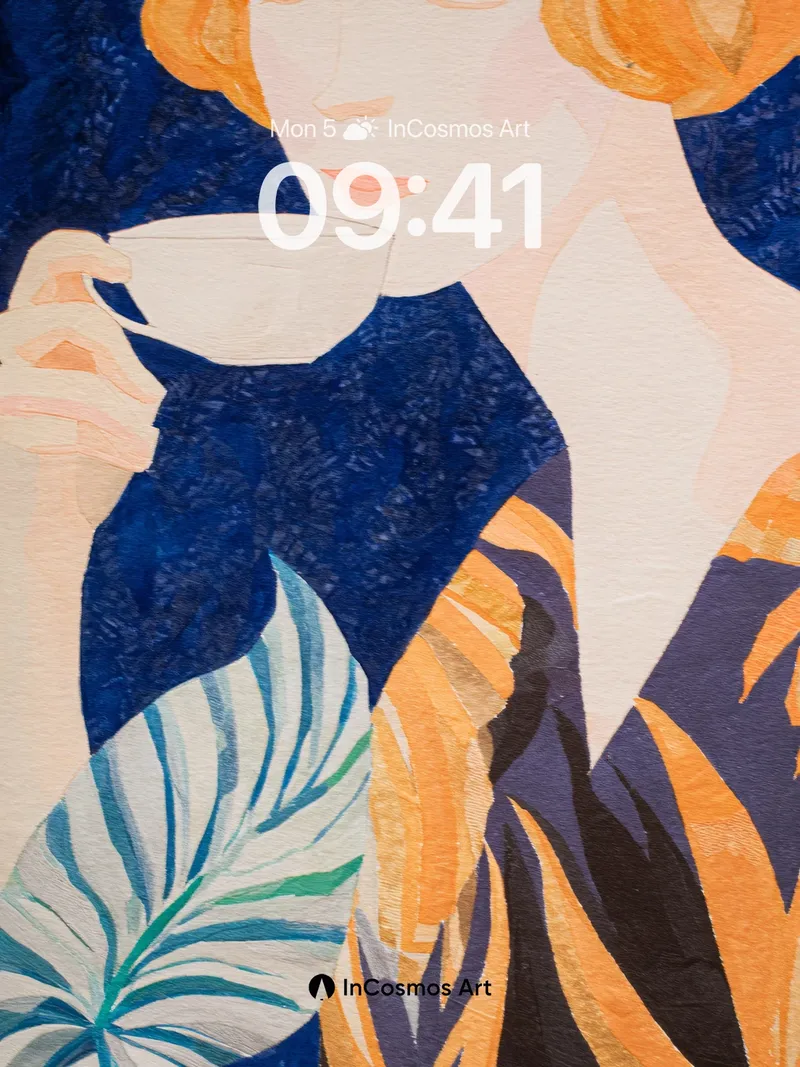
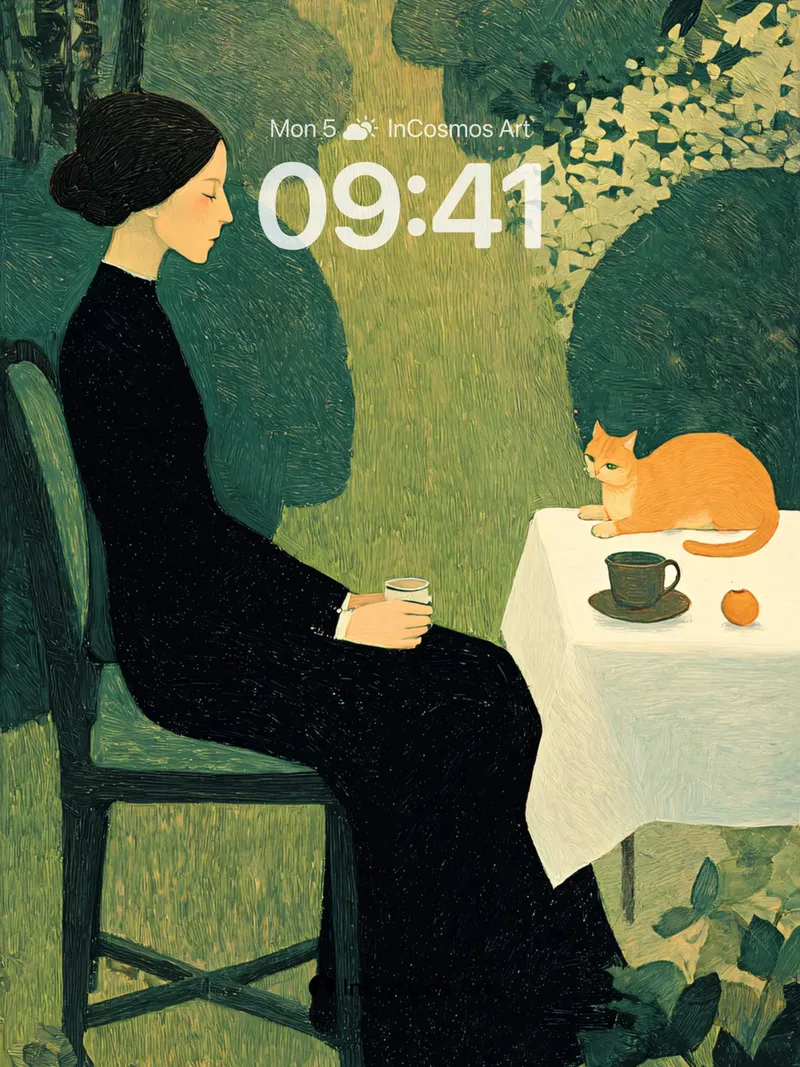
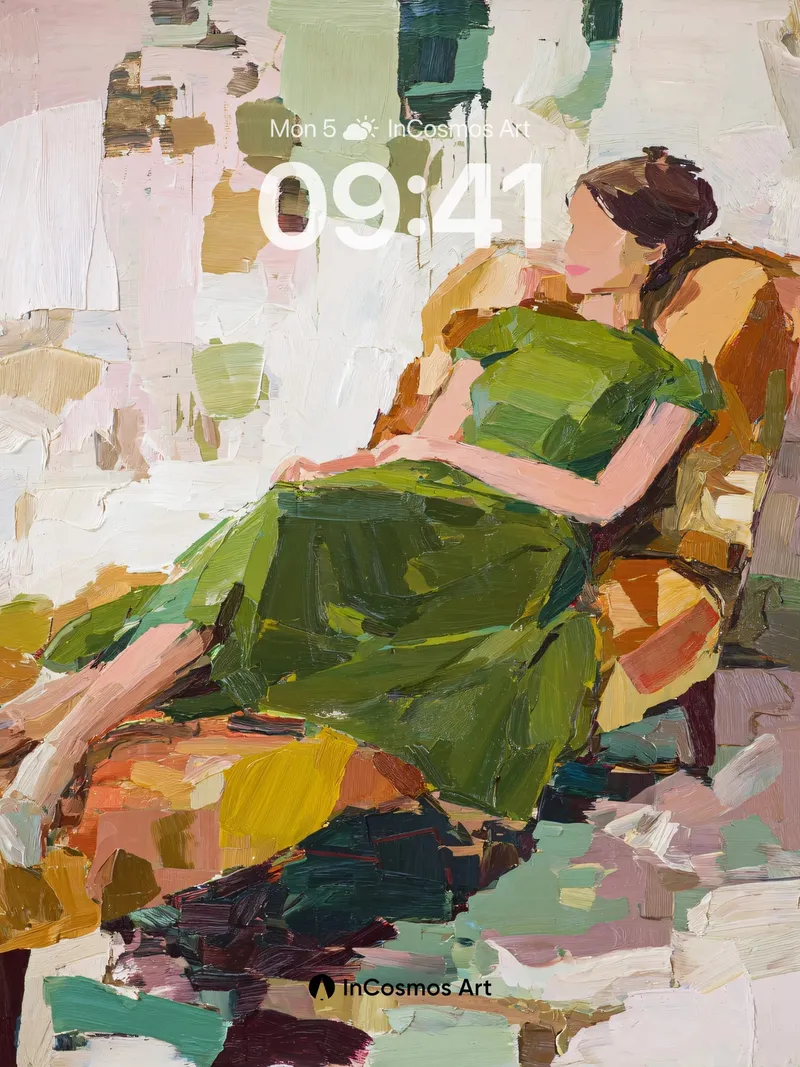
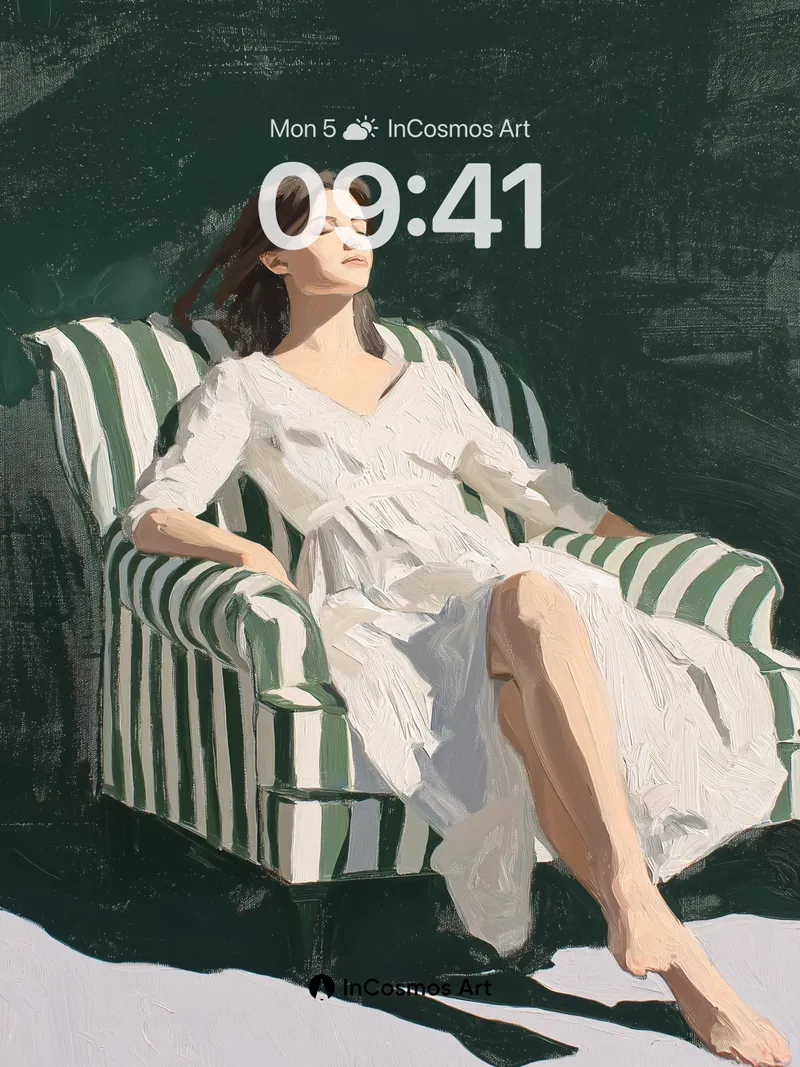
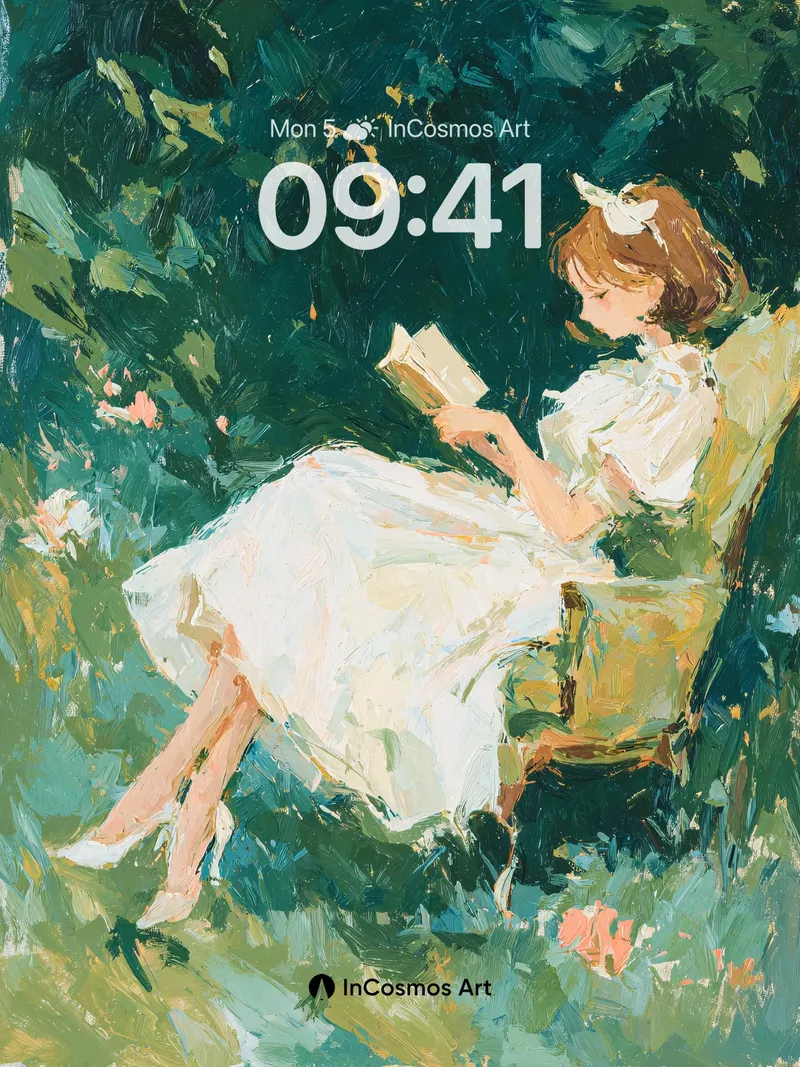
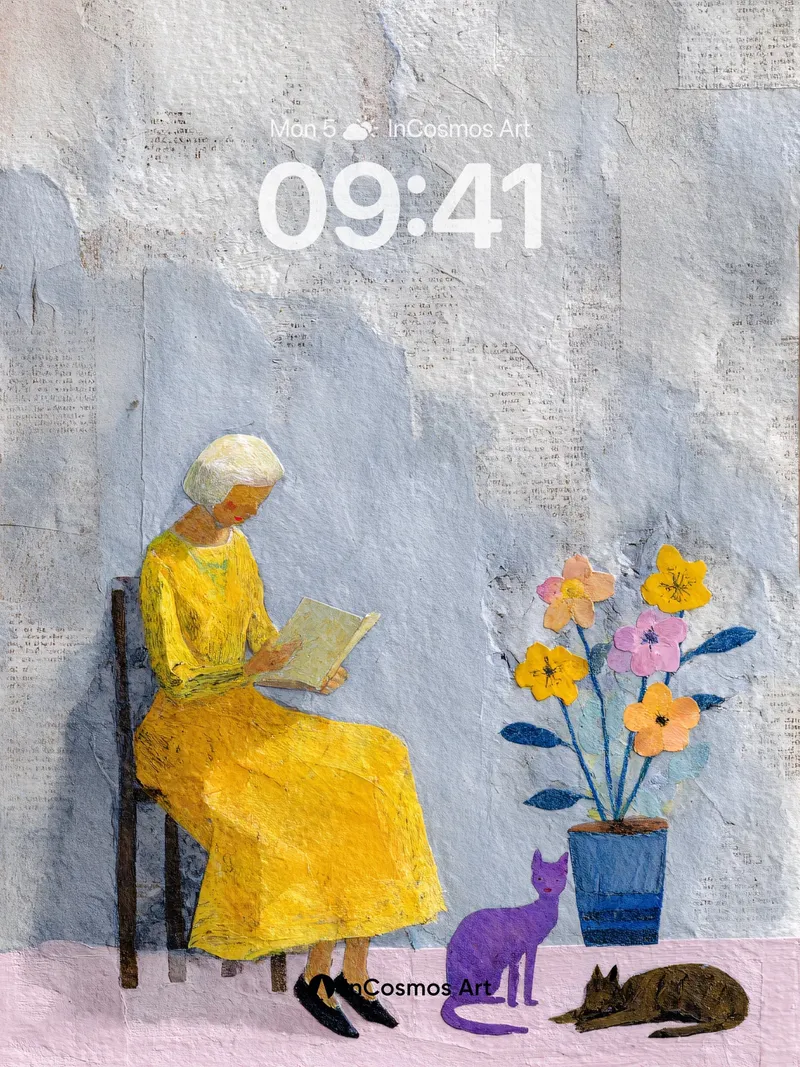
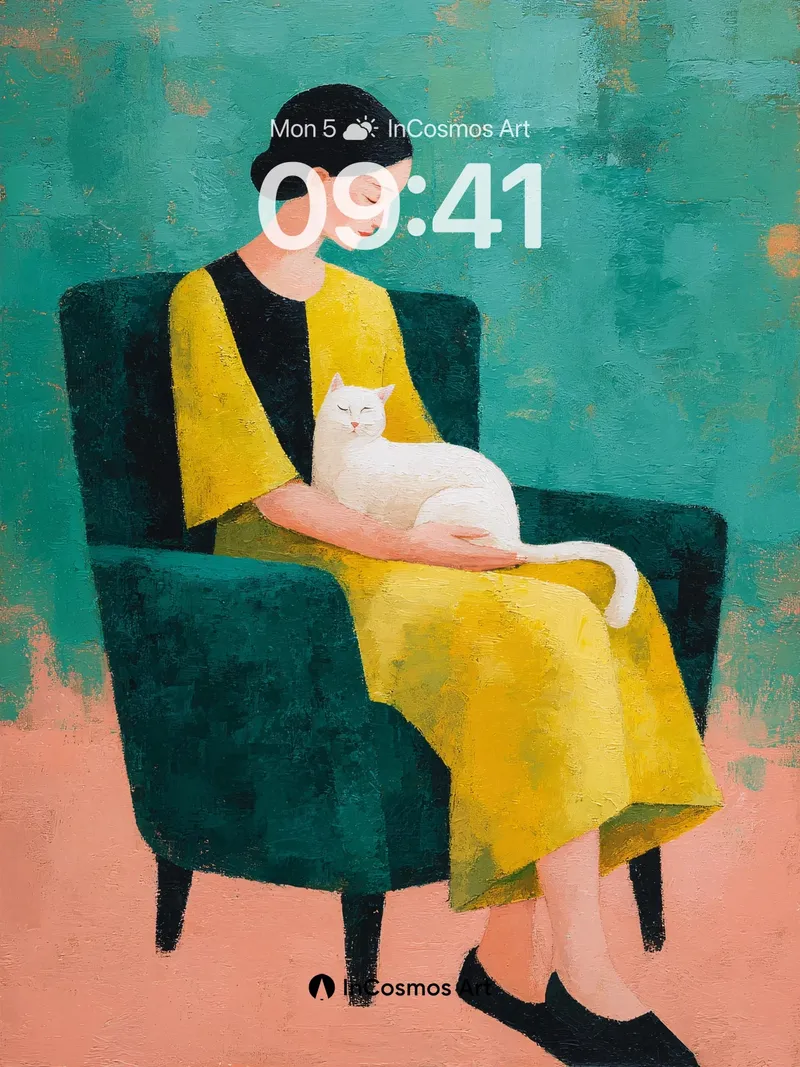
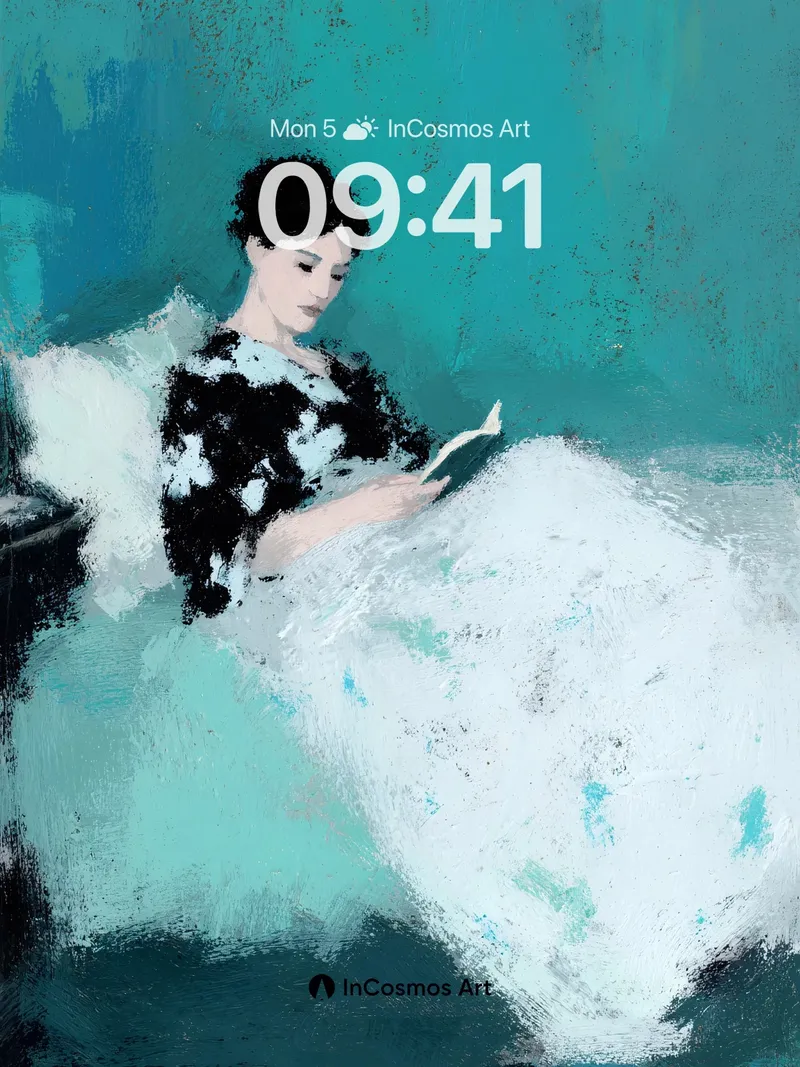
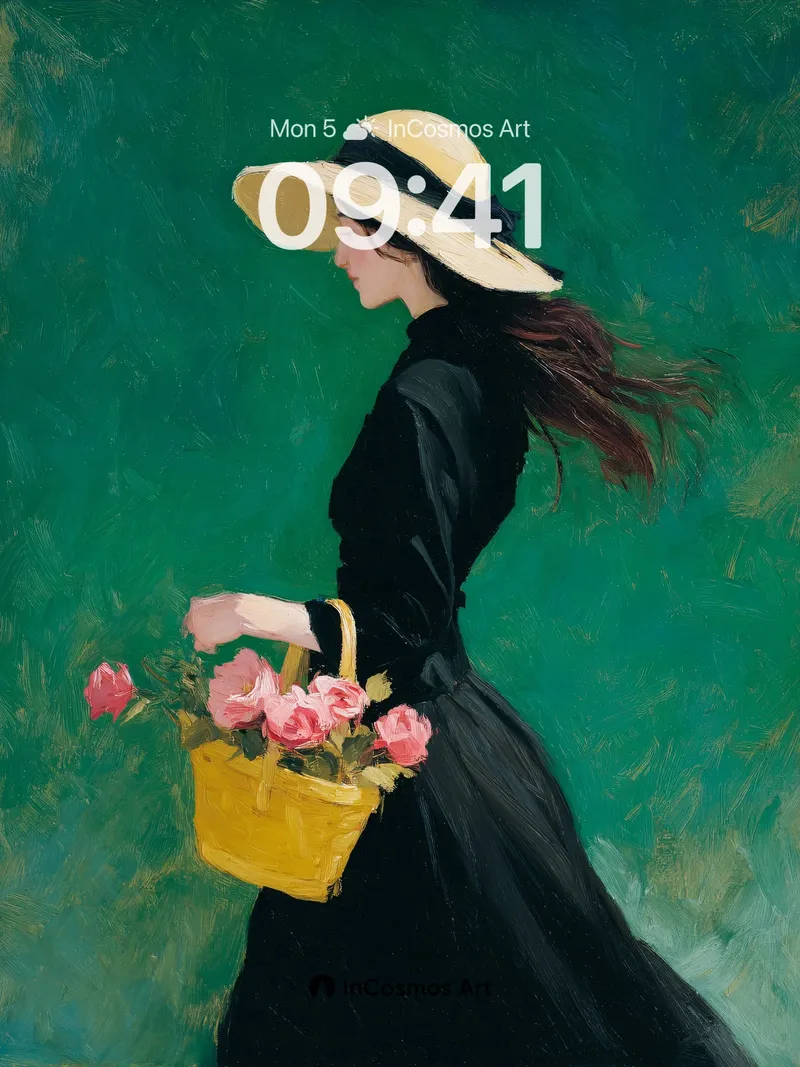
Beyond the noise, there exists a rhythm gently touched by time. It does not depend on sound nor require response, unfolding quietly within the breath between a person and the pages of a book. This rhythm often carries women as its vessel, flowing beneath garden shade, beside window light, through textured folds of fabric. Their presence is not for being seen, but for sinking into dialogue with self and world. This is not loneliness, but chosen solitude—a conscious withdrawal from chaos. When the body stills, thoughts spread like vines, entwining memory, language, and unfinished sentences. Reading becomes a bridge, connecting inner and outer realms, giving weight to silence and eternity to moments.
Reading as Ritual
Books are no longer mere vessels of information, but acts of ritual. The rustle of turning pages, the gaze tracing lines of text, fingertips brushing cool ink—these details form a mental meditation. In these scenes, women remain lowered in posture, eyes fixed upon the book, as if the world has shrunk to a single line of words. This focus is not escape, but deep engagement, an honest embrace of the present. Reading here becomes an anchor against time’s flow, a pause in the movement of consciousness.
Nature as Companion
Plants are never absent. They are not merely backdrop, but active participants. Leaf shadows fall across skirts, fruit hangs from branches, eucalyptus sprigs in vases exhale quiet scent. Nature intervenes in human emotion without words, offering shelter and meaning. A silent pact forms between woman and nature: she draws peace, while nature gains value through her gaze. This relationship transcends aesthetics, entering ecological resonance.
Language of Clothing
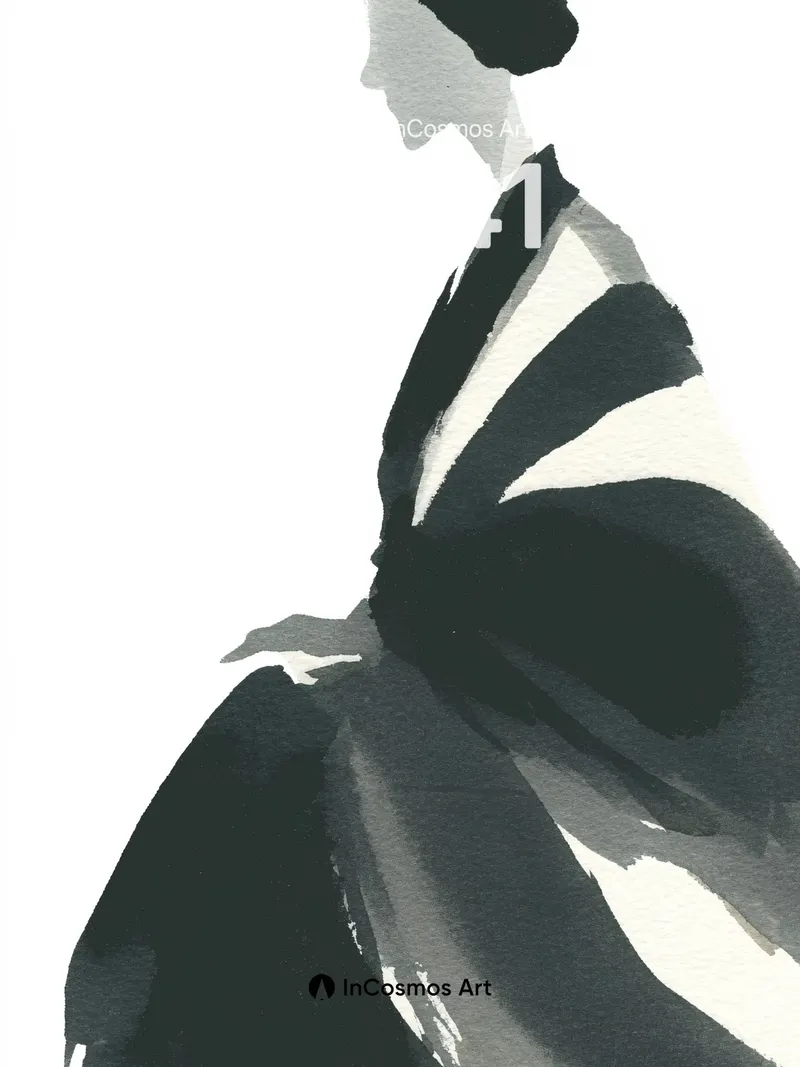
Attire extends emotion. Black dresses signify restraint and dignity, white dresses purity and lightness, striped sweaters suggest the warmth of daily life. Each garment resembles an unspoken monologue, conveying inner order through material, cut, and color. Notably, simplicity in clothing often contrasts with environmental richness, highlighting subjectivity and discipline. This aesthetic balance mirrors modern pursuit of inner calm.
Philosophy of Space
Arrangement reveals existential stance. Chair placement, cup positioning, a cat’s resting spot—all are carefully composed. These elements do not pile randomly; they form a philosophy of living: orderly yet unhurried, open yet reserved. Ground covered in greenery, walls left bare—both reject excess. Within this minimalism, spirit expands, freed from objects, returning to essential thought.