Dragons are not fixed mythical figures but living entities that breathe with their environment. As climate shifts, so does the dragon's form—from magma to aurora, from deep sea to storm. Each form represents an extreme adaptation to specific conditions. This transformation is not decorative but a survival strategy. The dragon's mode of existence directly reflects the physical laws and energy structures of its world.
Symbiosis of Magma and Ash
In volcanic regions, dragons possess rocky outer shells with liquid fire flowing internally. This structure allows movement in extreme heat while using geothermal energy to maintain body temperature. When wings spread, dragons resemble moving volcanic vents, releasing enough heat to alter local air currents. Such dragons do not hunt but absorb geothermal energy, making their existence part of geological activity itself.
Balance of Deep Sea and Pressure
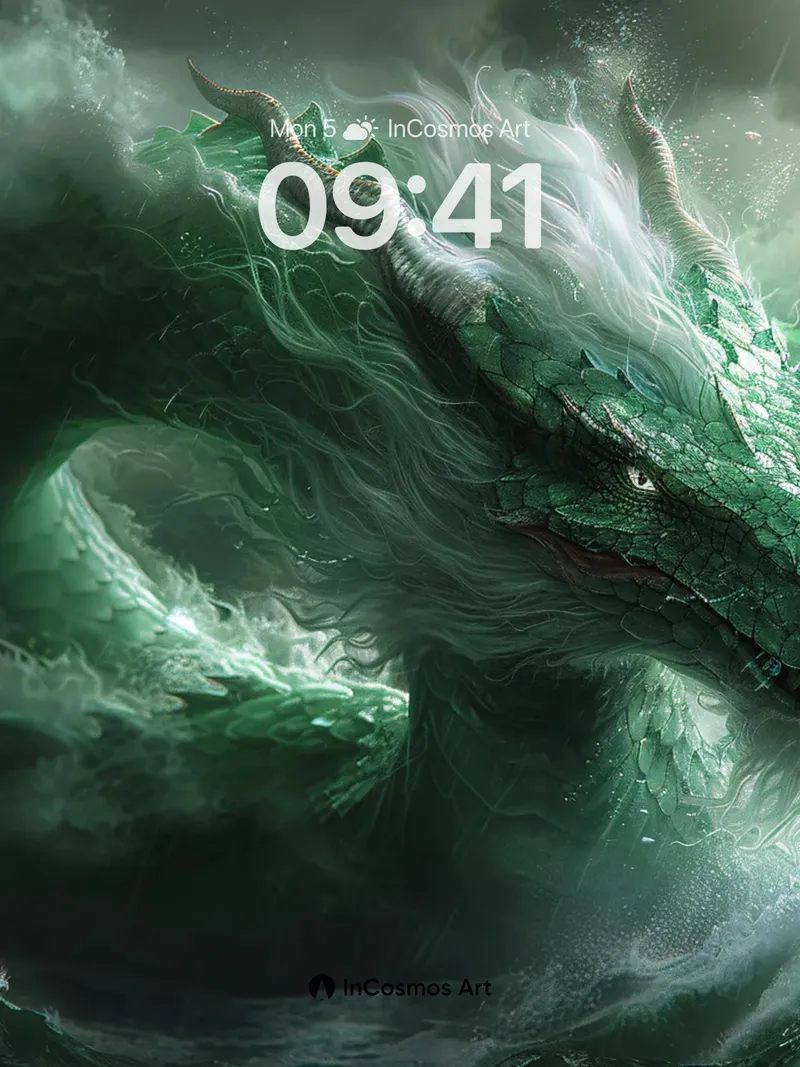
Deep-sea dragons have translucent bodies with lightweight bones and high-pressure gas sacs. This structure enables free movement at depths of several kilometers without being crushed by water pressure. Eyes adapt to darkness, detecting faint light signals for navigation and communication. Movement is slow and graceful, each tail sweep creating unique oceanic vortices.
Manipulation of Storms and Charge
In thunderstorm-prone areas, dragon scales conduct electricity, collecting and storing atmospheric charge. Horns act as lightning rods, channeling current into the body for defense or attack. Flight paths often align with storm clouds, intensifying weather instability. These dragons do not fear lightning but use it as an energy source, forming a dangerous yet efficient survival model.
Condensation of Glaciers and Cold
In polar regions, dragon bodies are covered in ice crystals, with breath instantly freezing into frost. Body temperature is extremely low, capable of freezing contacted objects to form natural defensive barriers. Movement leaves permanent ice trails, altering terrain structure. These dragons depend on cold environments; entering warm zones causes internal ice structures to collapse, ending life.
Fusion of Forests and Toxic Mist
In toxic swamps or forests, dragon respiratory systems evolve to filter and convert toxins into energy. Green glow emanating from the body results from internal chemical reactions, warning other creatures to stay away. Skin has absorption functions, directly taking nutrients from air, reducing food dependency. Such dragons are top ecosystem regulators, maintaining balance between toxic and non-toxic zones.
Resonance of Starlight and Gravity
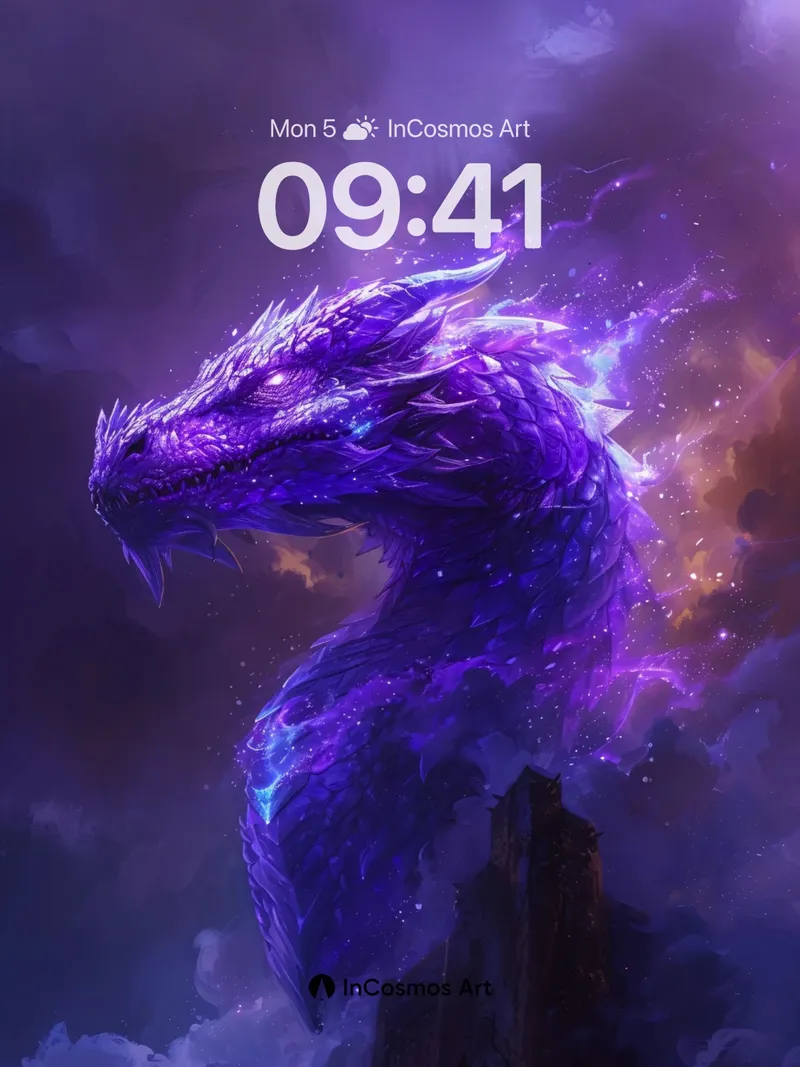
In high-altitude or outer space environments, dragon bodies become semi-energetic, resisting vacuum and radiation. Wings consist of light particles, moving without air resistance by manipulating gravitational fields. Flight trajectories synchronize with celestial movements, affecting local gravity distribution. These dragons do not rely on atmosphere but feed on cosmic rays, forming a survival mode beyond planetary ecosystems.
Sedimentation of Ruins and Time
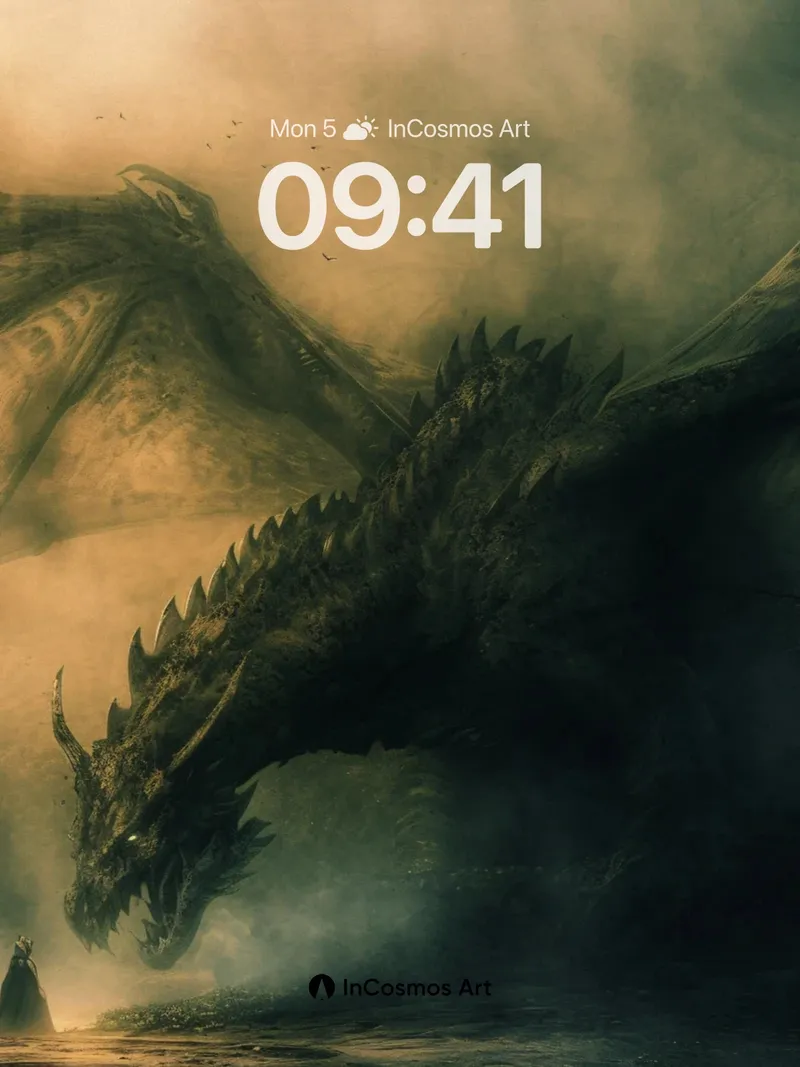
In human civilization ruins, dragon forms blend metal and stone structures, covered in rusted armor. Movements are slow, as if carrying the weight of history. Ruin dragons do not attack actively but guard specific areas, preventing accelerated natural erosion. These dragons are combinations of time and matter, symbolizing another form of continuation after civilization's decline.