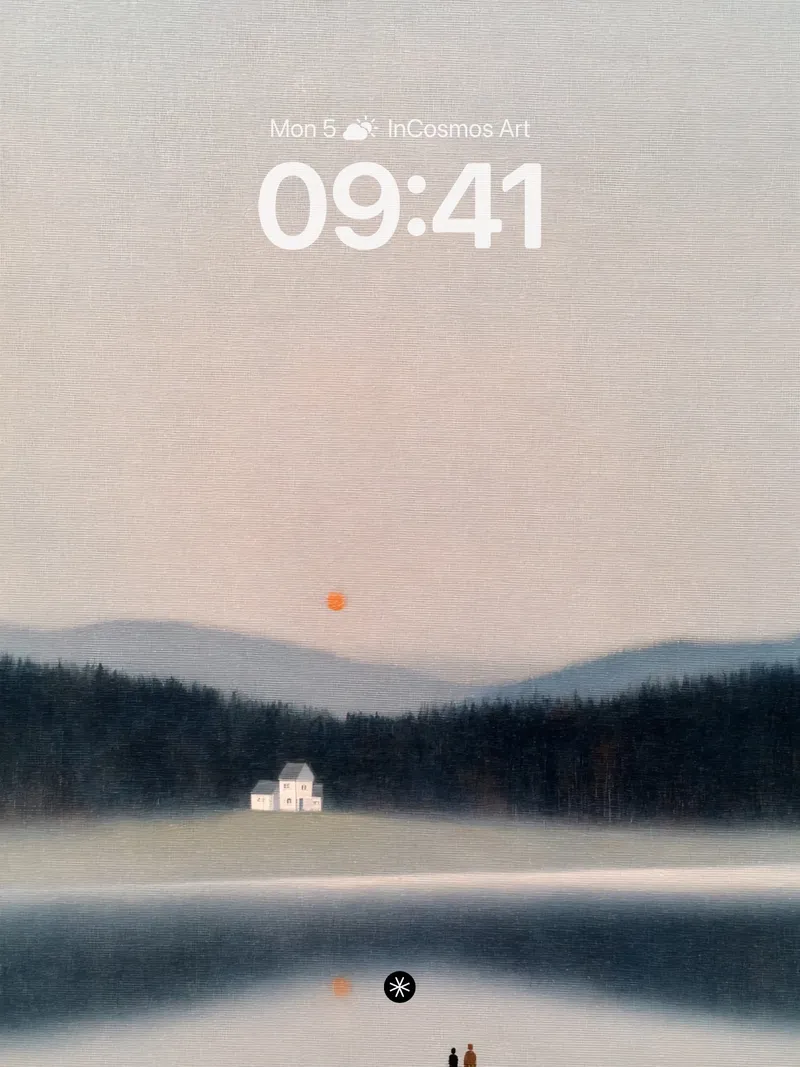
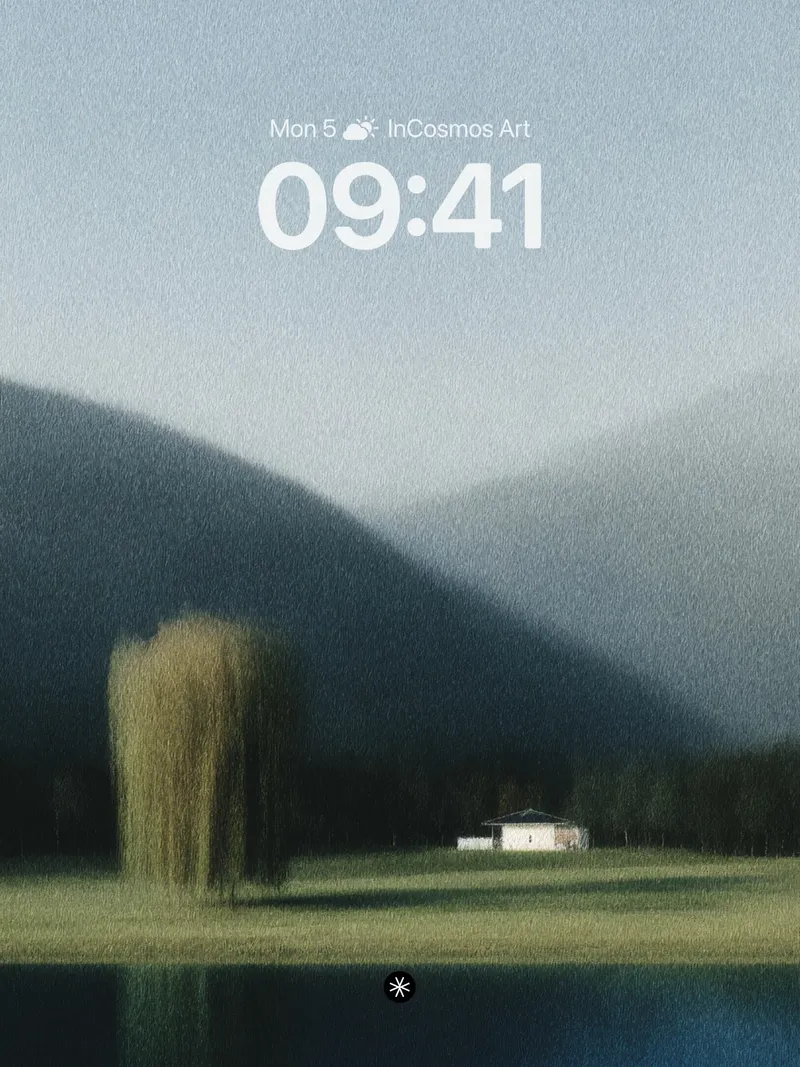
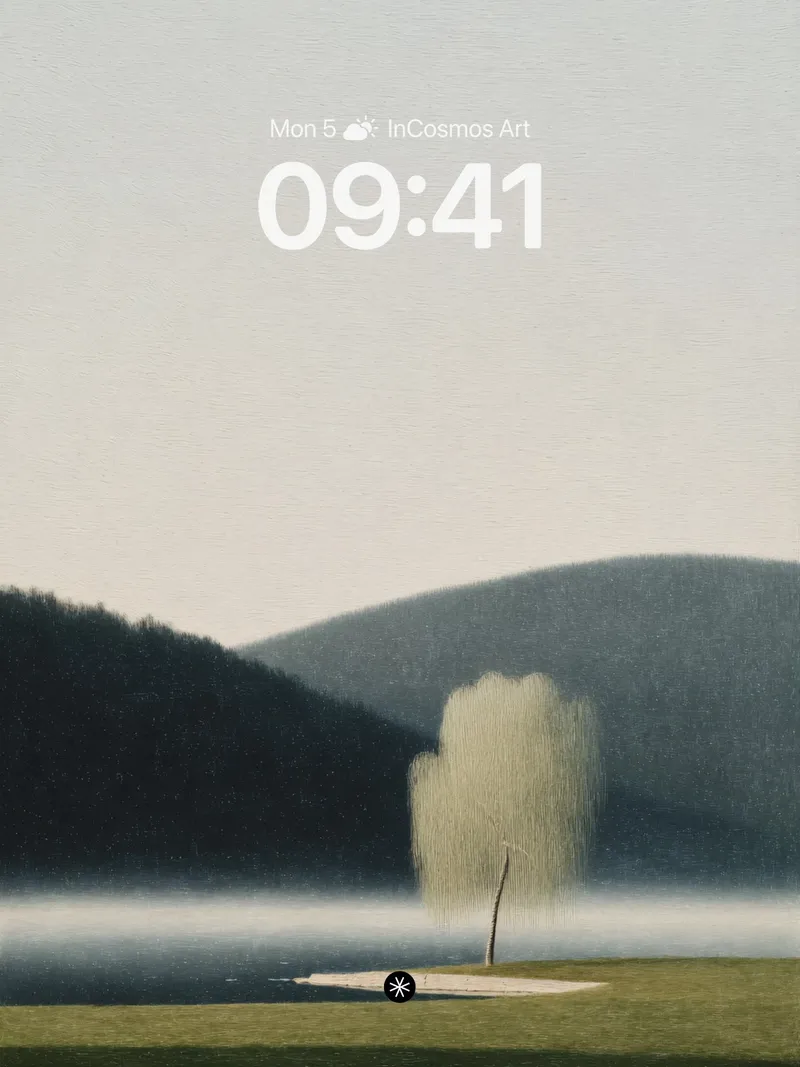
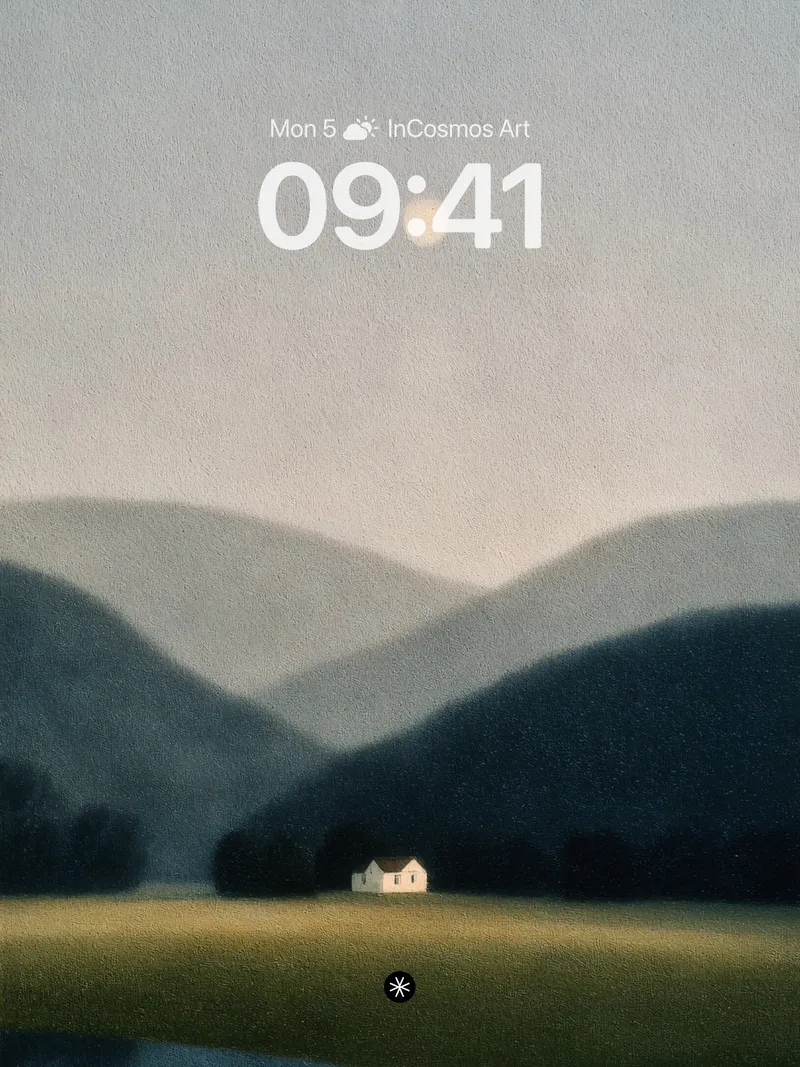
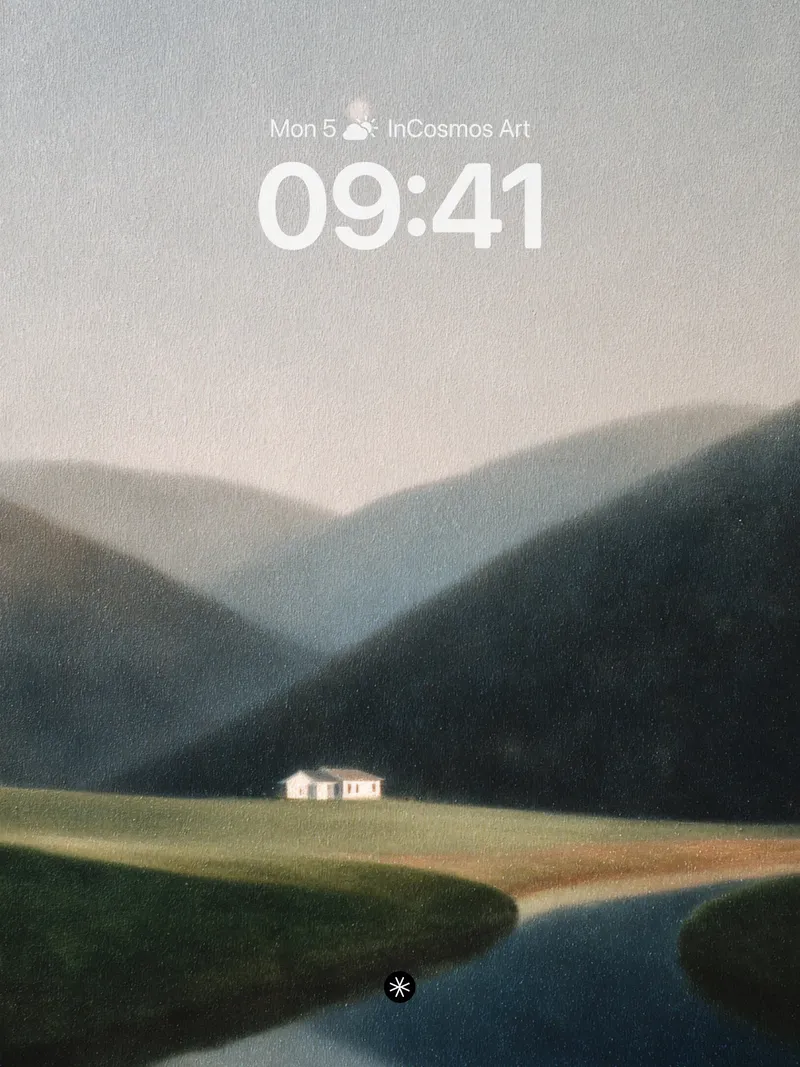
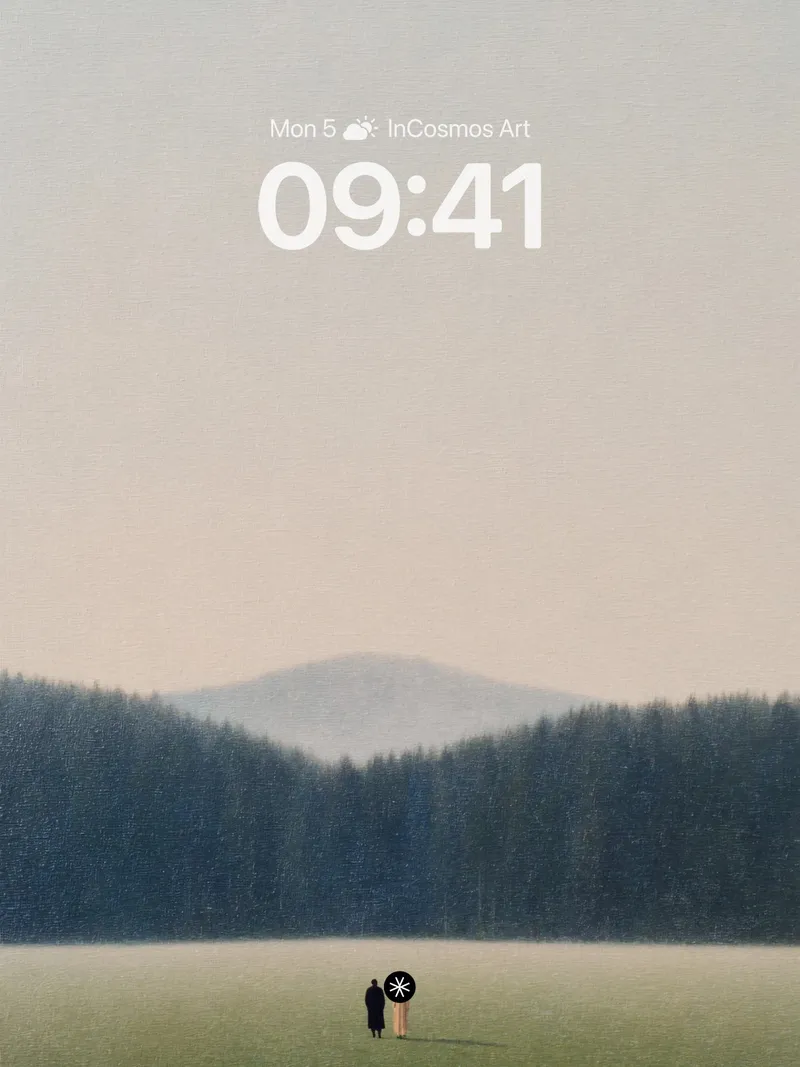
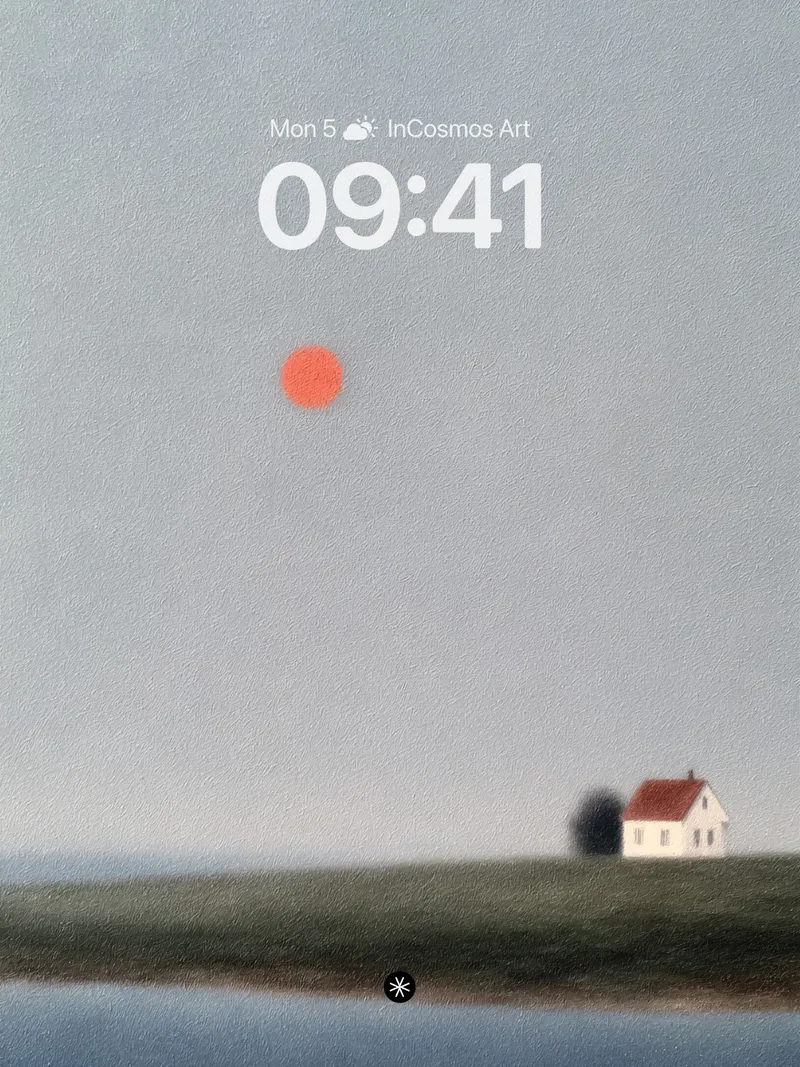
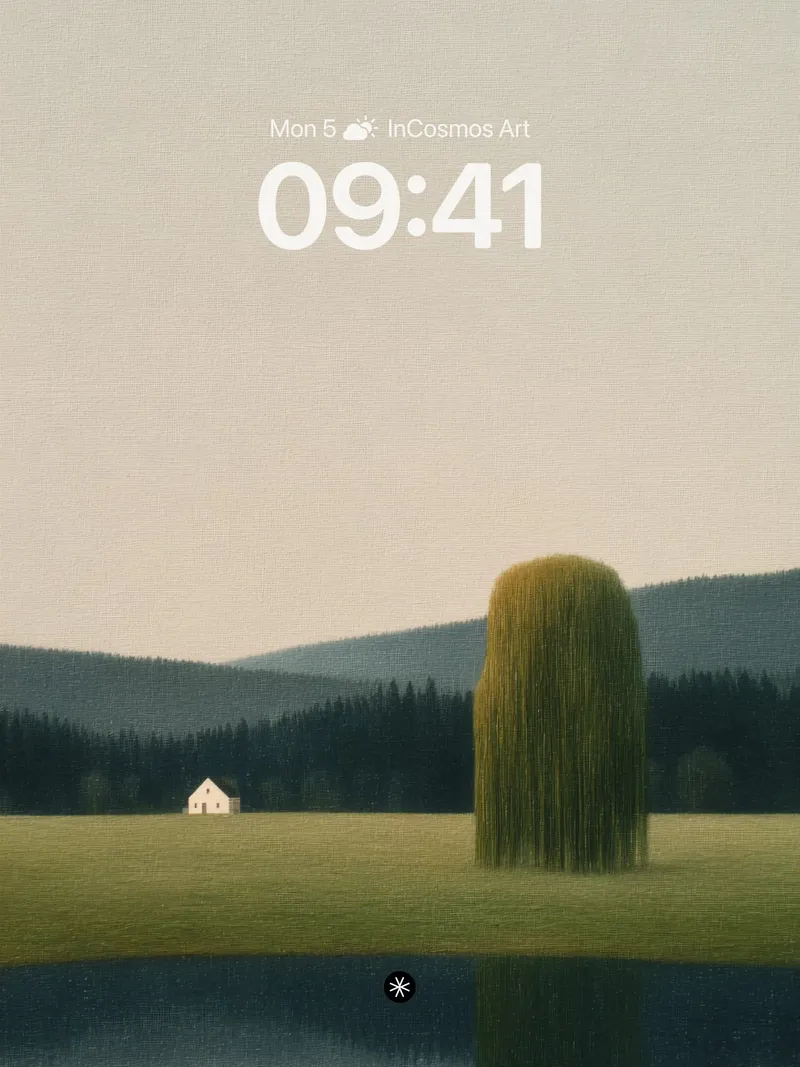
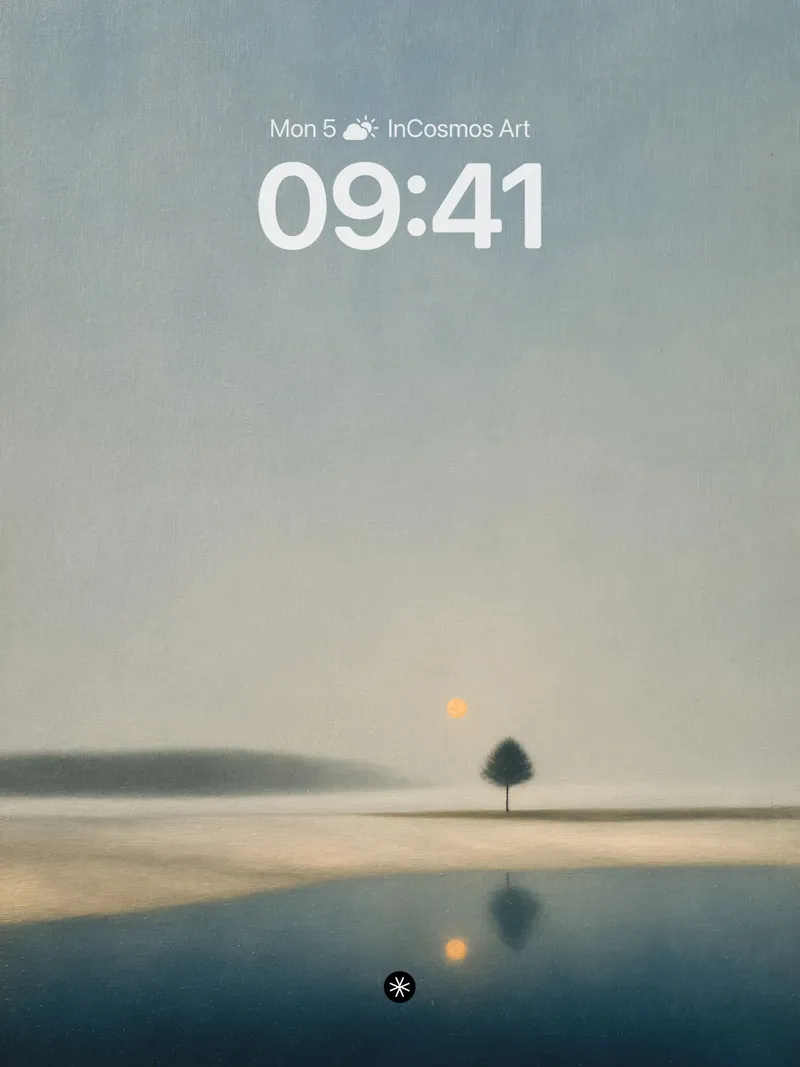
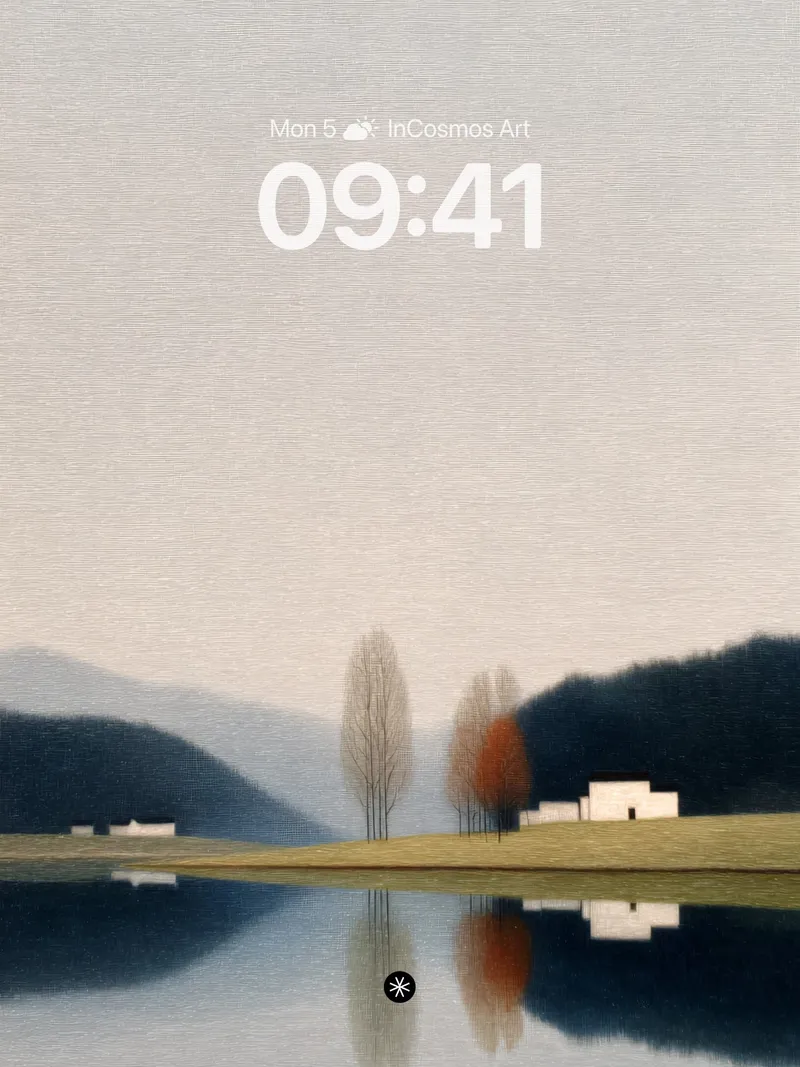
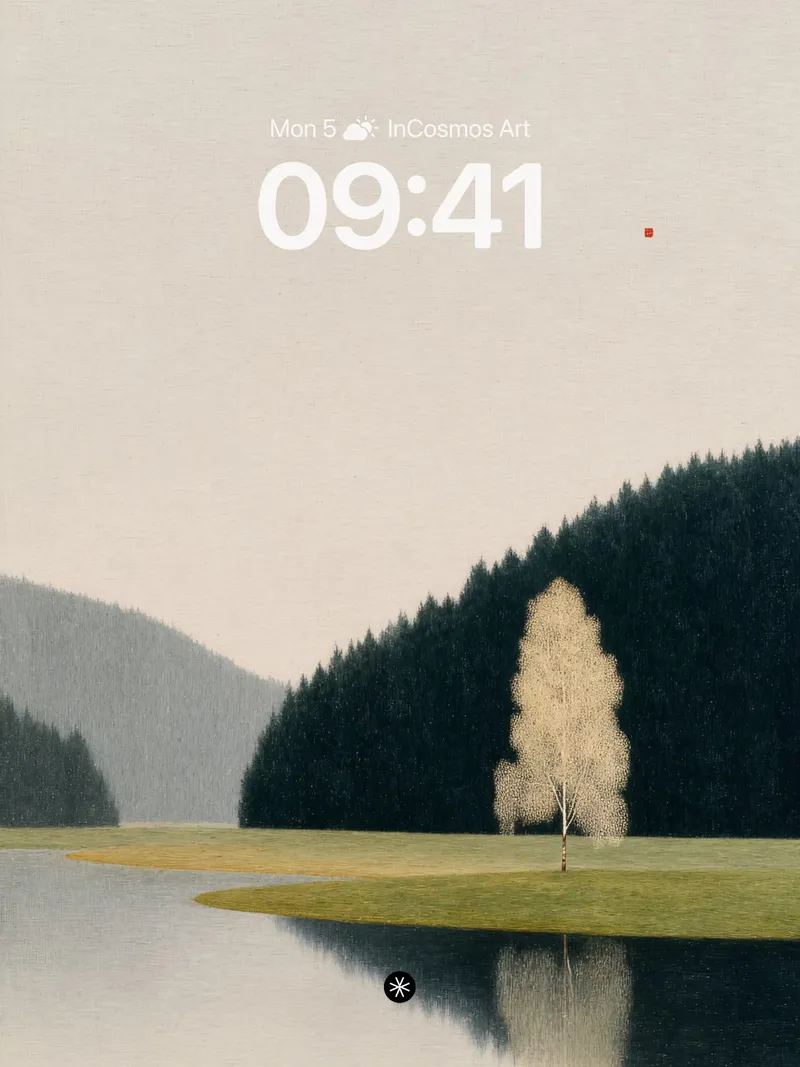
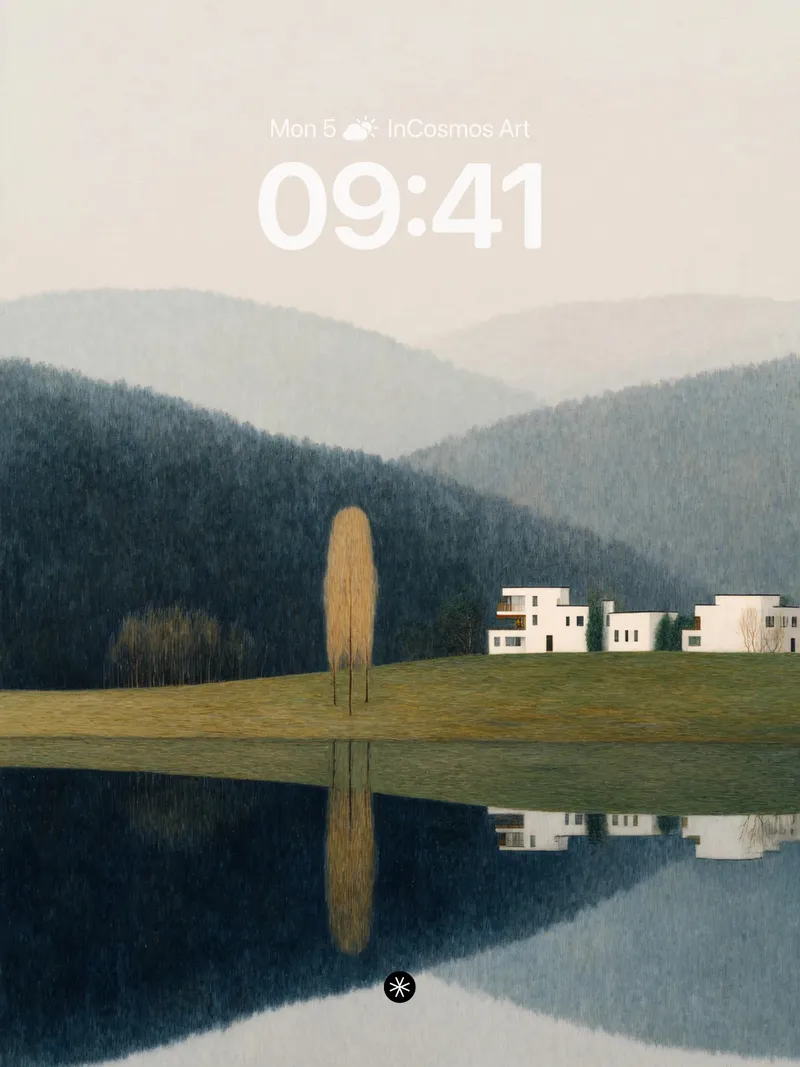
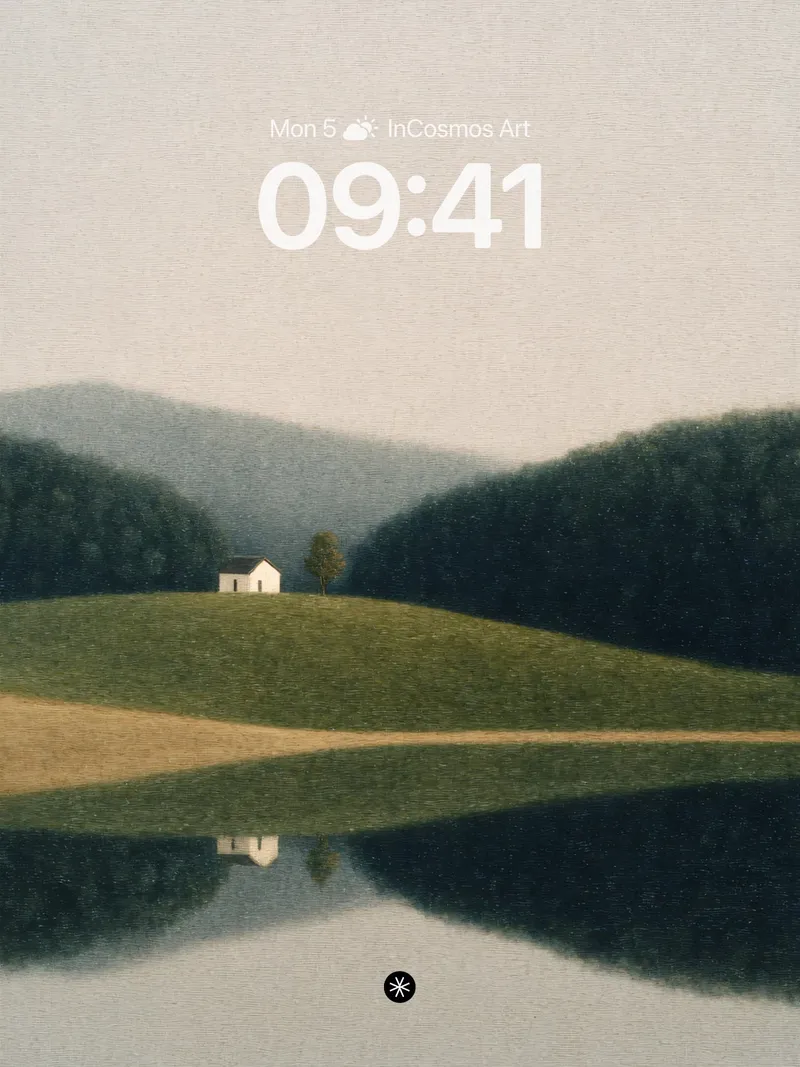
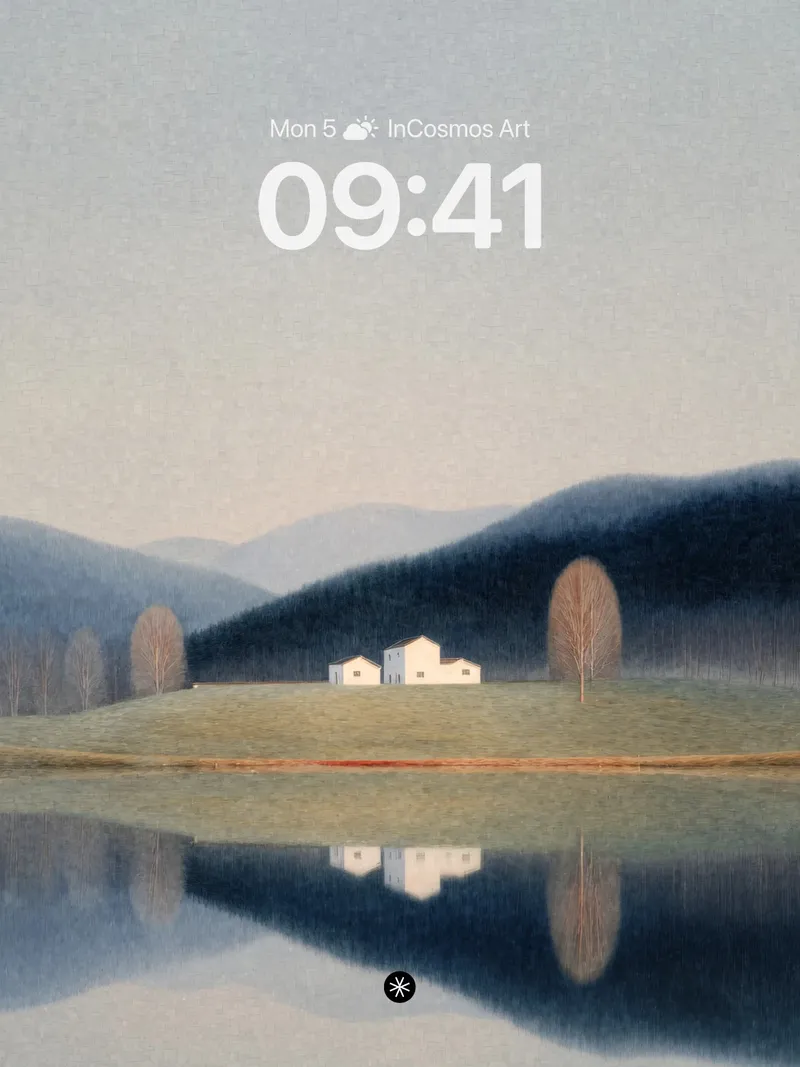
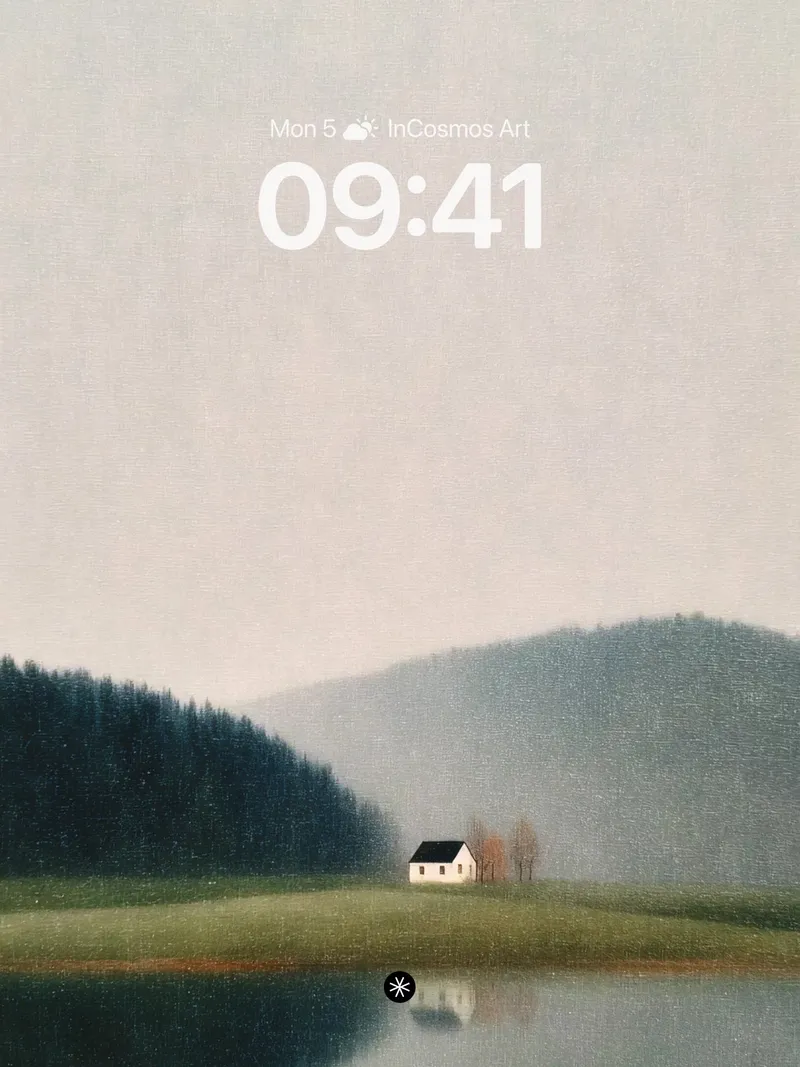
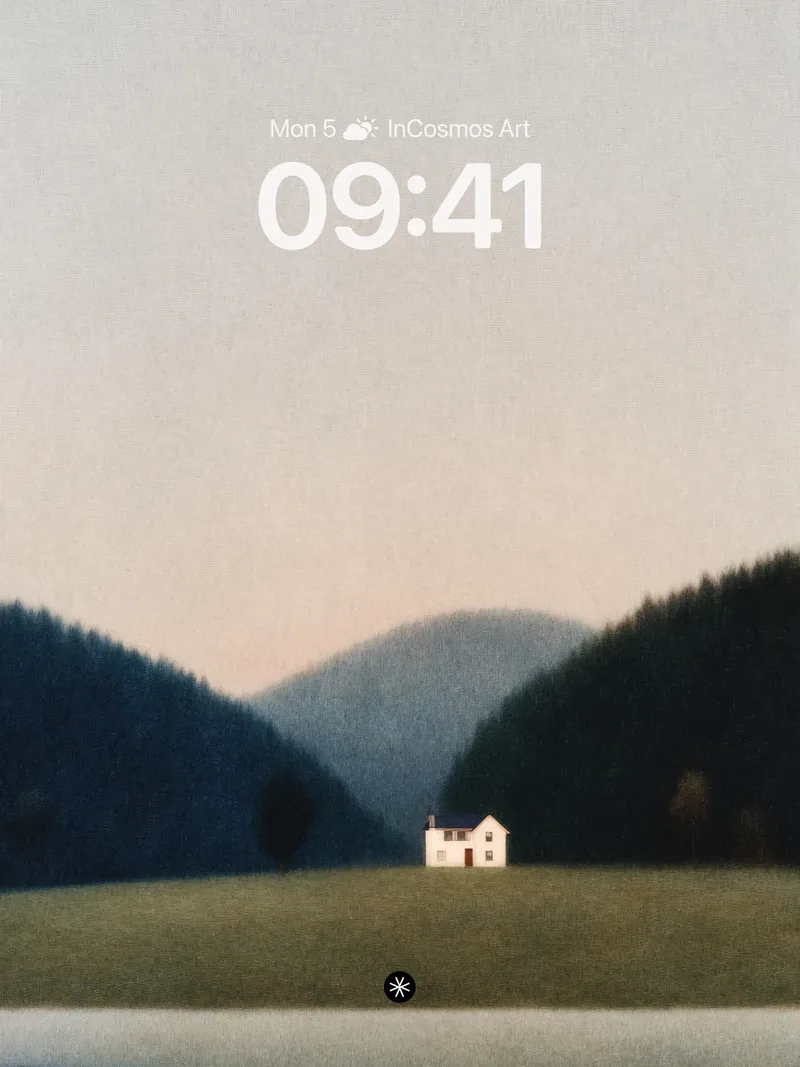
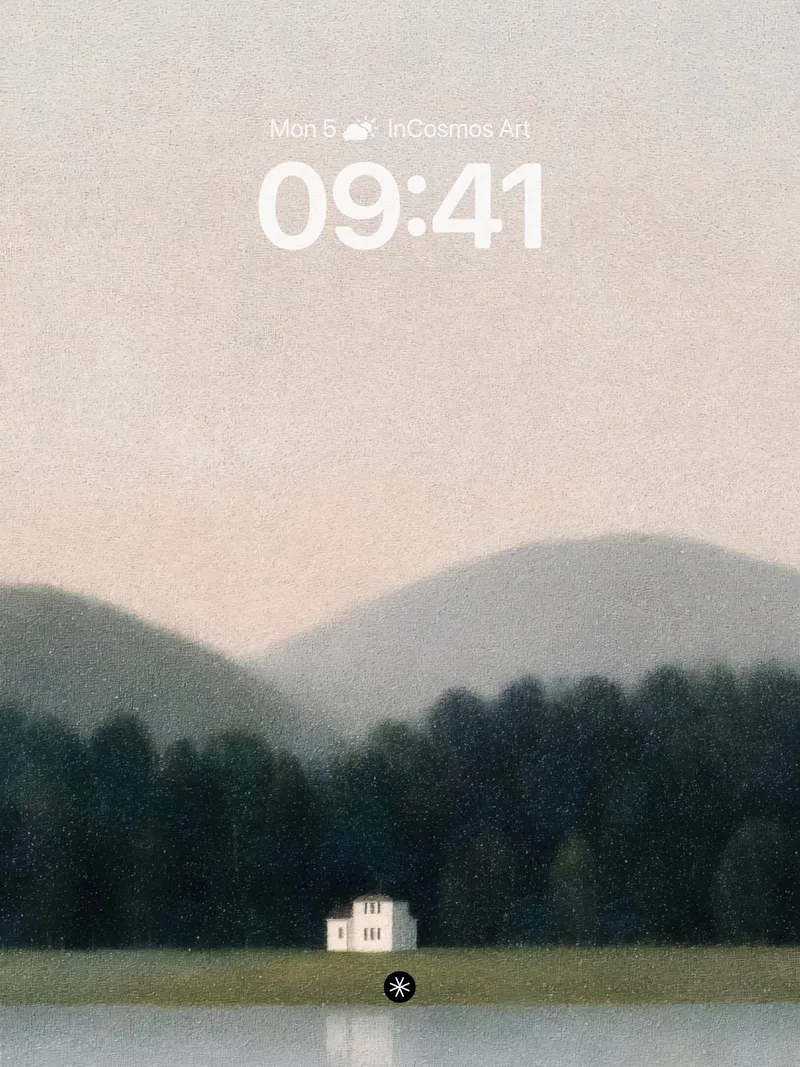
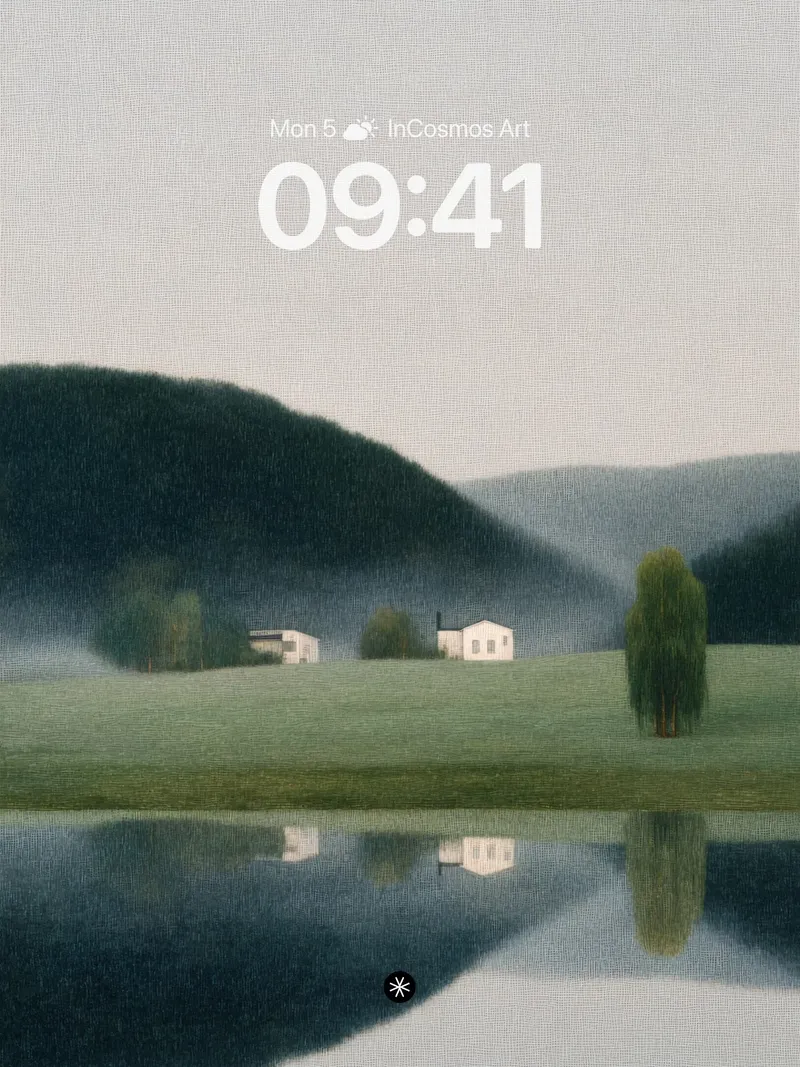
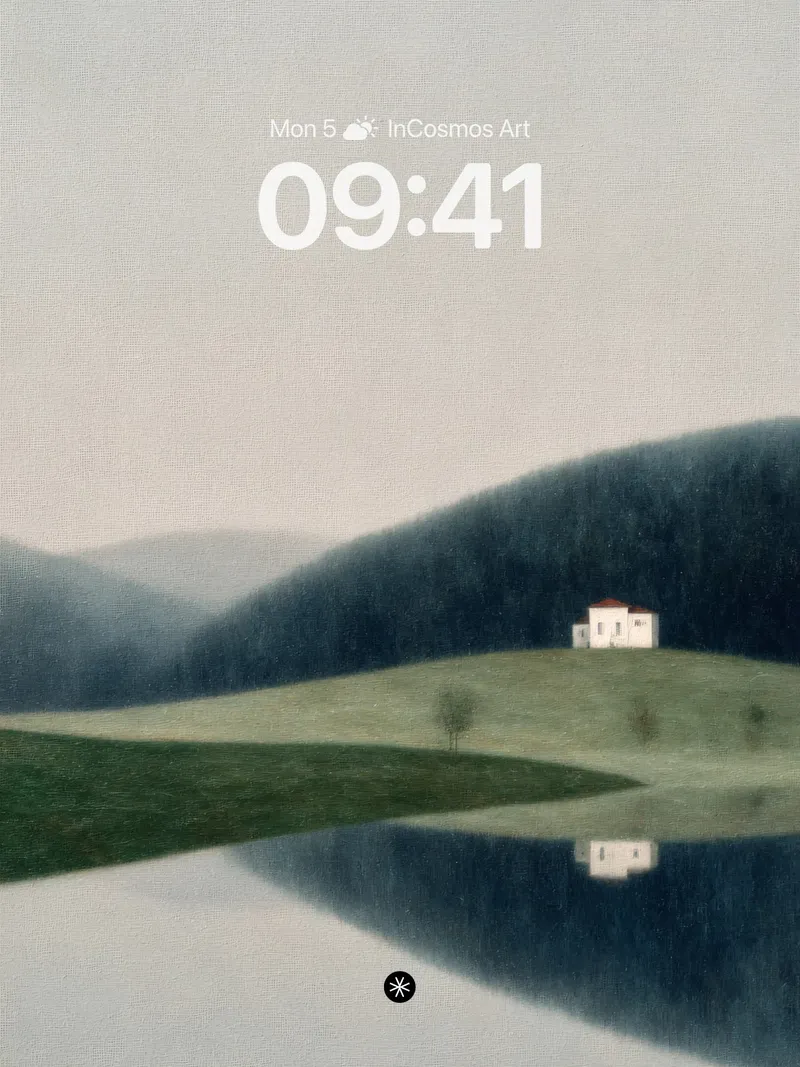
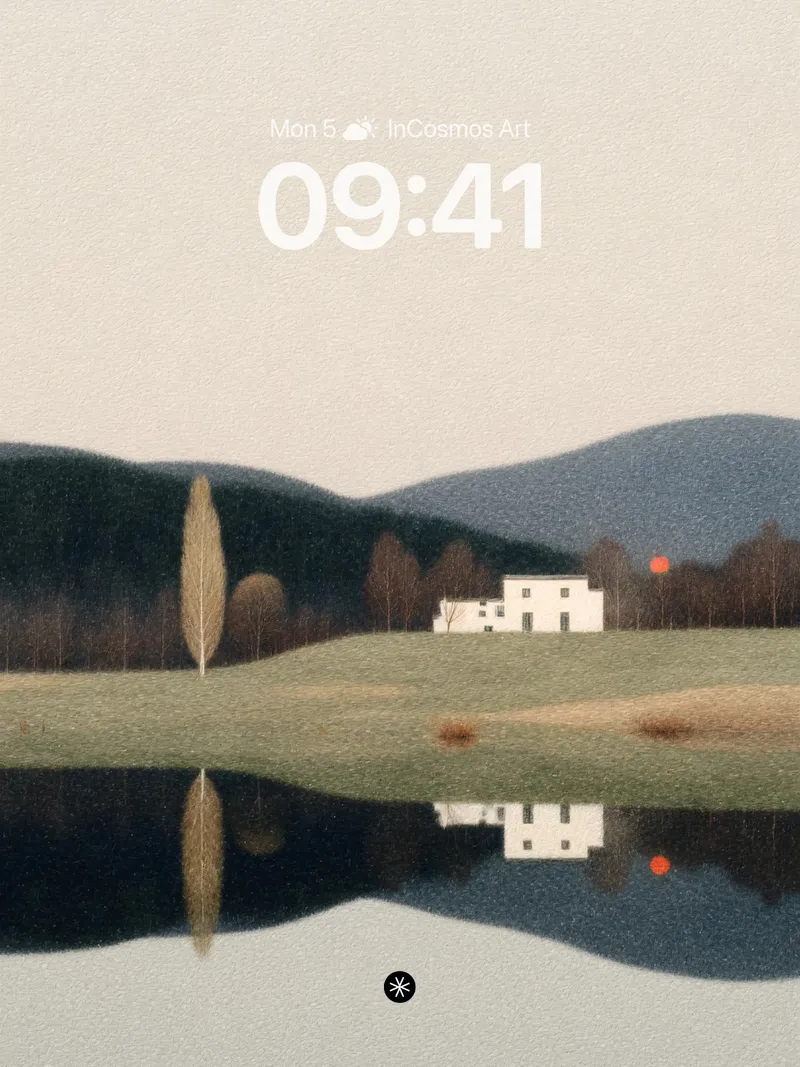
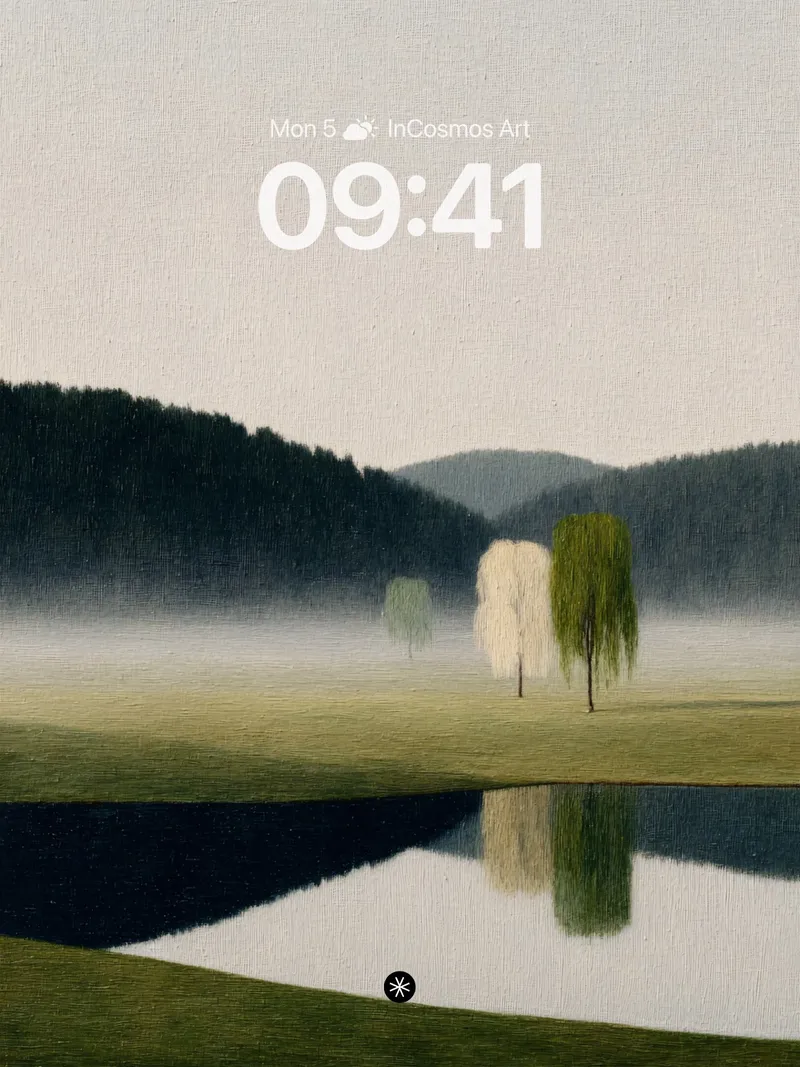
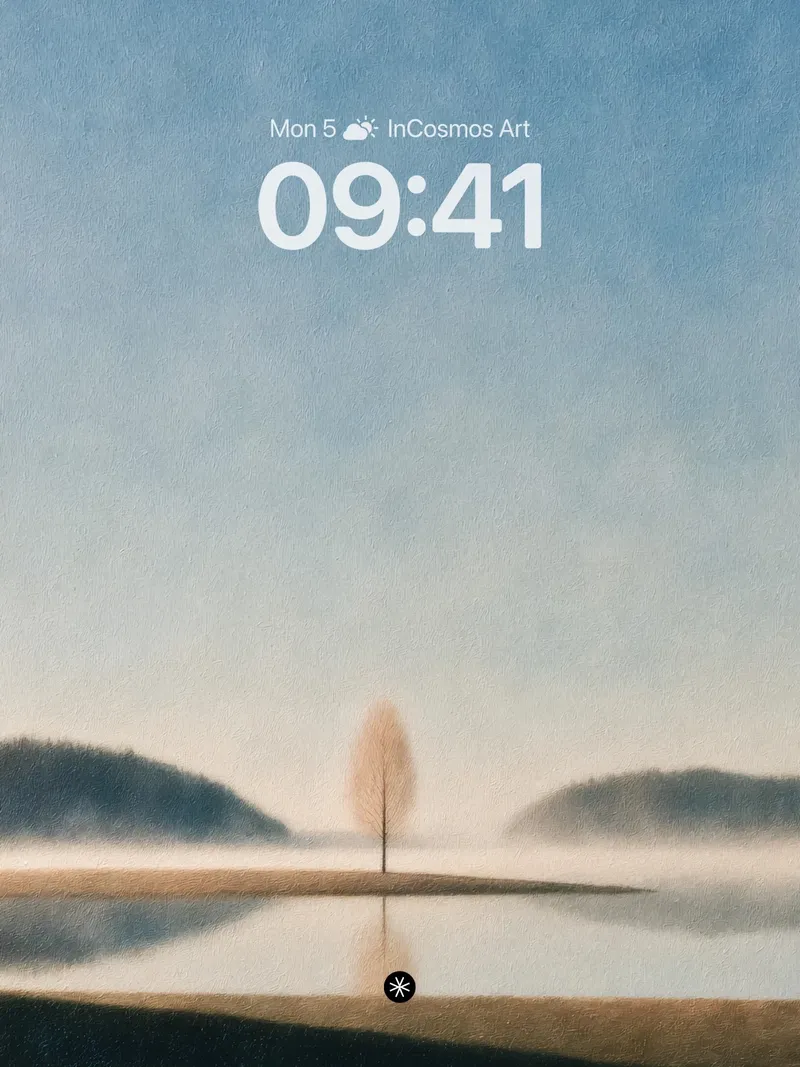
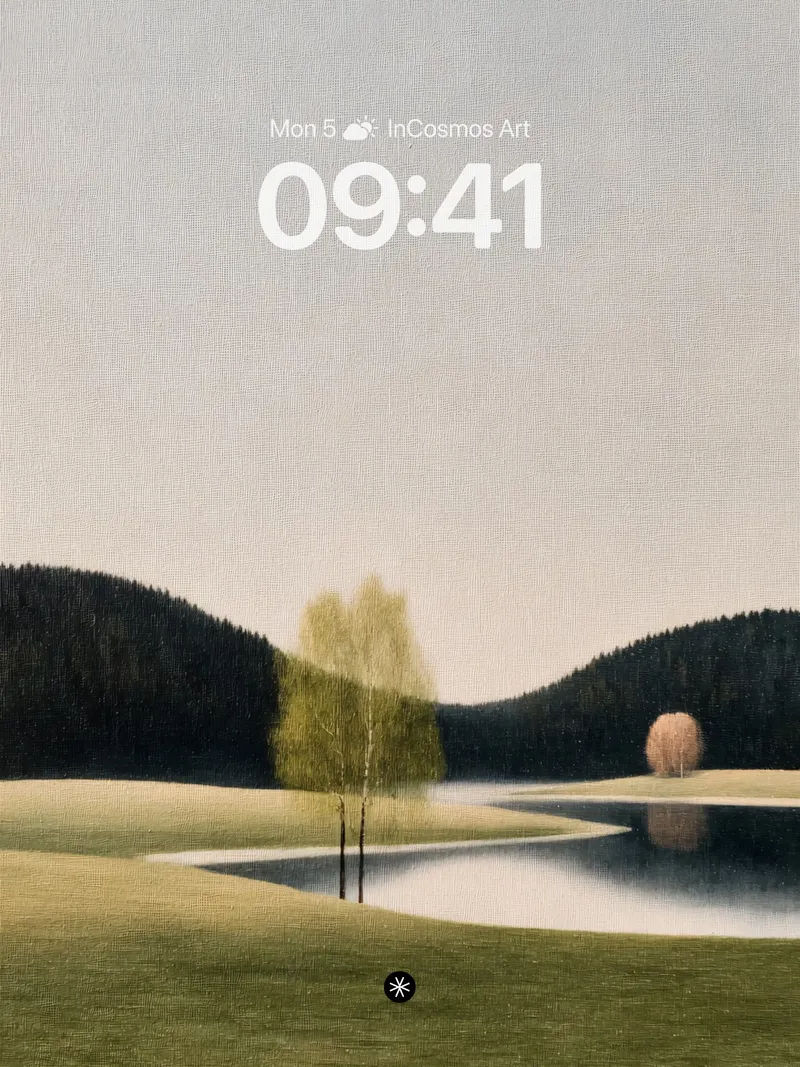
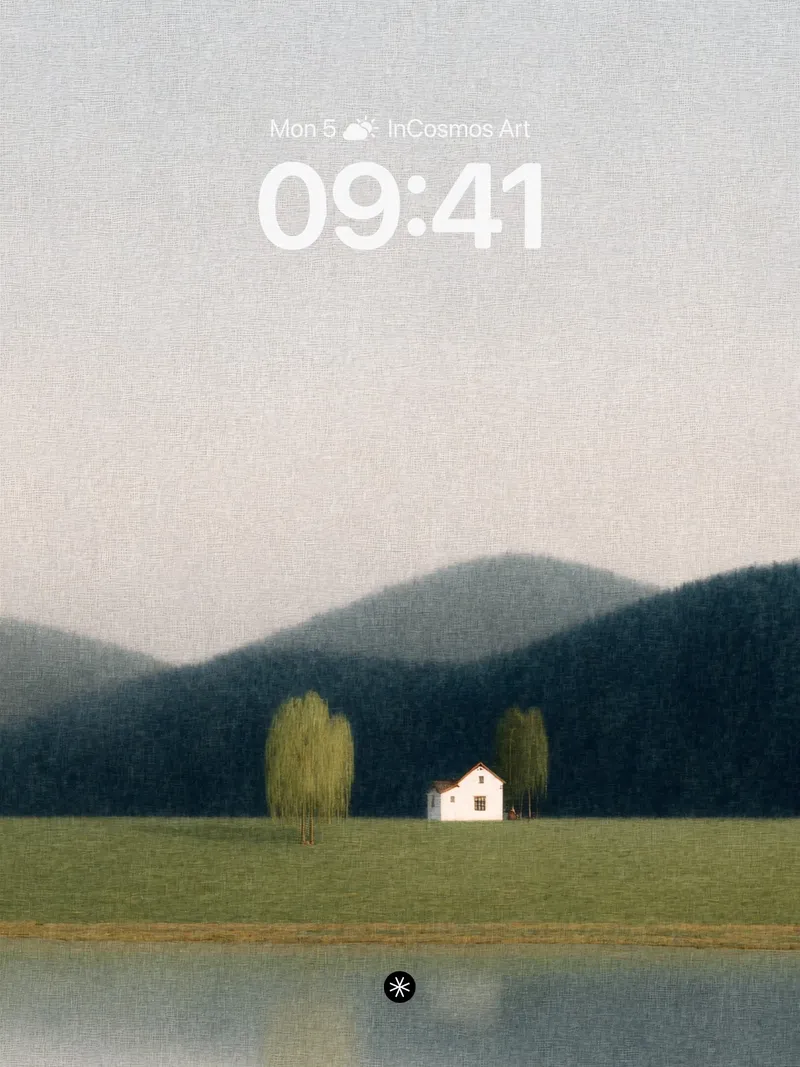
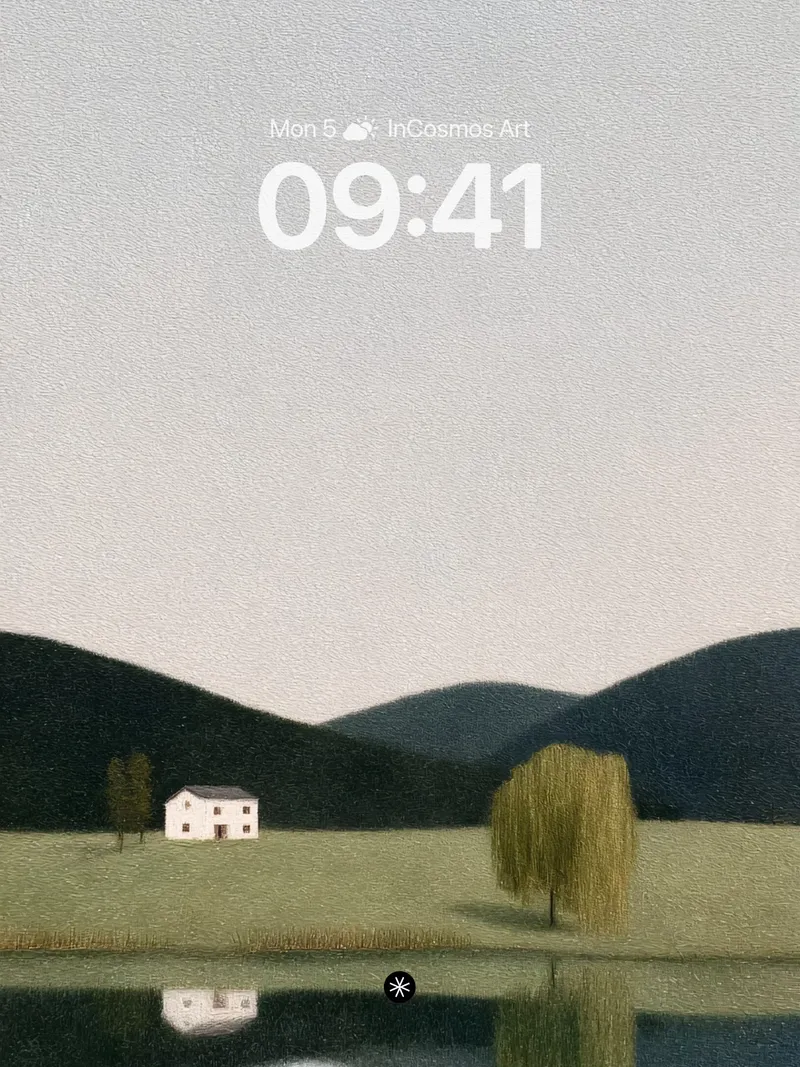
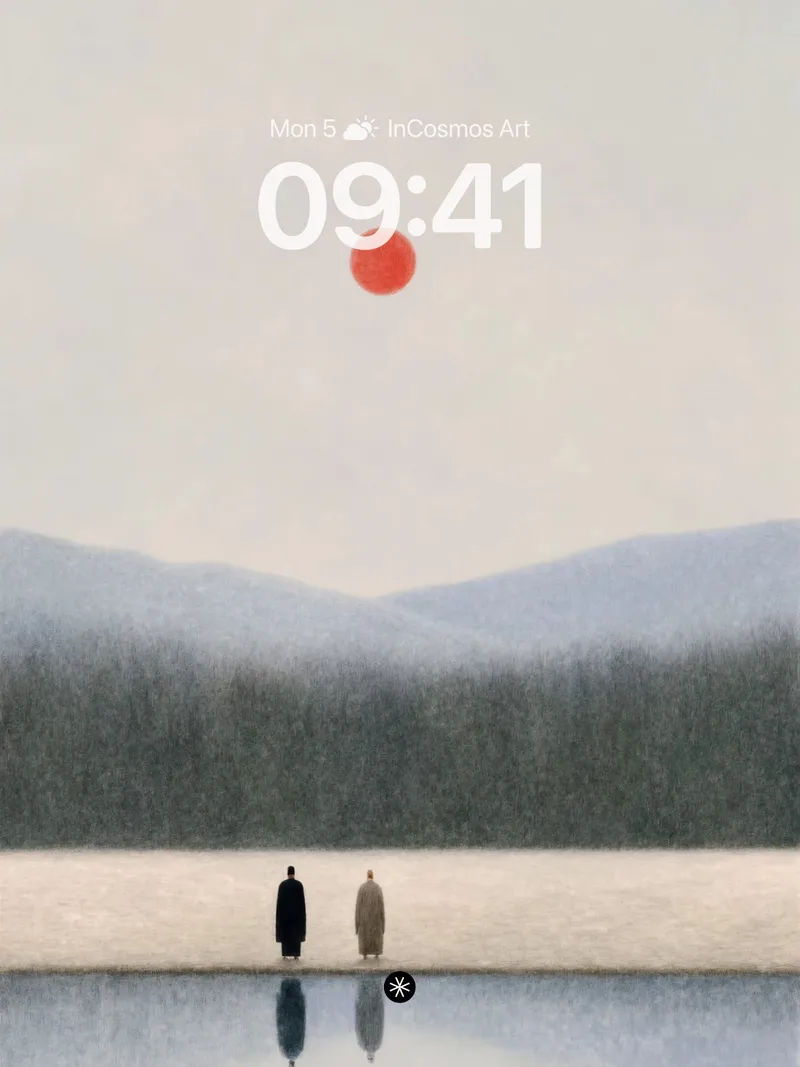
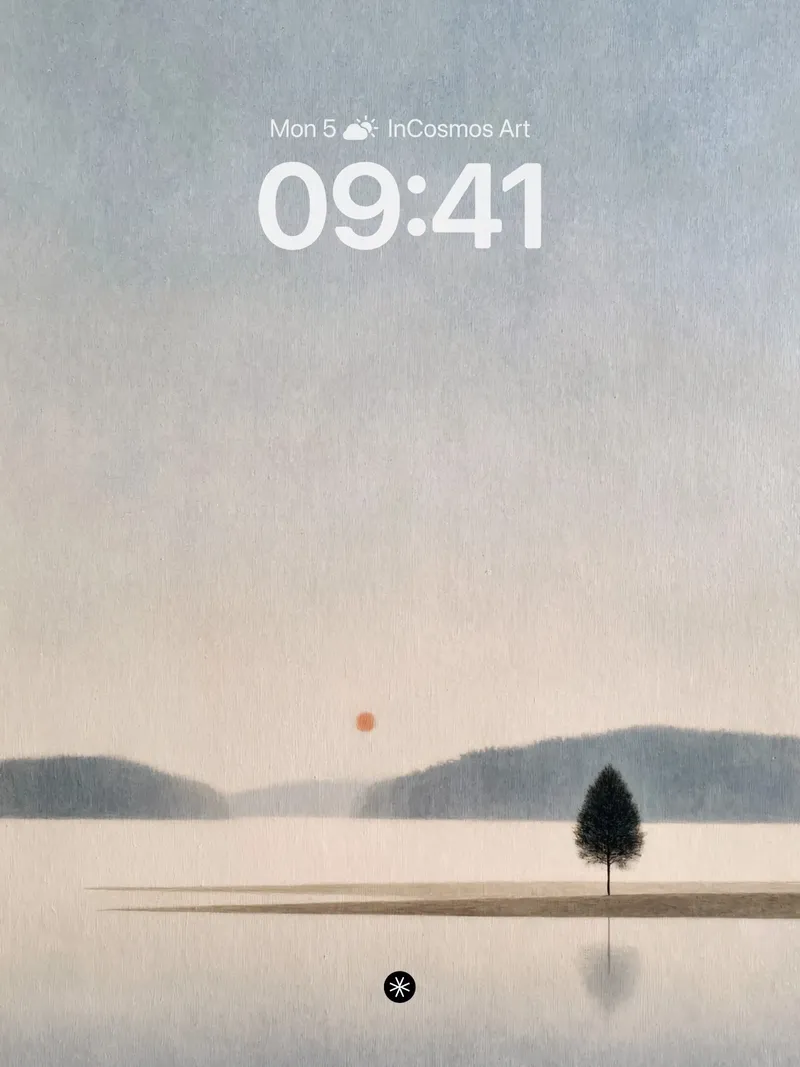
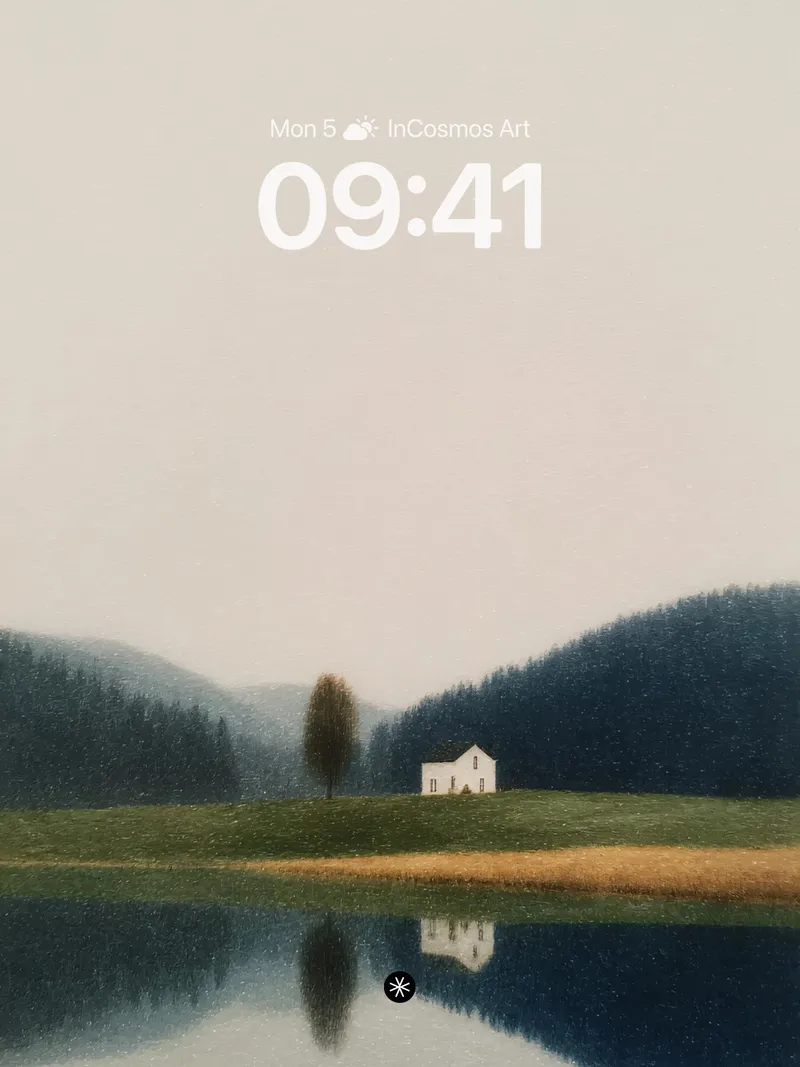
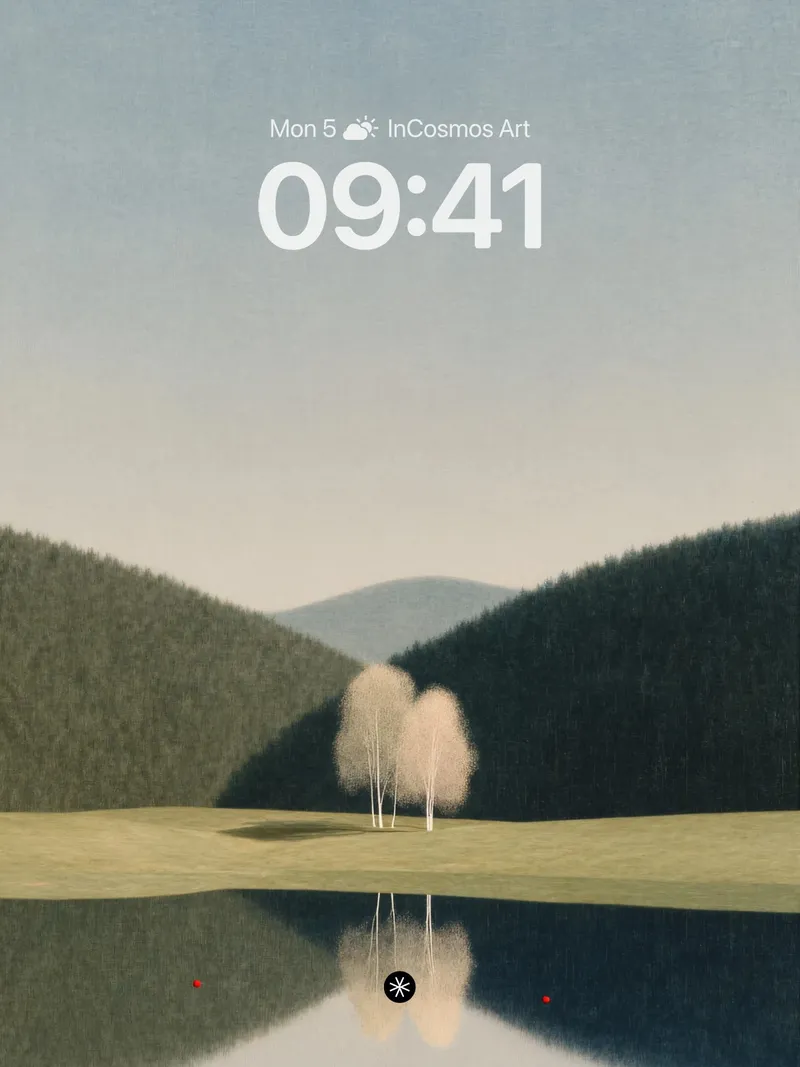
The lake surface mirrors distant mountains and nearby trees. Architecture grows quietly within nature, engaging in subtle dialogue with water bodies. This tranquility is not empty silence but a breathing rhythm between space and existence. Modern structures slice through landscapes with geometric lines yet maintain natural continuity. White walls contrast with dark forests, creating visual tension mediated by water reflections. Loneliness here becomes a re-examination of spatial relationships rather than emotional absence.
Symbiosis of Nature and Artifice
The lakeside architecture reveals restrained intervention. White cubes coexist with organic tree forms in non-confrontational arrangements. This layout suggests humble human engagement with nature, where building volumes are deliberately minimized to preserve horizon integrity.
Philosophy of Reflections
Water surfaces function as cognitive media beyond physical mirroring. Blurred boundaries between structures and their倒影 prompt contemplation on authenticity. Observers studying the water actually witness dual existence of reality and representation, deconstructing traditional landscape narratives.
Chromatic Reduction
The color system undergoes strict curation. Gray-blue tones dominate, with red suns and white buildings serving as visual anchors. This minimalist palette strips superfluous information, forcing focus on essential forms. Colors here mark spatial relationships rather than decorate.
Topology of Solitude
Figures and buildings appear isolated. This solitude stems from spatial configuration rather than emotional lack. Individuals and structures become minor nodes within vast nature, their value redefined through spatial distances.
Frozen Temporality
Mist and still waters erase traces of time flow. Buildings seem to grow organically from land rather than being constructed. This timelessness arises not from architecture itself but from nature's gradual erosion and acceptance of artificial forms.