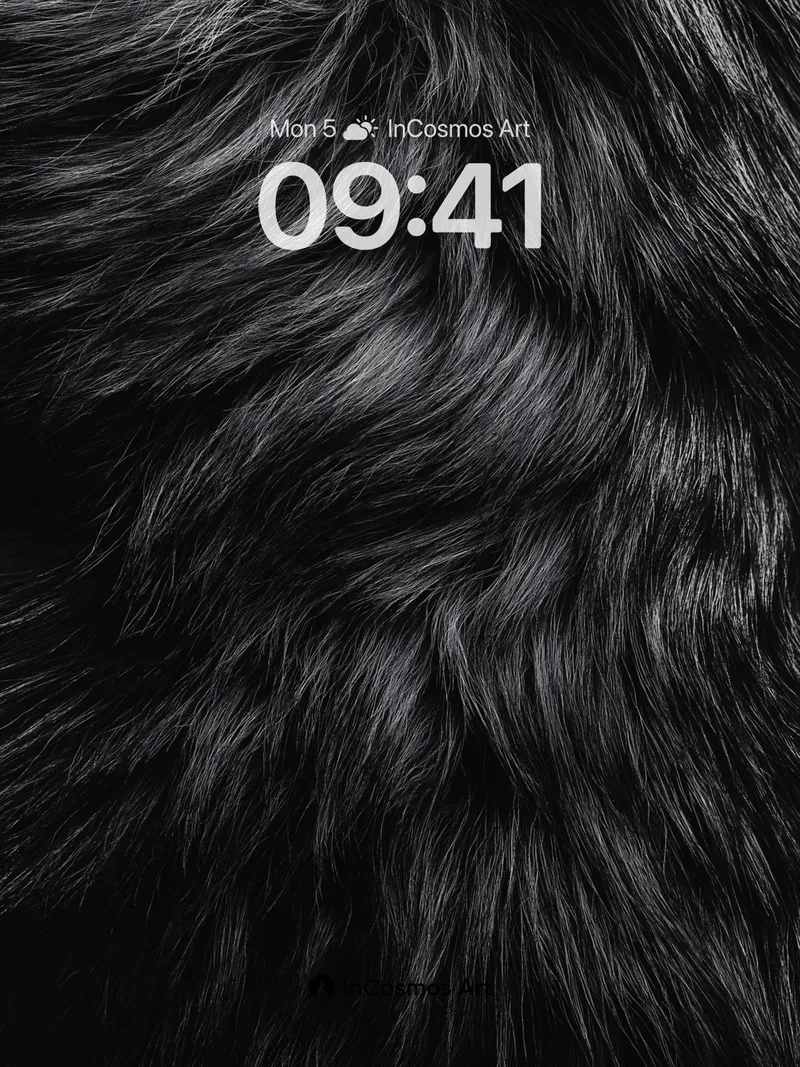
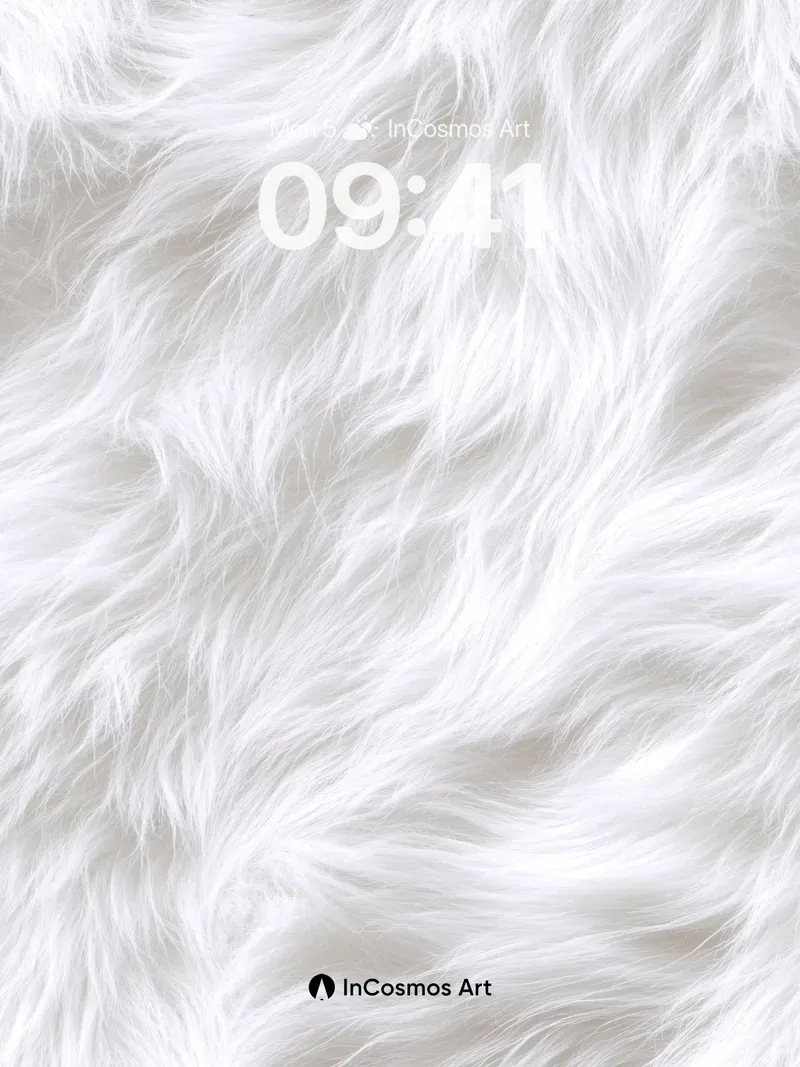
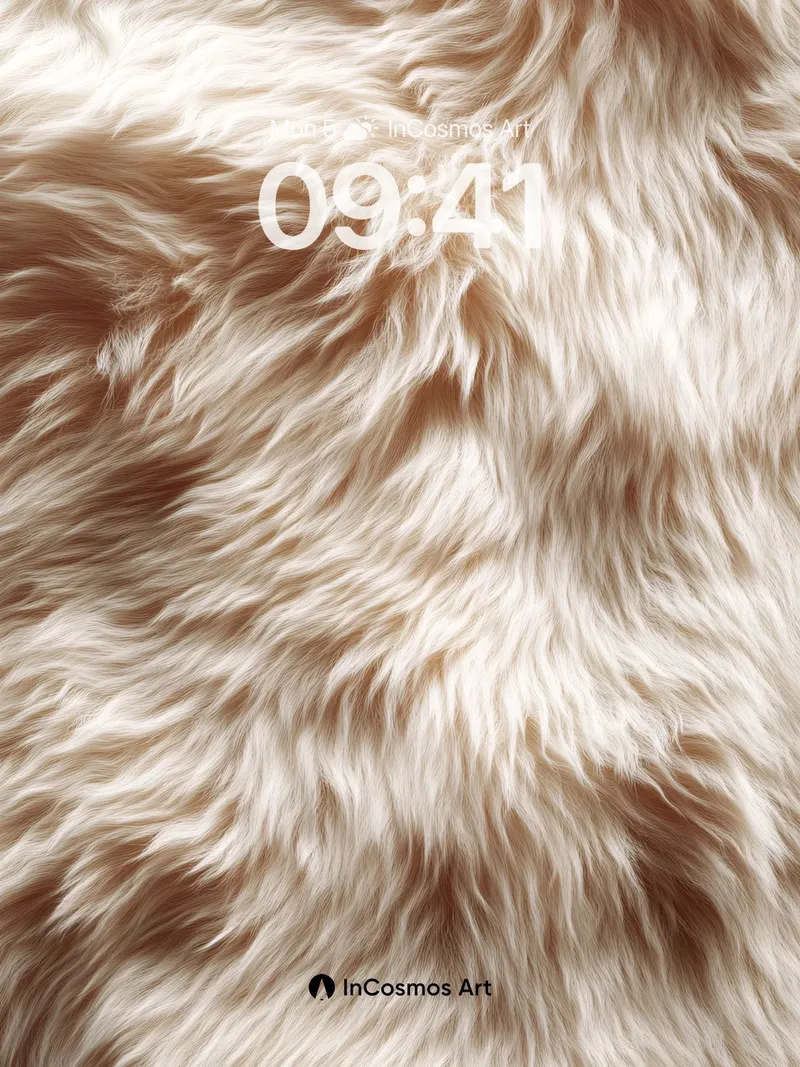
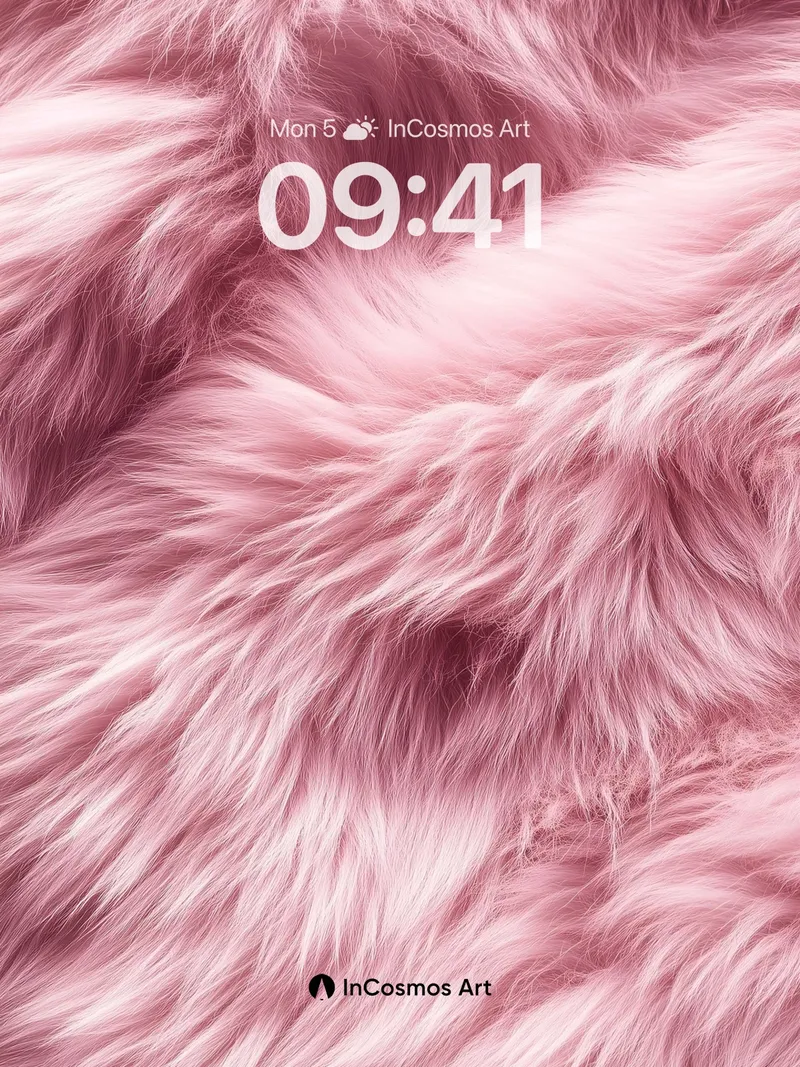
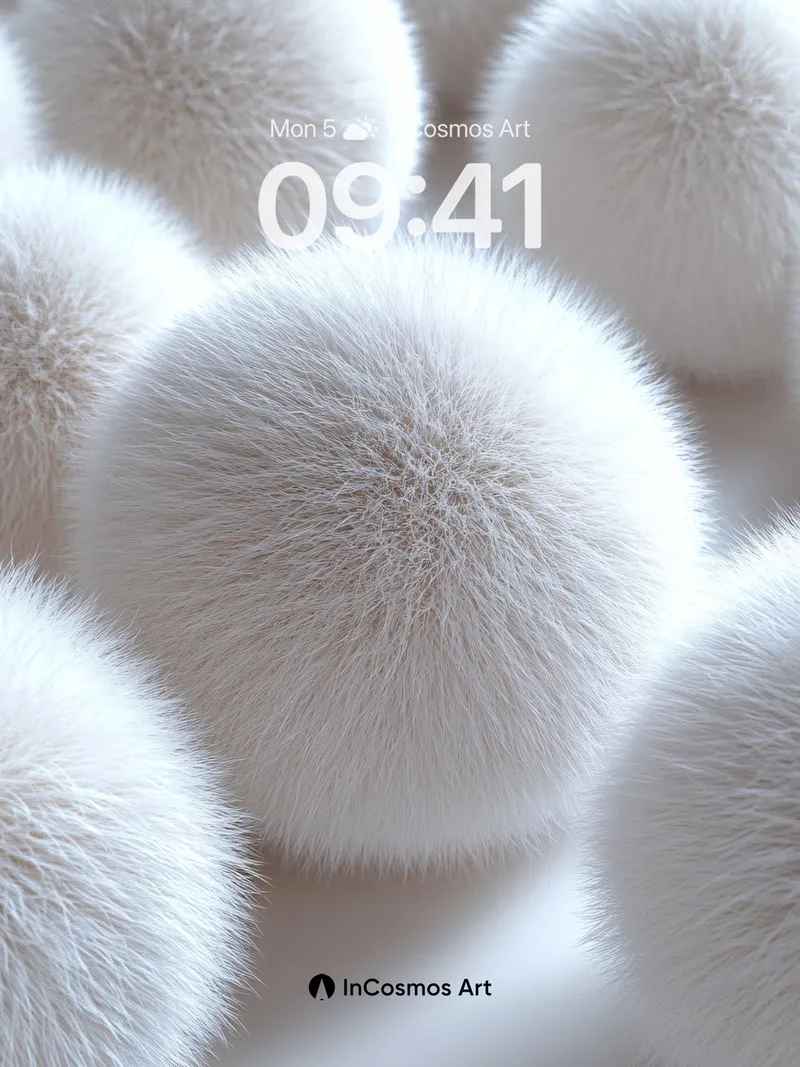
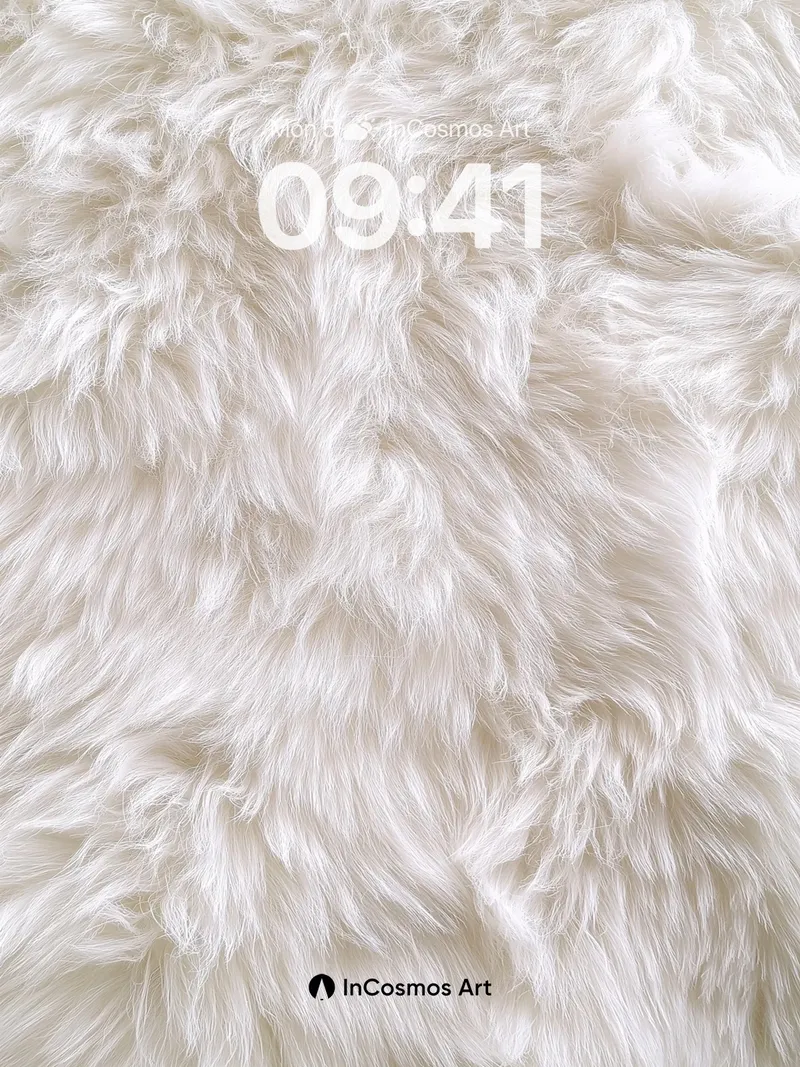
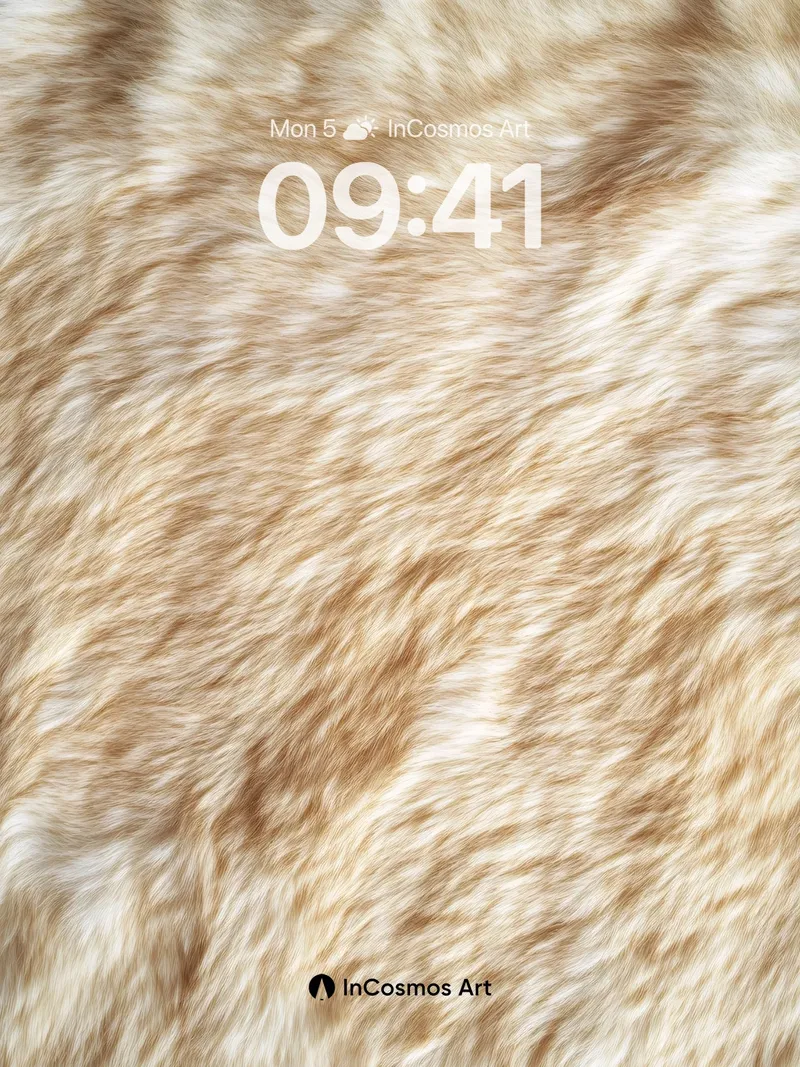
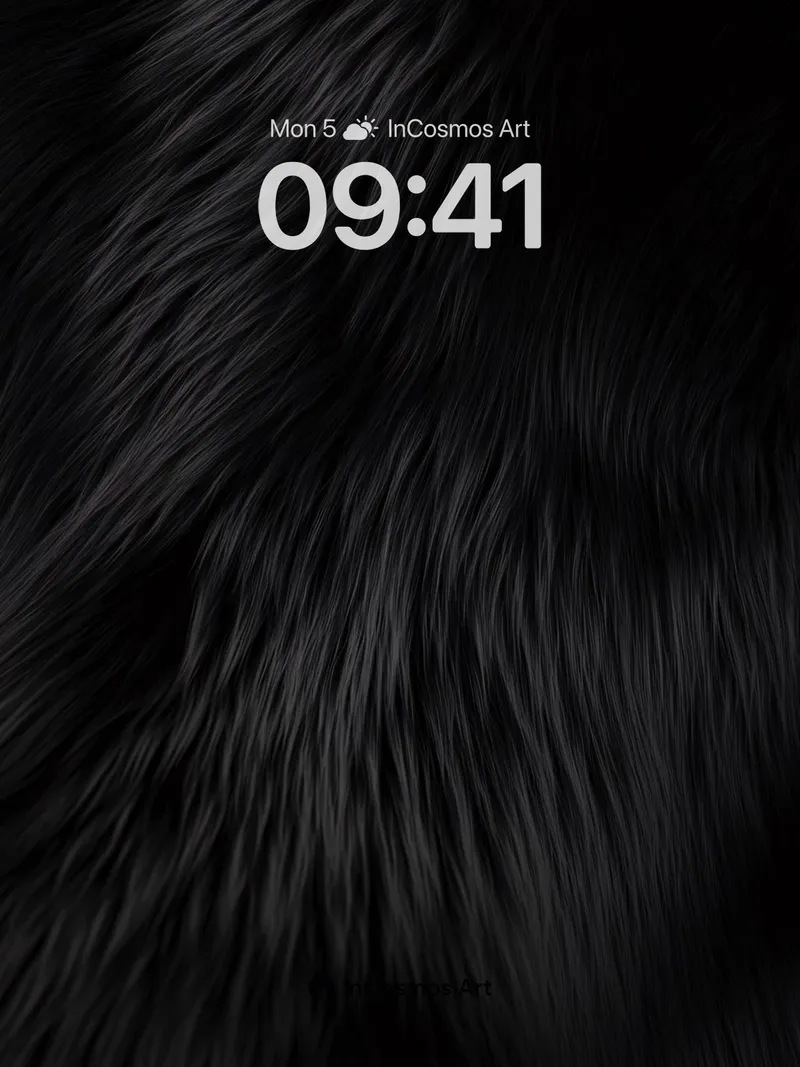
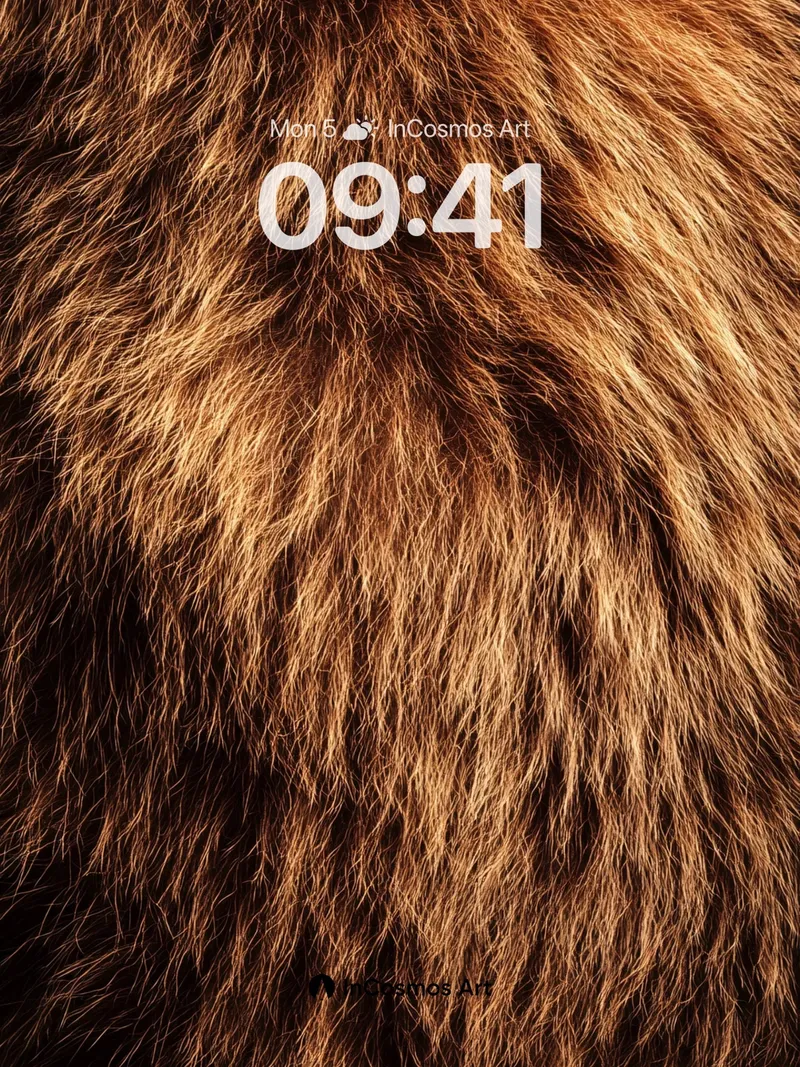
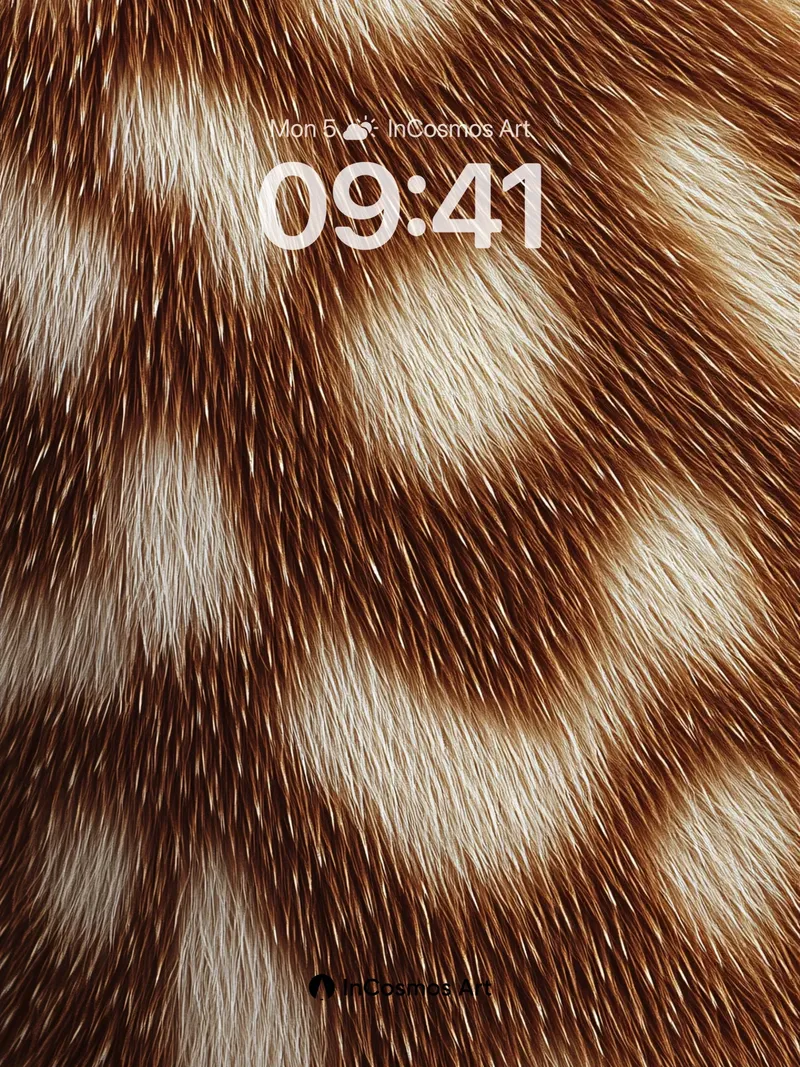
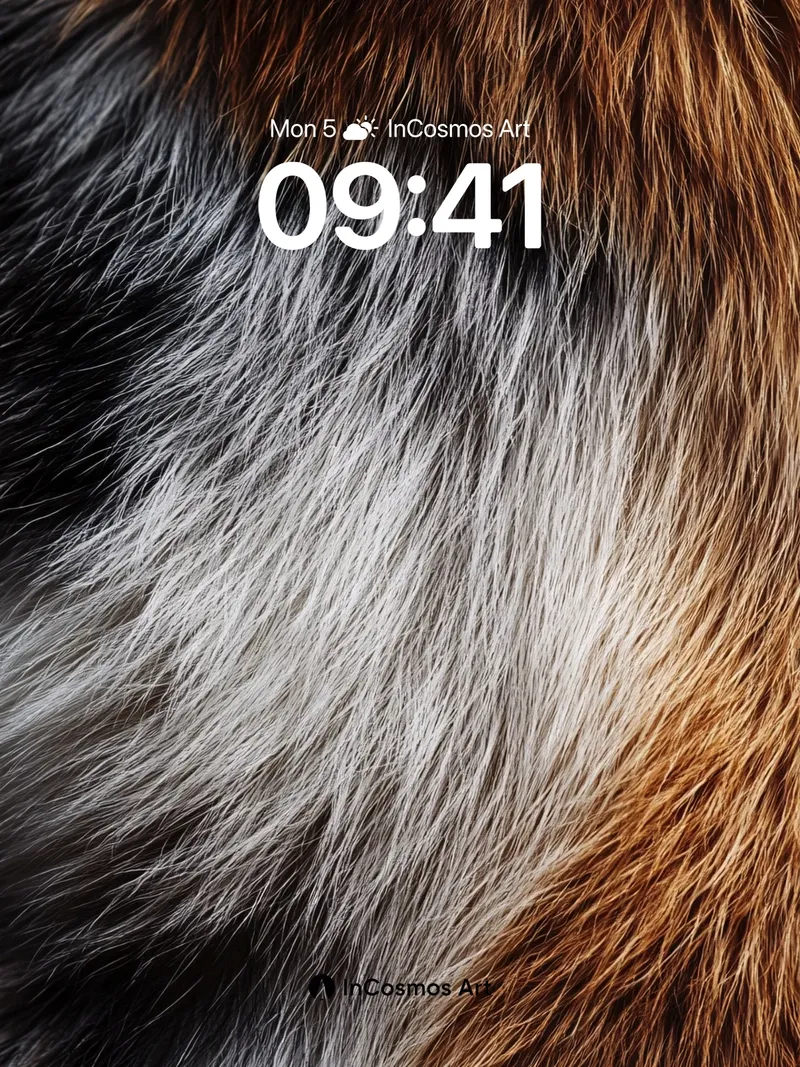
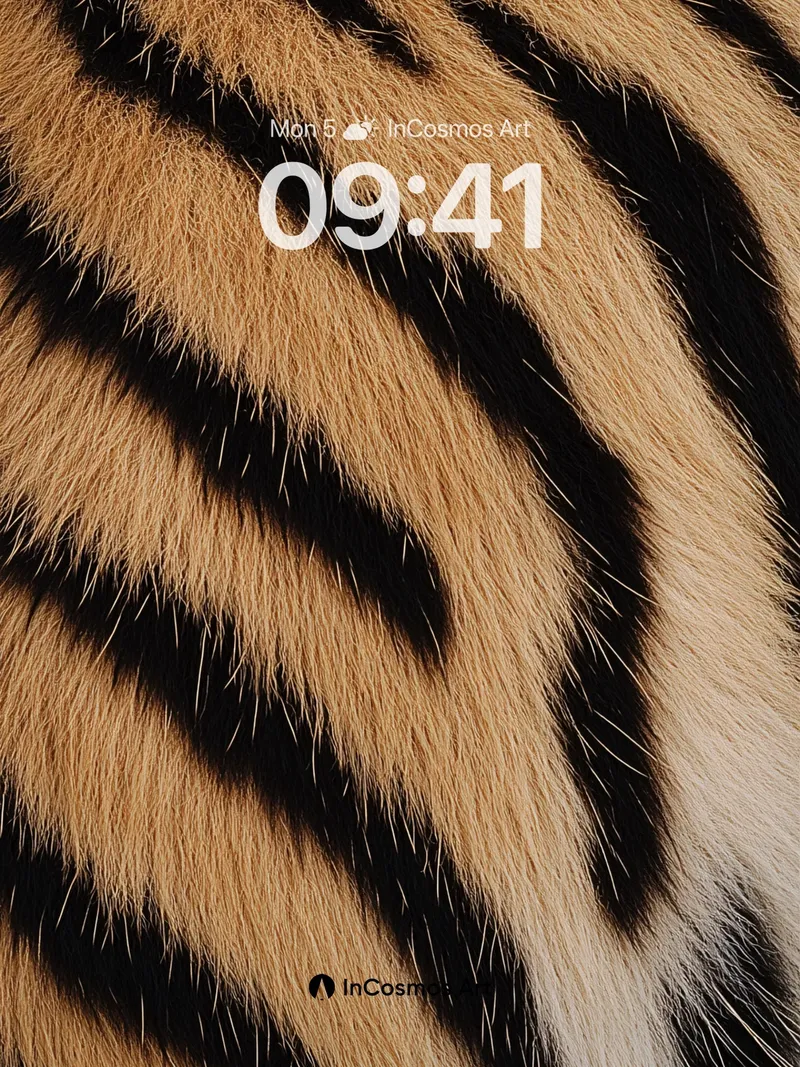
Soft fur flows under light, breathing in rhythm. Each fiber carries the weight of life memory, yet is redefined through human replication. Fur is not merely an animal's coat, but a medium where culture, desire, and ethics intertwine. It symbolizes warmth, yet stands as a specimen of consumerism. When real and artificial textures become indistinguishable, humanity's imagination of nature begins to blur boundaries.
Fur as Language
Fur is one of the most direct languages of living organisms. Its density, color, and direction form a non-verbal narrative system. Light-colored fluff resembles clouds, suggesting gentleness and shelter; dark brown coarse hair conveys strength and wildness. These textures are not decoration—they are remnants of survival strategies. In nature, they regulate temperature, conceal identity, warn predators. In human society, they are stripped, reassembled, amplified, becoming fashion symbols or emotional anchors.
The Rivalry Between Nature and Artifice
Modern technology can now simulate fur texture with high precision. Synthetic fibers mimic natural structures through intricate weaving, even approaching authenticity at microscopic levels. Yet this 'perfect replication' raises moral dilemmas. As consumers seek comfort, do they recognize the ecological cost? When a scarf made from plastic mimics a fox’s appearance, what exactly are we purchasing? Warmth, or illusion?
The Philosophy of Touch
Touch is closer to truth than sight. When fingertips glide across a surface, nerve endings perceive micro-world order and chaos. Real fur bears irregular growth marks; artificial versions tend toward uniformity. Yet it is precisely this 'imperfection' that defines nature’s charm. The longing for tactile authenticity stems not just from material, but from the life stories behind it—a wolf running through snow, a tree swaying in wind, a forgotten moment.
A Carrier of Emotion
Fur is often used to soothe emotions. Baby blankets, pet toys, home textiles all claim softness. This choice is not accidental. Psychological studies show low-frequency tactile vibrations reduce stress hormones. Thus, fuzzy objects provide not only physical warmth but also psychological safety. In the digital age, where virtual interaction dominates, real touch has become a rare resource.
Beyond the Boundary
When fur becomes artistic material, its meaning expands further. Contemporary artists use it to explore species rights, environmental crises, and anthropocentrism. Some works display animal pelts under glass cases, like museum specimens, prompting viewers to reflect on beauty and cruelty. Fur ceases to be mere commodity—it becomes a vessel of thought. It reminds us: every choice shapes a world either clearer or more blurred.