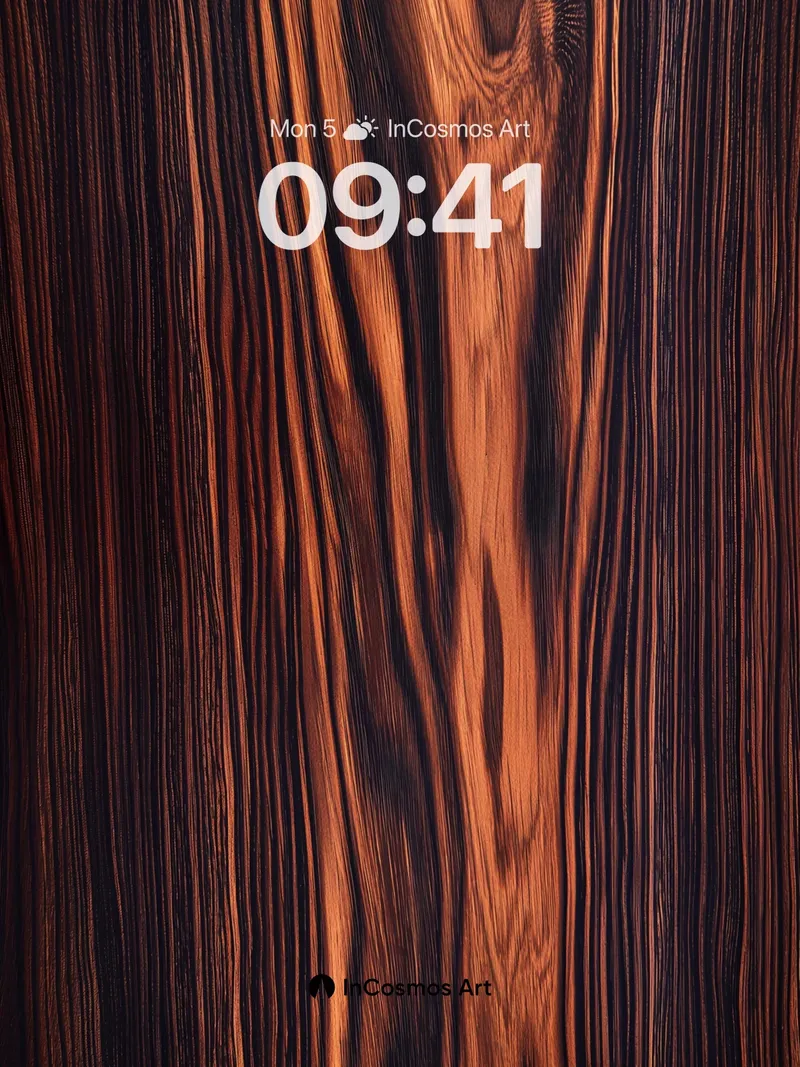
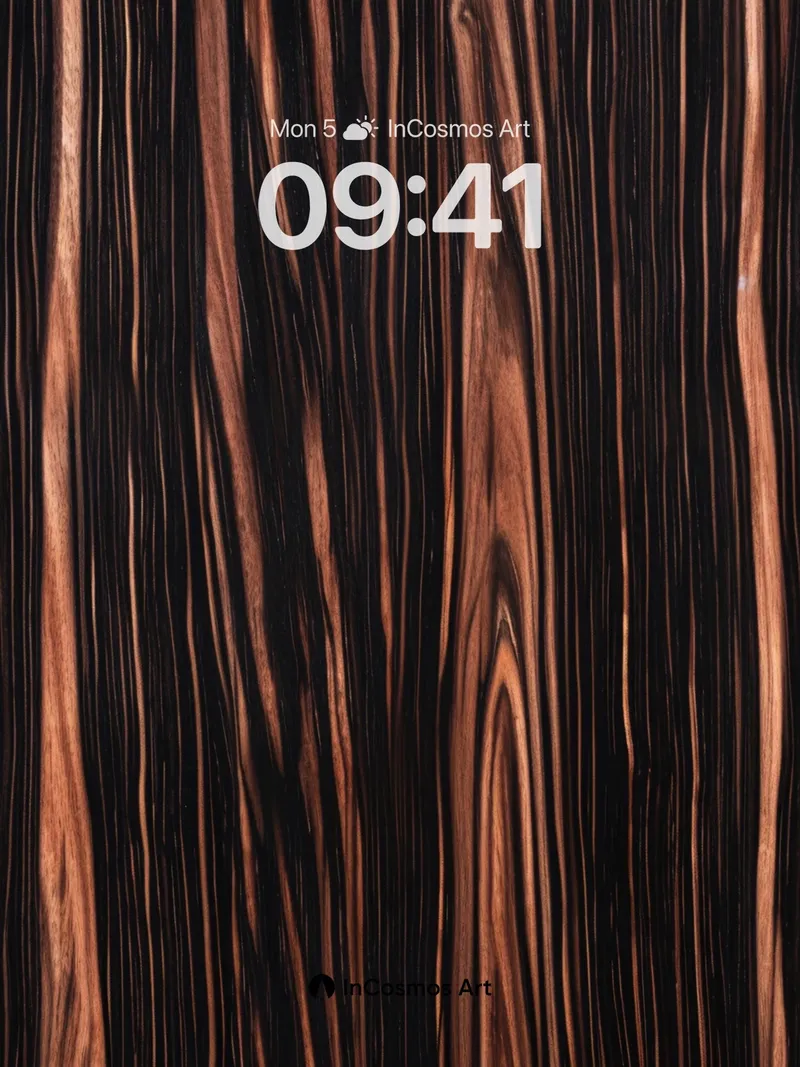
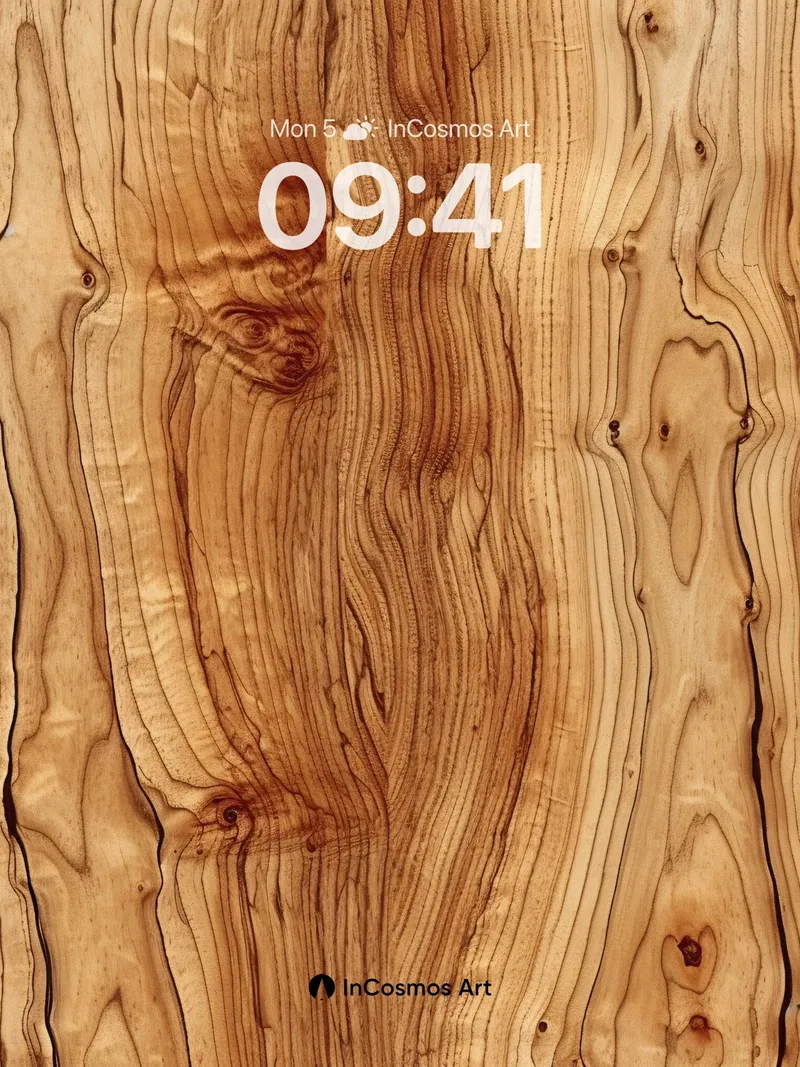
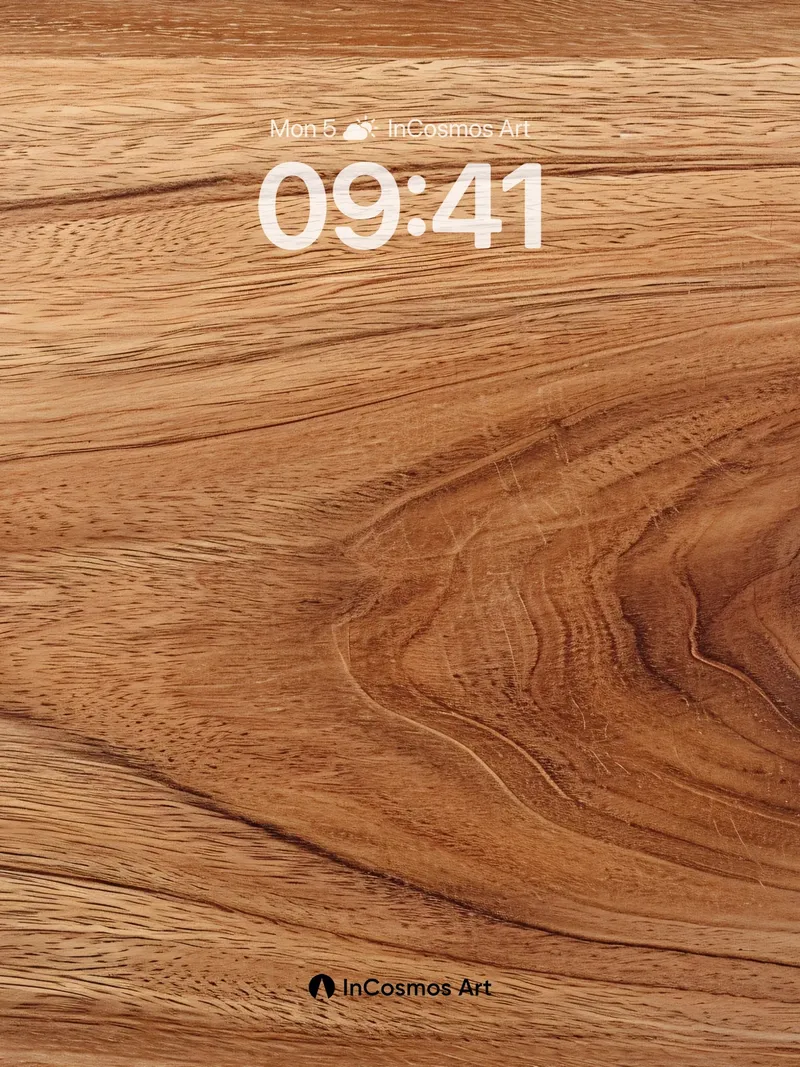
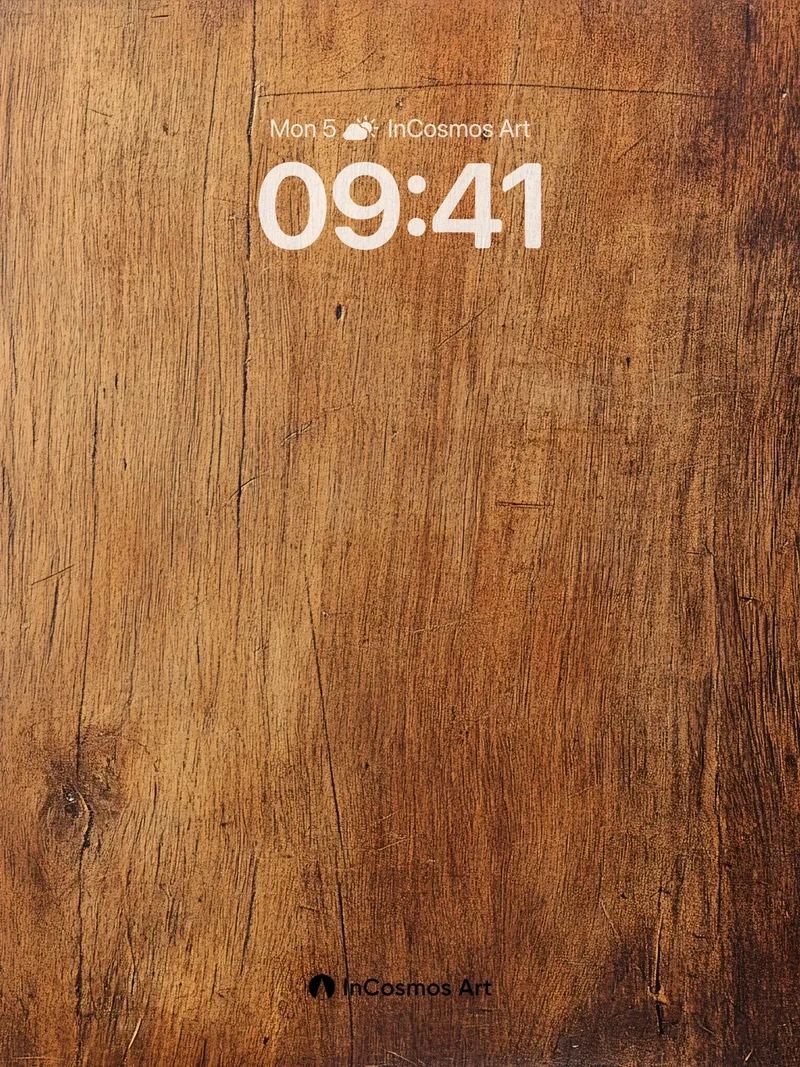
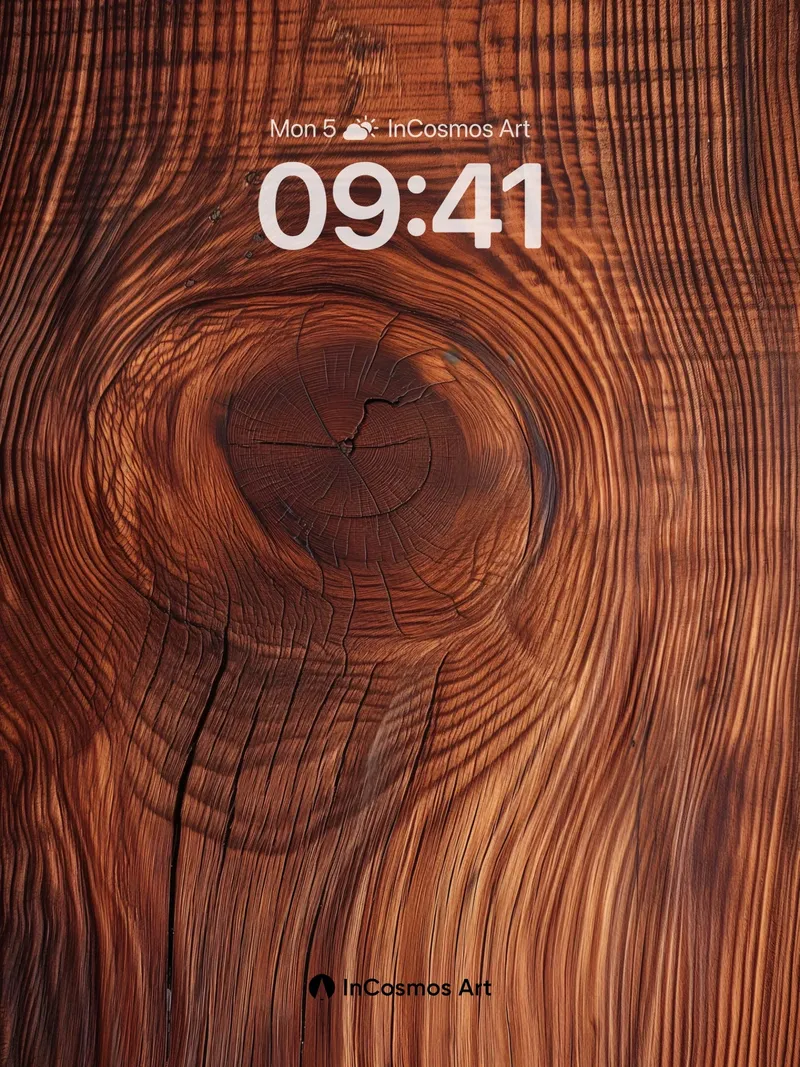
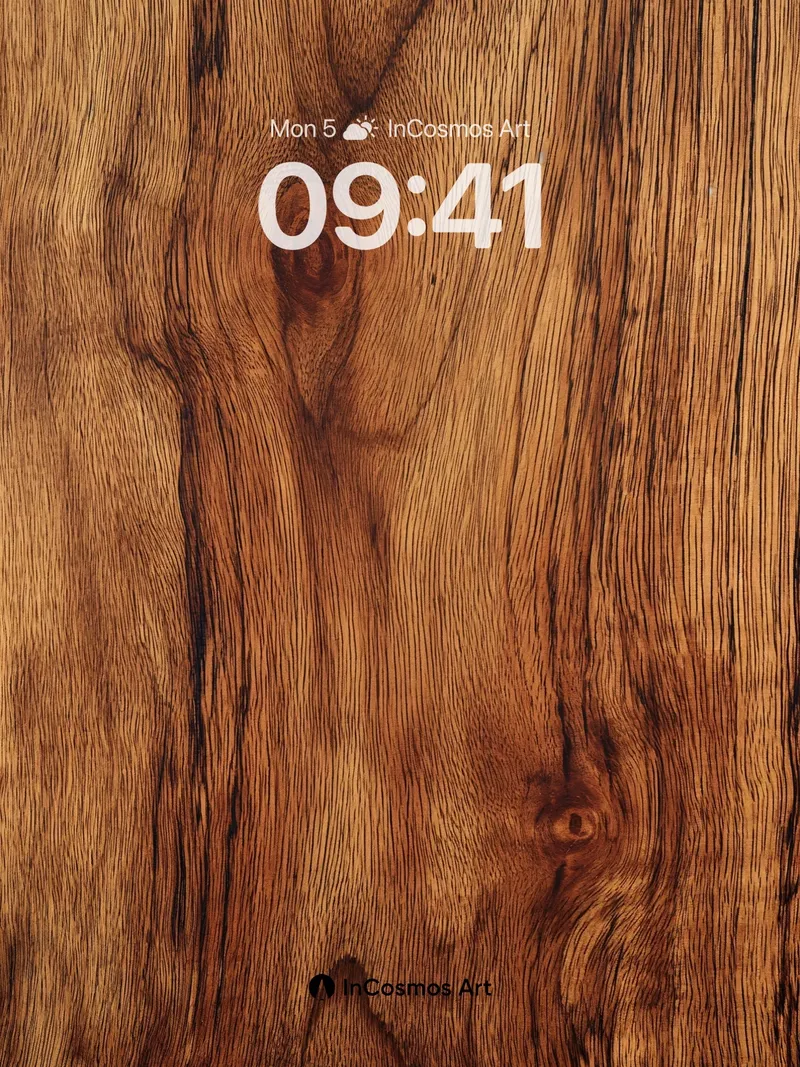
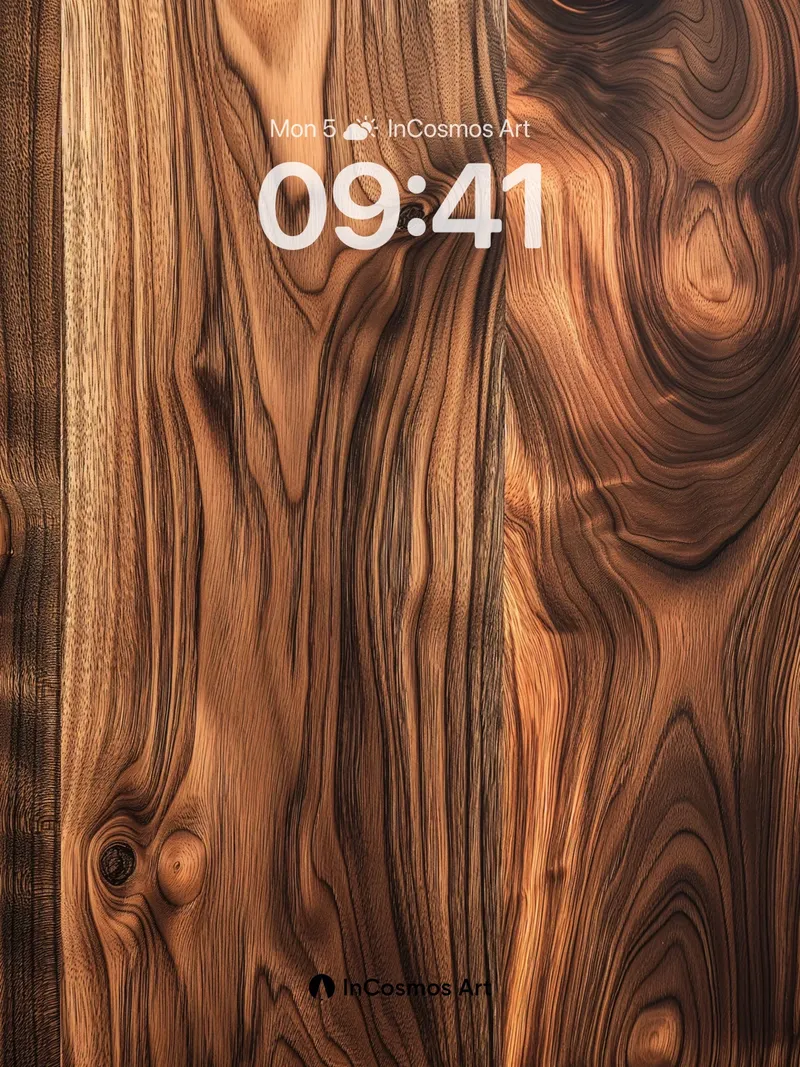
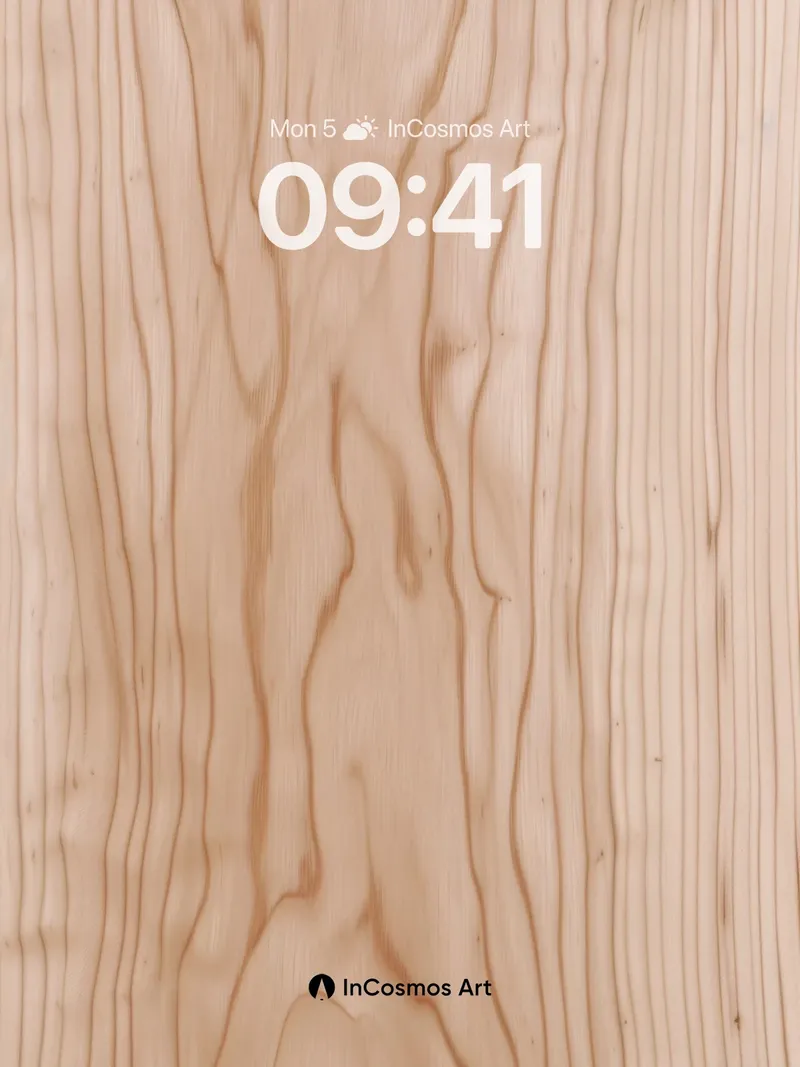
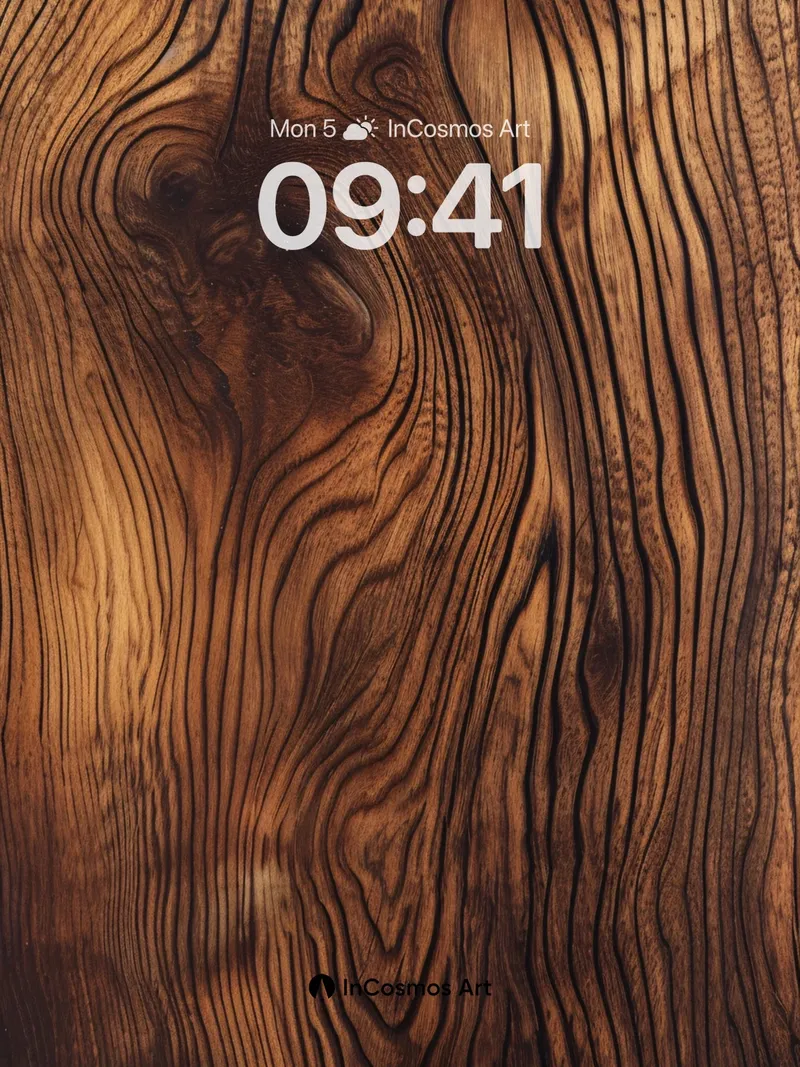
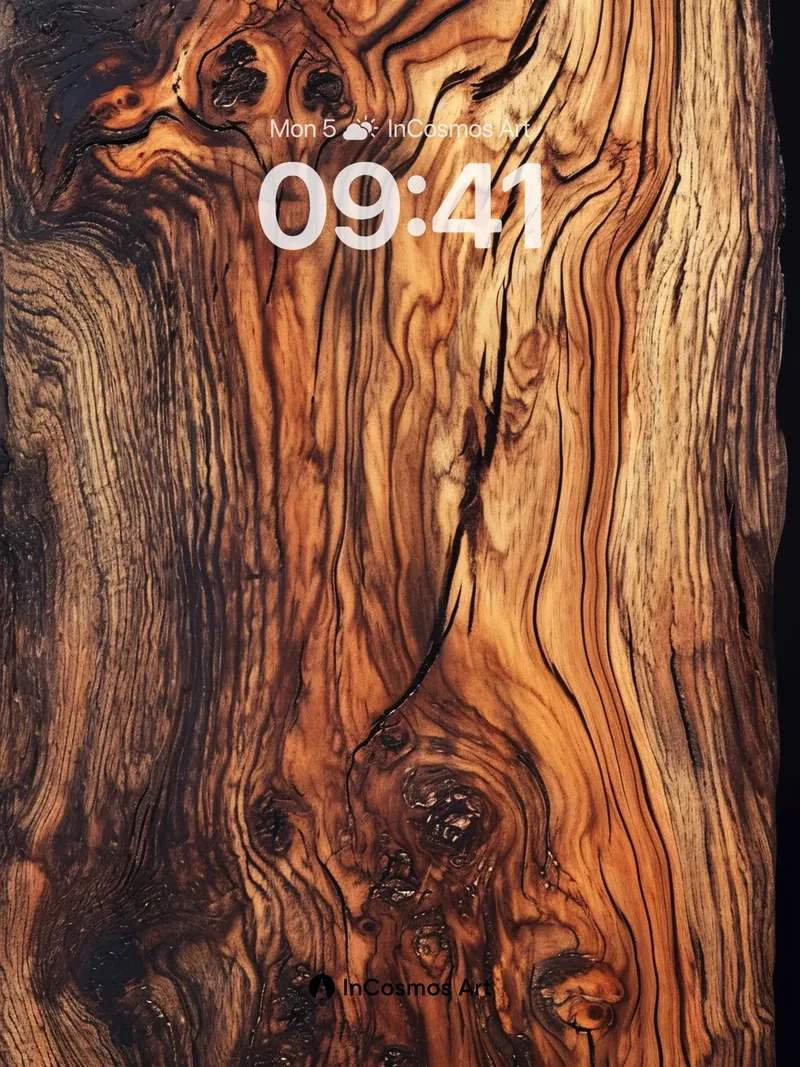
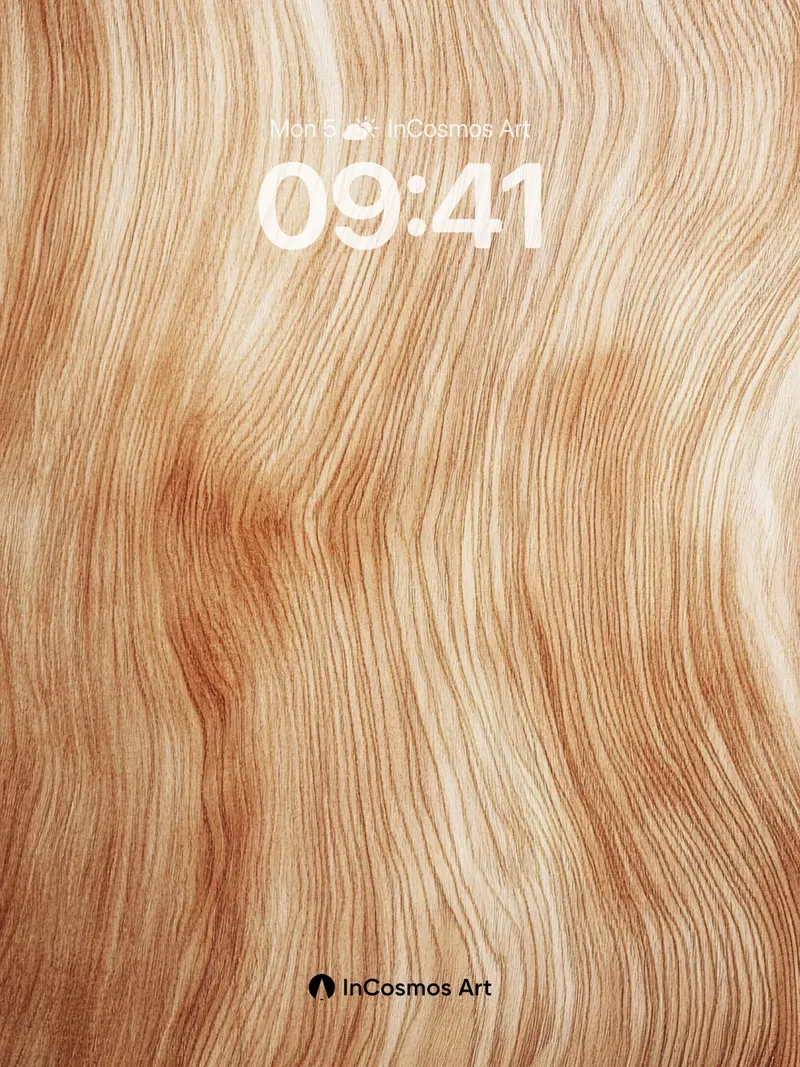
Wood grain is not decoration; it is a record of time. Every curve, every knot, is the tree's response to environmental changes during growth. Wind, rain, sunlight, pests, soil nutrients—these external forces leave indelible marks inside the wood. Wood grain thus becomes a material narrative, telling not of moments, but of long accumulation and adaptation.
Knots as Memory
Knots are healing traces after a tree is injured. When a branch breaks or the trunk is damaged, the tree secretes resin and reorganizes fibers to seal the wound. The resulting circular or oval structure is the knot. Knots do not weaken the wood; instead, they add uniqueness. In furniture making, knots are often seen as an aesthetic feature, giving the wood more "story."
Fluidity of Texture
The direction of wood grain is not random but follows the tree's growth pattern. In the trunk, fibers extend vertically, forming straight grain; at roots or branch forks, fibers bend and intertwine, creating complex patterns. This fluidity reflects not only the tree's physiological structure but also hints at the dynamic balance of nature. Wood grain thus becomes a visualized ecological record.
Color and Aging
Wood color changes over time. Newly cut wood is usually lighter, gradually deepening to amber, reddish-brown, or even dark brown through oxidation and light exposure. This change is not decay but a process of maturation. Aged wood develops a patina, feeling warmer to the touch and with a more subdued luster. This change gives wood the weight of time.
Wood as a Cultural Carrier
In different cultures, wood carries different symbolic meanings. In traditional Chinese architecture, wood symbolizes vitality and resilience; in Nordic design, it represents nature and simplicity; in Japanese craftsmanship, it embodies the "wabi-sabi" aesthetic, accepting imperfection and transience. Wood is thus not just a material but a medium of cultural expression.
Wood Grain in Modern Design
In modern design, wood grain is widely used in furniture, flooring, wall decor, and more. Designers emphasize material authenticity and sustainability by preserving natural grain. Meanwhile, wood grain is also used in digital design as a visual element, evoking associations with nature. This application elevates wood grain beyond physical material, turning it into a cultural symbol.