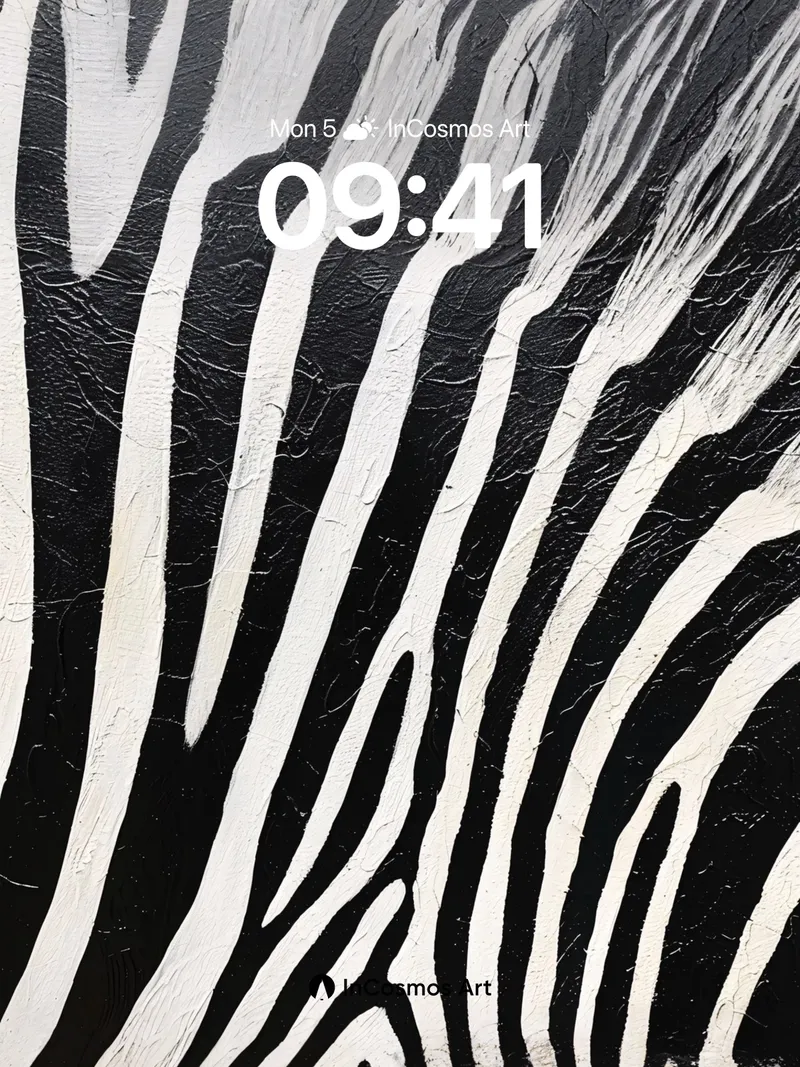
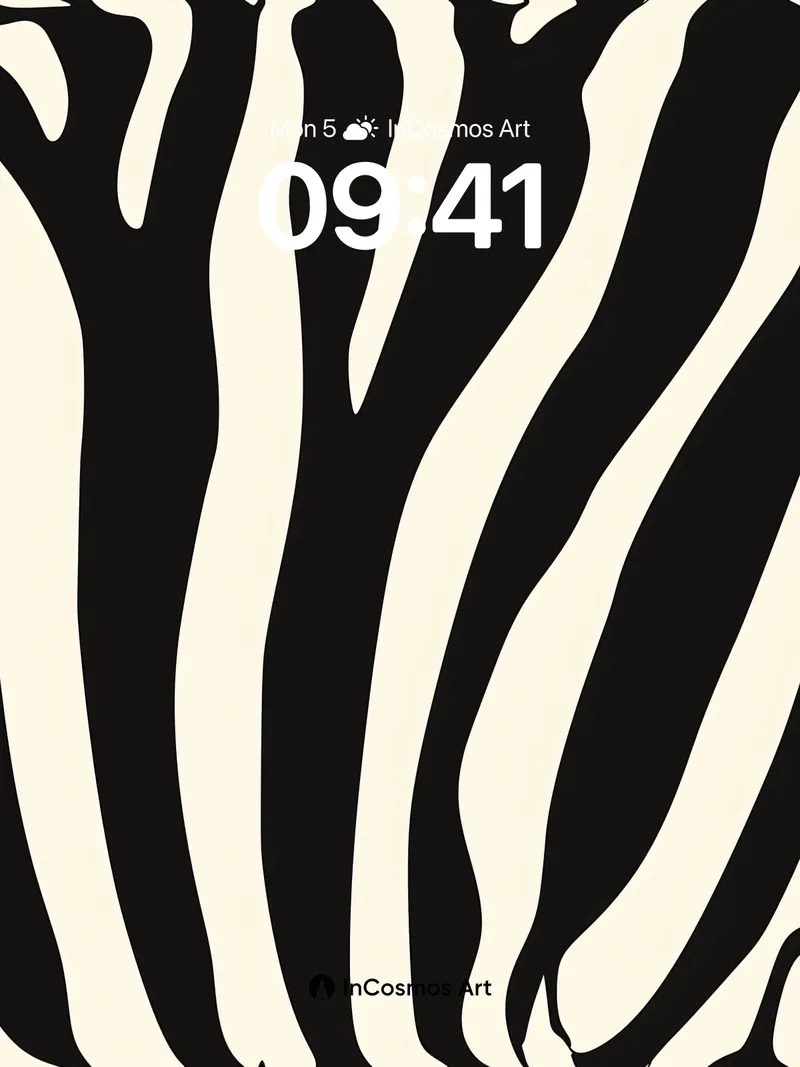
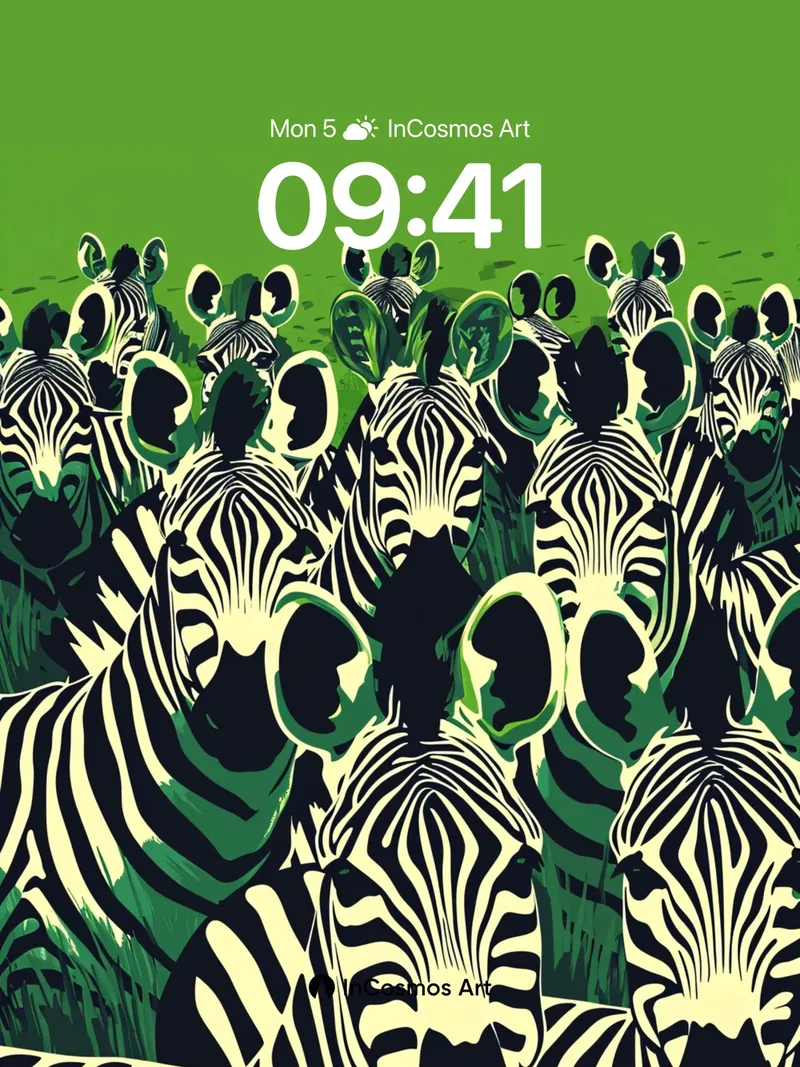
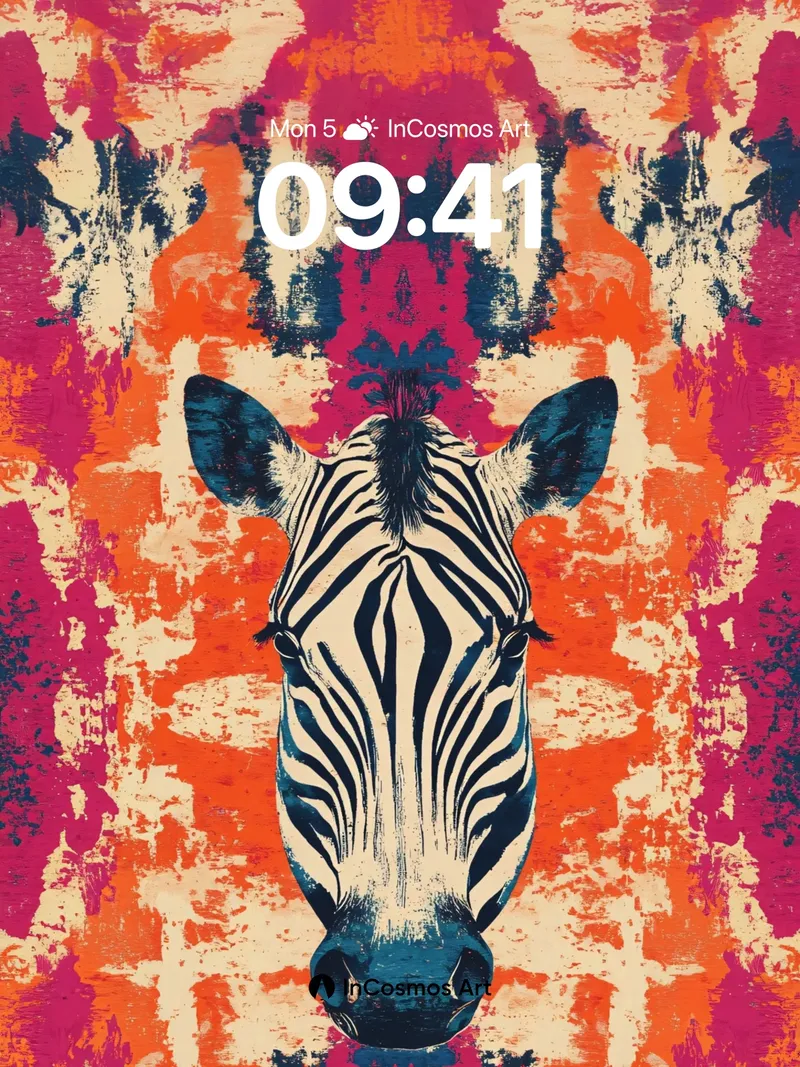
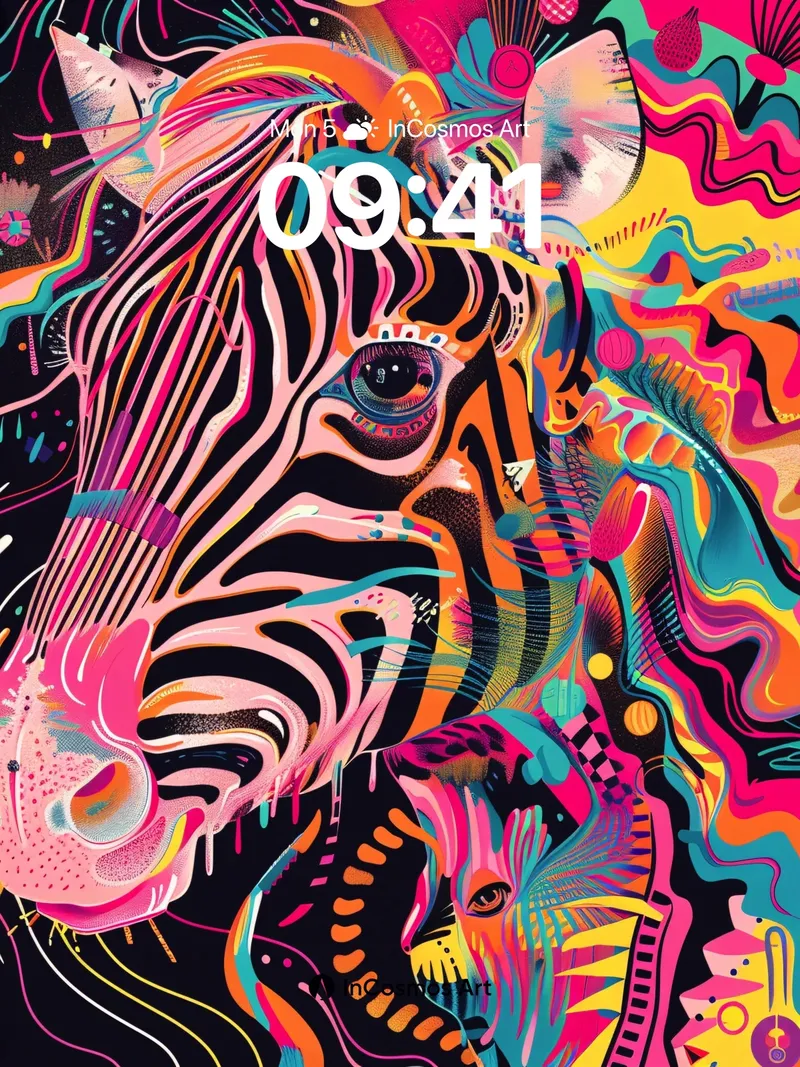
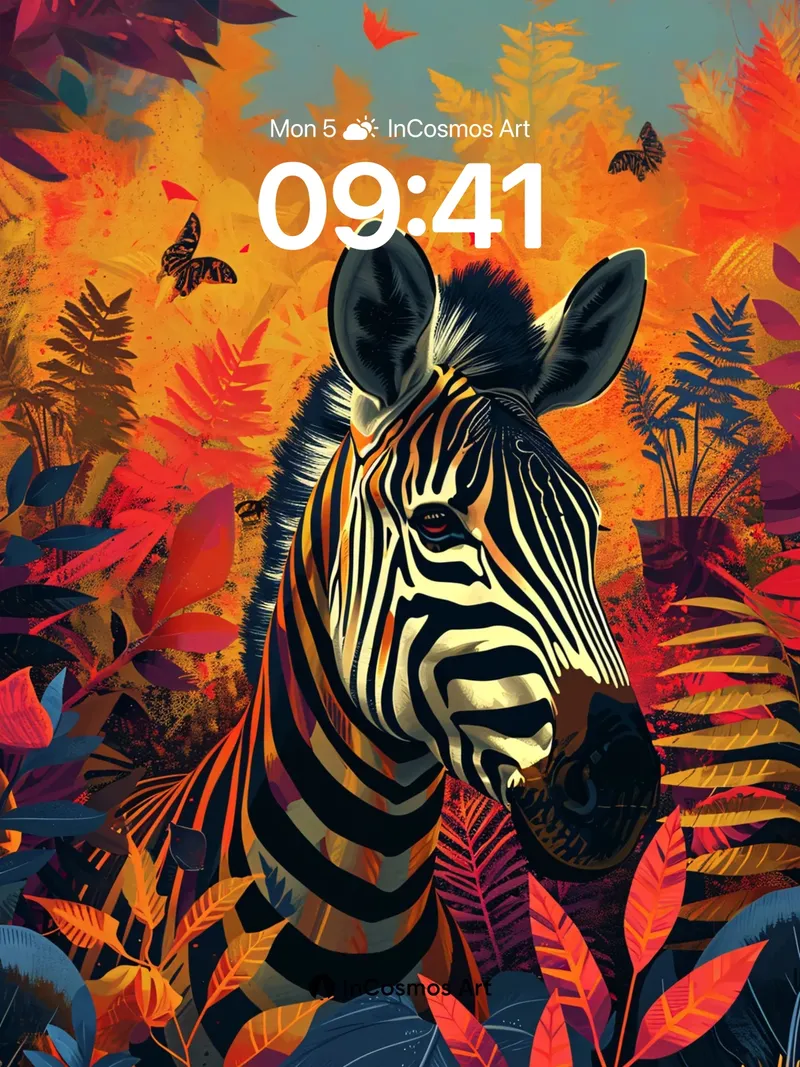
The zebra pattern, a natural imprint from the African savanna, has long transcended its biological origins to become a visual language that spans cultures and eras. From its original black-and-white stripes to its current fusion with colors, textures, and symbolic elements, the zebra pattern is no longer merely a replication of animal fur but a cultural vessel carrying individuality, emotion, and aesthetic attitude.
From Nature to Abstraction: The Deconstruction and Reassembly of Stripes
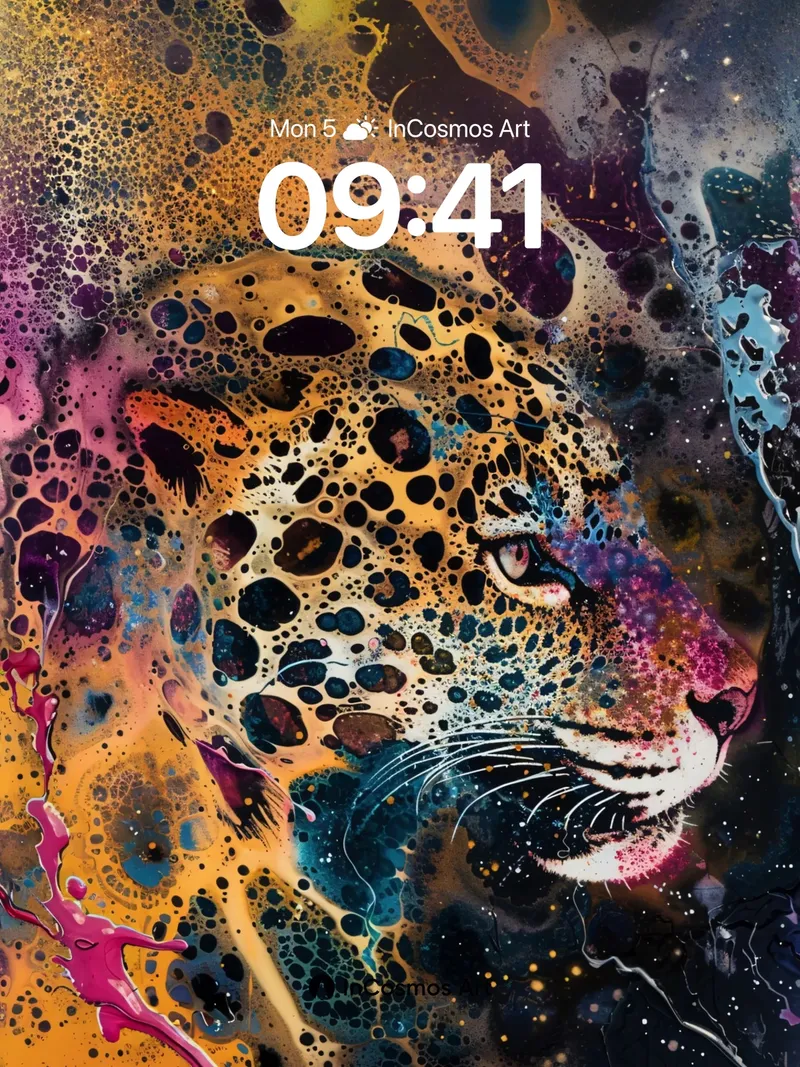
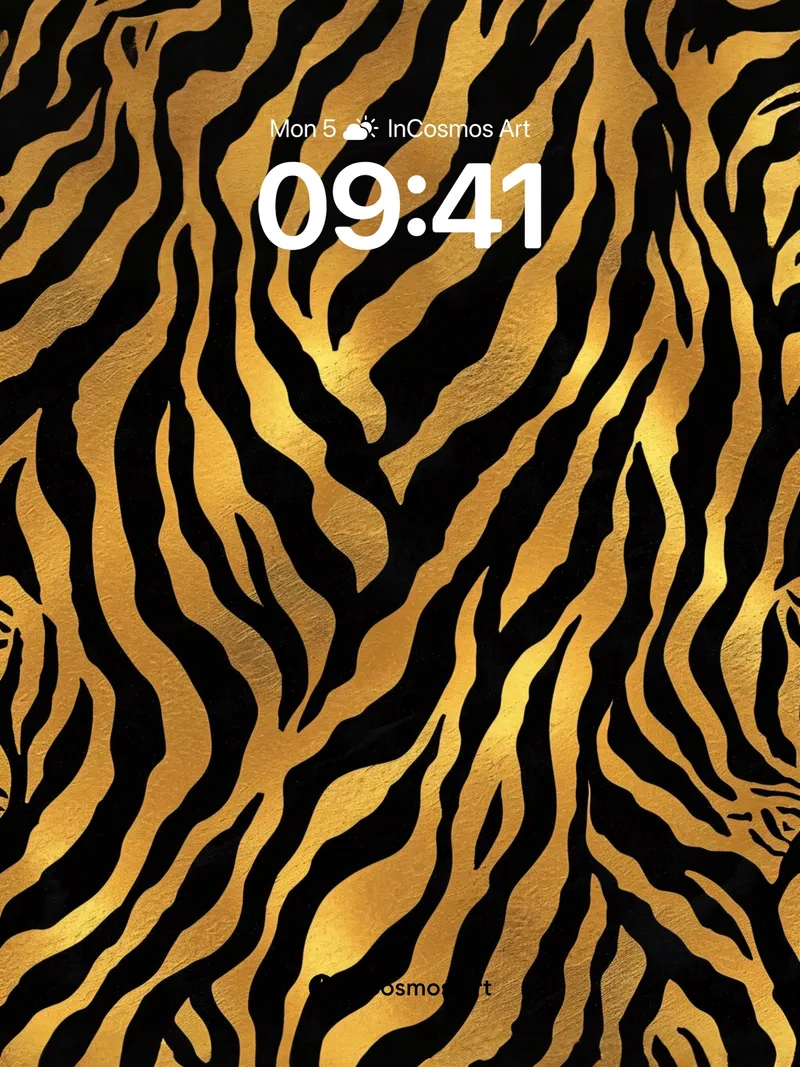
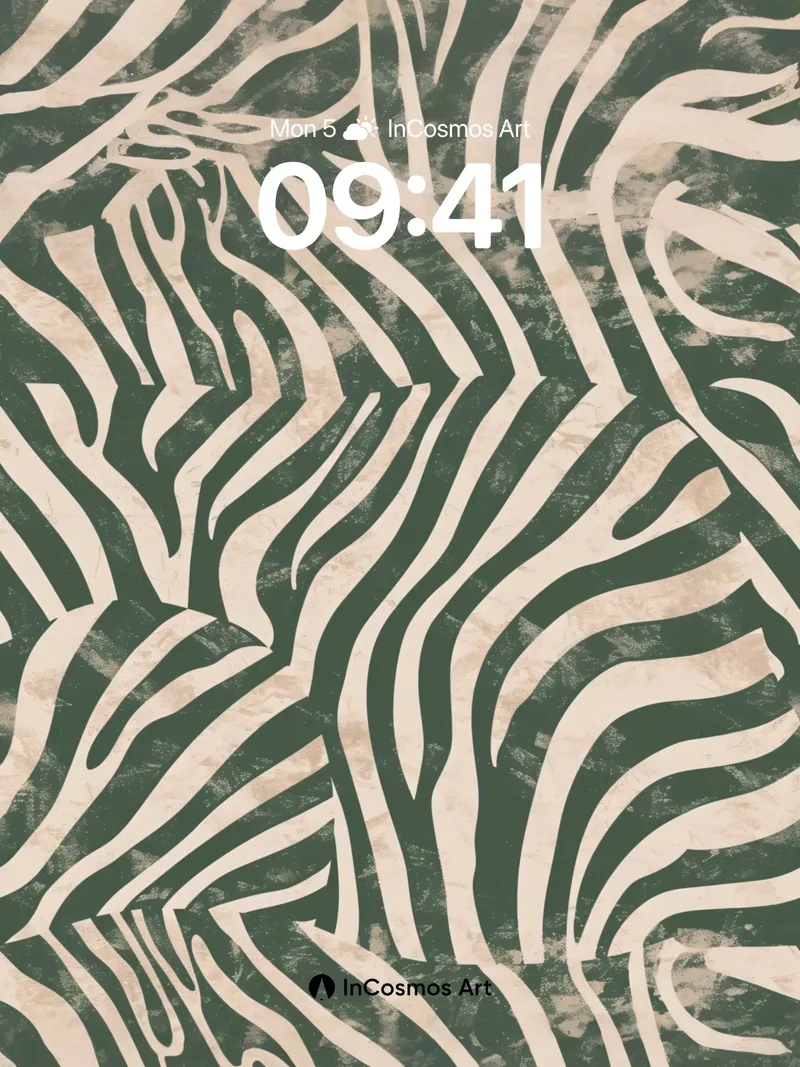
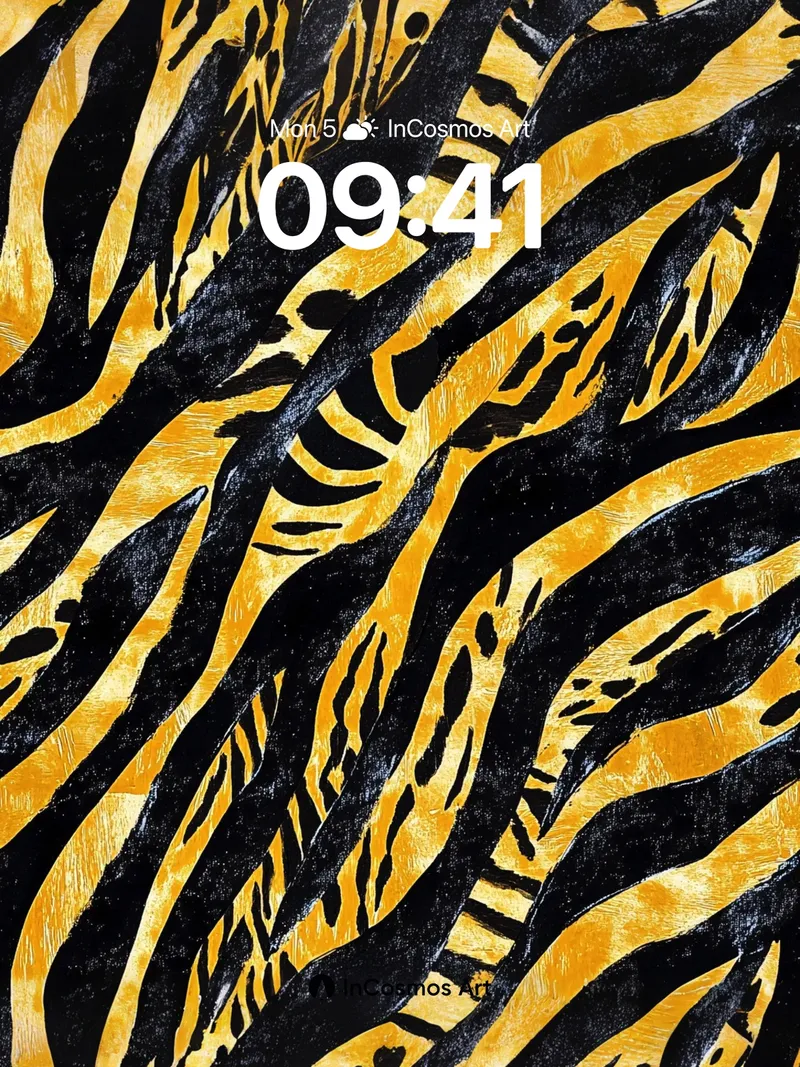
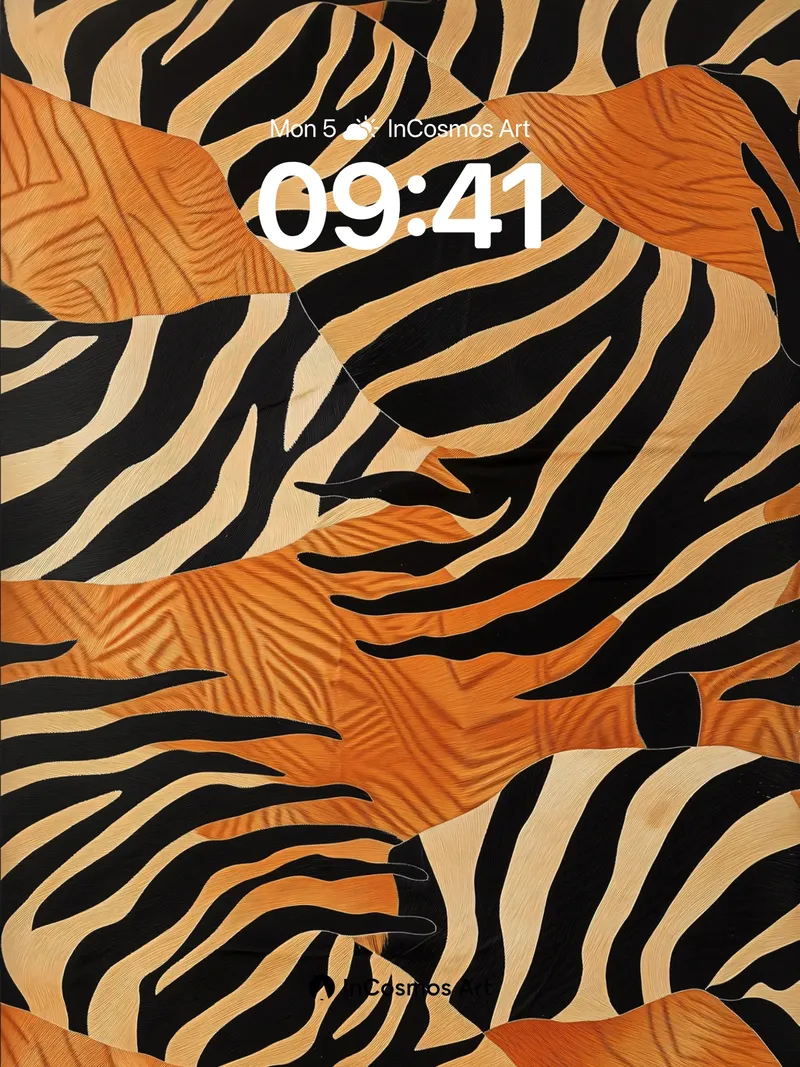
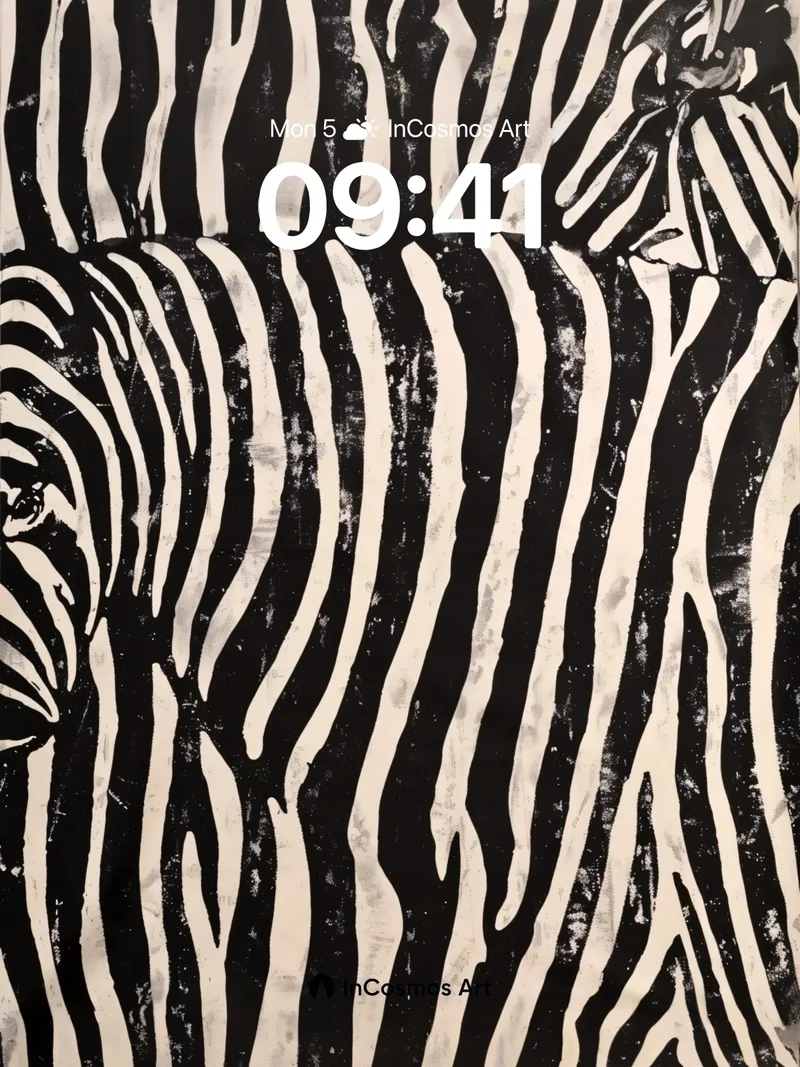
The original form of the zebra pattern consists of stark black-and-white geometric lines, a strong contrast that gives it a primal sense of order. However, in contemporary design, this order is intentionally disrupted. Stripes are stretched, twisted, overlapped, and even interwoven with other animal textures like leopard or tiger prints, creating a visual "chaos aesthetic." This deconstruction is not a departure from nature but a reinterpretation of natural forms—it no longer seeks realism but expression.
The Intervention of Color: From Monochrome to Polychrome Emotional Shifts
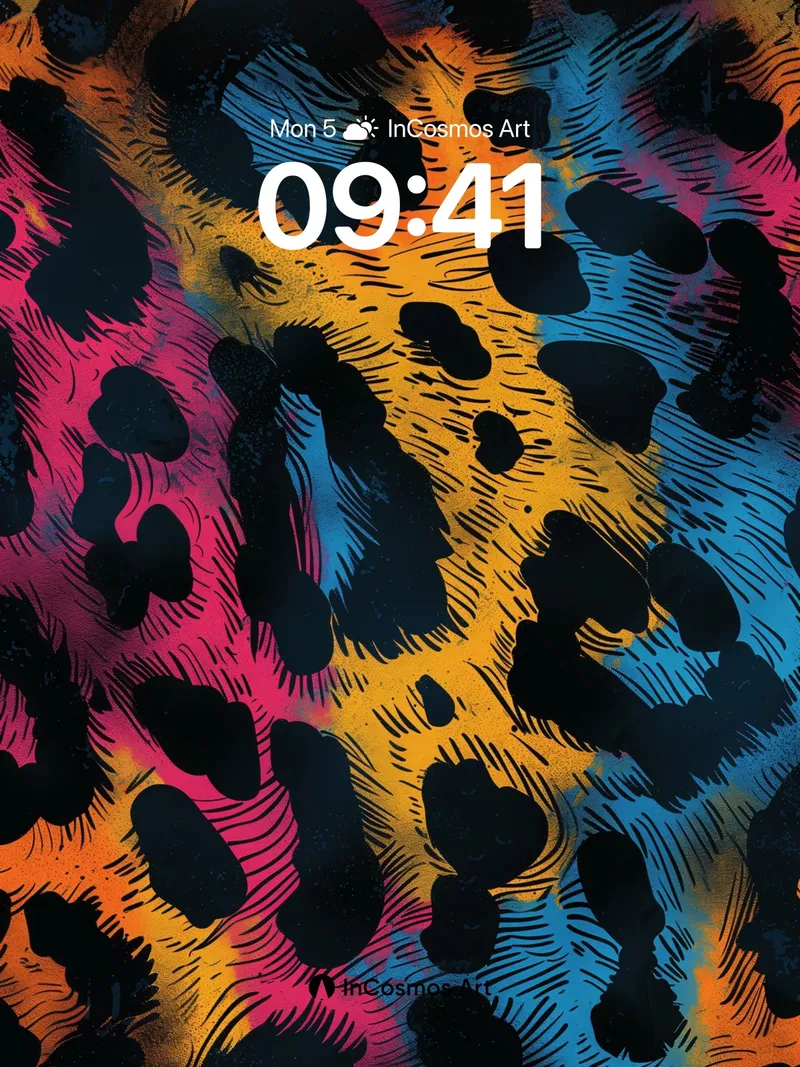
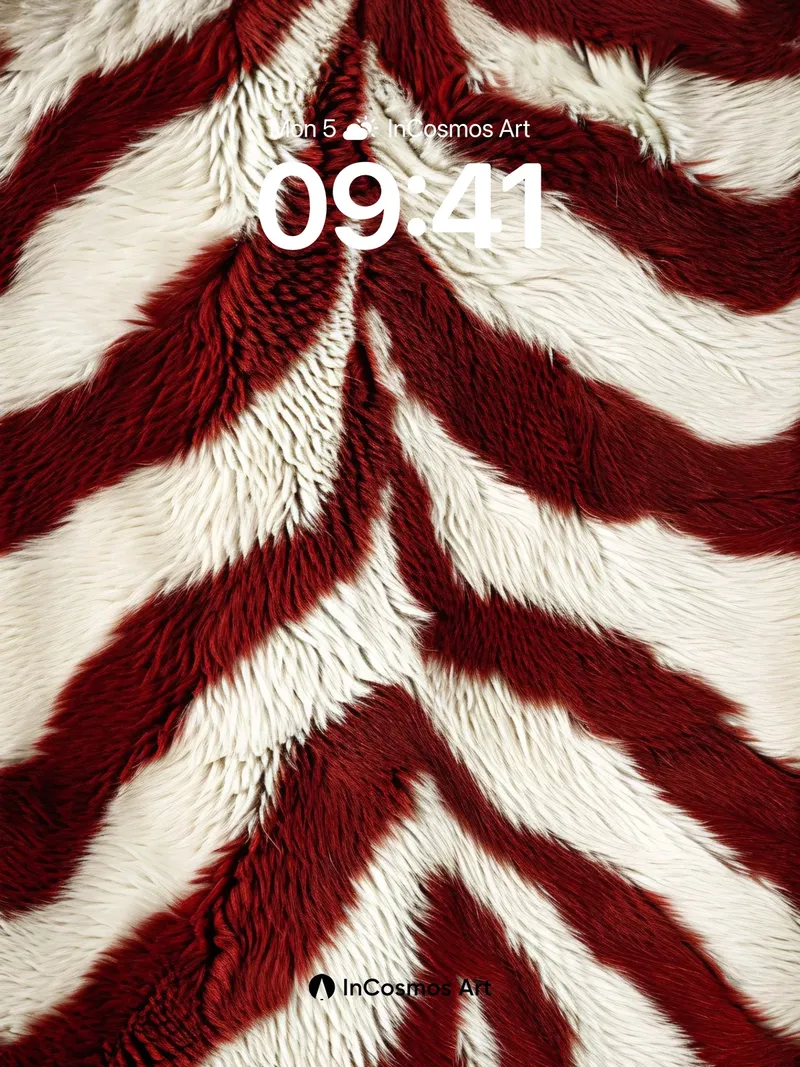
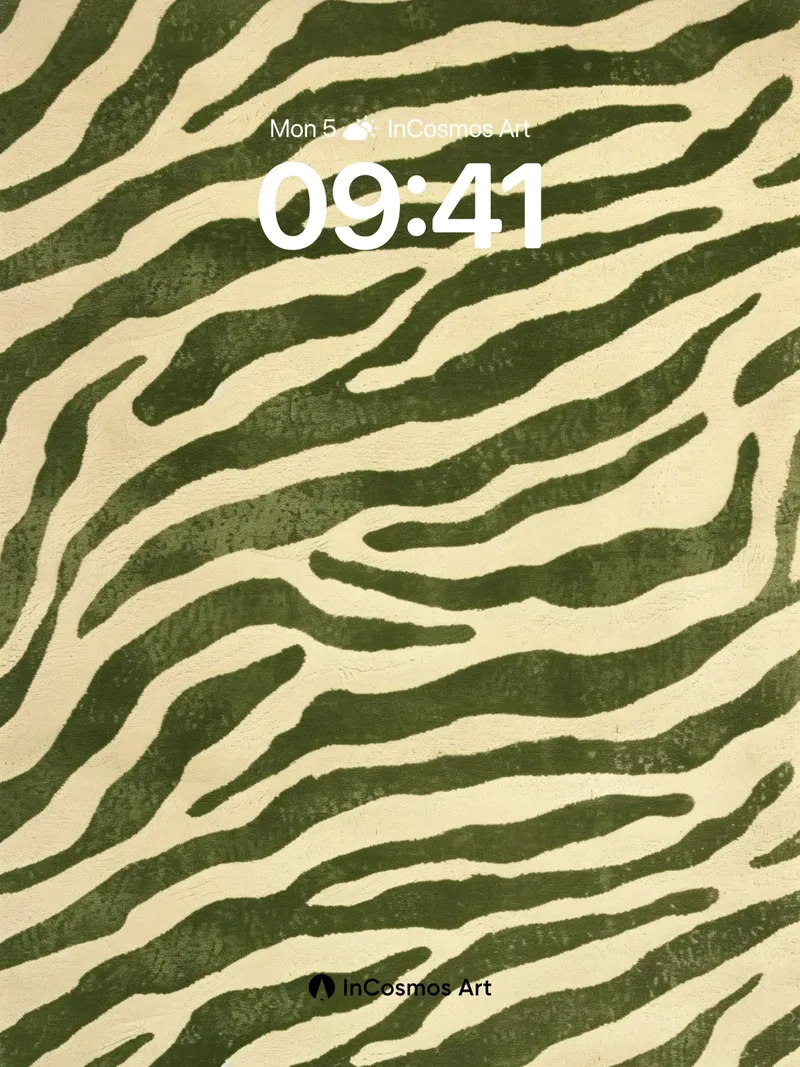
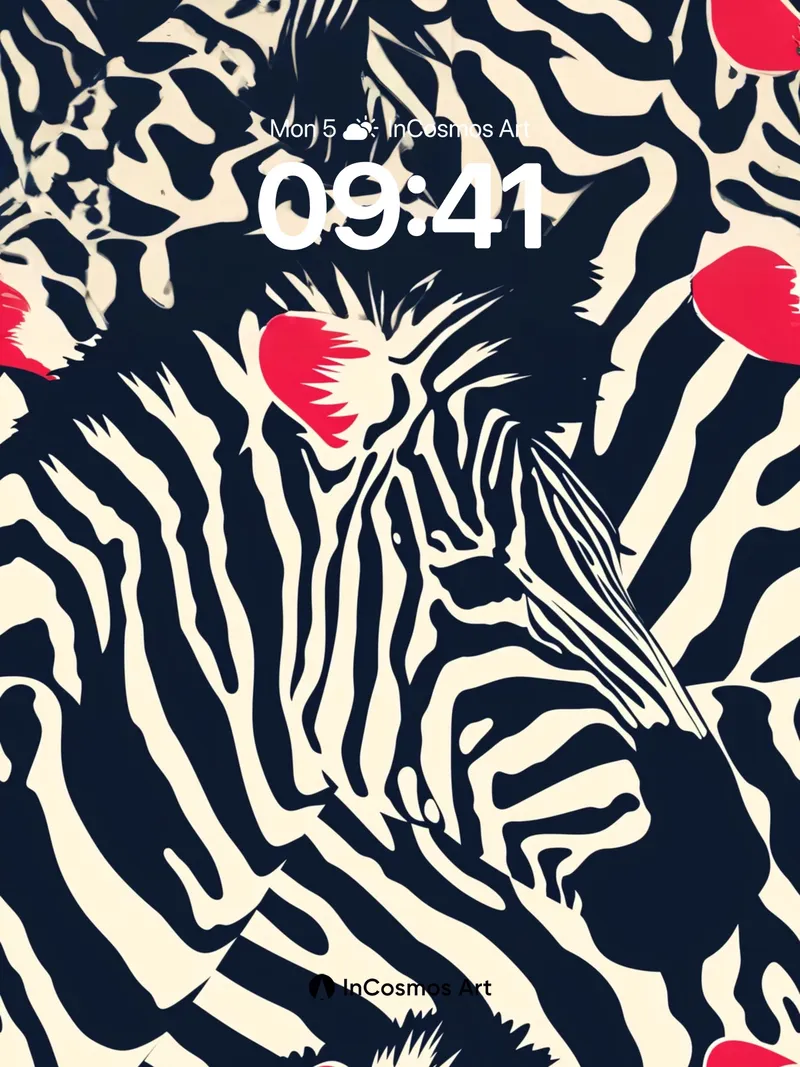
When the zebra pattern meets color, its emotional attributes undergo a fundamental transformation. Traditional black-and-white stripes often convey a sense of calm and rationality, but the introduction of vibrant hues like red, orange, and blue instantly makes the pattern fiery, unrestrained, and even slightly playful. The介入 of color turns the zebra pattern from an "object of observation" into a "carrier of emotion," actively transmitting feelings rather than passively being viewed.
The Layering of Symbols: Crowns, Flowers, and Metaphors of Identity
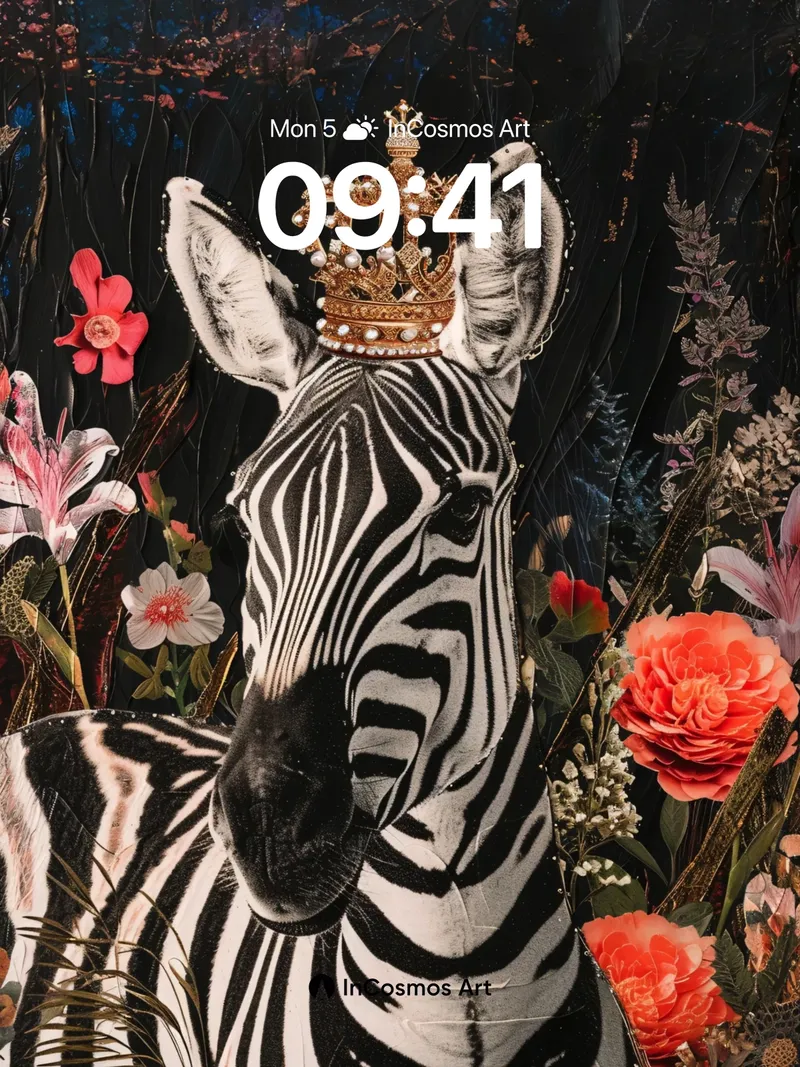
In some designs, the zebra pattern is imbued with additional symbolic meanings. For instance, a zebra wearing a crown, surrounded by lush flowers, clearly transcends mere decoration to suggest a metaphor of identity. The crown symbolizes power and nobility, while the flowers represent vitality and beauty. Here, the zebra pattern becomes a bridge connecting nature and humanity. This layering of symbols elevates the zebra pattern from a simple motif to a form of cultural narrative.
Material Experiments: From Flat to Three-Dimensional Tactile Exploration
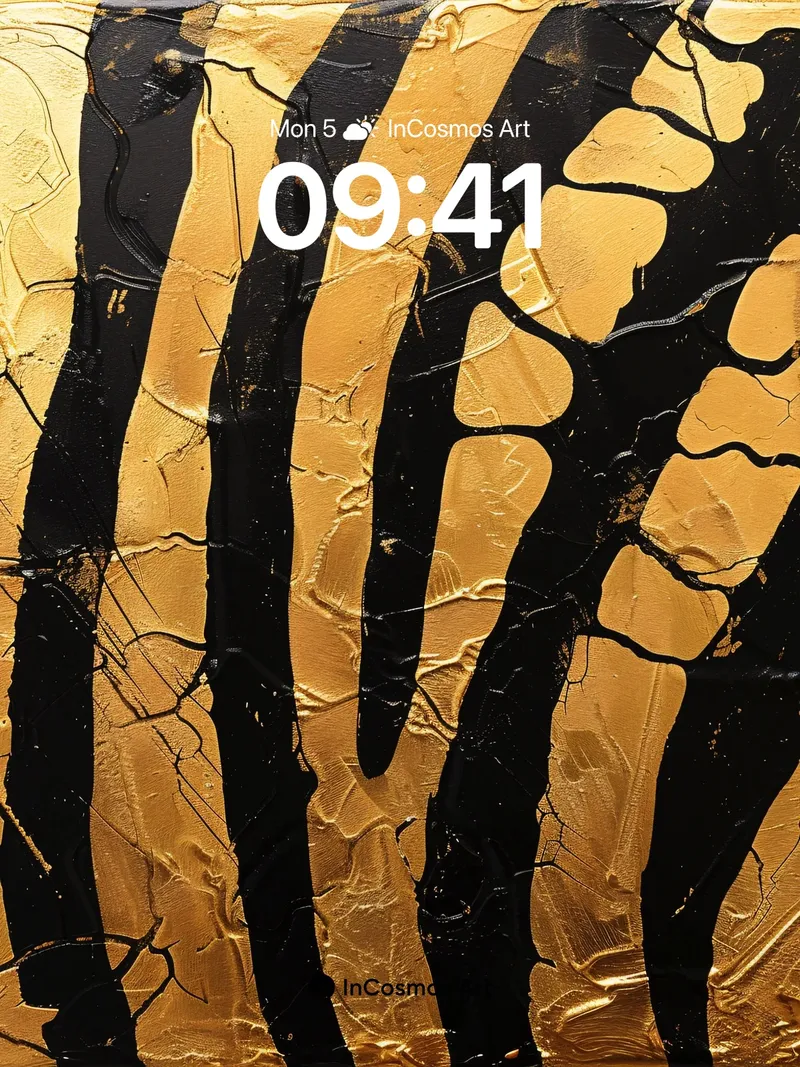
The expression of the zebra pattern is not limited to two dimensions. In fashion and interior design, it is applied to various materials—from smooth silk to rough canvas, from the sheen of metal to the grain of wood. Changes in material endow the zebra pattern with different tactile and visual effects, allowing it to present diverse appearances in different contexts. These material experiments expand the zebra pattern from a visual symbol into a multi-dimensional sensory experience.
Cultural Fluidity: The Evolution of the Zebra Pattern in a Global Context
The dissemination of the zebra pattern is not unidirectional. It acquires different meanings in different cultures. In the West, it is often associated with wildness and freedom; in the East, it may be seen more as a symbol of exoticism. With the development of globalization, the meaning of the zebra pattern continues to flow and reconstruct. It is both a universally understood visual language and a unique expression of local culture.