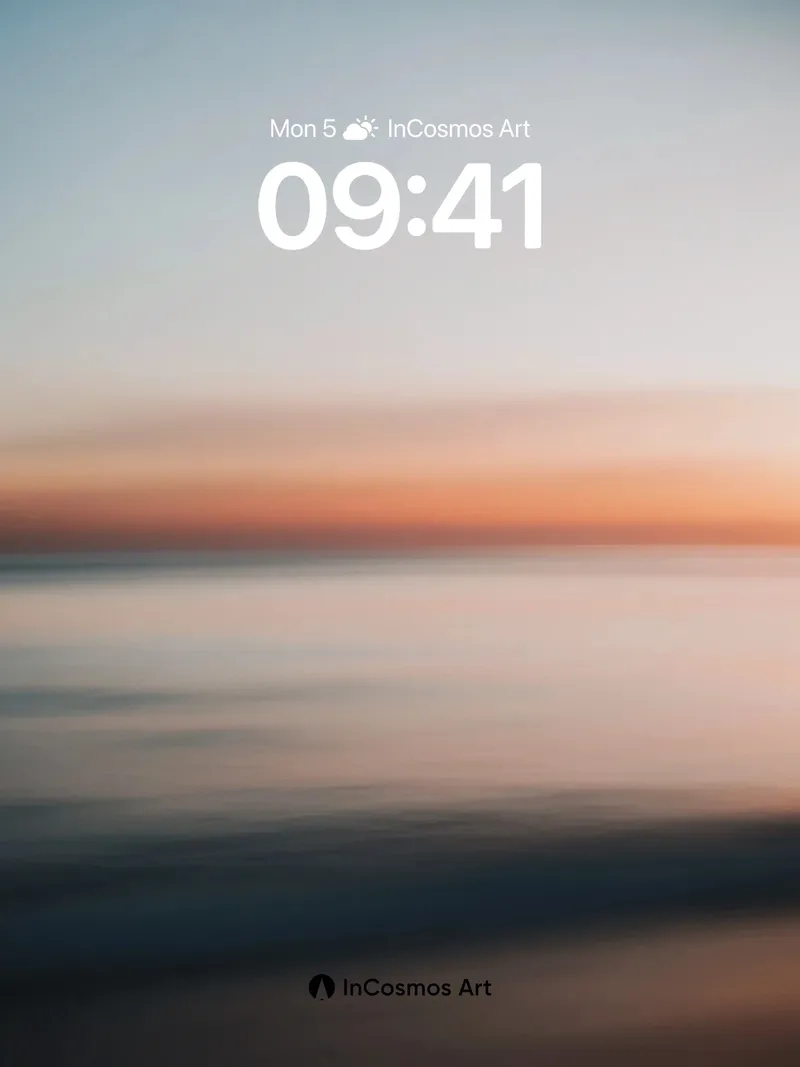
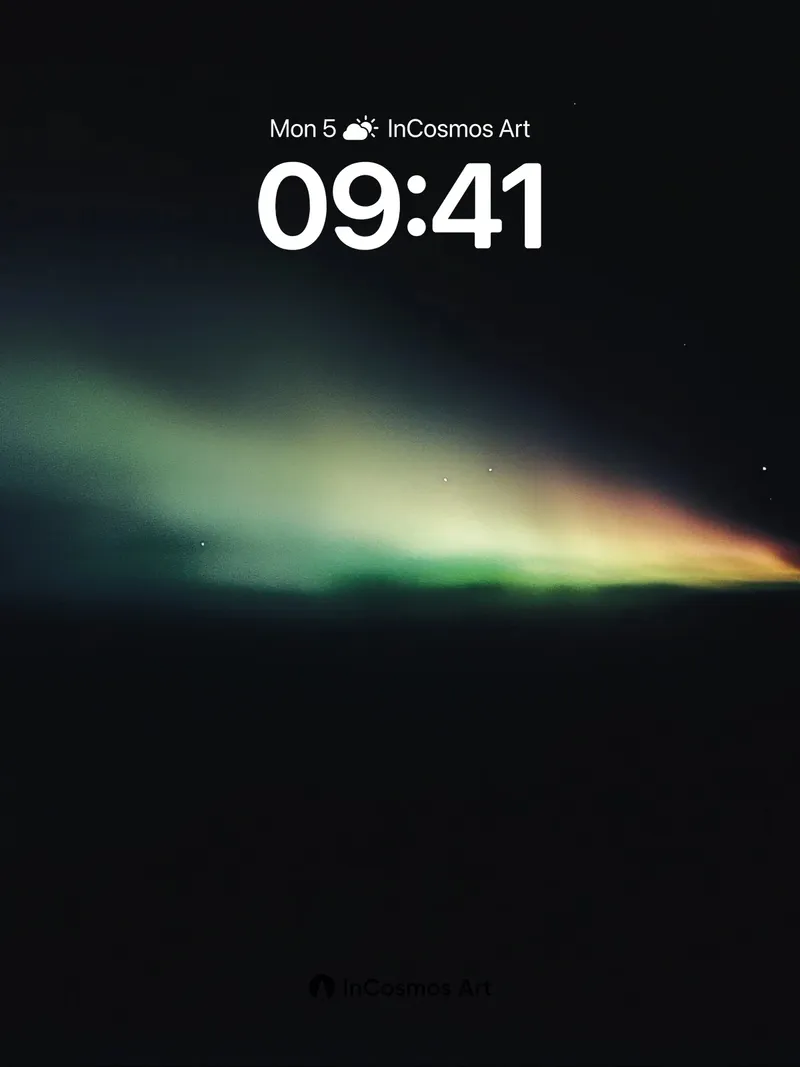
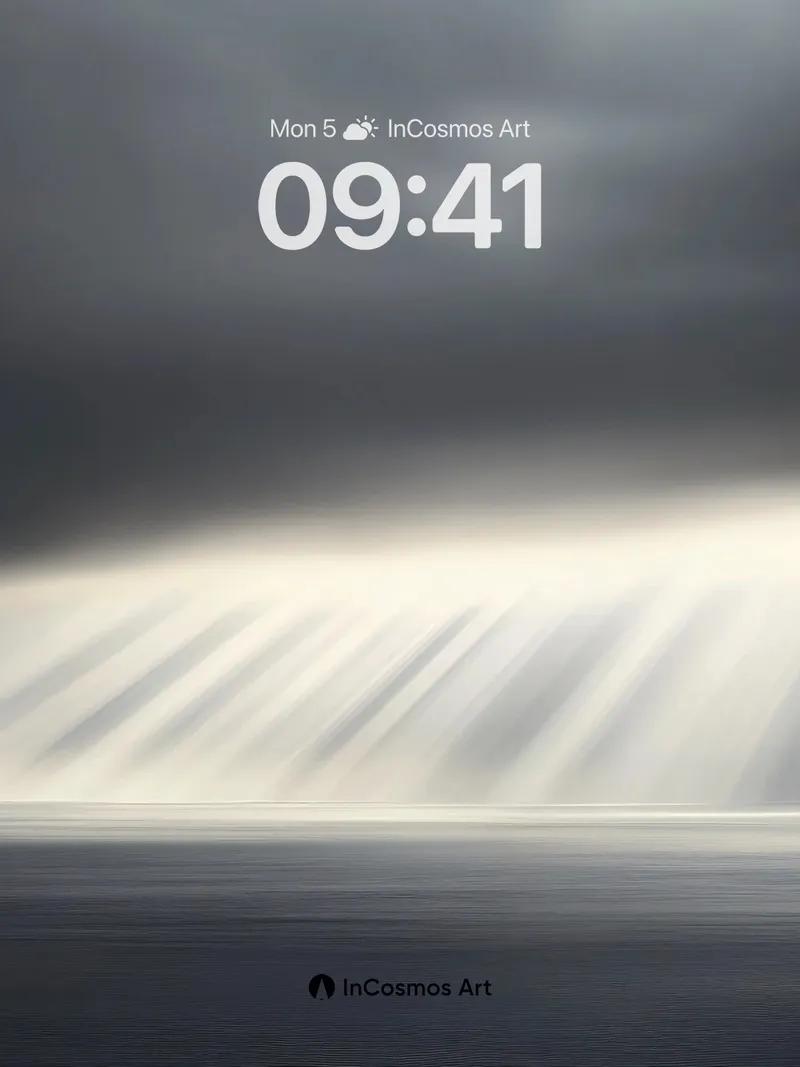
Dusk is not an ending but the final breath of light before it vanishes. It does not announce closure, only leaves behind flowing traces that slowly unfold along the horizon. These traces are not static images but temporal echoes, poetic lines written by nature at a slow pace. They move silently across cities and wilderness, over mountains and water surfaces, blurring everyday boundaries into an ineffable beauty.
Embers of Light
As the sun descends below the horizon, light begins to disintegrate. It no longer strikes directly but fractures into countless spectral bands, refracted, absorbed, and dispersed by the atmosphere. At this moment, color ceases to be mere pigment—it becomes a vessel for emotion. Pink, crimson, lavender-gray intertwine like fragments of an unfinished dream. This chromatic blend is not random; it results from Earth's rotation and atmospheric composition. Language names colors, yet fails to fully convey their emotional weight.
Topography of Feeling
Visual perception is often mistaken for pure sensory input, but it is deeply rooted in cultural and psychological frameworks. Warm hues in twilight evoke belonging, while cool tones bring solitude and contemplation. This response is not individual preference but collective memory. From agrarian societies' reverence for sunset to modern urbanites' romanticization of dusk, color has long regulated human emotional rhythms. When blurred silhouettes and gradient layers appear, viewers instinctively project narratives—waiting, farewell, memory, or hope.
Folds of Time
Motion blur is not a technical flaw but a materialization of time. When a lens captures moving light, it records not a moment but a process. This aligns closely with human experience of time: we cannot fixate on the present, only understand it through the afterglow of memory. Thus, these flowing marks are not just aesthetic phenomena but metaphors for cognition. They remind the observer that existence itself is a continuous transition, not a fixed point.
Nature’s Abstraction
Nature never intends to be art, yet its forms are frequently interpreted as such. Mountain curves, cloud flows, water ripples—none are deliberately designed, yet they possess strong visual order. When these elements appear under specific lighting, they transcend functional meaning and enter symbolic territory. Purple gradients suggest mystery, orange bursts symbolize energy, blue extensions imply infinity. This is not subjective projection but the nervous system’s innate sensitivity to pattern.