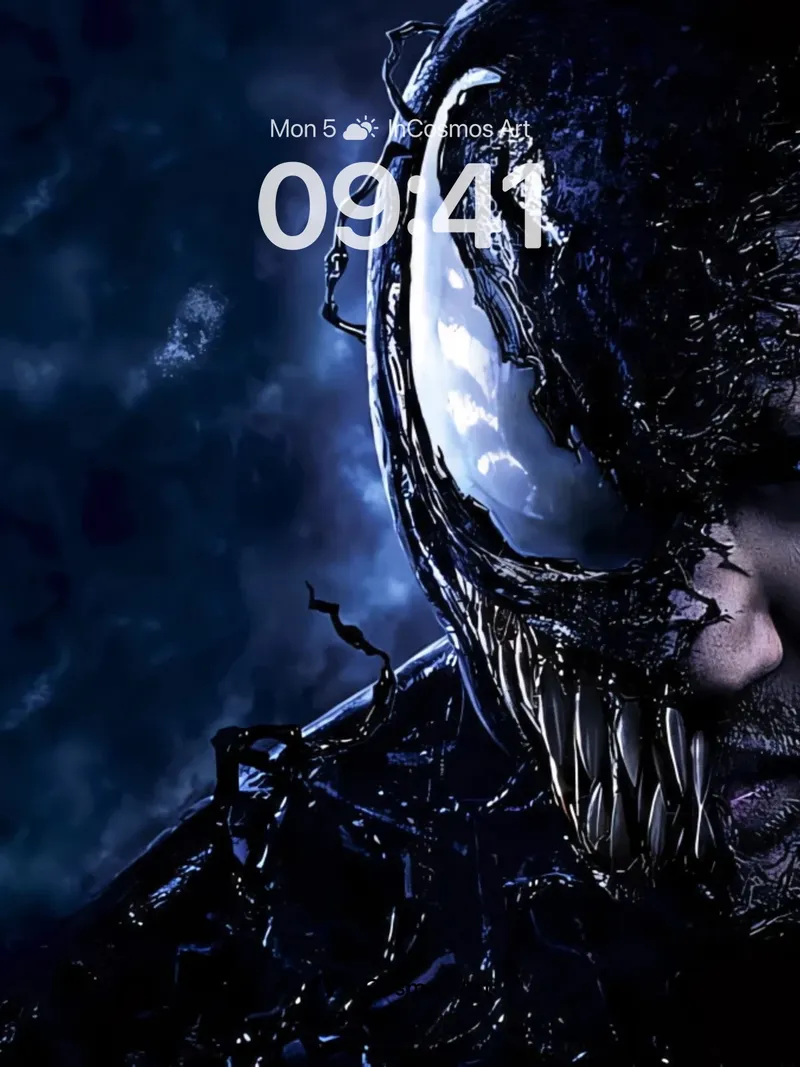
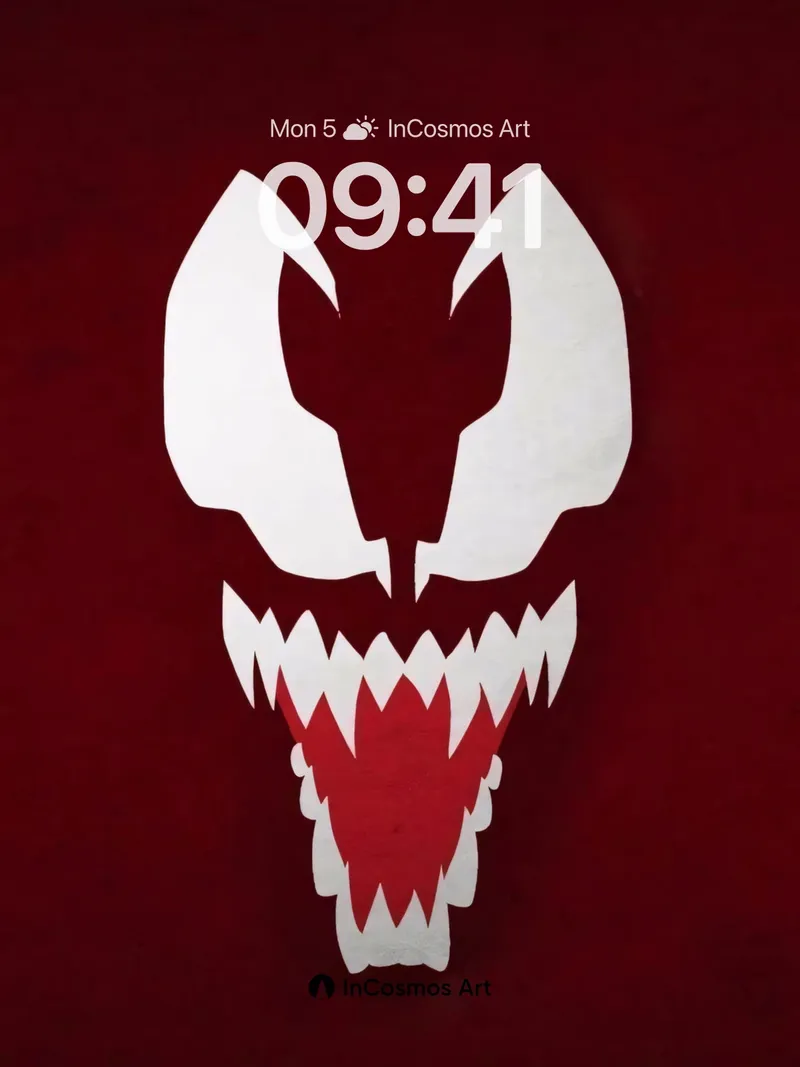
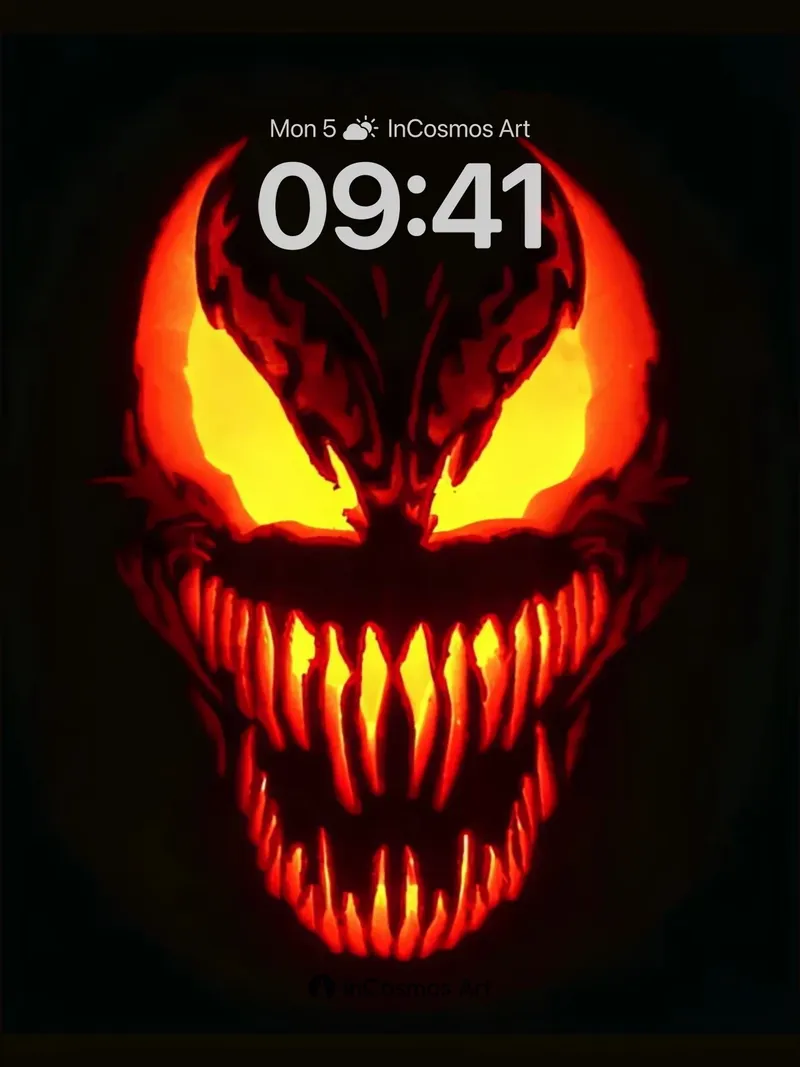
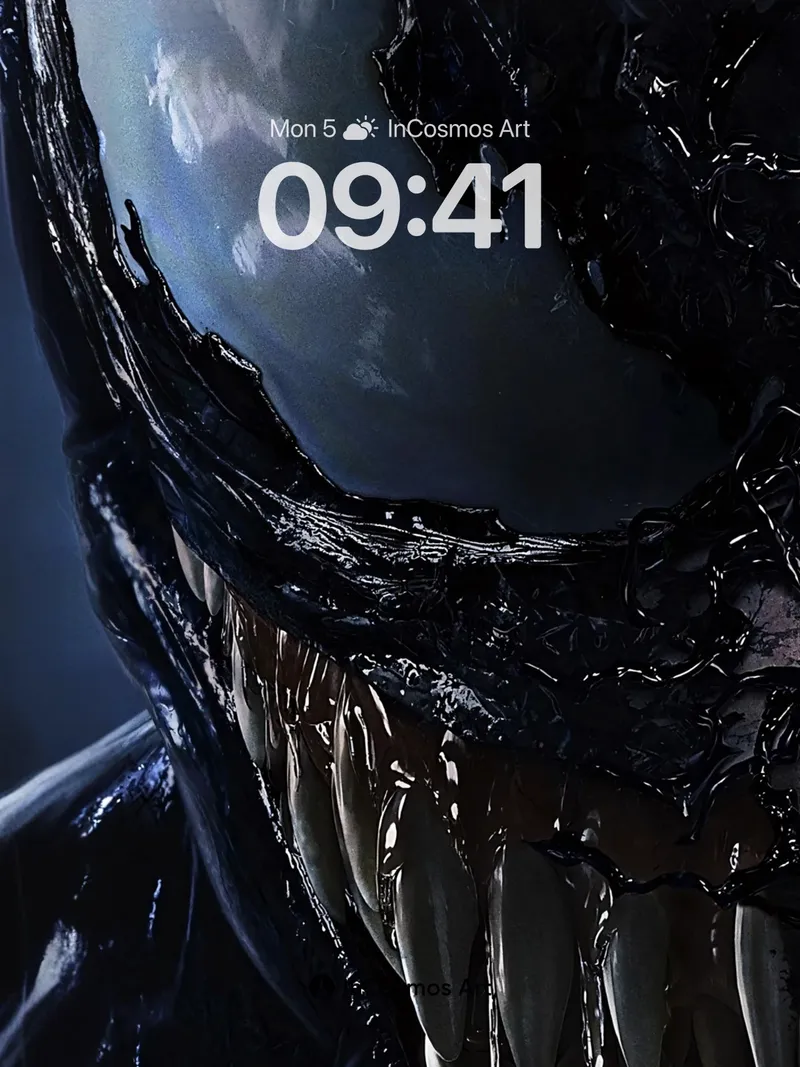
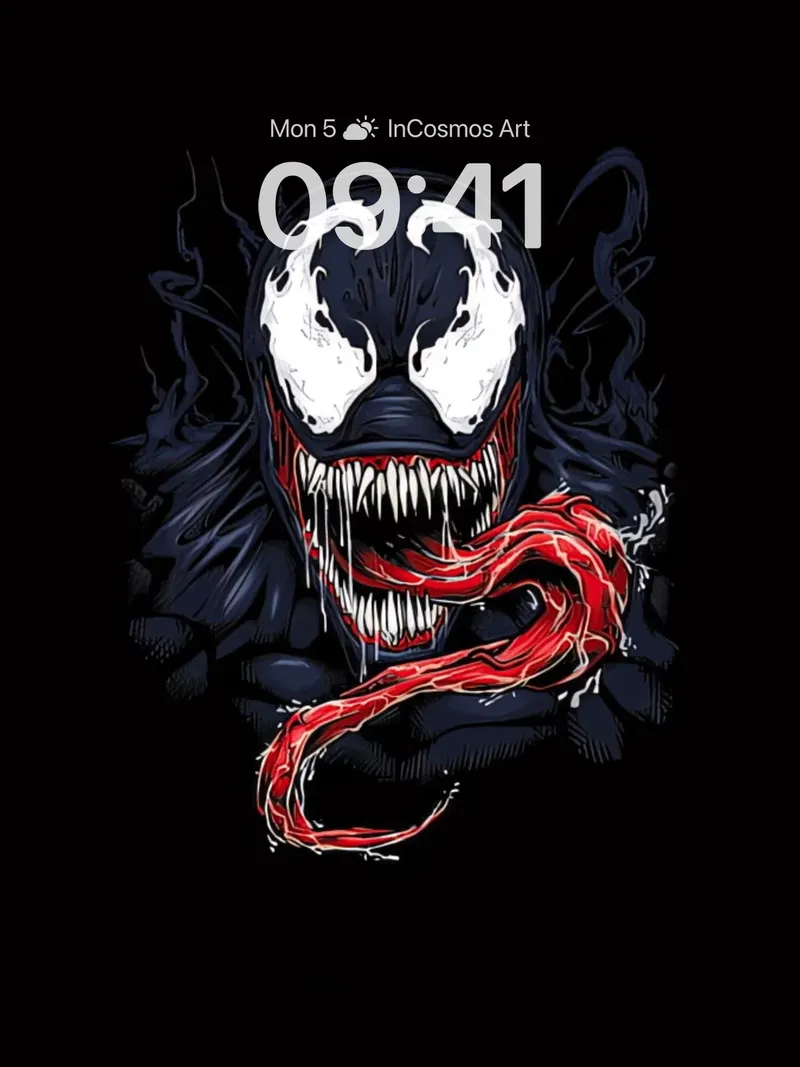
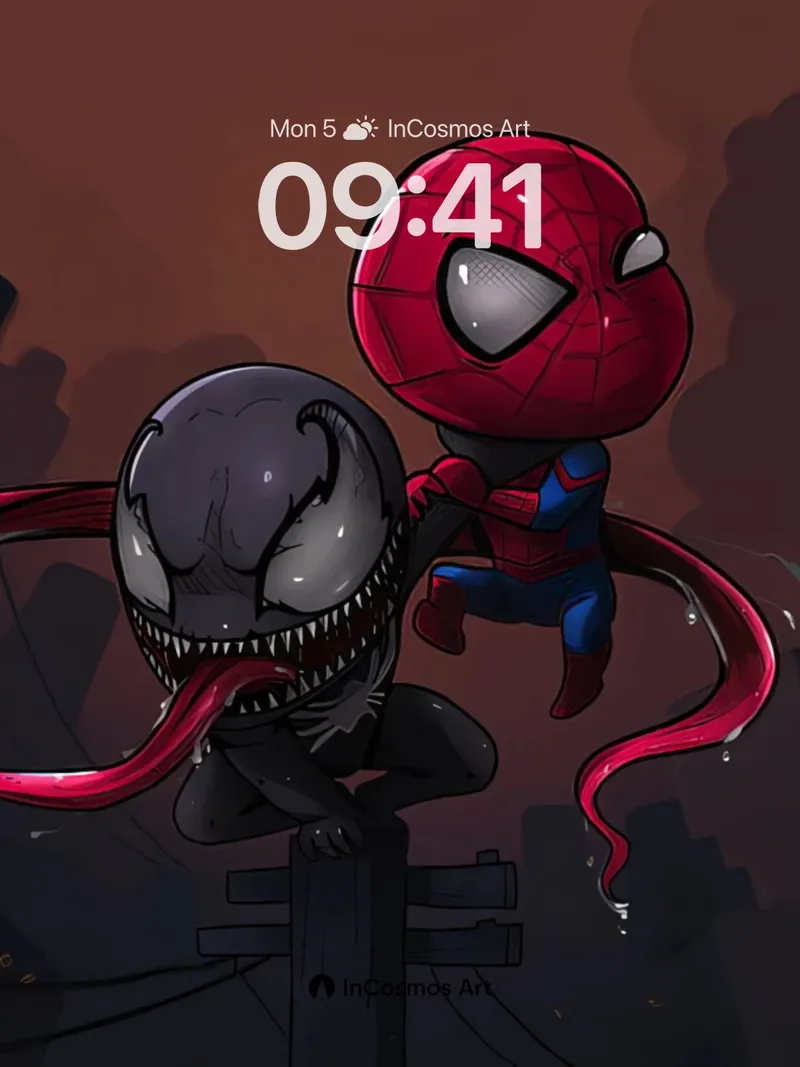
At the edge of urban shadows, two entities coexist in opposition. One is a black form that consumes light, its shape resembling liquid metal, shimmering with ominous red and blue hues, symbolizing the release of primal desires. The other is a weaver of red and blue, embodying order and responsibility. Their relationship transcends simple conflict; it is a deep psychological mirror—one seeking selfhood in darkness, the other struggling with freedom within duty. This dynamic moves beyond good versus evil, entering the labyrinth of identity and psyche. The symbiote is not merely biological; it is a metaphor for modern individual fragmentation. When external rules fail to satisfy inner impulses, personality layers split. Visual symbols gain meaning here—sharp white fangs, glowing outlines, cracked textures—all become concrete expressions of emotion. These elements form an image language that confronts fear while exploring identity.
Identity Reconstruction in Shadow
The symbiote challenges traditional hero narratives. It does not rely on moral labels but defines itself through instinct. Its form constantly shifts, like a soul deforming under pressure. Each transformation poses the question 'Who am I?' Under extreme conditions, human consciousness merges with alien life, creating new cognitive patterns. This is not evolution but a shift in existential state. Darkness is no longer mere background—it becomes a medium shaping subjectivity. It allows repressed impulses to surface, forcing reason to reassess boundaries.
Visual Poetry of Opposition and Symbiosis
Design reaches its peak. Black, white, and red create stark contrast, symbolizing conflict and balance. Lines are rough yet rhythmic, tracing heartbeat patterns. Masked faces reduce to geometric forms yet convey complex emotions. Eyes are central symbols—empty, bright, threatening—both windows into observation and abysses of being observed. This visual strategy removes characters from context, transforming them into universal psychological totems. Viewers no longer just watch a story; they participate in a ritual of self-recognition.
Modern Allegory Beyond Heroes
Contemporary culture increasingly complicates heroic figures. Absolute justice or evil gives way to multiple identities and contradictory motives. The interaction between Venom and Spider-Man reflects real societal dilemmas: how to balance norms with the self? When systems fail to offer belonging, alienation becomes normal. The symbiote’s emergence is a manifestation of this imbalance. Its power stems from chaos; its vulnerability lies in the need for connection. This reveals a paradox: the strongest beings often crave linkage most deeply.
Nonlinear Expression of Emotion
Art form breaks narrative limits here. Static images carry dynamic tension; silence holds explosion. Color ceases to be decoration—it becomes emotional carrier. Red signifies passion and danger, blue implies calm and control, black is the vessel of the unknown. Their collision forms a psychological symphony. Viewers are invited into a wordless world, where they identify their own fears, longings, and struggles.