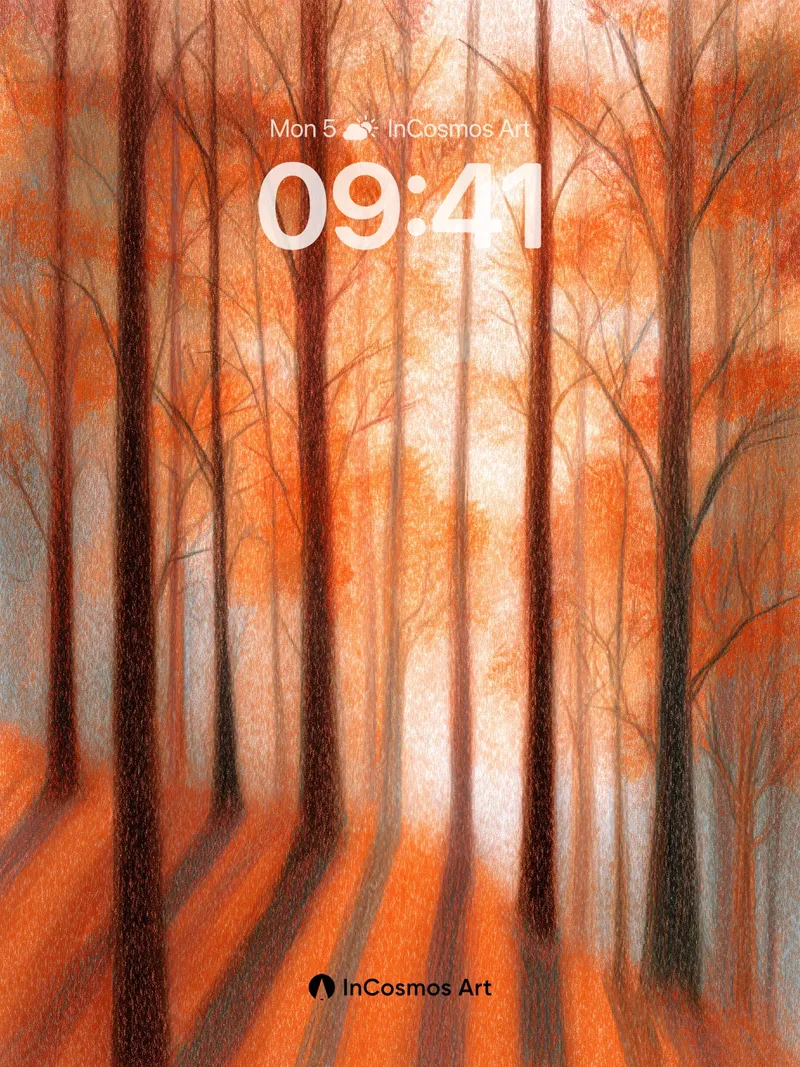
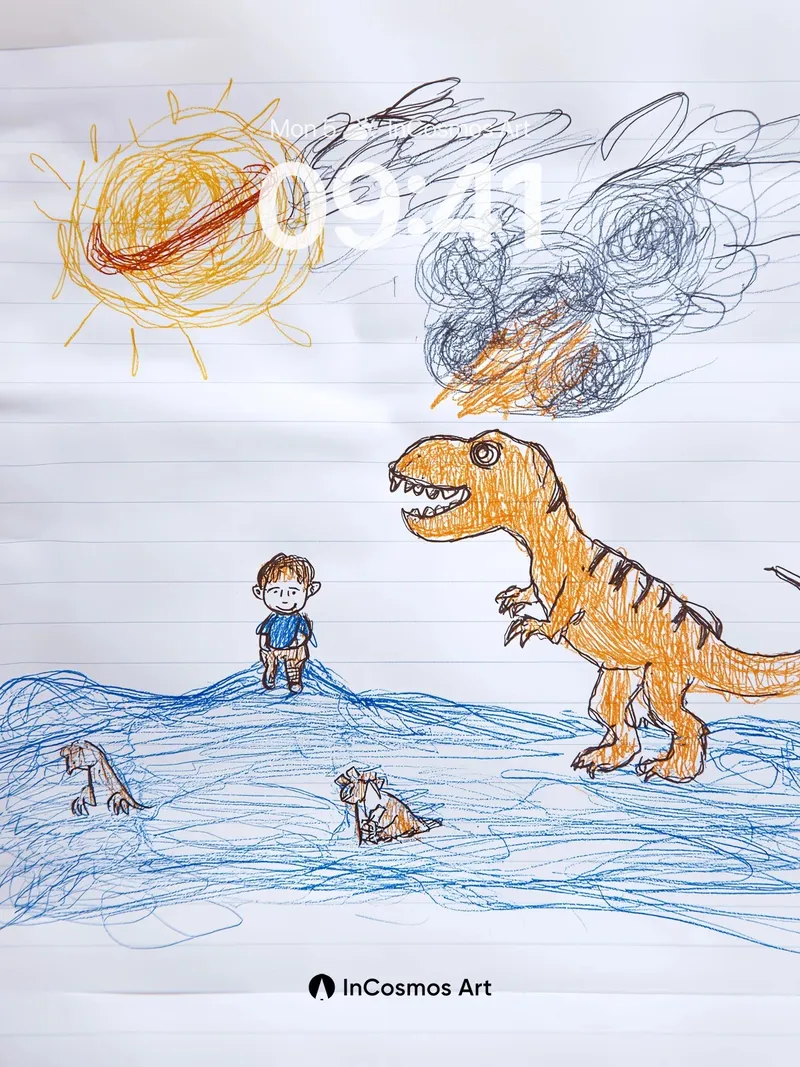
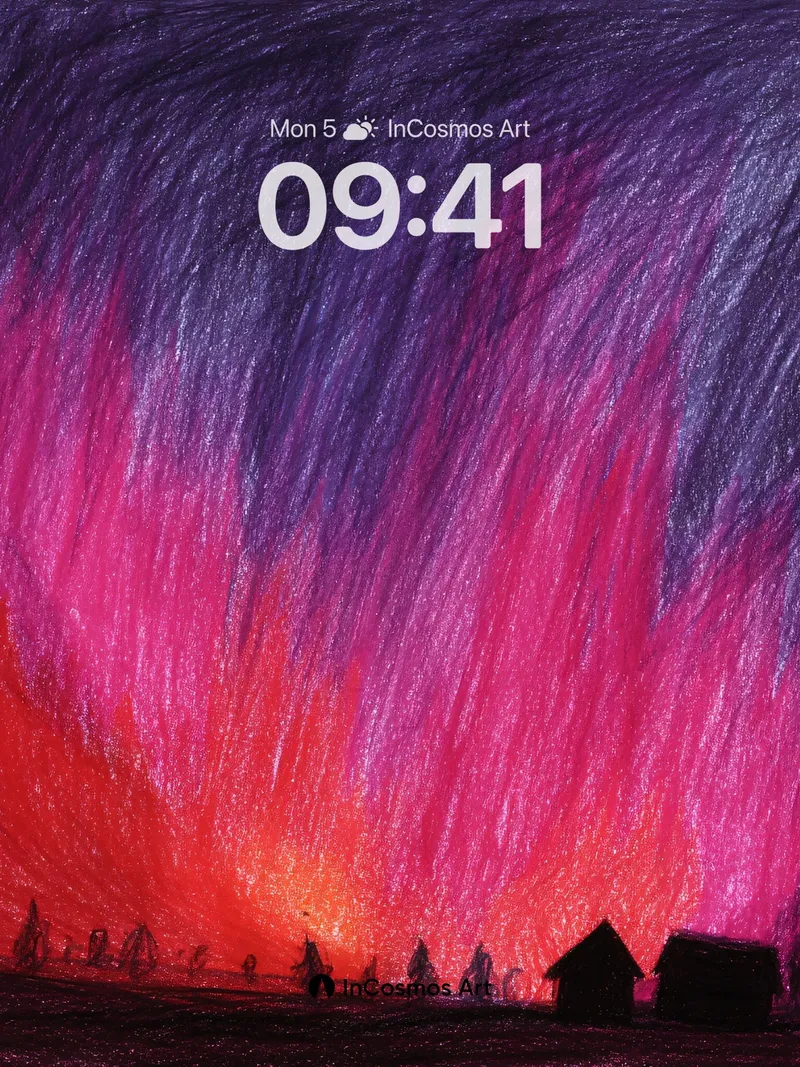
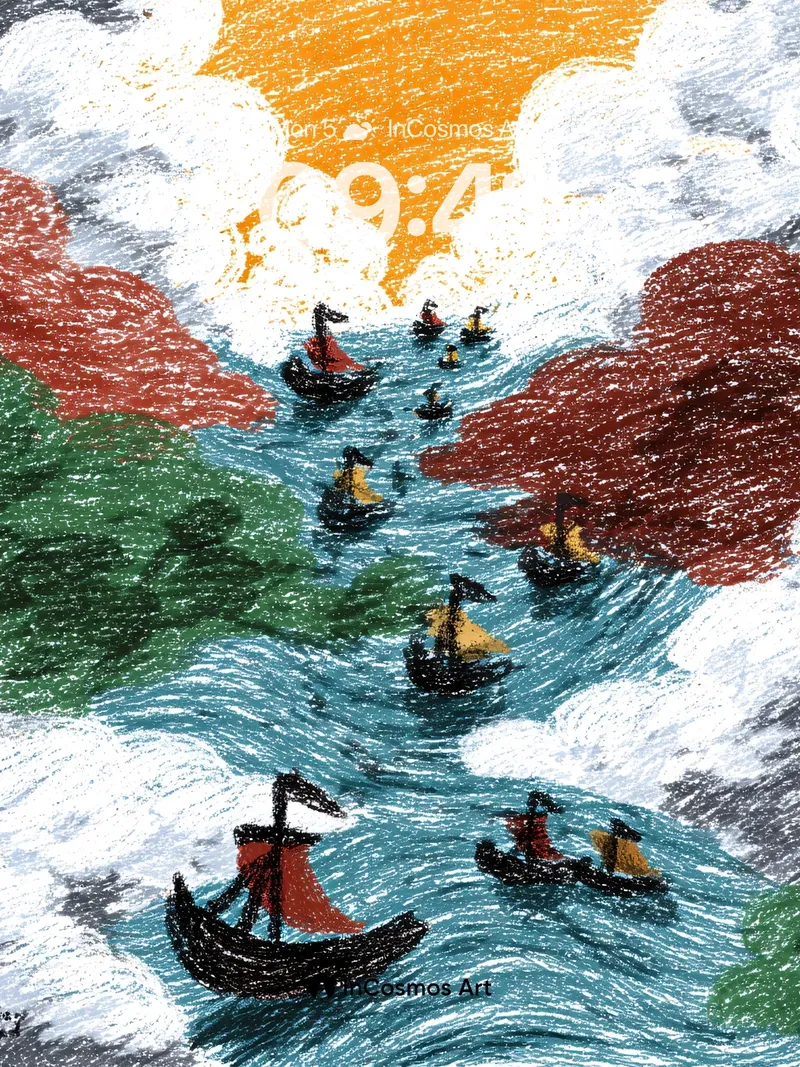
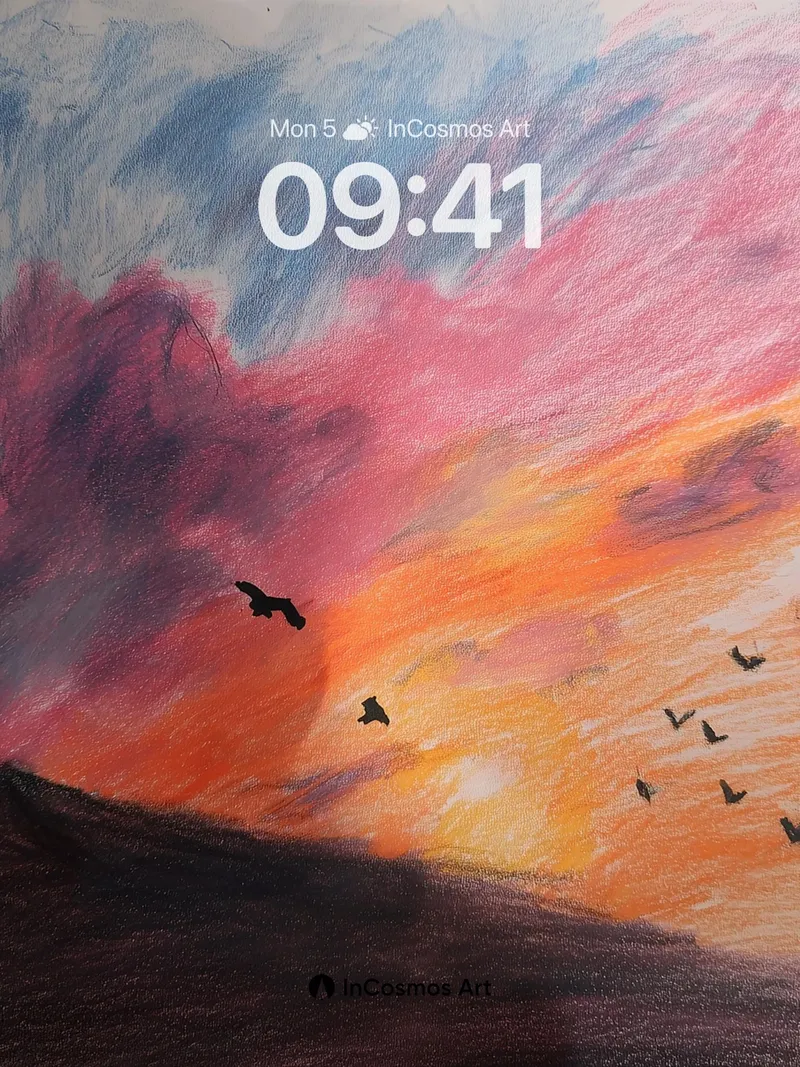
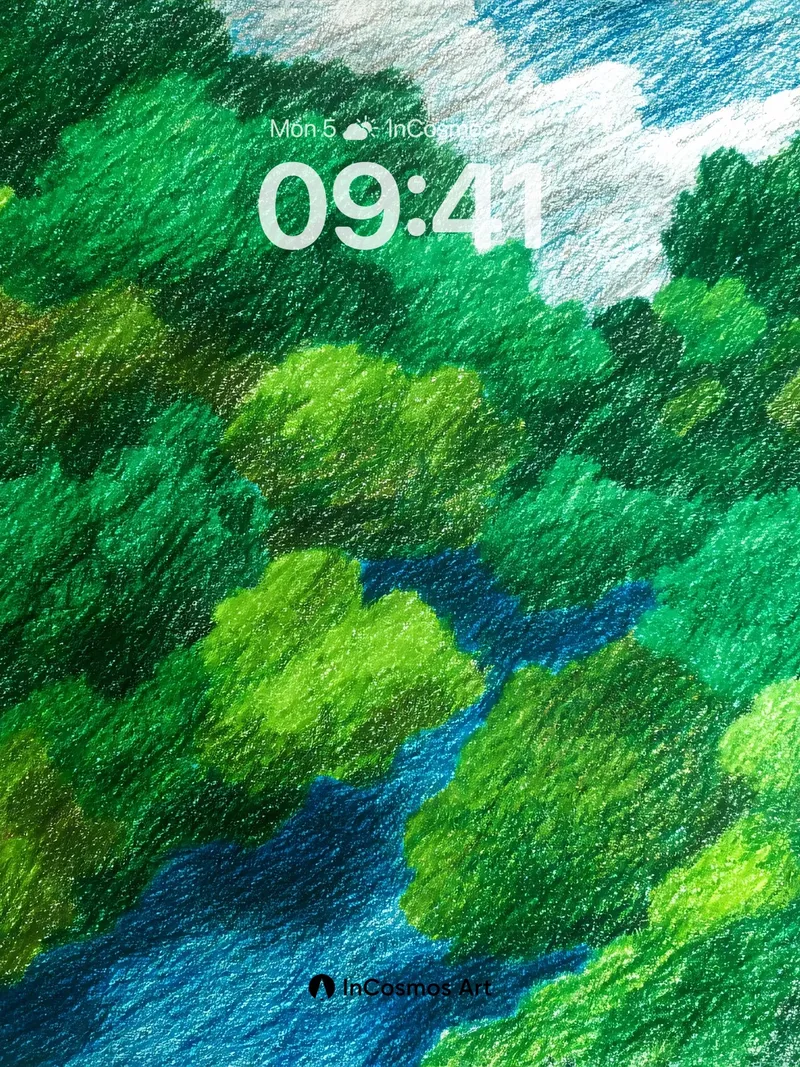
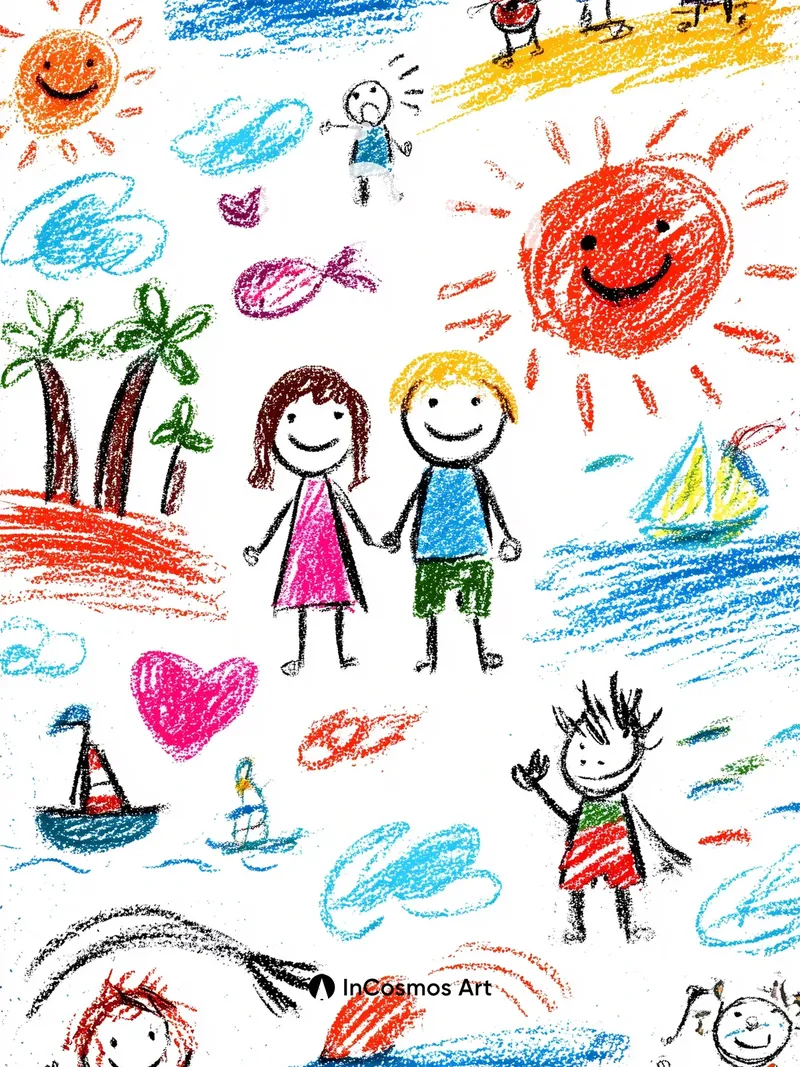
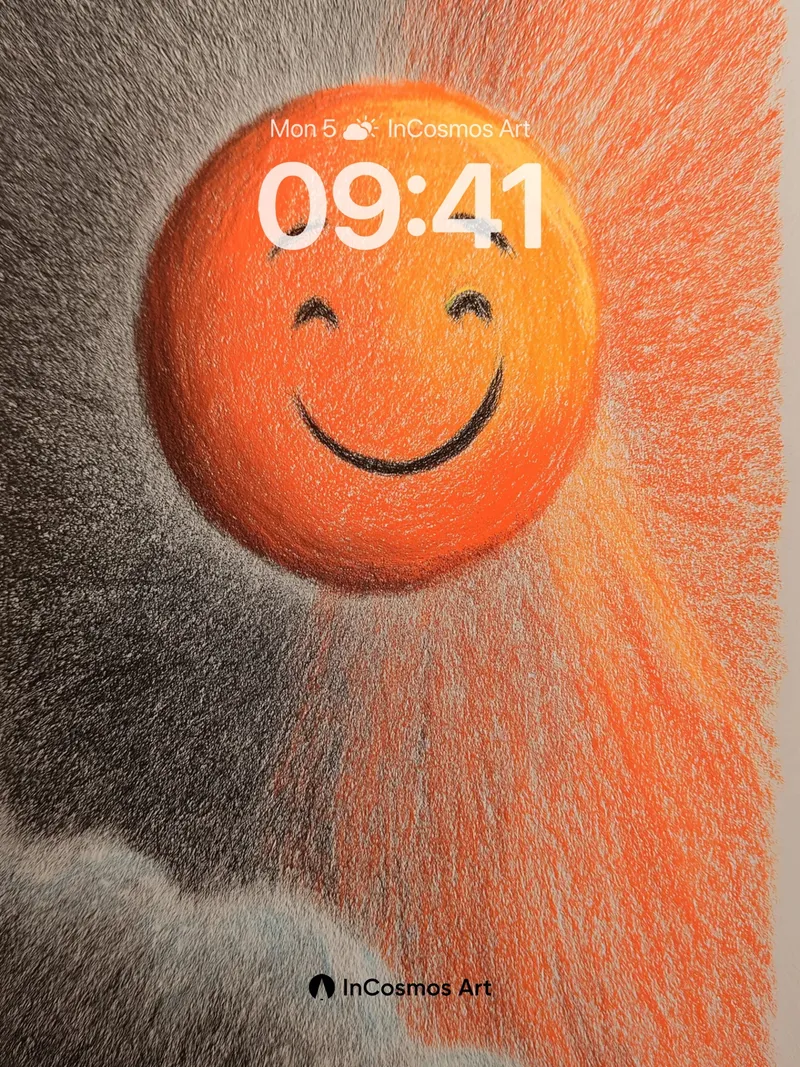
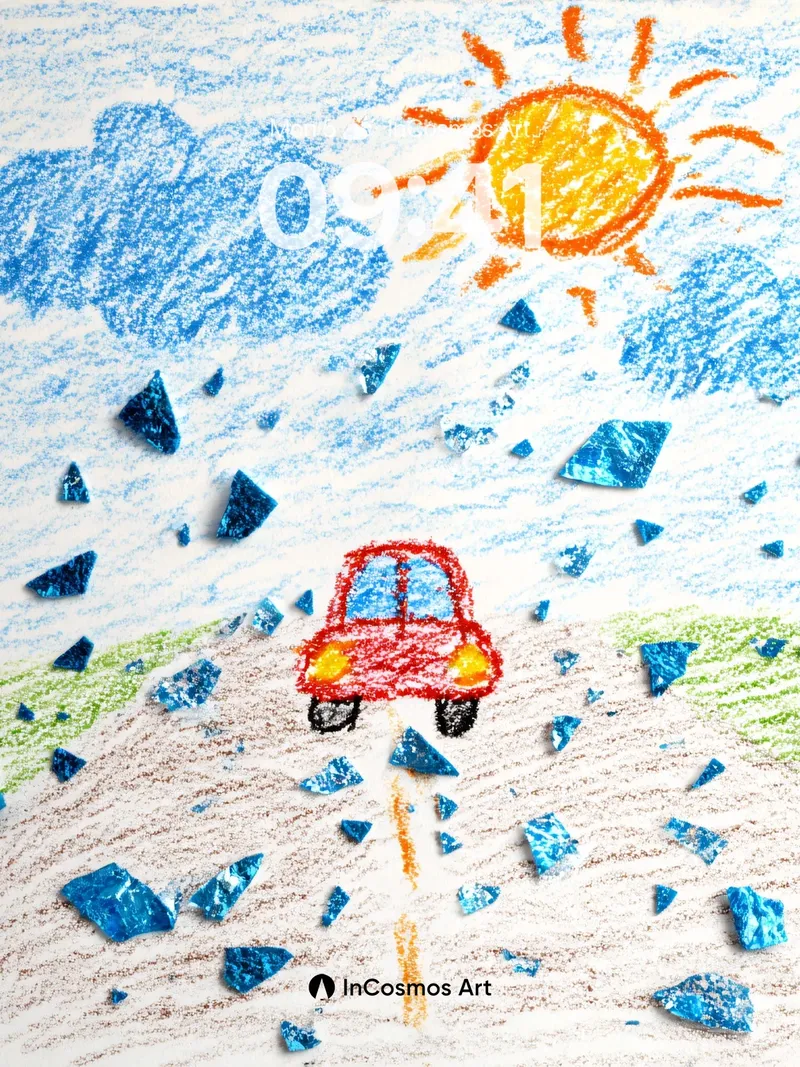
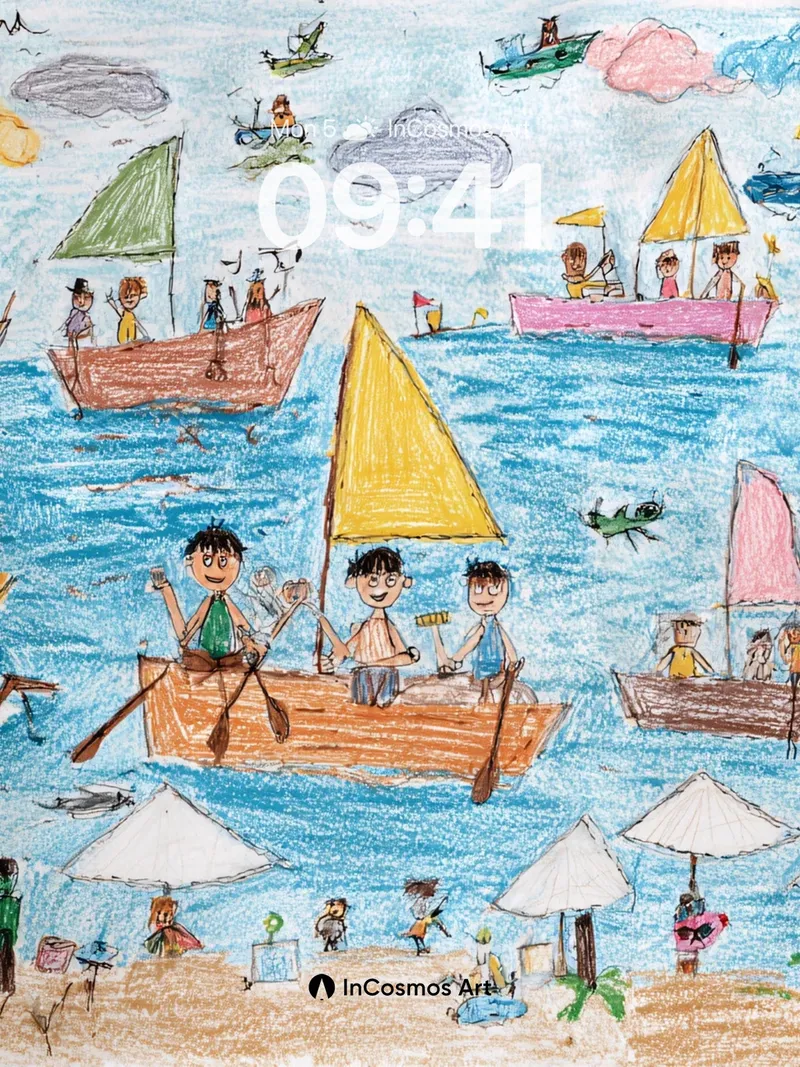
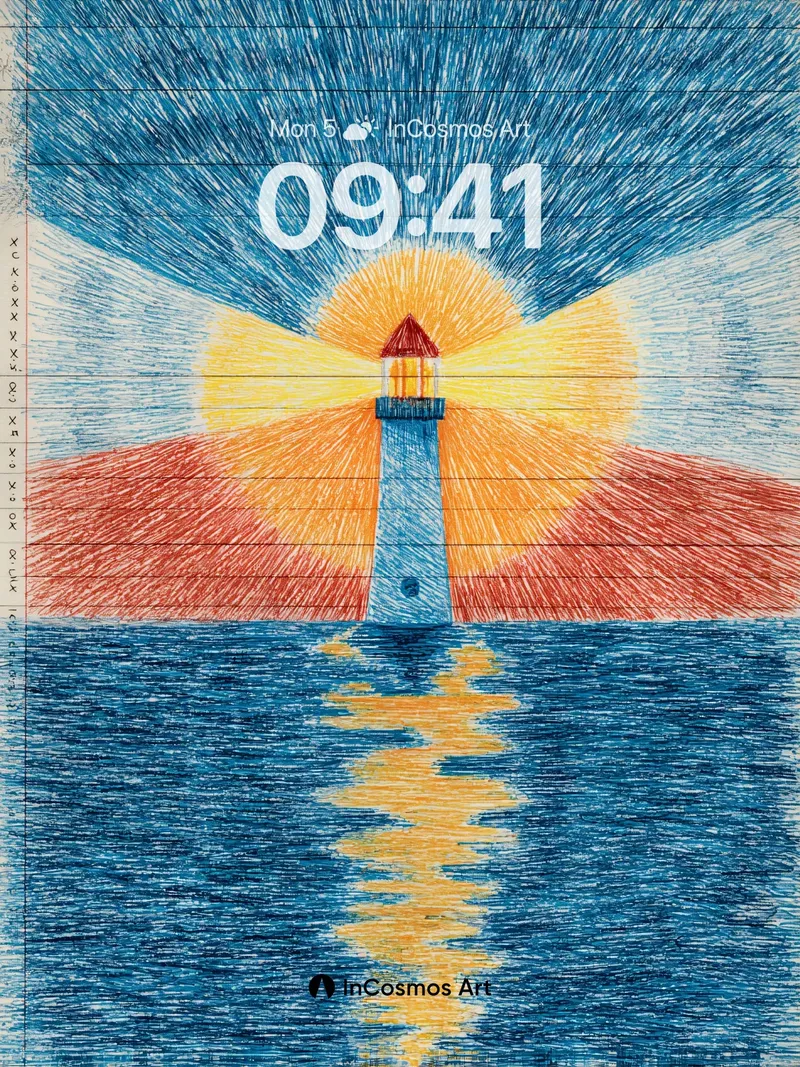
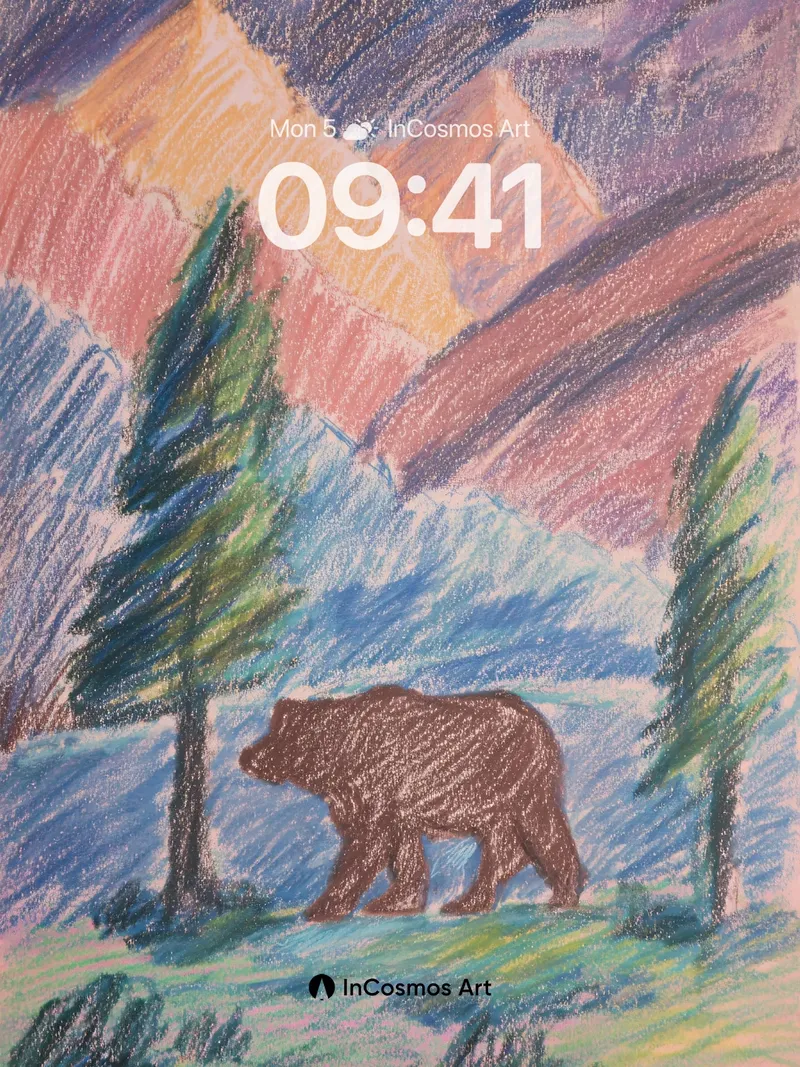
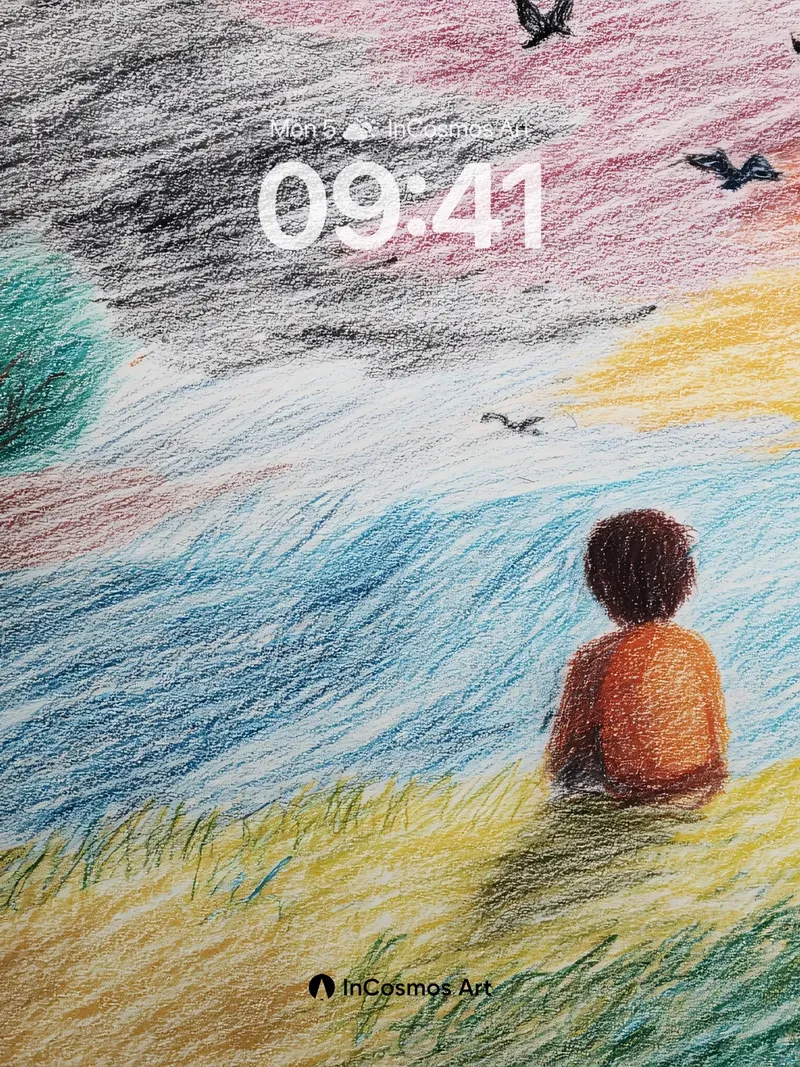
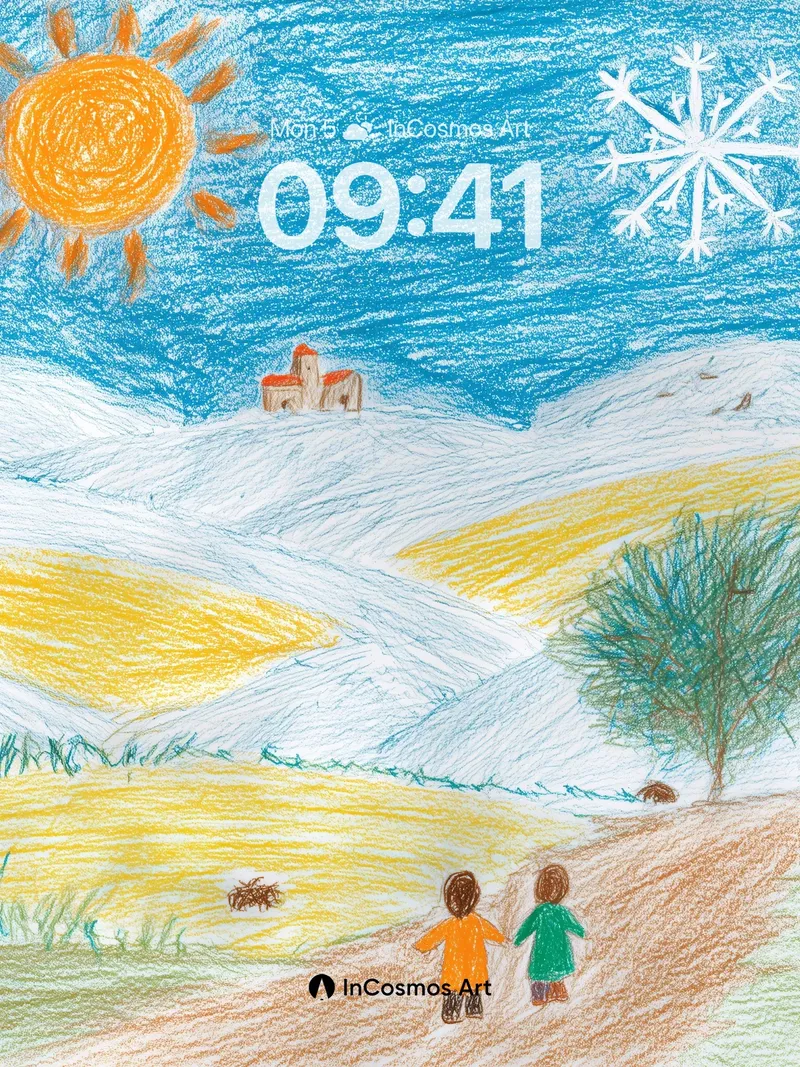
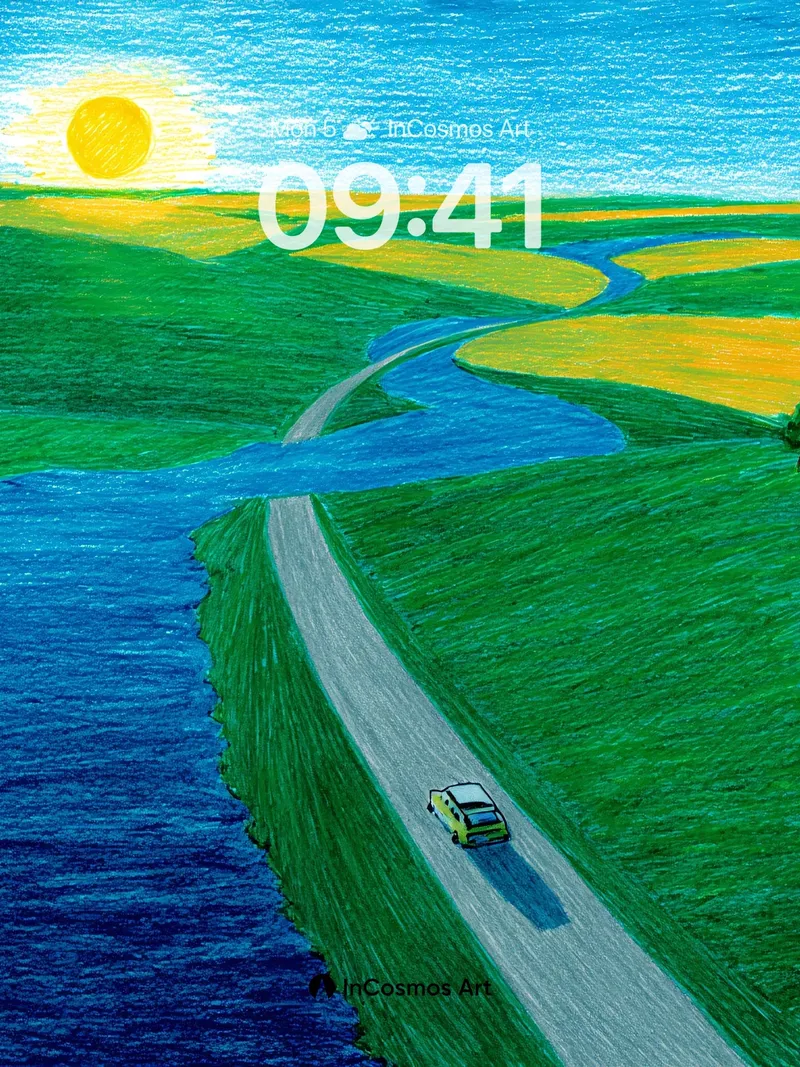
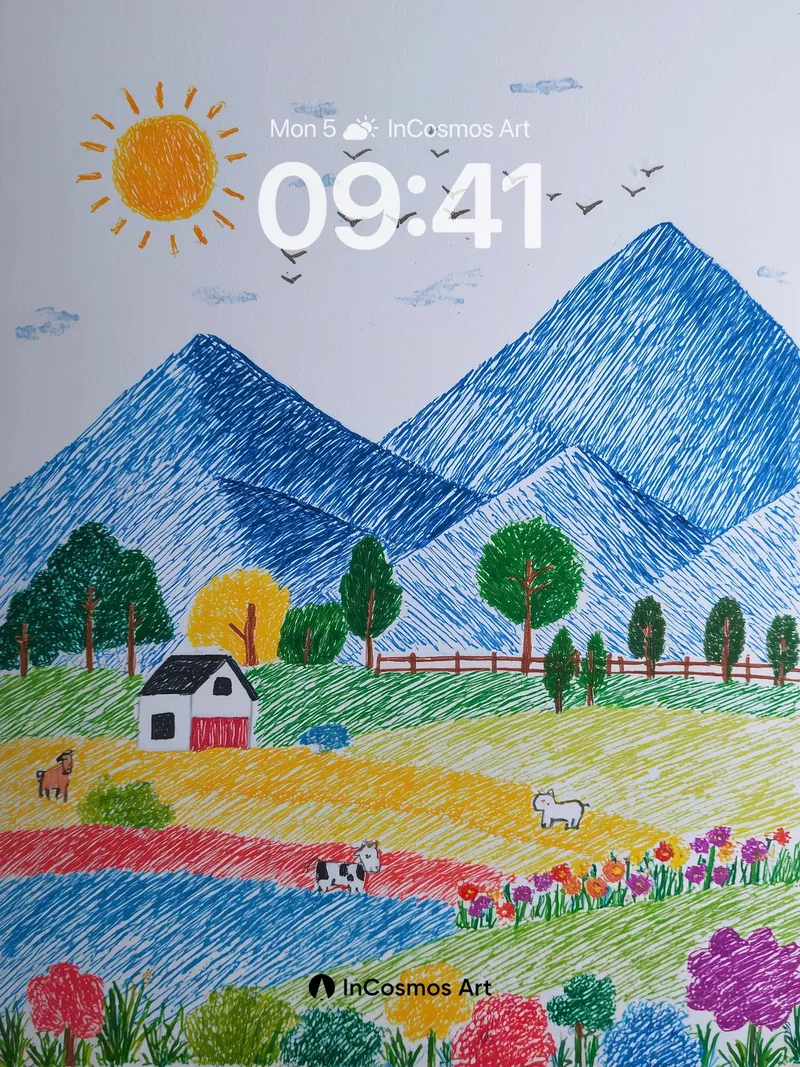
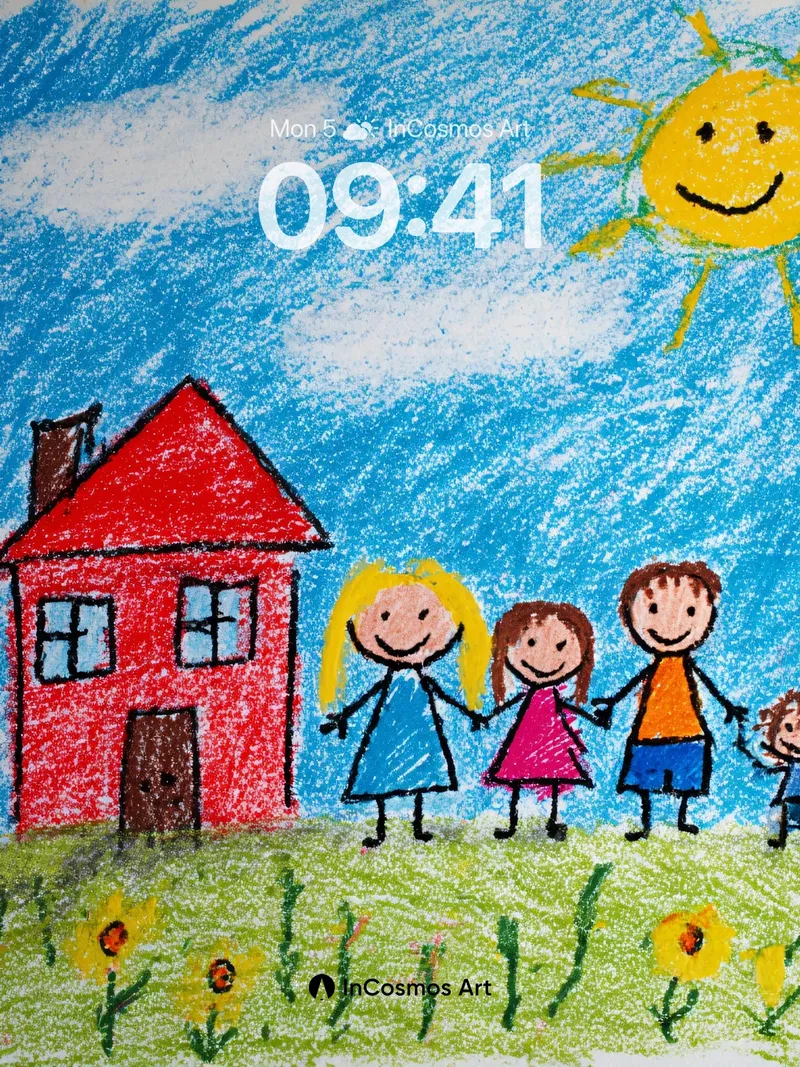
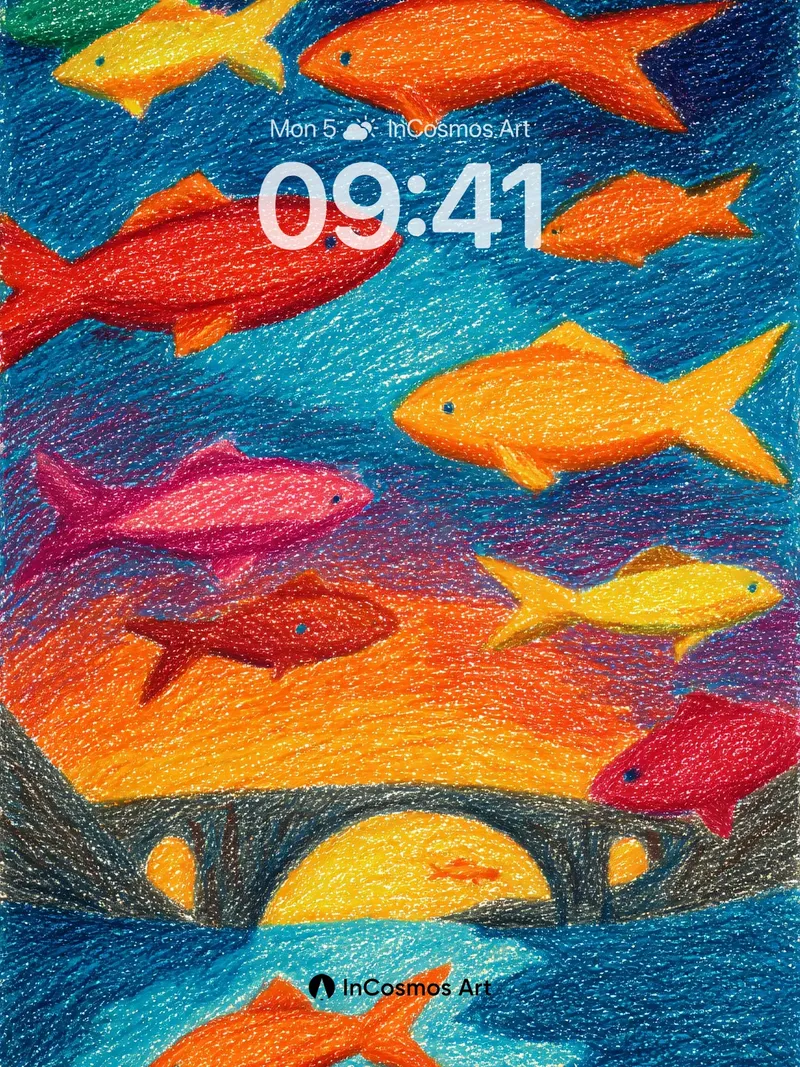
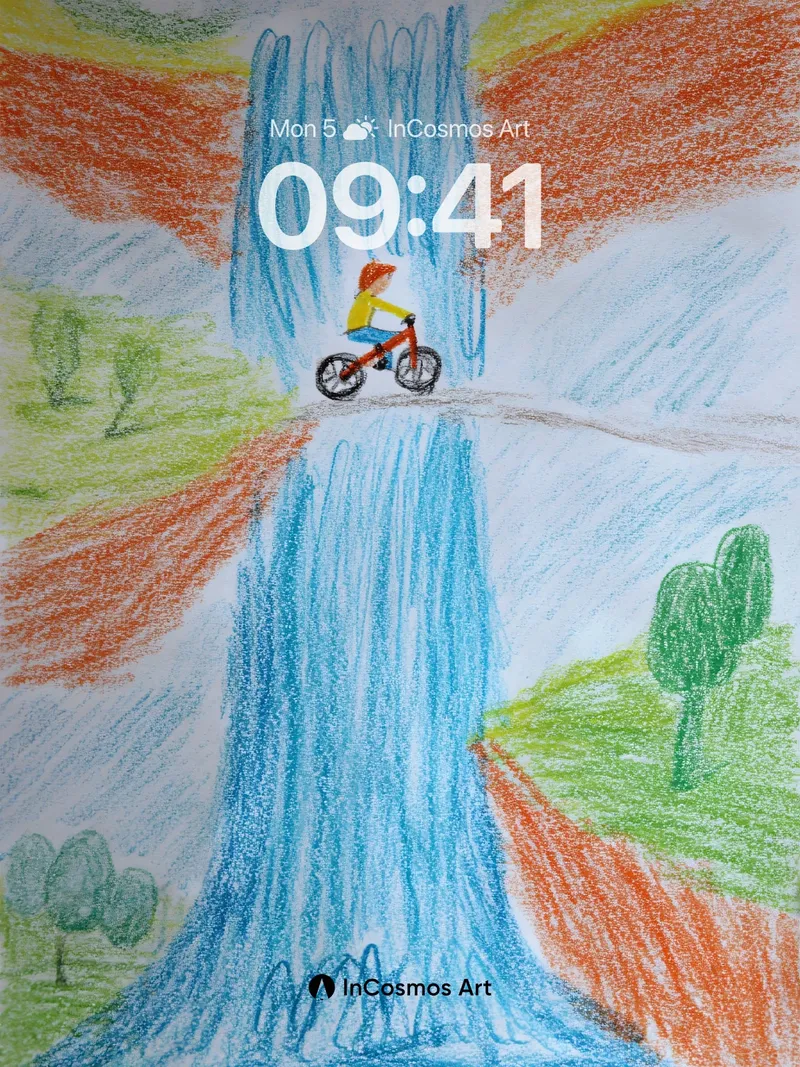
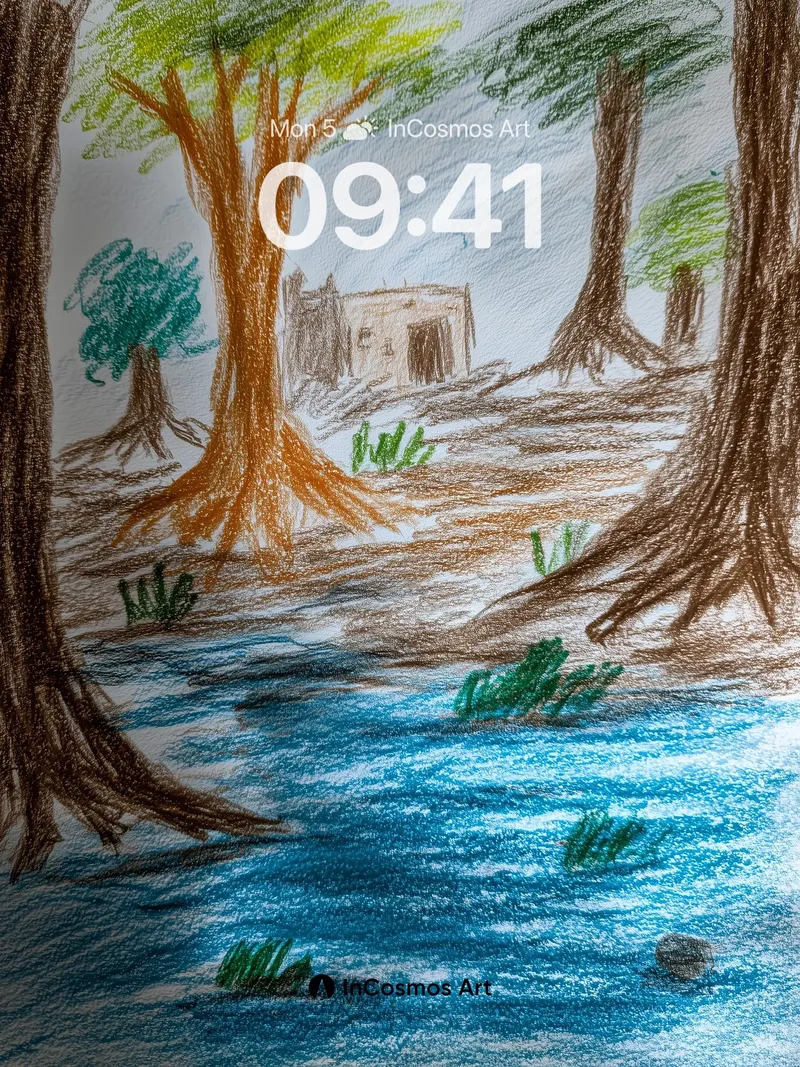
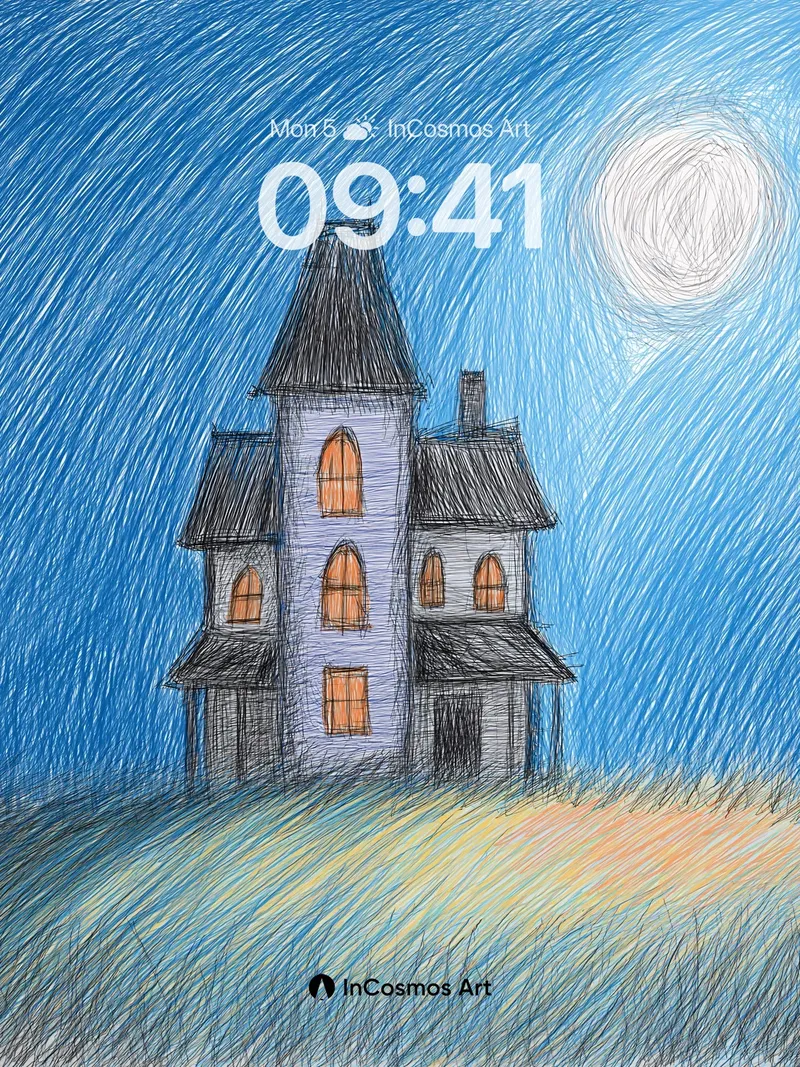
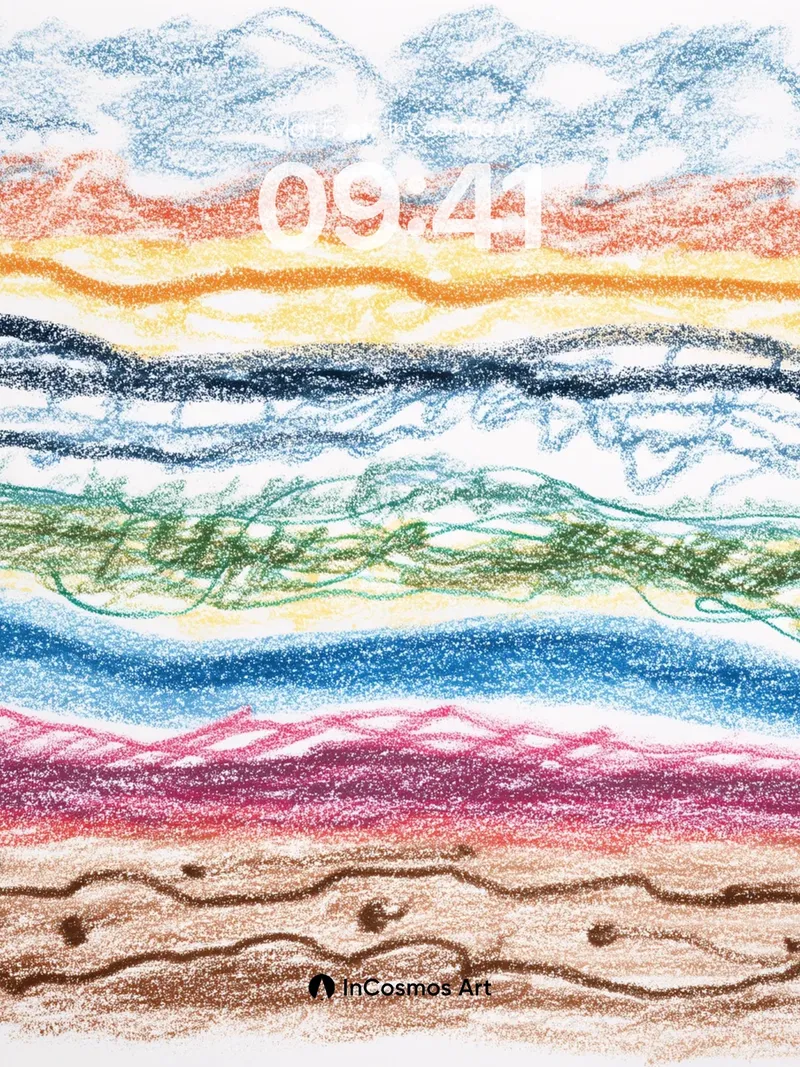
Beyond the structured world of adults, children's strokes reconstruct reality with boundless logic. Lines defy convention, colors resist blending, each mark a direct projection of primal perception. In these scenes, fish swim through rainbow rivers, bridges span waterfalls, dinosaurs share space with humans, suns smile, and whales leap from seas. These are not imitations of nature but tangible expressions of emotion and fantasy. Children's creations lack predefined themes yet hold the most authentic social observations—they use color to define space, symbols to establish relationships, and motion to narrate stories.
Color as Language
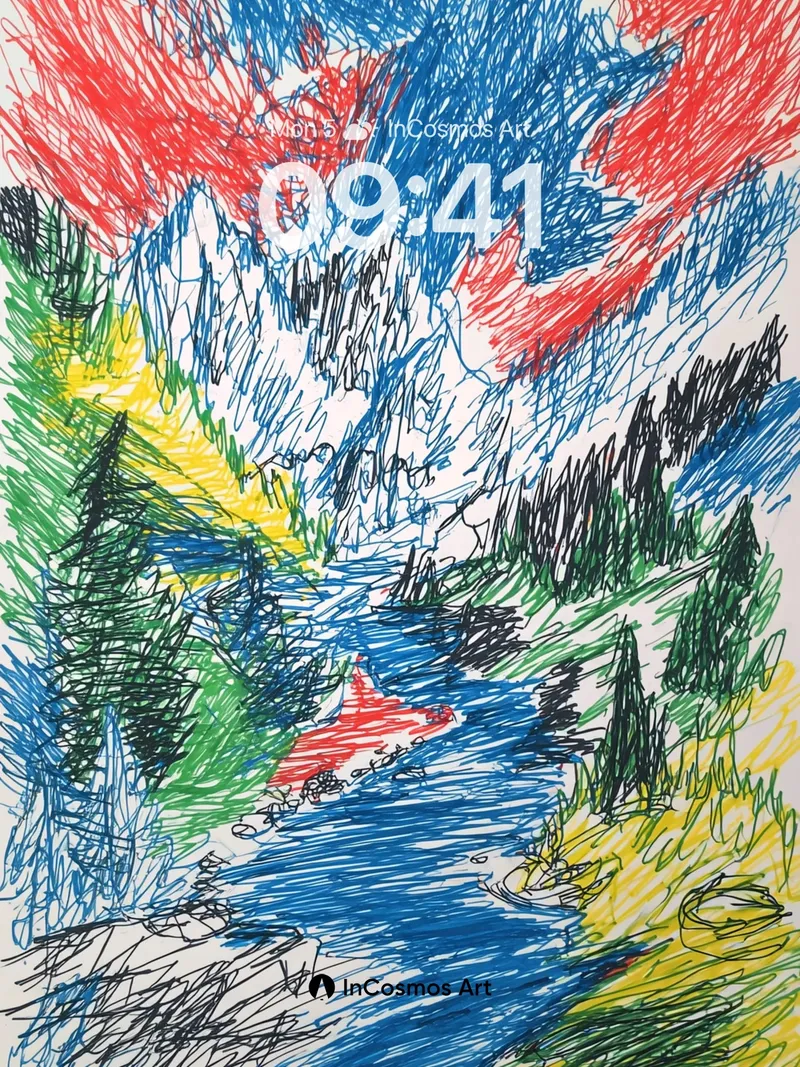
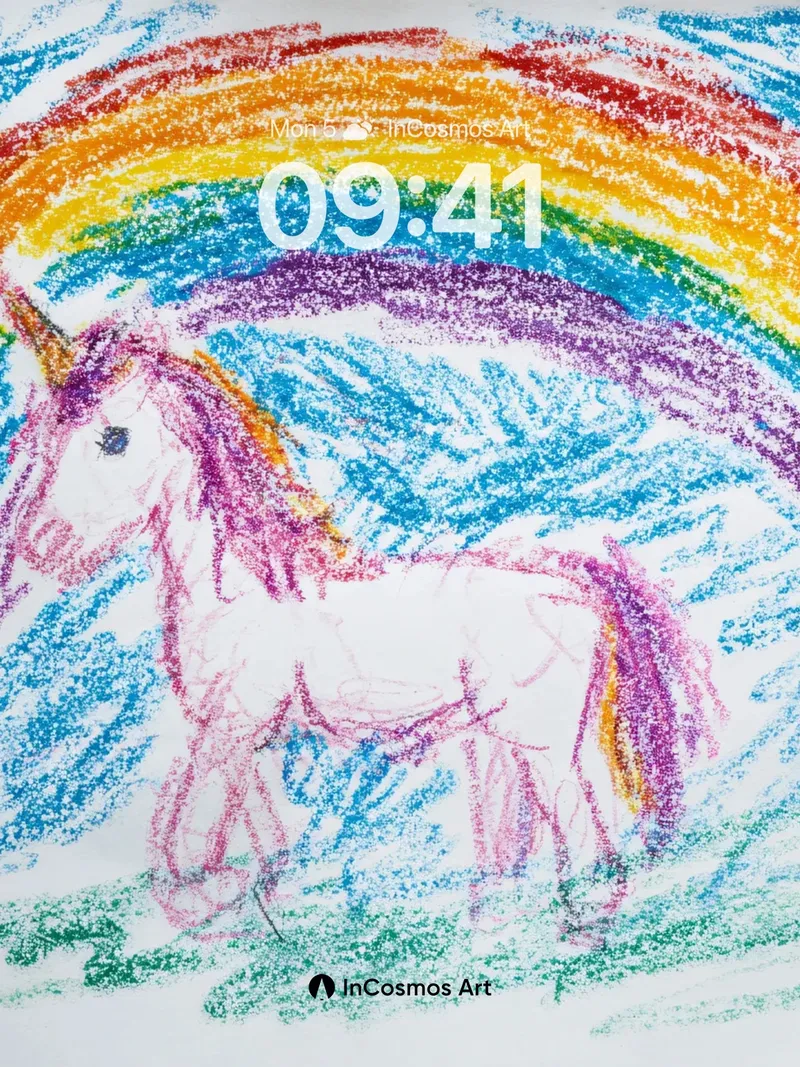
Color in children's drawings is not decoration but meaning itself. Red signifies intensity or danger, blue represents calm or depth, yellow embodies light and hope. When a red fish moves through blue water, it is not merely visual contrast but an emotional metaphor. The juxtaposition of hues creates rhythm, like untrained melodies yet possessing inner harmony. This irrational combination reveals early cognitive patterns—wholes precede parts, feeling precedes logic.
The Boundaries of Imagination
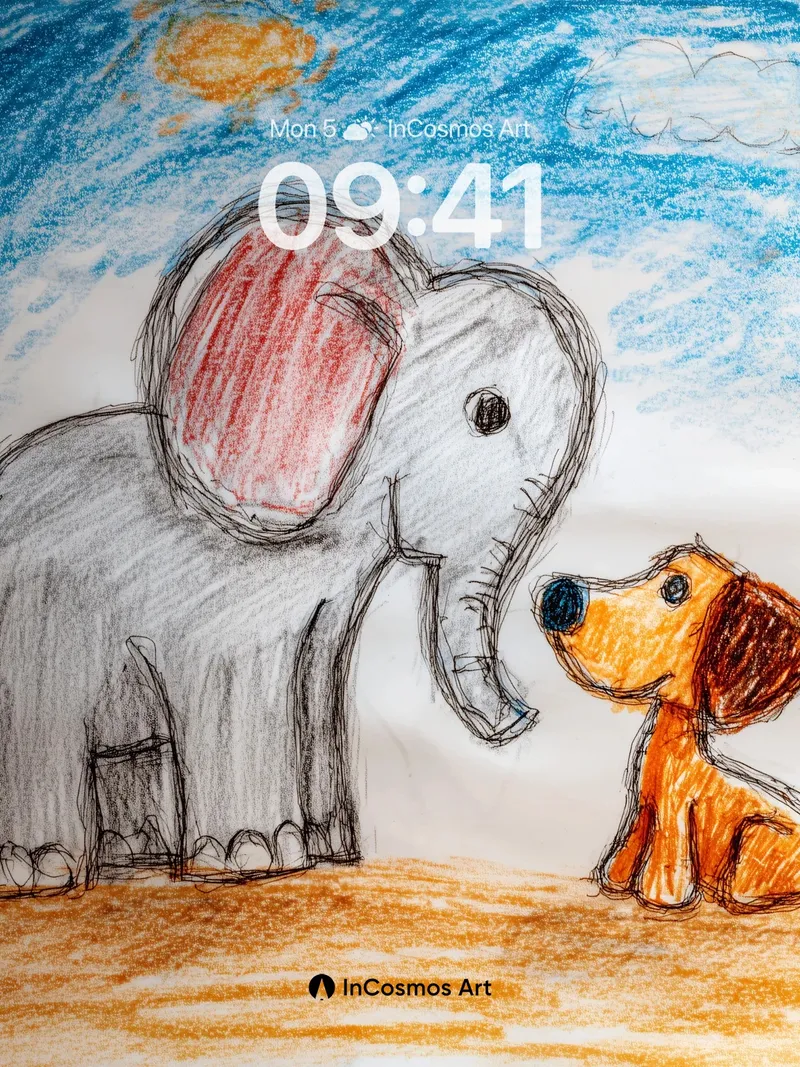
The worlds on paper know no physical laws. Bicycles ride atop waterfalls, meteorites burn in skies, giant beasts converse eye-to-eye with children. These surreal scenes are not chaos but manifestations of cognitive freedom. Children, untrained by social norms, engage massive entities as equals. This fearless perspective is precisely the courage missing from adult life. They transform fear into companionship, turning the unknown into playgrounds.
Miniature Models of Social Structure
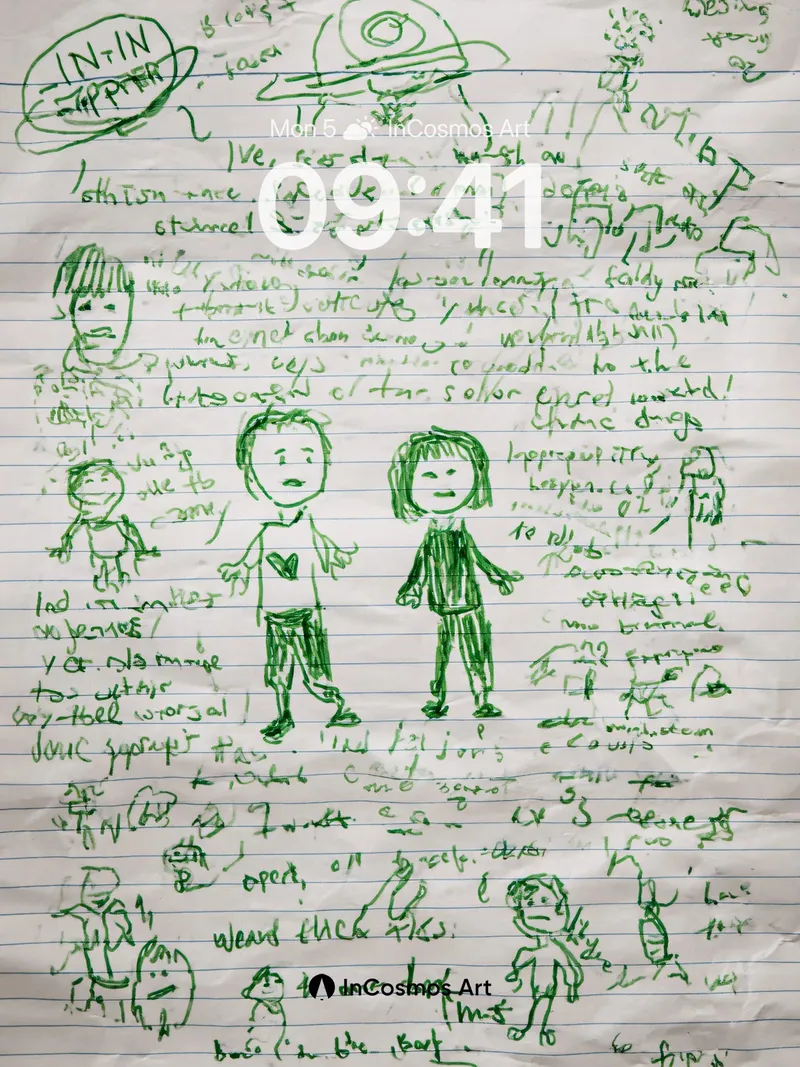
Though seemingly random, these drawings contain nascent social forms. Figures hold hands, face off, or observe. A bridge connects shores, symbolizing communication; the sun hovers high, suggesting authority. Children build order through images, simulating interactions between family, groups, and environments. Their small world fully contains basic social units—belonging, competition, cooperation. This spontaneous construction surpasses any textbook in reflecting human instinctual organization.