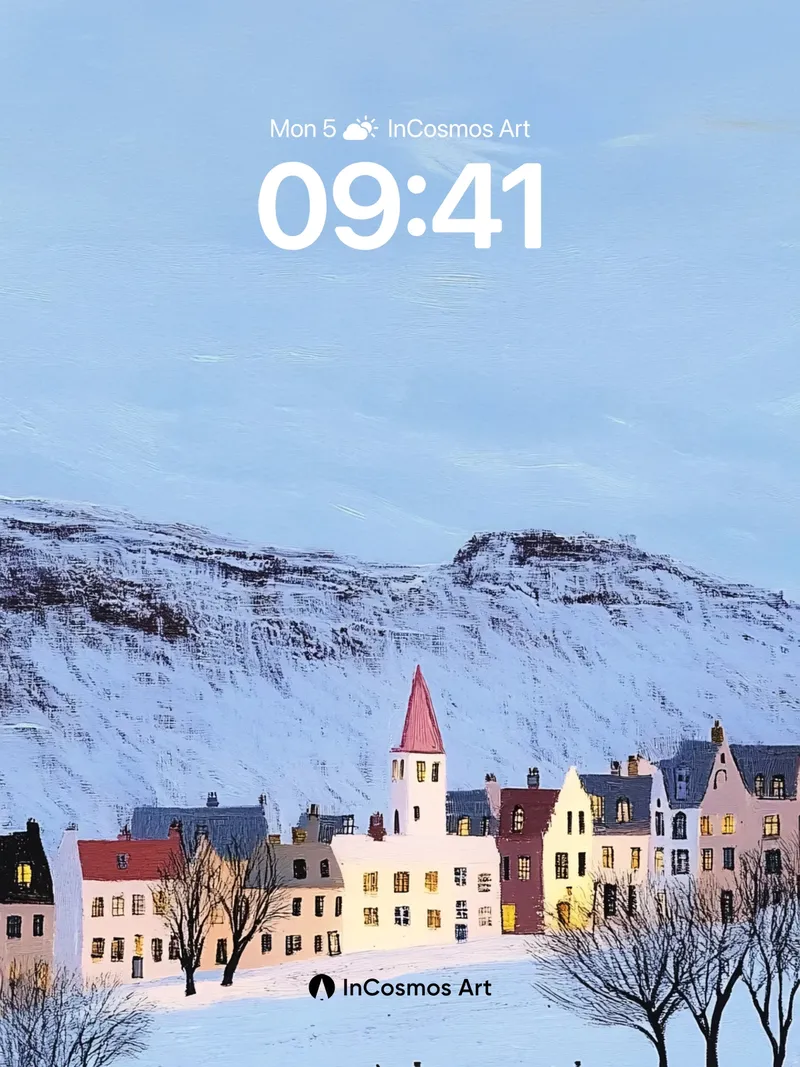
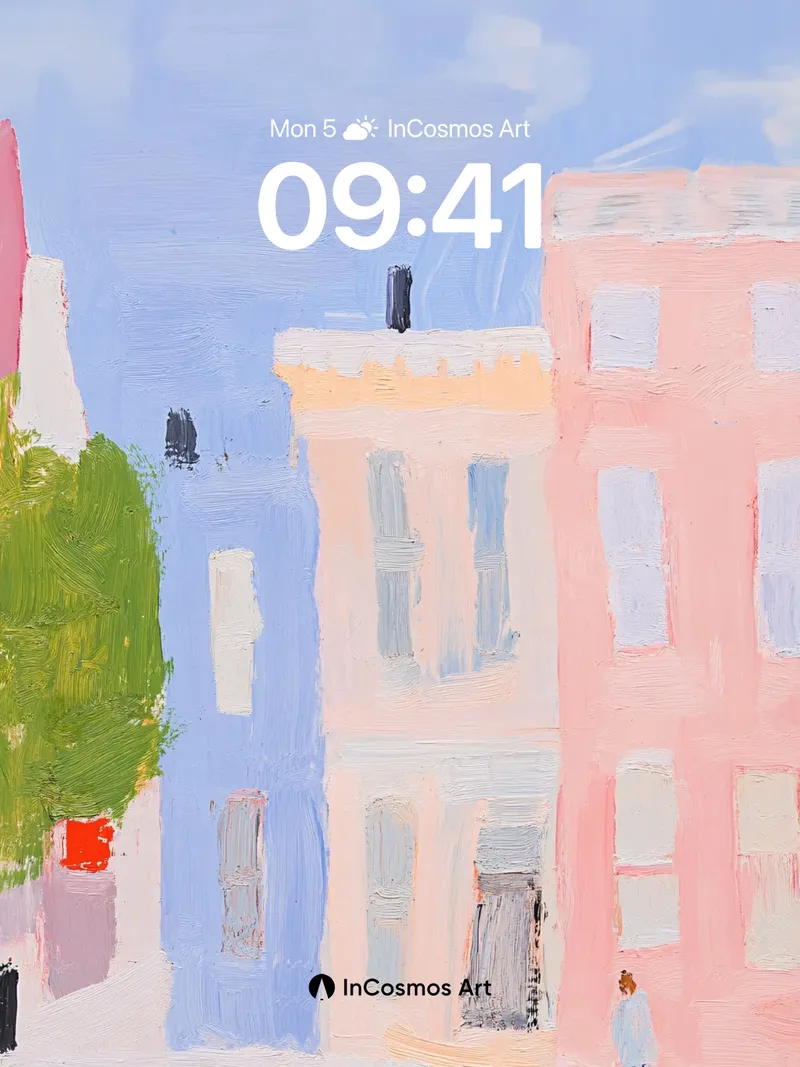
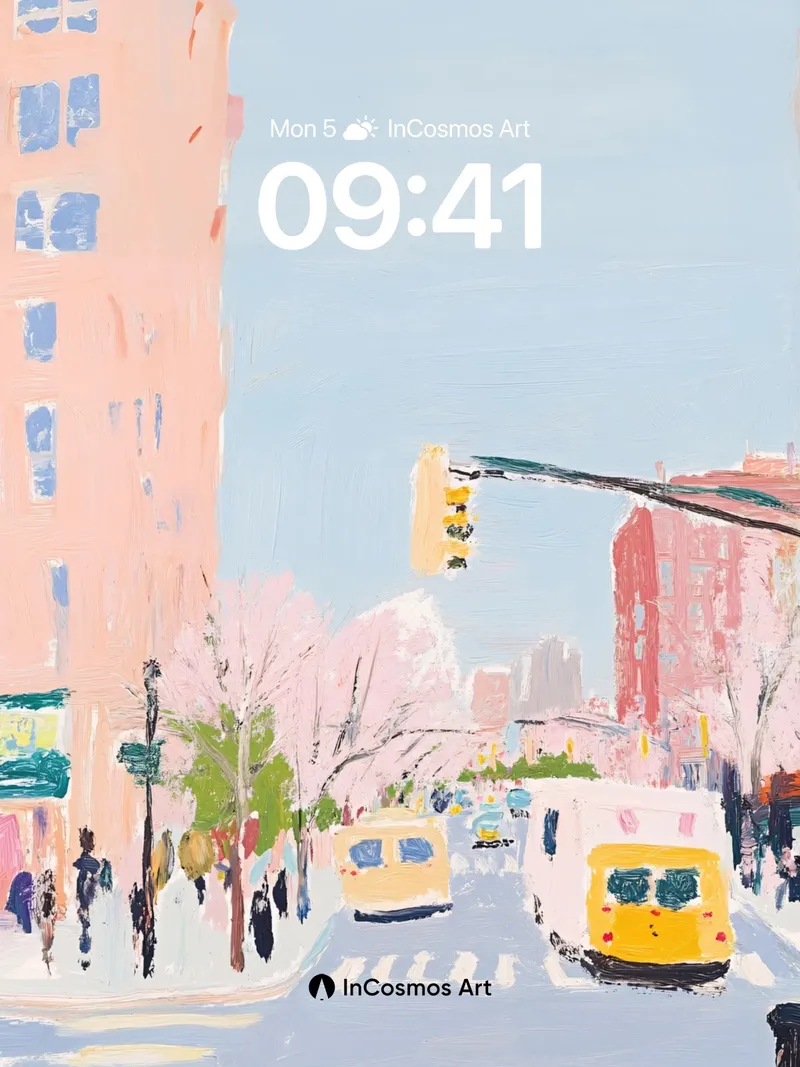
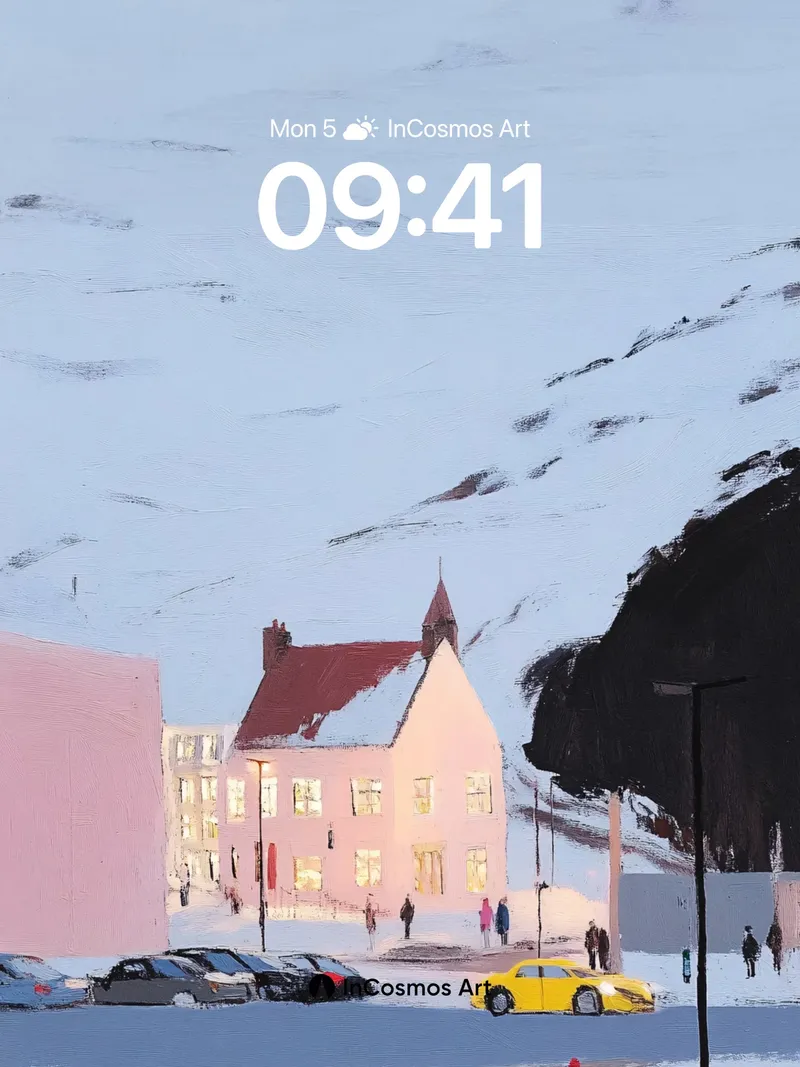
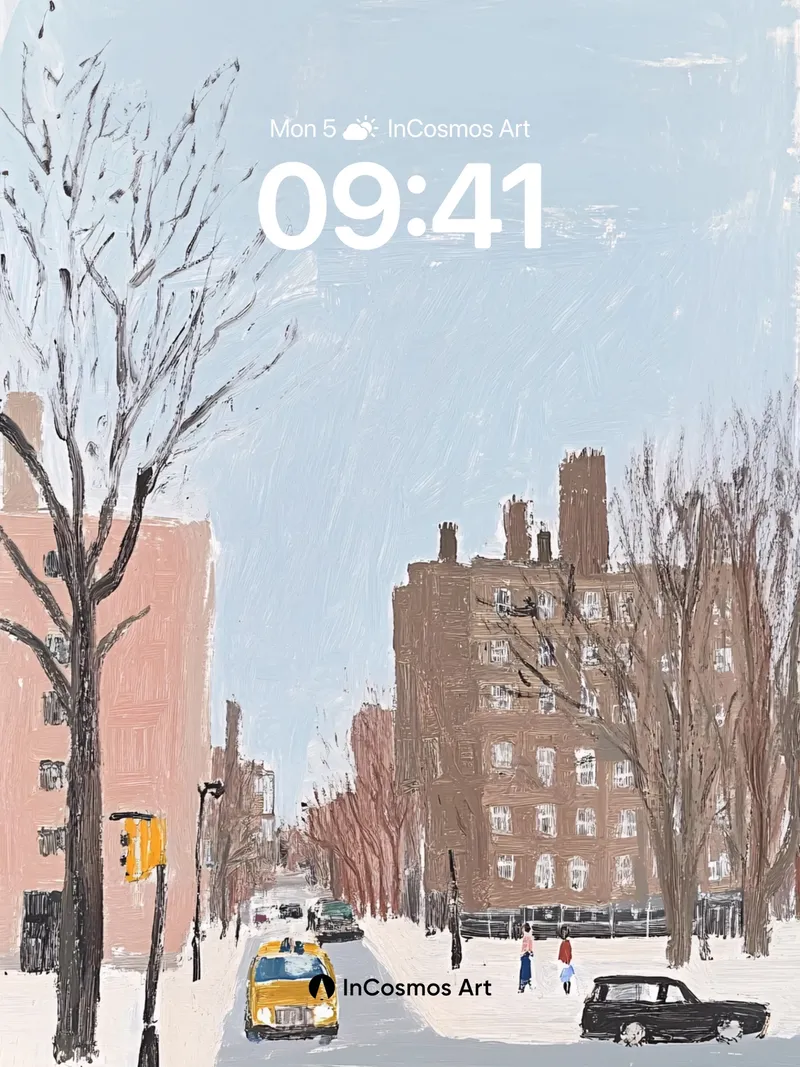
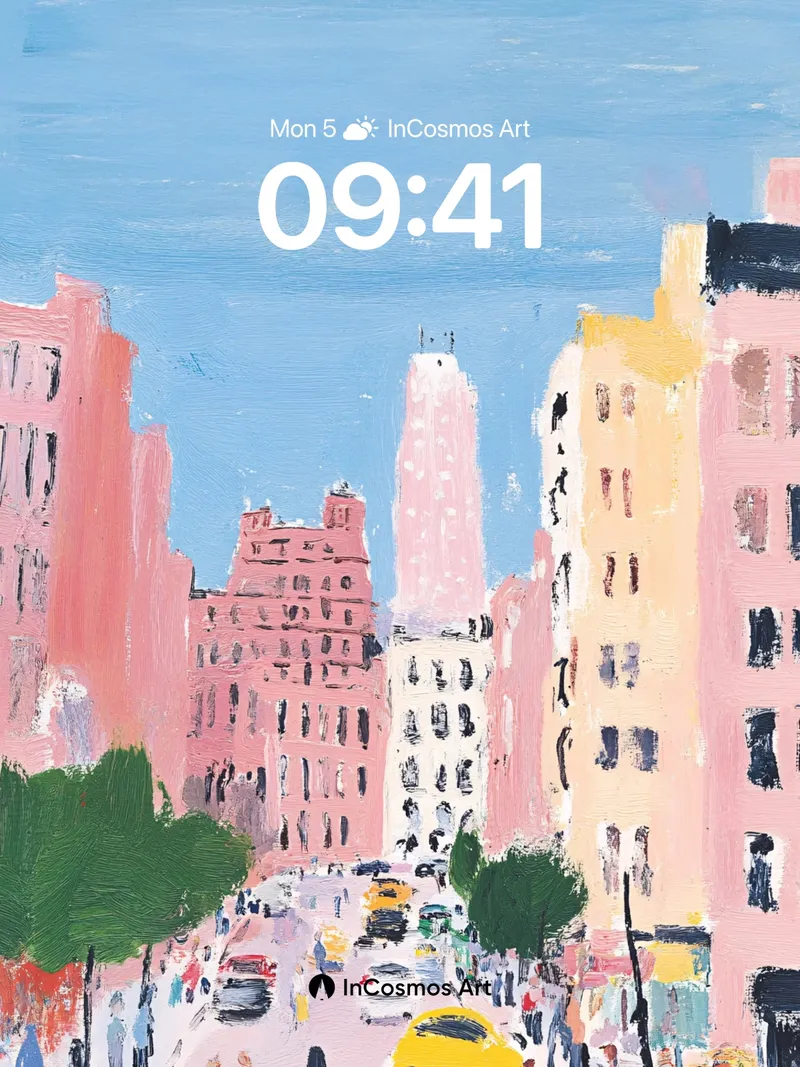
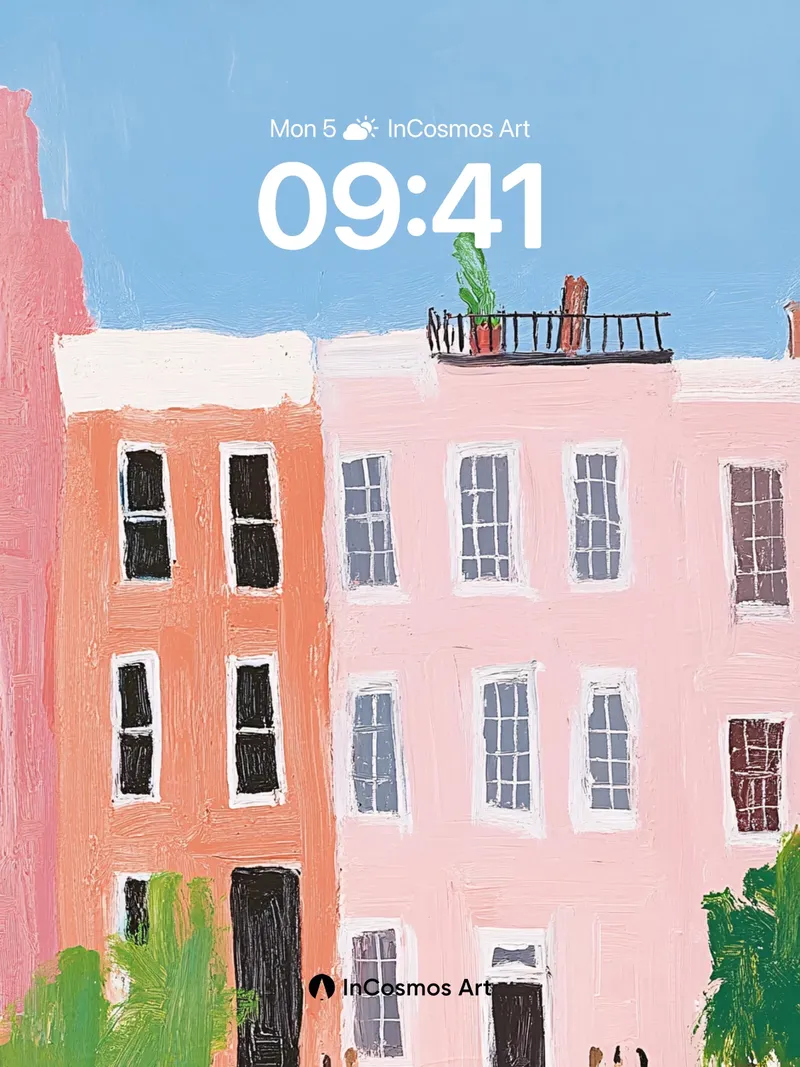
At extreme latitudes, architecture becomes a poem against nature. White blankets the earth, eaves droop low, windows emit warm yellow glows like sleeping stars awakening on an icy plain. People pull their collars tight, leaving faint footprints in snow, keeping distance yet linked by shared skylight. This is not desolation, but warmth within order—a ritual of survival where color resists monotony and light defies darkness. Streets are quiet, yet alive with subtle motions: someone pushes a stroller, another pauses at a window, another walks silently. Each building holds a story—red walls, blue roofs, pink and white facades—neither uniform nor chaotic, but forming a harmonious whole. This is the distinctive urban landscape of Nordic winter: rational yet emotional, functional yet spiritual. In such an environment, the relationship between human and nature shifts from confrontation to coexistence and response.
Architecture as a Carrier of Warmth
Building forms bear the weight of climate. Sloped roofs prevent snow buildup, thick walls block cold air, windows minimize heat loss. Beyond utility lies color choice—vivid reds, soft pinks, pure whites. These are not mere decoration, but emotional expression. During long winters, color becomes psychological light. When outside is silver-white, interior lights glow, and blue doorframes or orange window frames become visual anchors, guiding sight, soothing mind. Structures cease being cold frameworks; they become vessels of memory and feeling.
The Balance Between Color and Solitude
Urban populations are sparse, movements slow, clothing heavy. Yet presence does not feel isolated. Instead, this reserved gathering creates a new social language: no words needed, only posture and direction convey meaning. Walkers leave space, yet share the same snowfield; children run, adults stand still, each occupying position while echoing others. Color acts as bridge here—the woman in red cuts through gray-white streets like a moving flame, breaking silence without disrupting harmony. This is delicate equilibrium: individual and collective, motion and stillness, cold and warmth in dynamic dialogue.
The Rhythm of Winter Cities
Time stretches here. Days are short, nights long, so every moment of daylight gains significance. People complete daily tasks within limited hours, yet retain sensitivity to beauty. Few pedestrians move with rhythm: walking, sliding, pausing, looking up. Distant hills rise, snow-covered, contours sharp, serving as natural backdrop. Towns follow terrain, buildings align gently, avoiding competition, seeking harmony. This yielding to nature reflects Nordic cultural respect and humility. Life unfolds not in noise, but in quiet order.